-
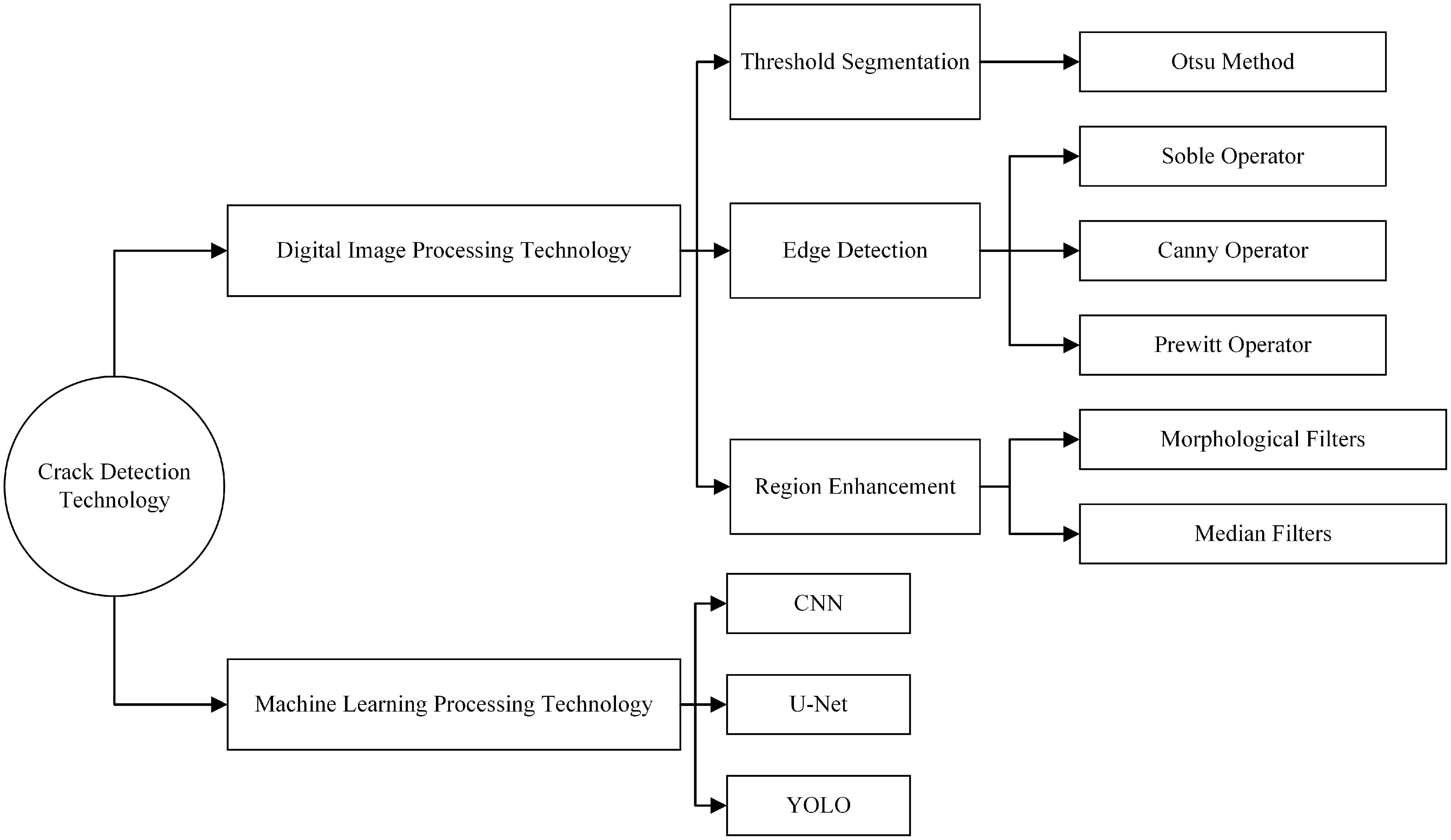
Figure 1.
Classification of asphalt pavement crack detection techniques.
-
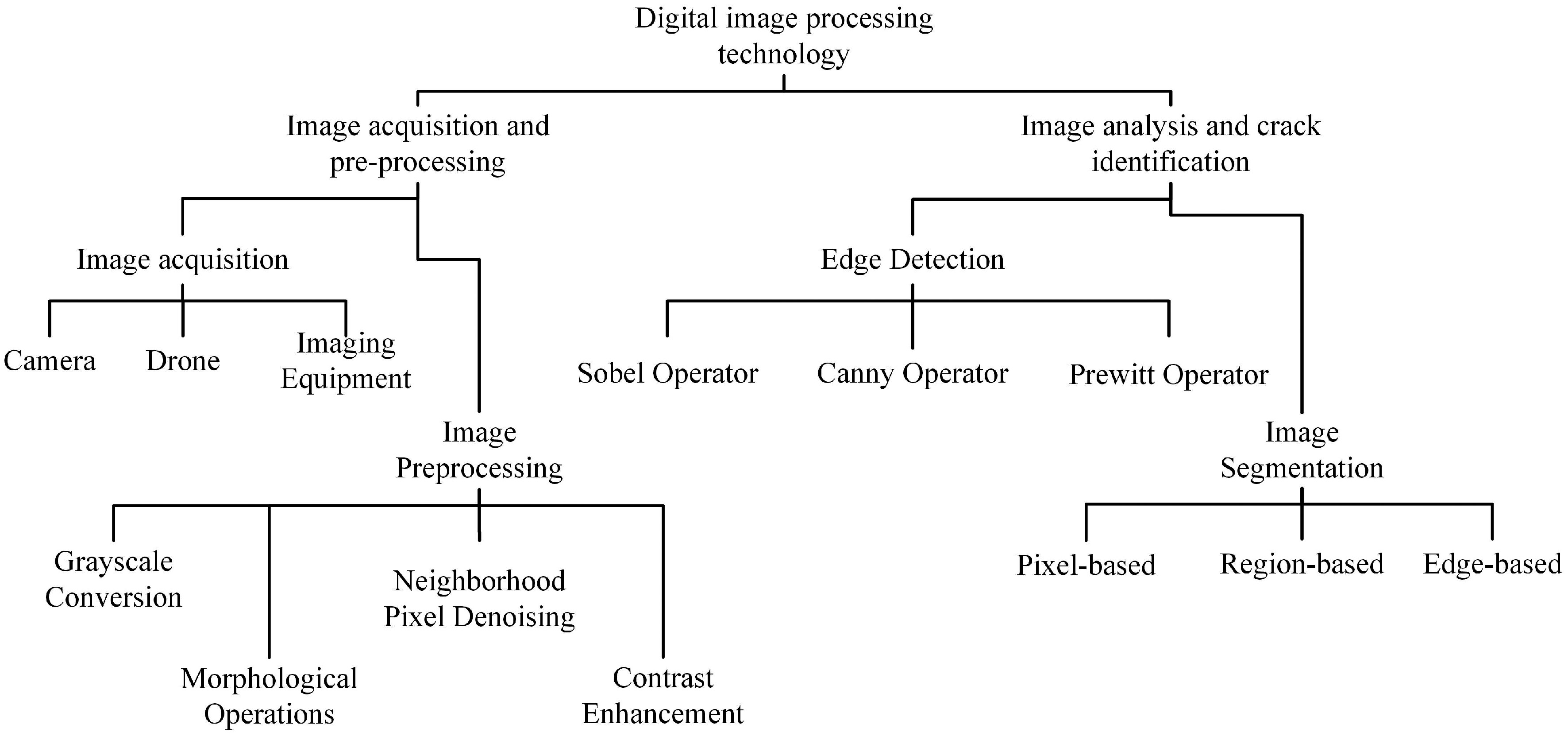
Figure 2.
Overview of digital image processing techniques.
-
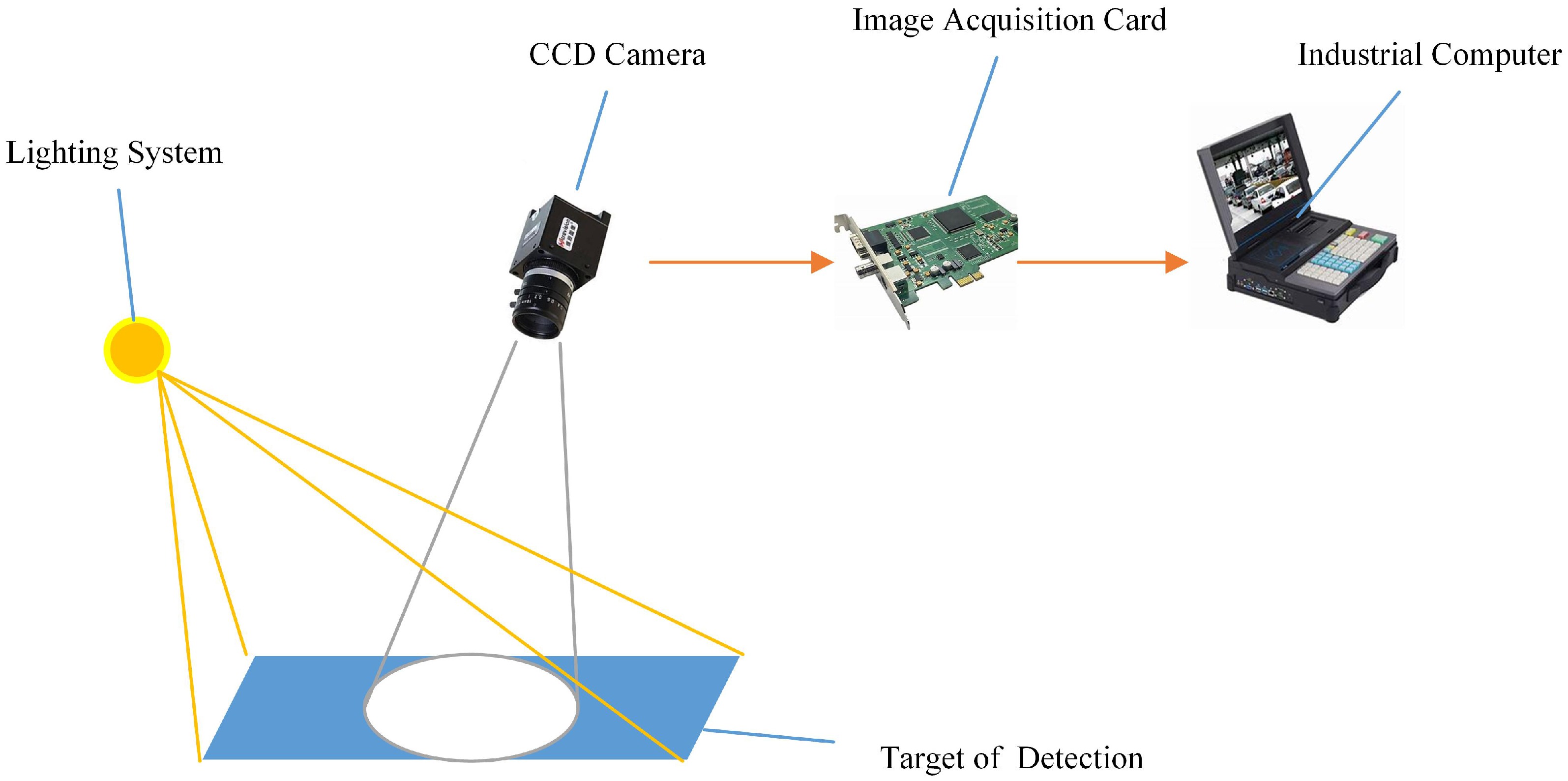
Figure 3.
Image acquisition using a CCD camera.
-
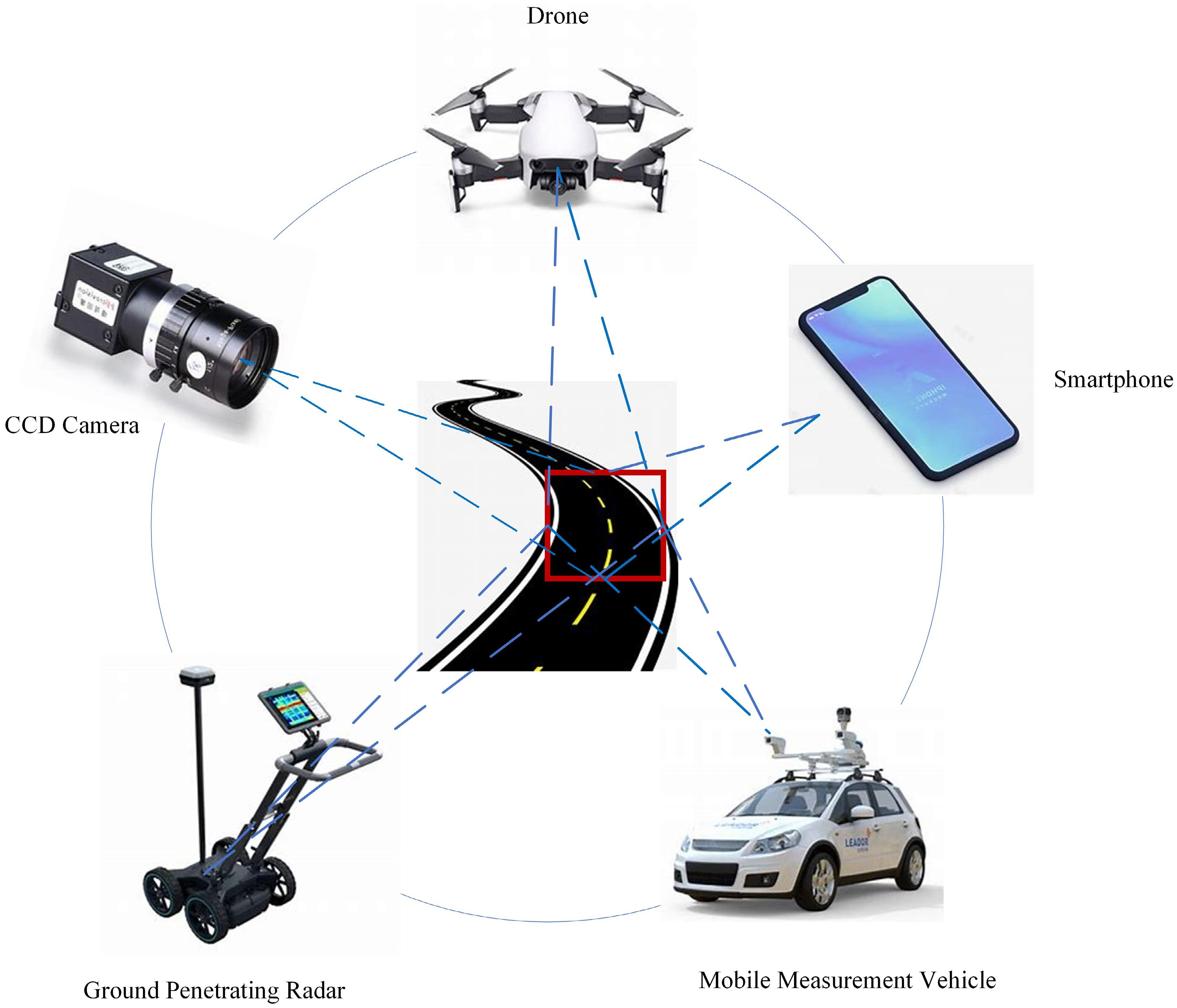
Figure 4.
Different devices for image acquisition.
-
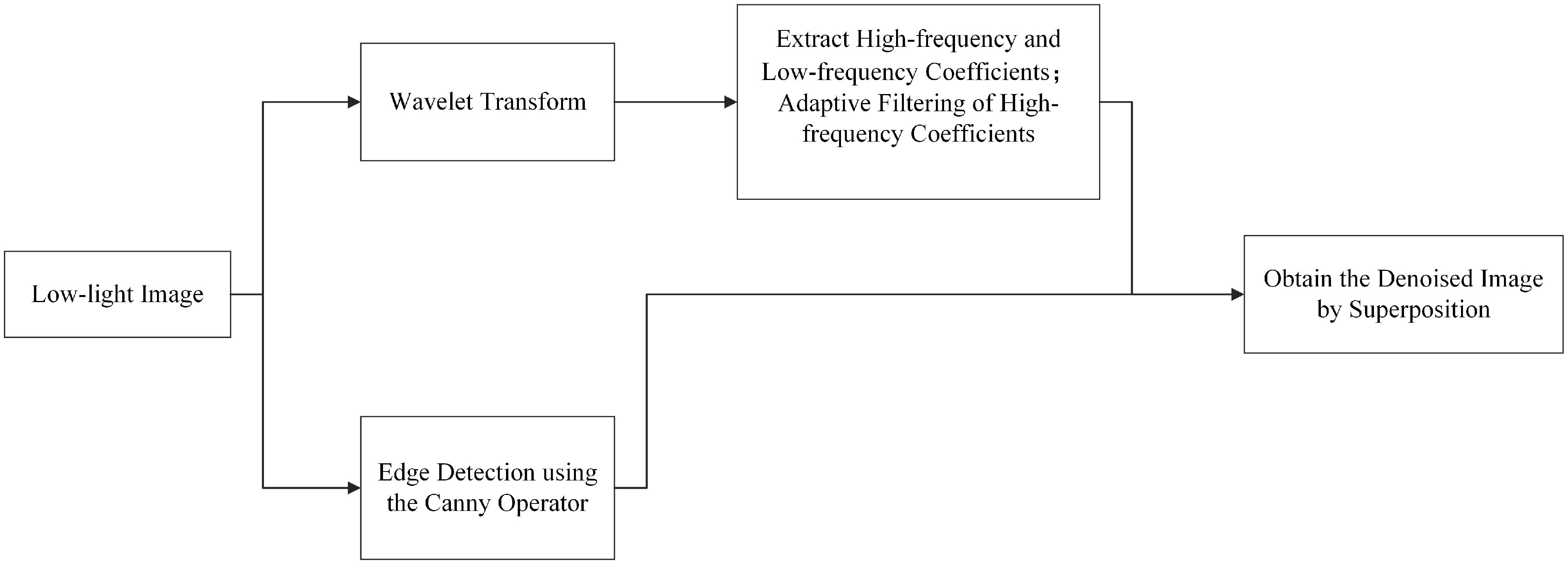
Figure 5.
Flowchart of image denoising using filtering.
-
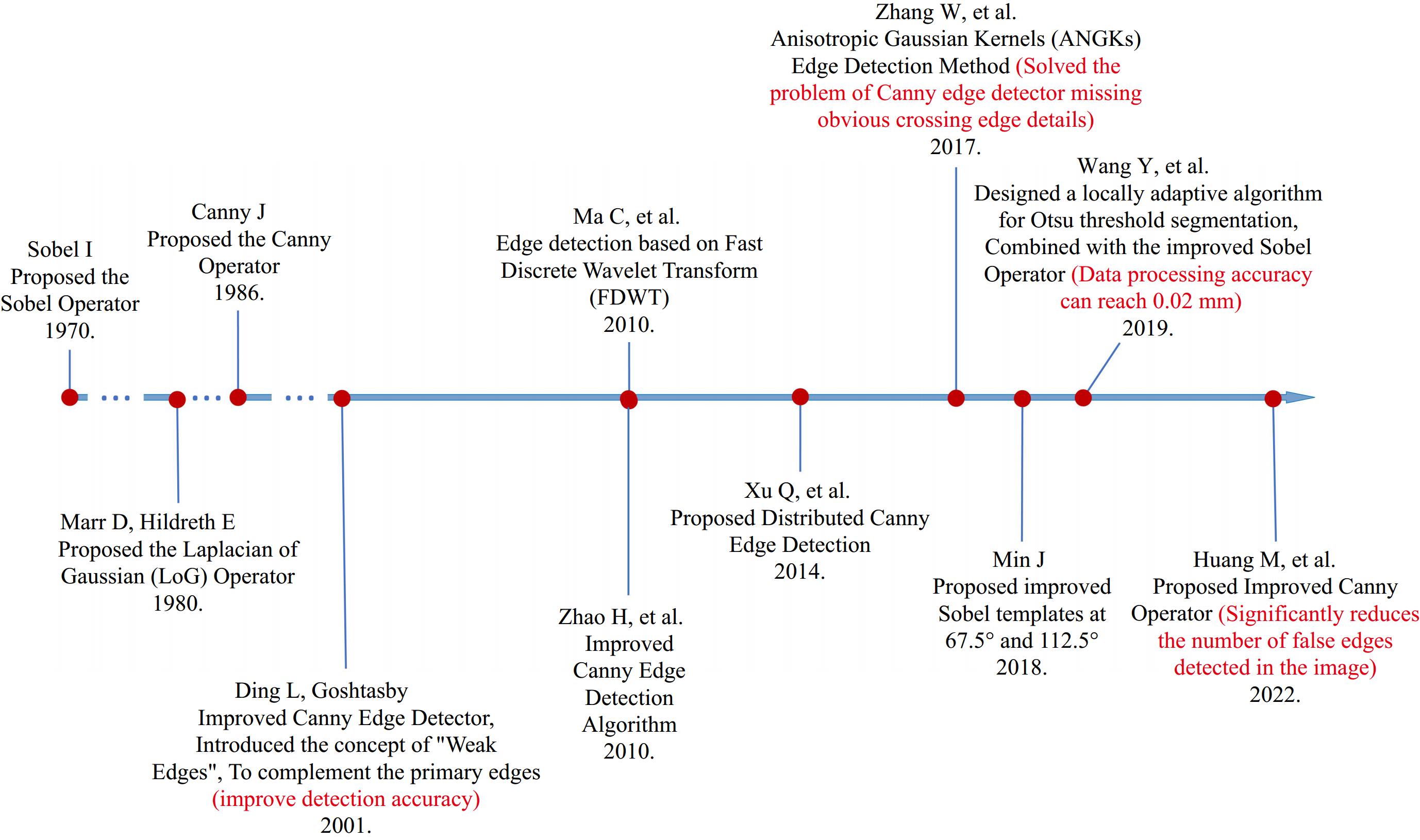
Figure 6.
Development of edge detection technology.
-
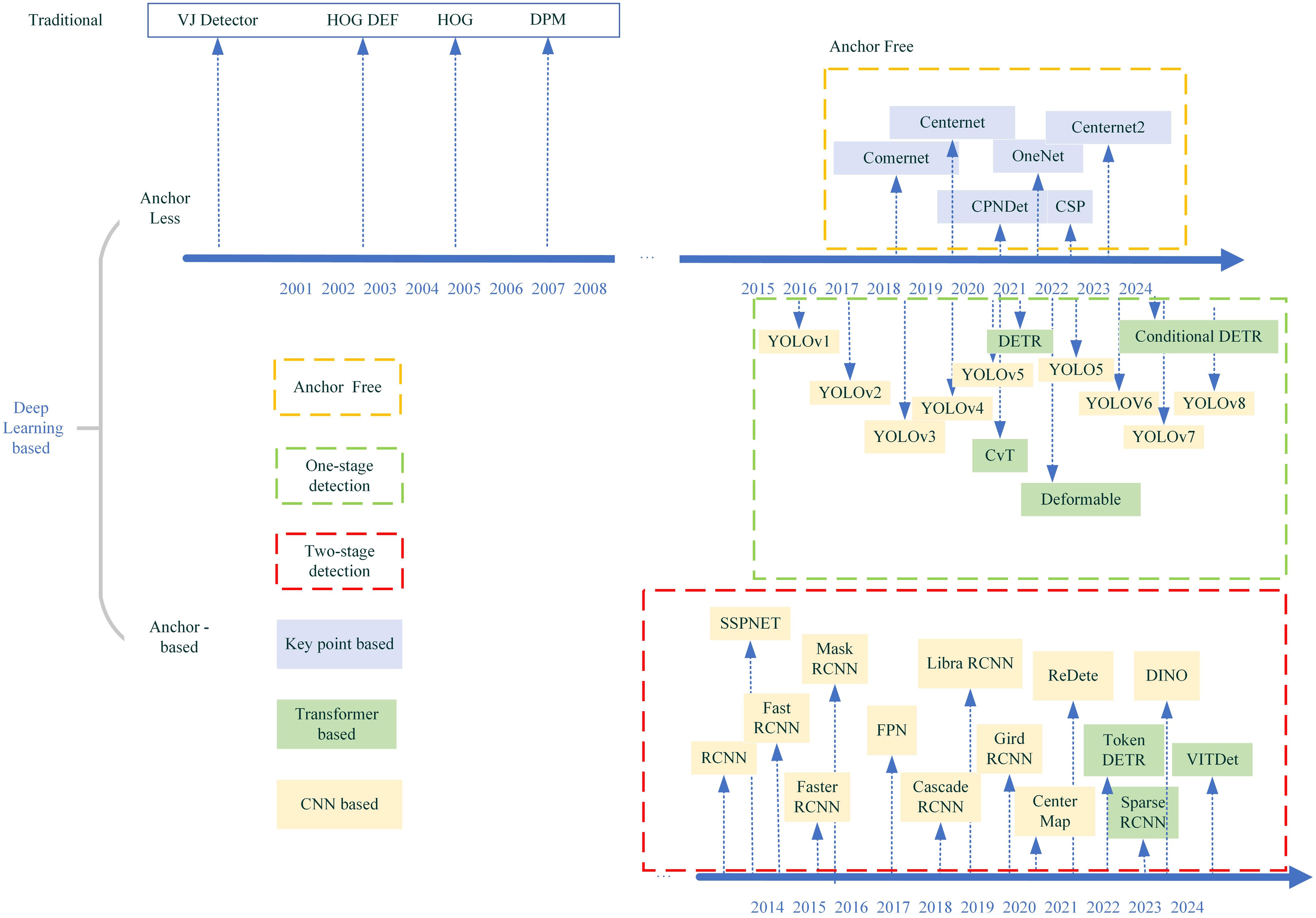
Figure 7.
Evolution history chart of deep learning models.
-
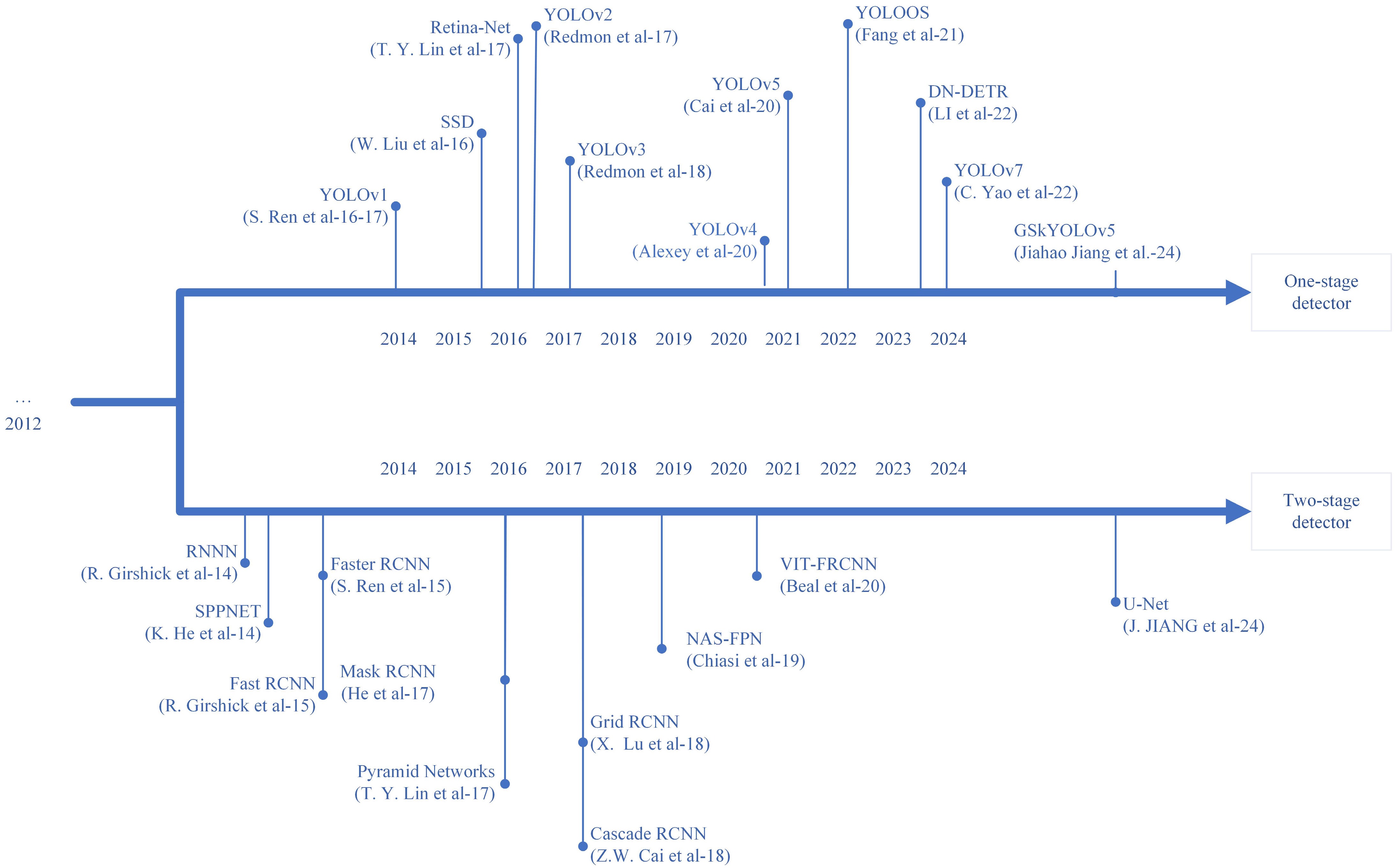
Figure 8.
Development process flowchart of object detection technology based on deep learning.
-
Dataset name Description Application in literature Massachusetts dataset Contains 1,711 road images and 151 building images, used for road and building extraction Wei et al.[71] optimized CNN models to extract road categories from aerial images. Alshehhi et al.[72] implemented a patch-based CNN model to extract roads and building parts from remote sensing images. TerraSAR-X dataset Used for road extraction in SAR images, with 20% for testing and 80% for training Henry et al.[73] used DeepLabV3+ and Deep Residual U-Net to extract road parts from SAR images. DeepGlobe dataset Contains 622 test images, 622 validation images, and 4,971 training images Xie et al.[74] applied a new global perception framework based on higher-order spatial information (HsgNet) for road extraction. Google Earth dataset Contains 567 test images and 2,213 training images Cheng et al.[75] proposed the CasNet deep learning model to detect road categories and extract road centerlines. Shi et al.[76] implemented GAN models using data augmentation procedures to generate high-resolution segmentation maps. DigitalGlobe dataset Collected by DigitalGlobe satellite, contains 6,226 images Zhou et al.[77] introduced the D-LinkNet model for road semantic segmentation in remote sensing images. Doshi[78] used a ResNet-based ensemble model to extract roads from satellite images. Table 1.
Common online public datasets.
-
Key technology Main contribution Performance index Ref. CNN model optimized based on road structure Combined fusion and deconvolution layers to obtain structured output, proposed a road structure-based
loss functionF1 Score: 66.2%; recall: 72.9%; precision: 60.6%; accuracy: 92.4% Wei et al.[71] A novel architecture based on FCN, called U-shaped FCN Proposed U-shaped FCN model, data augmentation
to improve training efficiencyF1 Score: 89.6%; recall: 86.8%; precision: 92.5%; accuracy: 95.2% Kestur et al.[99] U-Net fully convolutional network First use of U-Net for detecting concrete cracks,
U-Net is superior to DCNN in robustness,
effectiveness, and accuracyF1 Score: 90%; recall: 91%; precision 90% Zhenqing Liu[86] Technology based on improved deep encoder-decoder neural networks networks Enhanced model, using ELU function and
LM method to improve overall output accuracyF1 Score: 85.7%; recall: 86.1%; precision: 85.4% Panboonyuen et al.[100] CNN-based automatic bridge crack detection model Using an end-to-end model, parallel use of three Atrous convolutions to reduce computational complexity F1 Score: 87.7%; precision: 78.1%; accuracy: 98.4% Xu & Xu[101] Table 2.
The development of technology in crack detection.
Figures
(8)
Tables
(2)