-
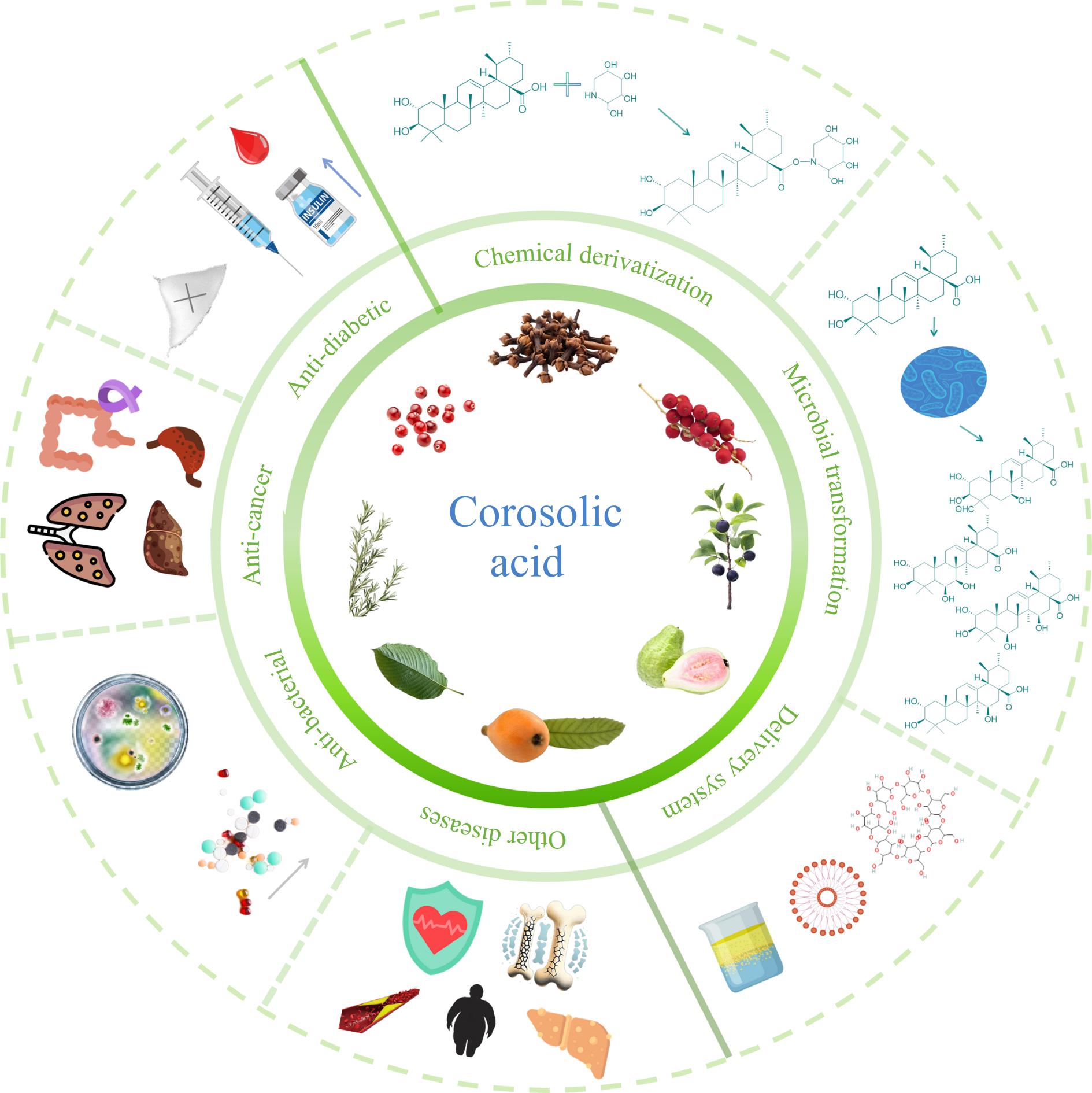
Figure 1.
Biological activities of corosolic acid and strategies for enhancing the potential efficacy.
-
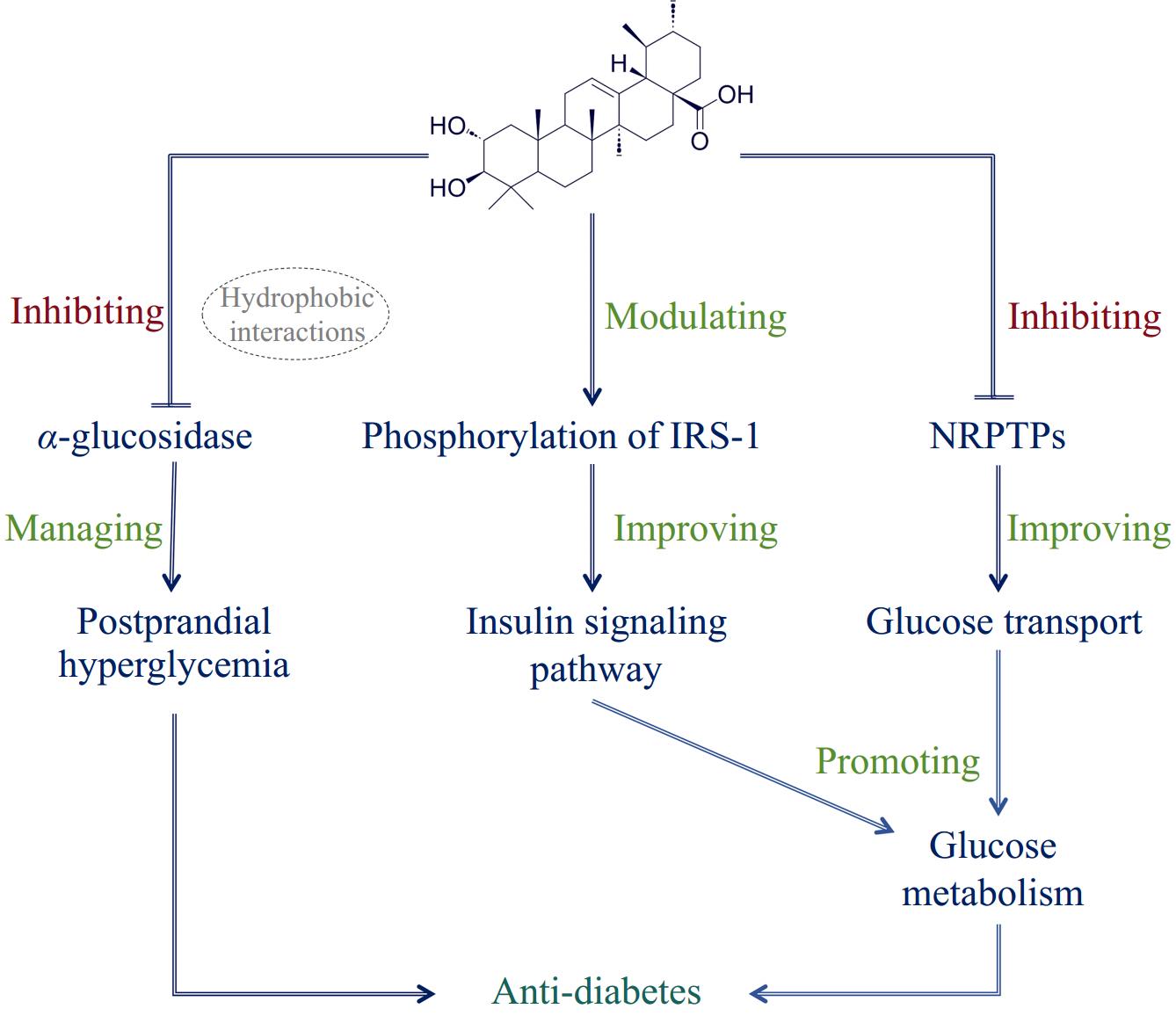
Figure 2.
Proposed mechanisms of corosolic acid in diabetes inhibition. IRS-1: Insulin Receptor Substrate-1; NRPTPs: Non-Receptor Protein Tyrosine Phosphatases.
-
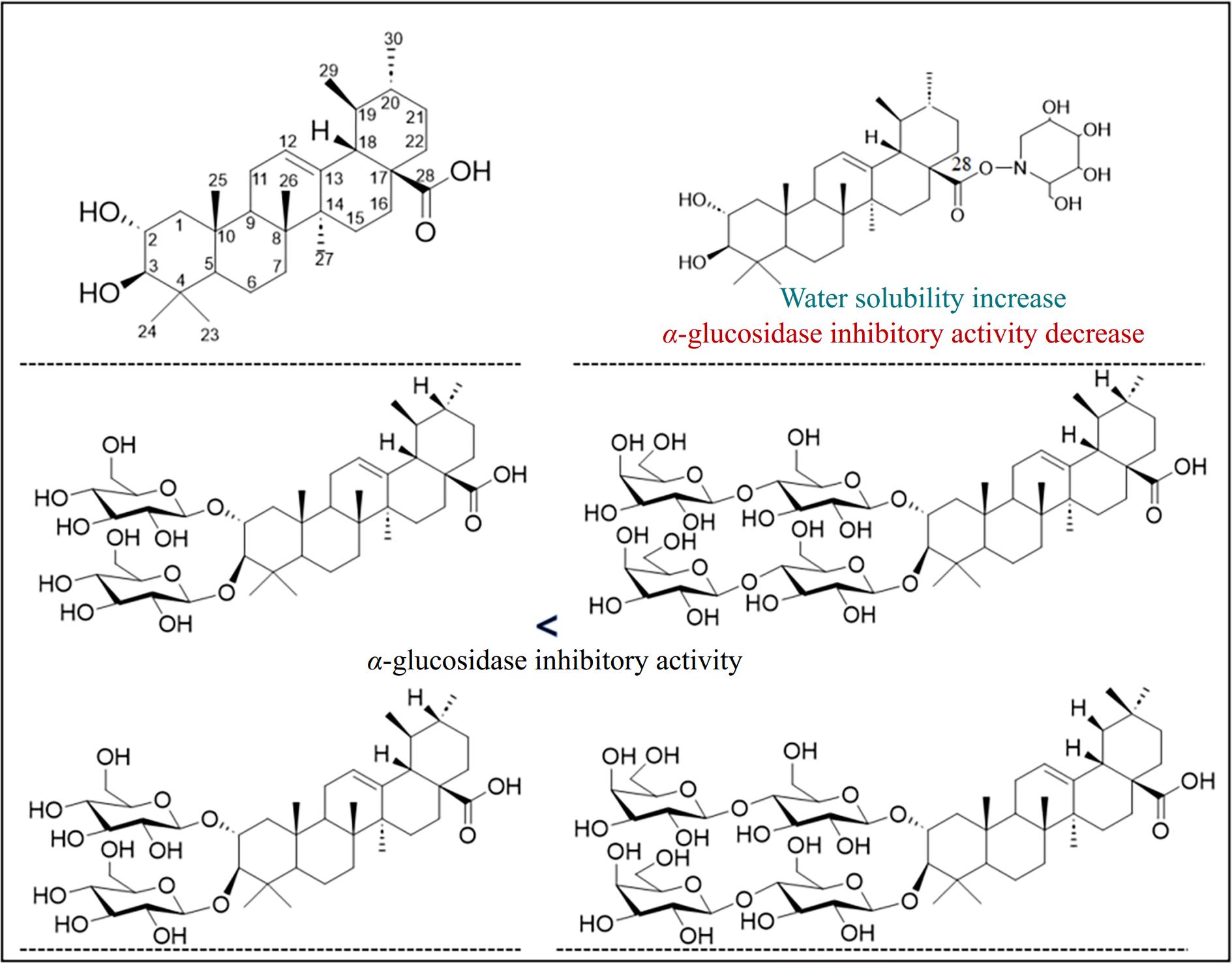
Figure 3.
Structural formula of corosolic acid and some chemical derivatives.
-
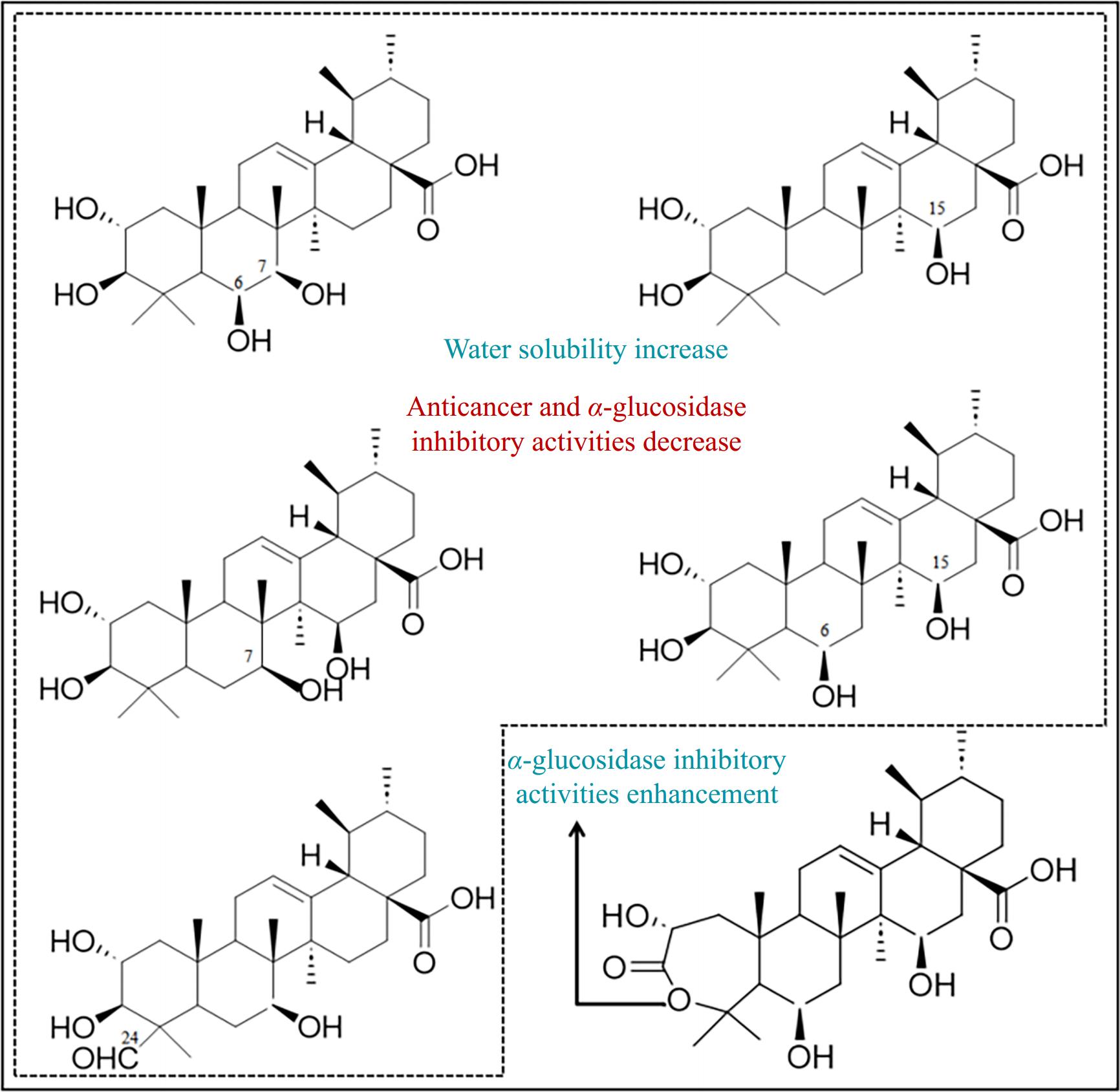
Figure 4.
Structural formula of some biotransformation products of corosolic acid.
-
Cancer Proposed inhibitory mechanisms Ref. Lung cancer Inhibition of epithelial-mesenchymal transition, promoting ferroptosis [16,44] Liver cancer Promoting ferroptosis, downregulating the VEGFR2/Src/FAK/cdc42 axis, suppressing the CDK19/YAP/o-GlcNAcylation pathway, activating the PERK-eIF2α-ATF4 pathway [19,45,46] Gastric cancer Modulating the PI3K-AKT signaling pathway, influencing AMPK-mTOR signaling pathway, inhibiting HER2 gene expression [18,47,48] Colon cancer Promoting N-terminal phosphorylation of β-catenin, reducing COX-2 expression, activating caspase-3 [49−51] Pancreatic cancer Promoting ferroptosis, inhibiting the JAK2/STAT3 signaling pathway [2,52] Kidney cancer Reducing MMP2 expression and stimulates ERK1/2 phosphorylation, stimulating ERK1/2 phosphorylation [20,42] Breast cancer Reducing the phosphorylation levels of JAK2 and STAT3 proteins and activating apoptosis-related caspases [53] Bladder cancer Inhibit DNA synthesis, downregulating cell cycle regulators, triggering autophagy-related pathways [54] Ovarian cancer Inhibiting macrophage-epithelial interactions [55] Oral cancer Inhibits the expression of MMP1 [56] Bone cancer Disrupting mitochondrial membrane potential, increasing the Bax/Bcl-2 ratio, releasing cytochrome c, activating
caspases-8, -9, and -3[57] Table 1.
Proposed inhibitory mechanisms of corosolic acid against different types of cancer.
Figures
(4)
Tables
(1)