-
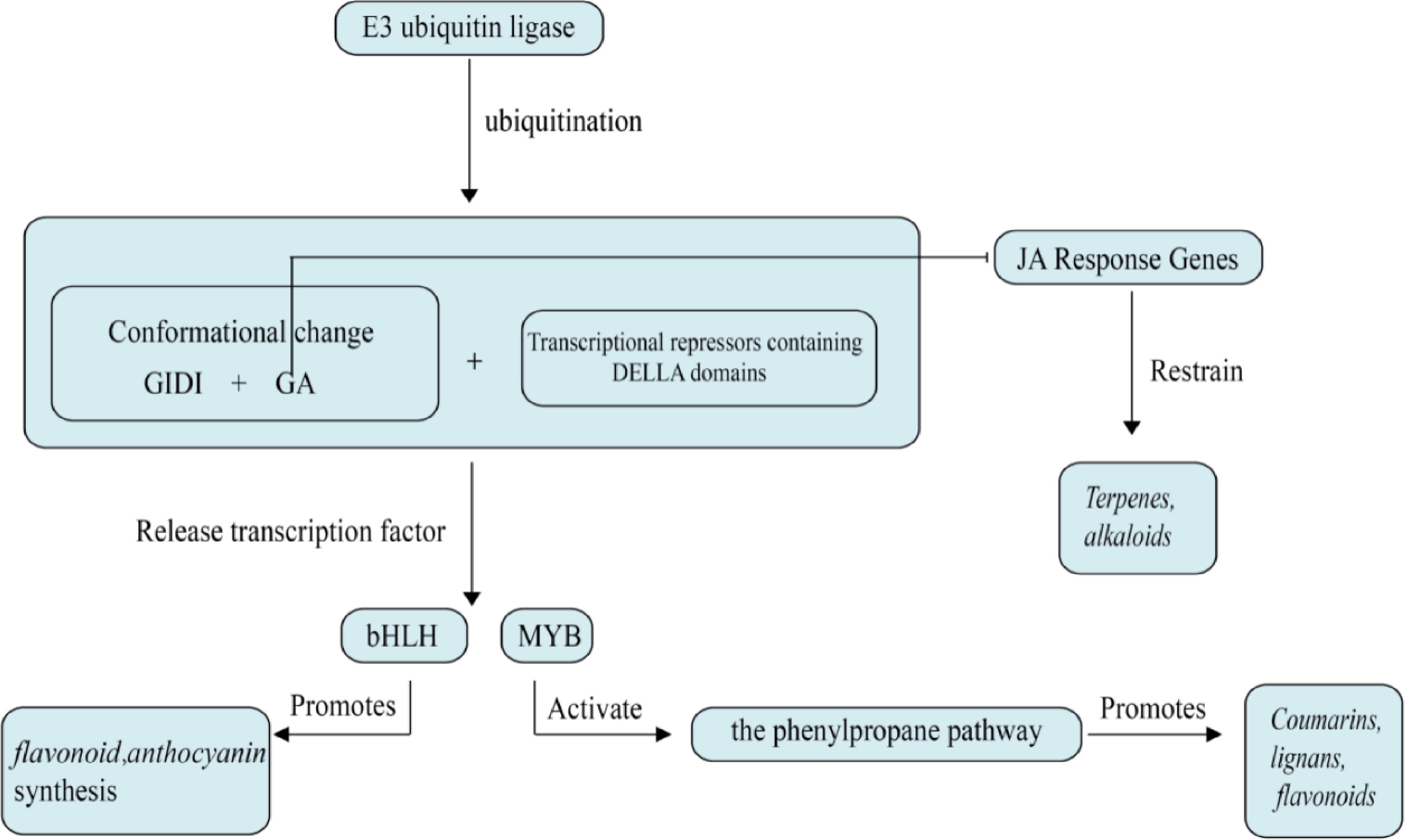
Figure 1.
Effects of gibberellin on plant secondary metabolism. Gibberellin inhibits secondary metabolism of medicinal plants mainly through DELLA protein degradation and hormone signaling antagonism.
-
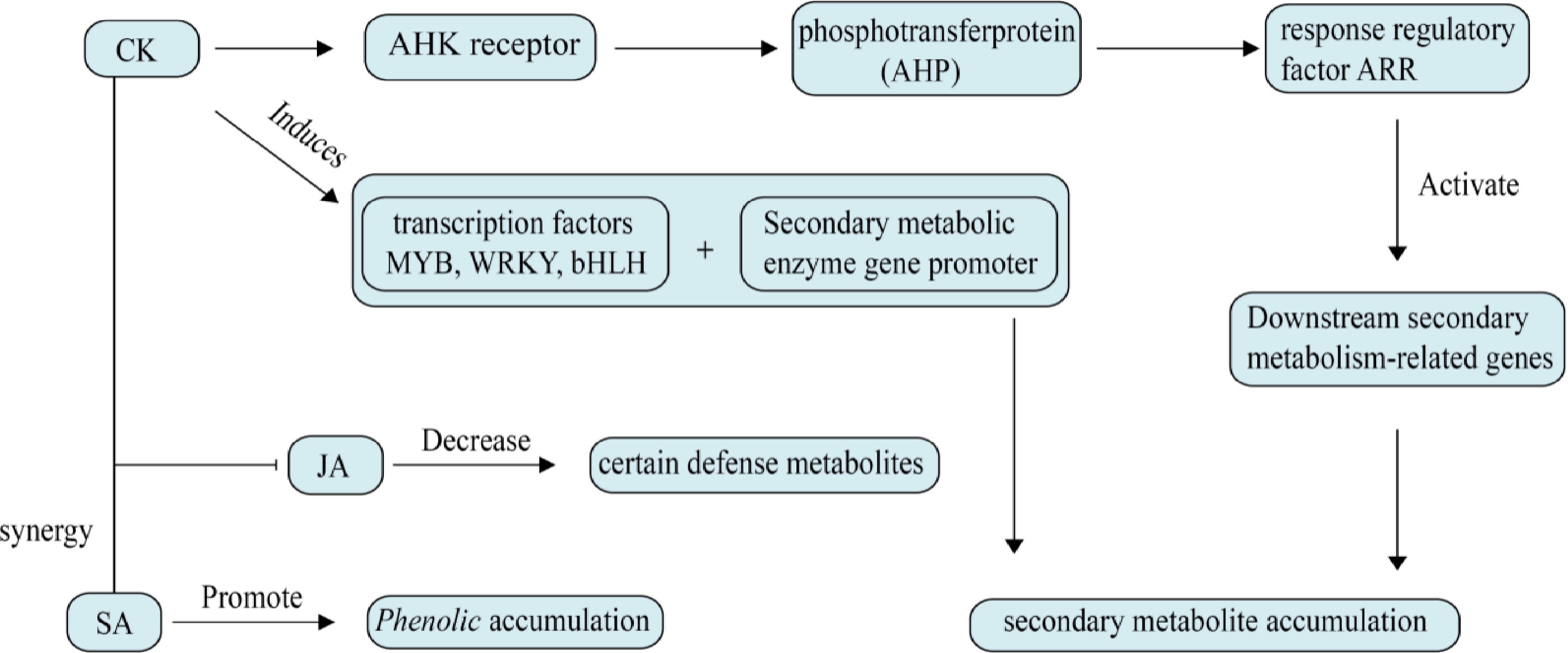
Figure 2.
Effects of cytokinin on plant secondary metabolism. CKs transmit signals via histidine kinase receptors, phosphotransfer protein, and response regulator (ARR) to activate downstream secondary metabolity-related genes. At the same time, MYB, WRKY, bHLH, and other transcription factors are induced, which directly bind to the promoter of secondary metabolic enzyme genes. It can also increase the level of intracellular H2O2, activate the antioxidant system, and indirectly regulate the synthesis of phenols and terpenes.
-
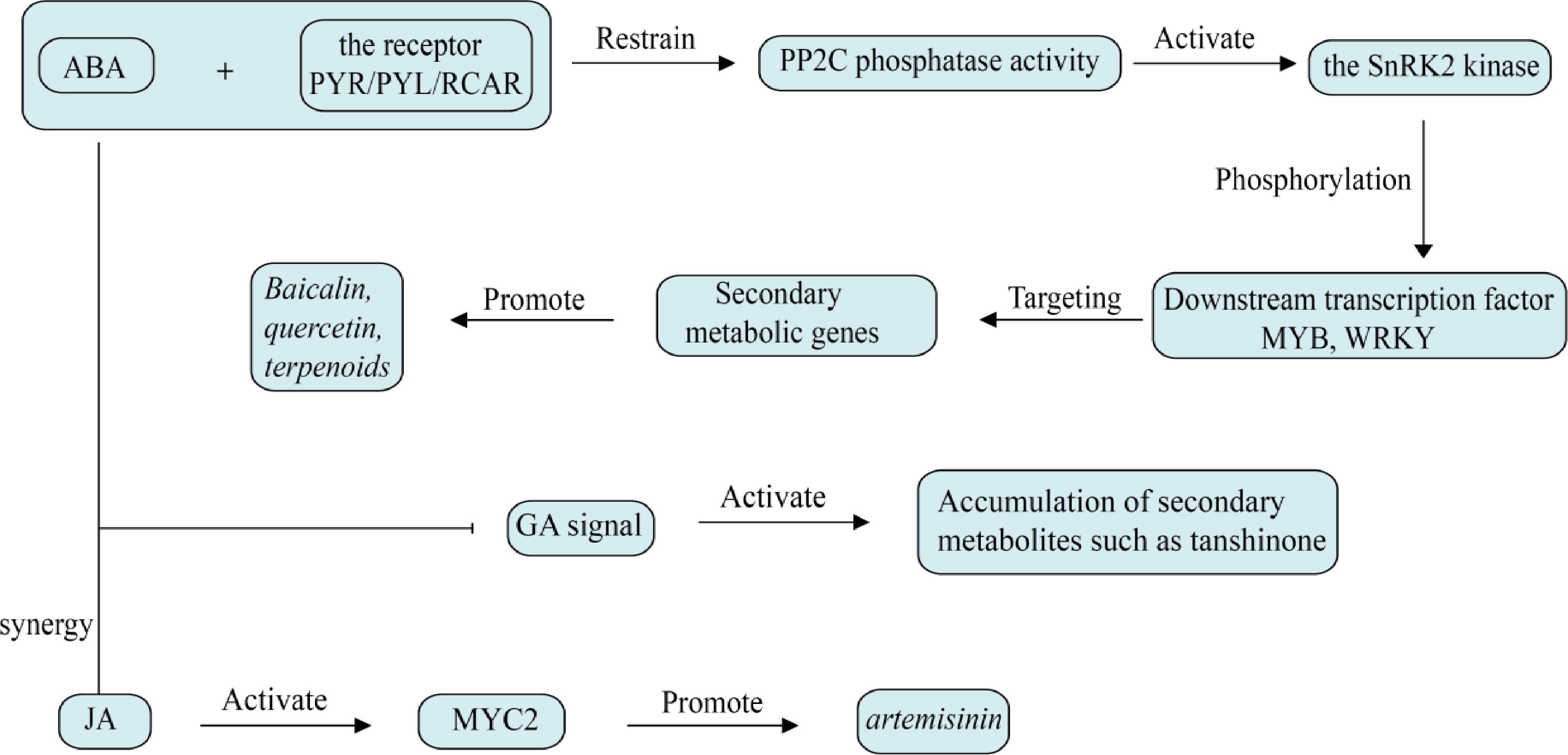
Figure 3.
Effect of abscisic acid on plant secondary metabolism. Abscisic acid directly activates secondary metabolic enzyme genes through the SnRK2-MYB/WRKY pathway, and amplifies the interaction between ROS signaling and hormones.
-
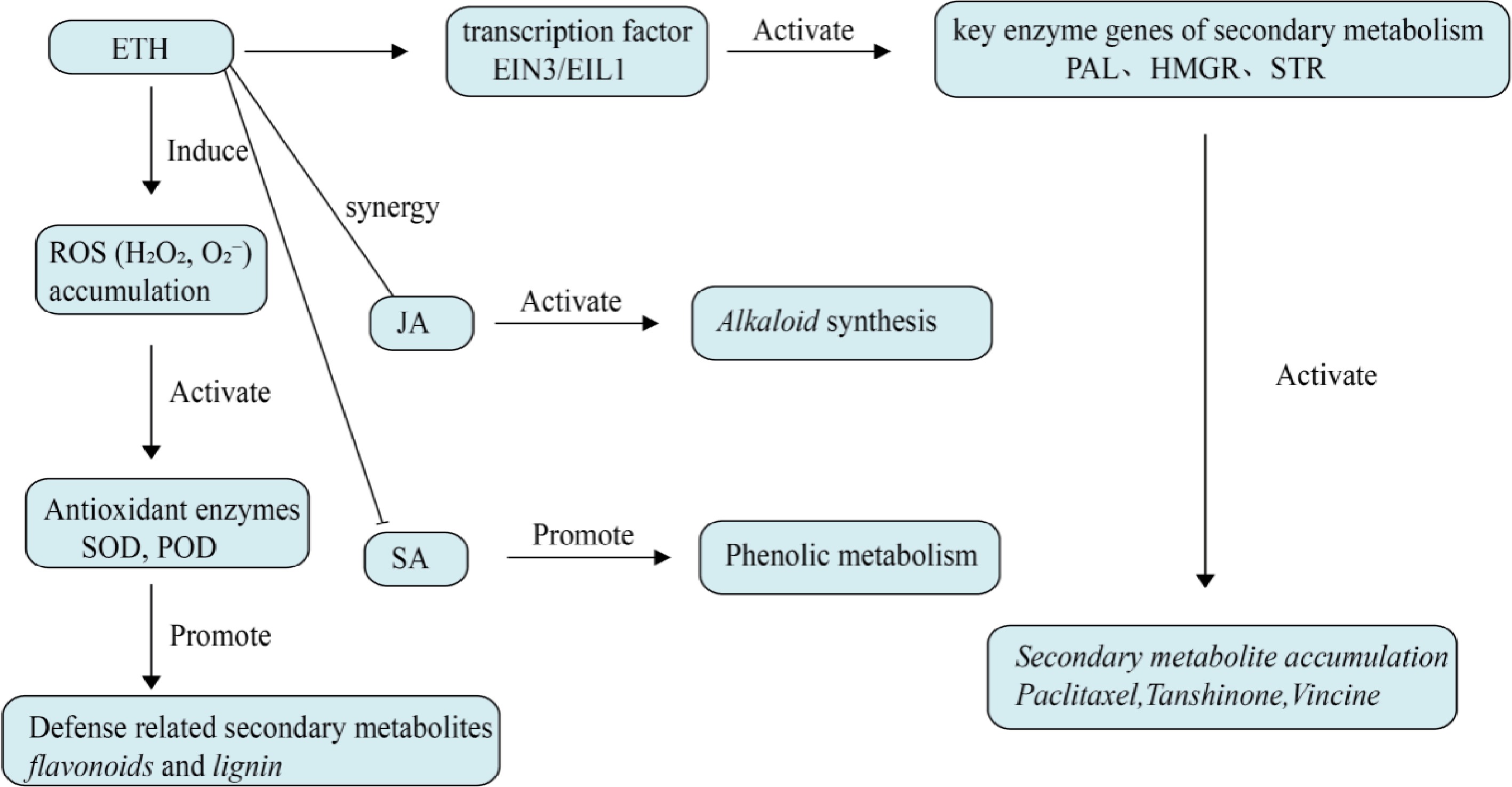
Figure 4.
Effect of ethylene on plant secondary metabolism. Ethylene directly activates key enzyme genes of secondary metabolism mainly through EIN3/EIL1 transcription factors, and can also cooperate with other plant hormones to regulate defense metabolites. Ethylene can also induce ROS accumulation, activate antioxidant enzymes, and indirectly promote defense-related secondary metabolism.
-
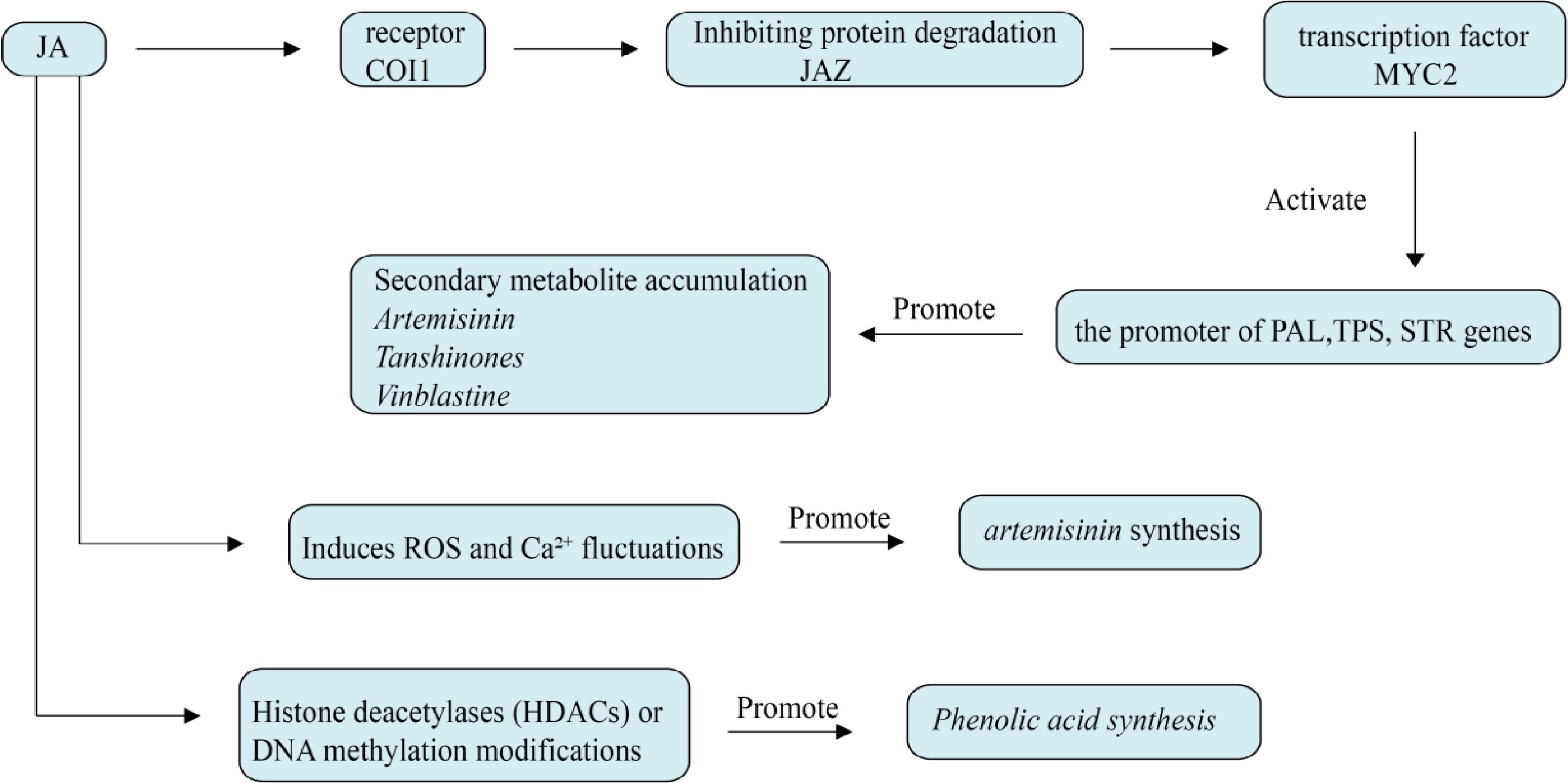
Figure 5.
Effect of jasmonic acid on plant secondary metabolism. Jasmonic acid can directly activate key genes of secondary metabolism through MYC2 transcription factor, and can coordinate with other plant hormones to regulate defense metabolites. It also induces fluctuations in ROS and Ca²+ and activates the MAPK cascade, which in turn affects artemisinin accumulation.
-
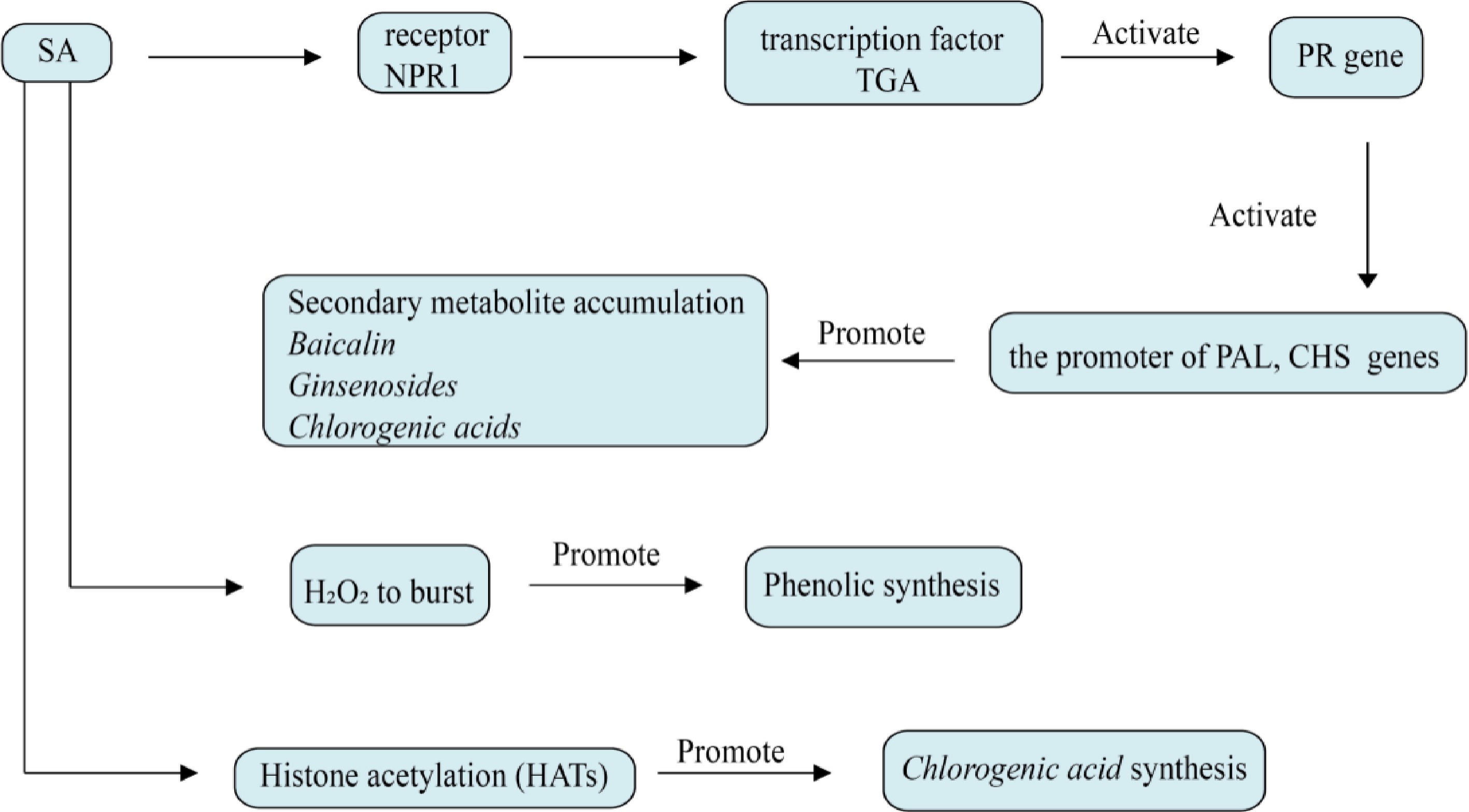
Figure 6.
Effect of salicylic acid on plant secondary metabolism. The core of salicylic acid regulation is NPR1-TGA axis, which directly activates key enzyme genes such as PAL, CHS, and β-AS. It can also induce H2O2 eruption, activate the MAPK cascade and affect the synthesis of phenolic substances. Salicylic acid can also affect metabolites by opening PAL and CHS genes through histone acetylation (HATs).
-
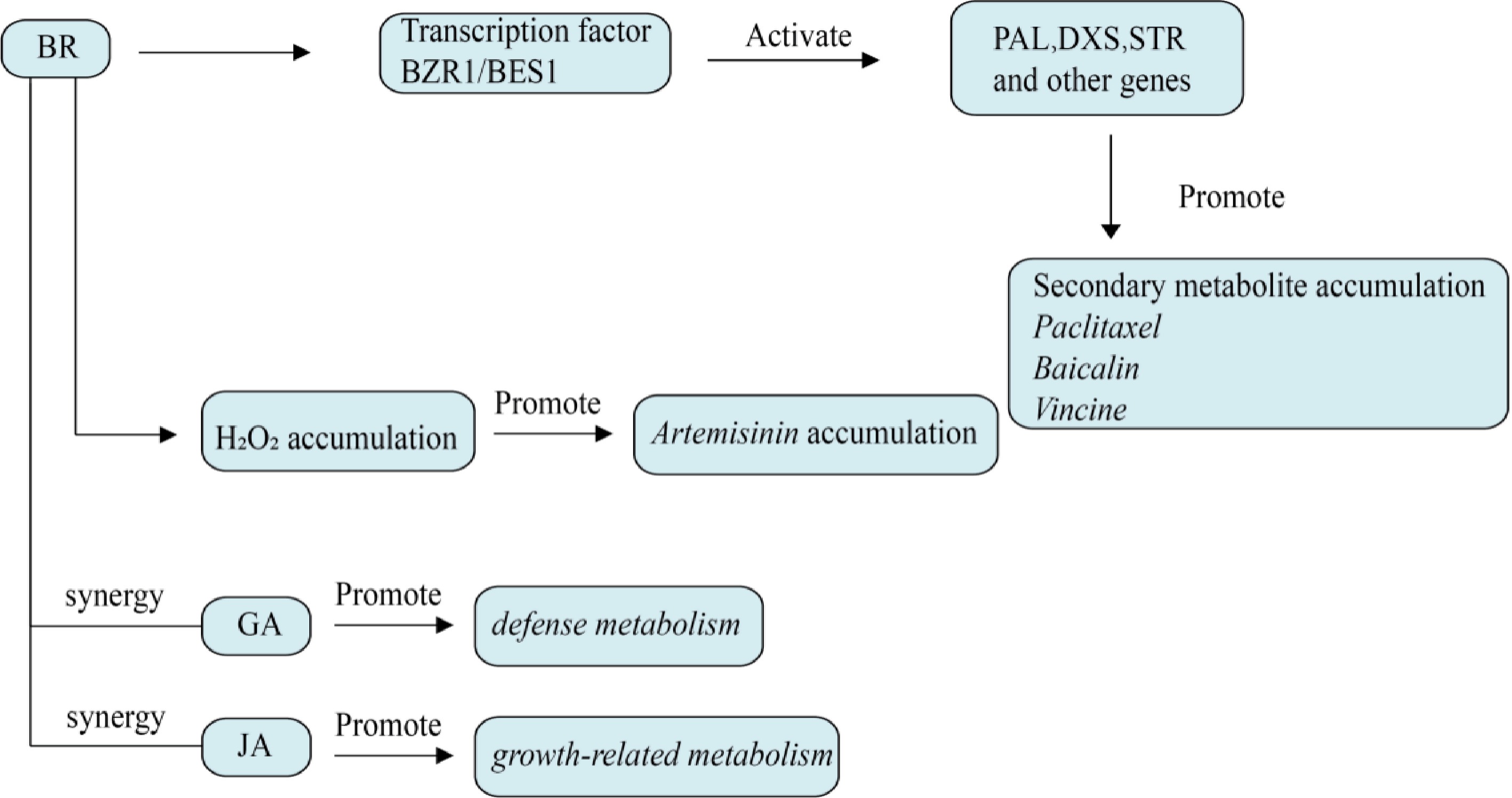
Figure 7.
Effect of brassinolide on plant secondary metabolism. BZR1/BES1 is the core transcription factor regulated by brassinolide, which directly activates PAL, DXS, STR, and other genes. BRs induces the accumulation of H2O2, activates the MAPK cascade, and affects the metabolite content.
-
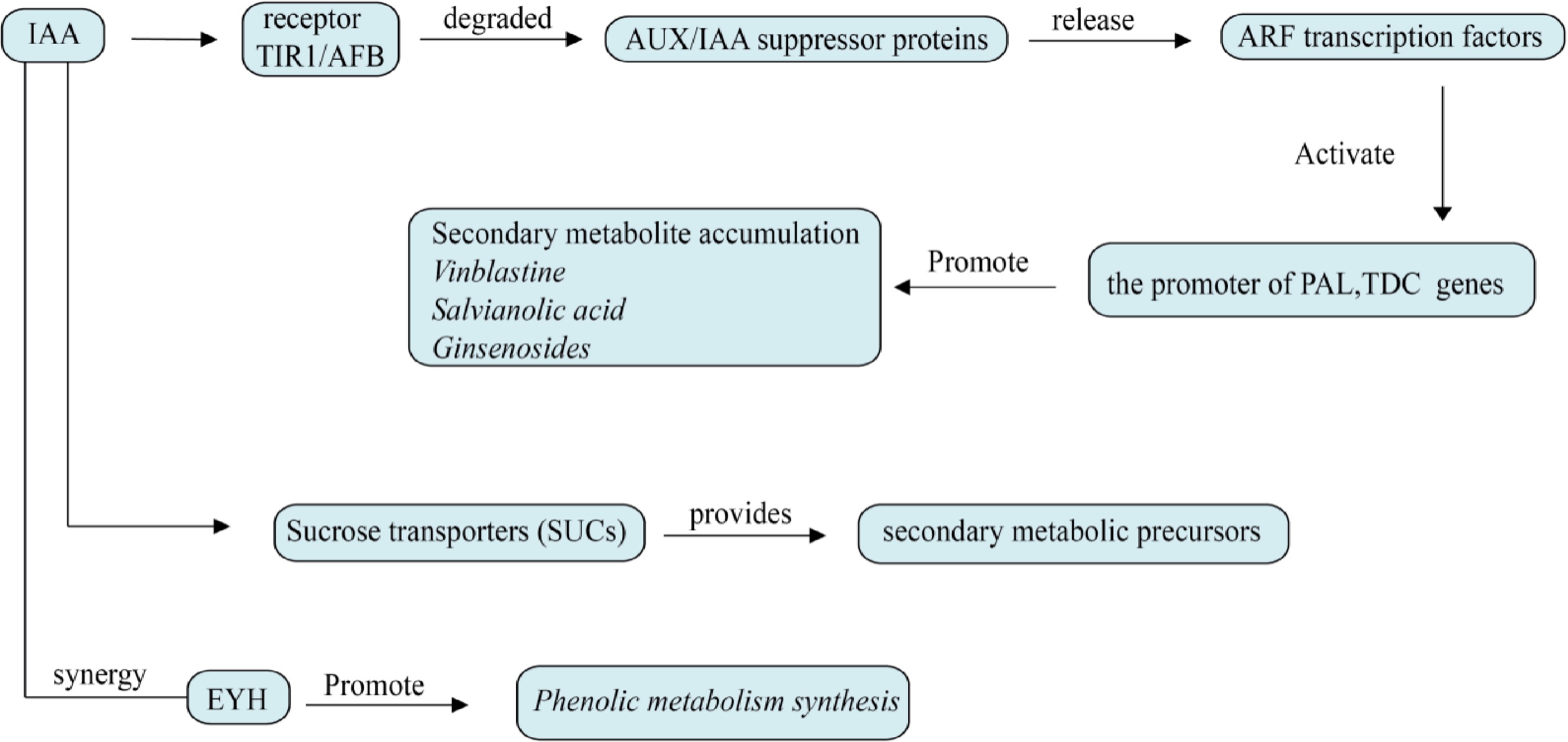
Figure 8.
Effects of auxin on plant secondary metabolism. ARF transcription factor is the core of auxin regulation and directly activates rate-limiting enzyme genes such as TDC, PAL, and DXS. Auxin enhances the sugar input to the library tissue through sucrose transporters (SUCs) and provides secondary metabolic precursors. It can also interact with other plant hormones and act on plants.
-
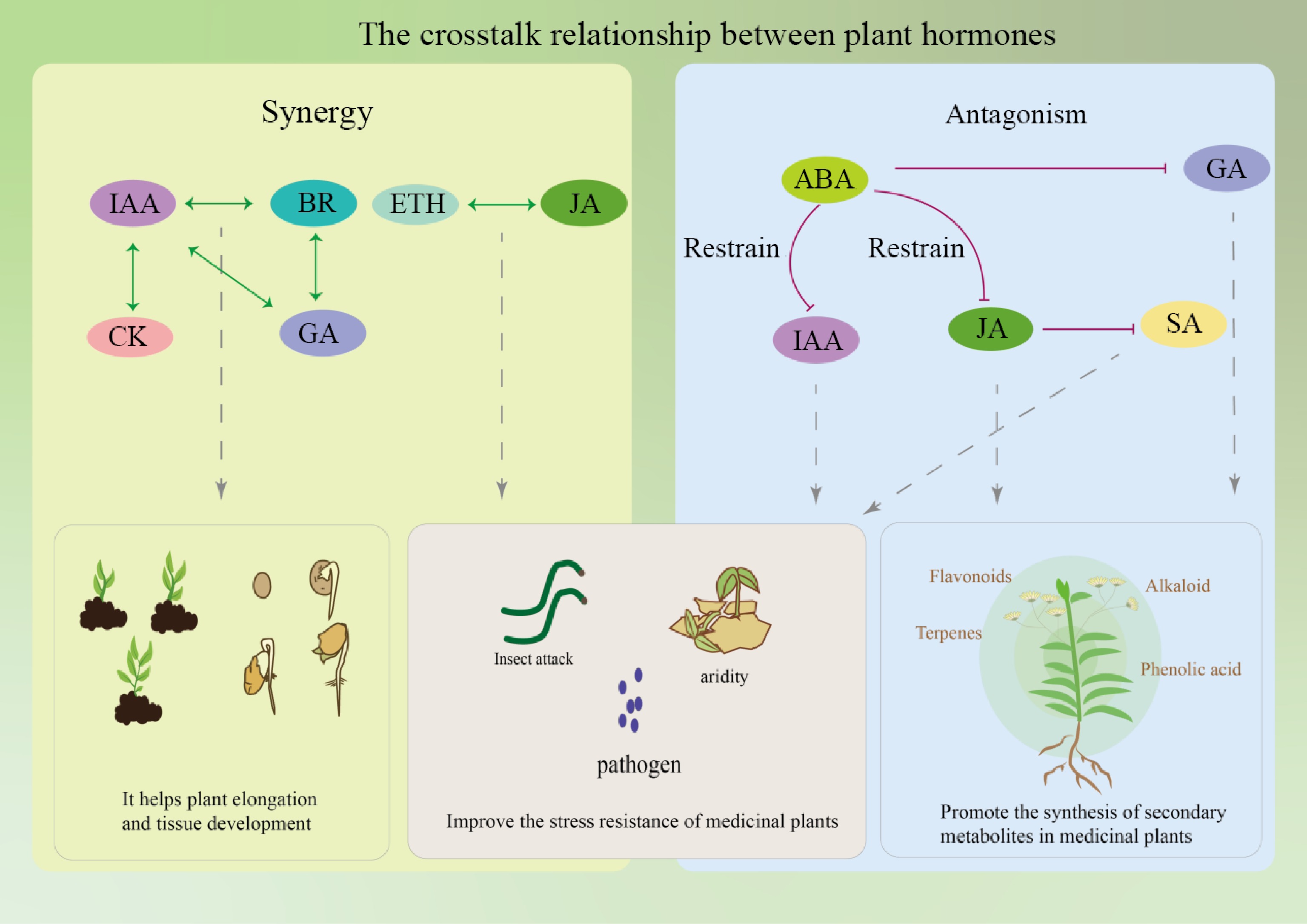
Figure 9.
Effects of crosstalk between plant hormones on plants.
-
Phytohormone Medicinal plant Secondary metabolites and influence Ref. GA Stevia rebaudiana Promote the biosynthesis of steviol [86] S.miltiorrhiza Regulate the synthesis of tanshinones, phenolic acids and anthocyanins in S. miltiorrhiza [87–88] Echinacea purpurea Increase the production of secondary metabolites caffeic acid derivatives and lignin in hairy roots of E. purpurea [89] Eucommia ulmoides GA inhibits SbMYB12 by degrading DELLA protein, resulting in a 50% reduction in baicalin content [90] CK Santalum album heartwood Cytokinin promote the accumulation of essential oils, flavonoids and phenols in S. album [91] ABA Glycyrrhiza uralensis Abscisic acid increased the contents of triterpenoid saponins and flavonoids in G. uralensis root [92] S. miltiorrhiza Regulate the synthesis of tanshinones and phenolic acids in S. miltiorrhiza [39] Camptotheca acuminata ABA signal positively regulates biosynthesis of camptothecin [93] ETH Uncaria rhynchophylla Ethylene can promote the production of crotonine and isocrotonine in U. rhynchophylla [94] Lithospermum erythrorhizon Synthesis of shikonin from hairy roots of comfrey induced by ETH [95] Morinda citrifolia fruits (22S, 23S)-high brassinolide induced Artemisinin accumulation in hairy root culture of Artemisia annua [96] JA Mentha piperita Foliar application of methyl jasmonate can induce secondary metabolites of peppermint [97] Panax notoginseng (Burk.)
F. H. ChenRegulation of JA in arbuscular mycorrhizal fungi can promote the accumulation of notoginseng saponins [98] Platycodon grandiflorus
(Jacq.) A. DC.Exogenous MeJA application can increase the saponin content in the roots of p . grandiflorus [99] SA Silybum marianum Salicylic acid increases the accumulation of flavonoid lignans in S.marianum fruit [100] Melissa officinalis Salicylic acid promotes the metabolism of rosmarinic and lithospermic acids in M.officinalis [101] Cannabis sativa Salicylic acid stimulates the production of cannabinoid compounds [102] BR Artemisia annua (22S, 23S)-high brassinolide promoted artemisinin accumulation in hairy roots of A. annua [103] IAA Artemisia annua IAA mediates A. annua photoregulation of artemisinin biosynthesis [104] Table 1.
The effects of plant hormones on secondary metabolites of medicinal plants.
-
Phytohormone relationship Example Ref. Synergy Jasmonic acid and abscisic acid cooperate in plant response to drought stress [111] Ethylene and gibberellins have synergistic effect in the germination stage of A. thaliana [112] Cytokinin targets auxin transport to promote bud branching in A. thaliana [113] Synergies between jasmonic acid and salicylic acid pathways in tea plant enhance its anti-herbivore function [114] Auxin and cytokinin act synergistically to mediate aluminium-induced root growth inhibition of A. thaliana [115] The synergistic effect of salicylic acid and methyl jasmonate enhanced the yield of ginkgo lactone [116] The synergistic effect of abscisic acid and jasmonic acid can increase the content of saikosaponin [117] Antagonism ET has antagonistic effect with abscisic acid during seed germination of A. thaliana [112] The antagonism of salicylic acid and jasmonic acid signaling pathway in poplar makes it play an active role in the defense against rust bacteria [118] The antagonism of gibberellin and cytokinin signals controls the differentiation of female A. thaliana germline cells [115] Jasmonic acid and gibberellin have antagonistic effects on plant growth and development in response to environmental and endogenous stimuli [119] Salicylic acid antagonized jasmonic acid, and the contents of terpenoids decreased by 40% [120] Table 2.
Interaction of some plant hormones.
Figures
(9)
Tables
(2)