-
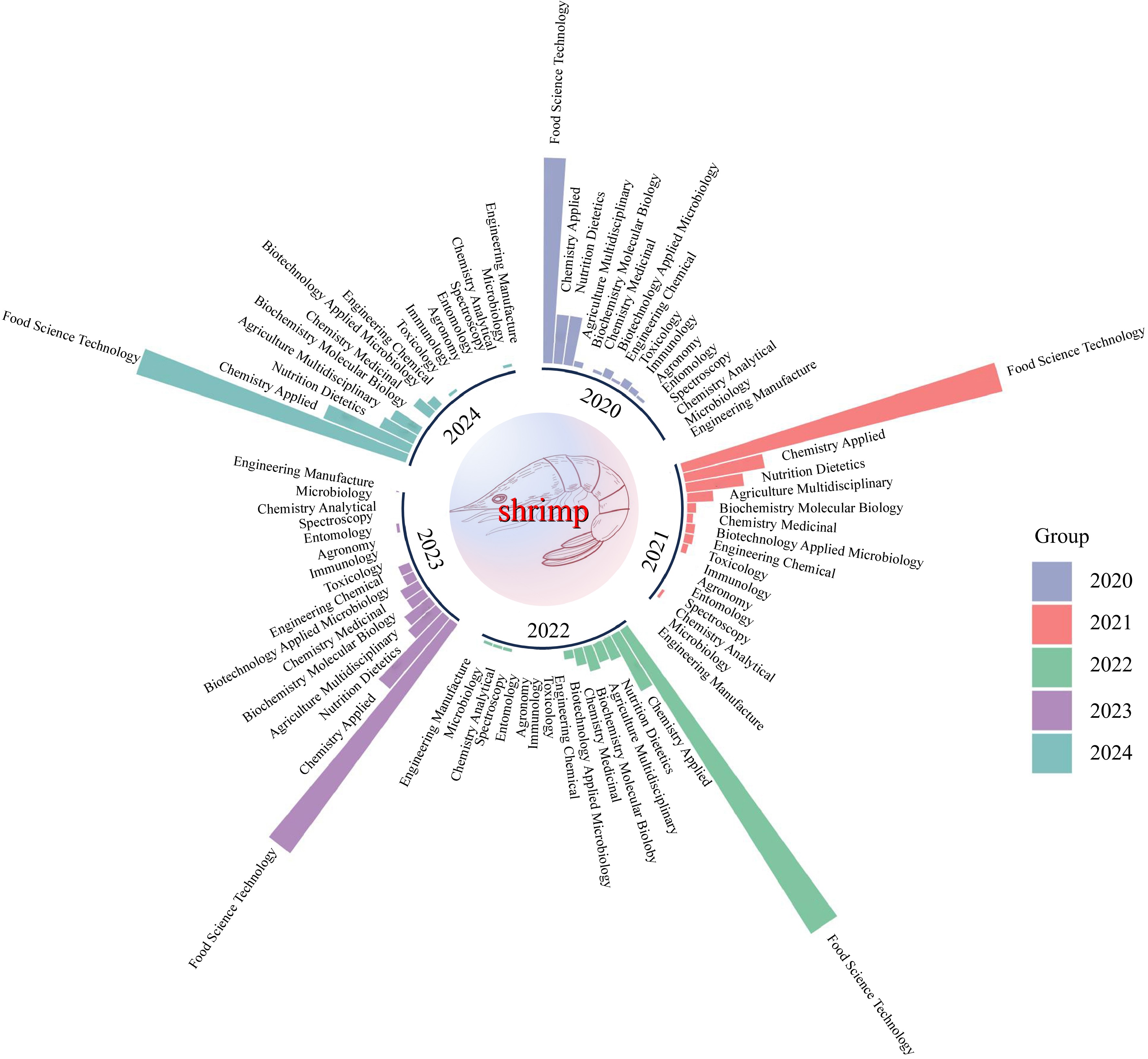
Figure 1.
Proportion of research fields for shrimp from 2020 to 2024. The image was generated using Web of Science analytical tools and visualized with Hiplot and Adobe Photoshop.
-
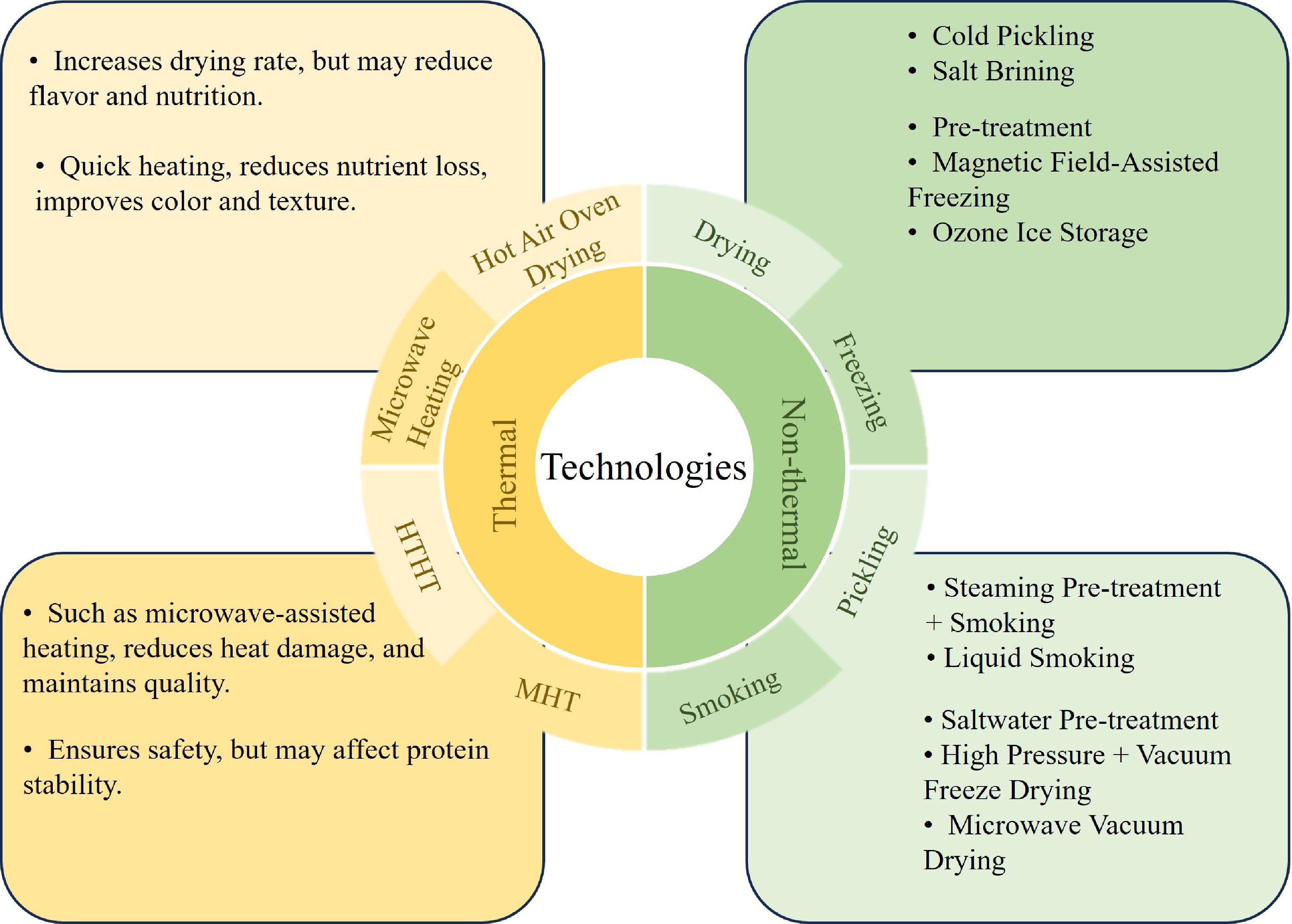
Figure 2.
Thermal and non-thermal processing methods.
-
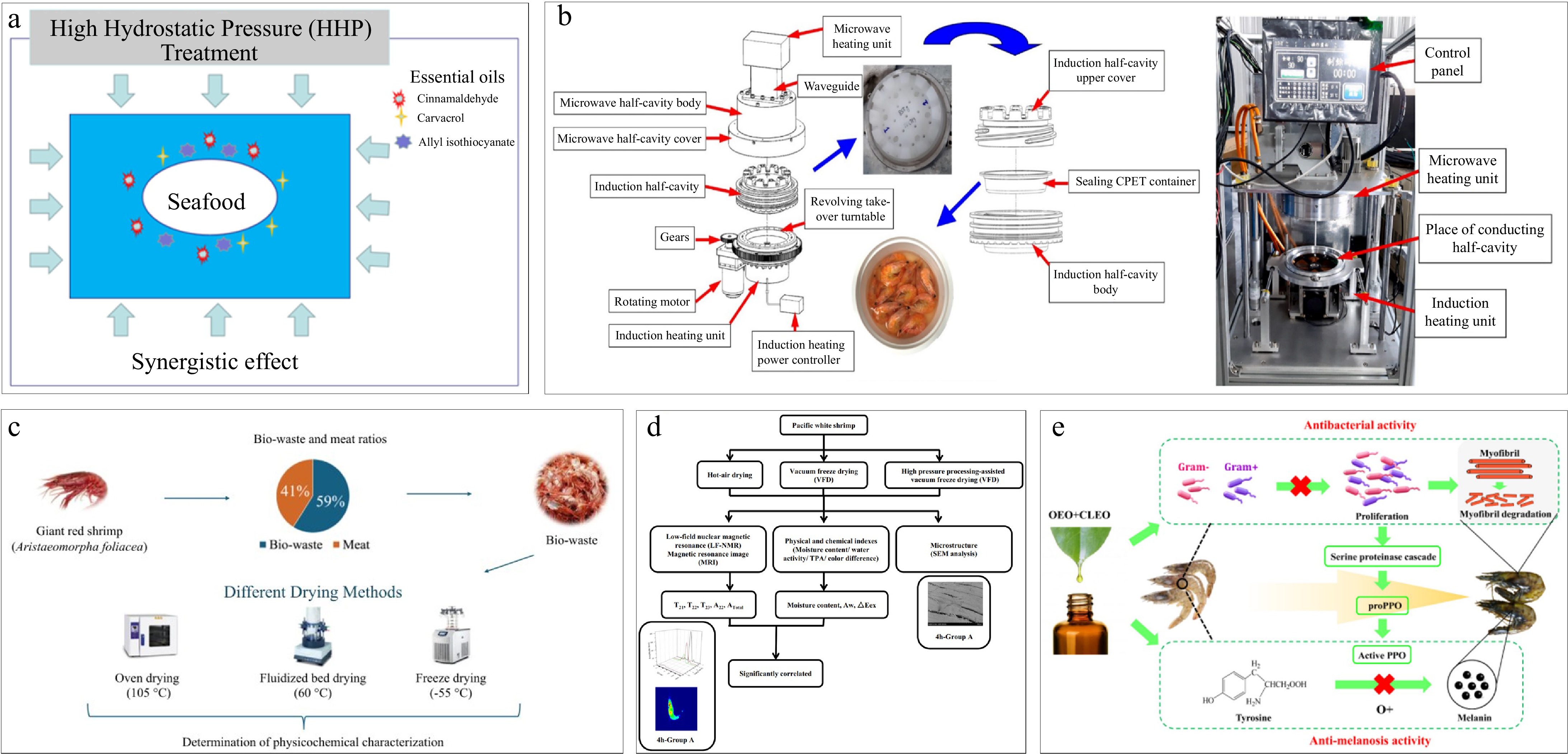
Figure 3.
Different non-thermal processing. (a) High hydrostatic pressure treatment[35]. (b) Microwave-assisted induction heating[13]. (c) Methods of shrimp byproducts processing[24]. (d) Characteristics of shrimp byproducts processed by different processing methods[26]. (e) Effects of plant essential oil in shrimp marination[30].
-
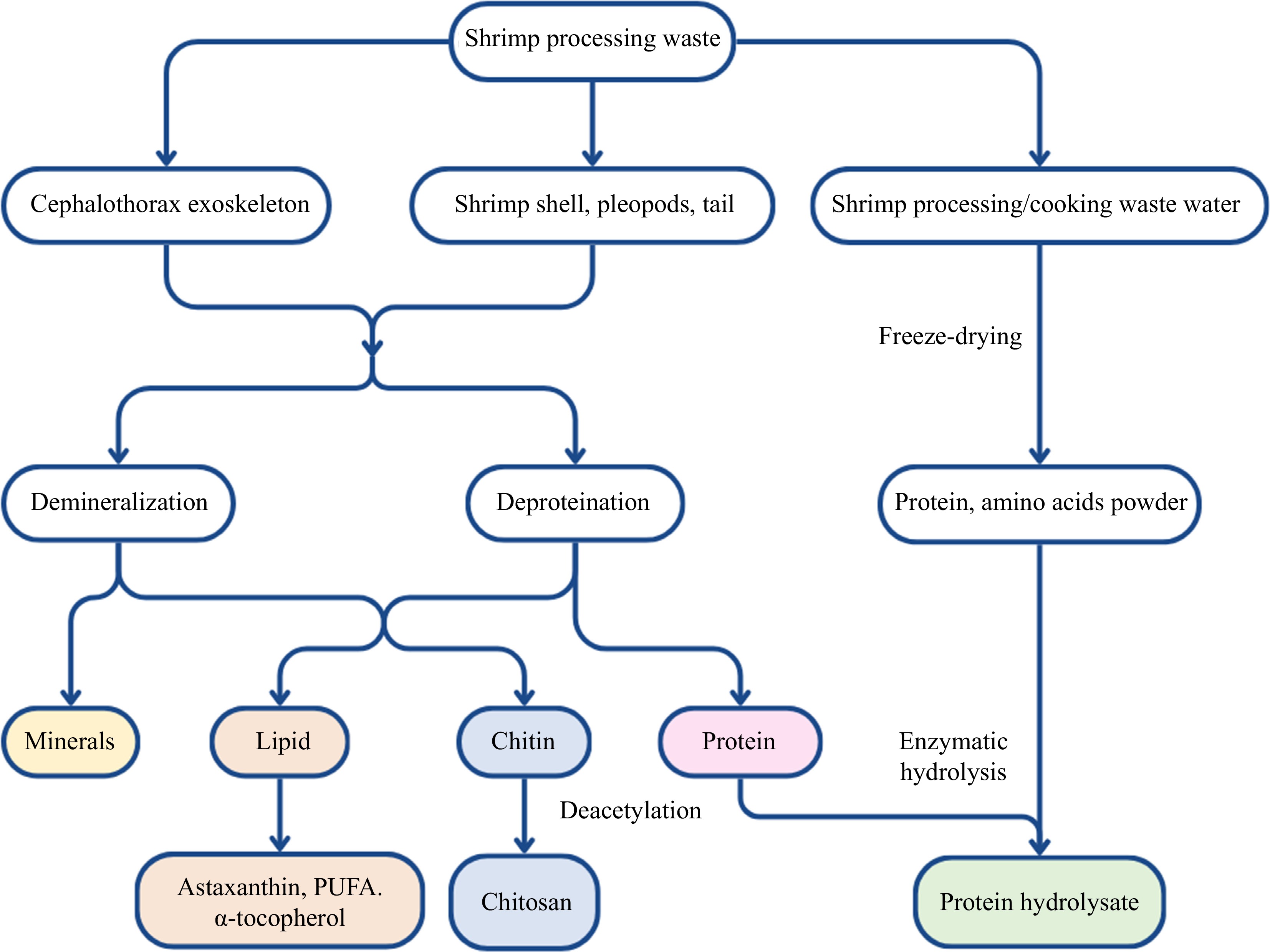
Figure 4.
Extraction of bioactive compounds from shrimp.
-
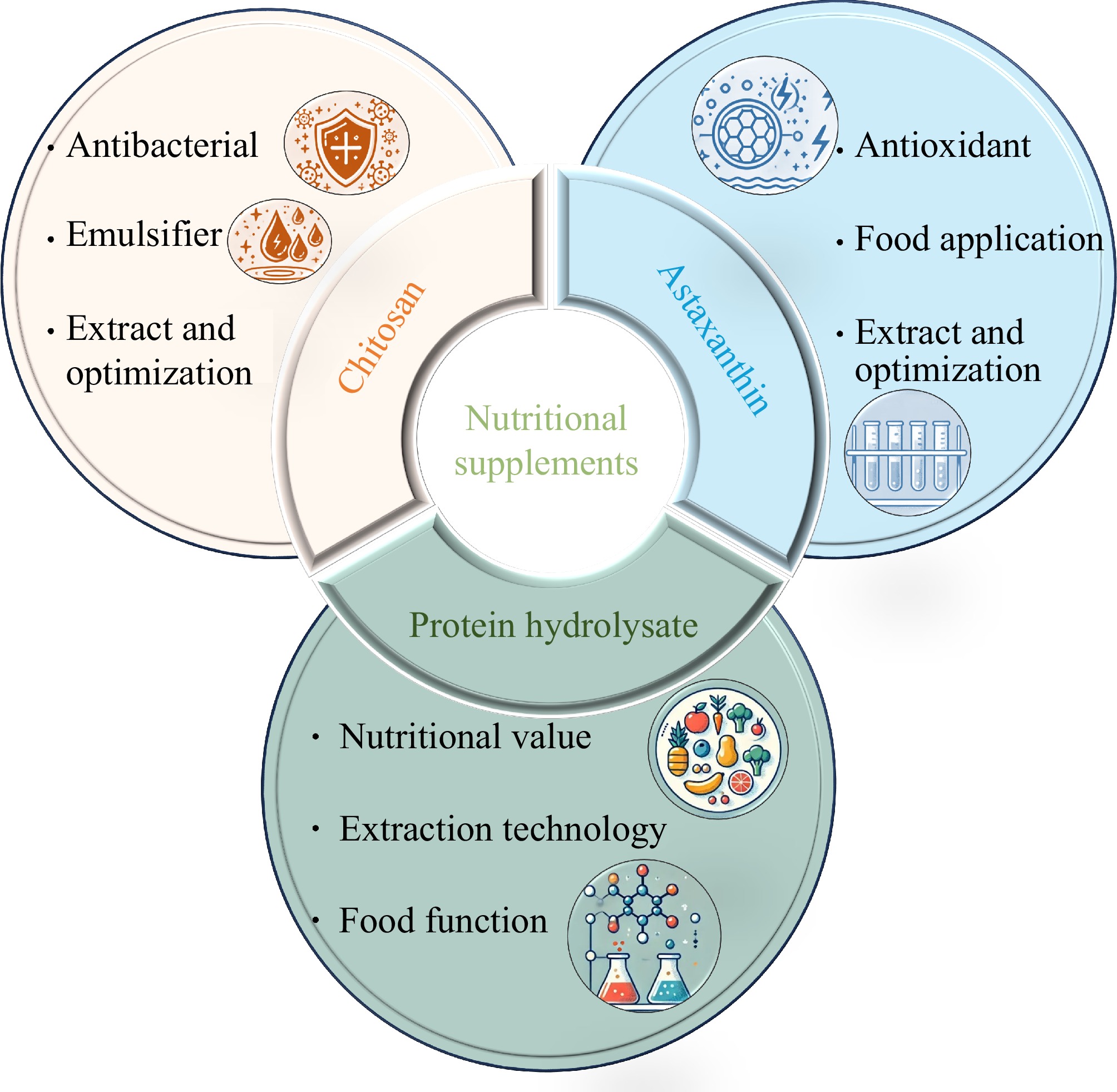
Figure 5.
Summary of shrimp byproducts used in food and nutritional supplements.
-
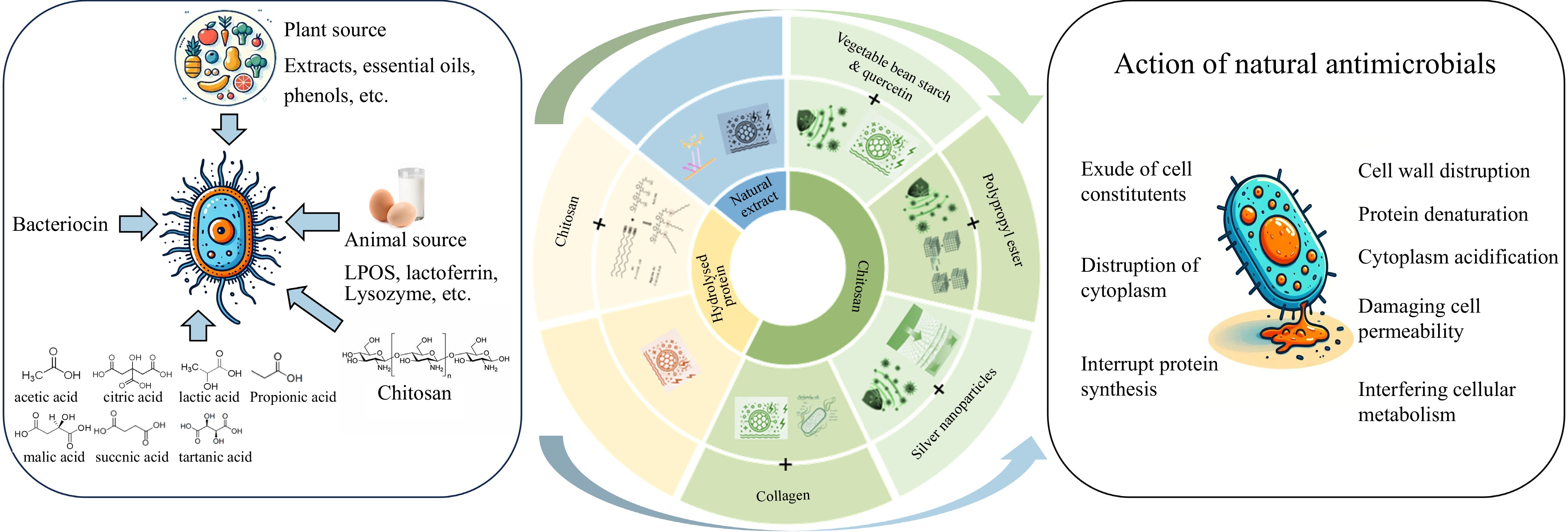
Figure 6.
Antibacterial effect of edible active films.
-
Application area Specific application Main component Advantage/function Ref. Food and nutritional supplement applications Extend shelf life, enhance food quality Chitosan Has antimicrobial properties, can be used as a food emulsifying stabilizer [38] Astaxanthin Has antioxidant properties, can serve as a natural colorant and preservative [43] Protein hydrolysates Has antioxidant, antimicrobial/high nutritional value properties, can be used as functional food additives [45] Edible film/coating applications Food preservation films/coatings Chitosan Has antimicrobial capabilities, can form films and coatings for food preservation [49] Protein hydrolysates Has antioxidant properties, high nutritional value, good flavor, can enhance the physical structure and performance of films [47] Animal feed applications Feed for broiler chickens/tilapia/dogs Chitosan Improves animal immune function and antioxidant capacity, optimizes intestinal bacteria and morphology [58] Proteins Increases the nutritional value and functionality of feed/promotes animal growth [60] Carotenoids Enhances animal growth performance and antioxidant capacity [57] Lipids Provides energy, promotes animal health [57] Environmental and biotechnological applications Metal adsorption Chitosan, chitin Effectively adsorbs and removes heavy metal ions from wastewater such as copper, cobalt, cadmium, chromium, nickel, arsenic, and has good adsorption performance and application prospects [67,70,84] Biodegradable film preparation Chitosan Makes biodegradable films with good mechanical strength and thermal stability [86−88] Astaxanthin Endows films with antioxidant activity [89] Energy conversion Carbon materials Used for supercapacitor electrode materials, has high specific surface area and suitable pore structure [90−93] Chitosan Used for catalysts, has excellent electrochemical performance and catalytic efficiency [94,95] Table 1.
Applications of shrimp and its byproducts.
Figures
(6)
Tables
(1)