-
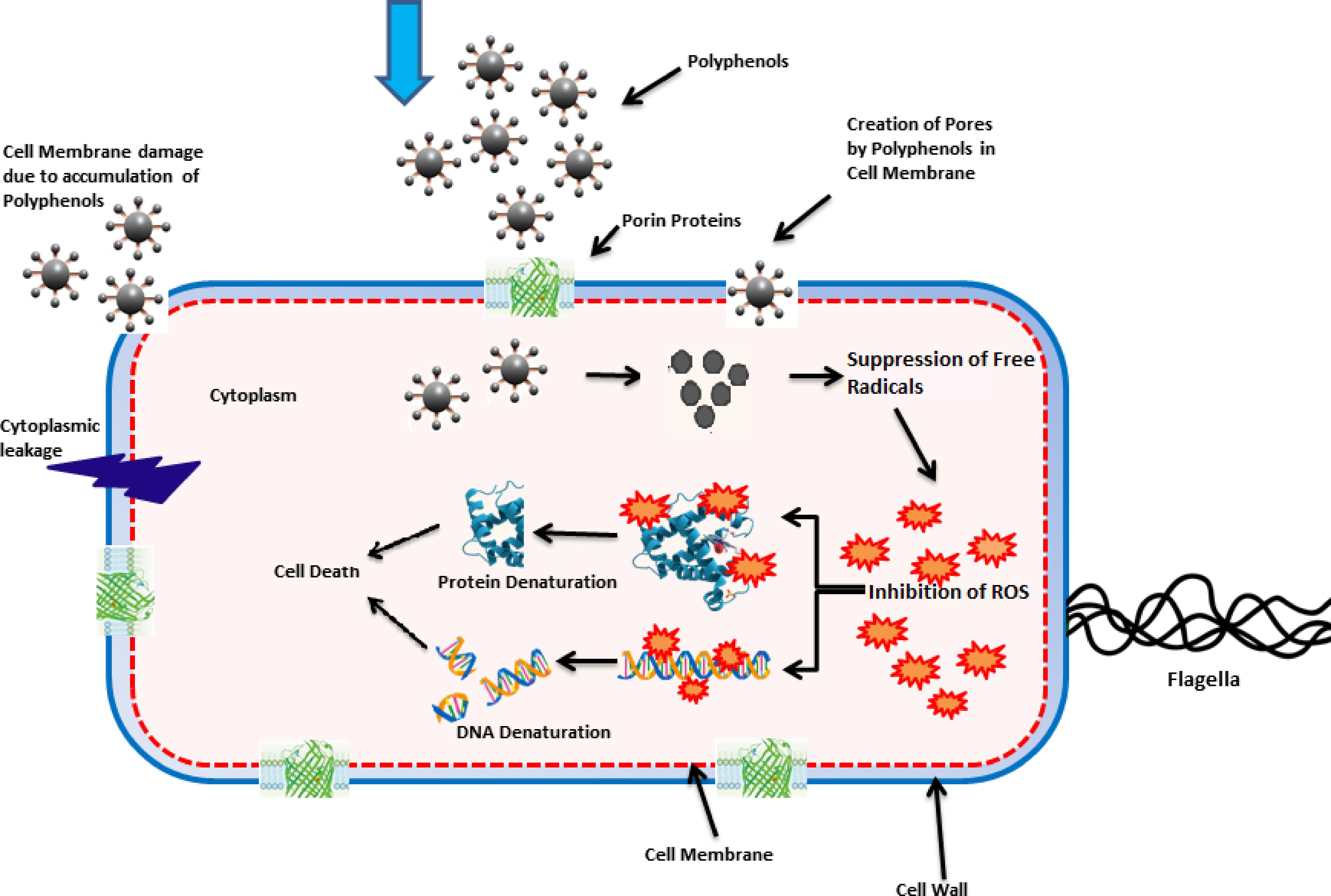
Figure 1.
Antimicrobial mechanisms of polyphenolic compounds: polyphenols integrate into the cell membrane, leading to pore formation and cytoplasmic leakage. They also inhibit reactive oxygen species (ROS), cause protein and DNA denaturation, and ultimately result in cell death.
-
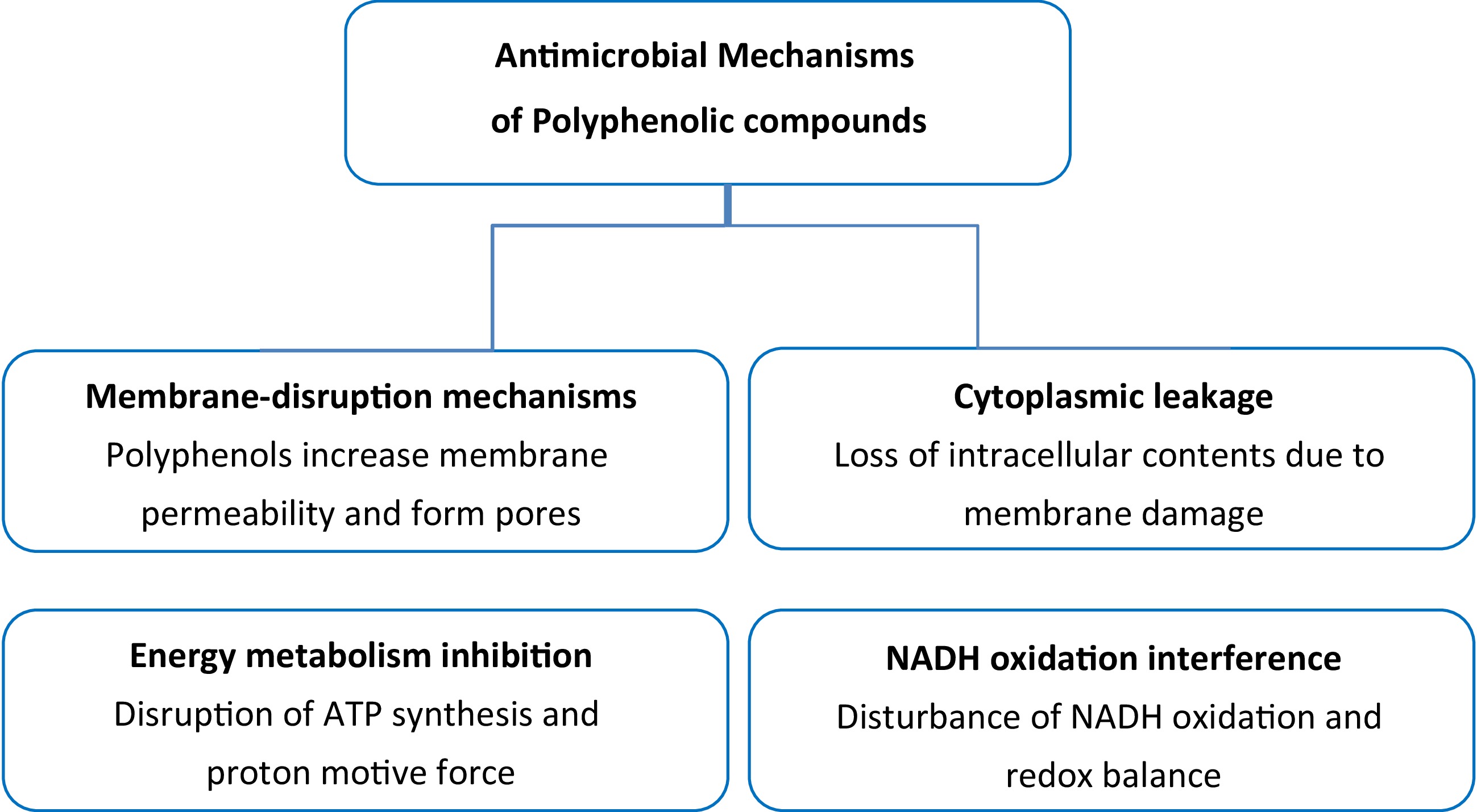
Figure 2.
Schematic representation of the antimicrobial mechanisms of polyphenolic compounds.
-
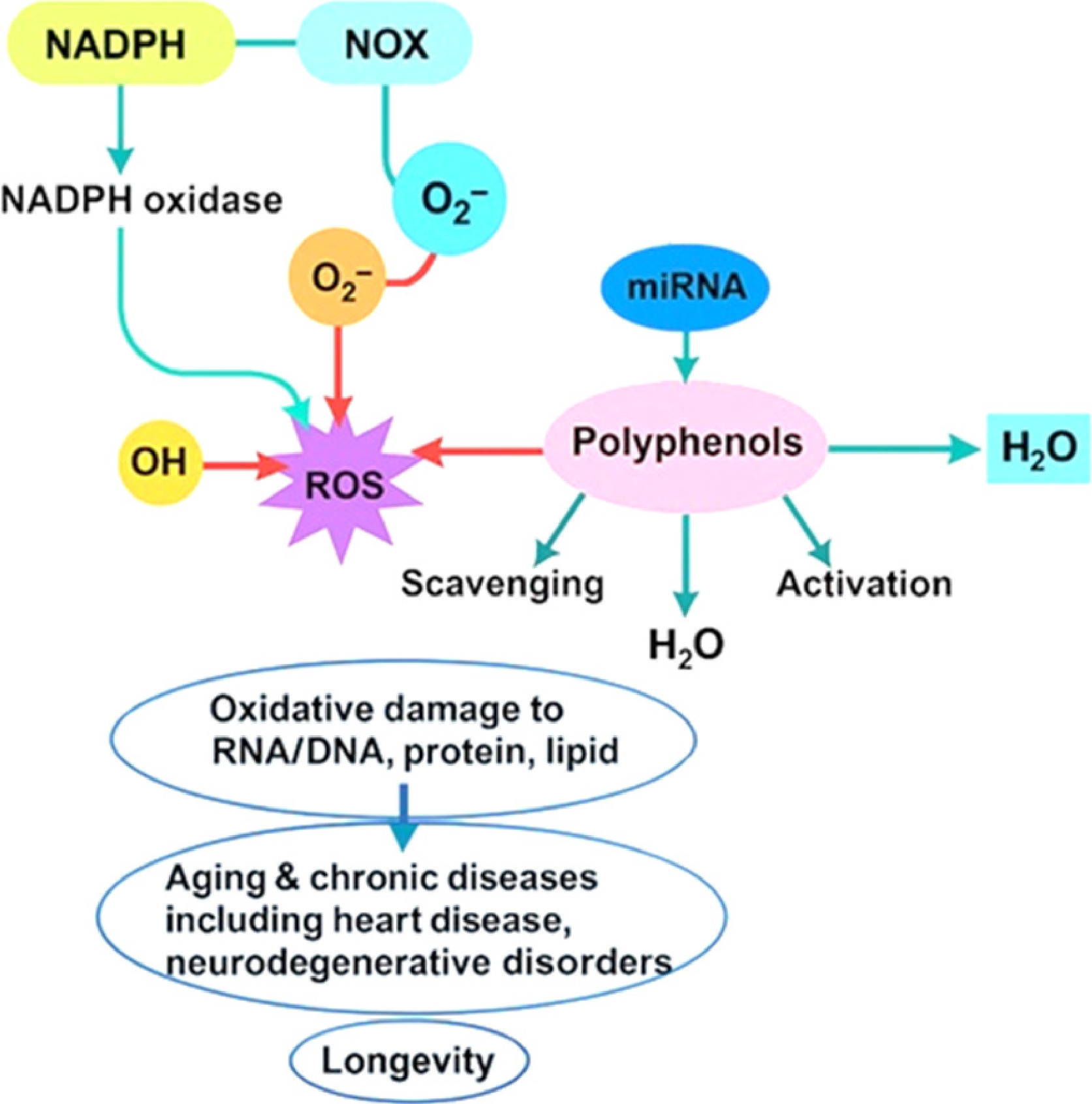
Figure 3.
Antioxidant mechanisms of polyphenolic compounds: polyphenols play a significant role in reducing oxidative stress by neutralizing reactive oxygen species (ROS) and maintaining redox balance. They serve as electron donors, effectively scavenging free radicals, including superoxide anions (O2−), hydrogen peroxide (H2O2), and hydroxyl radicals (OH•). Moreover, polyphenols influence cellular defense mechanisms by regulating the expression of microRNAs (miRNAs) and enhancing the activity of antioxidant enzymes and detoxification systems. Collectively, these actions protect essential cellular components such as DNA, RNA, proteins, and lipids from oxidative damage, thereby slowing the aging process and diminishing the risk of chronic diseases, including cardiovascular and neurodegenerative disorders.
-
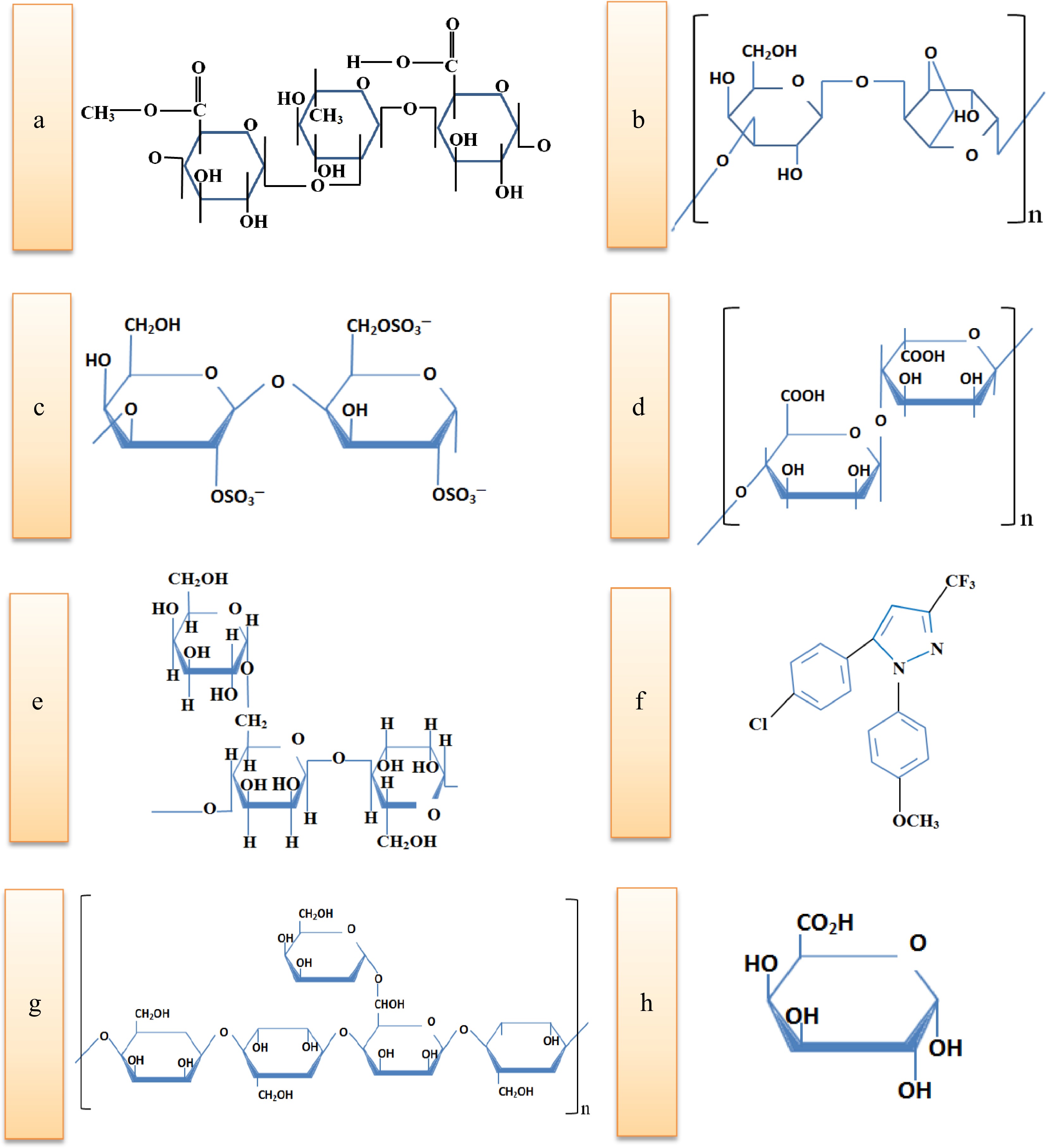
Figure 4.
Chemical structure of hydrocolloids: (a) tragacanth gum, (b) agar, (c) carrageenan, (d) alginate, (e) guar, (f) arabic, (g) locust bean, and (h) pectin.
-
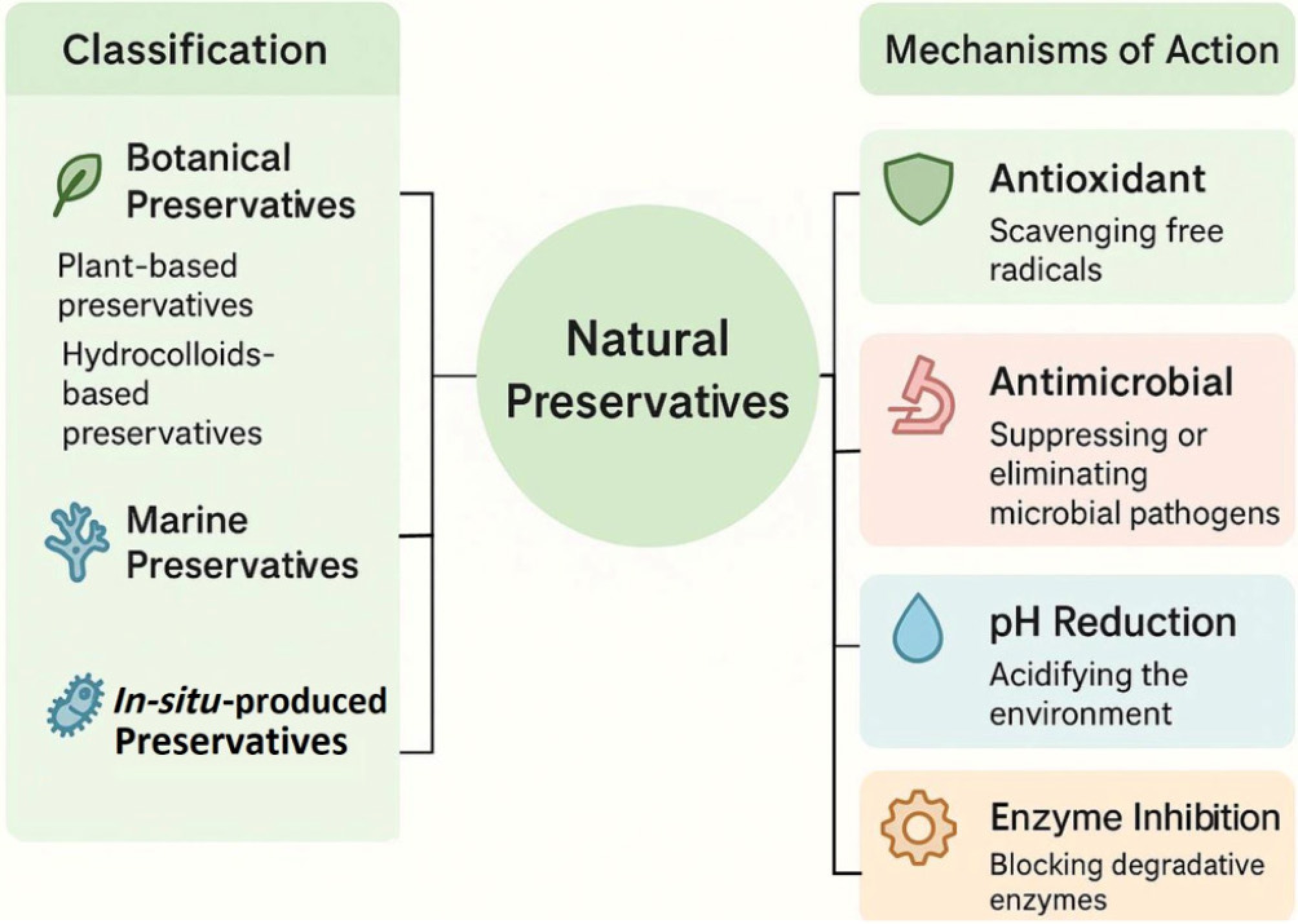
Figure 5.
Classification of natural preservatives and their mechanisms of action in food preservation.
-
Compound Origin Preservation activity Active ingredient Effective dose Toxicity dose Ref. Bay leaf (EO) Plant-based Antimicrobial, and antifungal activity Eucalyptol, Pinene, Eugenol, Myristicin 0.1 g/100 g ND [14] Vervain (EO) Plant-based Antimicrobial, and Antioxidant activity Terpenes, Linalool, Pinene, Flavonoids 1 mg/mL ND [14] Satureja horvatii Plant-based Antimicrobial, and antioxidant activity Carvacrol, Thymol, Linalool, Pinene 10 and 20 mg/mL ND [14] Parsley (EO) Plant-based Antimicrobial, and antifungal activity Myristicin, Apiole, α-Pinene, D-Limonene, Alkyltetramethoxybenzene, Elemicin 1%–3% (w/w) ND [15] Sumac (Rhus coriaria) Plant-based Antimicrobial and antifungal activity Tannins, Flavonoids, Organic acids, Catechin - Bacteria: E. coli: MIC = 0.585 mg/mL, MBC = 0.625 mg/mL;
P. aeruginosa: MIC = 0.877 mg/mL, MBC = 1.316 mg/mL;
B. subtilis: MIC = 0.260 mg/mL, MBC = 0.310 mg/mL;
S. aureus: MIC = 0.39 mg/mL, MBC = 0.39 mg/mL.
- Fungi: Penicillium spp.: MIC = 2.5 mg/mL, MFC = 4.444 mg/mL;
Aspergillus niger: MIC = 1.975 mg/mL, MFC = 2.5 vND [16] Rosemary (Rosmarinus officinalis) Plant-based Phenolic compounds (Rosmarinic acid, Carnosic acid, flavonoids) Rosmarinic acid, terpenoids, flavonoids - Bacteria: E. coli: MIC = 2.5 mg/mL, MBC = 2.962 mg/mL;
P. aeruginosa: MIC = 2.962 mg/mL, MBC = 4.444 mg/mL;
B. subtilis: MIC = 1.25 mg/mL, MBC = 1.975 mg/mL;
S. aureus: MIC = 1.316 mg/mL, MBC = 2.5 mg/mL.
- Fungi: Penicillium spp.: MIC = 6.666 mg/mL, MFC = 10 mg/mL;
Aspergillus niger: MIC = 5 mg/mL, MFC = 10 mg/mLND [16] Tamarind (Tamarindus indica) Plant-based Antimicrobial, and antifungal activity Polyphenols, Organic acids, flavonoids - Bacteria: E. coli: MIC = 0.625 mg/mL, MBC = 0.877 mg/mL;
P. aeruginosa: MIC = 1.316 mg/mL, MBC = 1.975 mg/mL;
B. subtilis: MIC = 0.39 mg/mL, MBC = 0.39 mg/mL;
S. aureus: MIC = 0.625 mg/mL, MBC = 1.25 mg/mL.
- Fungi: Penicillium spp.: MIC = 2.962 mg/mL, MFC = 4.444 v;
Aspergillus niger: MIC = 2.5 mg/mL, MFC = 4.444 mg/mLND [16] Lemon (Citrus limon) Plant-based Antimicrobial, and antifungal activity Limonene, flavonoids, citric acid - Bacteria: E. coli: MIC = 1.25 mg/mL, MBC = 1.316 mg/mL;
P. aeruginosa: MIC = 1.975 mg/mL, MBC = 2.5 mg/mL; B. subtilis: MIC = 0.585 mg/mL, MBC = 0.625 mg/mL;
S. aureus: MIC = 0.877 mg/mL, MBC = 1.975 mg/mL.
- Fungi: Penicillium spp.: MIC > 10 mg/mL, MFC > 10 mg/mL;
Aspergillus niger: MIC = 6.666 mg/mL, MFC = 10 mg/mLND [16] Coffee (extract) Plant-based Antimicrobial, and antifungal activity Fatty acids, flavonoids, terpenoids, caffeine 0.1%–0.2% (w/w) ND [17] Green coffee beans Plant-based Antifungal and antimicrobial activity Menthol, eugenol Menthol: 400 μg/ml (complete inhibition), 300 μg/ml (9.33% spore reduction);
Eugenol: 300 μg/ml (complete inhibition), 200 μg/ml (5.66% spore reduction)ND [18] Pomegranate Peel (powder) Plant-based Antioxidant activity, antifungal inhibition, texture improvement Phenolics, flavonoids, tannins 10 mg/g ND [18] Garlic (extract) Plant-based Antimicrobial, and antioxidant activity Allicin, flavonoids 0.5% v/v (in the optimized chitosan/starch coating) > 5,000 mg/kg body weight [19,20] Dill (Anethum graveolens L.) (extracts) Plant-based Antimicrobial, and antioxidant activity Monoterpenes, coumarins, flavonoids 0.075–0.15 µL/g ND [21] Cinnamon (Eo) Plant-based Antimicrobial, and antioxidant activity Cinnamaldehyde, eugenol, and carvacrol polyphenols MIC < 1.5 mg/mL (bacteria), 3.125 μL/mL (fungi) ND [22,23] Celery (EO) Plant-based Antioxidant, antimicrobial, antifungal Limonene, terpenes, phenolic compounds MIC: S. aureus: 11.25 ± 1.00 mg/mL;
B. subtilis: 5.26 ± 2.65 mg/mL;
C. albicans: 3.75 ± 0.00 mg/mLND [24] Grape Seed Polyphenolic Extract (GSPE) Plant-based Antioxidant, antimicrobial, free radical scavenging Flavonoids, polyphenols 2–4 g/kg (safe in animal studies) 100–500 μg/mL (pro-oxidant & cytotoxic effects in vitro) [25,26] Limonene Plant-based Antimicrobial, antioxidant, flavor enhancement Terpene (monoterpene) 0.002 mL/100 g 2.5 mg/kg/day (reference dose), 250 mg/kg/day (NOAEL), 1.48 mg/kg/day (systemic exposure dose) [25,26] Green Tea Plant-based Antioxidant, antimicrobial, metal ion chelation Polyphenols (Catechins, epigallocatechin) < 800 mg/day (mild side effects at higher doses) 50–800 mg/kg (cytotoxic in animals, hepatotoxicity in humans at 140–1,000 mg/day) [27,28] S. angustifolium Marine-based - Antioxidant activity;
-Antimicrobial activityTannins, saponins, sterols, triterpenes, bioactive proteins MIC (aqueous extract): S. typhimurium: 551.03 μg/mL; E. coli: 610.03 μg/mL; S. aureus: 813.53 μg/mL; S. mutans: 745.60 μg/mL.
MIC (ethanolic extract): S. typhimurium: 52 μg/mL; E. coli: 51.80 μg/mL; S. aureus: 611.73 μg/mL; S. mutans: 440.27 μg/mLND [29] S. platensis Marine-based - Antibacterial activity;
- Inhibition of bacterial biofilm formationBioactive compounds, organic nanodots (ND) ND ND [30,31] Marine Algae:
Red algae: Laurencia, E. cava, E. stolonifera, E. kurome, E. bicyclis, I. okamurae, Thunbergii, H. fusiformis, U. pinnatifida, Laminaria;
Brown algae: Japonica;
Green algae: C. humicolaMarine-based - Inhibition of food-spoiling bacteria;
- Antimicrobial properties;
- Antioxidant effects;
- Biofilm formation prevention;
- Reduction of oxidative stress in food- Alkaloids,
- Polyketides,
- Cyclic peptides,
- Polysaccharides,
- Phlorotannins,
- Diterpenoids,
- Sterols,
- Quinones,
- Lipids,
- Glycerols,
- Flavonoids (rutin, quercetin, kaempferol)ND ND [32] Padina sp. Marine-based Inhibits bacterial growth by disrupting cell wall integrity, increasing membrane permeability, and interfering with nutrient transport. Steroids, terpenoids, eicosanoid acid Inhibition zone (19.00–26.00 mm) ND [2] Halimeda opuntia Marine-based Damage bacterial cell membranes, inhibit cellular respiration, and disrupt metabolic pathways Flavonoids, terpenoids, steroids Inhibition Zone (18.50–26.50 mm) ND [2] Sargassum horneri Marine-based Produces antimicrobial agents that impair bacterial cell wall synthesis, alter cell morphology, and prevent nutrient uptake. Flavonoids, alkaloids, terpenoids Inhibition zone (20.00–27.00 mm) ND [2] Sargassum crassifolium Marine-based Acts through the disruption of cell membrane integrity and inhibition of bacterial enzymes, leading to cell death. Steroids, flavonoids, eicosanoid acid Inhibition zone (19.00–25.00 mm) ND [2] Galaxaura rugosa Marine-based Employs flavonoids and terpenoids to destabilize bacterial cell membranes, reduce permeability, and inhibit essential cellular functions. Alkaloids, terpenoids, eicosanoid acid Inhibition zone (18.00–24.00 mm) ND [2] Caulerpa lentillifera Marine-based Inhibition of cell wall integrity, increased cell membrane permeability Flavonoids, steroids, amino acids (glutamic acid, aspartic acid, alanine) Inhibition zone: S. aureus: 1.15 ± 1.626 mm (24h);
E. coli: 0.95 ± 0 mm (48 h)ND [4] Caulerpa racemosa Marine-based Inhibition of cell wall integrity, increased cell membrane permeability Flavonoids, steroids, amino acids (glutamic acid, aspartic acid, alanine) Inhibition Zone:
S. aureus: 0.66 ± 0 mm (48 h);
E. coli: 0.95 ± 0 mm (48 h)ND [4] Postbiotics In-situ-produced-based - Inhibition of spoilage microorganisms;
- Antimicrobial properties;
- Improvement of nutritional valuePeptides: vitamins (B-group vitamins); Polysaccharides: short-chain fatty acids (SCFAs) (acetate, butyrate, propionate); Coenzymes: reactive oxygen species (ROS) 10 mg to 1 g per day ND [33−36] Maillard reaction products (MRPs) In-situ-produced-based Antioxidant properties
free radical scavenging
prevention of oxidative degradation
ntimicrobial activityMelanoidins: Amadori compounds, Furans and furanones, Pyrroles and pyrrolines 12.3 g/kg (BW) > 15.0 g/kg (BW) [37,38] Cyanobacters Aeruginazole A Marine-based Antibacterial activity Cyclic peptide MIC = 2.2 µg/mL ND [39] Aeruginazole DA 1497 Marine-based Antibacterial activity Cyclic peptide DIZ 7 mm at 25 µg ND [39] Anachelin H Marine-based Antibacterial activity Depsipeptide MIC = 32 µg/mL ND [39] Antillatoxin B Marine-based Antibacterial activity Lipopeptide MICs = 250 µg/mL ND [39] Brunsvicamides A, B, and C Marine-based Antibacterial activity Cyclic peptide IC50 = 7.3–8 µM ND [39] Kawaguchipeptin B Marine-based Antibacterial activity Cyclic peptide: undecapeptide MIC = 1 µg/mL ND [39] Laxaphycin A Marine-based Antibacterial activity Lipopeptide MIC = 250 µg/mL ND [39] Lyngbyazothrins mixture A/B Marine-based Antibacterial activity Cyclic peptide: undecapeptide DIZ 8 mm at 100 µg ND [39] Lyngbyazothrins mixture C/D Marine-based Antibacterial activity Cyclic peptide: lipopeptide, undecapeptide DIZ 15–18 mm at 100–125 µg ND [39] Microcystin Marine-based Antibacterial activity Cyclic peptide: heptapeptide DIZ 10.5–14.0 mm ND [39] Muscoride A Marine-based Antibacterial activity Linear DIZ 3–6 mm ND [39] Pahayokolide A Marine-based Antibacterial activity Cyclic lipopeptide MIC 5.5–10 µg/mL ND [39] Pitipeptolides A–F Marine-based Antibacterial activity Cyclic depsipeptide DIZ 40 mm at 100 µg/disk ND [39] Schyzotrin A Marine-based Antibacterial activity Cyclic lipopeptide DIZ 15 mm at 6.7 nM ND [39] Scytonemin A Marine-based Antibacterial activity Lipopeptide MIC 1 mg/mL ND [39] Trichormamide C Marine-based Antibacterial activity Cyclic lipopeptide MIC 23.8 µg/mL ND [39] Tiahuramide C Marine-based Antibacterial activity Cyclic depsipeptide MIC 6.7 µM ND [39] Portoamides Marine-based Antibiofilm activity Cyclic peptides 21%–23.3% inhibition at 6.5 µM ND [39] MIC: minimal inhibitory concentration; DIZ: diameter inhibition zone (mm); ND: Not determined. Table 1.
Classification of natural bioactive compounds and investigation of their properties and functions.
Figures
(5)
Tables
(1)