-
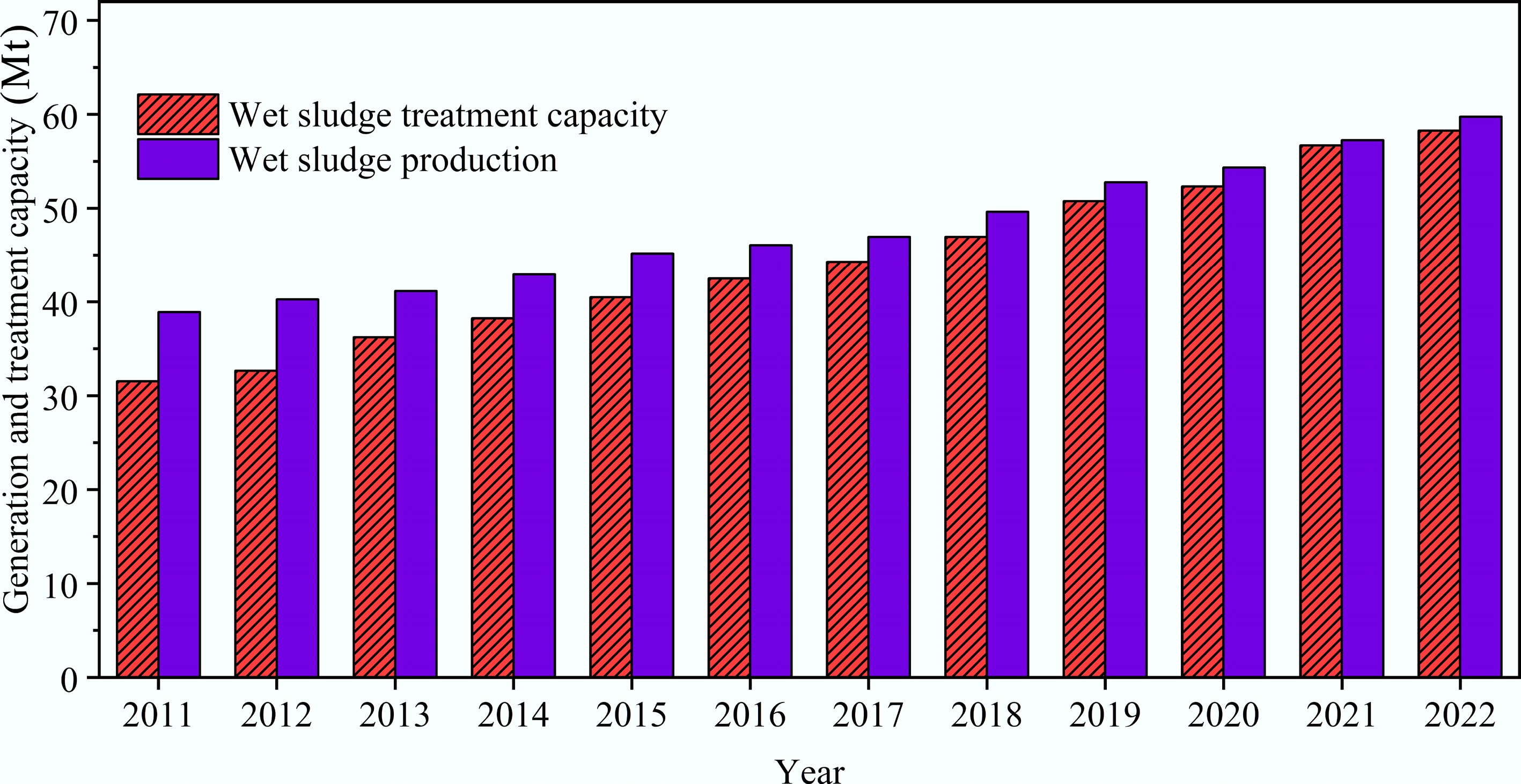
Figure 1.
Wet sludge generation and disposal in China, 2011–2022.
-
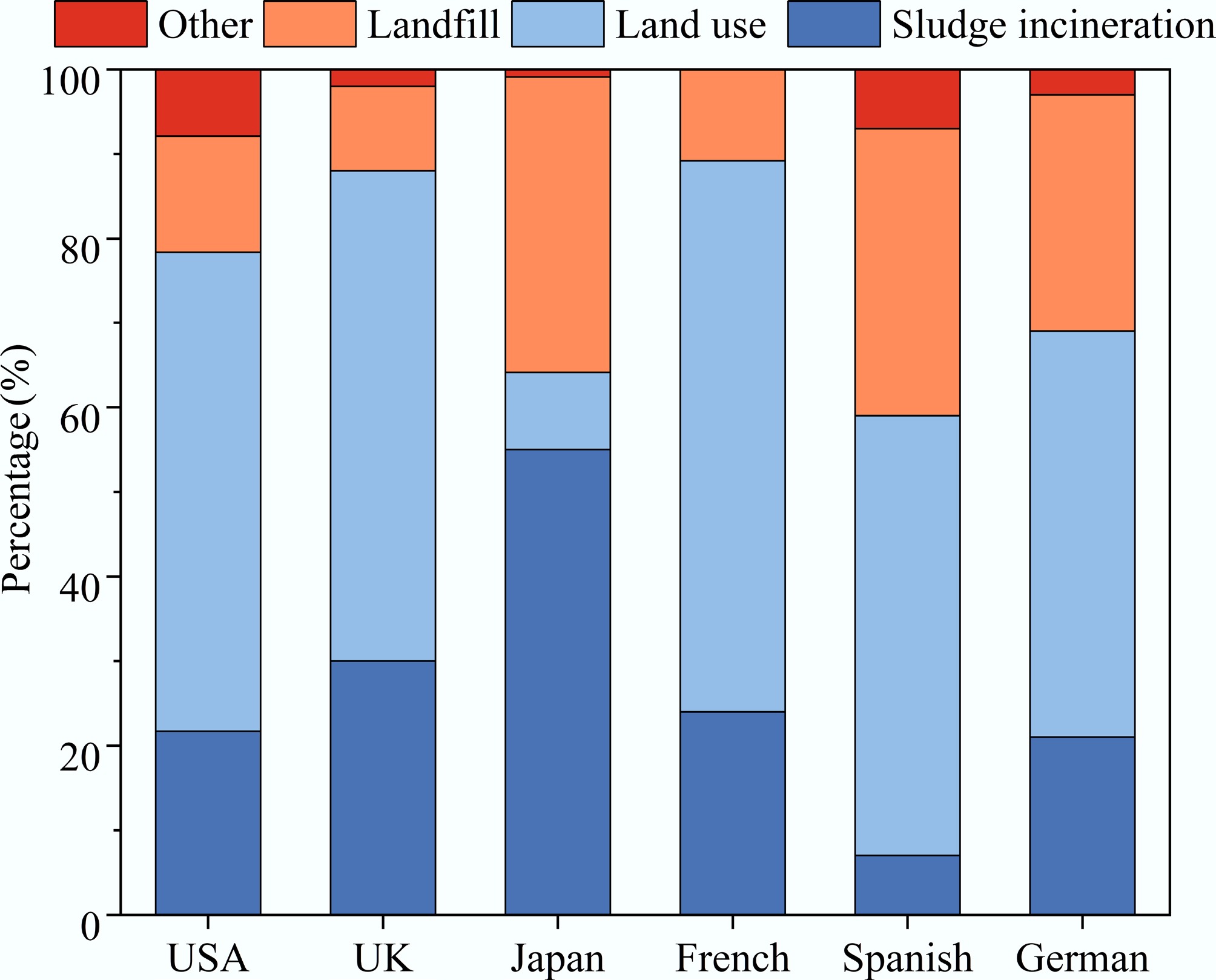
Figure 2.
Percentage of sludge disposal methods in major developed countries.
-
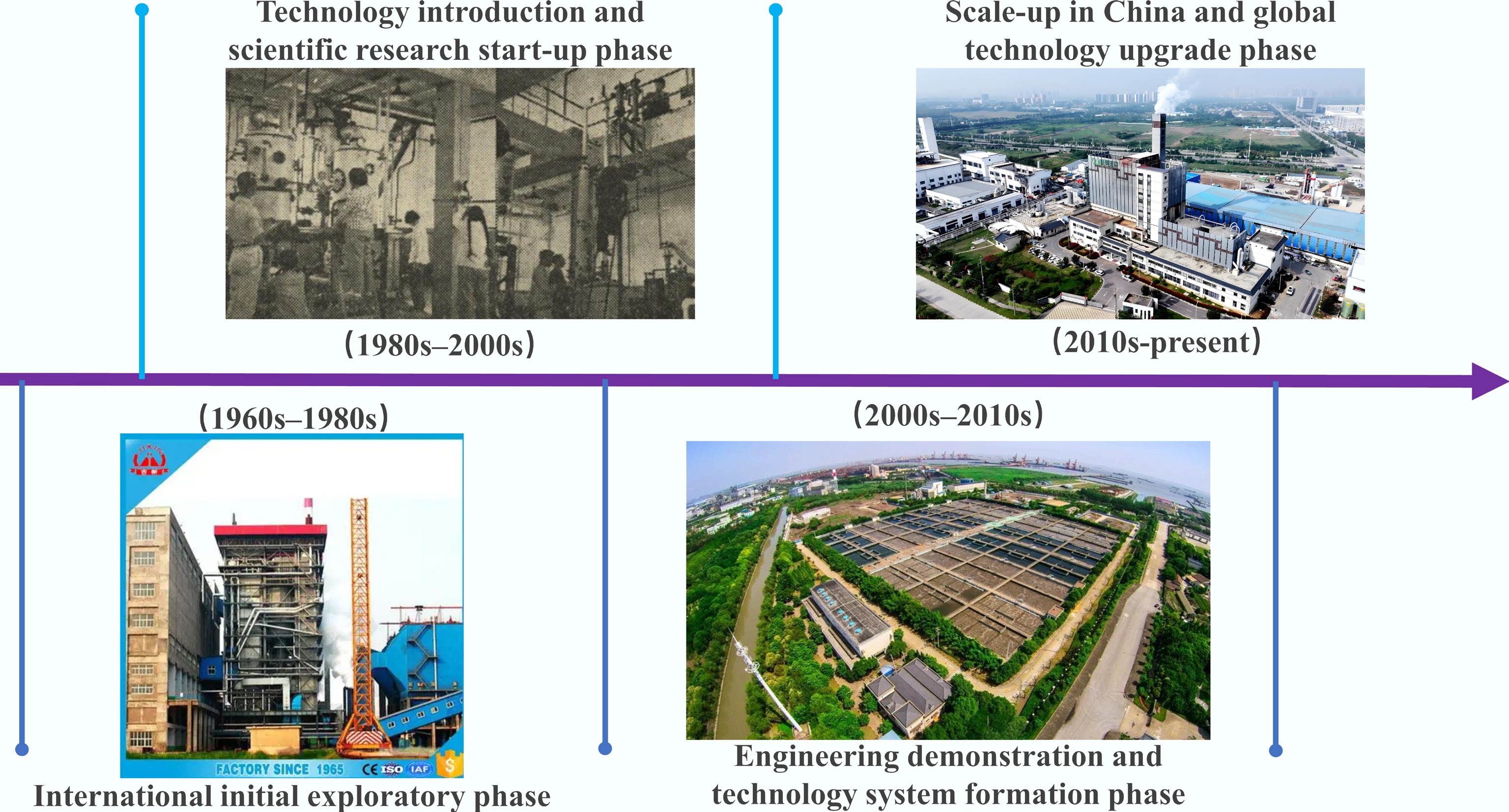
Figure 3.
Development history of the sludge co-combustion technology.
-
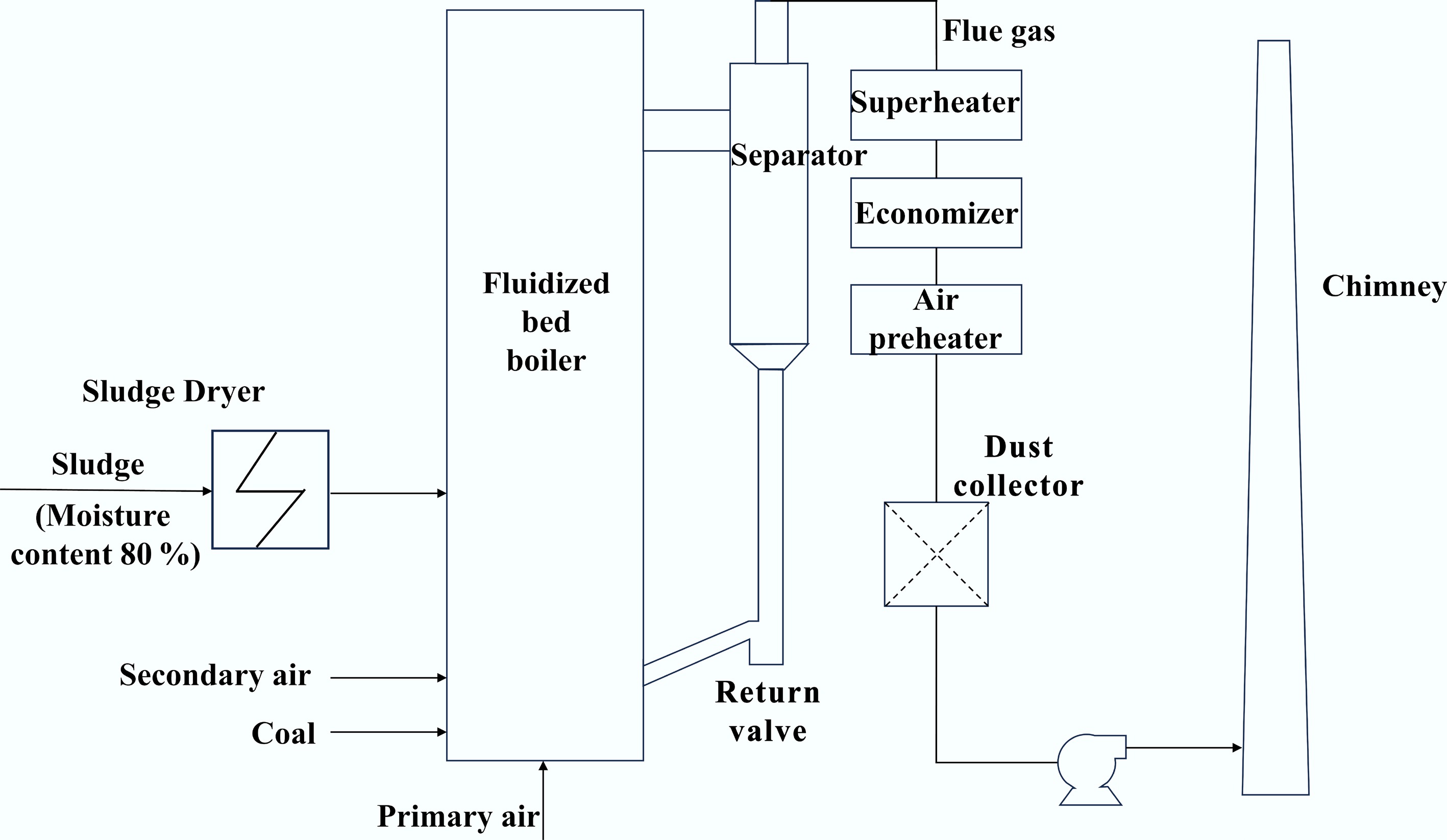
Figure 4.
CFB boiler sludge co-combustion process flowchart.
-
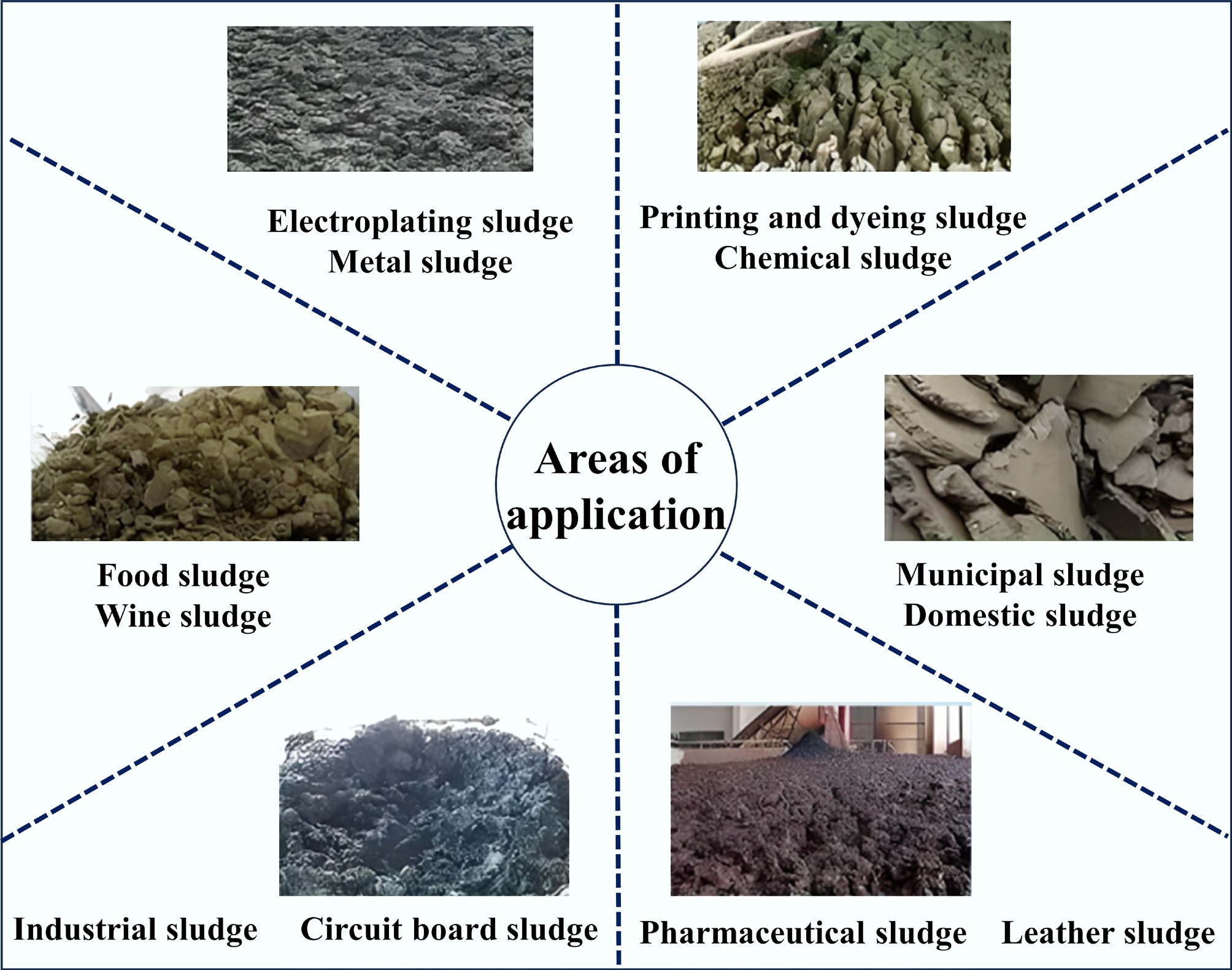
Figure 5.
Application of sludge.
-
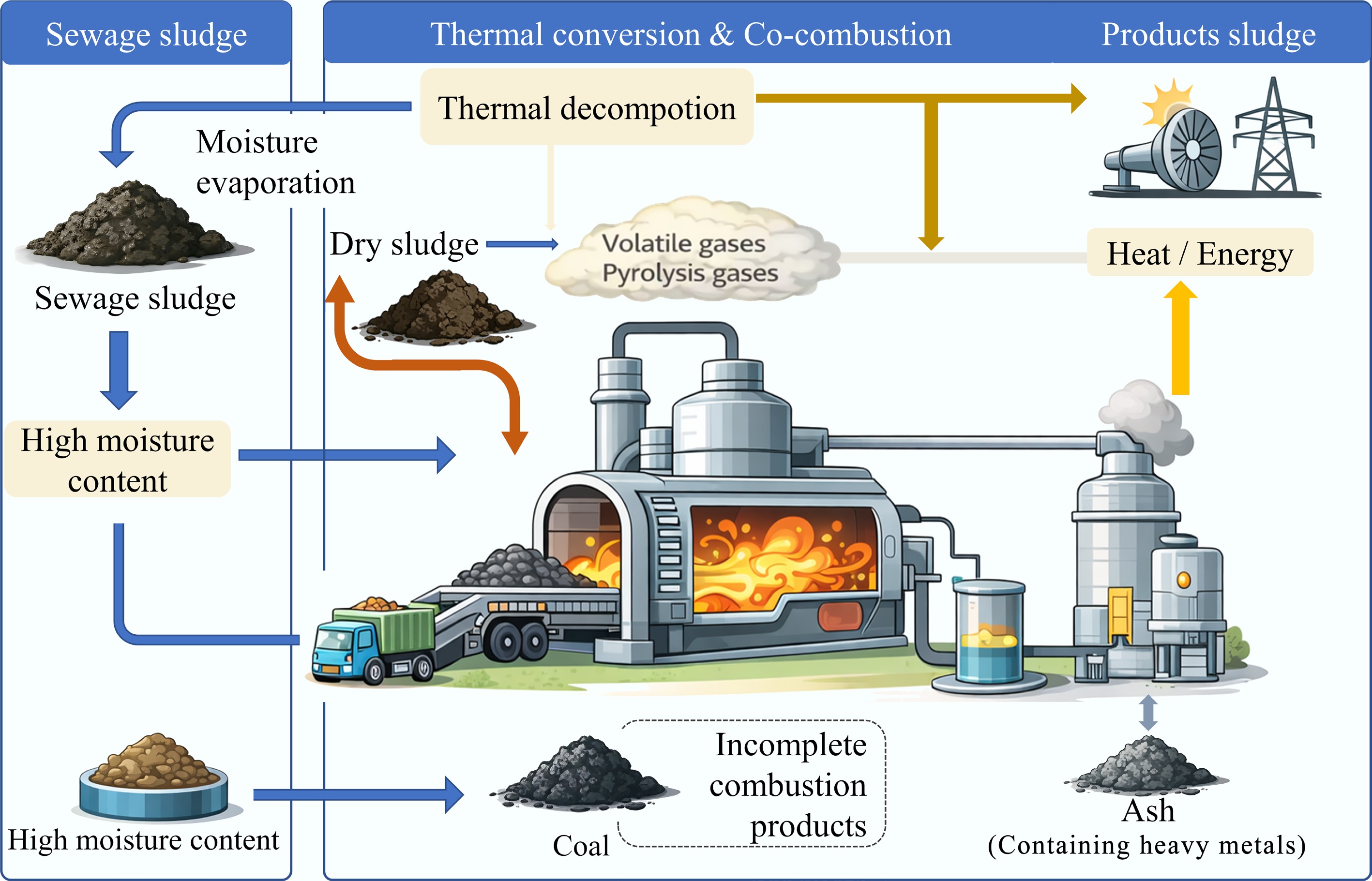
Figure 6.
Process path diagram for sludge combustion.
-

Figure 7.
Effect of sludge co-combustion on boiler efficiency at different loads. The figure was redrawn and redesigned based on data from Li et al.[63].
-
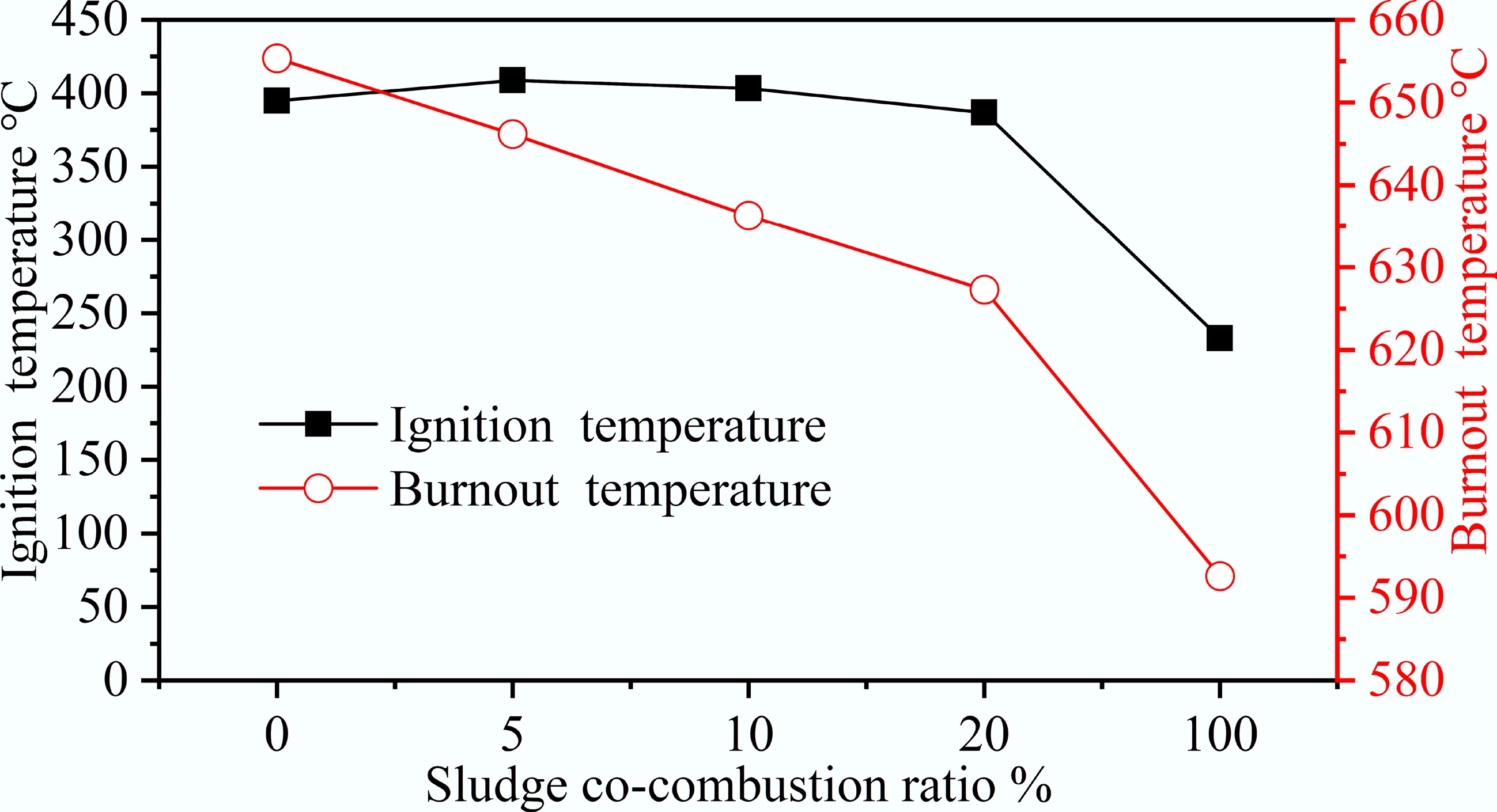
Figure 8.
Ignition and burnout temperatures for sludge co-combustion. The figure was redrawn and redesigned based on data from Tong et al.[68].
-
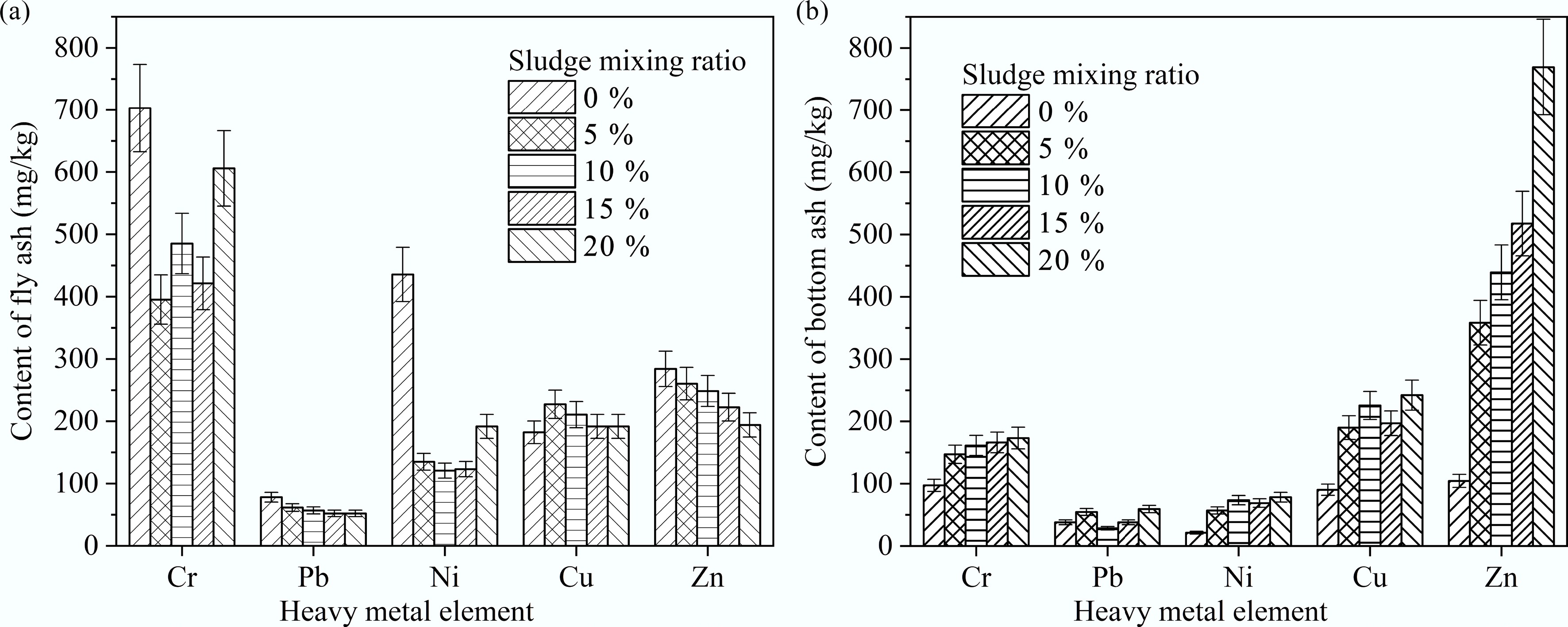
Figure 9.
Effect of sludge co-combustion on heavy metal content in bottom slag and fly ash. (a) Fly ash. (b) Bottom ash[74].
-
Method Effectiveness (in SCOD) Advantages Disadvantages Physical method Microwave pretreatment SCOD/TCOD = 0.069% ± 0.009% Rapid thermal transition
(> 7.5 °C/min), easy to controlExpensive equipment, few engineering applications (high-power microwave)[46] Ultrasonic pretreatment SCOD = 954.33 mg/L Easy to control, shortening the processing time (4–8 d) High energy consumption, complex equipment (dedicated ultrasound equipment)[47] Thermal pretreatment SCOD = 1,180.4 mg/L Easy operation Maillard reaction Ball milling pretreatment SCOD = 8,256 mg/L Simple, easy to use Noise and abrasion, high energy consumption (the crushing process lasts 3–7 h)[48] Chemical method Acid-base pretreatment SCOD = 2,934.9 mg/L Excellent results 3× compared
with ultrasonicCorrosion of equipment Oxidation pretreatment SCOD = 709.0 mg/L Deep Dehydration Difficult to control the amount of reagents
and by-productsSalt pretreatment SCOD = (3,330 ± 196.5) mg/L High solubilization, approx.
3.3 × 10³ mg/L, higher than
acid/baseHigh dosage and high cost (50 mg of
high-iodate must be added per gram of dry solids in the sludge)[49]Surfactant pretreatment SCOD = (24,306.67 ± 2,143.49) mg/L Efficient, easy to use Expensive, high equipment requirement Biological method Enzyme pretreatment SCOD/TCOD = 61.63% Gentle reaction conditions, no secondary pollution Enzymes are expensive and time-consuming Table 1.
Comparison of the effectiveness of common sludge pretreatment methods
Figures
(9)
Tables
(1)