-
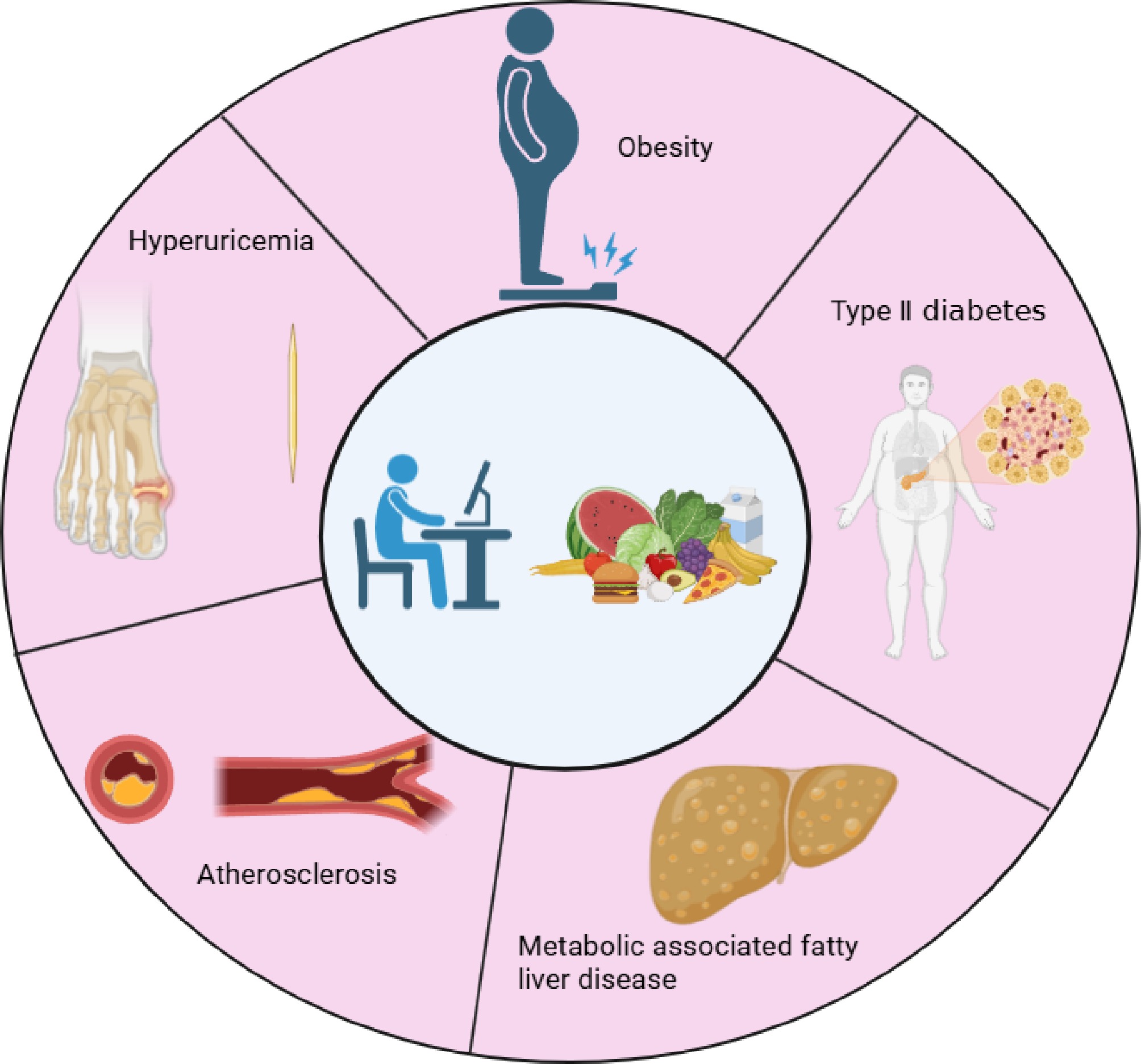
Figure 1.
Lifestyle and dietary patterns are related to CMDs (created with BioRender.com).
-
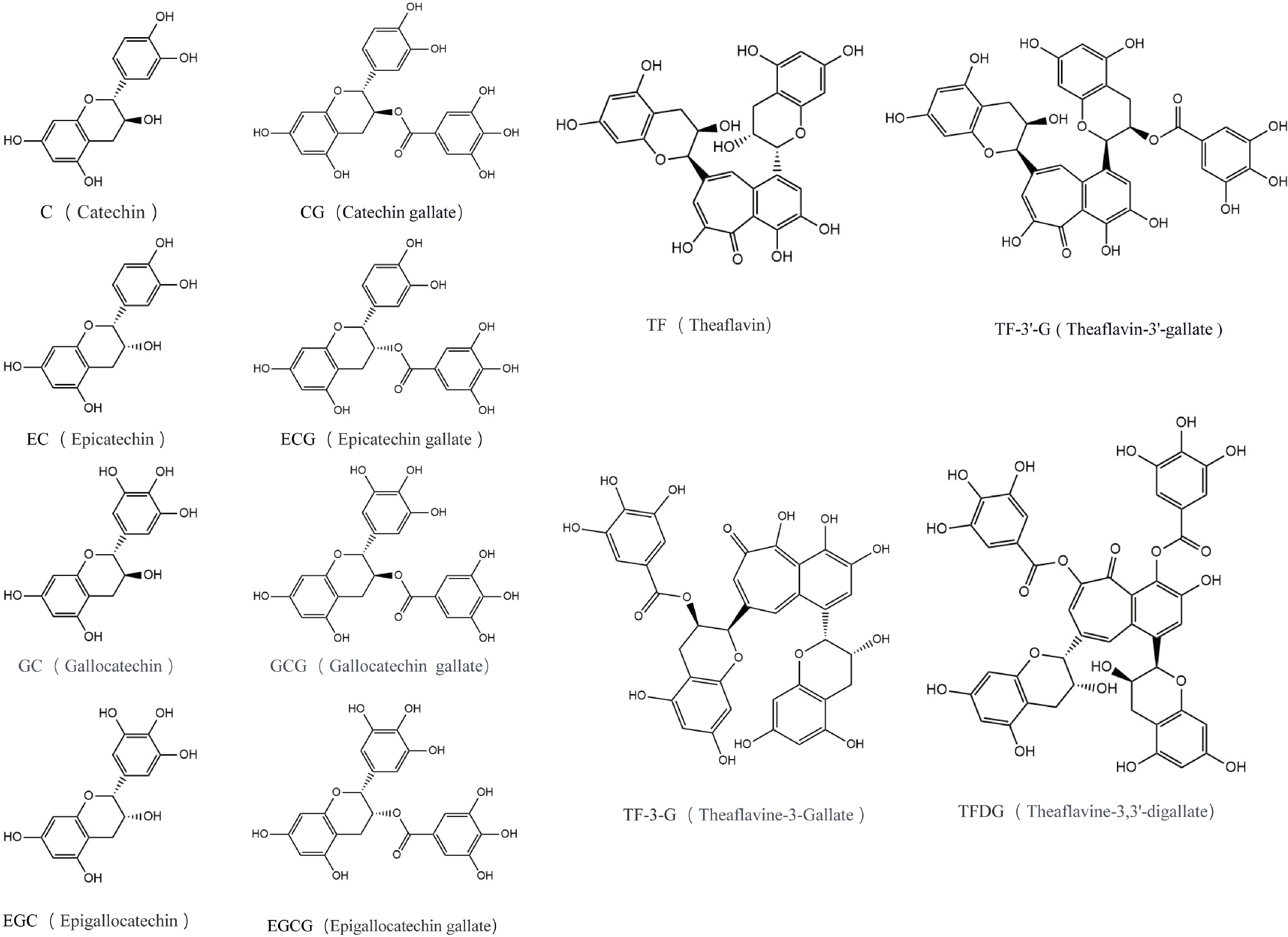
Figure 2.
The main components of tea polyphenols.
-
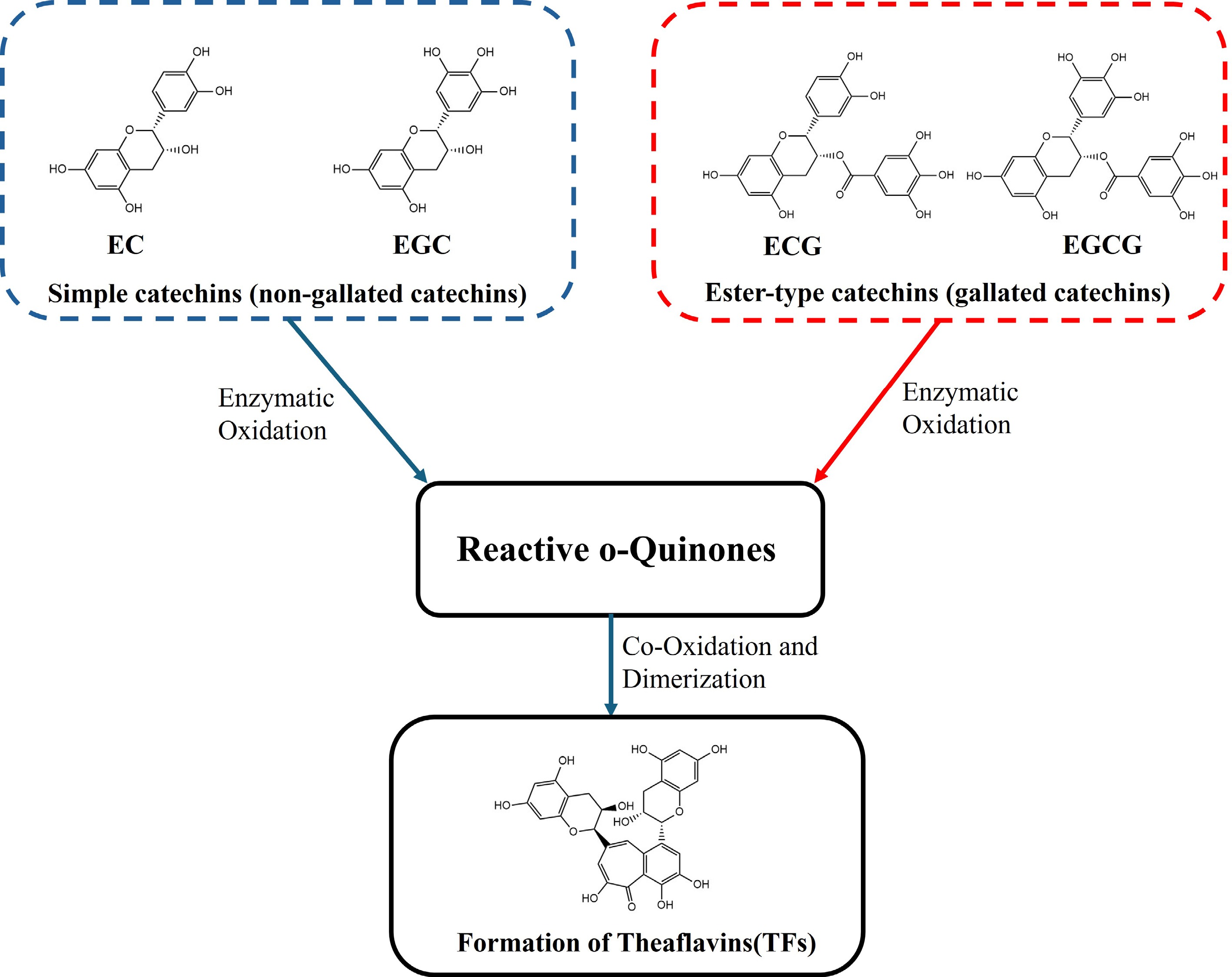
Figure 3.
Enzymatic oxidation of catechins leading to the formation of theaflavins (TFs).
-
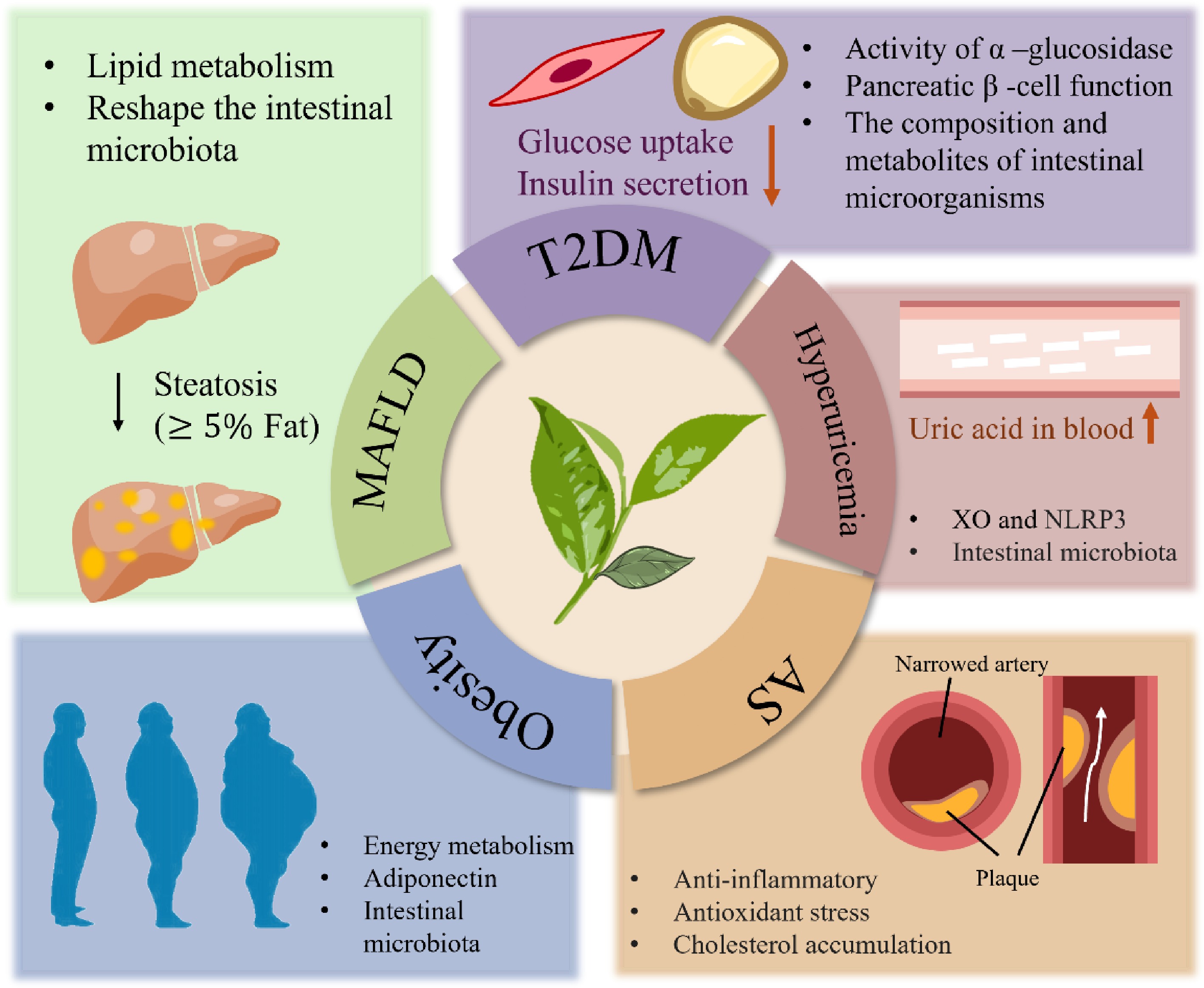
Figure 4.
The improving effect of tea catechins and their polymers on metabolic diseases: pharmacology and mechanism.
-
Diseases Specific compound/
extract usedActivity/mechanism(s) of action Cell lines/model Dose Application (route of amelioration) Reference T2DM Green tea polyphenols and different tea types Inhibiting α-glucosidase activity 2.33 µg/mL; 0.25–0.016 mg/mL [20] EGCG Reduces blood glucose and improves insulin resistance and islet β-cell disorder High-sucrose high-fat diet (HFD) with streptozotocin-induced diabetic rats 25, 50,
100 mg/kg/dIn vivo (oral gavage) [21] EGCG Alleviates high glucose-induced pancreatic β-cell dysfunction by targeting the DRP1-related mitochondrial apoptosis pathway MIN6 cells 10, 20, 40 μM In vitro [22] EGCG Inhibitor of NLRP3 inflammasome activation; improves glucose tolerance Mouse bone marrow-derived macrophages; HFD mice 20, 30, 40 μM;
50 mg/kgIn vitro; in vivo (oral gavage) [23] (-)-Epicatechin Modulates the gut microbiota and liver insulin signaling pathways HFD rats 40, 80 mg/kg In vivo (oral gavage) [24] EGCG-derived oxidation products Activation of the beneficial axis of RAS and suppression of the deleterious axis of RAS, SELENOP, TXNIP, or renal PEPCK/G6Pase-α db/db mice 5, 10, 40 mg/kg In vivo (intraperitoneal injection) [25] Theaflavins (TFs) Promoting mitochondrial biogenesis and improving the hepatocellular insulin resistance induced by free fatty acids HepG2 cells 2.5, 5, 10 μg/mL In vitro [26] Theabrownin (TB) from Fu Brick tea Altering the gut microbiota and improving intestinal tight junction integrity HFD mice 100, 200,
400 mg/kgIn vivo (oral gavage) [28] Obesity Green tea polyphenols Changing the composition and diversity of colonic microbiota HFD mice Diet supplemented with 0.05, 0.2, 0.8% In vivo [42] Green tea polyphenol extract Promoting the induction of thermogenic cells by reprogramming the initial steps of adipocyte commitment Cafeteria diet mice 500 mg/kg In vivo (oral gavage) [43] Green tea polyphenol extract Inducing adaptive thermogenesis and browning in scWAT HFD mice 500 mg/kg In vivo (oral gavage) [44] Green tea polyphenols Inhibition of erk1/2 activation, alleviation of PPARγ phosphorylation, and increased PPARγ expression HFD rats Drinking water supplemented with 0.8, 1.6,
3.2 g/LIn vivo [45] Polyphenol-enriched oolong tea Increases lipid excretion into feces Healthy adult subjects 19.3 ± 12.9 g/3 d In vivo [46] EGCG Increases the expression of hepatic TGR5 and decreases the expression of intestinal FXR-FGF15 HFD rats 40, 160 mg/kg In vivo (oral gavage) [47] EGCG Induces fat deposition by targeting HSP70 through the activation of AMPK–SIRT1–PGC-1α in porcine subcutaneous preadipocytes Porcine subcutaneous preadipocytes 100 μM In vitro [48] EGCG Downregulated MAPK7 mRNA and protein levels time- and dose-dependently 3T3-L1 cells 10, 20, 50 μM In vitro [49] EGCG Upregulation of Beclin1-dependent autophagy and lipid catabolism in WAT HFD mice 20 mg/kg In vivo (oral gavage) [50] EGCG Promotes fat oxidation HFD mice Diet supplemented with 0.5, 1% In vivo [51] Oxidized tea polyphenols (OTPs) Alleviates the accumulation of lipids in liver and visceral white adipose tissue and promotes lipid excretion HFD rats Diet supplemented with 2% In vivo [53] MASLD Green tea extract (GTE) Prevents dietary-induced liver steatosis HFD rats Diet supplemented with 1.1, 2% In vivo [65] EGCG Possesses a Bmal1-dependent efficacy against insulin resistance conditions by strengthening insulin signaling and eliminating oxidative stress HepG2 cells/primary hepatocytes 0, 25, 50, 100 μM In vitro [66] Tea polyphenols and EGCG Promoting acid-producing bacteria HFD rats 200, 400,
800 mg/kgIn vivo (oral gavage) [67] EGCG Decreases bile acid reabsorption HFD mice Diet supplemented with 0.32% In vivo [68] Green tea extract rich in EGCG Activation of AMPK via LKB1 in the liver HFD mice 50 mg/kg In vivo (oral gavage) [70] AS EGCG Mediated by AP-1 inactivation through ERK and JNK Human primary T cells 0.1, 1, 5, 10, 20 μM In vitro [81] (-)-Epicatechin gallate (ECG) Inhibition of the phosphorylation of p65 in the NF-κB pathway in the aorta VSMCs;
HFD mice10, 20, 50 μM;
5, 25, 50 mg/kgIn vitro; in vivo (intraperitoneal Injection) [82] (-)-Epicatechin gallate (ECG) Inhibition of intracellular NF-κB signaling pathway proteins and activation of the HO-1/Nrf2 signaling pathway [83] Tea polyphenols Promoting the proliferation of the intestinal Bifidobacteria HFD mice Drinking water supplemented with 0.4, 0.8,
1.6 g/LIn vivo [84] Green tea, black tea Antioxidant properties of the intervention HFD rabbits 200 mg/kg In vivo [85] Green tea polyphenols Increasing the mRNA and protein expression levels of hepatic PPARα and autophagy markers HFD-fed male ApoE-knockout mice Drinking water supplemented with 3.2, 6.4 g/L In vivo [86] Hyperuricemia Green tea polyphenols Decreasing uric acid production and increasing uric acid excretion PO-induced hyperuricemic mice 300, 600 mg/kg In vivo (oral gavage) [93] EGCG Inhibition of XOD activity and GLUT9 expression and the promotion of OAT1 expression BRL 3A rat liver cells;
PO-induced hyperuricemic mice10, 20, 40 µM;
25, 50, 100 mg/kgIn vitro; in vivo (oral gavage) [95] Fermented tea extracts Inhibition of xanthine oxidase activities LO-2 cells 0.12, 2 mg/mL In vitro [97] Pu-erh tea polyphenols Reshaping the gut microbiota CRD-induced hyperuricemic mice In vivo [98] Table 1.
Pharmacology of tea catechins and their polymers.
-
Shared mechanism Key molecular targets/pathways Representative tea components Insulin resistance AMPK, IRS-1/PI3K/Akt, GLUT4, PPARγ EGCG, theaflavins, green tea catechins Inflammation NLRP3 Inflammasome, NF-κB, TNF-α, IL-6 EGCG, ECG, theaflavins Oxidative stress Nrf2/HO-1, SOD, MDA ECG, EGCG, theaflavins Gut microbiota dysbiosis Microbiota composition, SCFAs, intestinal FXR/FGF19, bile acids EGCG, EC, theabrownins, green tea catechins Table 2.
Summary of the key shared pharmacological targets of tea catechins and their polymers.
Figures
(4)
Tables
(2)