-
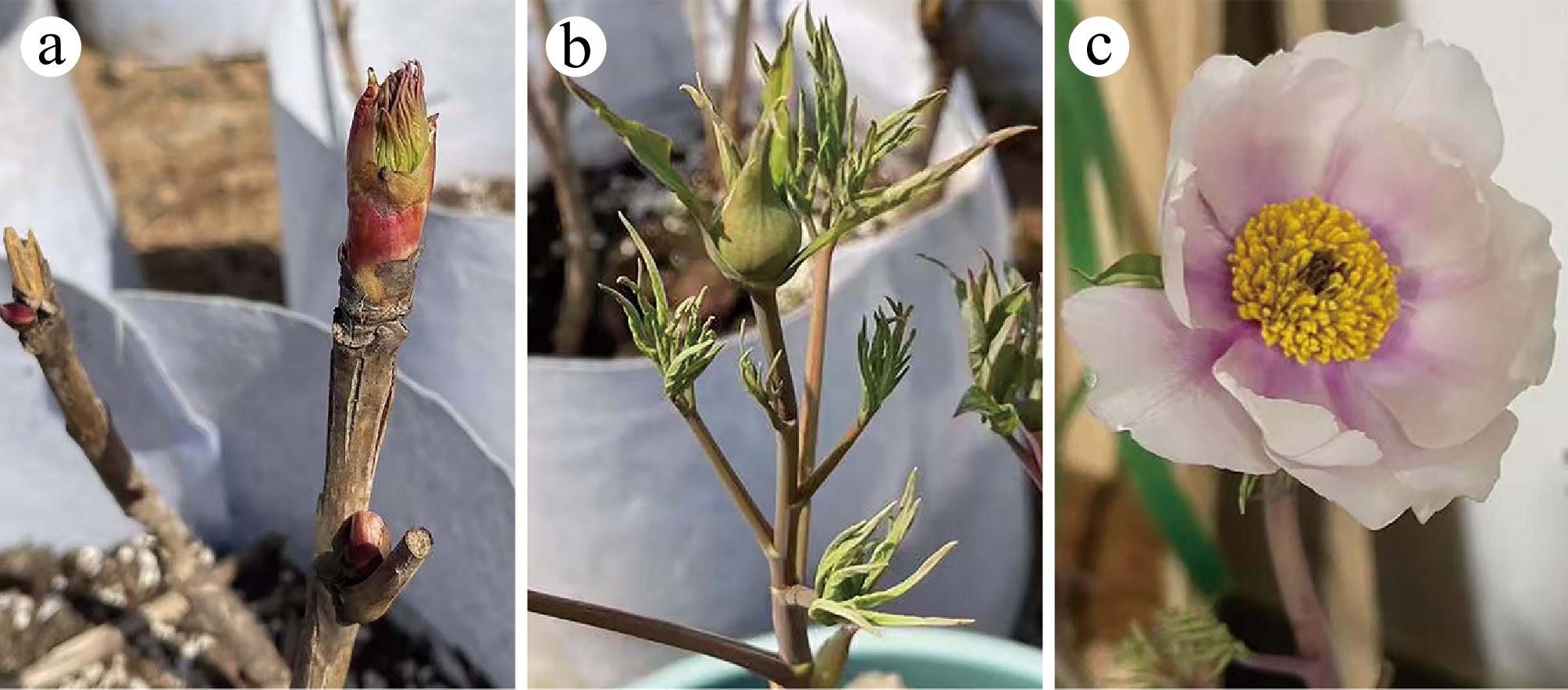
Figure 1.
Morphological characteristics of Paeonia. (a) Shoot of Paeonia ostii. (b) Bud of Paeonia ostii. (c) Flower of Paeonia ostii.
-
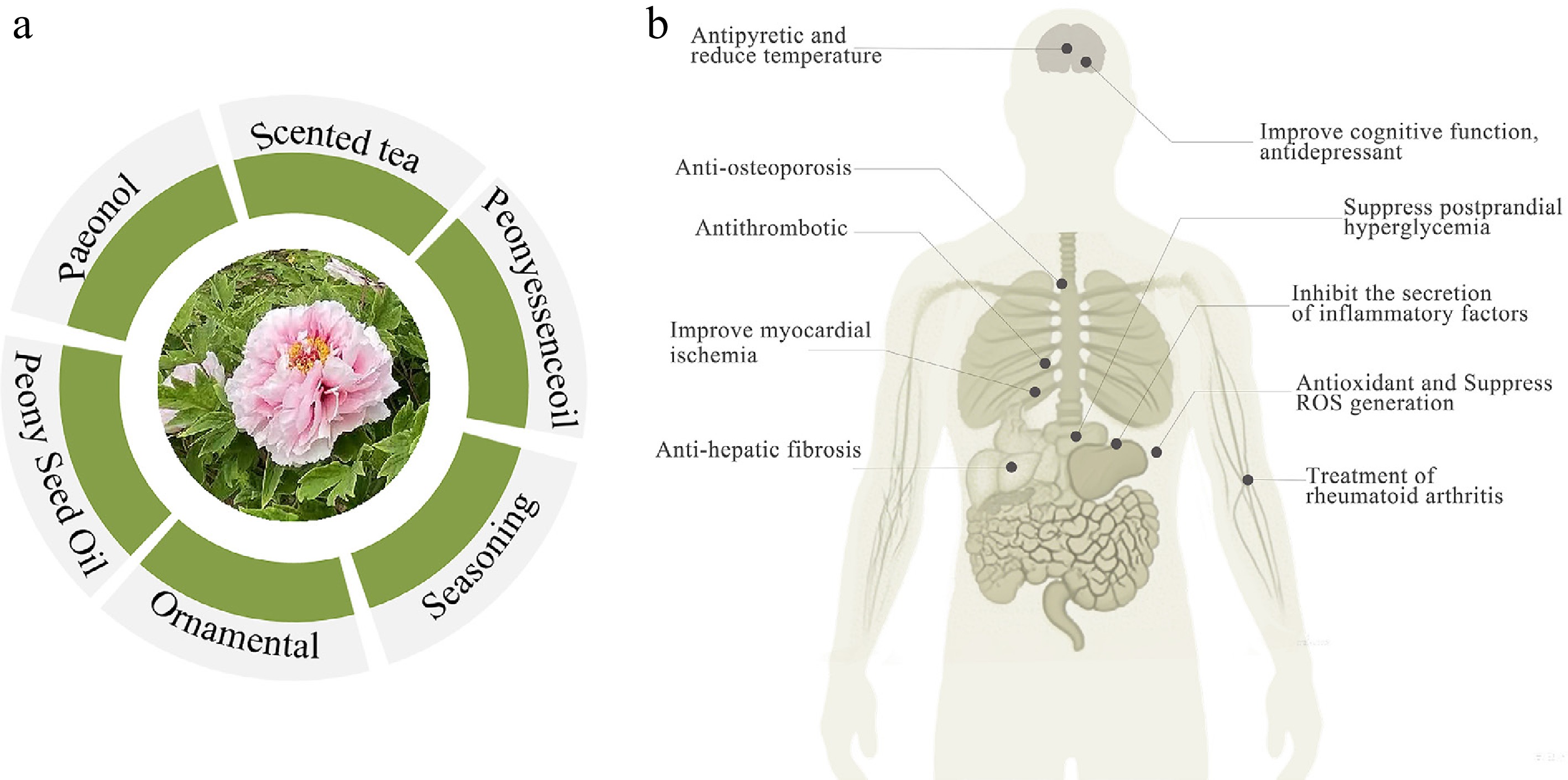
Figure 2.
The applications of plants from the genus Paeonia. (a) Applications in daily life. (b) Effects on human health.
-
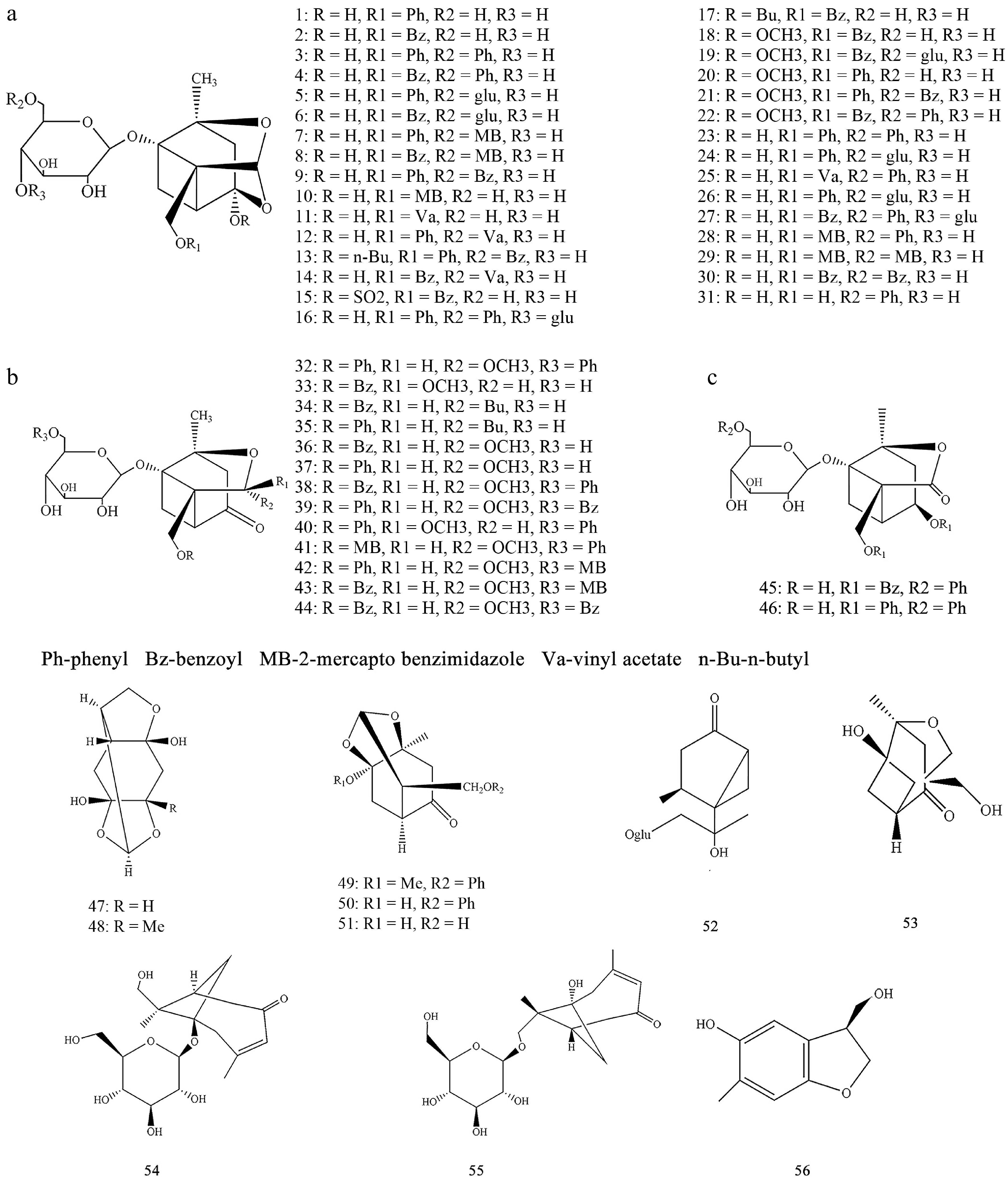
Figure 3.
Core structures of monoterpenes and their glycosides, and the chemical structures of Compounds 1−56 from Paeonia.
-
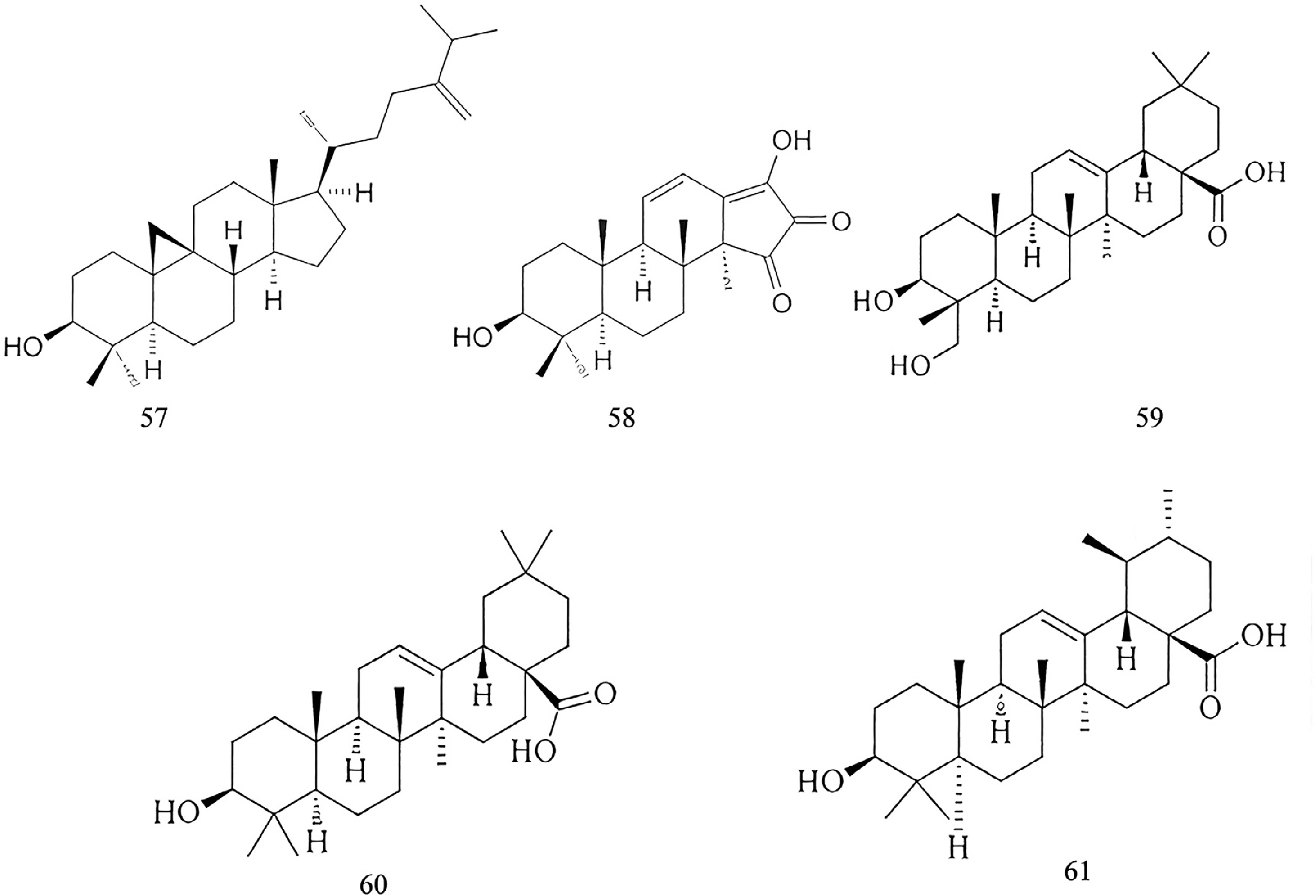
Figure 4.
Triterpenoid glycosides in Paeonia.
-
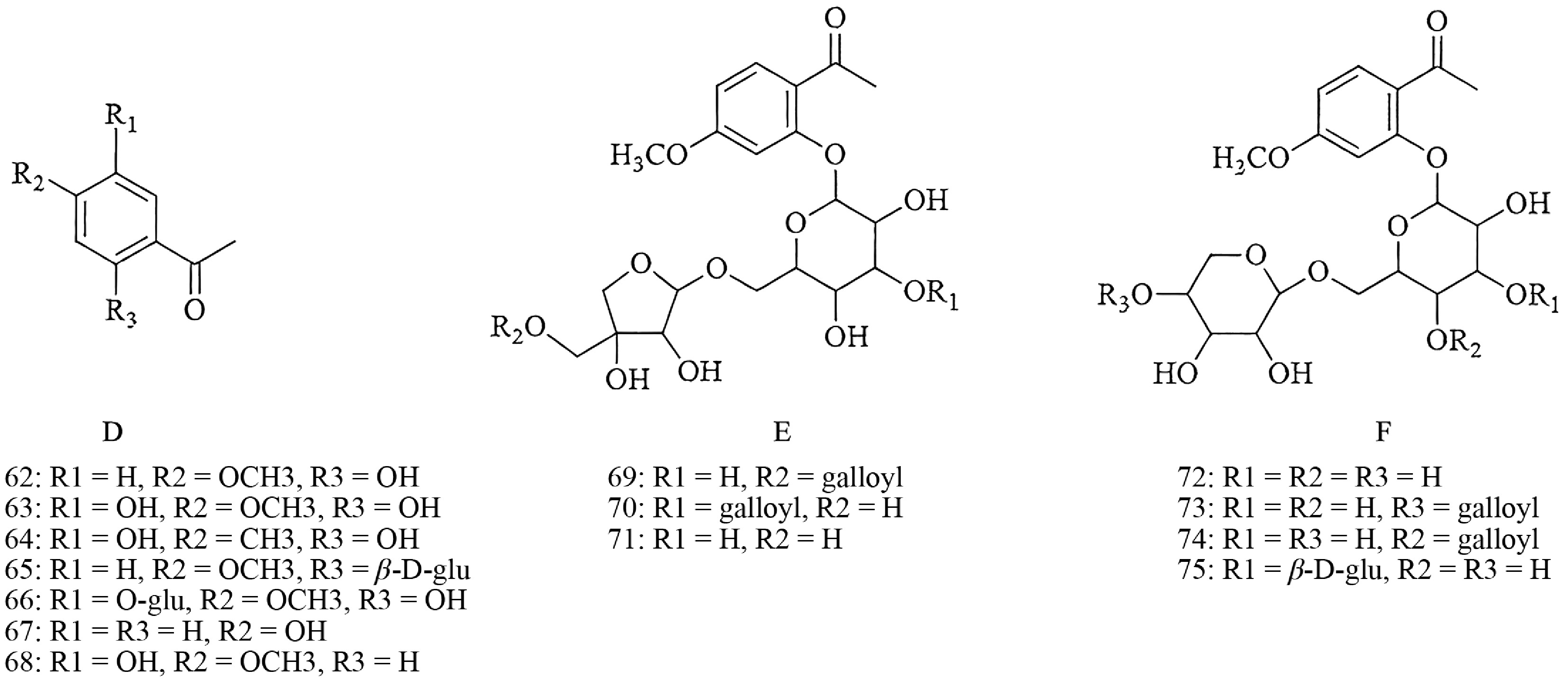
Figure 5.
Core structures of acetophenone compounds in Paeonia.
-
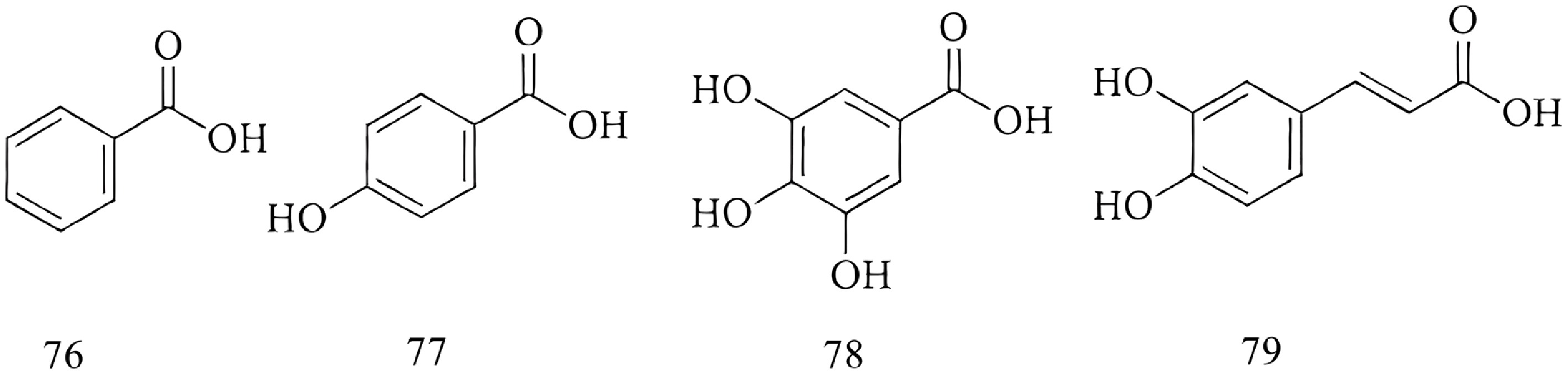
Figure 6.
Organic acids in Paeonia.
-
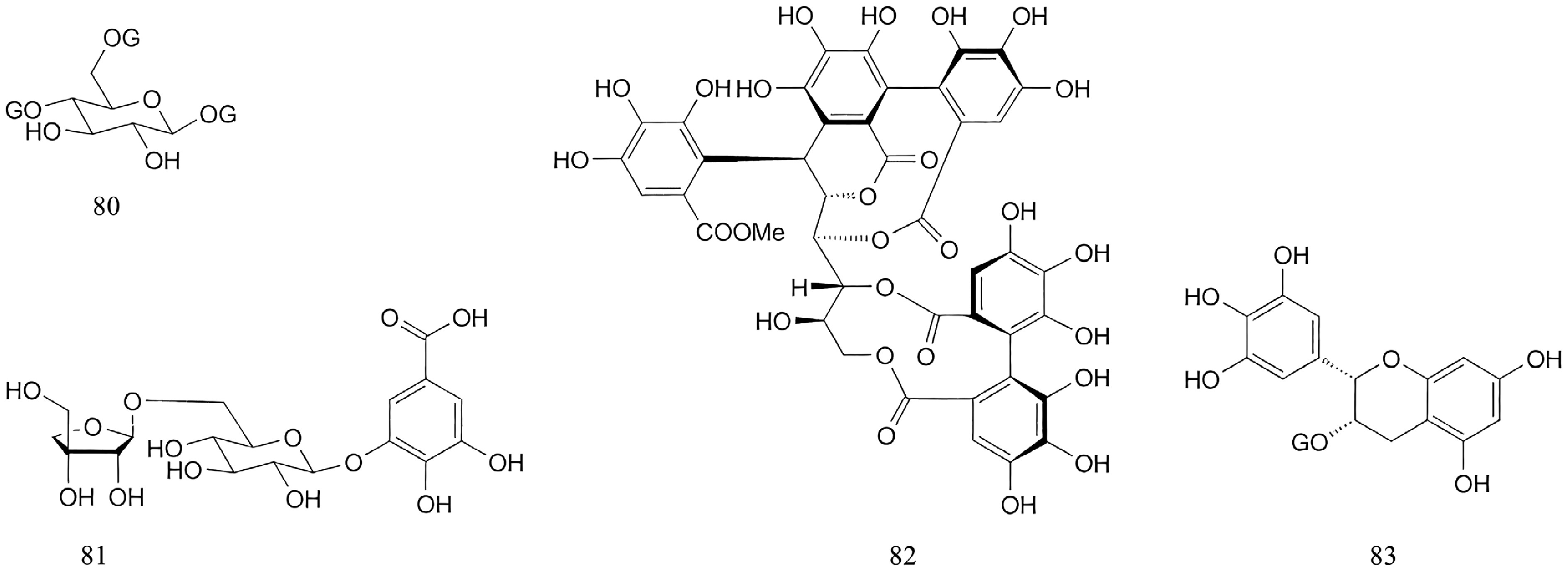
Figure 7.
Tannins glycosides in Paeonia.
-
Core regulatory pathways Associated Q-markers Targets/mechanisms of action Corresponding diseases NF-κB pathway Paeoniflorin, paeonol, and flavonoids Inhibiting NF-κB activation and reducing the release of inflammatory factors (TNF-α, IL-6) Rheumatoid arthritis, skin inflammation PI3K/Akt pathway Paeoniflorin, triterpenoids Regulating PI3K/Akt phosphorylation, inhibiting tumor cell proliferation, and promoting osteoblast differentiation Hepatocellular carcinoma, osteoporosis Mitogen-activated protein kinase (MAPK) pathway Paeoniflorin, paeonol Regulating the activity of p38/JNK/ERK1/2, enhancing macrophage phagocytic function, and inhibiting myocardial fibrosis Immunodeficiency, cardiovascular diseases Table 1.
Core Q-marker-mediated pathways, mechanisms, and associated diseases of Paeonia.
-
Analysis and comparison TLC HPLC UPLC-MS/MS Core principle Depending on the differences in the partition coefficients of compounds between the stationary phase and the mobile phase, separation is achieved. Depending on the differences in the interactions of compounds with the stationary phase and the mobile phase in the chromatographic column, high-efficiency separation is achieved. Depending on the ultrahigh separation efficiency of ultrahihg performance liquid chromatography and the high sensitivity, high selectivity, and structural analysis capability of tandem mass spectrometry Main application level Basic qualitative preliminary screening Multicomponent quantitative analysis routine quality control Precise identification and traceability analysis of complex systems Dissociation efficiency Low High Ultrahigh Detection sensitivity Low High Ultrahigh Main detection objectives Several key markers (such as Paeonia lactiflora glycosides, paeonol) Multiple target components Broad-spectrum screening, trace/unknown substance identification, complex metabolite analysis, characteristic metabolic profiling Quantitative capability Limited Strong Extremely strong Advantage Simple, rapid, and economical, suitable for preliminary screening Dissociation good; quantitative accuracy; polydactyly standards can establish fingerprint profiles Powerful identification of Broussonetia papyrifera, with great potential for resolving complex systems and integrating omics approaches. Limitations Low resolution, limited sensitivity, inaccurate quantification, and insufficient information content Limited analytical capability for difficult-to-dissociate substances or trace substances Complex operation, high development requirements, and high operating costs Table 2.
Comparison of quality control methods.
Figures
(7)
Tables
(2)