-
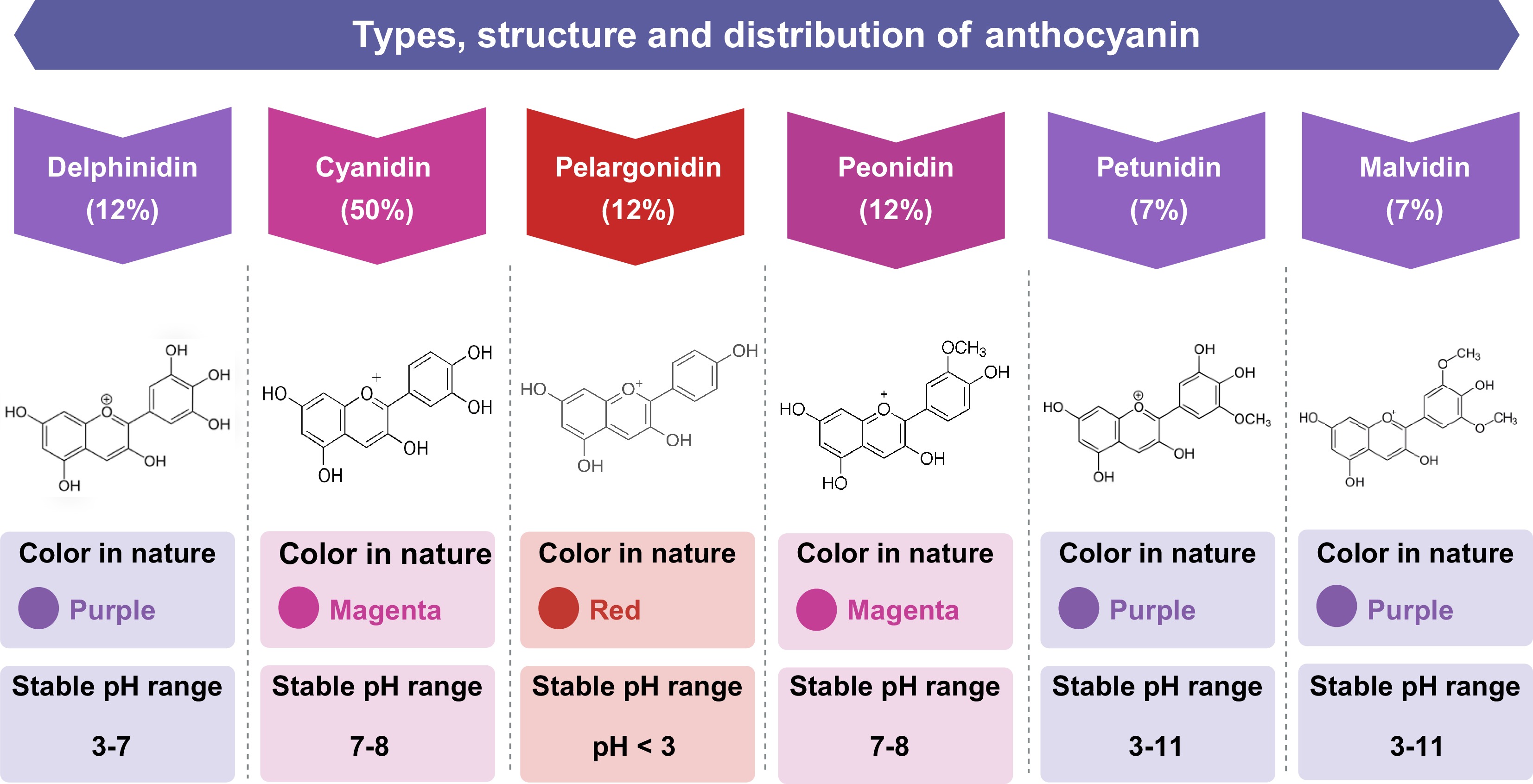
Figure 1.
Image depicting the six basic chemical structures, colors, and the distribution of anthocyanins.
-
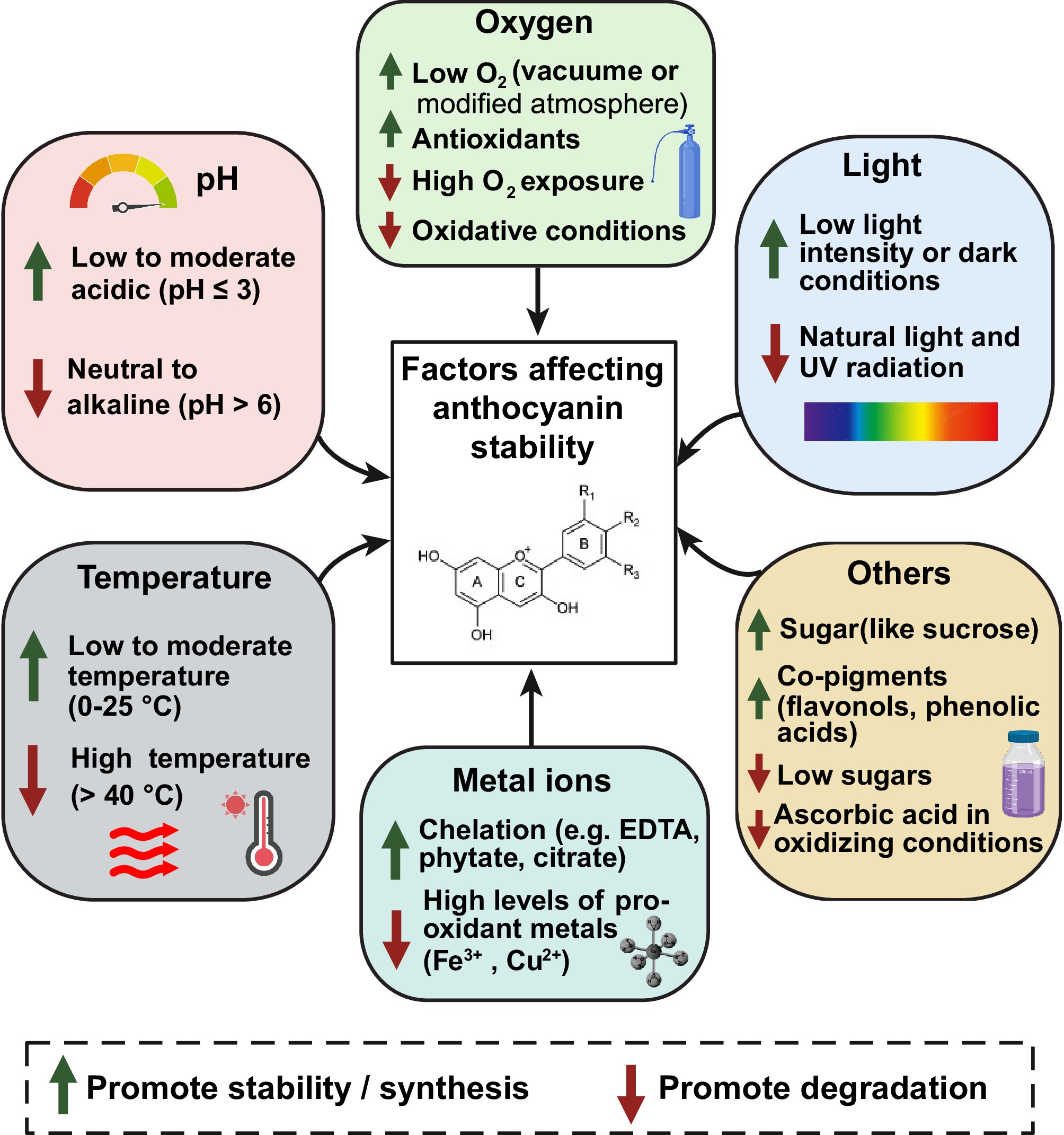
Figure 2.
A diagram illustrates the key dynamics affecting the stability and degradation of anthocyanins.
-
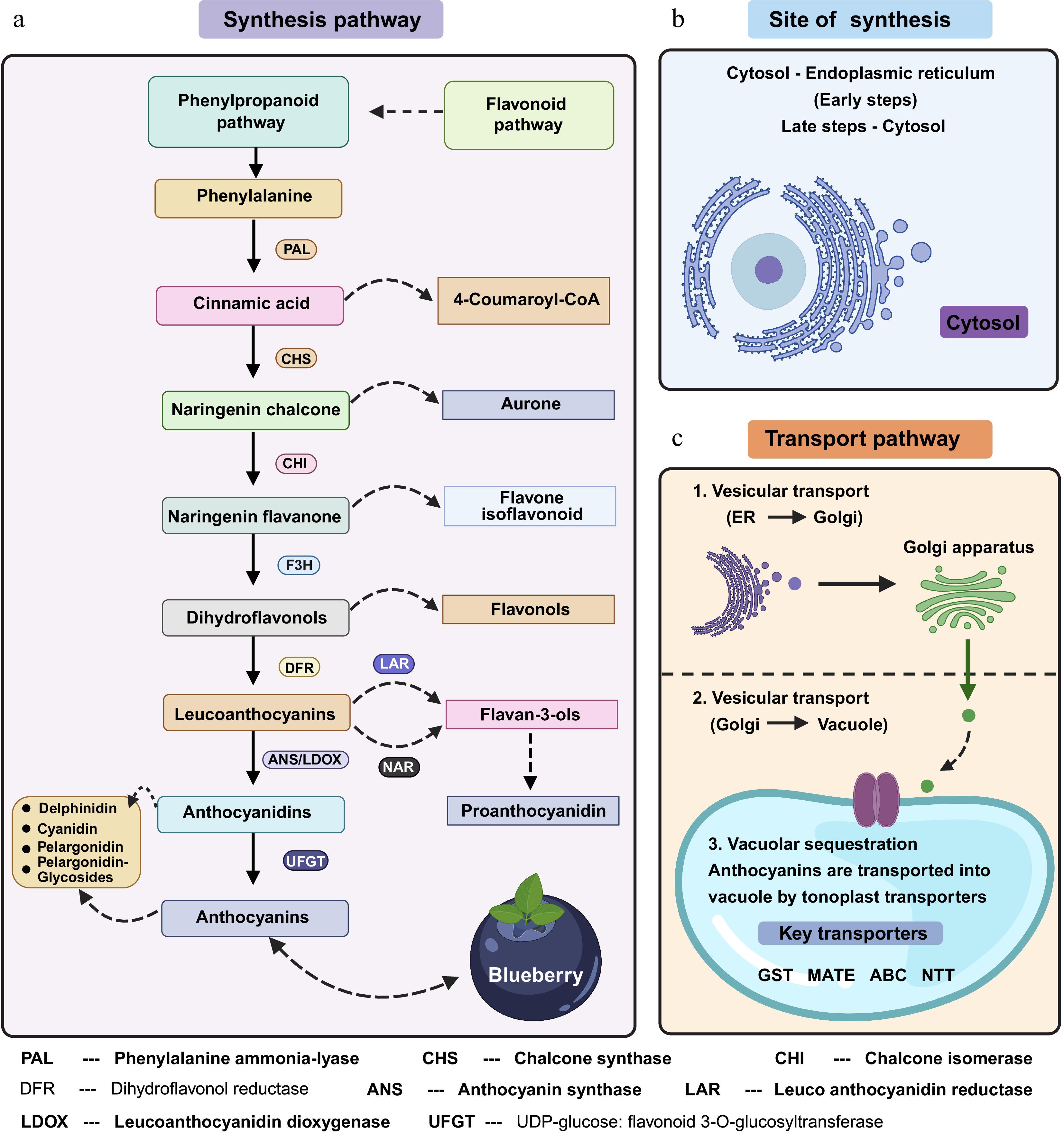
Figure 3.
(a) Phenylpropanoid and flavonoid biosynthetic pathways leading to anthocyanin production in blueberry. Phenylalanine is converted through a series of enzymatic reactions catalyzed by phenylalanine ammonia-lyase (PAL), cinnamate-4-hydroxylase (C4H), and 4-coumarate-CoA ligase (4CL) to generate flavonoid precursors. Subsequent reactions involving chalcone synthase (CHS), chalcone isomerase (CHI), flavanone 3-hydroxylase (F3H), flavonoid 3′-hydroxylase (F3′H), flavonoid 3′,5′-hydroxylase (F3′5′H), dihydroflavonol 4-reductase (DFR), anthocyanidin synthase (ANS), and UDP-glucose: flavonoid 3-O-glucosyltransferase (UFGT) result in the formation and stabilization of anthocyanins. (b) Site of anthocyanin synthesis. (c) Transport pathway of anthocyanins.
-
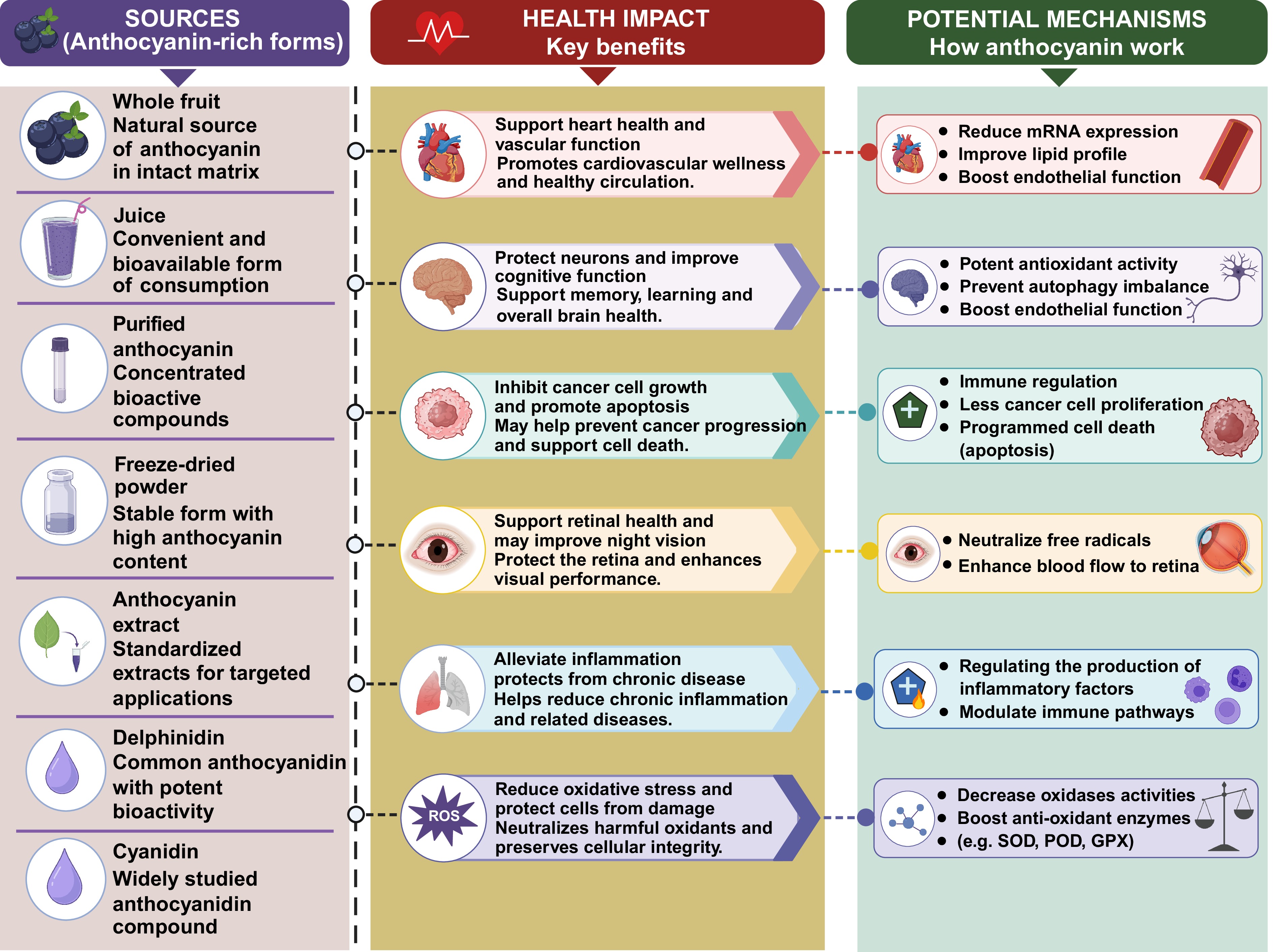
Figure 4.
Diagram showcasing the sources of blueberry anthocyanins and their impact on health, indicating potential mechanisms.
-
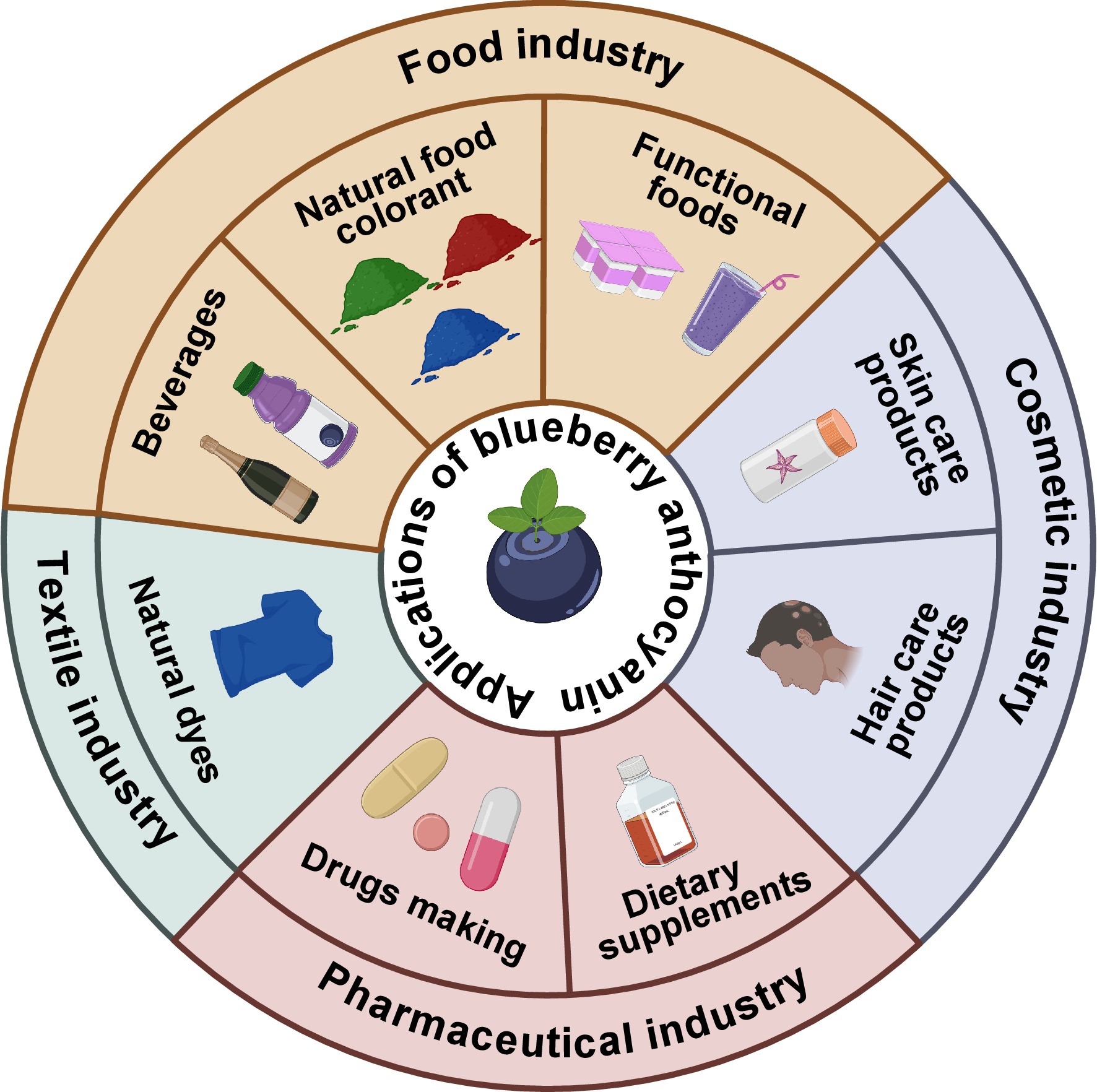
Figure 5.
Applications of blueberry anthocyanins across the food, pharmaceutical, cosmetic, and textile industries. The figure highlights the multifunctional roles of anthocyanins and their potential commercial value across diverse industrial sectors.
-
Crop Main enzyme(s)/ gene(s) Core functions/reaction Regulatory factors Engineering interventions Ref. Blueberry PAL, CHI, DFR, UFGT Converting phenylalanine to anthocyanins drives pigment accumulation. Induced by light and ABA Precision light engineering using full-spectrum LEDs and greenhouse light-control systems, coupled with metabolic engineering of JA, ABA, and ethylene-responsive pathways. [65] Blueberry PAL, CHI, DFR, UFGT PAL converts phenylalanine to cinnamic acid; CHI catalyzes isomerization of chalcones to flavanones; DFR reduces dihydroflavonols to leucoanthocyanidins; UFGT catalyzes glycosylation of anthocyanidins. Strongly regulated by light intensity Optimization of light intensity through controlled shading or greenhouse systems, combined with stage-specific light management and hormonal regulation. [75] Blueberry PAL, CHI, F3'5'H (VcF3'5'H4), DFR, UFGT Drive late-stage anthocyanin biosynthesis and glycosylation leading to pigment accumulation in fruit skin. Regulated by light signaling and transcription factors (VcMYB1 and VcbHLH004) Optimization of light intensity (avoiding shading) through controlled cultivation enhances anthocyanin glycosides by upregulating key enzymes (F3′5′H, VcF3′5′H4) and light-responsive transcription factors (VcMYB1, VcbHLH004). [76] Blueberry VcDFR Flavonoid biosynthetic pathways are regulated at the level of gene expression. R2R3 MYB transcription factors Overexpression of the transcription factor VcMYB1 enhances anthocyanin biosynthesis in blueberry by activating VcDFR and related structural genes. [77] Blueberry VcPAL3, VcDFR, VcF3H-2, and VcUFGT Activation of the VcUVR8–VcCOP1–VcHY5 signaling pathway, which upregulates positive MYB regulators and enhances expression of anthocyanin structural genes. Stimulated by Ultraviolet-B Engineering interventions include UV-B irradiation to activate the VcUVR8–VcCOP1–VcHY5 pathway and upregulate VcMYBA2 and VcMYB114, combined with suppression or editing of VcMYB4a and VcUSP1 to relieve repression and enhance anthocyanin accumulation. [42] Blueberry PAL, CHI, DFR, UFGT, VcF3'5'H4, VcbHLH004 The phenylalanine-derived flavonoid pathway produces anthocyanins, with CHI, DFR, and UFGT catalyzing key conversion steps; VcF3'5'H4 promotes delphinidin-3-O-arabinoside accumulation, while VcbHLH004 regulates anthocyanin biosynthetic genes. Light intensity and transcriptional regulation via VcbHLH004–VcF3'5'H4 Controlled light intensity enhances anthocyanin accumulation by upregulating key genes (VcF3′5′H4 and VcbHLH004), which can be targeted through light management and gene engineering to improve biosynthesis in blueberry. [78] Wild bilberry Catabolic ABA-8'hydroxylase Supplemental red and blue light enhance anthocyanin accumulation by upregulating structural anthocyanin genes, key MYB transcription factors, and ABA biosynthesis/signaling components. Promoted by blue or red light Supplemental red and blue light enhance anthocyanin accumulation in bilberry by upregulating structural genes, MYB regulators, and ABA biosynthesis. [51] Blueberry PAL, CHI, DFR, UFGT Phenylalanine is converted through flavonoid pathway intermediates into anthocyanins, resulting in pigment accumulation. Light wavelength-dependent regulation, especially blue and white light. Engineering interventions involve using wavelength-specific LED lighting to enhance anthocyanin gene expression. [27] Blueberry VcMIR156a/VcSPL12 The VcMIR156a/VcSPL12 regulates blueberry fruit color change by modulating ethylene biosynthesis via direct control of VcACS1 and VcACO6, as well as altering anthocyanin. miR156/SPL12 Genetic manipulation of the miR156/VcSPL12 module together with regulation of ethylene biosynthesis genes (VcACS1, VcACO6) and ethylene treatments can control anthocyanin accumulation. [79] Table 1.
Key enzymes, genes, and regulatory factors involved in anthocyanin biosynthesis in blueberry.
-
Health benefits Treatments/doses Key findings Ref. Antioxidant Isolation of anthocyanins from blackberry/1 mg mL−1 The anthocyanins derived from these berries may significantly mitigate oxidative stress, enhancing their prospective health advantages. [87] Blueberry anthocyanins extract (BAE) BAE mitigated arsenic-induced reductions in antioxidant capacity in rat hippocampal neurons. It enhanced the expression of proteins associated with mitochondrial biogenesis, essential for cellular health. [88] Anthocyanin extracts of Polaris's blueberry variety/20 μg mL−1 Blueberry anthocyanin extracts confer hepatoprotection against acrylamide toxicity. Additionally, they elevate SOD and CAT activities while diminishing MDA levels. [89] Anti-inflammatory BAE BAE reduced the release of pro-inflammatory cytokines dose-dependently, including monocyte chemo-attractant protein-one, interleukin-6, and cancer necrosis factor-α in RAW264.7 cells. [90] Refined and homogeneous extract of bilberry and blackcurrant Inhibit the TNF-α-induced NF-κB pathway in Caco-2 cells, resulting in decreased IL-6 and IL-8 production. [91] 0.58 mg mL−1 of BAE content incorporated to collagen tempted arthritis rats BAE exhibited anti-inflammatory characteristics and can reduce osteophyte growth, bone absorption, and soft tissue edema. [92] Cardiovascular 160 and 20 g of fresh and freeze-dried blueberry, respectively Elevated plasma NO2 levels do not affect total cholesterol, SBP, HDL-C, LDL-C, DBP, and glucose. [93] Blueberry anthocyanin (20.0 μg mL−1) Substantially improved cellular viability and diminished the rate of apoptosis. [6] Blueberries at 75 and 150 g Enhanced endothelial function while reducing the level of cyclic guanosine monophosphate and lowering arterial stiffness. [94] Neuro-protective For the first 7 d, BAE was applied at 175 mg kg−1, followed by a combination of BAE and acrylamide (35 mg kg−1) fed orally for the next
12 d to rats.BAE lowers MDA levels, increases GSH and antioxidant enzymes, and reduces microglial activation and proinflammatory cytokines. BAE enhances the ERK/CREB/BDNF signaling pathway and reduces Aβ peptide accumulation, protecting neurons and synapses and improving general brain health. [95] Blueberry powder at 269 mg for
24 weeksThis compound is advantageous for the nervous system and aids in memory discrimination prevention. [96] In rats with ketamine-induced hyperactivity, 200 mg kg−1 of blueberry extract was given once daily for 14 d. Blueberry extracts mitigated hyperlocomotion, oxidative stress, and inflammation induced by ketamine. [97] Anticancer Isolation of anthocyanins from blackberry/1 mg mL−1 Anthocyanins from Andean blueberry demonstrated significant antitumoral effects in diverse cancer cell lines. This indicates their potential as supplementary or preventive cancer therapies. [87] BAE from five varieties Anthocyanins may inhibit angiogenesis, a key factor in tumorigenesis. Therefore, blueberries may contribute to cancer prevention via their phytochemical content. [98] BAE (250 µg mL−1) and anthocyanin pyruvate adduct were treated in two breast cancer cell lines (MDA-MB-231 and MCF7). The study found that BAE inhibited cell proliferation in both cell lines. [99] Vision improvement Blueberry anthocyanins (20 mg kg−1) Anthocyanins in blueberries mitigate cognitive deficits. [100] Anthocyanin and polyphenol were 177.8 ± 8.3 and 602.9 ± 9.2 mg 100 g−1, respectively. Blueberry anthocyanins significantly enhance vision by safeguarding retinal cells from photic injury and improving retinal blood flow. [101] For 12 weeks, rats with STZ-induced diabetes were given oral doses of blueberry anthocyanins (20, 40, and
80 mg kg−1).Blueberry anthocyanins mitigate diabetic retinopathy and retinal anomalies. [102] Table 2.
Experimental evidence on the health promoting effects of blueberry anthocyanins.
Figures
(5)
Tables
(2)