-
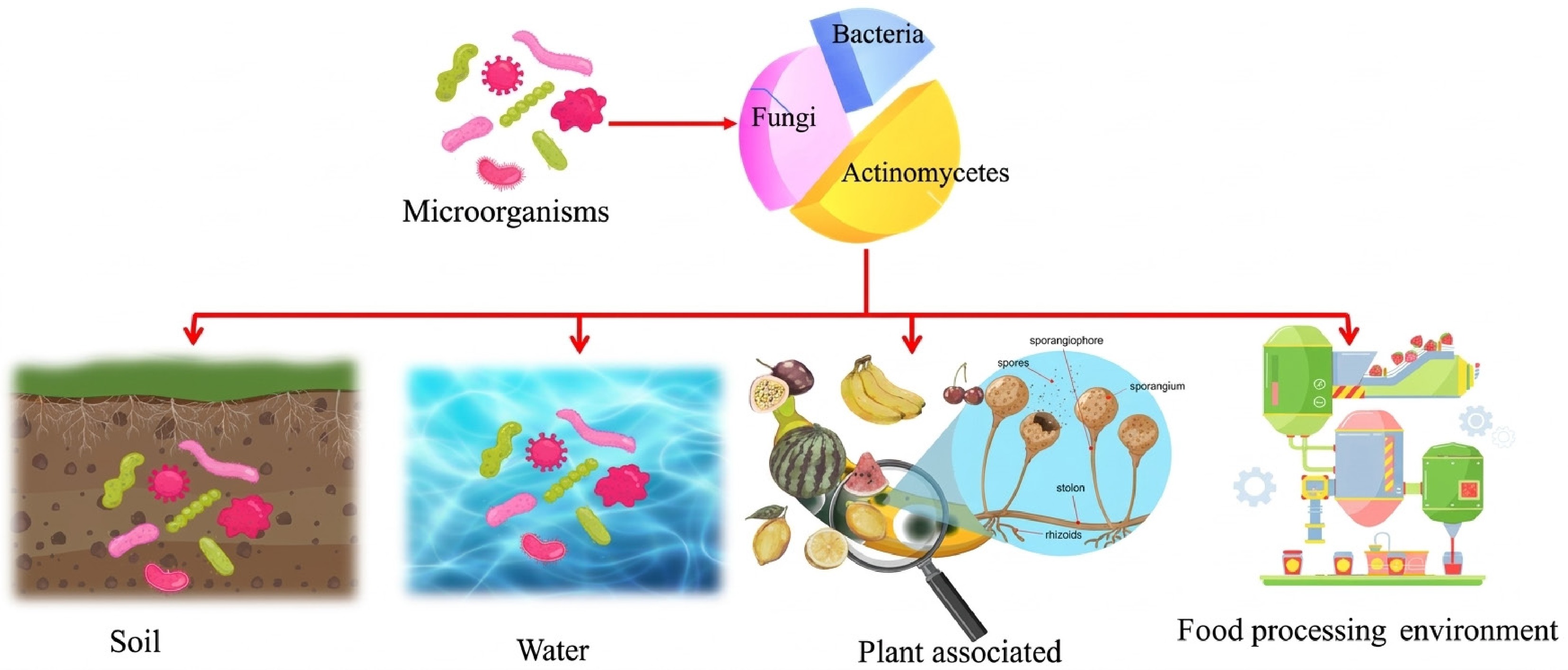
Figure 1.
Sources and biodiversity of microbial natural products (created with Freepik,
https://freepik.com ). -
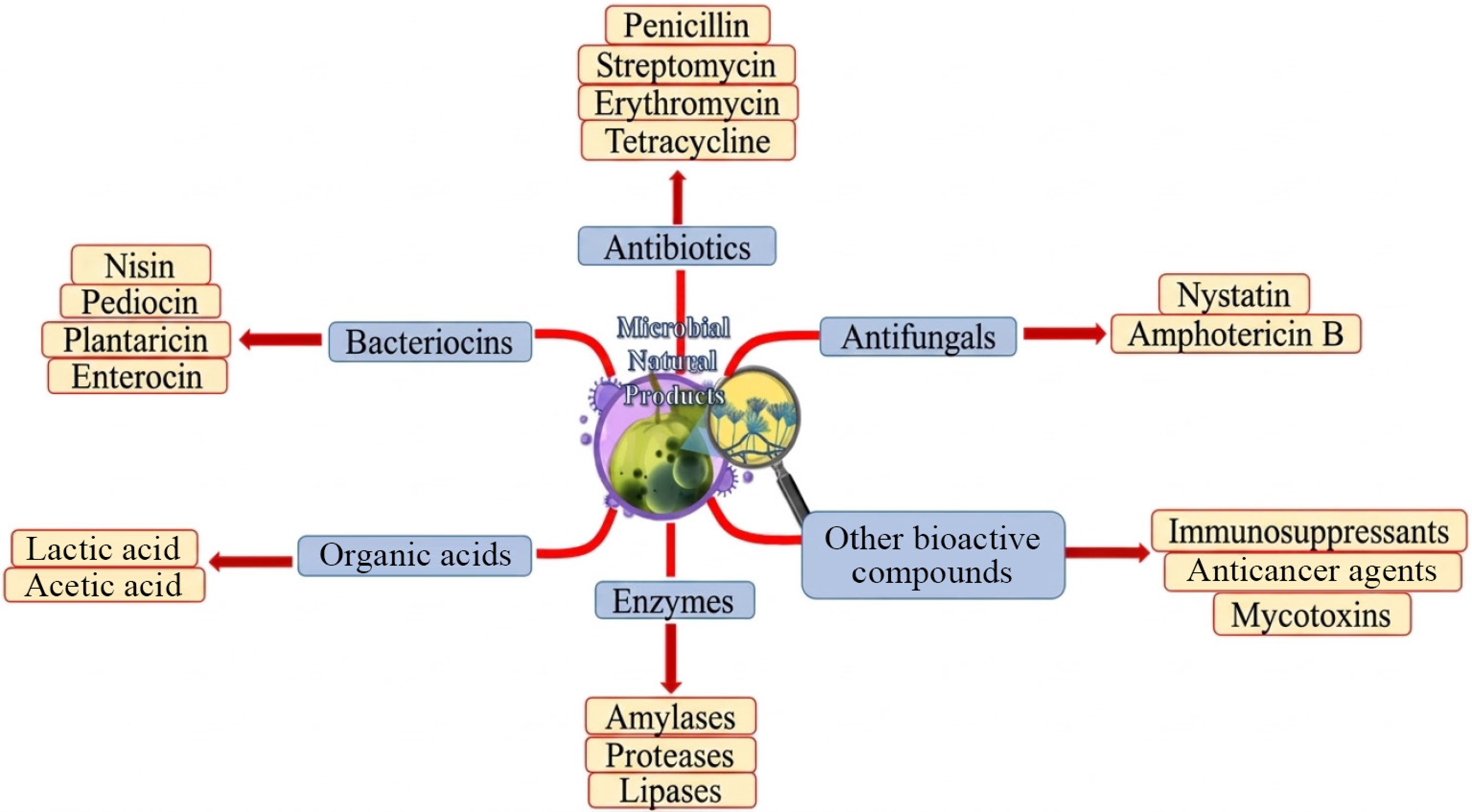
Figure 2.
Classification of microbial natural products (created with Freepik,
https://freepik.com ). -
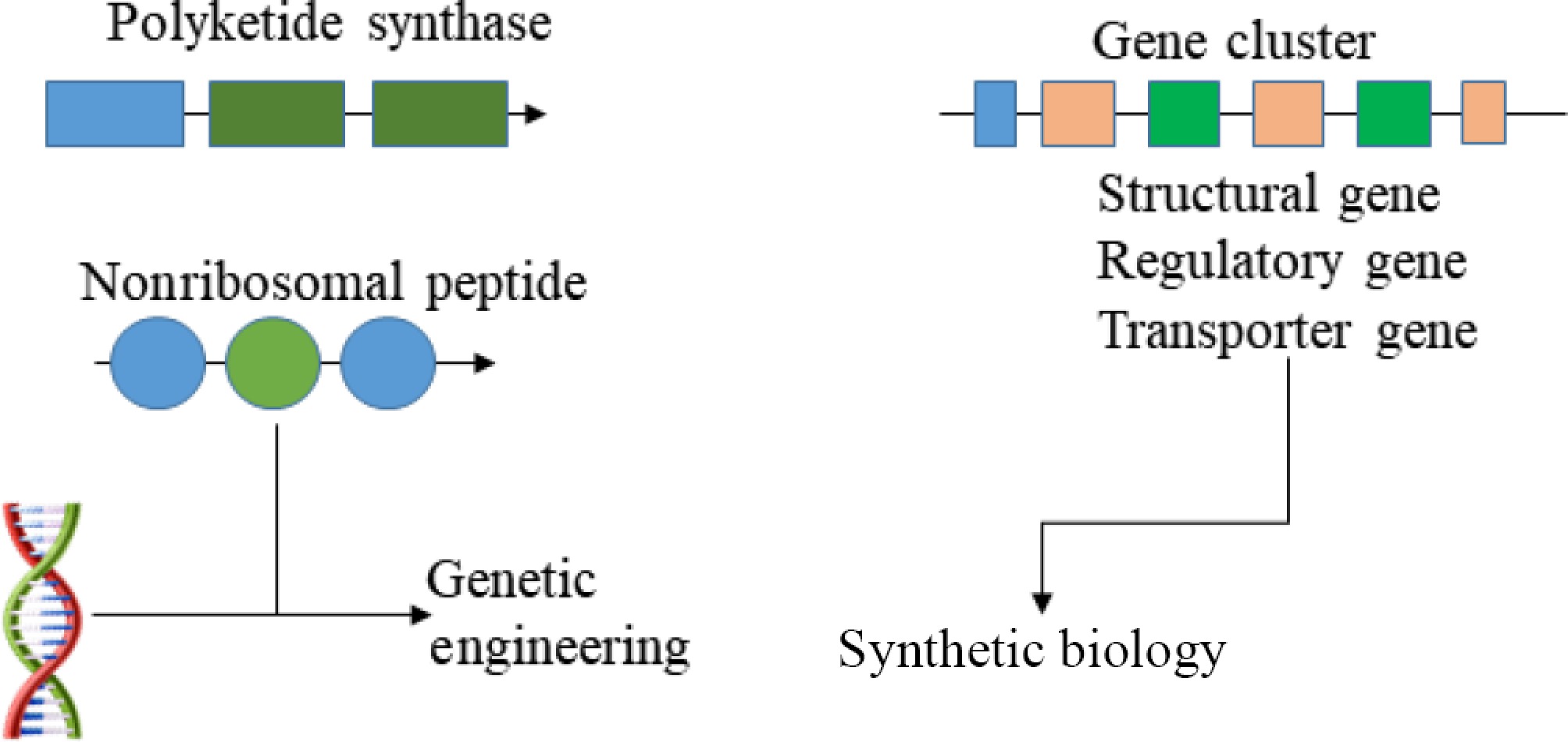
Figure 3.
Biosynthetic pathways and genetic basis (created with Freepik,
https://freepik.com ). -
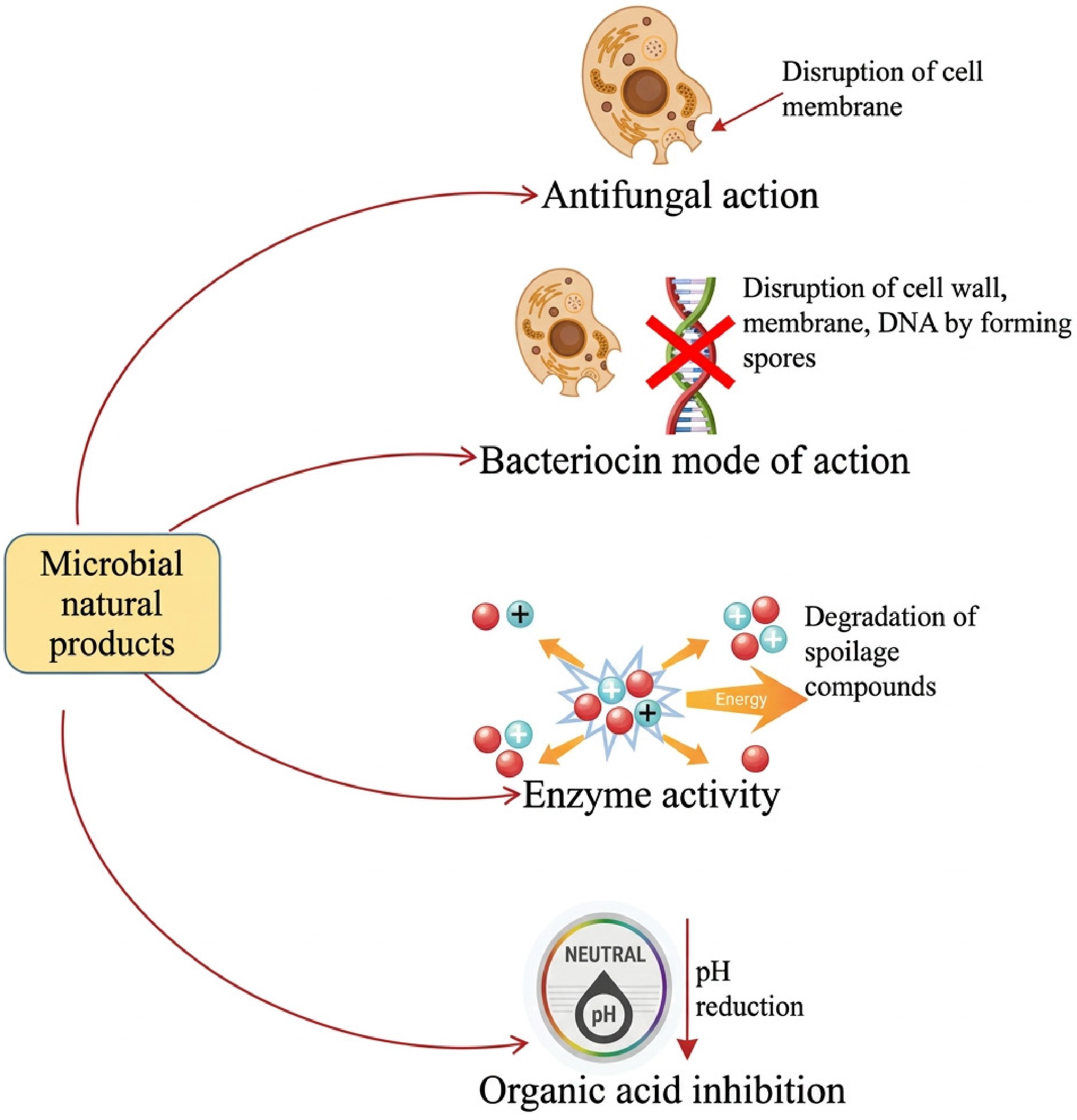
Figure 4.
Biochemical mechanisms of microbial natural products against foodborne pathogens and spoilage microorganisms (created with Freepik,
https://freepik.com ). -
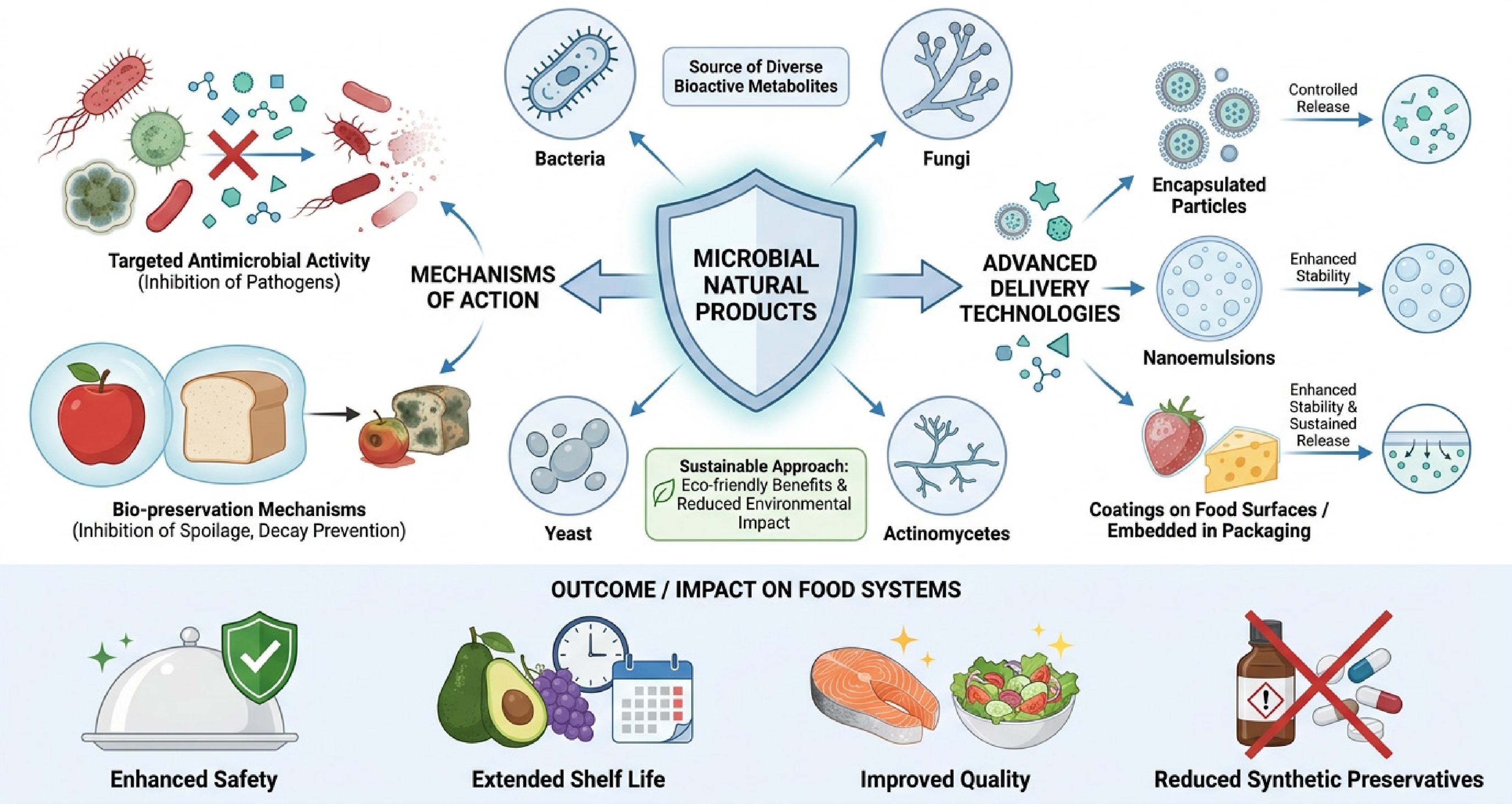
Figure 5.
Schematic overview of microbial natural products as sustainable safeguards for food safety.
-
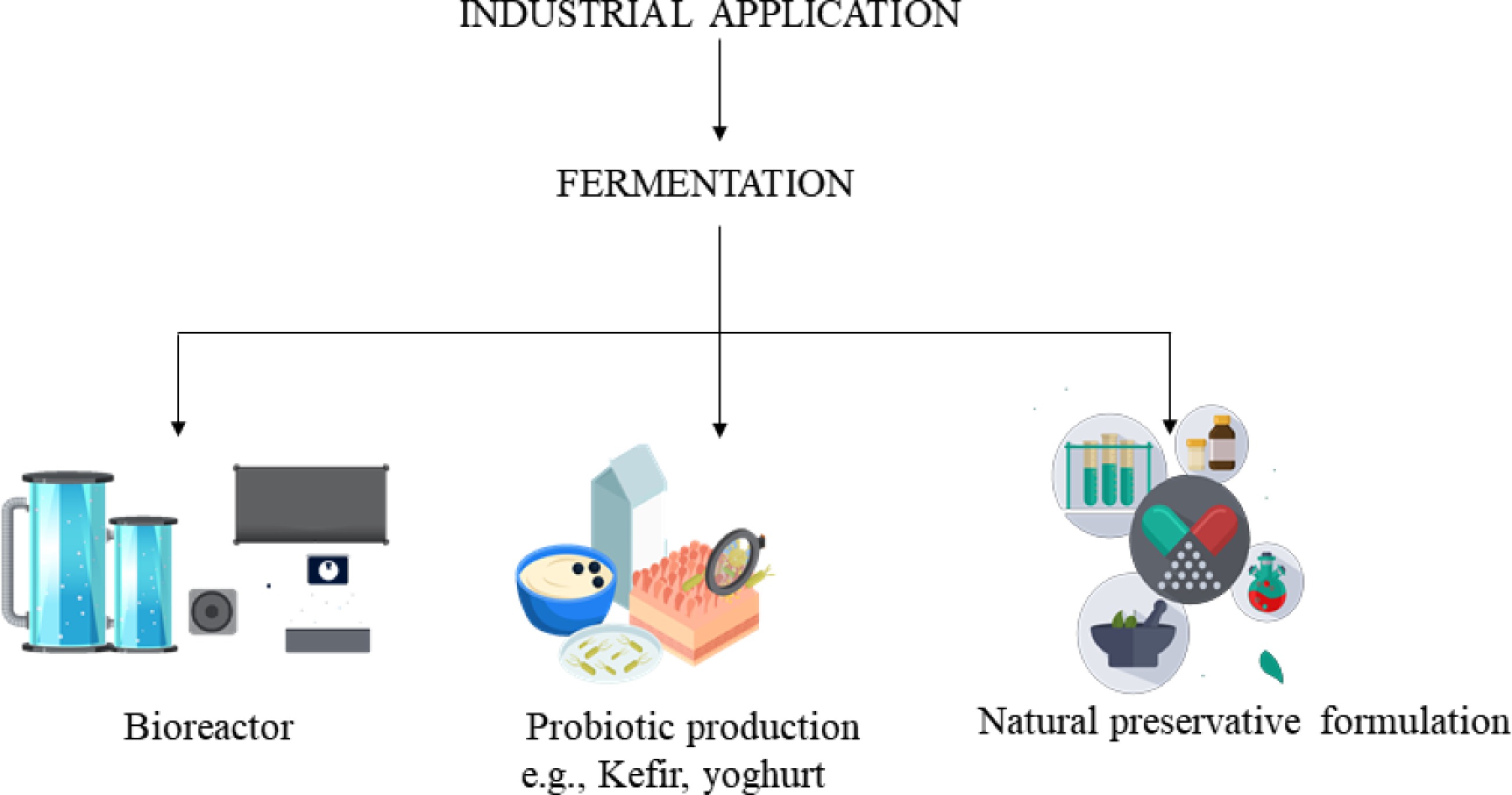
Figure 6.
Industrial applications and challenges (created with Freepik,
https://freepik.com ). -
Product class Key examples Efficacy Stability Regulatory status Limitations Bacteriocins Nisin, pediocin High vs. Gram-positive Heat-stable
(acid pH)FDA/EFSA
approved (nisin)Narrow spectrum; resistance risk[33] Organic acids Lactic acid, acetic acid Moderate–broad Highly stable GRAS May alter food sensory profile[31] Antifungals Natamycin High vs. molds/yeasts Stable at low pH FDA-approved Limited antibacterial activity[34] Enzymes Lysozyme, laccase Selective pH/temp sensitive GRAS Costly purification[35] Plant-derived
antimicrobialsThymol, carvacrol Moderate–high Volatile; low stability Generally GRAS Strong odor; formulation issues[35] Note: 'vs.' in the Efficacy and Stability columns denotes comparative performance against the indicated targets (e.g., "High vs. Gram-positive" means high efficacy against Gram-positive bacteria; "High vs. molds/yeasts" means high antifungal activity against molds and yeasts). LAB, lactic acid bacteria; GRAS, generally recognized as safe; AMR, antimicrobial resistance. Table 1.
Comparative evaluation of microbial natural products for food preservation.
Figures
(6)
Tables
(1)