-
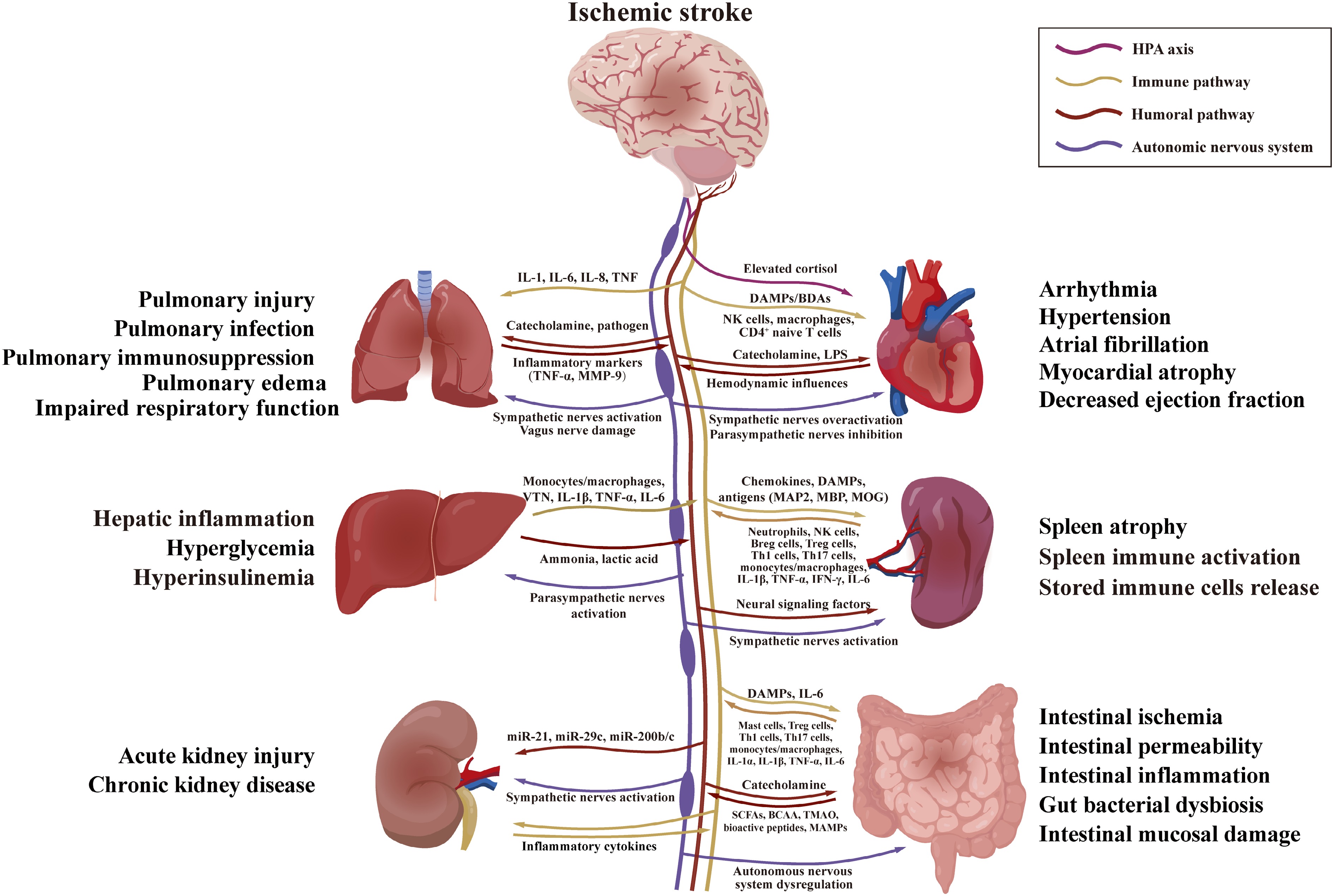
Figure 1.
Brain-organ interaction axes. Following ischemic stroke, the brain influences peripheral organs through autonomic, HPA, inflammatory, and humoral pathways, while organ dysfunction reciprocally impacts the brain. The figure was independently drawn using Adobe Illustrator. BCAA, branched-chain amino acid; DAMPs, damage-associated molecular patterns; HPA, hypothalamic-pituitary-adrenal; LPS, lipopolysaccharide; SCFAs, short-chain fatty acids; TMAO, trimethylamine-N-oxide; VTN, vitronectin.
-
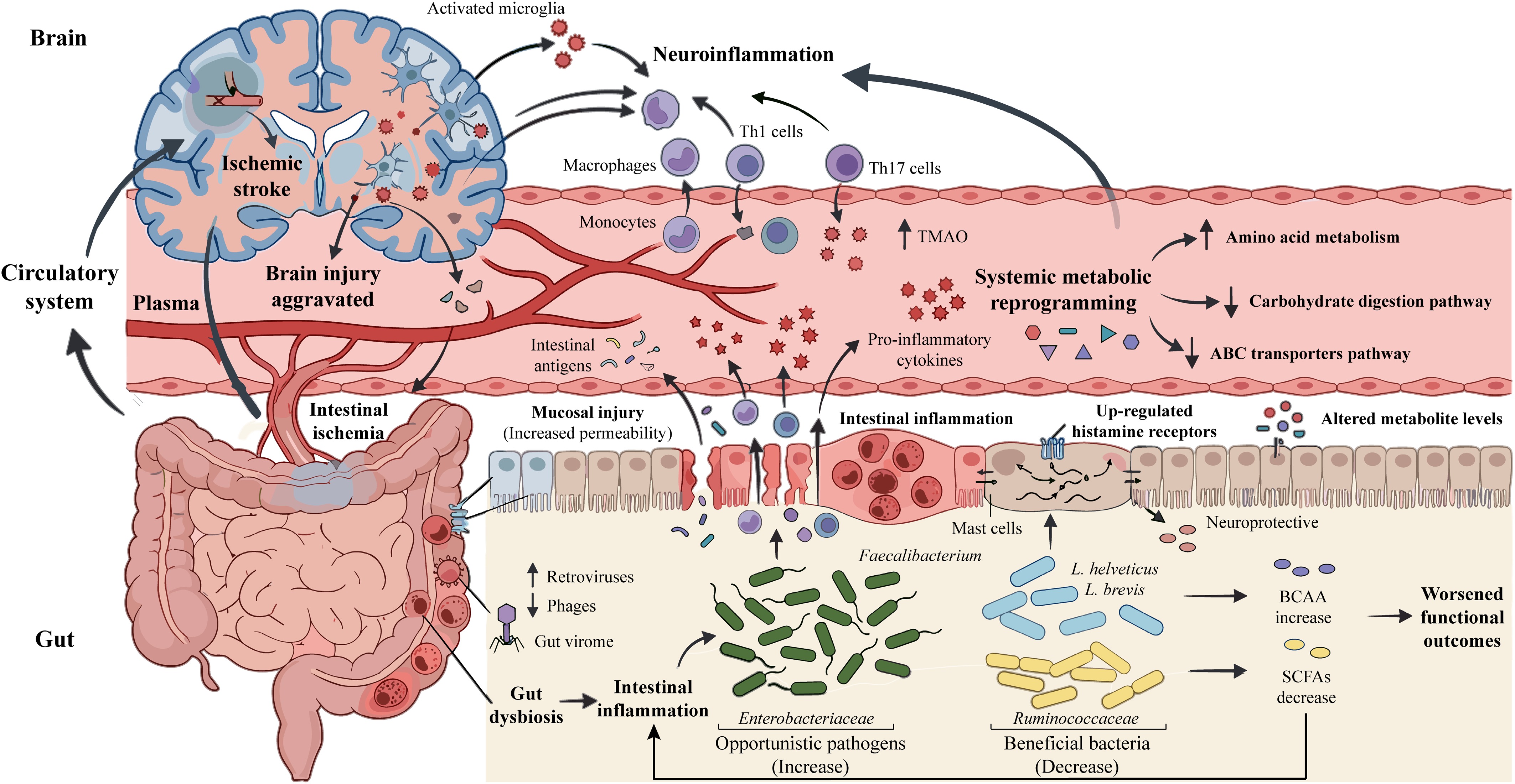
Figure 2.
The brain-gut-microbiota axis in ischemic stroke. Following ischemic stroke, brain injury and released DAMPs contribute to intestinal ischemia, dysbiosis, and mucosal injury. Immune cells, bacterial metabolites, and antigens enter the circulation, forming a feedback loop that amplifies neuroinflammation and secondary brain injury. The figure was independently drawn using Adobe Illustrator. BCAA, branched-chain amino acid; DAMPs, damage-associated molecular patterns; SCFAs, short-chain fatty acids; TMAO, trimethylamine-N-oxide.
-
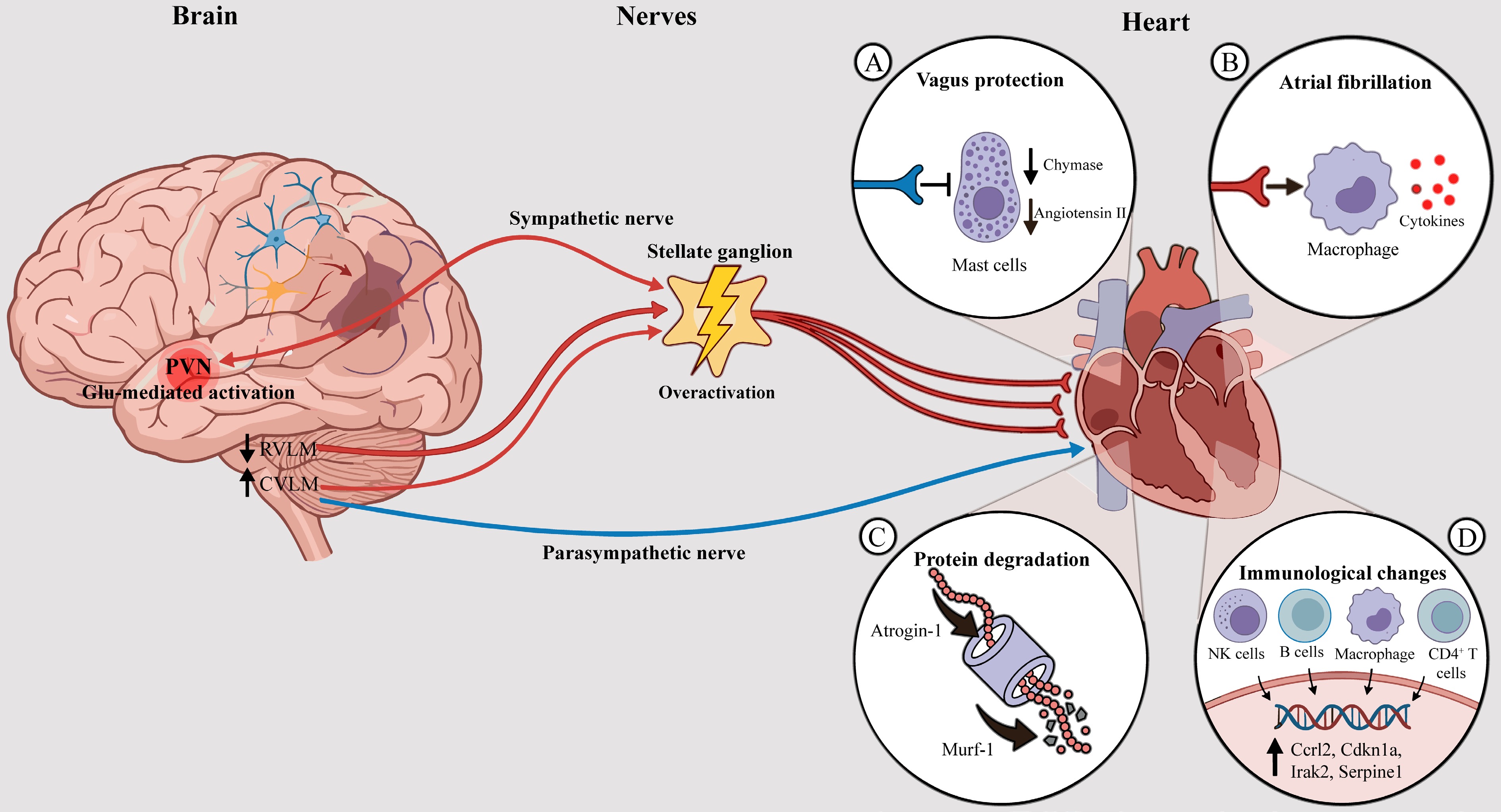
Figure 3.
The brain-heart axis in ischemic stroke. Cerebral ischemia activates the PVN and triggers sympathetic overactivation, increasing the stellate ganglion activity and promoting cardiac inflammation. Meanwhile, vagal inhibition reduces parasympathetic tone, activating mast cells and exacerbating cardiac injury, atrial fibrillation, and other arrhythmias. The figure was independently drawn using Adobe Illustrator. CVLM, caudal ventrolateral medulla; PVN, paraventricular nucleus; RVLM, rostral ventrolateral medulla.
-
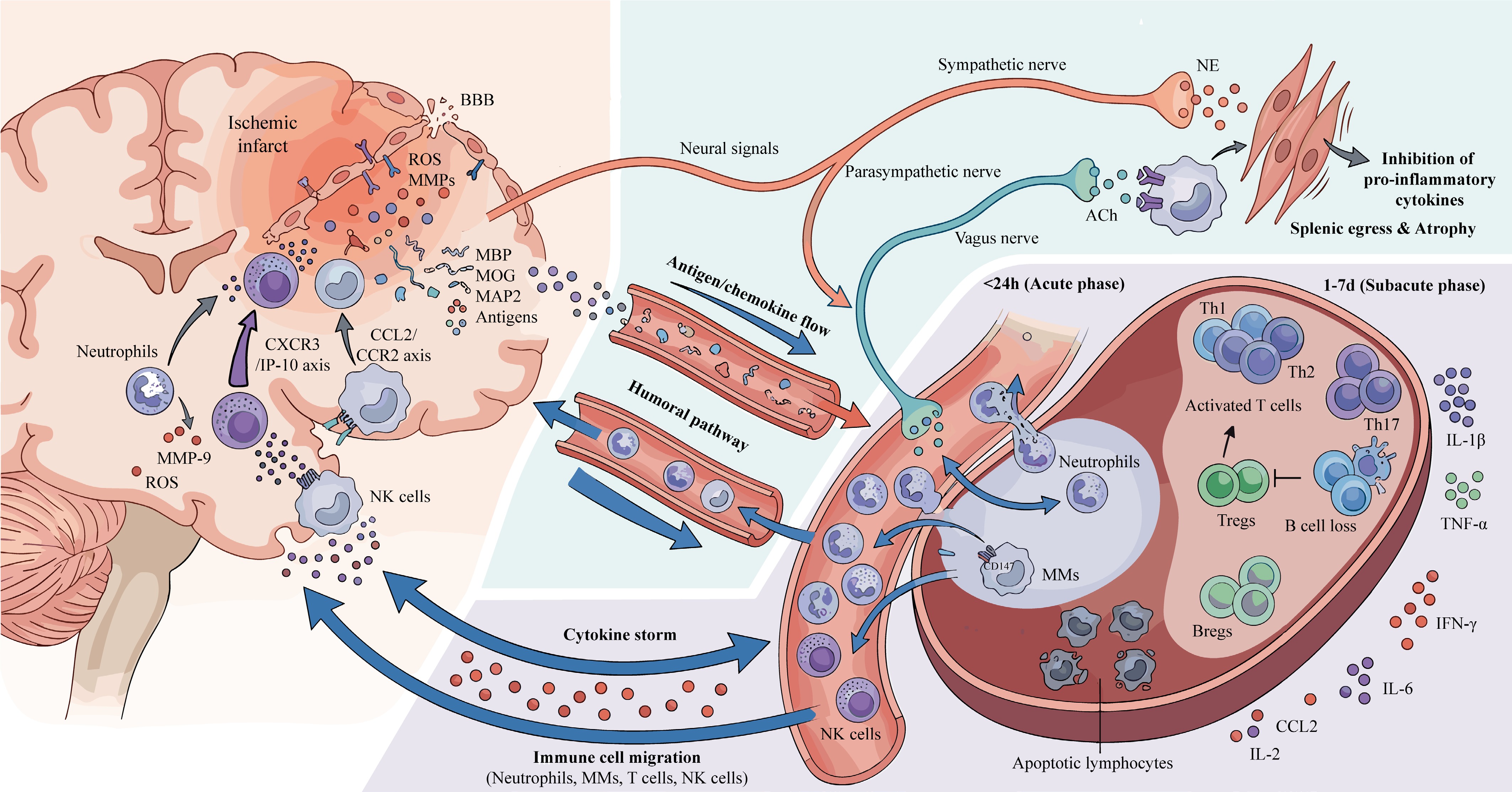
Figure 4.
The brain-spleen axis in ischemic stroke. Cerebral ischemia induces sympathetic activation, leading to immune cell egress and splenic atrophy, and reduces parasympathetic activity to promote inflammation. This results in the release of pro-inflammatory cells and cytokines into the circulation.These cells infiltrate the brain, while cytokines reach the brain and amplify neuroinflammation. The figure was independently drawn using Adobe Illustrator. ACh, acetylcholine; BBB, blood-brain barrier; MAP2, microtubule-associated protein 2; MBP, myelin basic protein; MOG, myelin oligodendrocyte glycoprotein; NE: norepinephrine.
-
Organ axis Target Molecular mechanism Effects Ref. Brain-heart axis PVN Glutamate activates NMDA receptors on PVN neurons, increasing sympathetic outflow Increased susceptibility to post-stroke cardiac arrhythmias [26] Brain-liver axis TFF3 Liver-derived TFF3 interacts with neuronal LINGO2, activating EGFR/Src signaling, and upregulates Bcl-2 Reduces neuronal apoptosis and alleviates neurological deficits [74] Brain-spleen axis α- and β-adrenergic receptors Norepinephrine activates α- and β-adrenergic receptors, promoting splenic contraction and immune cells mobilization Immune cell mobilization and splenic atrophy after ischemic stroke [76,77] Brain-spleen axis α7nAChR Vagal cholinergic signaling activates α7nAChR on immune cells, inhibiting pro-inflammatory cytokines production through the cholinergic anti-inflammatory pathway Suppresses pro-inflammatory cytokine production and attenuates splenic inflammation after ischemic stroke [78] Brain-spleen axis CD147 CD147 upregulation in the spleen after cerebral ischemia promotes NF-κB signaling and pro-inflammatory mediators release Promotes NF-κB-driven pro-inflammatory responses and splenic immune cell infiltration after ischemic stroke [80] Brain-lung axis α-MSH α-MSH signaling through MC-1R suppresses pulmonary innate antibacterial responses Suppresses innate antibacterial immune defenses, leading to increased pulmonary bacterial load and heightened susceptibility to pneumonia after ischemic stroke [105] Brain-lung axis NLRP3 Cerebral ischemia activates pulmonary NLRP3 inflammasome signaling, promoting caspase-1 activation, IL-1β release, and inflammatory lung injury Caspase-1/IL-1β-mediated inflammation exacerbates pulmonary injury after ischemic stroke [107] Brain-lung axis β-adrenergic receptors Catecholamines-mediated β-adrenergic signaling suppressing pulmonary immune defenses Suppresses innate antibacterial defenses, transforming minor bacterial aspiration into fatal pneumonia, increasing susceptibility by approximately 1,000-fold after ischemic stroke [102] Brain-lung axis α7nAChR Acetylcholine released from hyperactivated parasympathetic nerves binds to α7nAChR on lung immune cells, suppressing pulmonary innate immunity through the cholinergic anti-inflammatory pathway Suppresses pulmonary antibacterial defenses and increases susceptibility to stroke-associated pneumonia [104] Brain-kidney axis HIF1α HIF1α is stabilized in glomerular podocytes and transcriptionally upregulates the ZEB2/TRPC6 axis, leading to TRPC6-mediated calcium influx and aberrant FAK activation Podocyte cytoskeletal rearrangement and foot process effacement disrupt the glomerular filtration barrier, contributing to proteinuria after ischemic stroke [43] Table 1.
Key targets of brain-organ axes in ischemic stroke.
-
Organ axis Intervention Model Therapeutic effects/mechanisms Ref. Brain-spleen axis Carvedilol pMCAO in rats Blocks α1 and β-adrenergic receptors and attenuates catecholamine-induced splenic atrophy [123] Brain-spleen axis Propranolol MCAO in rats Reduces catecholamine signaling, restores splenic lymphoid tissue, and normalizes cytokine profiles [124] Brain-spleen axis Astragaloside IV MCAO in mice Inhibits HPA axis overactivation; prevents splenic atrophy and preserves NK, T, and B cells [125] Brain-spleen axis IL-33 Ischemic stroke established by 30-min MCAO in mice Modulates splenic Th1/Treg responses; reduces ischemic cerebral injury [127] Brain-spleen axis Resveratrol Cerebral I/R in rats Enhances splenic Treg numbers and function; attenuates post-stroke inflammation [128] Brain-spleen axis Recombinant T-cell receptor ligands Reversible MCAO in mice Modulates immune activation, limits leukocyte recruitment to the brain, and reduces splenic T-cell and neutrophil expansion [129] Brain-spleen axis Prazosin pMCAO in rats Reduces splenic TNF-α levels and ameliorates splenic atrophy [123] Brain-spleen axis Simvastatin tMCAO in mice Inhibits splenocyte apoptosis and prevents splenic atrophy by modulating
Bcl-2 and Bax expression[141] Brain-lung axis Agouti MCAO in mice Reduces pulmonary bacterial load and susceptibility to post-stroke pneumonia [105] Brain-lung axis Clenbuterol MCAO in mice Activates β2-adrenergic signaling to attenuate bacterial burden and pulmonary inflammation [126] Brain-lung axis GM-CSF MCAO in mice Improves post-stroke outcomes by enhancing neutrophil responses, reducing BALF bacterial load, and improving bacterial challenge [130] Brain-lung axis Low doses of IgM-enriched intravenous immunoglobulin tMCAO in mice Enhances spontaneous pulmonary bacterial clearance by improving pathogen opsonization and macrophage-mediated clearance [131] Brain-lung axis Aprepitant Intraluminal monofilament model of MCAO in mice Attenuates post-stroke pneumonia by reducing pulmonary infiltration of neutrophils and macrophages and decreasing the expression of IL-6, IL-1β, TNF-α, and other inflammatory cytokines in pulmonary tissue [133] Brain-lung axis Ginsenoside Rb1 MCAO/R in mice Reduces lung and brain injury by activating PPARγ, suppressing NF-κB-mediated inflammation [142] Brain-liver axis Bethanechol MCAO in mice Reduces VTN transcription and protein release in hepatocytes, and stroke-induced plasma VTN levels [71] Brain-liver axis IL-13 pMCAO in rats Mitigates hyperglycemia and infarct size by modulating STAT3/STAT6 signaling pathways and reducing insulin resistance [5] Brain-gut-microbiota axis Cromolyn tMCAO in aged mice (18–20 months) Improves neurological function by reducing mast cell migration to the brain and decreasing plasma histamine and IL-6 levels [134] Brain-gut-microbiota axis Combination of β-asarone and paeonol MCAO in rats Upregulates cholecystokinin in intestinal mucosa and brain, modulates intestinal/brain NF-κB pathway, reduces peripheral IL-1β/TNF-α, and reduces intestinal inflammation and associated CNS inflammatory responses [135] Brain-gut-microbiota axis Lactulose Photothrombotic stroke in mice Improves metabolic and functional outcomes after stroke by correcting gut dysbiosis and restoring intestinal barrier integrity, and increasing anti-inflammatory factors in the gut [136] Brain-gut-microbiota axis Resveratrol Transient focal cerebral ischemia model in mice Attenuates cerebral infarction and alleviates neurological impairment by modulating the gut microbiome to promote an anti-inflammatory T-cell profile in the small intestine [137] Brain-gut-microbiota axis Indole-3-propionic acid Acute MCAO in mice Reduces neuroinflammation and infarct size by enhancing beneficial bacteria, strengthening intestinal barrier integrity, and modulating intestinal Treg/Th17 balance [138] Brain-gut-microbiota axis Broad-spectrum antibiotics Ischemia induced by endothelin-1 in rats Modulates gut microbiota composition, alters inflammatory signaling, and influences neurological outcomes [139] Brain-gut-microbiota axis Shuanglu Tongnao compound Ischemic stroke in rats established by the Longa's wire bolus method Attenuates neuroinflammation and infarct volume by modulating gut microbiota composition, upregulating tight junction protein expression, and suppressing intestinal NF-κB activation [140] Brain-gut-microbiota axis Escin MCAO rats and LPS-induced Caco-2 cell model Reinforces intestinal tight junctions, reduces endotoxin leakage, and suppresses neuroinflammation through the LPS/TLR4/NF-κB pathway [143] Brain-gut-microbiota axis Fermented soybean (Chungkookjang) Transient forebrain ischemia induction in gerbils Reduces neuronal death and cerebral dysfunction by enriching beneficial cecal microbiota, suppressing LPS biosynthesis and deleterious fatty acid metabolism, and increasing propionate and butyrate levels [152] Brain-gut-microbiota axis Dengzhan shengmai Cerebral ischemia in rats Improves cognitive outcomes by upregulating monocarboxylic acid transporters to facilitate SCFA delivery to the brain, restoring intestinal barrier integrity, limiting LPS translocation, and dampening neuroinflammatory responses by the PI3K/AKT/caspase-3 pathway [153] Brain-gut-microbiota axis Huangqi-Honghua combination MCAO/R in Sprague-Dawley rats Mitigates neuroinflammation by remodeling gut microbial communities and activating the bile acid receptor FXR signaling pathway [154] Brain-gut-microbiota axis Angong Niuhuang Pill Mice with acute ischemic stroke induced by MCAO Decreases infarct size and restores neurological dysfunction by modulating specific microbiota taxa, elevating neuroprotective uridine levels, and suppressing pro-inflammatory prostaglandin I2 [155] Brain-heart axis Shuxuening injection tMCAO in mice Protects the heart and brain against ischemia/reperfusion injury through Tnfrsf12a-related inflammatory signaling [144] Brain-heart axis Resveratrol MCAO in resveratrol-pretreated rat Supports hemodynamic stability and improves cerebral perfusion by preserving mitochondrial function and inhibiting apoptosis in both the brain and heart [145] Table 2.
Neuro-targeted, immune-targeted, and metabolic-targeted drugs and their effects on ischemic stroke.
-
Therapy Intervention Outcomes Adverse events Ref VNS Implanted VNS device paired with 6-week rehabilitation, followed by continued rehabilitation through day 90 Upper extremity Fugl-Meyer score increased by 9.2 points, with improvements observed in the Box and Block Test, Nine-Hole Peg Test, and Stroke Impact Scale No severe adverse events associated with VNS treatment were observed during follow-up [193] taVNS 60 subjects (18–80 years) randomized to taVNS or sham stimulation plus rehabilitation Improved motor and sensory function and emotional responses No significant adverse reactions or discomfort were observed; transient skin redness occurred in two taVNS participants and resolved after current adjustment [194] taVNS 36 subjects with acute ischemic stroke randomized to taVNS or sham stimulation during and after mechanical thrombectomy No significant difference in systolic blood pressure variability within 24 h after mechanical thrombectomy No serious adverse events were recorded [195] BMMNC 77 patients aged 18−80 years with middle cerebral artery ischemic stroke received autologous BMMNC transplantation or control treatment Intra-arterial BMMNC transplantation was well tolerated in patients with acute ischemic stroke, but it did not significantly improve the mRS score at 180 d No dose-related differences were observed in adverse events; two cases of inguinal hematoma occurred in the low-dose group [196] MSC Five patients received intravenous infusion of autologous MSCs, whereas 25 control subjects received no cell therapy Intravenous infusion of autologous MSC was feasible and safe for patients with severe cerebral infarction, suggesting potential functional benefits; however, the small sample size requires further validation No cellular, serological, or imaging-detected adverse reactions [197] MSC Patients aged 18–70 years with moderate-to-severe subacute ischemic stroke within 2 weeks of onset received intravenous autologous MSC infusion MSCs enhanced motor recovery, potentially through sensorimotor neuroplasticity, which was manifested as a significant increase in motor-NIHSS, motor-Fugl-Meyer scores, and fMRI task-related activities Intravenous infusion of autologous MSCs was safe and feasible, and no unexpected serious adverse events occurred [198] CTX-DP 11 patients with ischemic stroke (NIHSS ≥ 6) received a single stereotactic injection of CTX-DP cells into the ipsilateral putamen, followed by follow-up for 2 years to collect clinical and brain imaging data After 2 years of follow-up, the median NIHSS improvement was 2 points, with a mean improvement of approximately 5 points No immune- or cell-related adverse events were observed [199] RIC 1,893 patients with acute moderate ischemic stroke within 48 h of onset were randomized to RIC plus standard care or standard care alone RIC increased the proportion of patients achieving excellent neurological function at 90 days compared with conventional care RIC and control groups showed adverse event incidences of 6.8% and 5.6%, respectively [200] Table 3.
Clinical research data of representative intervention strategies in ischemic stroke.
Figures
(4)
Tables
(3)