-
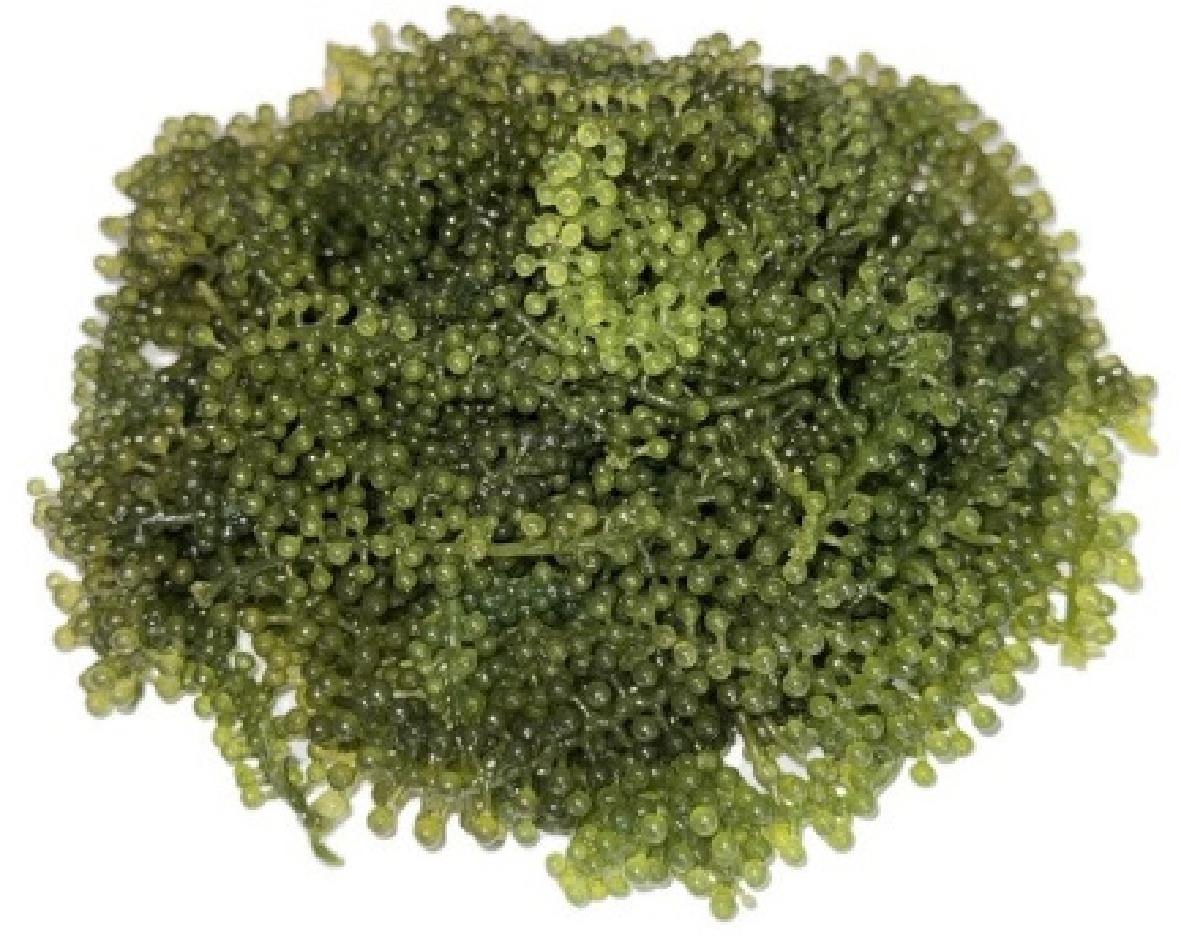
Figure 1.
Caulerpa lentillifera.
-
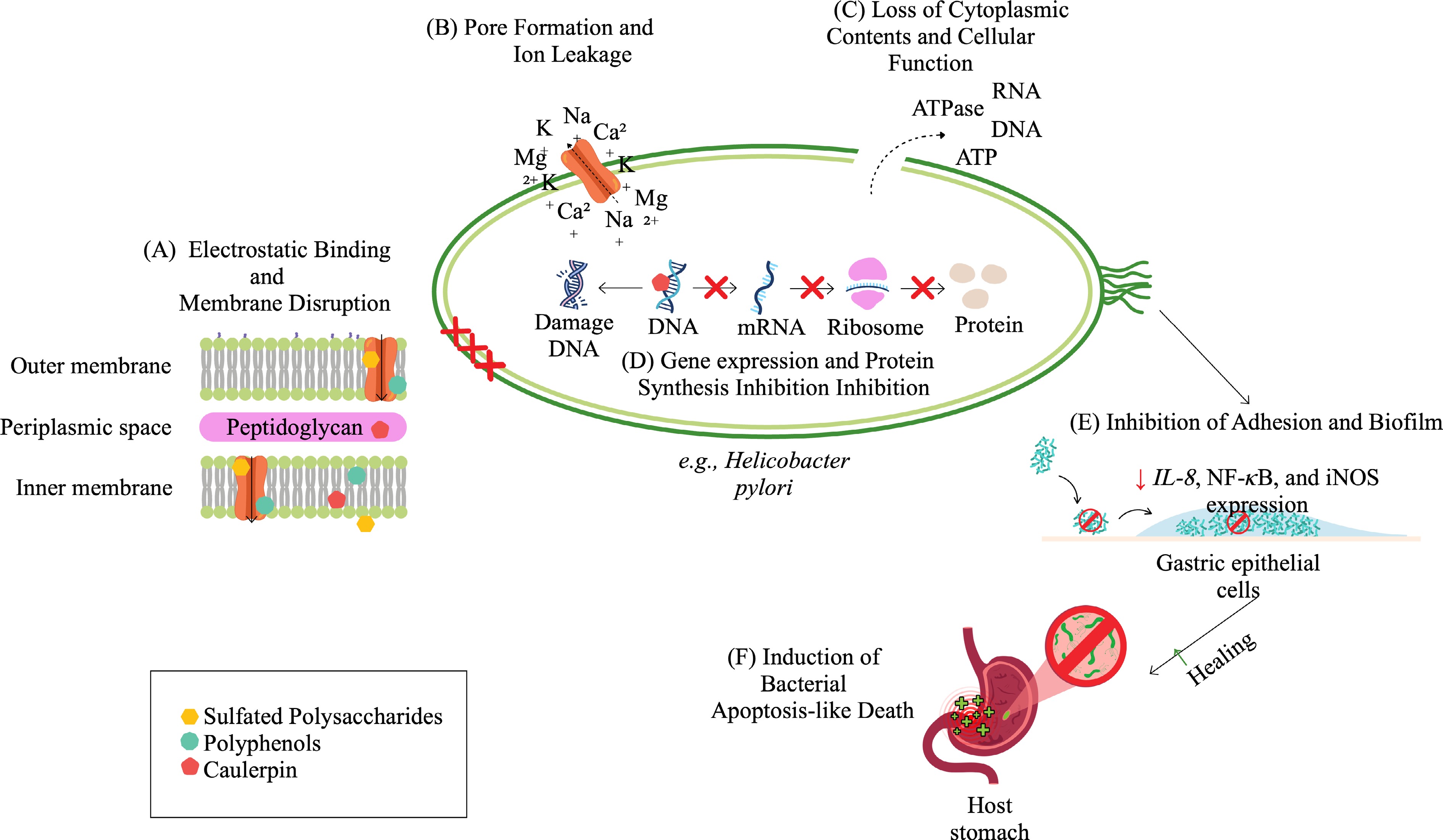
Figure 2.
Sequential antibacterial mechanisms of sulfated polysaccharides, polyphenols, and caulerpin derived from C. lentillifera.
-
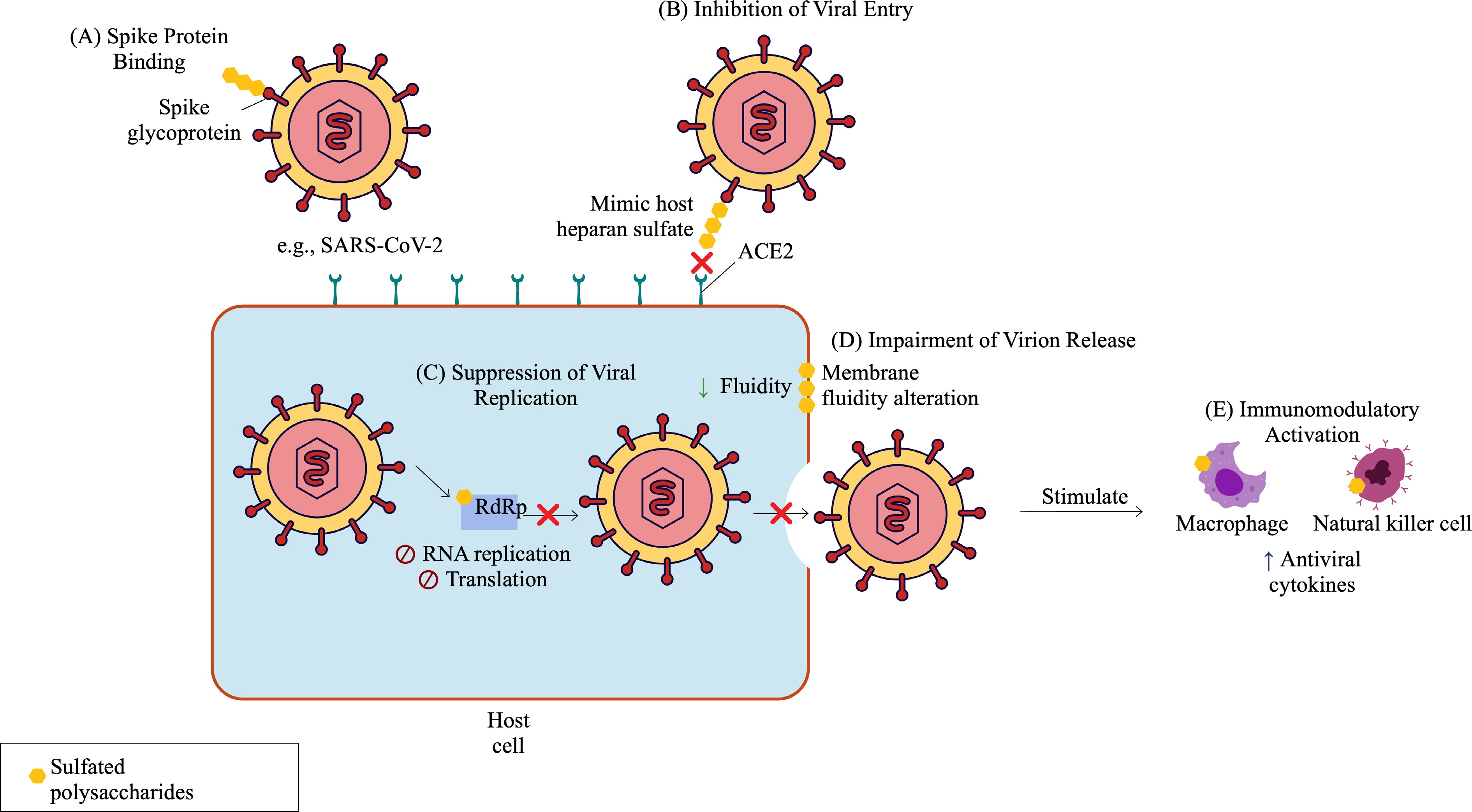
Figure 3.
Sequential antiviral mechanisms of sulfated polysaccharides from C. lentillifera.
-
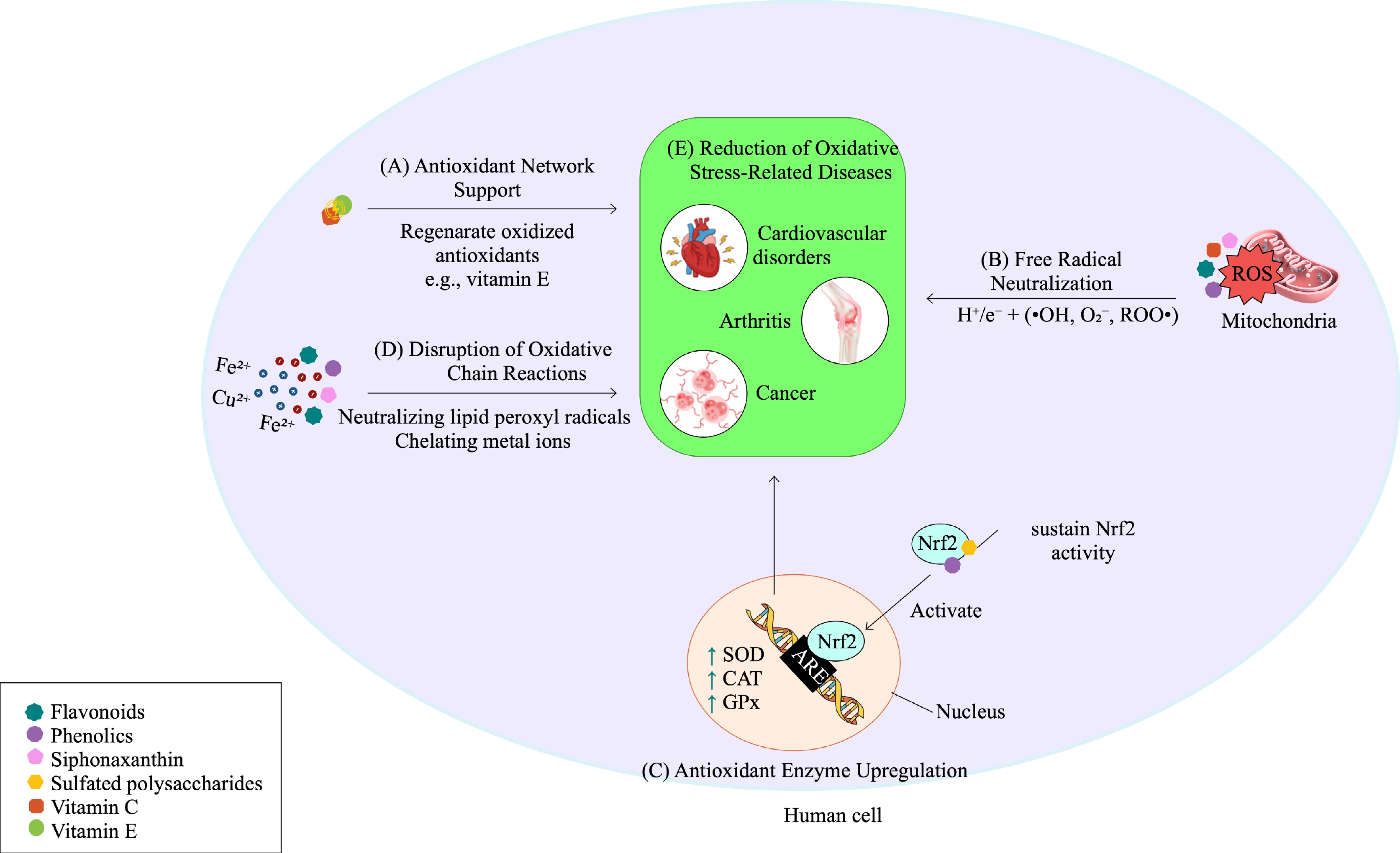
Figure 4.
Sequential antioxidant mechanisms of flavonoids, phenolics, siphonaxanthin, sulfated polysaccharides, and vitamin C from C. lentillifera.
-
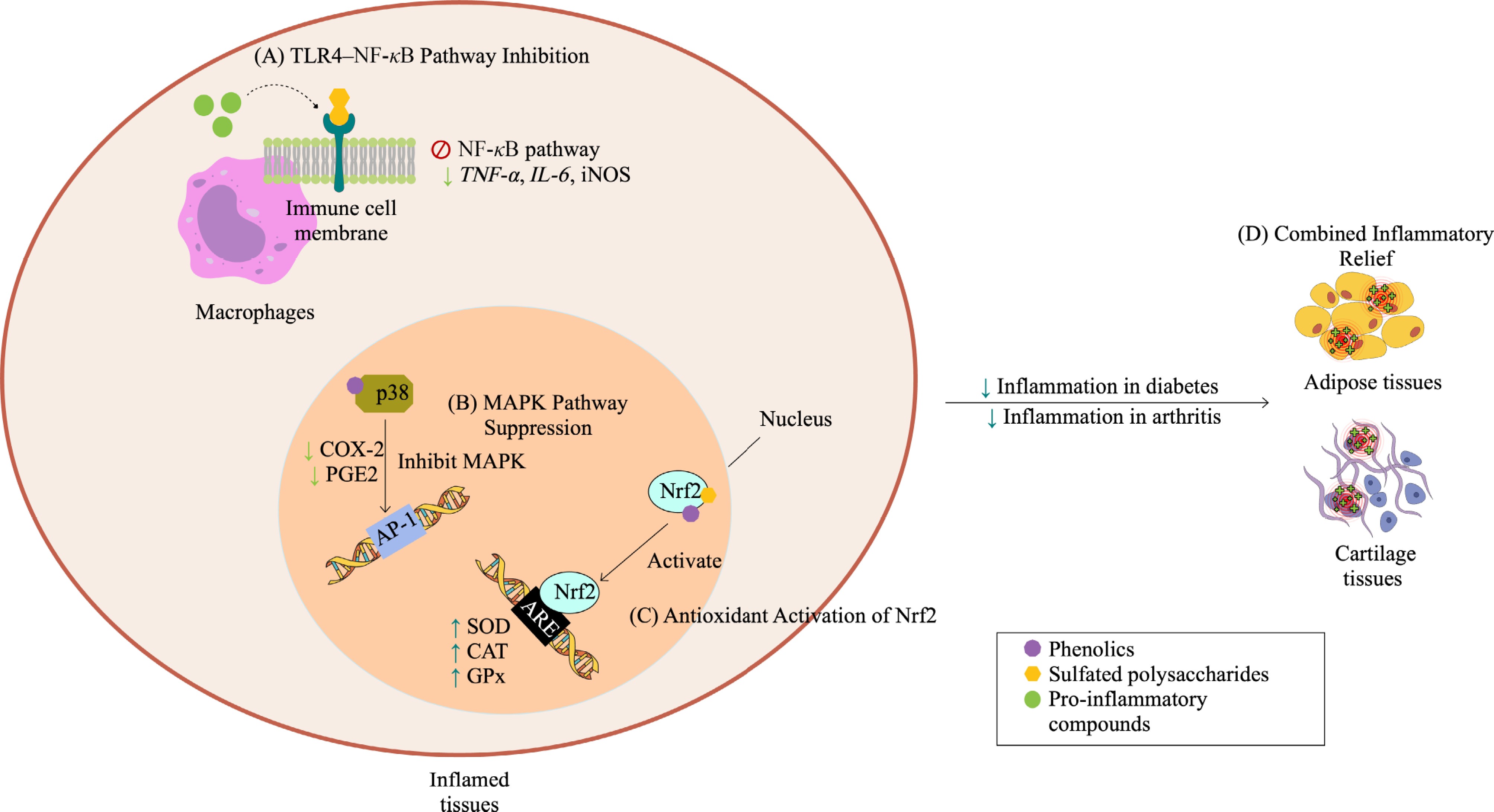
Figure 5.
Sequential anti-inflammatory mechanisms of sulfated polysaccharides and phenolic compounds from C. lentillifera.
-
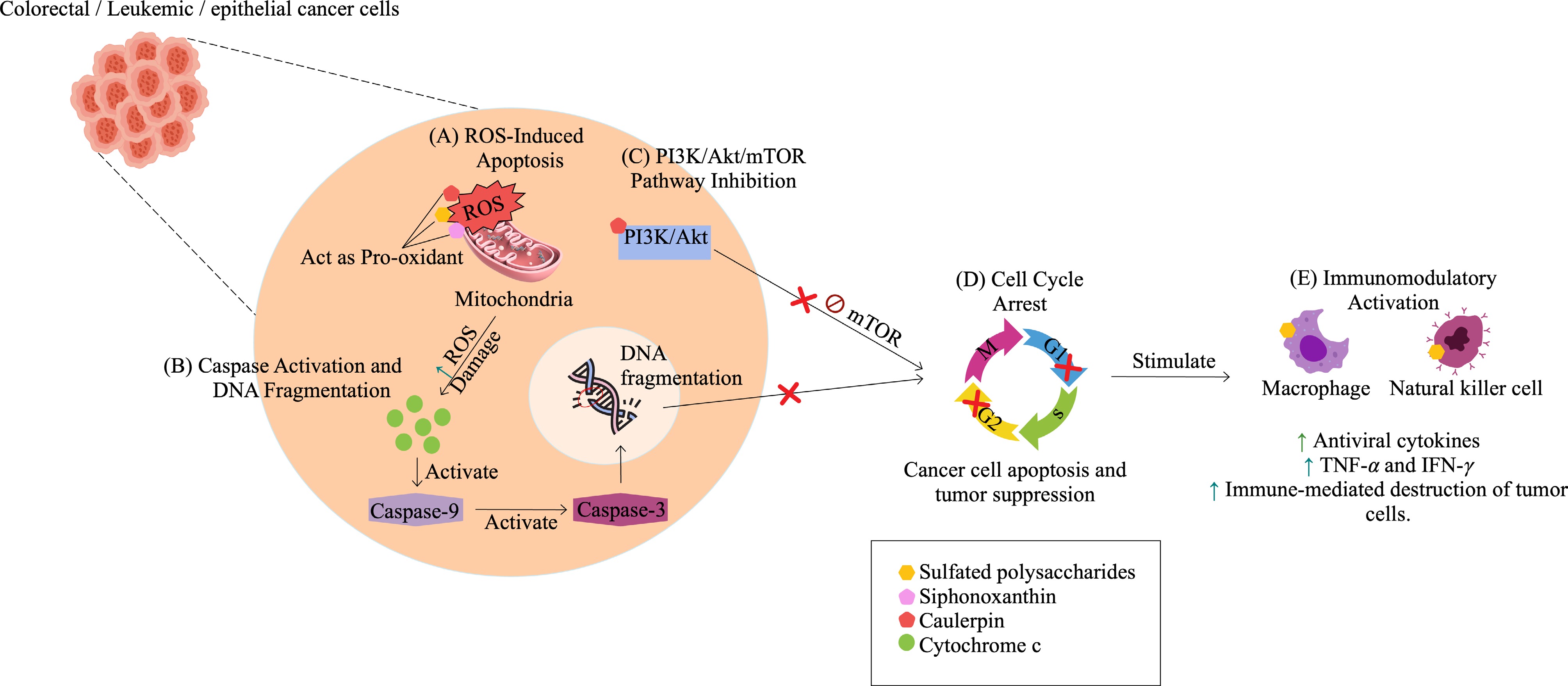
Figure 6.
Sequential anticancer mechanisms of siphonaxanthin, caulerpin and sulfated polysaccharides from C. lentillifera.
-
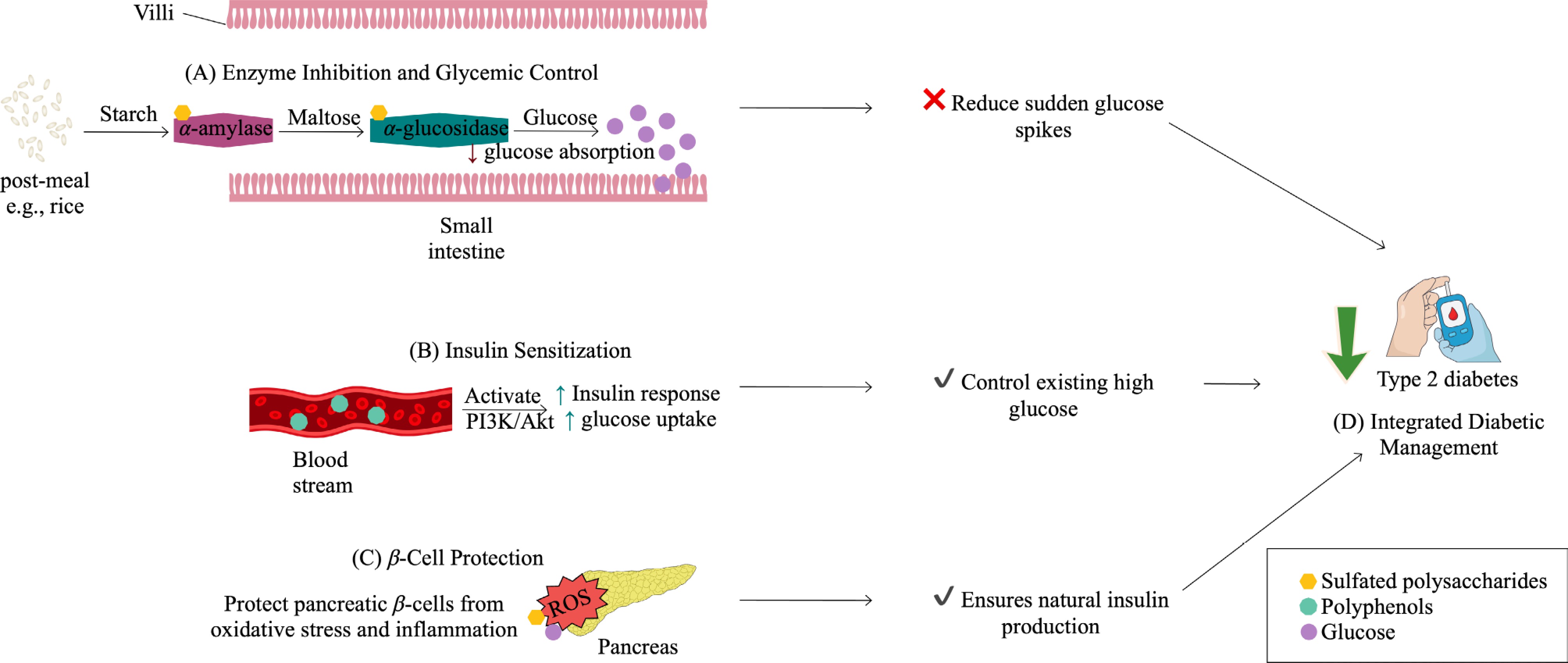
Figure 7.
Sequential antidiabetic mechanisms of sulfated polysaccharides and polyphenols from C. lentillifera.
-
Bioactive compound Chemical structure Bioactivity Mechanism of action Ref. Sulfated polysaccharide 
Antimicrobial Disrupts microbial cell membrane permeability, leading to cell apoptosis. [1,5] Binds to the S glycoprotein to prevent SARS-CoV-2 host cell entry. [11] Inhibits adhesion of Helicobacter pylori to gastric mucosa and disrupts bacterial colonization. [12] Antidiabetic Inhibits α-glucosidase enzyme activity. [13] Anti-inflammatory Inhibits pro-inflammatory cytokines and modulates immune responses to reduce inflammation. [1,14] Siphonaxanthin 
Anticancer Induces apoptosis in human leukemia HL-60 cells by downregulating Bcl-2 expression. [6] Antioxidant Scavenges free radicals and reduces oxidative stress. [1,15] Caulerpin 
Anticancer Inhibits invasion and migration of colorectal cancer cells and induces apoptosis. [16] Polysaccharide 
Anticancer Inhibits colon cancer cell growth and regulates amino acid levels via aminoacyl-tRNA biosynthesis. [17] Polyphenols 

Antimicrobial Disrupts microbial cell membrane function, causing apoptosis. [1] Lipopolysaccharide 
Anti-inflammatory Inhibiting pro-inflammatory cytokines (IL-6, TNF-α) and inflammatory mediators (COX-2, PGE2, NO). [18] Flavonoids 

Antioxidant Scavenges free radicals and reduces oxidative stress. [1] Vitamin C 
Antioxidant Neutralizes reactive oxygen species (ROS), protects lipids, proteins, and DNA from oxidative damage. [1,5] Table 1.
Bioactive compounds from C. lentillifera.
Figures
(7)
Tables
(1)