-
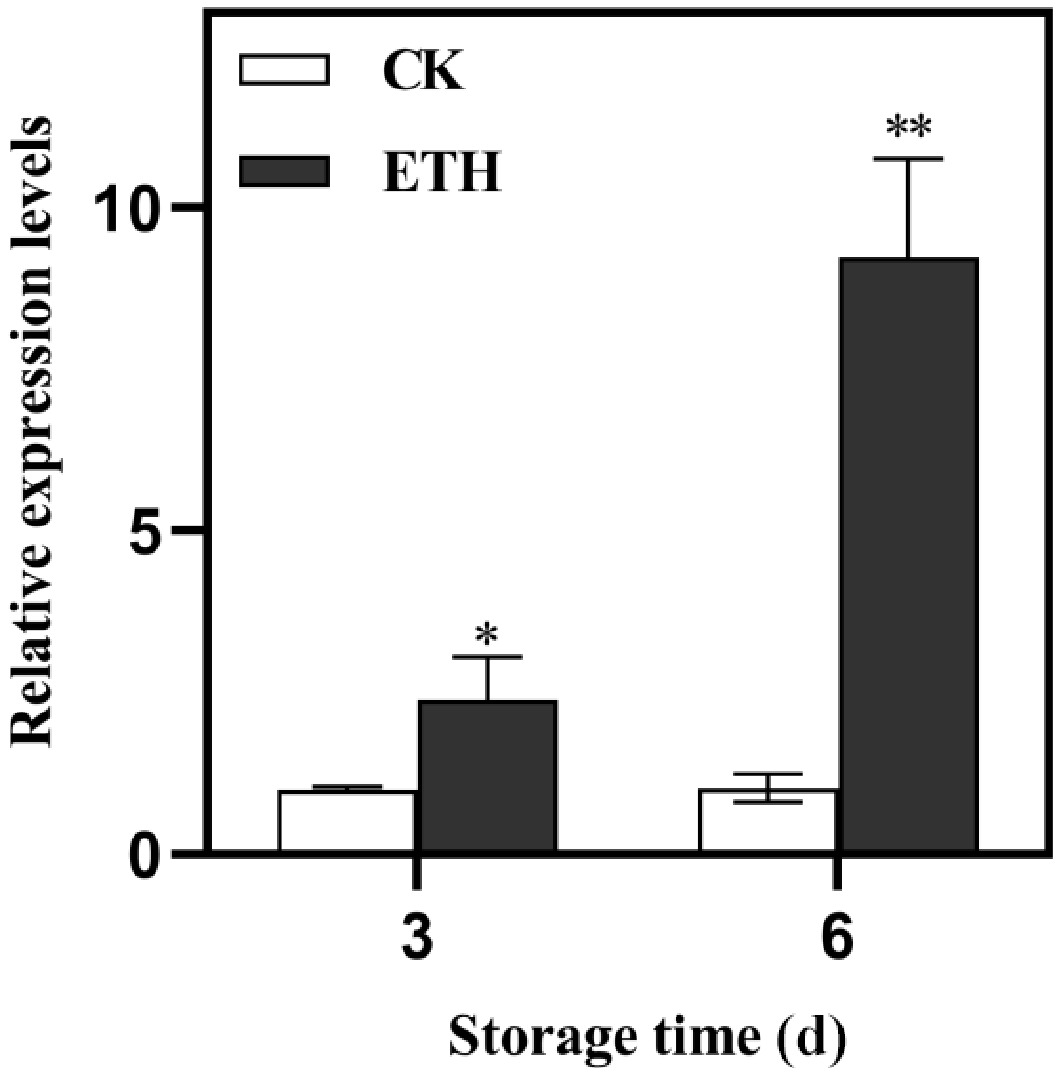
Figure 1.
Ethephon degreening treatment increases CcbHLH92 expression in mandarin peel. The data represent the means ± SD of three biological replicates. CK: untreated group; ETH: ethephon-degreened treatment group; * p < 0.05; ** p < 0.01.
-
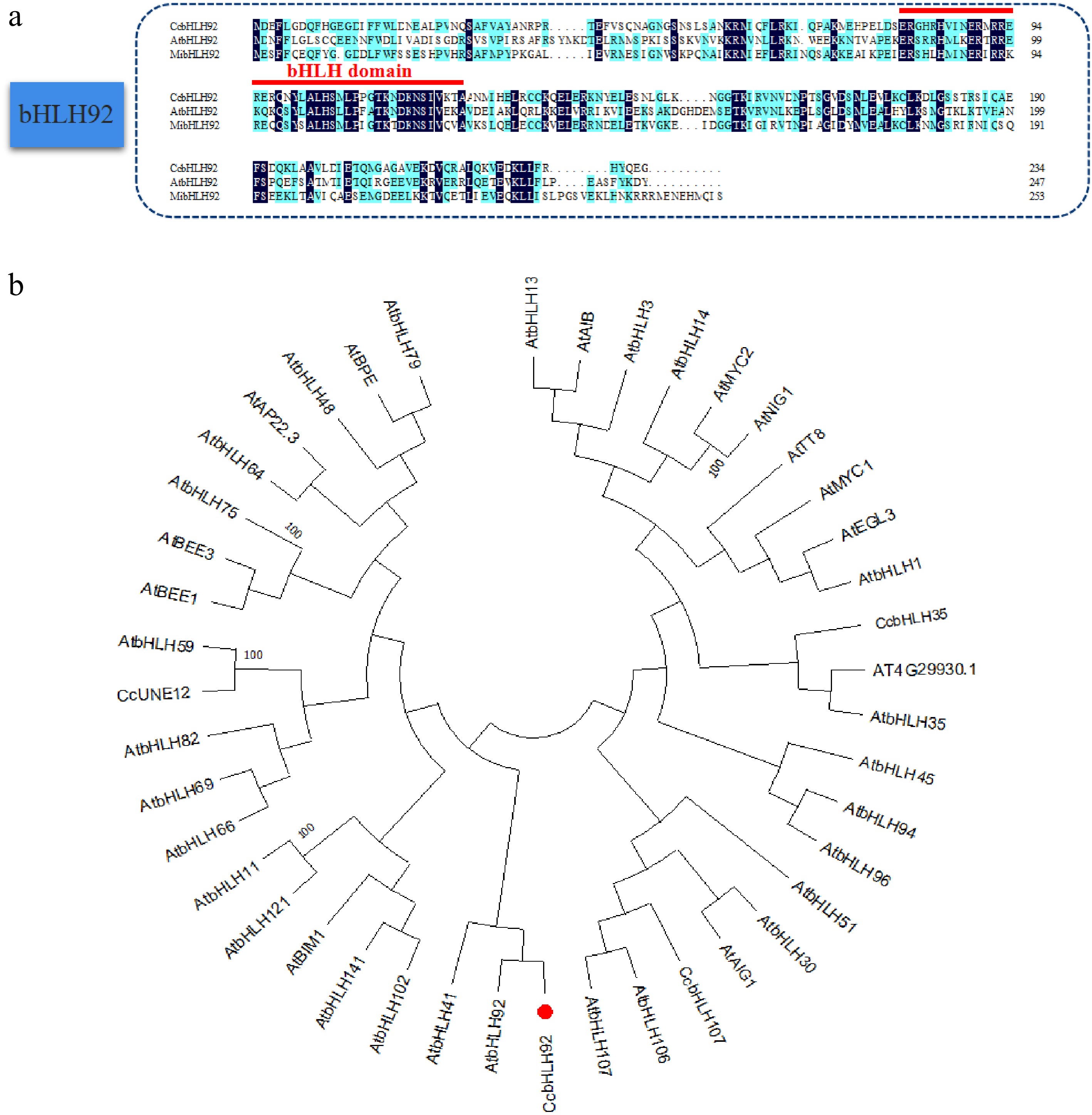
Figure 2.
Sequence comparison and phylogenetic placement of CcbHLH92. (a) Multiple alignment of CcbHLH92 and its closest Arabidopsis homolog. Shading indicates the degree of amino acid sequence conservation, with dark blue representing identical residues and progressively lighter shades indicating decreasing similarity; unshaded residues are non-conserved. Red bars mark the conserved bHLH domain. (b) Phylogenetic analysis of CcbHLH92 together with Arabidopsis bHLH family members.
-
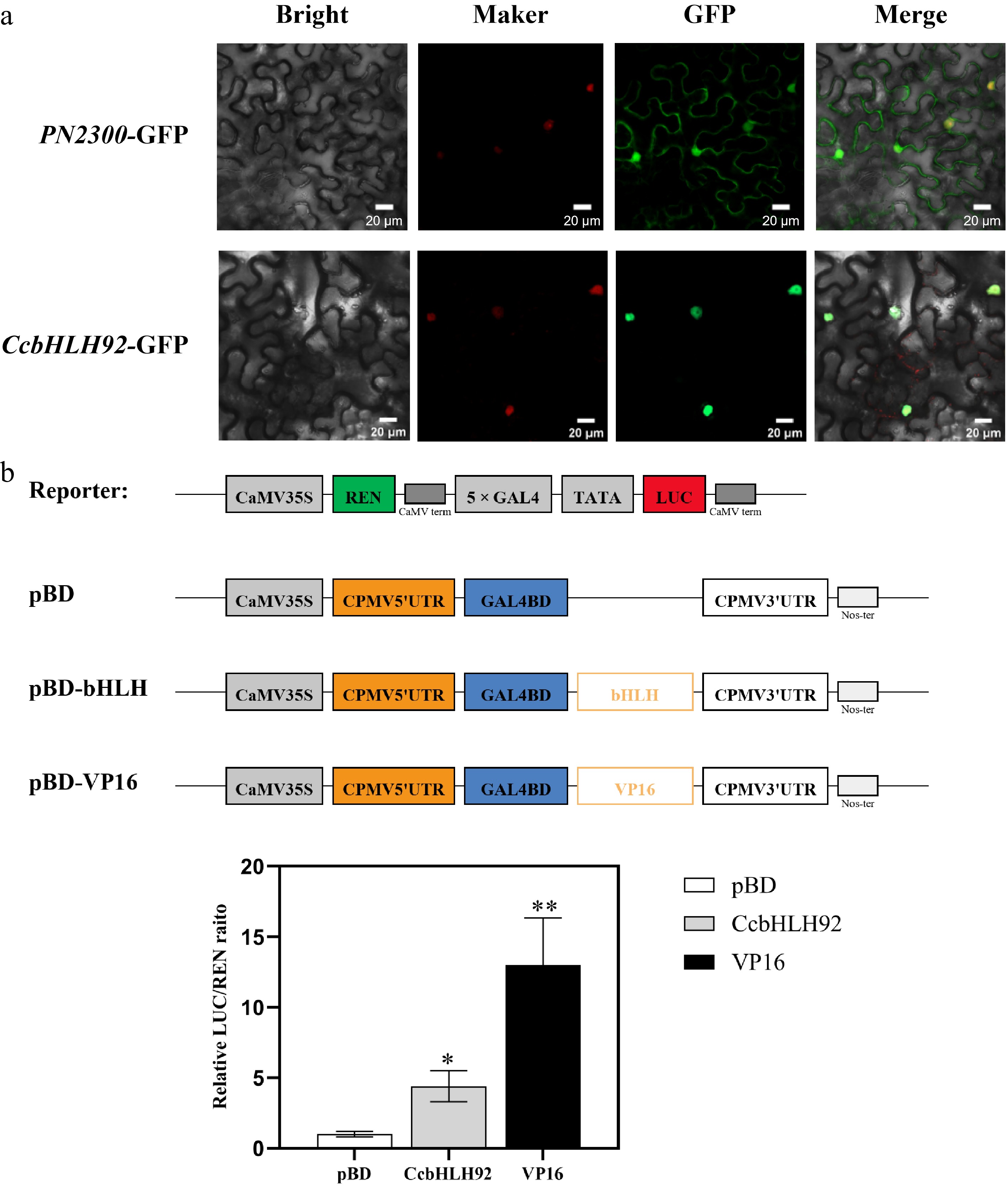
Figure 3.
Nuclear localization and transactivation ability of CcbHLH92. (a) Subcellular localization of CcbHLH92 in tobacco leaves. (b) Transcriptional activation activity of CcbHLH92. * p < 0.05; ** p < 0.01.
-
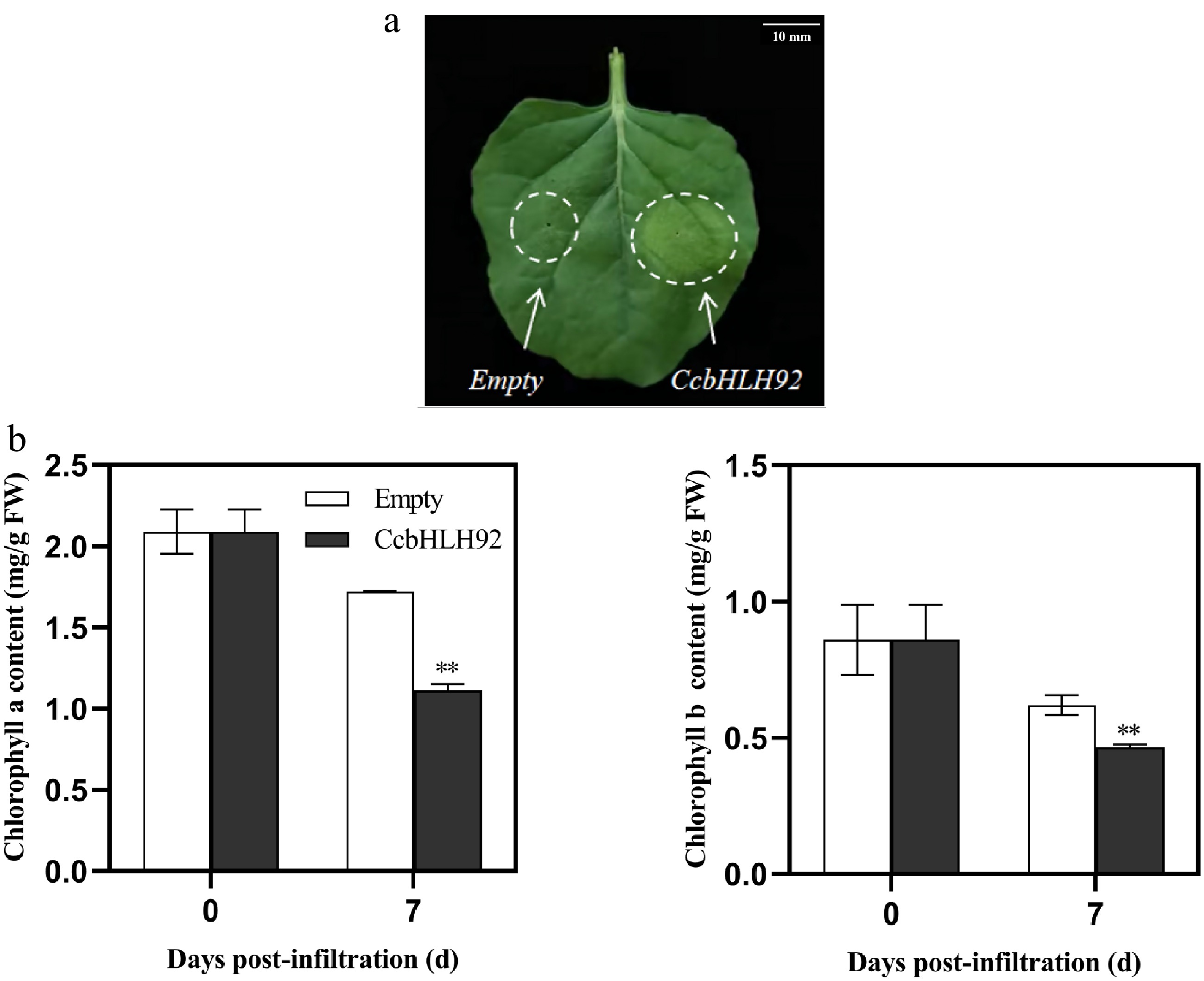
Figure 4.
Phenotypic and pigment changes following transient overexpression of CcbHLH92 in tobacco. (a) Leaf appearance. (b) Chlorophyll a and b contents. 'Empty', empty vector; 'CcbHLH92', CcbHLH92-overexpression group. * p < 0.05; ** p < 0.01.
-
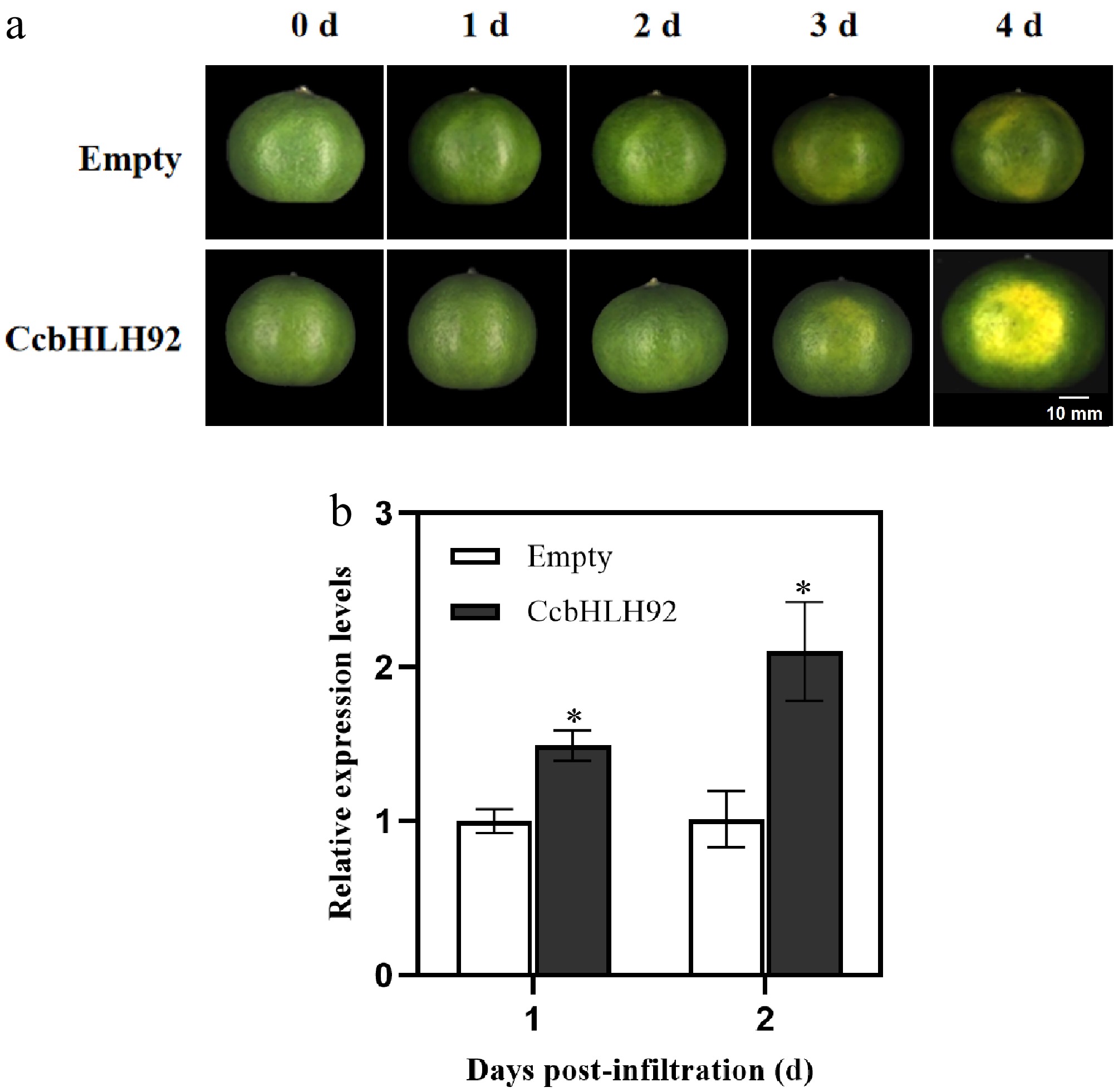
Figure 5.
Transient overexpression of CcbHLH92 in mandarin fruit. (a) Peel phenotypes after CcbHLH92 overexpression. (b) Relative CcbHLH92 expression in peel following transient transformation. Data are shown as mean ± SD (n = 3). * p < 0.05; ** p < 0.01.
-
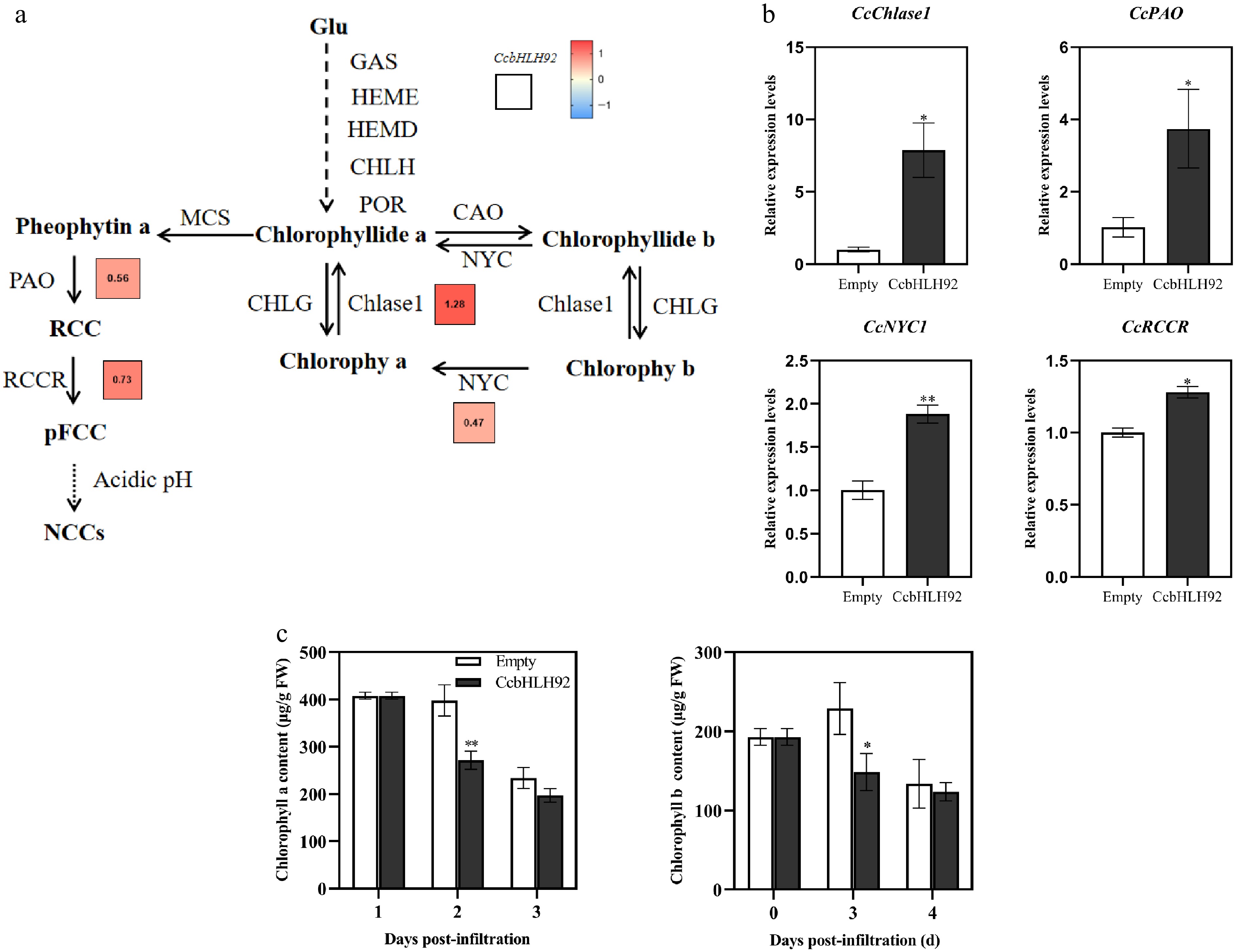
Figure 6.
Changes in chlorophyll catabolic genes and chlorophyll content after transient overexpression of CcbHLH92. (a) Abundance (fragments per kilobase of transcript per million mapped reads [FPKM]) of transcripts related to chlorophyll degradation. (b) qRT-PCR validation of differentially expressed genes identified by transcriptome analysis. Data are shown as mean ± SD (n = 3). (c) Contents of chlorophyll a and b. * p < 0.05; ** p < 0.01.
-
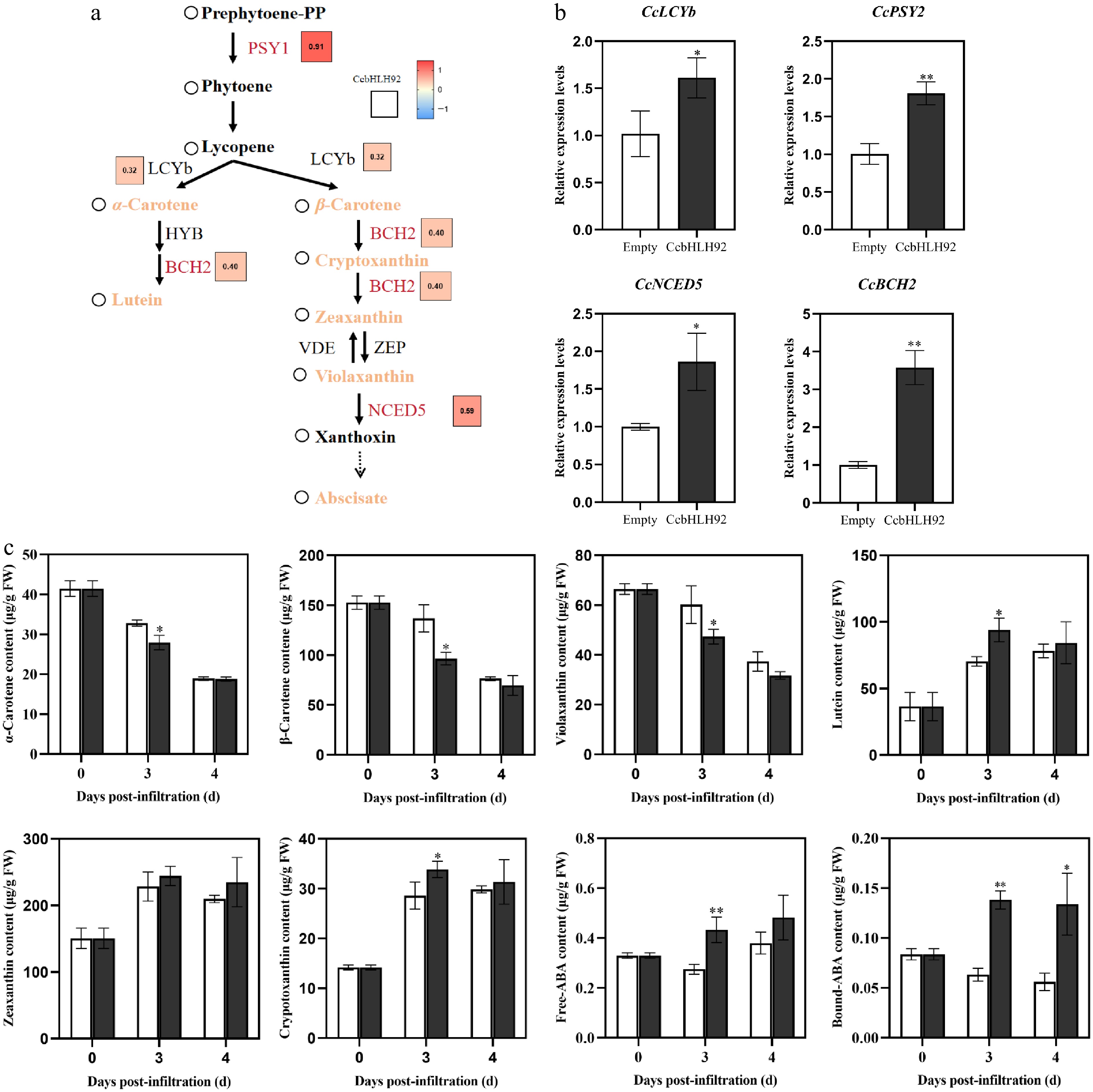
Figure 7.
Impact of CcbHLH92 overexpression on transcriptional activity and individual metabolite accumulation in the carotenoid pathway. (a) FPKM expression levels of carotenoid biosynthetic and downstream genes in citrus peel. (b) Validation of transcript abundance using qRT-PCR. Data are shown as mean ± SD (n = 3). (c) Concentrations of individual carotenoid metabolites and ABA. * p < 0.05; ** p < 0.01.
-
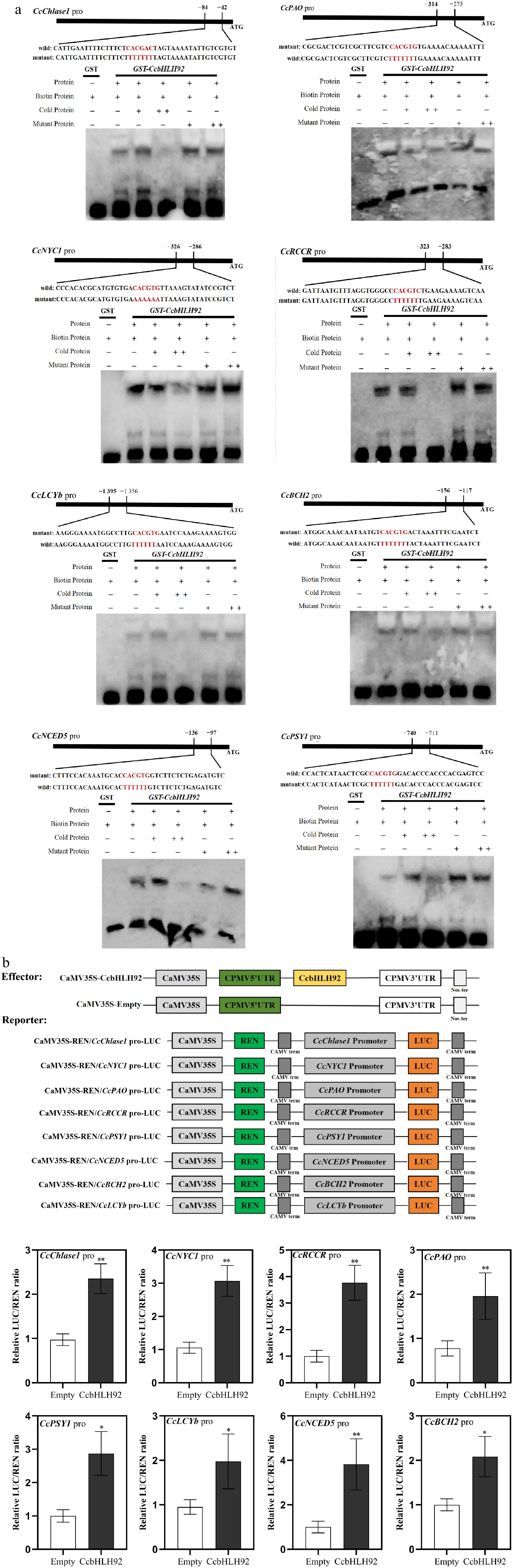
Figure 8.
CcbHLH92 binds and transactivates the promoters of downstream genes. (a) CcbHLH92 binds specifically to G-box cis-elements in promoters associated with metabolic pathways of chlorophyll and carotenoids. (b) Transcriptional activation of metabolic pathways of chlorophyll and carotenoid gene promoters by CcbHLH92. In both panels, 'pro' denotes the promoter region of the preceding gene. Data represent mean ± SD (n = 6). * p < 0.05; ** p < 0.01.
-
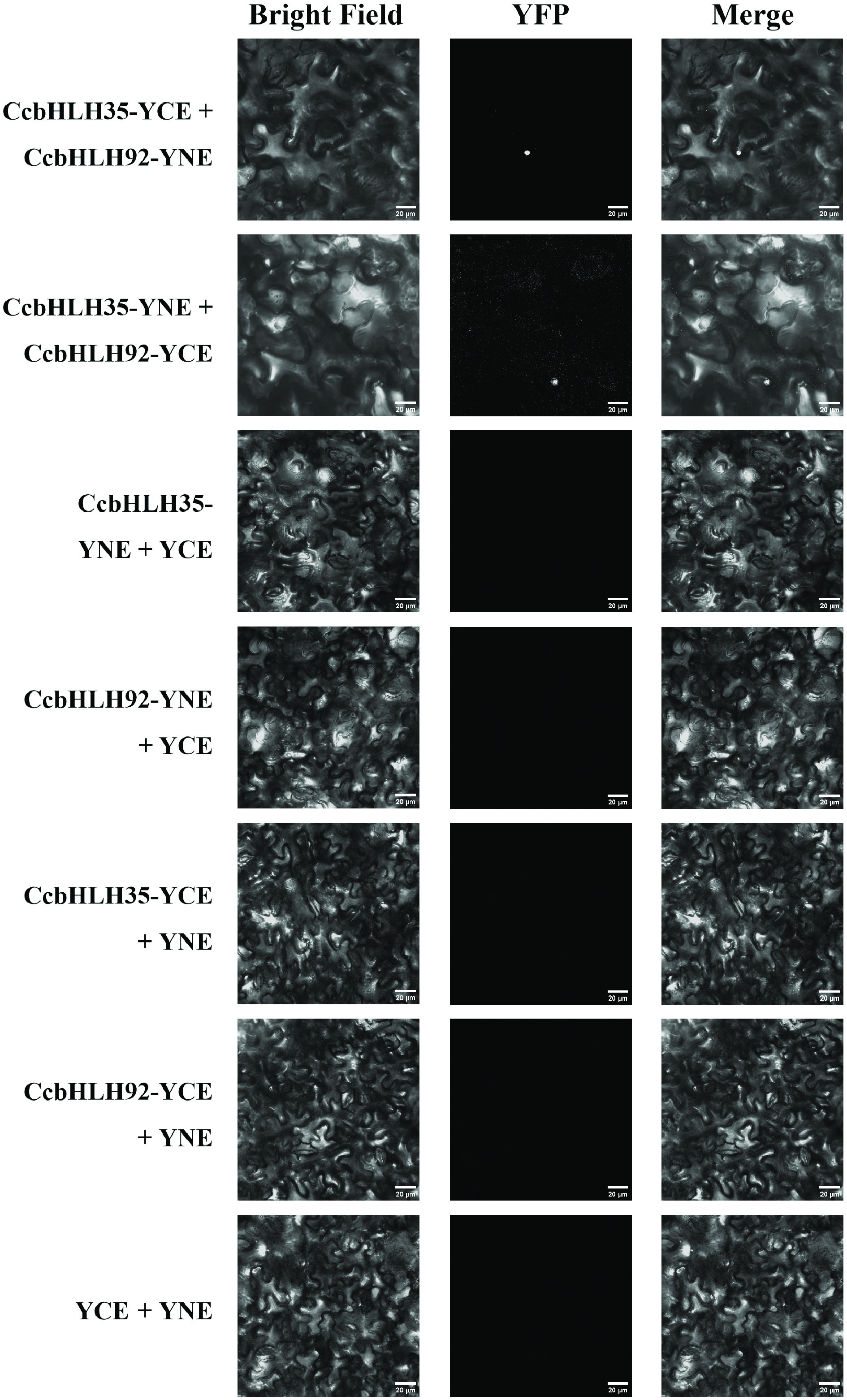
Figure 9.
Protein interactions between CcbHLH35 and CcbHLH92 in tobacco. (CcbHLH35 and CcbHLH92 were constructed into YNE and YCE vectors, respectively, and co-transferred into tobacco leaf cells through the mediation of Agrobacterium, and yellow fluorescent signals were observed in the cells).
-
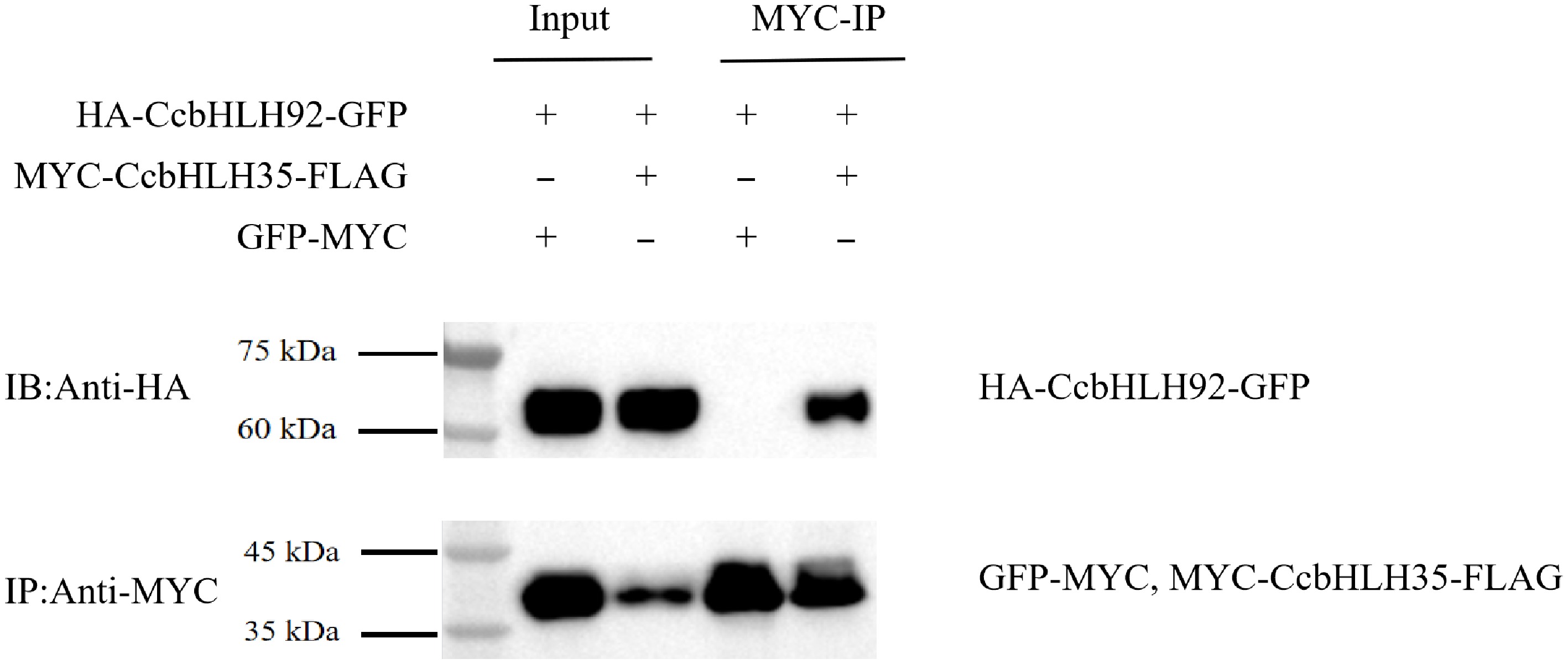
Figure 10.
Co-IP validation of the interaction between CcbHLH92 and CcbHLH35 in tobacco leaves. (Total proteins were extracted from N. benthamiana leaves co-expressing the indicated constructs and immunoprecipitated with anti-MYC agarose beads. The immunoprecipitated proteins were detected by immunoblotting with anti-HA and anti-MYC antibodies. GFP-MYC was used as the negative control).
-
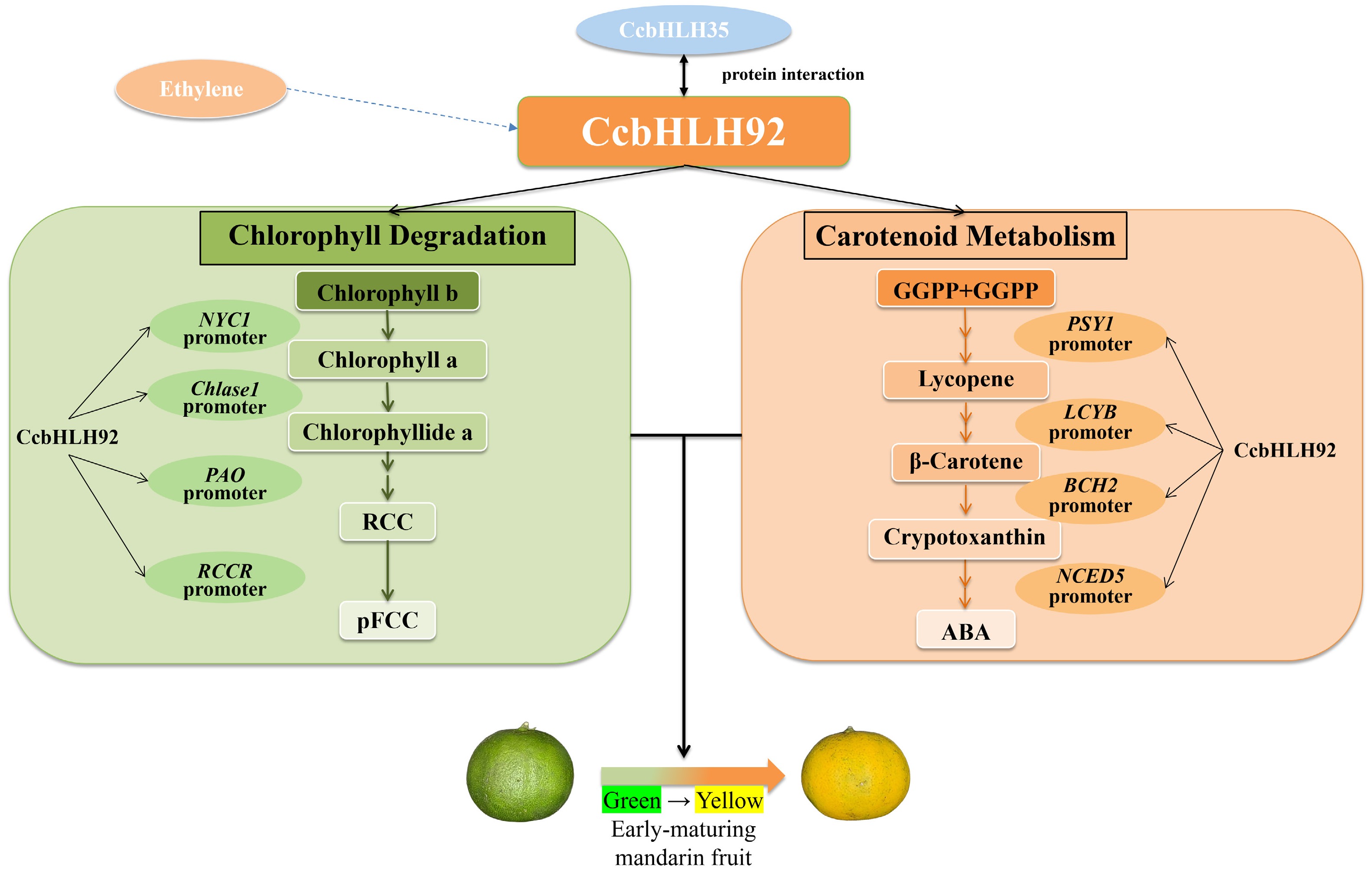
Figure 11.
Proposed transcriptional model for CcbHLH92-mediated chlorophyll degradation and carotenoid metabolism in ethylene-degreened mandarin peels. (CcbHLH92 is induced by ethephon treatment and may interact with CcbHLH35 during the regulation of mandarin fruit coloration. CcbHLH92 directly binds to and activates the promoters of chlorophyll degradation-related genes (CcNYC1, CcChlase1, CcPAO, and CcRCCR), thereby accelerating chlorophyll degradation and promoting peel degreening. Meanwhile, CcbHLH92 activates the promoters of carotenoid biosynthesis and metabolism-related genes (CcPSY1, CcLCYb, CcBCH2, and CcNCED5), contributing to carotenoid accumulation and metabolic adjustment during fruit ripening. Through the coordinated regulation of chlorophyll degradation and carotenoid metabolism, CcbHLH92 promotes the transition of peel color from green to yellow-orange in early-ripening mandarin fruit. Solid arrows indicate direct regulatory relationships confirmed by experimental evidence).
-
Component Volume (μL) Nuclease-free water 10 Phanta Max Super-Fidelity DNA Polymerase 1 2× Phanta Max Buffer 25 2× PrimeSTAR Max Premix 10 cDNA 2 Forward primer 1 Reverse primer 1 Table 1.
PCR reaction mixture composition and volumes.
Figures
(11)
Tables
(1)