










-
By 2050, nearly 50% of the world's arable land is threatened with severe salinization, a crisis driven primarily by the enormous intensification of human and geological activities[1]. The enhancement of plant resistance to salt stress would unlock their potential for significantly higher growth and yield. Salt stress results in massive accumulation of Na+ that suppresses enzymatic reactions, protein synthesis, and photosynthesis in the vast majority of glycophytes, thereby causing tissue necrosis, growth retardation, and even premature death[2]. Plants regulate cellular Na+ concentration and Na+/ K+ homeostasis via the activation of pivotal salt overly sensitive (SOS) pathways and different types of ion transporters such as high-affinity K+ transporters (HKTs) and Na+/H+ antiporters (NHXs)[3]. As a calcium-binding protein, SOS3 perceives the Na+-induced increase in cytosolic Ca2+ concentration and then recruits SOS2 to the plasma membrane, where SOS2 phosphorylates and activates SOS1. SOS1 functions as a plasma membrane Na+/H+ antiporter, responsible for the extrusion of toxic Na+ from the cytoplasm using the proton motive force[4]. HKT1 performs a vital function by retrieving Na+ from the xylem sap, thus restricting Na+ transport to photosynthetic tissues[3]. NHXs regulate the Na+/H+ or K+/H+ exchange. By pumping Na+ into vacuoles for storage, NHXs lower the cytosolic Na+ concentration while concurrently employing Na+ for osmoregulation[5]. NHX overexpression has been shown to enhance salt tolerance in various plant species by facilitating the sequestration of excess Na+ into vacuoles[6−8]. H+-ATPase or H+-PPase hydrolyze ATP or PPi to pump H+ into the vacuole or across the plasma membrane, generating the proton motive force that drives Na+/H+ exchange for both Na+ extrusion via SOS1 at the plasma membrane and Na+ sequestration via NHX in the vacuole[4,5]. Enhanced expression of genes encoding these proton pumps has been linked to improved salinity tolerance in transgenic plants[9,10].
Excessive salt ions in the soil solution reduce the water potential, thereby limiting water uptake by roots. Concurrently, the accumulation of toxic Na+ antagonizes the acquisition of essential nutrients such as K+ and Ca2+, leading to ion toxicity and secondary oxidative stress[11]. To mitigate salt-induced osmotic stress, plants typically accumulate different osmolytes (proline, water-soluble carbohydrates, etc.) to enhance cellular osmotic adjustment (OA) capacity[12]. It has been shown that exogenous spermine promoted the accumulation of various amino acids, sugars, and sugar alcohols in creeping bentgrass (Agrostis stolonifera), thereby enhancing the OA to better adapt to salt stress[13]. Similarly, exogenous chitosan helped creeping bentgrass in alleviating the water imbalance induced by salt stress associated with improved water use efficiency (WUE) and enhanced OA by increasing the accumulation and metabolism of soluble sugars, proline, and gamma-aminobutyric acid[14]. In addition, salt toxicity induces the massive accumulation of reactive oxygen species (ROS), including superoxide anion (O2·−) and hydrogen peroxide (H2O2) in plants, leading to oxidative stress. These ROS disrupt essential cellular processes and also impair membrane structure and function, thereby limiting growth and potentially proving lethal under severe salt stress[15]. In response to salt stress, plants activate enzymatic antioxidants such as superoxide dismutase (SOD), ascorbate peroxidase (APX), peroxidase (POD), and catalase (CAT), which collectively contribute to a strengthened defense system[16]. Therefore, enhancing the antioxidant capacity of plants is often an effective strategy for improving their salt tolerance.
Various agronomic approaches, including straw return, intercropping, and the application of plant growth regulators (PGRs), can influence mineral uptake by plant roots[2,17,18]. When applied at appropriate concentrations, PGRs effectively mediate plant growth and nutrient absorption[2]. Among these, diethyl aminoethyl hexanoate (DA-6), a new synthetic broad-spectrum PGR, has been widely adopted in agriculture globally, significantly enhancing crop yield and quality[19]. Exogenous application of DA-6 has also been reported to improve abiotic stress tolerance in many plant species. For instance, exogenous pretreatment of DA-6 effectively mitigated salt-induced oxidative injury and metabolic imbalance in white clover (Trifolium repens) by reprogramming organic metabolites[20]. The application of DA-6 also significantly alleviated negative effects of drought and low temperature stress via the activation of the antioxidant defense system in pineapple (Ananas comosus) and common bean (Phaseolus vulgaris)[21,22]. Moreover, exogenous DA-6 reduced cadmium toxicity through increased Cd retention in the cell wall and also facilitated the phytoremediation of cadmium by ryegrass (Lolium perenne)[23]. An earlier study found that the application of DA-6 effectively alleviated salt stress damage via the improvement in antioxidant defense and photosynthesis in sicklepod (Cassia obtusifolia) seedlings[24]. Recent research also found that pepper (Capsicum annuum) seeds pretreated with DA-6 improved their germination and early seedling establishment under salt stress[25]. However, the mechanism by which DA-6 regulates plant salt tolerance remains poorly understood and requires further investigation.
Turfgrasses used in lawns and sports facilities often require more intensive maintenance than those in other sectors. The prolonged overuse of chemicals such as pesticides, fungicides, and fertilizers, as well as the application of reclaimed water, can exacerbate soil salinity. This, in turn, results in a decrease in turf quality, increased management challenges, and higher maintenance costs[26]. Among cool-season turfgrasses, creeping bentgrass holds a prominent position in the lawn or sport industry, including public parks, golf courses, tennis lawns, and bowling greens. Its fine texture, superior turf quality, creeping growth habit, and strong regeneration capacity after mowing make it highly desirable[27]. However, creeping bentgrass is considered only moderately salt-tolerant[28]. Therefore, this study aimed to investigate potential mechanisms by which exogenous DA-6 alleviated salt stress in creeping bentgrass related to changes in water status, antioxidant capacity, photosynthetic functions, and ionic homeostasis. The findings of this study provide new insights into the regulatory role of DA-6 in enhancing salinity tolerance in turfgrasses.
-
Creeping bentgrass cultivar 'Penncross' was used as a plant material. Seeds were sown in plastic containers (10 cm height × 25 cm length × 15 cm width) filled with quartz sand as the growth medium. All containers were placed in controlled-environment growth chambers maintained at 65% relative humidity, a day/night temperature regime of 23/19 °C, and photosynthetically active radiation of 700 µmol·m−2·s−1. Seeds were initially irrigated with deionized water for one week, followed by Hoagland's solution for the subsequent 23 d[29]. After one month of growth, the seedlings were divided into two groups: the first group was treated with Hoagland's solution supplemented with 0.8 mM DA-6 for 3 d, while the second group was irrigated with standard Hoagland's solution without DA-6 during the same period. Following this pretreatment, both DA-6-pretreated and untreated plants were either subjected to salt stress or maintained under normal conditions with Hoagland's solution. Salt stress was imposed by gradually increasing NaCl concentrations in the Hoagland's solution: 150 mM NaCl for 3 d, 200 mM NaCl for 3 d, and 250 mM NaCl for the final 12 d[13]. After the 3-d pretreatment, the DA-6 was completely withdrawn, and all subsequent nutrient solutions were DA-6-free. All nutrient solutions were monitored and refreshed daily to maintain consistent concentrations. The experiment consisted of four treatments: well-watered control ('C'), well-watered control pretreated with DA-6 ('C + DA-6'), salt-stressed plants ('S'), and salt-stressed plants pretreated with DA-6 ('S + DA-6'). The optimum dose of DA-6 (0.8 mM) with highly significant impacts on phenotypic alterations was chosen after a preliminary experiment with different concentrations of DA-6 solutions (0, 0.2, 0.4, 0.8, and 1.5 mM). Each treatment included four biological replicates arranged in a completely randomized design within growth chambers. Leaf and root samples were collected after 18 d of treatment for analyses of growth parameters, physiological indices, and gene expression.
Determination of growth and leaf water status
-
For morphological analysis, shoot length (SL) and root length (RL) were measured using a ruler on ten randomly selected plants per treatment. Leaf relative water content (RWC) was determined following the method of Barrs and Weatherley[30] using the formula: RWC (%) = [(FW − DW)/(TW − DW)] × 100, where FW, DW, and TW are fresh weight, dry weight, and turgid weight, respectively. Briefly, fresh leaf samples (0.1 g) were collected and immediately weighed to record FW. The samples were then immersed in distilled water for 24 h at room temperature to obtain TW. Afterward, the leaves were oven-dried at 105 °C for 20 min and 75 °C for a consistent DW. Osmotic potential (OP) was measured according to the protocol described by Blum[31]. Fresh leaf segments (0.1 g) were excised and immediately immersed in deionized water for 8 h at room temperature. The leaves were then taken out and surface-dried with tissue paper. The cell sap was extracted for osmolarity measurement using a vapor pressure osmometer (Wescor, Logan, UT, USA). OP was calculated using the formula: MPa = −c × 2.58 × 10⁻³, where c is the osmolarity (mmol·kg−1).
Determination of photosynthetic functions and chlorophyll content
-
For chlorophyll (Chl) fluorescence measurements, leaf samples were first dark-adapted for 30 min using attached clips. The maximum quantum efficiency of photosystem II (Fv/Fm) and performance index on an absorption basis (PIABS) were then recorded using a handheld Chl fluorescence meter (Pocket PEA, Hansatech, UK). Water use efficiency (WUE) and net photosynthesis rate (Pn) were measured with a portable photosynthesis system (CIRAS-3, PP Systems, UK) under controlled conditions of 400 µL·L−1 CO2, 20 °C, and a photosynthetic photon flux density of 800 µmol·m−2·s−1 (provided by a red/blue light source). For Chl content determination, fresh leaves (0.1 g) were excised and immersed in dimethyl sulfoxide (10 mL) in the dark for 72 h. The absorbance of the extract was measured spectrophotometrically at 645 and 663 nm, and the Chl, Chl a, and Chl b contents were calculated according to the method of Barnes et al.[32].
Determination of enzymatic antioxidants and oxidative injury
-
Leaf samples (0.1 g) were homogenized in 4 mL of ice-cold extraction buffer containing 50 mM phosphate buffer (pH 7.8) and 1% (w/v) polyvinylpyrrolidone. The homogenate was then centrifuged at 12,000 × g for 30 min at 4 °C. The resulting supernatant was collected and used for the determination of antioxidant enzyme activities, malondialdehyde (MDA) content, and soluble protein content. The SOD activity was assayed according to the method of Giannopolitis & Ries[33]. The activities of APX, CAT, and POD were measured by monitoring the absorbance changes at 290, 240, and 470 nm, respectively, following the protocols of Nakano & Asada[34] for APX and Chance and Maehly for CAT and POD[35]. Soluble protein content was determined using the method of Bradford[36] with bovine serum albumin as a standard. MDA content was estimated following the procedure described by Dhindsa et al.[37]. The O2·− production rate was measured at 530 nm using the sulfanilamide method[38]. The H2O2 content was quantified spectrophotometrically at 390 nm according to the potassium iodide method[39]. Electrolyte leakage (EL) was estimated using an electrical conductivity meter (DDS-307A, Shanghai Precision and Scientific Instrument Co., Ltd., China) as described by Blum & Ebercon[40]. Detailed protocols for the assays of MDA, O2·−, H2O2, and EL have been provided in our previous studies[20,41].
Determination of metal ion content
-
Dried leaf or root samples (0.05 g) were mechanically ground into fine powders. The powdered material was placed in a 45 mL digestion tube, and 4 mL of a freshly prepared mixture of concentrated hydrochloric acid and concentrated nitric acid in a 3:1 ratio (v/v) was added. The tubes were then placed in an ultrasonic cleaner and subjected to ultrasonication for 1 h. After digestion, 30 mL of distilled water was added to each tube, and the contents were centrifuged at 4,000 × g for 2 min. The resulting supernatant (10 ml) was collected and used for the determination of endogenous nutrient element concentrations in leaf or root tissues using an Inductively Coupled Plasma Optical Emission Spectrophotometer (ICP-OES, Agilent Technologies, USA)[42].
Determination of gene expression
-
Total RNA was extricated from fresh leaf samples using an RNeasy Mini Kit (Qiagen) according to the manufacturer's guidelines. First-strand cDNA was synthesized from the extracted RNA using a Revert Aid First Strand cDNA Synthesis Kit (Fermentas). The transcript levels of genes involved in Na+ and K+ transport were quantified by quantitative real-time PCR (qRT-PCR) using SYBR Green Supermix (Bio-Rad) on a suitable detection system. Primer sequences are listed in Table 1. The thermal cycling conditions were as follows: initial denaturation at 94 °C for 5 min, followed by 45 cycles of denaturation at 95 °C for 30 s, annealing and extension at 62 °C. A melting curve analysis was performed by ramping the temperature from 60 to 95 °C to verify amplification specificity. Relative gene expression levels were calculated using the 2−ΔΔCᴛ method[43]. Four biological replicates were used per treatment (n = 4), with no technical replicates.
Table 1. Primer sequences and relative information of analyzed genes in creeping bentgrass.
Target gene Forward primer (5′-3′) Reverse primer (5′-3′) β-Actin CCTTTTCCAGCCATCTTTCA GAGGTCCTTCCTGATATCCA AsHKT1 TACTACCACCTGCTCTCGGC AACTTCTCCCACGGGCTCAT AsSOS1 ACTGCCTGCTGATGTTCGTGATC TGAATGCCTGGTGCTTAGTCTCTG AsSOS2 GGATTAGGCTCTGCTCAGGTGTTG TGCCGCTGGTCCTGGTAGTG AsSOS3 GGCGTCGTGCTCAACCAGTTC CGAGCGTTGACAAGAGAACCTGAG AsNHX4 CCACTCTGGTGTTTGGTTTCCTGAC TCCGCTCCCTGACGCTTCTTC AsNHX5 GCACCGCATCATTTACAGCACTG GCTCATCTTGTTCGTCATCCTCTCC AsNHX6 CGCTGGAGCTGAGCATGAACC TGGCCGAGCACGAAGGAGAG AsNHX8 CAACGCACGAGACGAGGCTTC GGTTGATGGCAGCAGCACTCC AsATPa2 CCGTCATCATTGCCGTCGTCTAC GTCAGCCTTGGAGCGGTTCTTG AsATPa6 GGATTCTCGCCGCTTGGATTGG GGTGTAGTGGAGCAGGTTGTTGTC β-Actin, beta-Actin; AsHKT1, high-affinity K+ transporter 1; AsSOS1, salt overly sensitive 1; AsSOS2, salt overly sensitive 2; AsSOS3, salt overly sensitive 3; AsNHX4, Na+/H+ antiporter 4; AsNHX5, Na+/H+ antiporter 5; AsNHX6, Na+/H+ antiporter 6; AsNHX8, Na+/H+ antiporter 8; AsATPa2, H+-ATPase 2; AsATPa6, H+-ATPase 6. Statistical analysis
-
All data were statistically analyzed using Statistix 8.1 (v8.1. Statistix, USA). Significant differences among the four treatment groups (C, C + DA-6, S, and S + DA-6) were determined by two-way analysis of variance (ANOVA), followed by Tukey's test at a significance level of p ≤ 0.05.
-
Exogenous application of DA-6 did not induce any significant effect on SL and RL under normal conditions (Fig. 1a, b). Salt stress significantly decreased SL but increased RL when compared with the well-watered control (Fig. 1a, b). The DA-6 pretreatment efficiently alleviated the salt-triggered decrease in SL and also further improved RL in response to salt stress (Fig. 1a, b). Under saline conditions, the DA-6-pretreated plants (treatment 'S + DA-6') demonstrated a 14% increase in RWC compared with untreated plants (treatment 'S') (Fig. 2a). The OP significantly declined in all salt-stressed plants in contrast to the well-watered control. The DA-6-pretreated plants (treatment 'S + DA-6') exhibited a 13% lower OP compared with untreated plants (treatment 'S') subjected to salt stress (Fig. 2b). In addition, exogenous application of DA-6 significantly mitigated the salt-induced reduction in WUE by 61%, as shown in Fig. 2c.
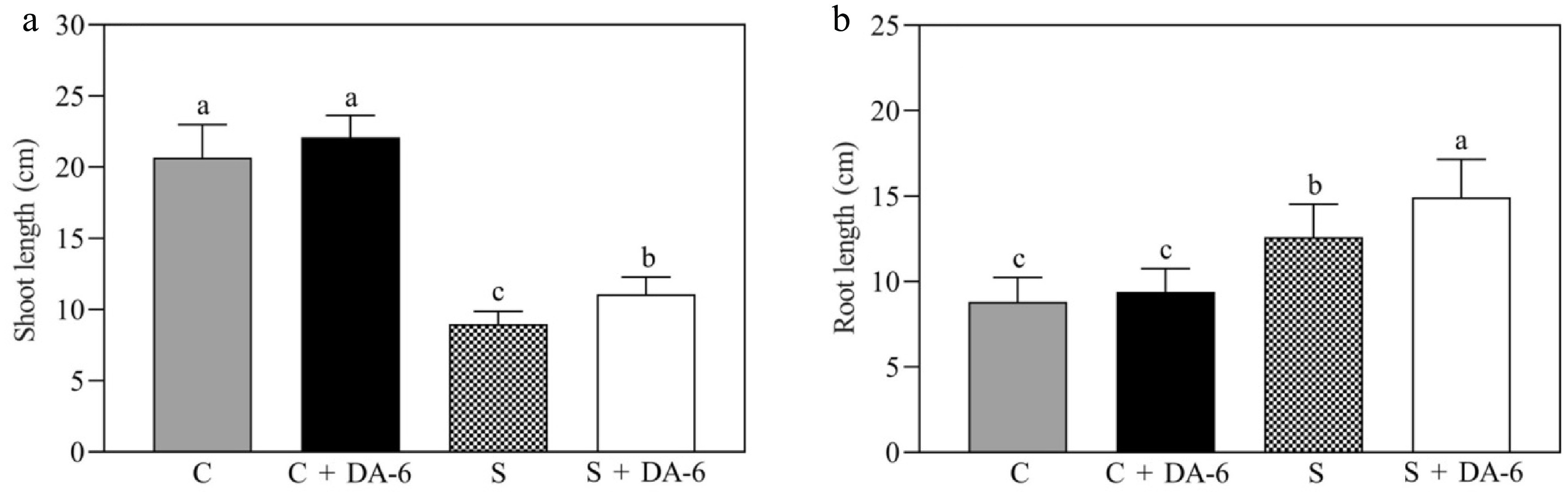
Figure 1.
Alterations in (a) shoot length (SL) and (b) root length (RL) of creeping bentgrass regulated by exogenous diethyl aminoethyl hexanoate (DA-6) under normal and saline conditions. Vertical bars show means ± SE (n = 4), and different lowercase letters indicate significant differences (p ≤ 0.05). C, well-watered control; C + DA-6, well-watered control pretreated with 0.8 mM DA-6; S, salt-stressed treatment; S + DA-6, salt-treated treatment pretreated by 0.8 mM DA-6.
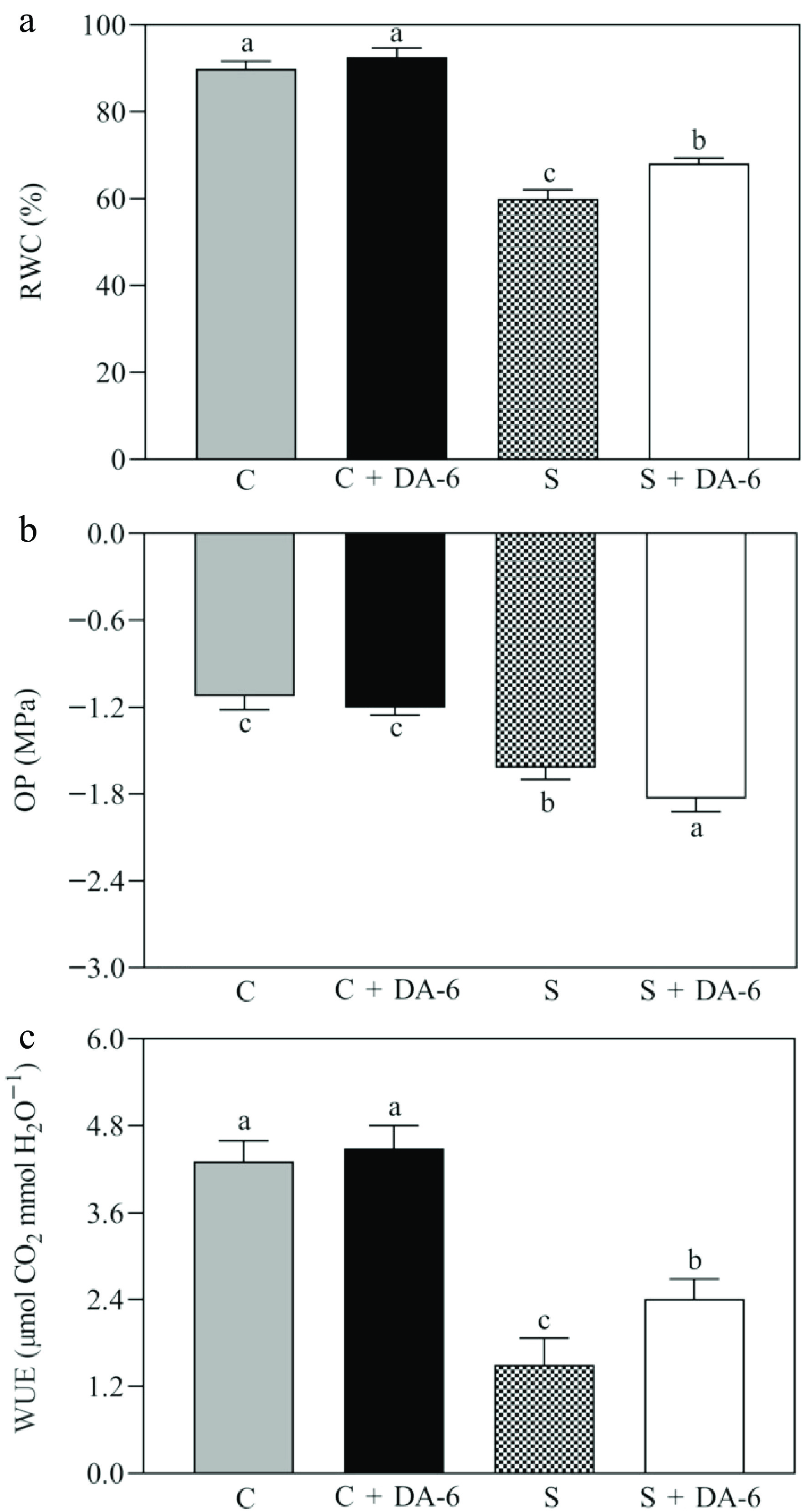
Figure 2.
Alterations in leaf (a) relative water content (RWC), (b) osmotic potential (OP), and (c) water use efficiency (WUE) of creeping bentgrass regulated by exogenous diethyl aminoethyl hexanoate (DA-6) under normal and saline conditions. Vertical bars show means ± SE (n = 4), and different lowercase letters indicate significant differences (p ≤ 0.05). C, well-watered control; C + DA-6, well-watered control pretreated with 0.8 mM DA-6; S, salt-stressed treatment; S + DA-6, salt-treated treatment pretreated by 0.8 mM DA-6.
Effect of DA-6 application on photosynthetic performance under normal and saline conditions
-
Chl content and photosynthetic parameters were not significantly influenced by the DA-6 pretreatment under non-stressed conditions, as shown in Fig. 3a−f. Salt stress resulted in a significant reduction of total Chl, Chl a, Chl b, Fv/Fm, PIABS, and Pn in both DA-6-pretreated and untreated plants compared with non-stressed plants (Fig. 3a−f). Under salt stress, DA-6 pretreatment enhanced total Chl and Chl a contents by 25% and 27% in the treatment 'S + DA-6', respectively, relative to the treatment 'S' (Fig. 3a, b). In addition, the DA-6-pretreated plants exhibited significantly higher Fv/Fm, PIABS, and Pn than the plants without DA-6 pretreatment under salt stress (Fig. 3d−f). Compared to untreated plants under salt stress, the DA-6-pretreated plants showed a 40%, 31%, and 64% increase in Fv/Fm, PIABS, and Pn, respectively (Fig. 3d−f).
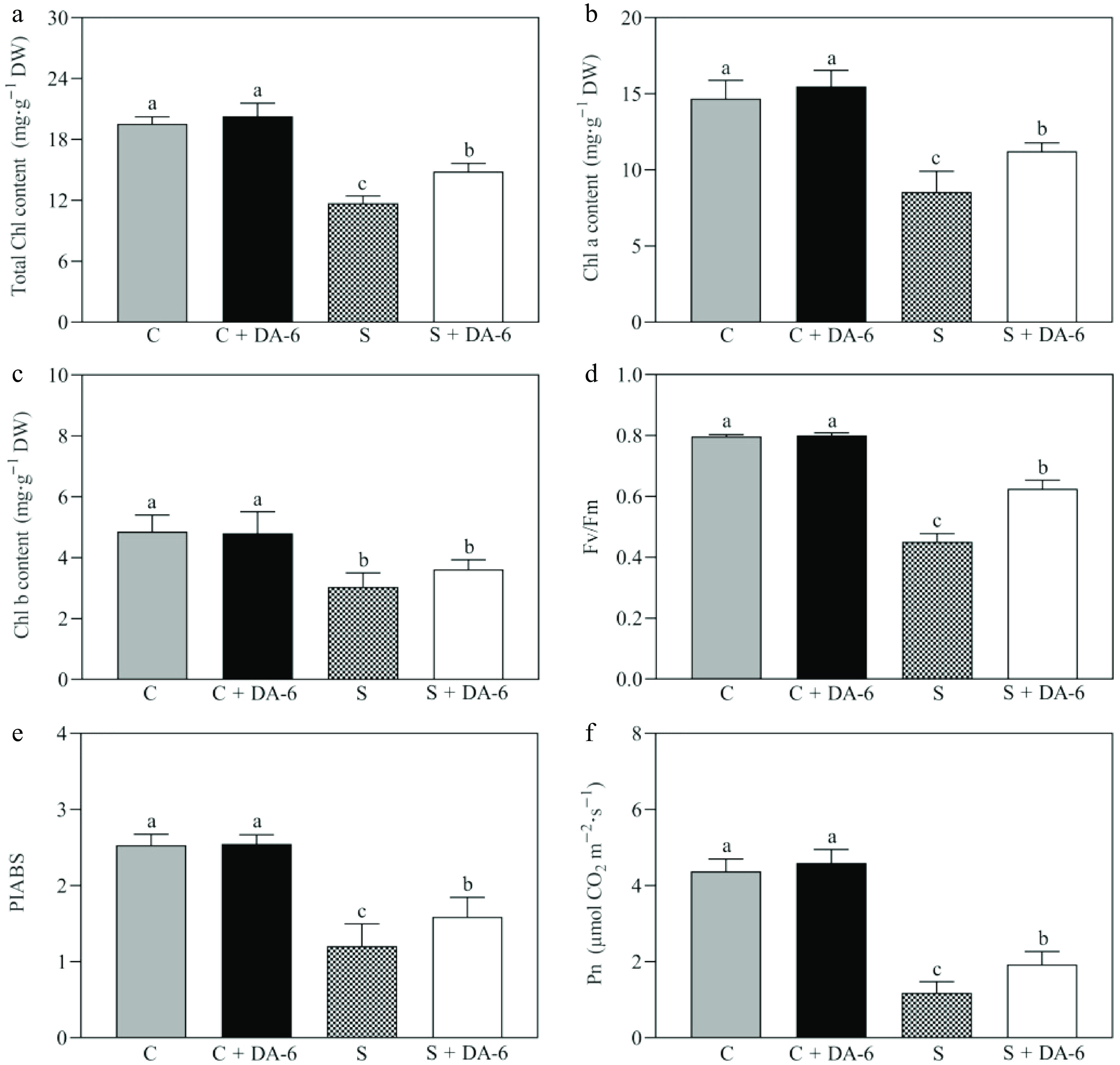
Figure 3.
Alterations in (a) total chlorophyll (Chl) content, (b) Chl a content, (c) Chl b content, (d) maximum quantum efficiency of PSII (Fv/Fm), (e) performance index on absorption basis (PIABS), and (f) net photosynthetic rate (Pn) of creeping bentgrass regulated by exogenous diethyl aminoethyl hexanoate (DA-6) under normal and saline conditions. Vertical bars show means ± SE (n = 4), and different lowercase letters indicate significant differences (p ≤ 0.05). C, well-watered control; C + DA-6, well-watered control pretreated with 0.8 mM DA-6; S, salt-stressed treatment; S + DA-6, salt-treated treatment pretreated by 0.8 mM DA-6.
Effect of DA-6 application on oxidative damage and antioxidant capacity under normal and saline conditions
-
Salt stress significantly induced an increase in EL in both treatments (S and S + DA-6); however, the S + DA-6 treatment exhibited significantly lower EL compared with the S treatment under saline conditions (Fig. 4a). After 18 d of salt stress, the EL in the S + DA-6 declined by 18% relative to that in the S treatment (Fig. 4a). Salt toxicity significantly enhanced the accumulation of O2·−, H2O2 content, and MDA in leaves regardless of DA-6 pretreatment (Fig. 4a−c). The DA-6 supplementation showed no significant impact on the contents of O2·−, H2O2, and MDA under normal conditions (Fig. 4b−d). However, the DA-6 pretreatment significantly reduced salt-stimulated accumulation of O2·−, H2O2, and MDA in plants exposed to salt stress (Fig. 4b−d). In contrast to the S treatment, the S + DA-6 treatment demonstrated a 16%, 26%, or 14% decrease in O2·−, H2O2, or MDA content, respectively (Fig. 4b−d). In contrast to the control, salt stress significantly increased the activities of SOD and CAT, but reduced those of POD and APX in both DA-6-pretreated and untreated plants (Fig. 5a−d). Under salt stress, the S + DA-6 treatment exhibited a 19% and 20% increase in the activities of SOD and CAT compared with the S treatment alone, respectively (Fig. 5a, c). Moreover, the activities of POD and APX in the S + DA-6 treatment were increased by 10% and 72% than that in the S treatment, respectively (Fig. 5b, d).
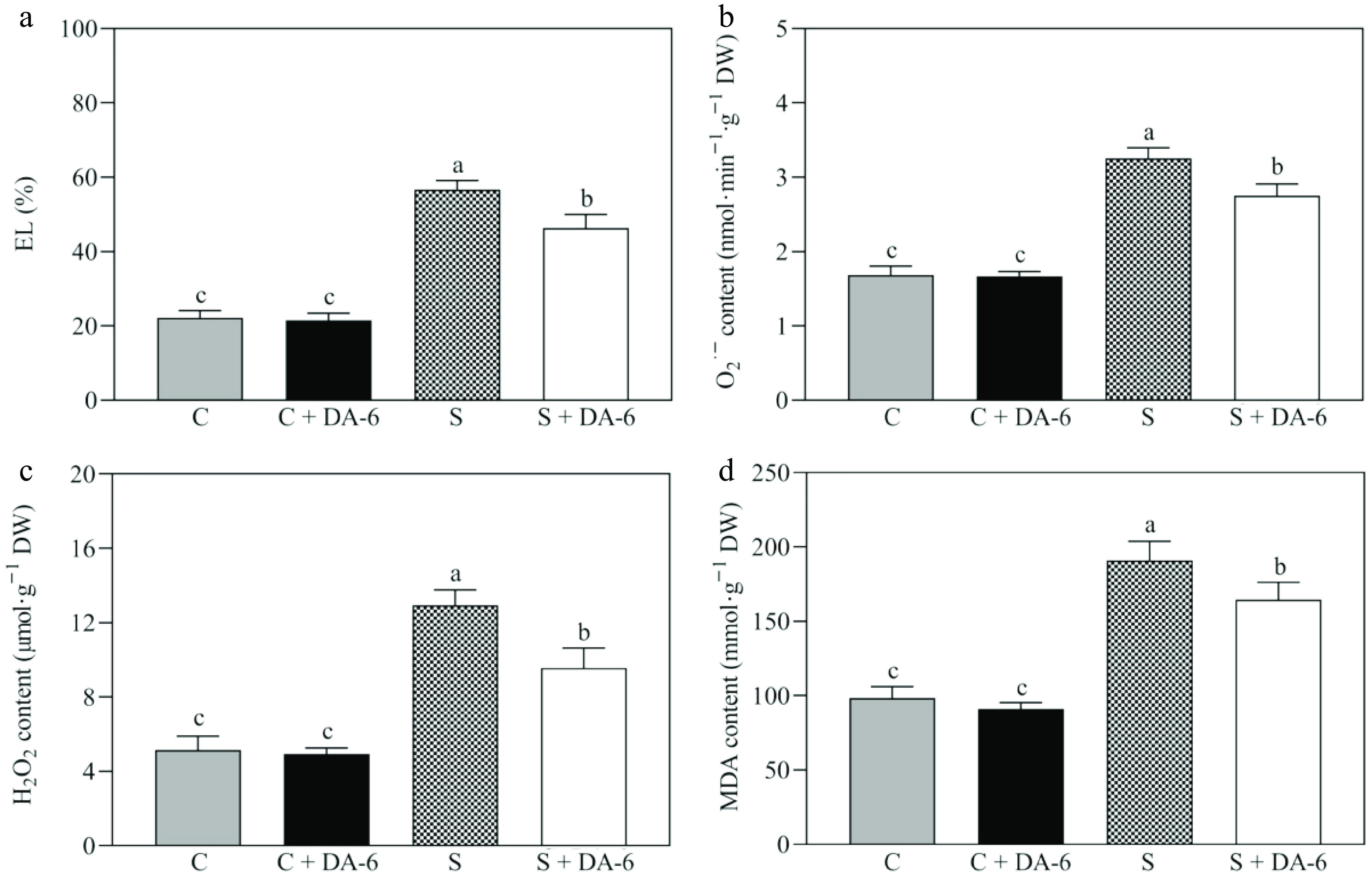
Figure 4.
Alterations in (a) electrolyte leakage (EL), (b) superoxide anion (O2·−), (c) hydrogen peroxide (H2O2), and (d) malondialdehyde (MDA) content of creeping bentgrass regulated by exogenous diethyl aminoethyl hexanoate (DA-6) under normal and saline conditions. Vertical bars show means ± SE (n = 4), and different lowercase letters indicate significant differences (p ≤ 0.05). C, well-watered control; C + DA-6, well-watered control pretreated with 0.8 mM DA-6; S, salt-stressed treatment; S + DA-6, salt-treated treatment pretreated by 0.8 mM DA-6.
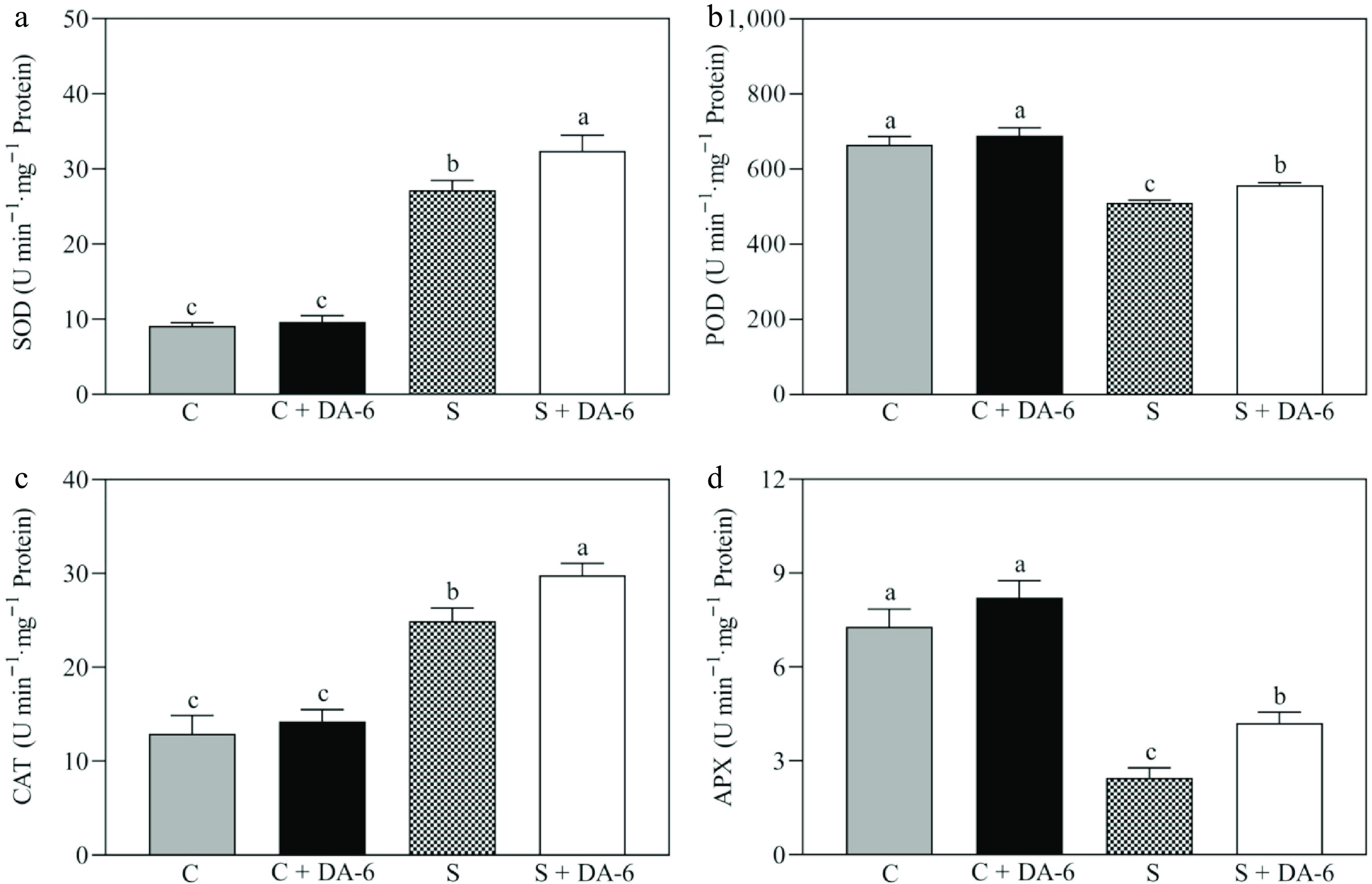
Figure 5.
Alterations in (a) superoxide dismutase (SOD), (b) peroxidase (POD), (c) catalase (CAT), and (d) ascorbate peroxidase (APX) activities of creeping bentgrass regulated by exogenous diethyl aminoethyl hexanoate (DA-6) under normal and saline conditions. Vertical bars show means ± SE (n = 4), and different lowercase letters indicate significant differences (p ≤ 0.05). C, well-watered control; C + DA-6, well-watered control pretreated with 0.8 mM DA-6; S, salt-stressed treatment, S + DA-6, salt-treated treatment pretreated by 0.8 mM DA-6.
Effect of DA-6 application on ion homeostasis under normal and saline conditions
-
The DA-6 pretreatment had no significant impact on contents of Mg2+, Mn2+, Al3+, Zn2+, Fe2+, and Ca2+ in leaves under non-stressed conditions (Fig. 6). In leaves, salt stress significantly enhanced the accumulation of Mn2+, Al3+, and Ca2+, but decreased Mg2+ content in both the DA-6-pretreated and untreated plants (Fig. 6a–c, f). Exogenous application of DA-6 significantly alleviated the salt-induced decreases in Mg2+ content in leaves under salt stress (Fig. 6a); however, the contents of Mn2+, Al3+, and Ca2+ were not significantly affected by the DA-6 pretreatment under salt stress (Fig. 6b, c, f). The contents of Zn2+ and Fe2+ among four treatments (C, C + DA-6, S, and S + DA-6) did not show any significant difference in leaves (Fig. 6d, e). Regardless of DA-6 application, salt stress significantly decreased the contents of Mg2+, Mn2+, Fe2+, and Ca2+ in roots (Fig. 6a, b, e, f). Salt stress did not affect the contents of Al3+ and Zn2+ in roots of all plants, and the DA-6 pretreatment also did not significantly alter the contents of Al3+ and Zn2+ in roots, either under normal or salt stress conditions (Fig. 6c, d).
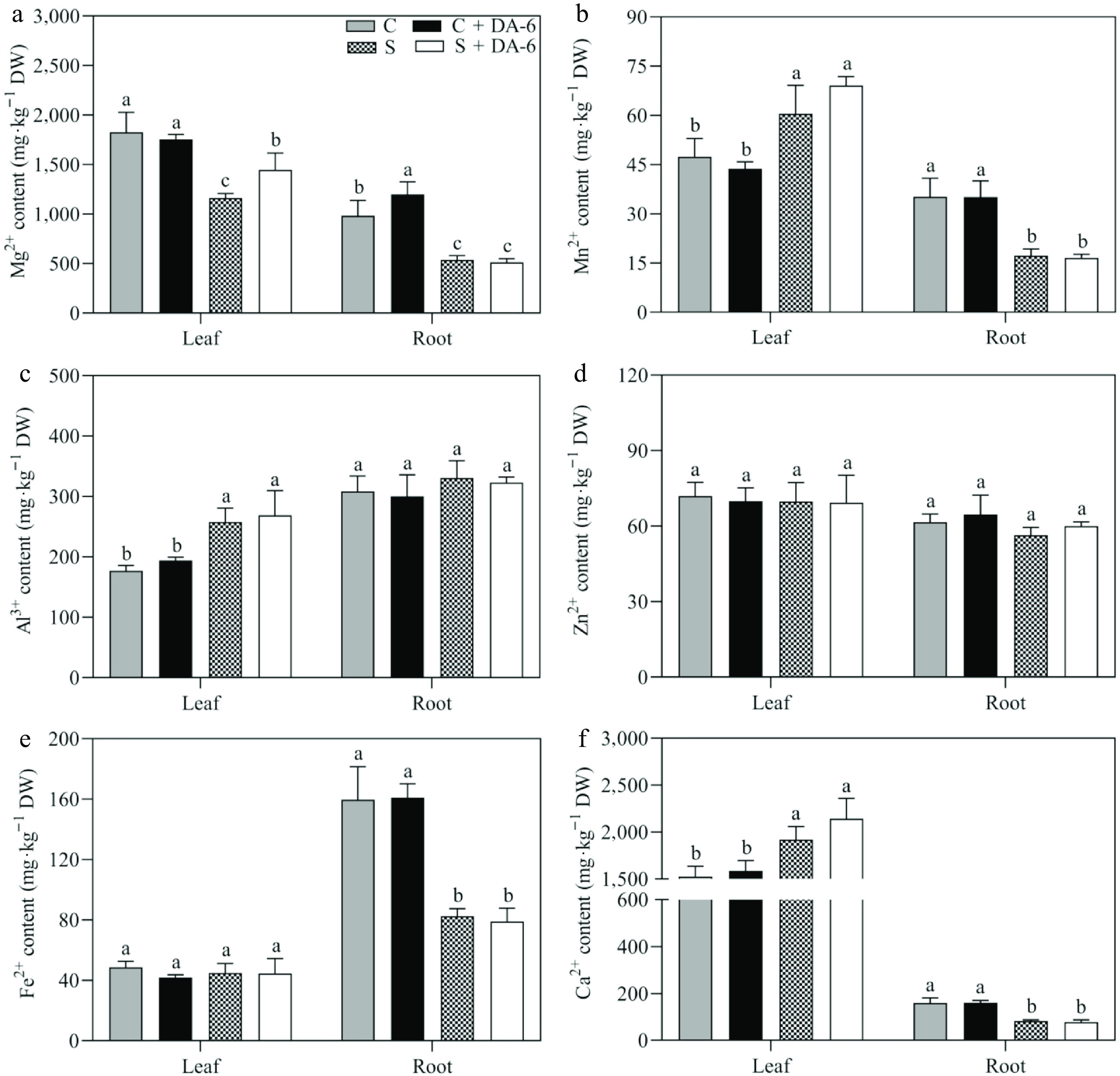
Figure 6.
Alterations in (a) magnesium (Mg2+) content, (b) manganese (Mn2+) content, (c) aluminium (Al3+) content, (d) zinc (Zn2+) content, (e) iron (Fe2+) content, and (f) calcium (Ca2+) content in leaves and roots of creeping bentgrass regulated by exogenous diethyl aminoethyl hexanoate (DA-6) under normal and saline conditions. Vertical bars show means ± SE (n = 4), and different lowercase letters indicate significant differences (p ≤ 0.05). C, well-watered control; C + DA-6, well-watered control pretreated with 0.8 mM DA-6; S, salt-stressed treatment, S + DA-6, salt-treated treatment pretreated by 0.8 mM DA-6.
Salt toxicity induced significant Na+ accretion in leaves and roots of the DA-6-pretreated and untreated plants (Fig. 7a). The DA-6-pretreated plants demonstrated significantly lower Na+ content in leaves, but higher Na+ content in roots compared with untreated plants under salt stress (Fig. 7a). Salt stress caused significant K+ reduction in roots of both treatments (S and S + DA-6), and the application of DA-6 did not cause any significant impact on K+ content in roots under non-stressed and saline conditions (Fig. 7b). Under salt stress, leaf K+ content was significantly decreased in both untreated and DA-6-pretreated plants; however, DA-6-pretreated plants retained significantly higher K+ level than those without pretreatment under salt stress (Fig. 7b). Compared with well-watered control, salinity induced a significant decline in the K+/Na+ ratio in all plants, and the DA-6 application significantly improved the K+/Na+ ratio in leaves under salt stress, but exhibited no significant effect on the K+/Na+ ratio in roots under salt stress (Fig. 7c).
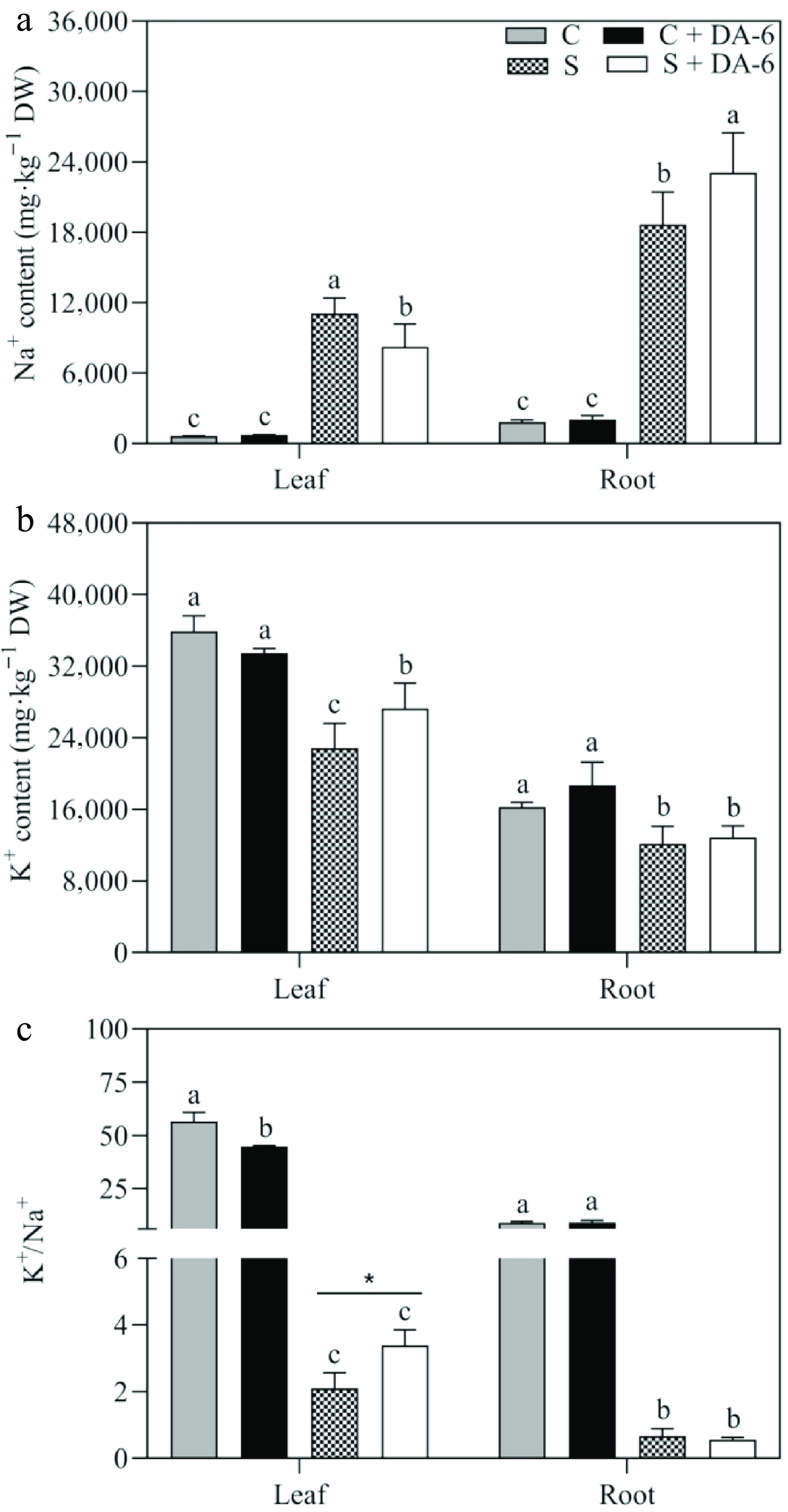
Figure 7.
Alterations in (a) sodium (Na+) content, (b) potassium (K+) content, and (c) K+/Na+ ratio in leaves and roots of creeping bentgrass regulated by exogenous diethyl aminoethyl hexanoate (DA-6) under normal and saline conditions. Vertical bars show means ± SE (n = 4), and different lowercase letters indicate significant differences (p ≤ 0.05). C, well-watered control; C + DA-6, well-watered control pretreated with 0.8 mM DA-6; S, salt-stressed treatment; S + DA-6, salt-treated treatment pretreated by 0.8 mM DA-6.
Under non-stressed conditions, the DA-6 pretreatment significantly up-regulated the transcript levels of AsSOS3, AsNHX8, and AsATPa2 in leaves (Fig. 8a). With the exception of AsNHX6, the DA-6 application significantly up-regulated the expression levels of all other K+/Na+ transport-related genes in leaves under saline conditions (Fig. 8a). In the absence of salt stress, the transcript levels of K+/Na+ transport-related genes in roots remained largely unchanged following DA-6 application (Fig. 8b). Upon exposure to salt toxicity, the DA-6 application significantly up-regulated the expression levels of AsHKT1, AsSOS1, AsSOS3, AsNHX4, AsNHX5, AsNHX8, AsATPa2, and AsATPa6 in roots, while transcript levels of AsSOS2 and AsNHX6 remained unaffected (Fig. 8b). The transcript levels of AsHKT1, AsSOS1, AsSOS3, AsNHX4, AsNHX5, AsNHX8, AsATPa2, and AsATPa6 in roots of the S + DA-6 treatment were 1.64-, 1.35-, 1.69-, 1.68-, 2.13-, 1.77-, 2.19-, and 1.68-fold higher, respectively, than those in the roots of the S treatment (Fig. 8b). Figure 9 presents a schematic overview of the hypothetical mechanism by which DA-6 ameliorates salt tolerance in creeping bentgrass.
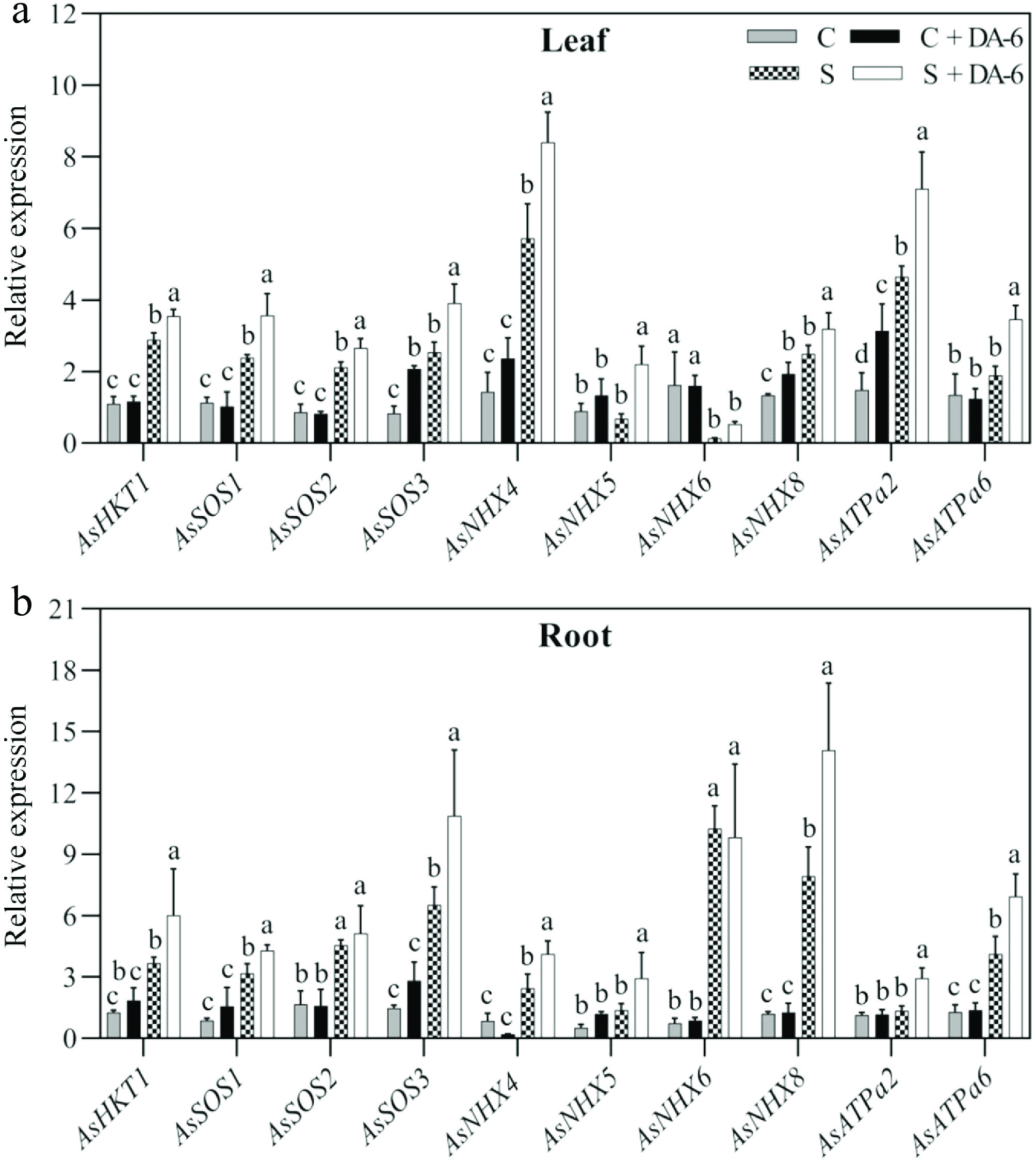
Figure 8.
Alterations in relative expression levels of AsHKT1, AsSOS1, AsSOS2, AsSOS3, AsNHX4, AsNHX5, AsNHX6, AsNHX8, AsATPa2, and AsATPa6 in (a) leaves and (b) roots of creeping bentgrass regulated by exogenous diethyl aminoethyl hexanoate (DA-6) under normal and saline conditions. Vertical bars show means ± SE (n = 4), and different lowercase letters indicate significant differences (p ≤ 0.05). C, well-watered control; C + DA-6, well-watered control pretreated with 0.8 mM DA-6; S, salt-stressed treatment; S + DA-6, salt-treated treatment pretreated by 0.8 mM DA-6.
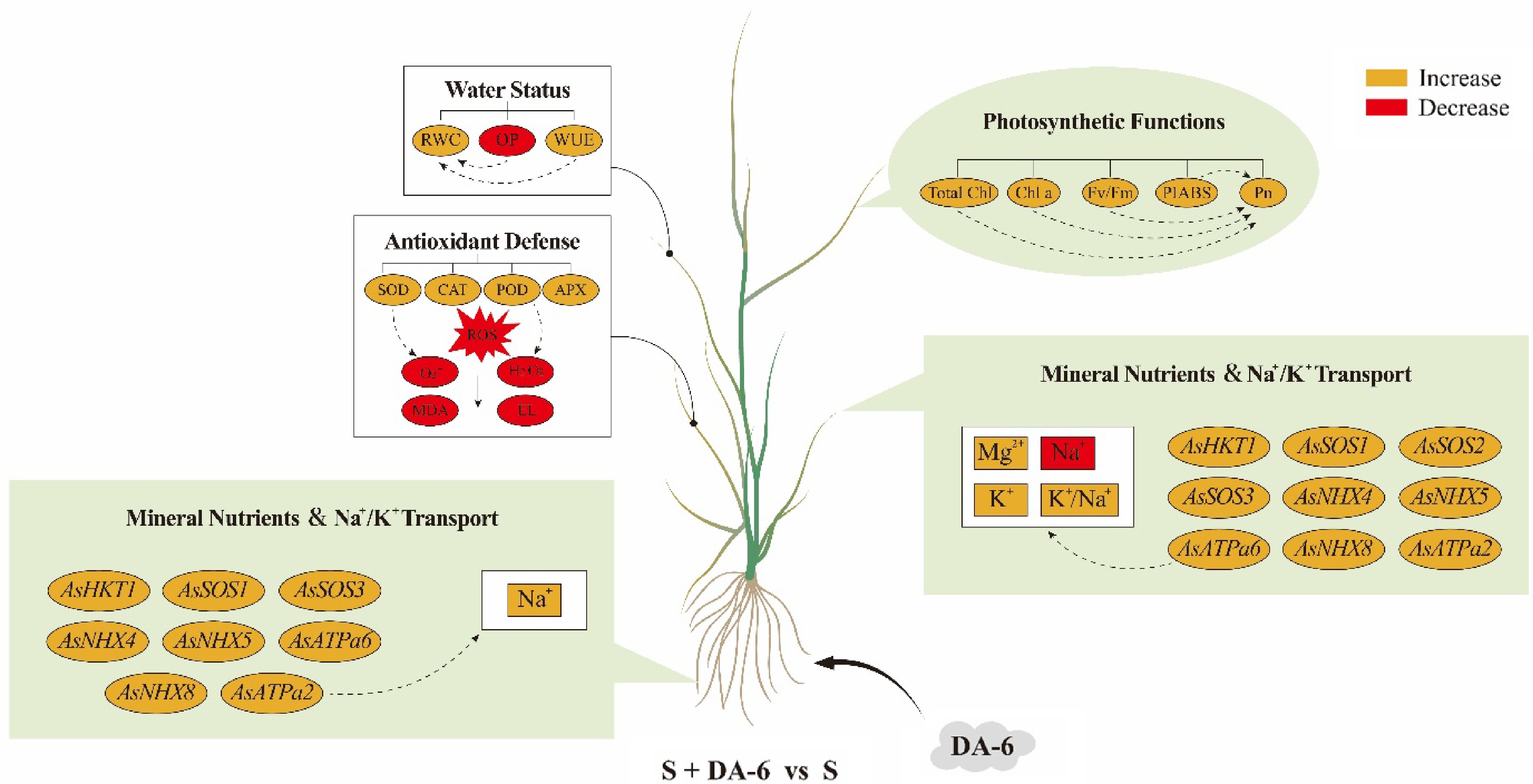
Figure 9.
A proposed hypothetical model illustrating the mechanisms underlying DA-6-mediated salt tolerance in creeping bentgrass. Solid arrows represent experimentally confirmed responses; dashed arrows indicate proposed or inferred regulatory pathways that require further validation.
-
In a saline environment, plants experience a range of disorders including osmotic stress, ionic toxicity, and oxidative stress. These adverse effects collectively lead to physiological drought, ionic imbalance, and oxidative injury, ultimately resulting in metabolic dysfunction and growth inhibition[44]. Various bio-stimulants such as melatonin, salicylic acid, and GABA have been reported to play intricate roles in regulating salt tolerance in different turfgrass species[45−47]. Recent studies have highlighted the growing interest in DA-6 for its role in mediating growth and abiotic stress tolerance, including salt stress[20−22]. However, the effects of DA-6 pretreatment on turfgrasses growth have rarely been explored under salt stress. In the present study, salt stress significantly reduced creeping bentgrass shoot length but increased its root length, which could be one of key survival strategies to achieve better water and mineral homeostasis. Notably, unlike acute salt shock treatments, a gradual increase in NaCl concentration from 150 to 250 mM NaCl over several days allowed plants to have sufficient time for OA and ion compartmentalization in root cells. This acclimation process enabled the roots to maintain sustained elongation growth. Similar findings have been reported in the studies of Rodriguez et al.[48] and Zelm et al.[49]. More importantly, the application of DA-6 effectively mitigated salt-induced shoot reduction and further enhanced root growth of creeping bentgrass plants, suggesting a positive role of DA-6 in regulating growth status under salt stress. Salt toxicity disrupts water uptake, leading to physiological drought and subsequent growth suppression[50]. Reduced OP and enhanced WUE have been reported to improve water status in plants under saline conditions[51,52]. Our findings showed that salt toxicity significantly reduced leaf OP, likely as an adaptive response to salt-induced injury in creeping bentgrass. Notably, DA-6-pretreated plants exhibited significantly higher leaf RWC and WUE, along with reduced OP than untreated plants under salt stress, contributing to improved leaf water status. Salt-induced water deficit accelerates Chl degradation and inhibits photosynthetic capacity[53,54]. Our study demonstrated that the DA-6 pretreatment effectively alleviated the salt-induced declines in Chl content, photosynthetic efficiency, and carbon assimilation, thereby sustaining better photosynthetic performance under saline conditions. Collectively, these findings suggest that the DA-6 enhances salt tolerance in creeping bentgrass, at least in part, by preserving photosynthetic function and water status, which together contribute to improved growth under salt stress.
Salt-induced water deficit and oxidative stress lead to the excessive accumulation of ROS, which are highly damaging to various cellular components, including proteins, lipids, nucleic acids etc., ultimately resulting in membrane lipid peroxidation and reduced membrane stability[55]. The extent of membrane integrity and lipid peroxidation is commonly assessed by measuring EL level and MDA content[56]. Salt-tolerant creeping bentgrass genotypes have been reported to exhibit lower levels of MDA content and EL level compared with sensitive ones[57,58]. In the present study, salinity markedly increased ROS production, MDA content, and EL level, indicating enhanced oxidative damage and compromised membrane stability. However, the DA-6 pretreatment significantly alleviated salt-induced oxidative injury in creeping bentgrass leaves, consistent with our previous findings in white clover, where foliar DA-6 application mitigated salt toxicity through enhanced ROS scavenging[20]. Enhanced antioxidant defense is widely recognized as a key adaptive mechanism in plants under adverse environmental conditions. Enzymatic antioxidants constitute a major component of this defense system, playing critical roles in ROS detoxification. Specifically, SOD catalyzes the dismutation of O2·− into H2O2, while POD, APX, and CAT are primarily responsible for converting H2O2 into H2O and O2[59]. A study by Zhang et al.[24] found that exogenous pretreatment of DA-6 effectively decreased salt-triggered oxidative injury by strengthening enzymatic antioxidant defense in Cassia obtusifolia. Similarly, DA-6-mediated improvement in seeds germination of white clover under drought stress was associated with enhanced antioxidant defense, leading to more efficient ROS scavenging and reduced oxidative damage[41]. Consistent with these reports, our findings demonstrated that the DA-6 pretreatment significantly increased the activities of SOD, POD, CAT, and APX in creeping bentgrass under salt stress, thereby efficiently reducing ROS-induced oxidative injury.
Salinity induces excessive Na+ accumulation in the rhizosphere, resulting in Na+ toxicity and reduced uptake of essential nutrients that underpin crucial physiological and metabolic processes in plants[60]. The suppression in K+ uptake under saline conditions often results in reduced K+ concentration, creating a competitive imbalance between Na+ and K+ for cellular binding sites and ultimately lowering the K+/Na+ ratio, which is crucial for maintaining cellular homeostasis[60]. In the present study, prolonged salt stress significantly increased Na+ accumulation while reducing K+ and Mg2+ concentrations in both leaves and roots of creeping bentgrass, regardless of DA-6 pretreatment. Notably, the concentrations of Mn2+, Al3+, and Ca2+ increased significantly in leaves, whereas Mg2+, Mn2+, Fe2+, and Ca2+ decreased significantly in roots under salt stress compared to the control. The accumulation of Al3+ in leaf tissues is particularly concerning, as Al3+ is a non-essential and potentially toxic element that can exacerbate oxidative stress, impair root elongation, and interfere with nutrient uptake and assimilation, ultimately aggravating salt-induced damage[61]. The decline in beneficial elements such as Mg2+ is especially detrimental, as Mg2+ serves as the central atom in the Chl molecule and plays an indispensable role in Chl biosynthesis, photosynthetic electron transport, and enzyme activation[62]. The observed reductions in essential nutrients are likely attributable to salt-induced metabolic disturbance caused by ionic imbalance and osmotic stress resulting from massive Na+ accumulation in the root zone. Elevated Na+ concentrations coupled with diminished availability of vital nutrients can induce nutritional disequilibrium, thereby impairing photosynthetic capacity and suppressing growth, as previously documented in maize (Zea mays) and soybean (Glycine max)[63,64]. In contrast to DA-6-untreated plants, the DA-6 pretreatment significantly restricted the accumulation of Na+ in roots and reduced its translocation to aerial tissues under salt stress, thereby mitigating Na+ toxicity in leaves. Furthermore, the DA-6 application effectively alleviated the salt-induced reduction in the accumulation of K+ in leaves and roots and Mg2+ in leaves, which likely contributed to the maintenance of Chl synthesis and photosynthetic function under salt stress. These findings suggested that DA-6 enhanced salt tolerance in creeping bentgrass by promoting ion homeostasis, including the restriction of Na+ accumulation in shoots, preservation of K+ and Mg2+, and mitigation of potentially toxic elements such as Al3+.
Ionic homeostasis in plants is primarily maintained by the coordinated regulation of K+/Na+ exchange across the plasma membrane and Na+/H+ exchange at the tonoplast under salt stress[3]. The SOS signaling pathway, comprising SOS1, SOS2, and SOS3, plays a crucial role in extruding cytosolic Na+ into the rhizosphere and restricting its long-distance transport. SOS1 encodes a plasma membrane Na+/H+ antiporter, and the coordinated action of SOS2 and SOS3 enhances SOS1 phosphorylation, thereby increasing Na+/H+ exchange capacity[4]. In the present study, the DA-6 application significantly up-regulated the expression of SOS pathway genes in leaves (AsSOS1, AsSOS2, AsSOS3) and roots (AsSOS1 and AsSOS3) under salt stress, suggesting that the DA-6-mediated salt tolerance is associated with enhanced Na+ efflux from leaves and roots. Consistent with this, higher SOS1 expression facilitated Na+ efflux and helped in maintaining lower intracellular Na+ concentration in yellow alfalfa (Medicago falcata) seedlings under saline conditions[65]. Additionally, the DA-6 significantly increased AsHKT1 expression in both leaves and roots of creeping bentgrass under salt stress. HKT-type transporters are involved in Na+ unloading from the xylem, reducing Na+ transport to aerial tissues, and improving K+ transport, thereby contributing to salt tolerance[66]. Studies in strawberry (Fragaria spp.) and maize have shown that increased HKT1 expression reduced Na+ translocation from roots to shoots under salt stress[67,68]. Furthermore, overexpression of TsHKT1;2 in Thellungiella salsuginea enhanced the accumulation of K+ compared with wild-type plants under saline conditions[69]. The DA-6-upregulated HKT1 expression could contribute to salt tolerance in creeping bentgrass by limiting Na+ transport to shoots and maintaining a higher K+/Na+ ratio in leaves under salt stress. Exogenous pretreatment with DA-6 also further enhanced the salt-triggered upregulation of AsNHX4 and AsNHX8 in leaves and roots, while mitigating the salt-induced reduction of AsNHX5 expression in leaves of creeping bentgrass under saline conditions. NHX proteins are responsible for sequestering Na+ into vacuoles or extracellular compartments, hence alleviating Na+ toxicity in the cytoplasm[6]. Our results indicated that DA-6-mediated upregulation of AsNHX4, AsNHX5, and AsNHX8 could enhance Na+ compartmentalization in cells under salt stress. Similar findings have been reported in creeping bentgrass, where exogenous application of chitosan significantly up-regulated the expression of NHX4, NHX5, and NHX8, contributing to improved salt tolerance[14]. Moreover, the expression levels of AsATPa2 and AsATPa6, encoding H+-ATPase and H+-PPase in both leaves and roots, were significantly up-regulated by exogenous DA-6. These proteins provide the proton motive force required for Na+ and K+ transport in plants. Taken together, our findings suggest that DA-6 reduces leaf Na+ accumulation by upregulating key genes involved in K+/Na+ transport, thereby enhancing salt tolerance in creeping bentgrass.
-
Exogenous application of DA-6 significantly alleviated salt-induced stress injury in creeping bentgrass by improving plant growth, leaf water status, photosynthetic functions, ROS homeostasis, and nutrient balance. In addition, the DA-6 application also significantly improved antioxidant enzyme activities, thereby effectively mitigating salt-triggered oxidative damage. Furthermore, the DA-6-pretreated plants maintained significantly higher Na+ retention in roots with minimal transport to shoots, while significantly increasing the concentration of beneficial nutrients such as K+ and Mg2+ in leaves relative to untreated plants exposed to salt toxicity. The DA-6 pretreatment significantly up-regulated the expression of K+/Na+ transport-related genes in both leaves and roots associated with enhanced vacuolar Na+ compartmentalization, Na+ sequestration in roots, and Na+ efflux into the rhizosphere, ultimately contributing to ionic equilibrium. Collectively, our findings suggest that DA-6 application improves leaf water status, antioxidant defense, and ionic homeostasis, which together support superior leaf water status and photosynthetic function, thereby promoting better growth and salt tolerance in creeping bentgrass.
This research did not receive any specific grant from funding agencies in the public, commercial, or not-for-profit sectors.
-
The authors confirm their contributions to the paper as follows: study conception and design: Li Z, Peng Y; experimental work: Hassan MJ, Najeeb A, Wu Y, Li Q, Ali U, Chandio WA; data analysis and draft manuscript preparation: Hassan MJ; manuscript revision: Li Z, Khalid U; manuscript review: Peng Y. All authors reviewed the results and approved the final version of the manuscript.
-
All data generated or analyzed during this study are included in this published article.
-
The authors declare that they have no conflict of interest.
- Copyright: © 2026 by the author(s). Published by Maximum Academic Press, Fayetteville, GA. This article is an open access article distributed under Creative Commons Attribution License (CC BY 4.0), visit https://creativecommons.org/licenses/by/4.0/.
-
About this article
Cite this article
Hassan MJ, Najeeb A, Wu Y, Li Q, Ali U, et al. 2026. Diethyl aminoethyl hexanoate improves salt tolerance in creeping bentgrass via enhanced antioxidant defense, photosynthesis, and ionic homeostasis. Grass Research 6: e032 doi: 10.48130/grares-0026-0026 

Diethyl aminoethyl hexanoate improves salt tolerance in creeping bentgrass via enhanced antioxidant defense, photosynthesis, and ionic homeostasis
- Received: 11 May 2026
- Revised: 01 July 2026
- Accepted: 24 July 2026
- Published online: 28 October 2026
Abstract: Diethyl aminoethyl hexanoate (DA-6) has gained increasing attention for its regulatory roles in promoting plant growth and abiotic stress tolerance. However, the underlying mechanism of DA-6 in mitigating salt injury in turfgrasses remains largely unexplored. This study aimed to elucidate the role of exogenous DA-6 in improving salt tolerance in creeping bentgrass, focusing on water homeostasis, nutrient balance, and the expression of genes involved in Na+/K+ uptake and transport. Results showed that DA-6-pretreated plants exhibited significantly greater shoot and root length, leaf relative water content, water use efficiency, chlorophyll content, photochemical efficiency, net photosynthetic rate, and antioxidant enzyme activities, along with lower osmotic potential and reduced oxidative damage in leaves compared with untreated plants under salt stress. The DA-6 application also facilitated higher Na+ retention in roots with restricted transport to shoots, leading to increased concentrations of beneficial nutrients (K+ and Mg2+) and a higher K+/Na+ ratio in leaves. Furthermore, the DA-6-pretreated plants significantly up-regulated the expression of genes involved in K+/Na+ transport in both leaves and roots, which are associated with enhanced vacuolar Na+ compartmentalization, Na+ sequestration in roots, and Na+ efflux into the rhizosphere, thereby contributing to improved ionic homeostasis under salt stress. The present study reveals the pivotal role of DA-6 in mediating water balance, antioxidant defense, and nutrient homeostasis, thereby alleviating salt-induced growth inhibition and enhancing salt tolerance in creeping bentgrass. These findings provide a theoretical basis and technical support for the application of DA-6 as a cost-effective strategy to enhance salt tolerance in turfgrass management.