











-
Xianggu (Lentinula edodes, shiitake) cultivation originated in China[1]. As the world's largest producer and consumer market of Xianggu[2−4], China has made significant breakthroughs in technological innovation, organizational model optimization, and industrial chain extension. However, the industry also faces numerous challenges during its rapid development[5]. This paper reviews the history of Xianggu's cultivation and industrial development in China, analyzes the current situation and issues, and proposes development recommendations to provide references for the high-quality development of China's Xianggu mushroom industry.
-
China is the earliest country in the world to engage in the artificial cultivation of Xianggu, with a cultivation history of over 800 years. It has gone through three important developmental stages: The log notching technique, log inoculation cultivation, and sawdust inoculation cultivation[6].
Log notching technique
-
According to extensive historical research and as widely recognized by the world, the artificial cultivation of Xianggu originated in China, specifically in the 1,300-km2 mushroom-growing region spanning Longquan, Qingyuan, and Jingning Counties (cities) in Zhejiang Province, China[7,8]. Wu Sangong (1130–1208), revered as the progenitor of Xianggu cultivation by mushroom farmers, was born in Longyan Village, Baishanzu Town, in present-day Qingyuan County, Zhejiang Province, during the fourth year of Emperor Gaozong's Jianyan era in the Song Dynasty (Fig. 1). The earliest written historical record of Xianggu cultivation is found in the Agricultural Book compiled by Wang Zhen (ca. 1271–1330) in 1313, where the "Fungi Chapter" describes the "Log Notching Technique". The core of this method involves felling broad-leaved trees and using sharp tools to cut the trunks to facilitate the colonization and germination of Xianggu spores, followed by tapping the trunks to help the mycelium twist and form fruitbodies (Fig. 2). This semiartificial, seminatural cultivation method was passed down through generations, with the number of practitioners peaking at 150,000, until it was replaced by log inoculation techniques in the mid-20th century. The highest annual yield of dried Xianggu using the log notching technique method reached 650 tons in 1938[9]. Because of its nearly thousand-year legacy, the mushroom-growing region has preserved a wealth of architectural, cultural, and historical records related to Xianggu, unmatched by other edible fungi species in terms of historical documentation[10]. The log notching technique marked the first milestone in the history of Xianggu's cultivation, representing a historic leap from wild harvesting to artificial domestication.
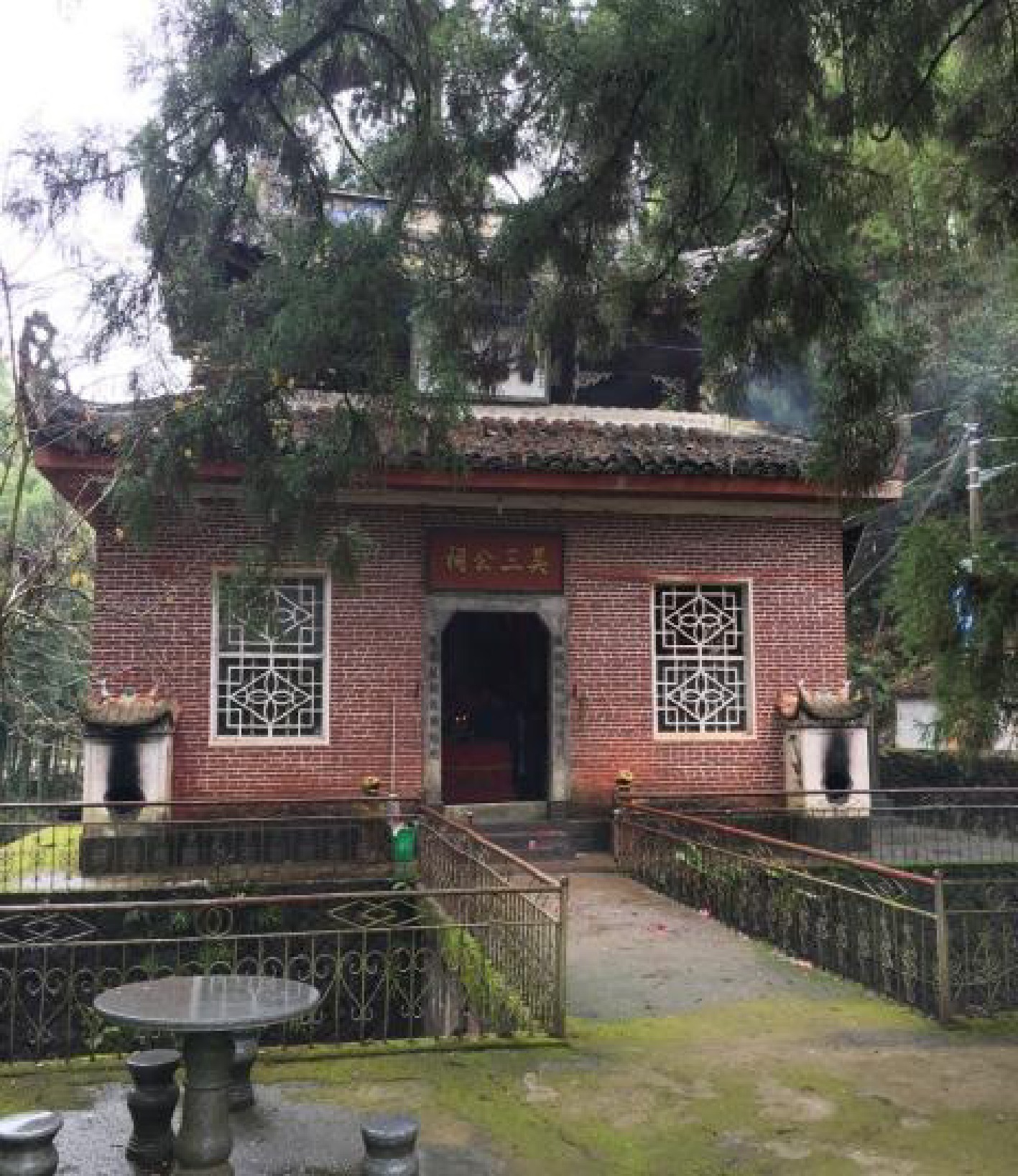
Figure 1.
Wusan Gong temple.
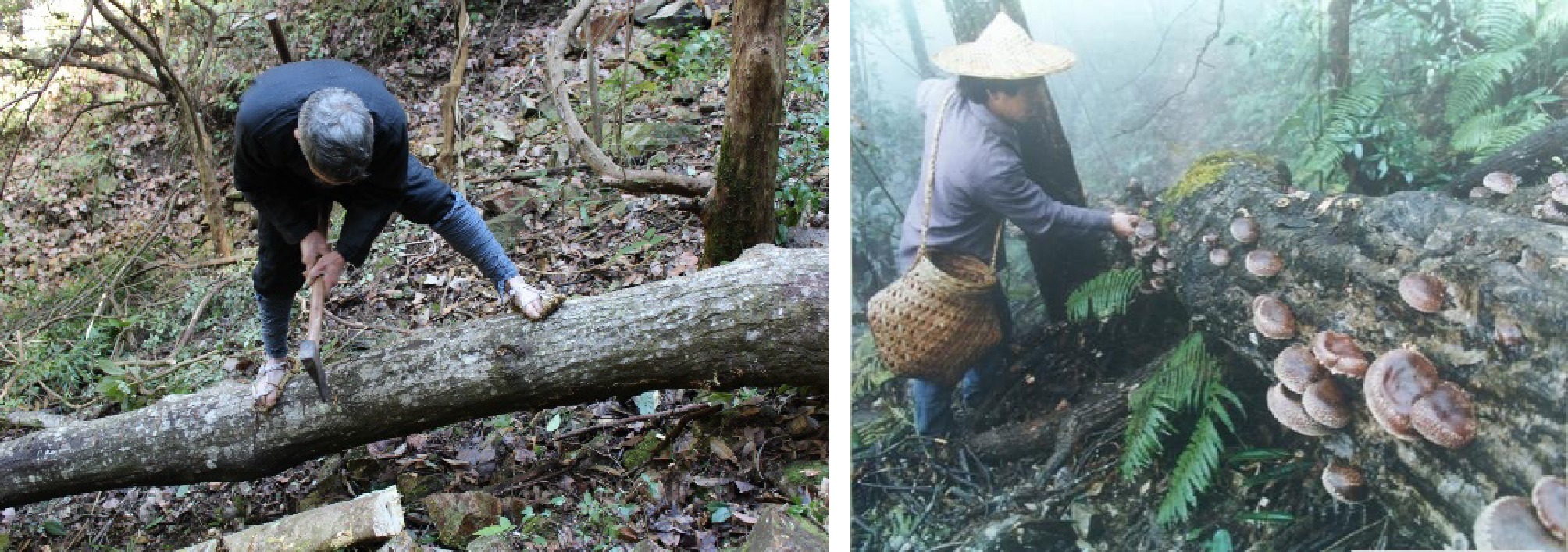
Figure 2.
Log notching technique.
Log inoculation cultivation
-
Since the 1930s, enlightened individuals represented by Pan Zhinong from Fujian and Li Shiyi from Zhejiang began to improve China's mushroom cultivation techniques. Pan Zhinong published The Complete Manual of Artificial Mushroom Cultivation in Four Seasons and Latest Experimental Answers to Artificial Mushroom Cultivation Questions, whereas Li Shiyi released Improved Log Inoculation Techniques for Mushroom Cultivation and strongly advocated the use of Xianggu spore powder for artificial inoculation. The significant development of China's Xianggu cultivation techniques occurred after the establishment of New China. In 1955, Mr. Chen Meipeng, the first director of the Edible Fungi Research Institute, Shanghai Academy of Agricultural Sciences (then known as the Shanghai Agricultural Experiment Station), led his team in systematic research on edible fungi. In 1956, they obtained pure culture of Agaricus bisporus mushroom strains, and in 1958, they officially produced pure culture of Xianggu using wood chips. Training workshops were held nationwide to widely disseminate the new log inoculation cultivation technique for Xianggu, which quickly gained popularity across the country[11] (Fig. 3). In the winter of 1959, Mr. Meipeng Chen, on behalf of the Shanghai Agricultural Experiment Station, collaborated with the Longquan County Edible Fungi Experimental Field in Zhejiang Province to conduct comparative experiments of Xianggu yield on 27 broadleaf tree species. In the mid-1960s, Mr. Kuanhua Luo from the Guangdong Institute of Microbiology and others screened Xianggu strains and optimized production strains, indicating that the log inoculation cultivation technique had become highly mature[6]. The log inoculation cultivation method represents the second milestone in the history of mushroom cultivation, transforming the practice from a semiartificial to a fully artificial method, resulting in higher and more stable yields.
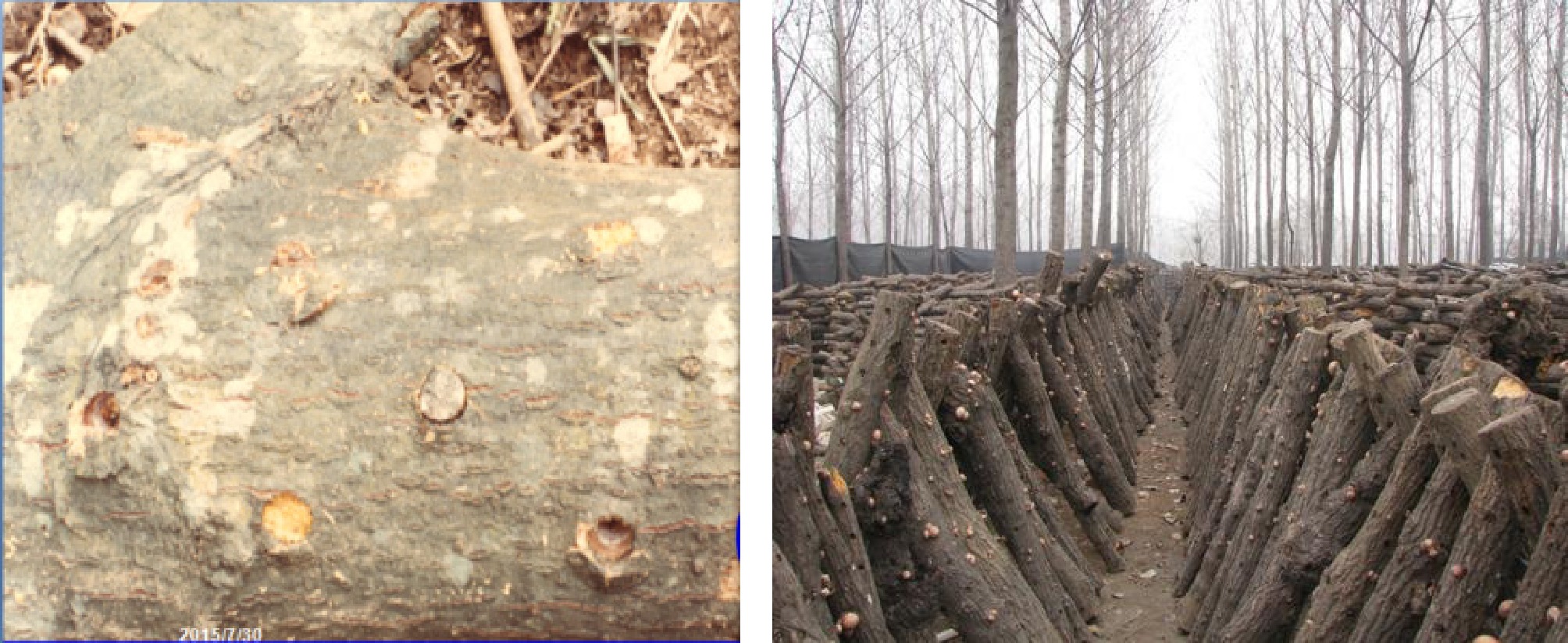
Figure 3.
Log inoculation cultivation.
Sawdust inoculation cultivation
-
In 1957, Mr. Chen Meipeng began researching sawdust inoculation of Xianggu. The cultivation experiment achieved success in 1960, with the Xianggu variety yielding up to 6 kg per m2. In 1974, Shanghai Grain and Oil Import and Export Company introduced five Xianggu strains from Japan through diplomatic channels. Scientists including He Yuansu from the Edible Fungi Research Institute of Shanghai Academy of Agricultural Sciences conducted Xianggu cultivation experiments using logs and sawdust, finding the 7402 strain to be suitable for sawdust cultivation. They established a comprehensive substitute cultivation technology model encompassing optimal strain selection, compatible substrates, sterile inoculation, facility incubation, block formation, and indoor Xianggu management (Fig. 4). This innovation enabled large-scale cultivation under controlled conditions. After being promoted in Jiading District, Shanghai in the late 1970s, the area became a national hub for sawdust-based Xianggu cultivation, attracting peers nationwide for technical exchanges. The sawdust substitution approach maximizes the utilization of marginal materials like branches and twigs, significantly reducing timber consumption. It not only expanded the raw material sources but also broadened production regions, creating new cultivation pathways for forest-deficient areas. This breakthrough rapidly extended China's Xianggu production from mountainous areas to the plains, laying a solid foundation for establishing the country as a global Xianggu production powerhouse. This marks the third major leap in the history of Xianggu cultivation.
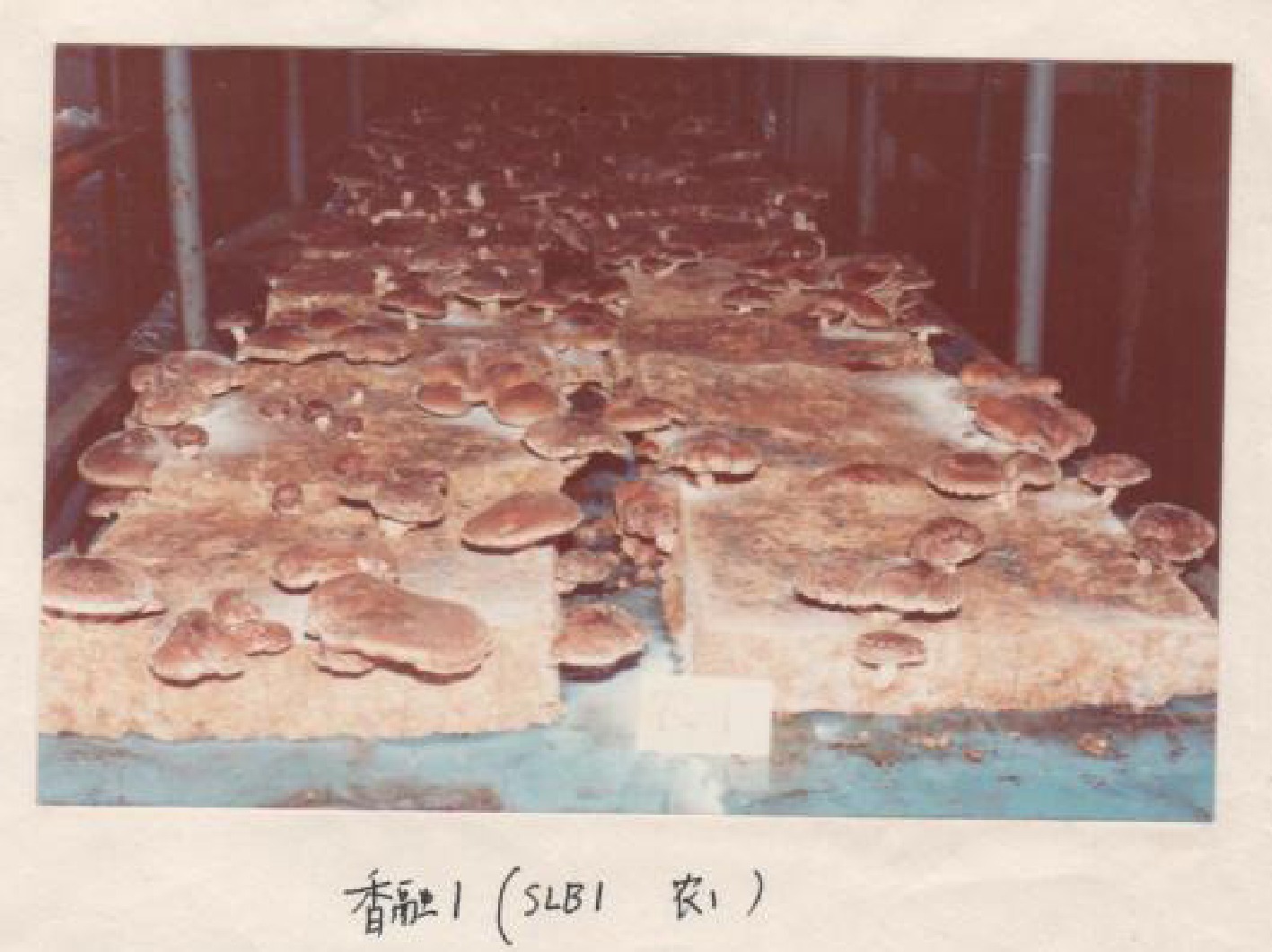
Figure 4.
Sawdust cultivation in block formation.
With social progress, industrial development, and the widespread use of plastic products, Peng Zhaowang from Gutian County, Fujian Province, in the 1980s, inspired by the cultivation model of Tremella fuciformis, improved the block formation cultivation method for Xianggu and invented a field cultivation technique for Xianggu based on artificial logs. Additionally, the Fujian Sanming Fungal Research Institute selected and bred excellent Xianggu strains of the Cr series using hybridization methods. With support from the government at all levels, this innovation spread rapidly across the country like a fire, and within just a few years, sawdust-based artificial log cultivation of Xianggu replaced log cultivation. The 1980s marked the spring of China's mushroom industry's development. Numerous scientific and technical personnel played a crucial role in providing technical support for the industry's growth. They went to the grassroots level, teaching mushroom farmers hands-on techniques related to mushroom spawn production, culture medium preparation, bagging (or bottling), sterilization, inoculation, incubating, cultivation, and post-harvest management, enabling farmers to quickly master alternative cultivation techniques for Xianggu and other mushrooms. Meanwhile, through continuous refinement of cultivation techniques and selective breeding of new Xianggu varieties suitable for different regions, China's Xianggu production and quality significantly improved. In 1990, China's Xianggu production surpassed Japan's for the first time.
After over four decades of development, Xianggu cultivation in China has adopted sawdust-based artificial log methods, with only a small portion remaining in log cultivation. Regional producers have developed localized cultivation models suited to their environmental conditions, including ground-based (semi-underground) inclined cultivation (Fig. 5), layered rack cultivation (Fig. 6) and soil-covered methods (Fig. 7). Researchers have identified diverse Xianggu strains suitable for seasonal cultivation, encompassing high-temperature, low-temperature, medium- to low-temperature, and medium- to high-temperature varieties, as well as long-aging and short-aging strains with distinct growth cycles. The quality of Xianggu continues to improve, with extended fruiting seasons and expanding markets for fresh and dried products. These advancements have established Xianggu as China's most widely cultivated edible fungi, boasting the highest total production volume and economic benefits, with China ranking as the world's top producer of edible mushrooms.
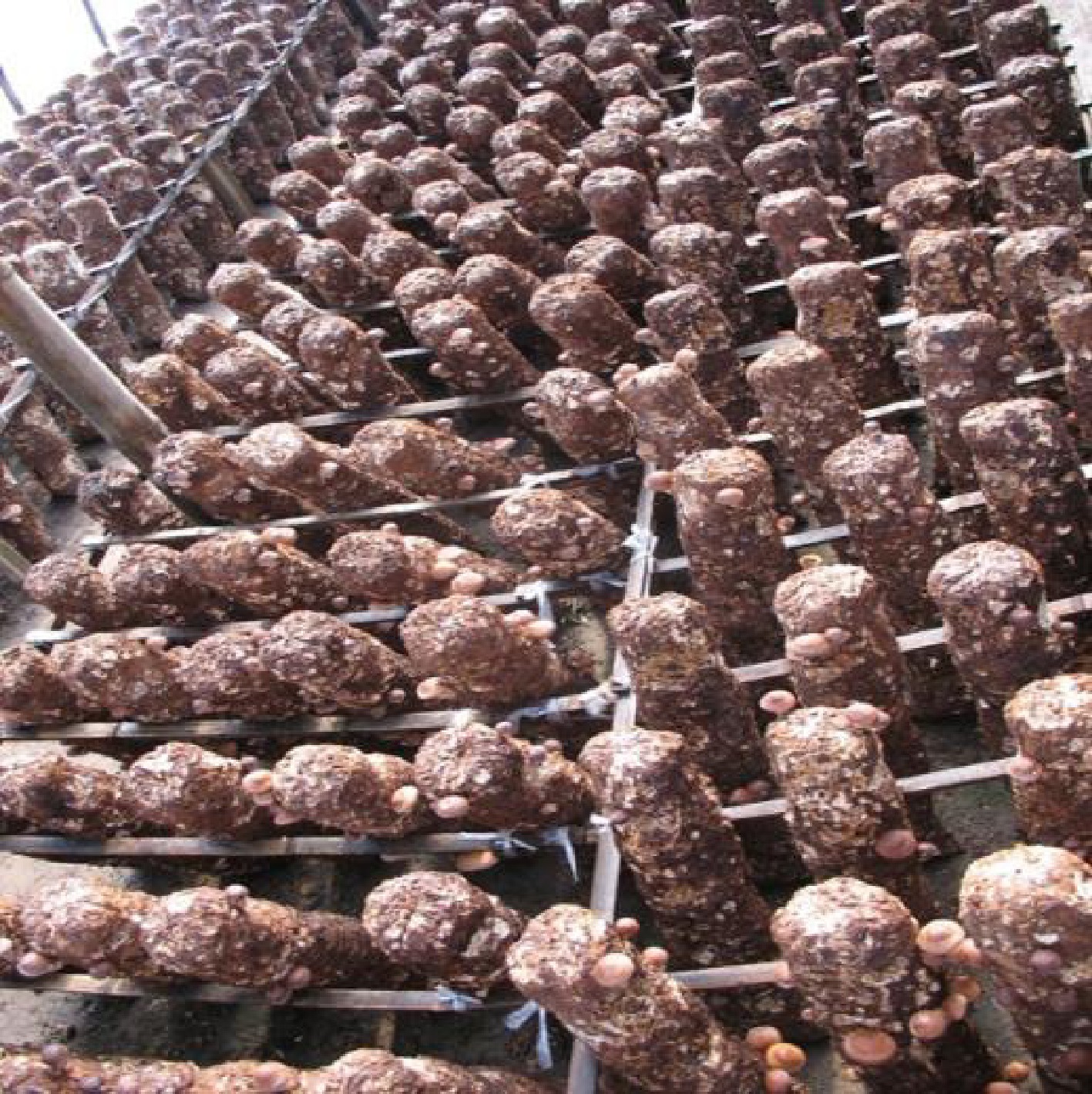
Figure 5.
Ground-based inclined cultivation.
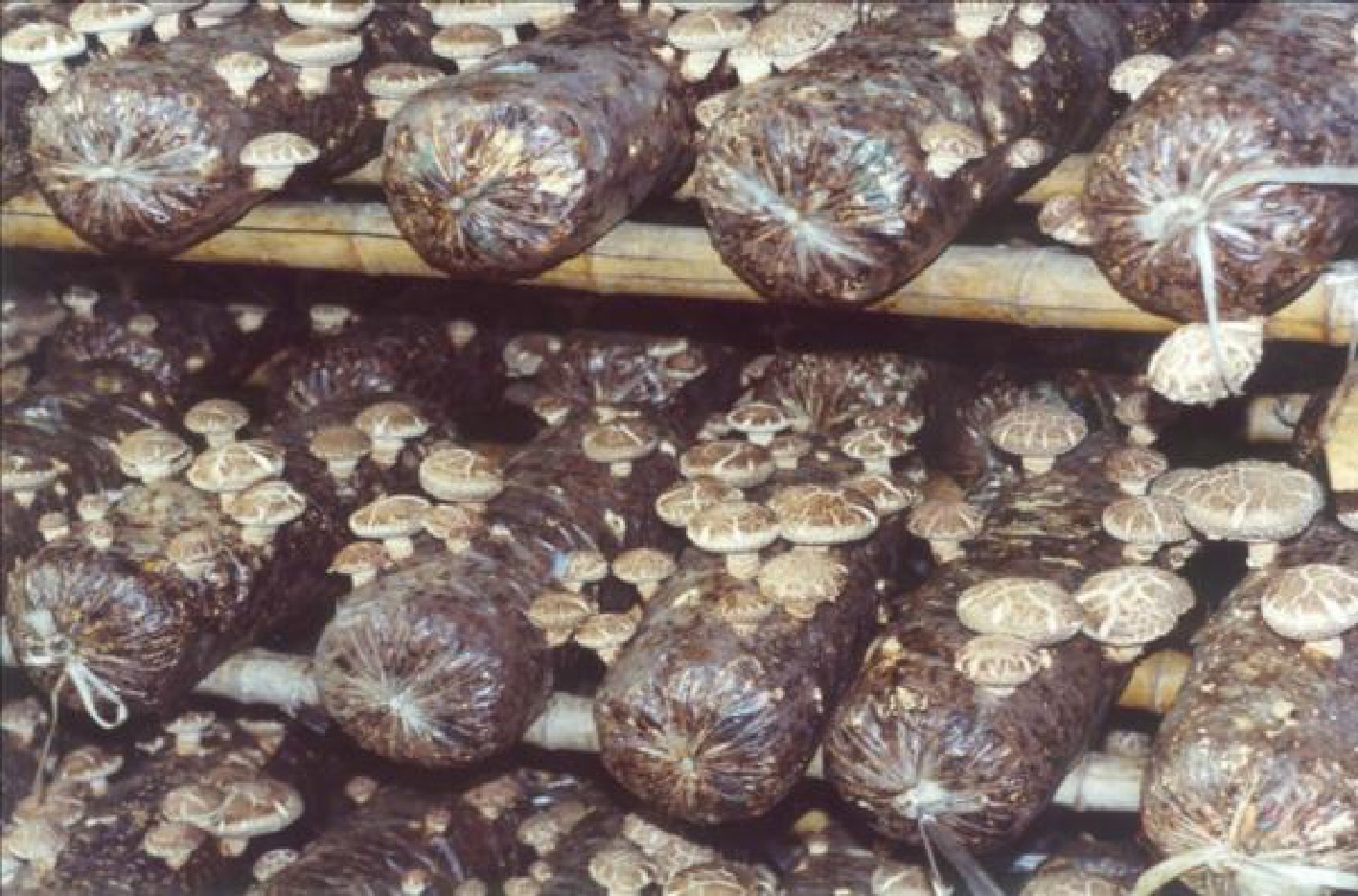
Figure 6.
Layered rack cultivation.
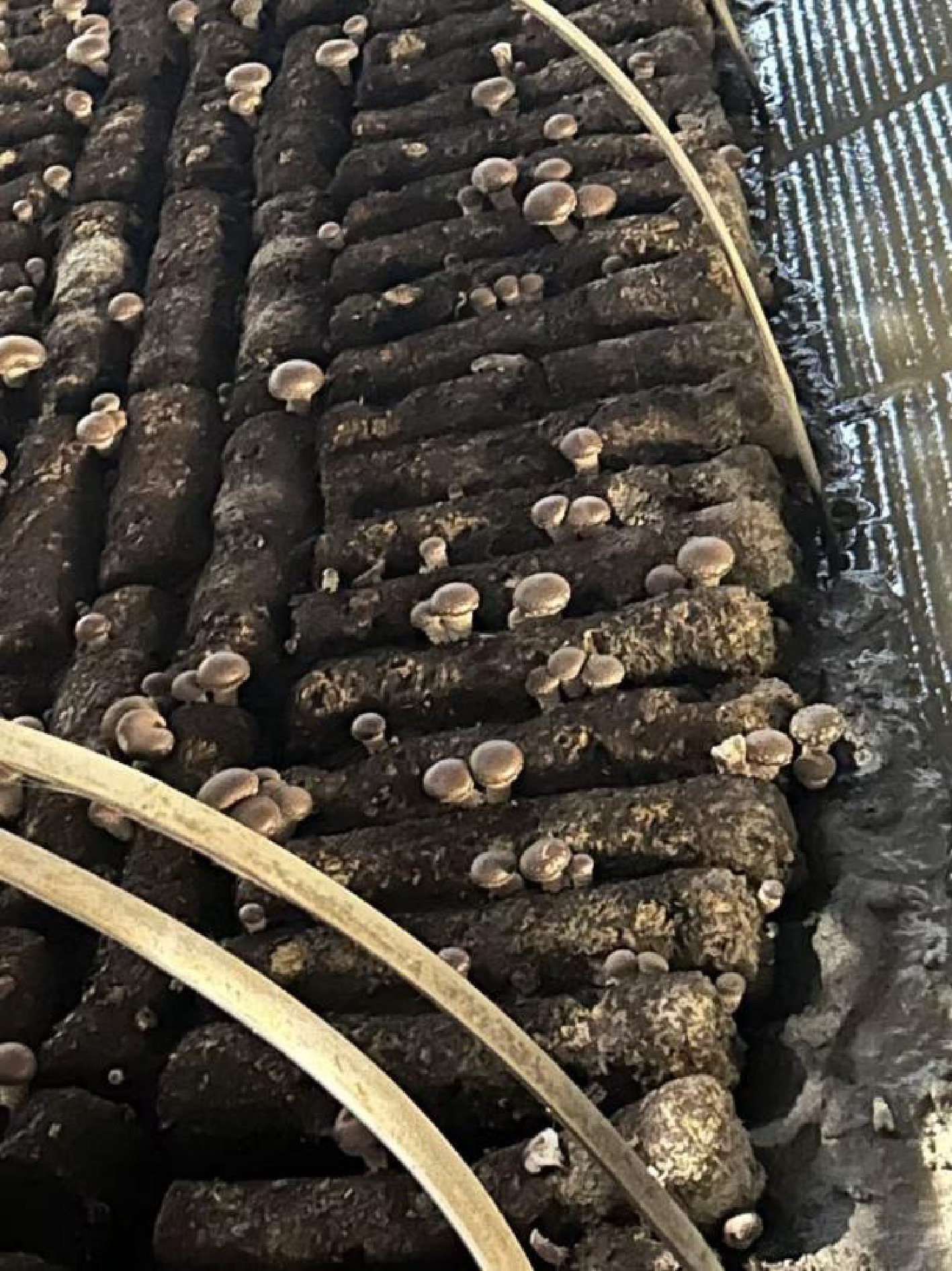
Figure 7.
Soil-covered methods.
-
Xianggu have far surpassed button mushrooms to become the world's most popular edible mushroom variety. Statistical data show that in 2013, the proportion of Xianggu within global edible mushrooms reached 22%, and research by Indian scholars, using 2018–2019 data, further confirmed this position[3,12]. As the world's largest producer of Xianggu, China's output share rose from a minor position in 1980 to over 90% in 2013, consistently leading the global industry[3]. In 2024, China's total edible mushroom production reached 44.199 million tons, with Xianggu output at 13.0928 million tons, accounting for 29.6%. Since surpassing oyster mushrooms in 2012, it has remained the top edible mushroom variety in China for 13 consecutive years[13]. Although the proportion of Xianggu decreased from 31.3% to 29.6% between 2021 and 2024, production continued to grow, reflecting the trend of diversification in the edible mushroom industry.
Production seasons and regions continue to expand
-
China's Xianggu production has shifted from traditional southern production areas to a coordinated layout across the north and south. Summer Xianggu production areas mainly include Hebei, Liaoning, and Gansu, whereas the winter Xianggu production areas are primarily in Henan, Fujian, Hubei, Shaanxi, and Zhejiang, basically achieving a year-round supply to major and medium-sized cities. According to statistics from the China Edible Fungi Association (Fig. 8), Henan Province ranked first in China in Xianggu production in 2024 with 4.4451 million tons, accounting for a significantly higher proportion of the national total compared with other provinces, demonstrating a clear advantage. Hebei Province and Fujian Province ranked second and third, respectively, with production volumes of 1.9048 million tons and 1.2856 million tons.
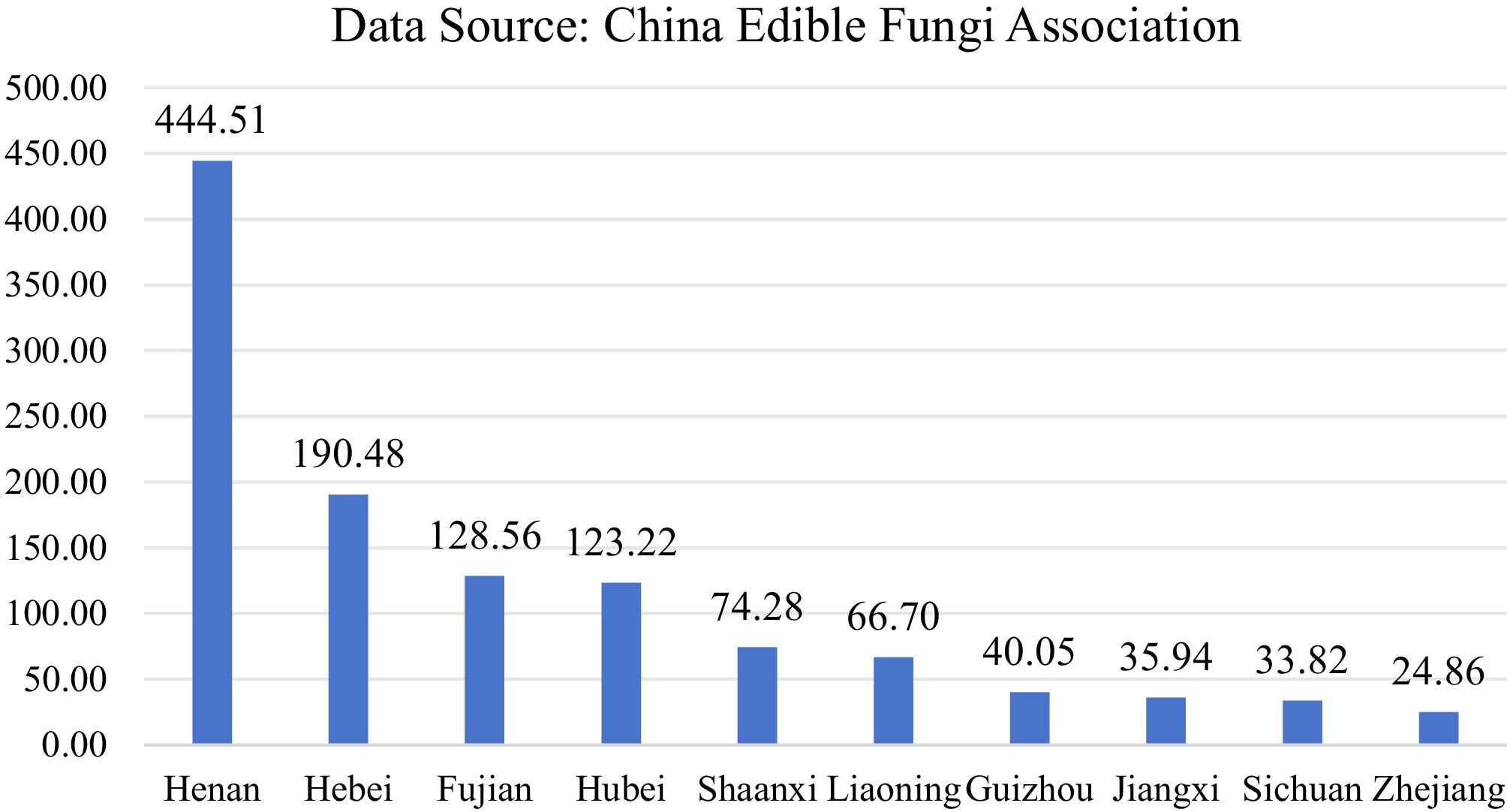
Figure 8.
Top 10 provinces by Lentinla edodes yield in 2024 (unit: 10,000 tons).
Overall, the main production areas of Xianggu are concentrated in central China, North China, and Southwest China. Summer cultivation primarily occurs in Pingquan, Hebei; Xiuyan, Yingkou, and Dandong in Liaoning; Longnan and Tianshui in Gansu; Lingbao and Songxian in Henan; and Yan'an in Shaanxi. Winter cultivation mainly takes place in Xixia and Lushi in Henan; Zunhua in Hebei; Gutian in Fujian; Suizhou and Shiyan in Hubei; Anshan and Haicheng in Liaoning; Hanzhong in Shaanxi; and Qingyuan in Zhejiang.
Policy support drives rapid industrial growth
-
Since China's reform and opening up, the edible mushroom industry has grown from 57,000 tons in 1978 to 44.199 million tons in 2024, indicating how development has leapfrogged from a niche sideline activity to a pillar agricultural industry, with policy support serving as a key driving force. Since 2015, the national government has consistently prioritized the edible mushroom sector, advancing policy frameworks aligned with the "Big Agriculture, Big Food Vision". For example, the 2016 Central Document No. 1 emphasized "establishing a comprehensive food perspective" as being crucial for optimizing agricultural production structures and regional layouts[14]; the 2017 Central Rural Work Conference further stressed "harnessing calories and proteins from plants, animals, and microorganisms"[15], with the same year's Central Document No. 1 designating edible mushrooms as a "advantageous specialty industry" for vigorous development. The 2019 Guidelines on Promoting the Stable Development of Edible Mushroom Industries in Impoverished Areas mandated concrete measures to ensure sustainable growth in these regions[16]; the 2022 Central Rural Work Conference reiterated the need to adopt a holistic food perspective, aligning with evolving dietary patterns to meet public health needs[17]. In 2023's "Vegetable Basket" supply strategy, edible mushrooms were categorized as essential commodities alongside oil, meat, eggs, dairy, fruits, and vegetables, reinforcing their strategic supply role. In 2024, the General Office of the State Council issued the "Opinions on Practicing the Comprehensive Food Concept and Building a Diversified Food Supply System," proposing to "develop and expand the edible mushroom industry and develop mushroom-based foods." The 2025 Central Document No. 1 emphasized "enhancing the quality and efficiency of the edible mushroom industry." The same year, the Communist Party of China (CPC) Central Committee and the State Council released the "Plan for Accelerating the Construction of an Agricultural Power (2024–2035)," which further outlined strategies to develop biotechnology and bio-industries, strengthen the edible mushroom sector, and promote the industrialization of synthetic biology. From prioritizing Xianggu as a key supported crop in targeted poverty alleviation efforts to the explicit call in the Central Document No. 1 to "improve the quality and efficiency of the edible mushroom industry," policy guidance has provided robust support for industrial development.
Technological advancements drive industrial transformation and upgrades
-
(1) The development of biotechnology has provided robust support for innovation in edible mushroom varieties[18]. Techniques such as genomics, molecular marker-assisted breeding, and gene editing have significantly enhanced breeding precision and efficiency, accelerating the selection of high-yield and high-quality new varieties. Since Xianggu was included in the "List of Protected Agricultural Plant Varieties of the People's Republic of China (10th Batch)" in 2016, 27 varieties have obtained variety rights authorization as of April 2024[19].
(2) The synergy between manufacturing development and technological innovation forms the cornerstone for the transformation and upgrading of the Xianggu industry. The adoption of automated artificial log production lines, liquid culture cultivation technologies, inoculation equipment, logistics systems, and intelligent environmental control devices has propelled the industry's transition toward standardization, intelligence, and efficiency. With industrial advancement, Xianggu production facilities have undergone continuous upgrades. Artificial log manufacturing equipment has evolved from manual bagging in the 1980s and semiautomatic bagging machines in the 1990s to fully automated systems at present, achieving productivity improvements from 120 bags/h per four workers to 600–800 bags/h per single operator (double-layer bagging) or 1,200 bags/h per operator (single-layer bagging) (Fig. 9). Sterilization processes have progressed from traditional atmospheric sterilization (requiring 3 days and nights) to autoclave sterilization (7 hours) (Fig. 10), significantly enhancing efficiency while reducing the safety risks. Breakthroughs in liquid culture preparation techniques combined with automated inoculation equipment have shortened spawn preparation cycles from approximately 100 days for solid cultures to just 25 days, cutting production costs by 52% and maintaining contamination rates below 0.5%. Grid-frame artificial log cultivation systems triple the density of conventional stacking methods (Fig. 11), markedly improving consistency and stability in large-scale artificial log cultivation. Automated logistics systems enable automated artificial log loading/unloading and perforation, not only reducing the transportation time but also substantially lowering labor costs (Fig. 12). Advancements in equipment and technology have simultaneously improved both the premium yield rate and production volume of Xianggu. For instance, the artificial log-grown Xianggu (variety 'Hu Xiang F6') produced by Henan Jinhai Biotechnology Co., Ltd. can achieve a single log yield of 1,100 g (wet material: 2.9 kg per log)[20], representing a significant breakthrough compared with the sub-750 g yield recorded in the 1990s.
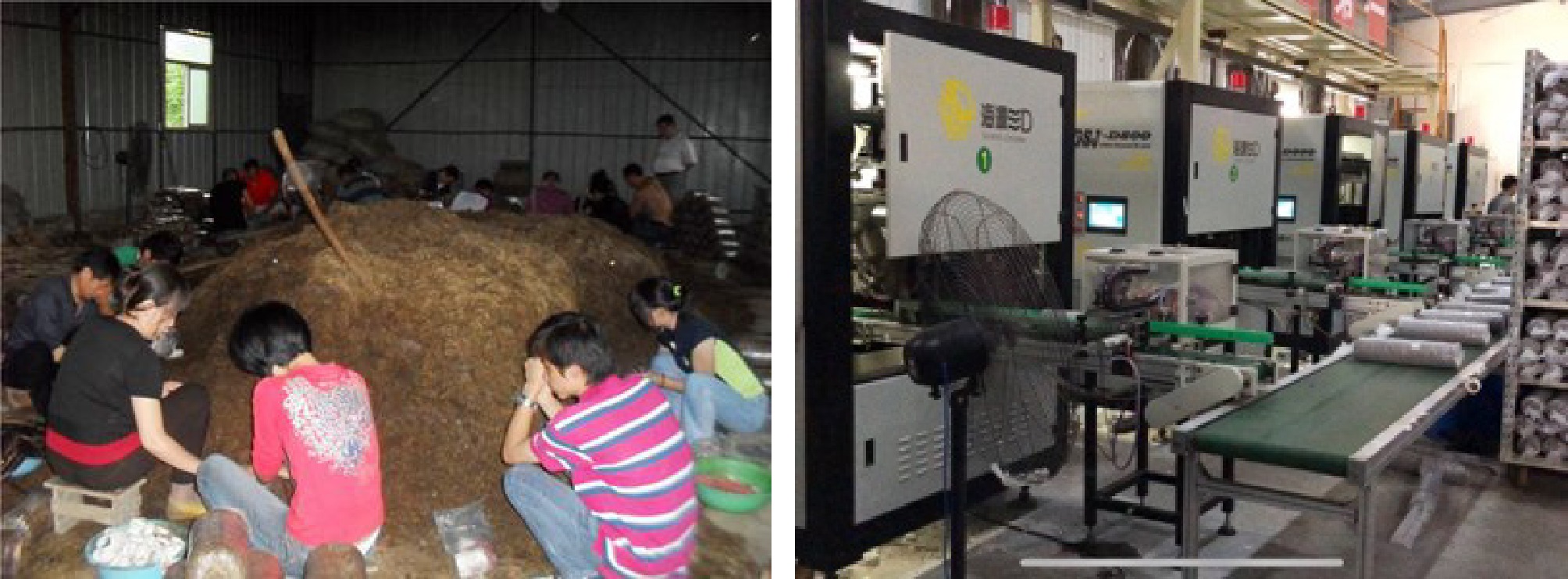
Figure 9.
Manual bagging and automatic bagging machines.
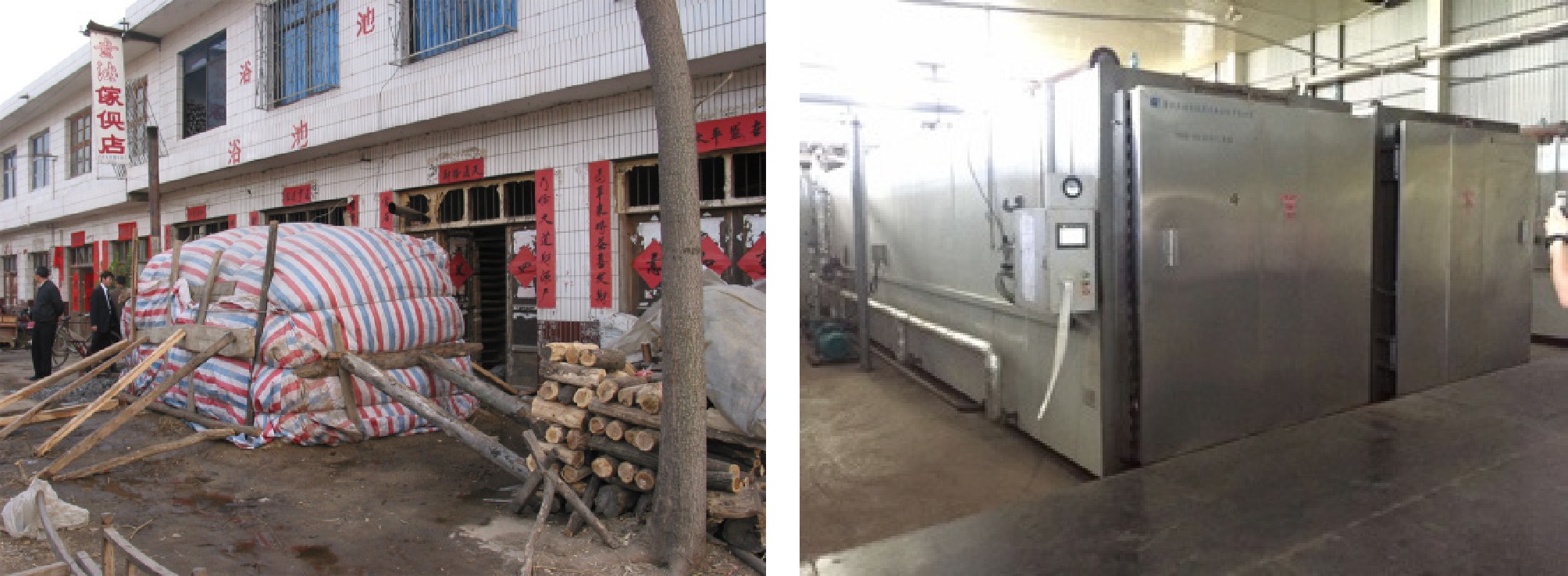
Figure 10.
Traditional atmospheric sterilization and autoclave sterilization.
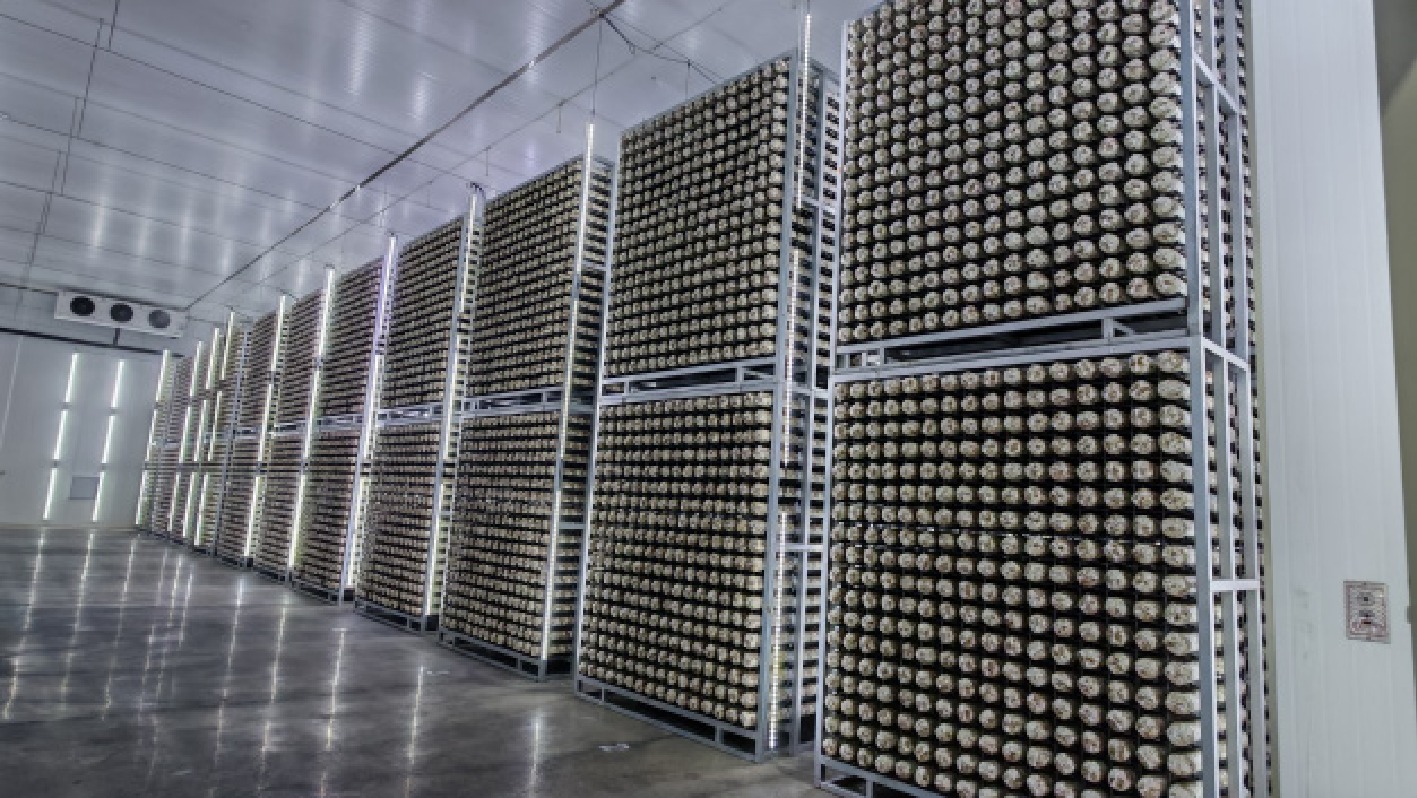
Figure 11.
Grid-frame artificial log cultivation systems.
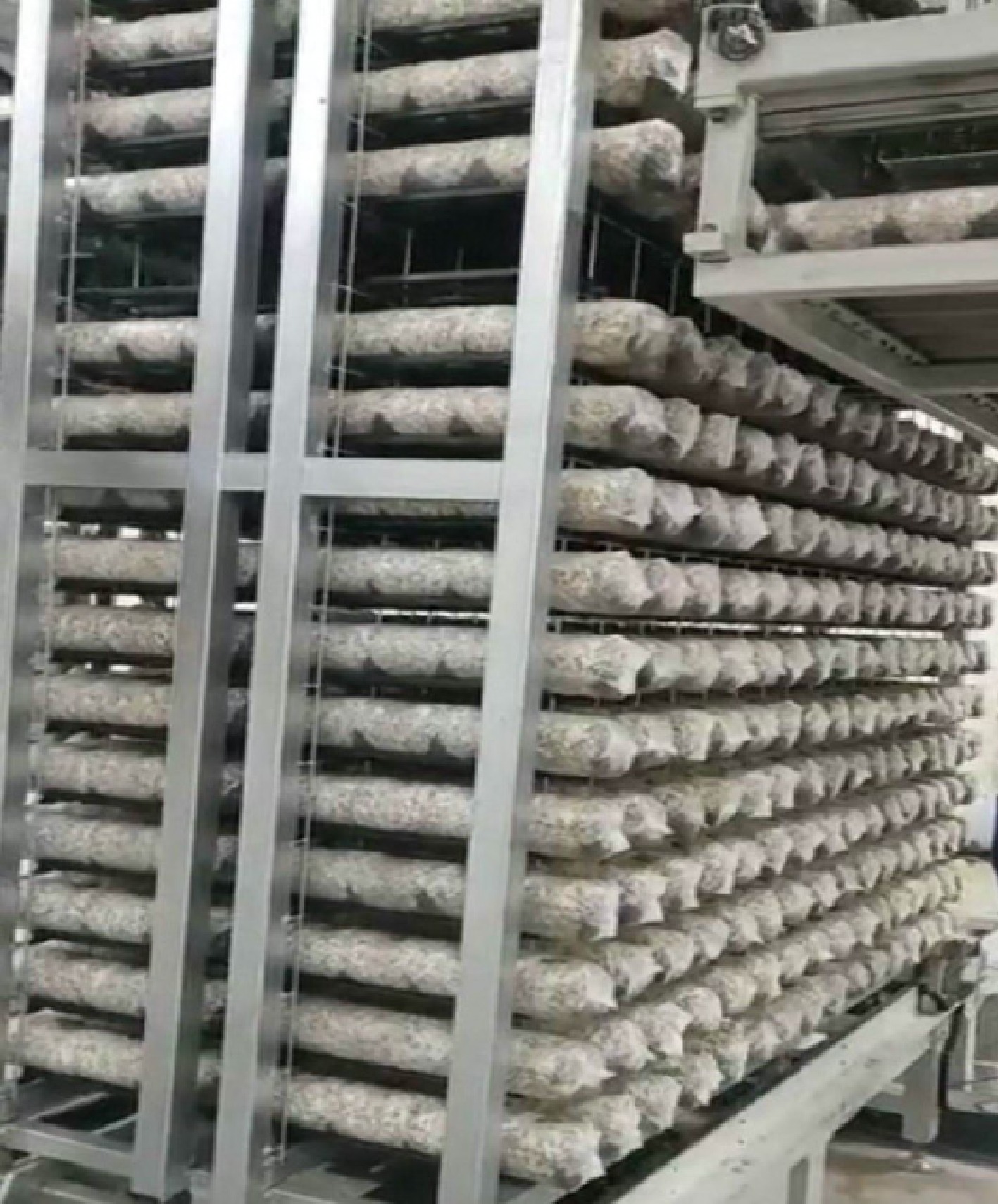
Figure 12.
Automated logistics systems.
The advancement of technology and equipment has driven the gradual replacement of traditional family-based small-scale workshops with a model of centralized artificial log-based production and decentralized Xianggu cultivation, establishing it as the mainstream industrial development approach. Under this model, enterprises centrally handle the core processes including spawn preparation, sterilization, inoculation, and incubation, whereas farmers focus solely on managing the artificial logs and harvesting, achieving an organic integration of scaled production and decentralized operations. The traditional workshop-style artificial log-based production model is characterized by decentralized practices and empirical approaches. It was prone to errors in the culture medium's formulation, uncontrollable spawn quality, limited adoption of advanced technologies and equipment, time-consuming labor-intensive processes, multiple risk points, and low yield rates. Although centralized artificial log-based production requires higher technical expertise and initial investment, its scale and standardization enable efficiency upgrades, such as precise control over the culture medium's quality, guaranteed spawn quality through professional spawn suppliers, the integration of advanced technologies (e.g., autoclaving, liquid spawn), and automated equipment—all of which reduce manual labor intensity while significantly enhancing production efficiency (with daily output capacity reaching 60,000 artificial logs), yield rates, and per-unit productivity.
Social development drives expansion of the industrial chain
-
With China's sustained socioeconomic development, rising household incomes, upgraded consumption patterns, and heightened health awareness, the Xianggu industry chain has evolved from single production stages to comprehensive, high-value-added operations. Key developments include the following: (1) Products have diversifiedfrom traditional fresh sales and dried products to ready-to-eat foods (e.g., Xianggu chips, vegetarian meat substitutes), condiments (e.g., Xianggu sauce, Xianggu extract), health supplements, cosmetic ingredients, and pharmaceuticals (e.g., Xianggu polysaccharides for injections)[21]. (2) Local governments leverage the industry as a vital agricultural driver, integrating it with rural tourism, science education, and e-commerce platforms to create innovative models like "edible fungi + cultural tourism" and "edible fungi + wellness services," achieving deep integration across the primary, secondary, and tertiary sectors[22]. (3) Green development concepts foster ecological circular chains. For instance, Shandong Qihé Biotechnology Co., Ltd. produces artificial logs for Xianggu using apple (Malus domestica) wood, whereas Shandong Yuyuan Biotechnology Co., Ltd. utilizes peach (Prunus persica) wood for producing artificial logs, establishing a closed-loop system of agricultural waste → artificial logs for Xianggu → organic fertilizer → forest/field applications, creating new environmental protection and circular economy components.
-
China's Xianggu production surged from 390,000 tons in 1990 to 13.09 million tons in 2024, with rapid scale expansion leading to overcapacity issues (Fig. 13). Some regions lacked scientific planning and blindly followed trends to build greenhouses, resulting in market supply far exceeding demand and continuously declining economic benefits, which affected the healthy development of the industry.
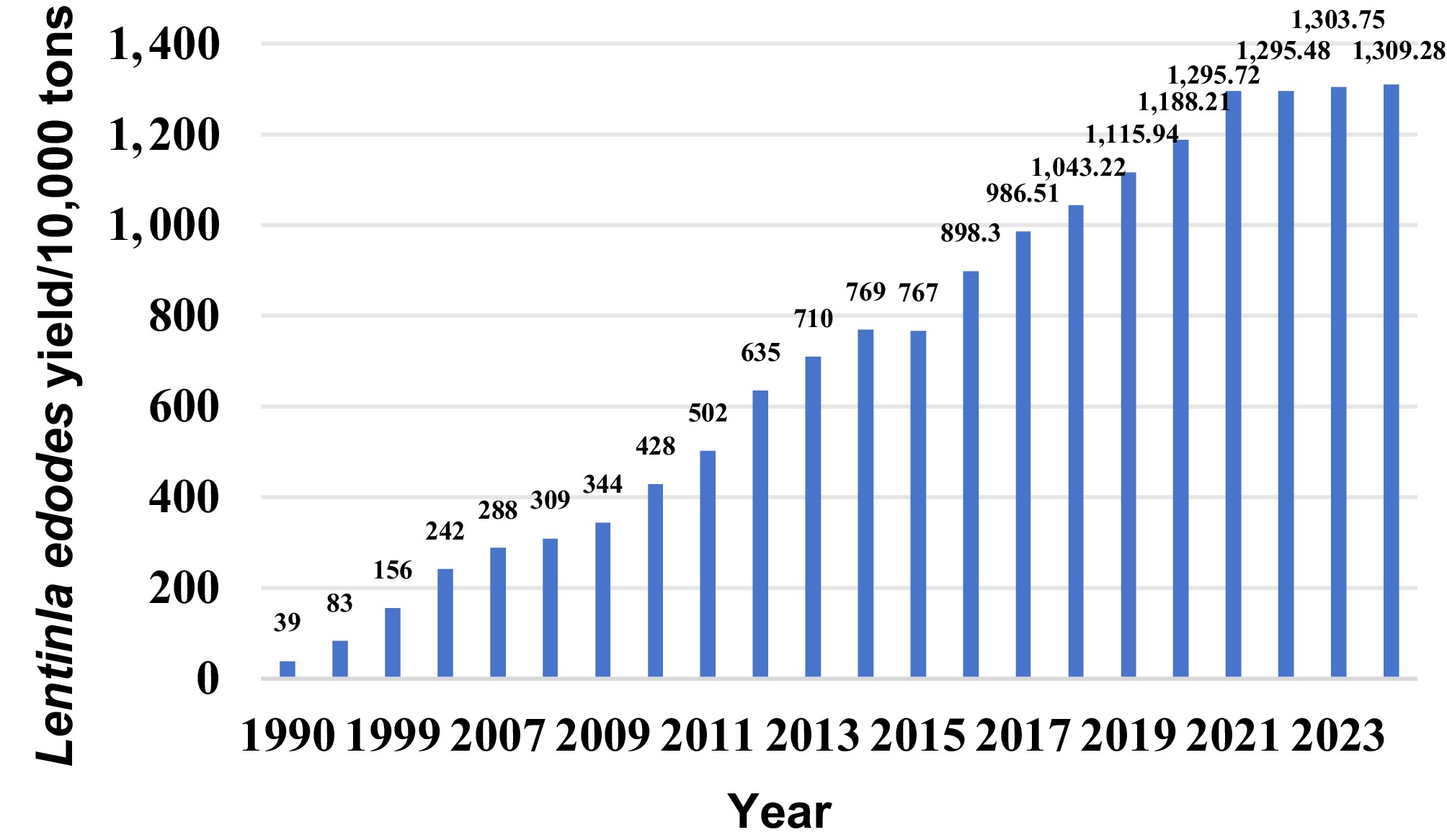
Figure 13.
Annual yield of Lentinla edodes in China.
Insufficient awareness of technical requirements and uneven production management levels
-
Compared with traditional crops like rice (Oryza sativa) and wheat (Triticum aestivum), research into edible mushroom cultivation has only a century-long history, with relatively limited technical expertise having accumulated and widespread public understanding of its technical requirements remaining insufficient. Some investors mistakenly believe that Xianggu cultivation simply requires "building greenhouses," lacking systematic knowledge about strain characteristics, cultivation conditions, and management techniques. Blindly introducing strains or replicating management models without considering the local climate conditions remains prevalent. This technological oversight has led to operational failures at newly established cultivation bases and has damaged the industry's reputation.
Weak intellectual property protection awareness and unregulated variety introduction hinder the industry's development
-
The Xianggu industry exhibits a pronounced phenomenon of an overemphasis on variety introduction while neglecting protection. Some practitioners use authorized varieties without proper authorization, infringing on the intellectual property rights of breeding entities (individuals) and failing to fully utilize superior traits because of inadequate supporting technologies. For instance, cultivating the 'Qihe No. 9' variety using management methods for '0912' has caused production issues. Blind variety introduction can lead to production instability, negatively impacting yield, product quality, and economic returns, while accelerating degeneration of the varieties.
Slow progress in transformation and upgrades
-
Despite the widespread adoption of themodel of centralized production of artificial logs and decentralized Xianggu cultivation, the overall industrial transformation and upgrading progress remains sluggish. According to statistics from the Edible Fungi Business Network, as of the end of 2024, China had 2,271 artificial log (bag) mushroom production factories with an annual production capacity exceeding 100,000 bags, primarily producing varieties such as Xianggu, wood ears, oyster mushrooms, deer antler mushrooms, and golden ear mushrooms. Among these, 1,039 factories had an annual output above 100,000 bags, 175 exceeded 1 million bags, and 36 surpassed 5 million bags. However, only 20 enterprises achieved fully automated factory production, with annual output exceeding 10 million bags, whereas most actual production volumes fell short of the designed capacity.
Industrial chain extension requires further strengthening
-
Although certain achievements have been made in extending the industrial chain, they remain far from sufficient. In terms of product types, the proportion of highly processed products is low, and the value enhancement pathways from agricultural products to functional foods, health supplements, and pharmaceuticals have yet to be fully established, requiring coordinated advancement.
-
The national government should formulate industrial development plans to guide regions in shifting from quantity-based competition to quality- and efficiency-based competition, avoiding reckless expansion. Major production areas are encouraged to strategically allocate their production capacity according to local resource endowments and market demands, promoting a development model characterized by small-scale specialization and strong competitiveness. For instance, Hubei Chengyou (Yunxi) Smart Agricultural Technology Co., Ltd. has demonstrated industry leadership by selecting the locally suitable premium variety 'Shenxiang 1513', reducing production capacity, and implementing meticulous management. This approach enabled the company to achieve higher profitability from 6 million mushroom bags compared with its previous output of 20 million bags, setting a benchmark for sustainable industrial development.
Accelerate transformation and upgrading by adopting the "centralized artificial log production and decentralized Xianggu cultivation" model
-
Transformation and upgrading are the inevitable path to building a strong agricultural country and achieving agricultural and rural modernization, which is the prerequisite for shifting industries from quantitative growth to quality enhancement, and an effective measure to address intensified climate risks and labor shortages. The model of centralized artificial log production and decentralized Xianggu cultivation (factory-based artificial log production, facility-based Xianggu cultivation) is a representative Chinese edible mushroom cultivation model that is particularly suitable for large-scale production of mushrooms such as Xianggu, wood ear, and oyster mushrooms. It will join the industrialized cultivation models such as European and American straw-decay fungi and the full-process industrialized cultivation models of Japanese and Korean wood-decay fungi as the primary production models for edible mushrooms in China in the future. The method of centralized artificial log production and decentralized Xianggu cultivation has been selected as a national key agricultural technology by the Ministry of Agriculture and Rural Affairs for three consecutive years (2023–2025). This technology may reduce production costs by 12%–17%, increase per capita output by four- to fivefold, and enhance single-log yield by 12%, achieving dual improvements in both product quantity and quality. Policy support and technology promotion efforts should be intensified to encourage broader participation from enterprises and farmers.
Emphasizing the construction of technical systems and practicing the concept of industrialized development
-
The advancement of artificial intelligence technology has provided new opportunities for the transformation and upgrading of the edible mushroom industry. Deep integration of industrial thinking with artificial intelligence is expected to drive the industry toward digitalization and intelligence, enhancing production efficiency, quality control, and supply chain coordination. The industrial concept is a set of thinking patterns and methodologies centered on systematicness, standardization, efficiency priority, and continuous improvement. Its essence lies in achieving qualitative changes in productivity and organizational efficiency through structured approaches. In the agricultural sector, this concept manifests as the systematic design of production processes, standardized control of environmental parameters, and resource allocation guided by efficiency. Edible mushrooms are the most suitable agricultural products for industrialized production. The industrialized production technology system used for enoki mushrooms introduced from Japan is based on Japanese varieties. However, directly applying it to domestically bred varieties often leads to mismatches in genetic traits and cultivation parameters, resulting in issues such as inappropriate mushroom growth cycles and reduced product marketability. Given this understanding, China should focus on the breeding of specialized varieties for industrialized Xianggu production, accelerate the establishment of an integrated 'variety–technology–facility' supporting system with independent intellectual property rights, and fundamentally avoid the disconnect between varieties and production models.
Expanding industrial chains to enhance value addition
-
Food security is a national priority. By adopting a holistic food strategy that harnesses calories and proteins from plants, animals, and microorganisms, we must fully leverage the strategic value of edible fungi as premium microbial protein sources[23]. Simultaneously, guided by the "Four Orientations" principle (aiming to be at the forefront of global science and technology, the main economic battlefield, major national needs, and people's health and well-being), we should drive the edible fungus industry chain toward higher value-added, functional, and diversified development. On one hand, modern biotechnology should be applied to develop innovative nutritional products like edible mushroom protein powder and plant-based meat[24], contributing to a diversified food supply system. On the other hand, accelerated expansion into functional foods and pharmaceutical applications is essential to achieve a qualitative leap in the Xianggu mushroom industry—from quantity-driven production to quality-focused development, and from basic processing to high-value end products.
Strengthen brand building and science popularization to expand industrial influence
-
Brand building and science popularization are key pathways to break away from low-value-added and homogeneous competition, achieving industrial upgrades and sustainable development. These are not only crucial for a company's survival but also the inevitable path for the entire industry to transition from "growing well" to "selling well and gaining recognition." For Xianggu to evolve from agricultural products into foods, commodities, and gifts, brand support is essential, and the brand story must be effectively told. However, it is imperative to ensure the products' safety, nutritional value, and consistent taste, as these are the lifelines of brand credibility. The majority of consumers lack sufficient knowledge about the nutritional value of Xianggu (e.g., high protein, low fat, rich in lentinan) and their health benefits (e.g., immune regulation, antioxidant properties). Therefore, science-related popularization efforts are even more critical, not only to inform consumers about the benefits of eating Xianggu but also to teach them how to consume them properly. Particularly for overseas markets that need development, export enterprises can collaborate with research institutions to promote their nutritional efficacy, conveying the scientific value and dietary culture of China's Xianggu, thereby gradually enhancing international recognition and premium pricing power.
-
China's Xianggu industry has developed into the world's largest edible mushroom category, forming a relatively complete production system and technical support system. However, it still faces challenges such as structural overcapacity, slow transformation and upgrading processes, and insufficient high-value extension of the industrial chain. In the future, high-quality industrial development requires the building of a production technology system with industrialized concepts, optimizing production management with digital and intelligent technologies, and expanding high-value-added markets with a global perspective. By pursuing moderate development, technological innovation, functional product development, brand value shaping, and scientific popularization, the industry can shift its development model from scale-driven to quality-driven and upgrade from primary product output to a focus on technology, standards, and health value, achieving a substantive transformation from "big" to "strong" in the Xianggu mushroom industry.
-
Not applicable.
-
The author confirms sole responsibility for all aspect of this study and approved the final version of the manuscript.
-
Data sharing is not applicable to this review as no datasets were generated or analyzed during the current study.
-
The author acknowledges the financial support from the China Agriculture Research System (CARS19) for this study.
-
The author declares that there is no conflict of interest.
- Copyright: © 2026 by the author(s). Published by Maximum Academic Press on behalf of Jilin Agricultural University. This article is an open access article distributed under Creative Commons Attribution License (CC BY 4.0), visit https://creativecommons.org/licenses/by/4.0/.
-
About this article
Cite this article
Tan Q. 2026. China's Xianggu (Lentinula edodes) cultivation techniques and industrial development. Panfungi 1: e010 doi: 10.48130/panfungi-0026-0003 

China's Xianggu (Lentinula edodes) cultivation techniques and industrial development
- Received: 21 April 2026
- Revised: 11 June 2026
- Accepted: 15 June 2026
- Published online: 05 August 2026
Abstract: Xianggu (Lentinula edodes, shiitake) is currently the world's largest edible mushroom in terms of production volume, and China plays a dominant role in its industrial development. This paper elaborates on the cultivation techniques of China's Xianggu and their industrial development history and the progress made in production scale, production seasons and regions, production technologies, and models, as well as industrial chain extension, and points out the main challenges currently faced. In light of global, industrial, and digital development trends, it proposes pathways to promote high-quality development of China's Xianggu mushroom industry through moderate development, technological innovation, functional product development, brand value building, and enhanced scientific popularization.