












-
The global population is projected to reach 9.9 billion by 2050, thereby amplifying the need for food systems that ensure food security, circularity, and sustainability. This pressure has promoted a preference for minimally processed foods, which are considered fresher, more nutritious, and more sustainable[1]. However, minimal processing approaches like washing, peeling, and modified atmosphere packaging (MAP) can extend shelf life only to a certain limit; they remain inadequate to significantly reduce food losses, especially in highly perishable produce[2]. As a result, reducing post-harvest losses has emerged as a major worldwide challenge, notably for horticultural commodities. The Food and Agriculture Organization (FAO) estimates that nearly 33% of total food produced globally is lost to post-harvest damage, with 44% of this deterioration occurring in developed nations and about 40% in developing countries[3]. The State of Food and Agriculture 2019 (SOFA 2019) also highlighted that fruits and vegetables account for the second-highest fraction of food loss and waste, at approximately 22%, primarily because of their highly perishable nature. In India, post-harvest losses in the horticultural sector amount to nearly Rs. 1.5 trillion per year, roughly equivalent to about 2.35% of the national gross domestic product (GDP)[4]. Among horticultural commodities, vegetables account for the largest share, representing about 59%–61% of total production over the last 5 years[5]. Vegetable intake is strongly linked with better health outcomes and lowered risks of chronic diseases such as cardiovascular disorders, cancer, and neurodegenerative conditions[3]. Among these, tomato (Solanum lycopersicum) holds particular significance because of its nutritional richness, strong market demand, and commercial value. Tomatoes rank second among the most widely grown vegetables after potatoes (Solanum tuberosum) and are widely consumed in both raw and processed forms. In India alone, yearly tomato losses are estimated at Rs. 25,000–30,000 crores, primarily owing to their perishable nature and inadequate cold storage facilities[4]. Tomatoes are abundant in bioactive phytochemicals, including Vitamins A and C, minerals, and carotenoids such as β-carotene, lycopene, zeaxanthin, and β-cryptoxanthin[6]. They are grown across diverse agro-climatic zones in India, occupying approximately 852.54 thousand hectares, yielding around 21,548.78 metric tonnes in a year. However, as climacteric fruits, tomatoes exhibit a limited storage life of only 5–7 days at room temperature and 2–3 weeks under refrigerated conditions[7]. Post-harvest tomato losses are estimated to range from 30% to 50%, corresponding to nearly 6.3 million tons out of nearly 182 million tons produced per year[7−8]. These losses arise during harvesting, transport, and storage stages as a result of mechanical damage caused by improper handling and poor roads, pest infestation, and insufficient preservation practices[9]. Inappropriate harvesting phases also intensify deterioration; harvesting at immature stages results in uneven ripening, chilling damage, and shriveling, whereas overmature fruits are highly vulnerable to microbial damage. Other contributing factors include the lack of pre-storage treatments, improper post-harvest handling, inadequate packaging, physiological spoilage, and insufficient storage systems[10]. Among these, physiological spoilage is induced by oxidative reactions and pose a major constraint in the post-harvest supply chain. Enzymatic browning, lipid peroxidation, and moisture loss adversely affect the texture, visual appeal and overall quality of the product. Tomatoes are especially prone to both lipid and nonlipid oxidation, resulting in nutritional loss and the production of volatile off-flavors such as hexanal, nonanal, and heptanal[11].
Although tomatoes are recognized for their health-promoting compounds such as lycopene, tocopherols, β-carotene, ascorbic acid, flavonoids, and phenolic acids, which are known for their anti-inflammatory properties, genomic protection, suppression of genetic mutations, and cancer-preventive effects[12]. However, these components are highly susceptible to loss because of the short shelf life of tomatoes and the shortcomings of post-harvest handling systems, leading to environmental as well as economic concerns. Tomato spoilage is governed by the interaction of multiple factors, including physical damage, such as cuts, bruises, and microfractures, alongside environmental factors, including temperature fluctuations as explained by the Q10 rule[13], relative humidity (optimal range of 85%–95%)[7], and excessive exposure to light. Furthermore, biochemical degradation occurs because of high respiration rates and enzymatic pectin damage driven by an enzyme, pectin methyl-esterase and polygalacturonase, whereas microbial spoilage is caused by organisms such as Aspergillus niger, Rhizopus stolonifera, Botrytis cinerea, Alternaria alternata, and Colletotrichum phomoides. These factors are schematically demonstrated in Fig. 1.
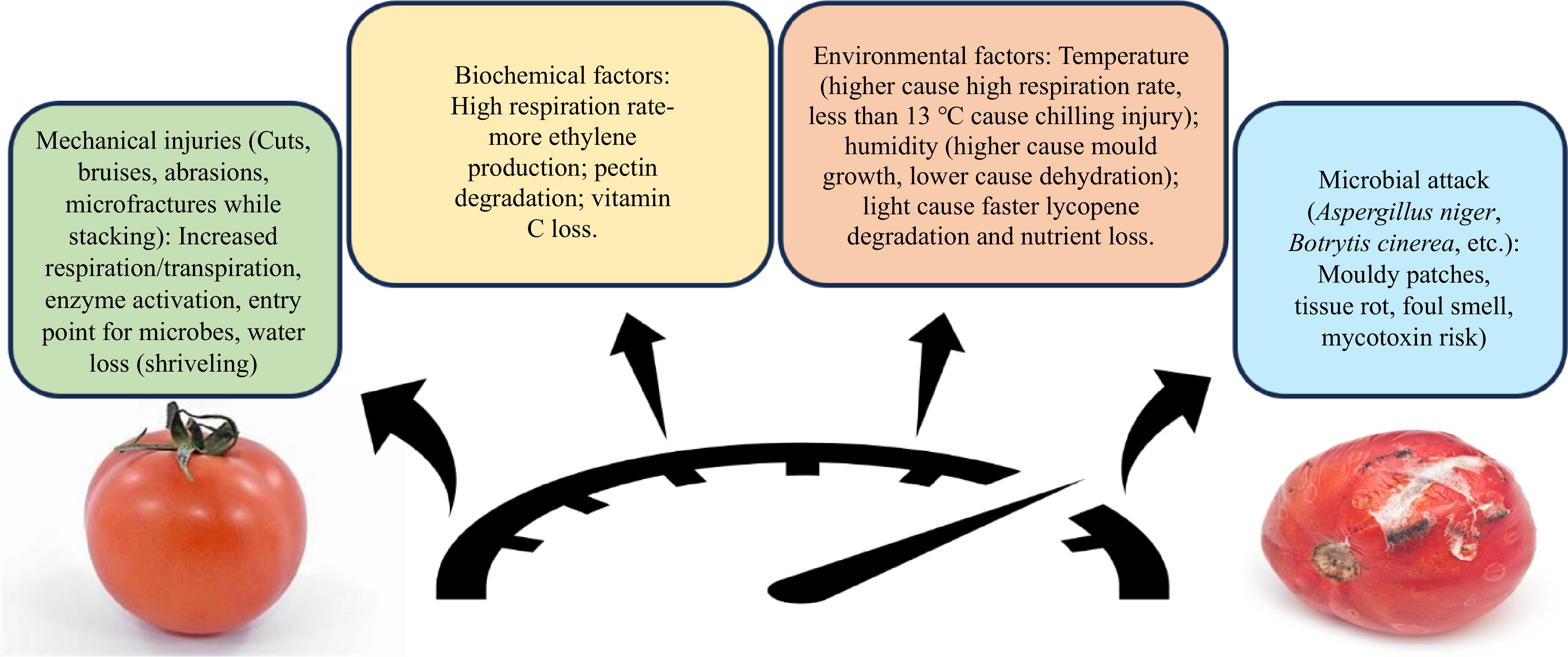
Figure 1.
The major factors responsible for the post-harvest deterioration of tomatoes.
Tomato spoilage occurs through a combination of physiological, biochemical, and microbiological mechanisms. Physiological deterioration is mainly associated with high respiration and ethylene production, which accelerate the process of ripening and senescence. Biochemical spoilage involves enzymatic activities such as polygalacturonase and pectin methyl esterase that degrade cell wall components, resulting in tissue softening and loss of firmness. Oxidative reactions additionally contribute to lipid peroxidation and the degradation of bioactive compounds, causing nutritional losses and undesirable flavor changes. Furthermore, microbial spoilage caused by fungi and bacteria initiates tissue breakdown, discoloration, and decay, thereby reducing the marketability and shelf life of tomatoes.
Additionally, pest damage, particularly by tomato fruit borer (Helicoverpa armigera) and South American tomato pinworm (Tuta absoluta) considerably contributes to post-harvest spoilage[5]. Addressing these challenges requires the adoption of effective packaging strategies that reduce mechanical, environmental, and biochemical stressors. Packaging therefore plays a critical role in protecting tomatoes from water loss, oxygen exposure, mechanical damage, and microbial contamination[7]. Conventional petroleum-based plastic has been extensively used because of its low cost and effective barrier properties. However, its resistance to biodegradation, prolonged ecological persistence, and contribution to microplastic pollution present serious environmental and health challenges. Moreover, consumption of microplastic- contaminated food has been linked to adverse human health effects, as some these monomers act like endocrine-disrupting compounds (EDCs), affecting the function of the endocrine system in the body[14]. Consequently, there is a growing shift towards bio-based packaging systems that are derived from renewable resources like starch, gelatin, carboxymethyl cellulose (CMC), alginate, polylactic acid (PLA), and chitosan (CS)[15]. These materials are biodegradable, biocompatible, and less toxic while also ensuring the effective inclusion of bioactive agents such as antimicrobials, antioxidants, essential oils, ethylene scavengers, and nanomaterials that actively improve tomatoes' storage life[16]. In contrast to traditional plastics, bio-based films and coatings allow controlled gas and moisture exchange under mild processing conditions, thereby preserving bioactive compounds.
The main objectives of this review paper were to critically evaluate diverse bio-based packaging systems to improve the shelf life of perishable commodities, with a particular focus on tomatoes, and to compare their effectiveness with that of conventional packaging materials. Unlike existing reviews[13,15,17] that have addressed individual preservation techniques or biodegradable packaging materials, mainly focusing on specific materials, individual functional properties, or selected quality parameters, without delivering an integrated understanding of tomatoes' post-harvest physiology and safety aspects. To the best of our knowledge, this review is the first to comprehensively integrate physiological, biochemical, microbial, sustainability and consumer safety perspectives, specifically in context of preserving tomatoes using bio-based packaging. It systematically analyzes recent advancements in biodegradable films, coatings, foams, and composites, with a particular emphasis on the role of active packaging ingredients in retarding the ripening-induced decay. The review also discusses key challenges and future perspectives associated with the industrial-scale adoption or commercialization of bio-based packaging systems. Although several review articles have discussed bio-based packaging and edible coatings for fruits and vegetables, the present review differs in its scope and depth. Previous studies mainly focused on general biodegradable packaging materials or coating technologies without specifically emphasizing tomato preservation mechanisms and recent fabrication advances. The present review comprehensively integrates tomato spoilage mechanisms, fabrication techniques of functional films, the physicochemical and functional properties of packaging systems, impacts on shelf life and quality preservation, and challenges associated with industrial translation. Furthermore, recent developments including smart packaging systems, active compounds, and novel fabrication approaches are critically discussed to provide a more comprehensive understanding of tomato-specific packaging strategies.
-
According to a 2015 report by the Asian Vegetable Research and Development Center (AVRDC), now known as the World Vegetable Center (WorldVeg), about 15%–40% of the tomato supply is lost. The reasons for these losses are inappropriate packaging, a lack of cold storage, poor transportation, diseases and pests, and poor marketing systems. In addition, tomatoes are among the most delicate and perishable food commodity because of their climacteric nature and have a very short shelf life (about 14–20 days at low temperatures)[15]. As discussed earlier, they are highly susceptible to mechanical, environmental, and microbial deterioration[7], and it is cheaper to minimize losses than to increase production. Researchers have studied and used various packaging technologies to prolong the storage life of tomatoes and enhance their quality. The choice of packaging material depends on the type of tomatoes (fresh, processed or semiprocessed), transportation distance, storage conditions, and market requirements[12]. The packaging materials are evaluated to understand how they affect the shelf life and quality of tomatoes and also to further increase farmers' income and improve market supply[18].
Various packaging materials have been evaluated: A perforated polyethylene bag (low-density polyethylene), a nonperforated polyethylene bag, a carton box, and a control (no packaging) were tested at 35 °C, and the results were recorded every 3 days for 9 days[19]. The author found that the perforated LDPE (low-density polyethylene) bags showed the best overall results, as they minimized weight loss, prevented decay for up to 9 days, retained color and firmness, and maintained the highest marketability. In contrast, nonperforated bags resulted in excessive decay (about 60%), whereas unpackaged tomatoes showed the highest weight loss and the poorest acceptability. The superior performance of perforated LDPE is mainly due to its ability to create a favorable modified atmosphere by allowing limited gas exchange, as the perforations allowed excess moisture and heat to escape, thus preventing condensation that would otherwise allow fungal growth, an issue that was observed in nonperforated packaging[20]. Another study by Dladla et al. evaluated the effect of biodegradable and nonbiodegradable packaging on tomatoes' quality during storage by comparing biodegradable stamped paper (SP) trays and expandable polystyrene (EPS) trays that were nonbiodegradable but provided excellent insulation[18]. Both of these were blended with either polyvinyl chloride (PVC) over-wrap or flow-wrap film. Other packaging used for comparison was propylene packaging and unpackaged tomatoes. SP trays showed improved appearance and reduced bruising but lacked thermal stability, thus leading to faster ripening and moisture loss, whereas EPS trays showed superior performance resulting in their high insulation capacity and better mechanical support. Flow-wrap performed poorer than PVC because it allowed greater water vapor migration. Overall, EPS along with PVC was the best combination to achieve the longest shelf life and best retention of color, firmness, and marketability.
Earlier, packaging had a very basic role, mainly facilitating the transport of tomatoes from production sites to markets. There was very little focus on protecting their quality or extending their shelf life; therefore, bamboo and woven baskets were generally used for this purpose because of their low cost and easy availability[7]. However, they provided poor protection. They did not meet modern handling and storage requirements. Later, wooden boxes and crates were adopted. They were strong, durable, and stackable, which made them appropriate for long-distance transportation; however, wooden crates are heavy, costly, and frequently cause bruises during handling and transit. To address these limitations, corrugated cardboard boxes were introduced and were widely used for packaging tomatoes. Paper-based packaging, mainly corrugated cardboard, gained importance in horticulture because of its light weight, rigidity, ease of handling, affordability, and good stacking ability, making it suitable for large-scale tomato distribution[7]. In recent decades, petroleum-derived plastic packaging has become dominant, as it offers diverse functional benefits like high mechanical strength, effective barrier properties against oxygen and aroma loss, flexibility, heat-sealing ability, and low production costs. These features help minimize moisture loss and physical injuries[21]. Conventional packaging materials commonly used are shown in Fig. 2, and include plastic crates and trays for structural support and protection against mechanical damage; polyethylene (PE), polypropylene (PP), and PVC films for wrapping or sealing that offers considerable moisture and barrier properties; corrugated fiberboard boxes lined with plastic for moisture resistance for transport and retail purposes; and EPS trays[7]. Advanced packaging technique includes MAP that adjusts the gas composition (oxygen, carbon dioxide, and nitrogen) around tomatoes to slow down respiration and ripening and reduce microbial spoilage, further retarding detrimental changes. In addition, other gases such as argon, sulfur dioxide, nitrous oxide, carbon monoxide, ozone, and chlorine also have the ability to modify the storage atmosphere for climacteric fruits such as tomatoes and nonclimacteric fruits[4]. Other than these, environmentally friendly/bio-based/edible coatings, such as PLA, CS, alginate, starch, and gelatin, can also serve as protective layers over tomatoes and can be incorporated with bio-functional components for enhanced effects. Bio-based films made from starch, cellulose, PLA, and protein-based polymers can also improve preservation by incorporating antimicrobials, antioxidants, ethylene scavenging agents, etc.[15]. Moreover, nanocomposite films that integrate nanoparticles, e.g., ZnO, Ag, etc., can also enhance barrier, antimicrobial and mechanical properties[22]. Further details on packaging commonly used in the preservation of tomatoes is given in the supporting information. Table 1 highlights the advantages and challenges linked with various packaging systems.
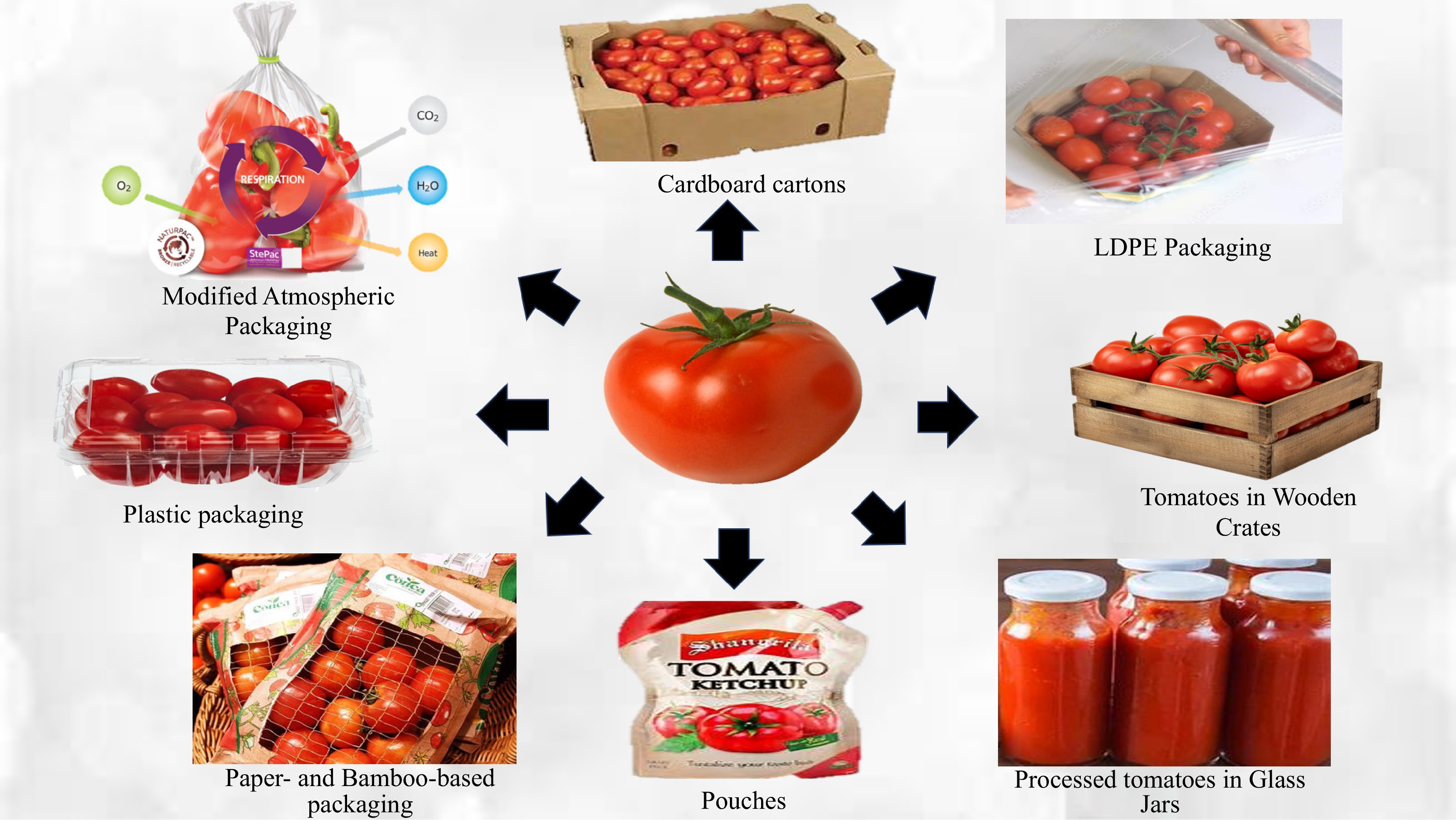
Figure 2.
Conventional packaging materials and systems used in tomato packaging, including plastic crates, trays, polyethylene films, corrugated fibreboards boxes, and MAP systems.
Table 1. Packaging materials used for fresh and processed tomatoes and their reported effects on quality, shelf life, and sustainability.
Packaging type Reported advantages Challenges/limitation References Conventional plastic (perforated LDPE bags, PP, PVA wraps) Maintained moisture and reduced physiological weight loss; creates a modified atmosphere that delays ripening; reduced decay; highest marketability; transparent for visual quality. Nonbiodegradable; risk of condensation and microbial decay (especially with nonperforated films); microplastic pollution; limited active preservation. [19,23] Rigid plastic trays [PET, PP, high-density polyethylene (HDPE), EPS] Protection from mechanical damage during transit; improved marketability; suitable for retail display. Higher material use; limited gas exchange if not perforated, leading to decay; recycling-related challenges. [18] Paperboard/carton packaging Allows ventilation; reduces condensation; biodegradable; used for bulk transport. Poor moisture barrier, leading to higher weight loss; less protection against bruising; shorter shelf life than plastic. [18−19] Glass containers (used for processed tomatoes) Excellent barrier to gases and moisture; preserve color, flavor, and nutritional quality of peeled tomatoes and tomato puree; chemically inert. High weight leading to higher transit emissions; energy-intensive production; breakage risk. [24] Carton-based containers/stand up pouches (used for processed tomatoes) Reduce global warming; lightweight and
transport-efficient.Multilayered structure complicates recycling; heat resistance is limited. [24] Biodegradable polymer films (polylactic acid, starch-based, etc.) Environmentally friendly; appropriate for short-term storage; can regulate respiration. Moisture sensitive; less mechanical strength; when used without any active ingredient, these polymeric matrices themselves become susceptible to microbial growth; higher cost. [7,24] Novel/active bio-based (polymers like CS, starch, etc., alongside actives like antimicrobials, antioxidants, etc.) Biodegradable; compostable; carrying active agents (antimicrobials, antioxidants); inhibit microbial growth; reduce oxidative damage; delay ripening and decay; reduce post-harvest losses for fresh tomatoes. Lower mechanical strength; regulatory and cost constraints; shelf life varies by material; limited commercial availability [25−26] MAP using polymeric films such as LDPE, PP, PVC, and Ethylene vinyl acetate (EVA) Regulates oxygen and carbon dioxide levels; decreases respiration and ethylene production; lowers physiological weight loss; minimizes decay; delays ripening and senescence; improves firmness and colour retention. Requires careful balance of gases; risk of anaerobic respiration increases if oxygen level gets too low; effectiveness depends on film's permeability, temperature, and the tomatoes' maturity stage; higher initial cost. [7,18] -
Bio-based films can be fabricated using the solution casting method, the spraying method, or the extrusion techniques. The most common method used at the laboratory scale is the solution casting method because of its simplicity and good control over the film's thickness and uniformity. Spraying and dipping methods are mainly used for directly applying coatings onto the surface of food at both laboratory and commercial levels, again because of their simplicity and uniform surface coverage. However, extrusion is more suitable for industrial-scale film production. Thus, each method has its own advantages and limitations, depending on the application and production scale[27]. Detailed fabrication methods are discussed in Section 3 of the supplementary File S1.
Some of these fabrication techniques are illustrated in Fig. 3. On the other hand, Table 2 lists various bio-edible films and coatings that can be used to protect tomatoes from various deteriorative factors, along with active compounds that can be infused into tomato packaging materials to support their protection. The tomato packaging films and coatings presented in Table 2 are usually made using natural biopolymers like starch, CS, alginate, pectin, gelatin, or cellulose-based materials. These substances can be obtained from agricultural or food industry waste, making the process more eco-friendly, cost-effective, and sustainable.
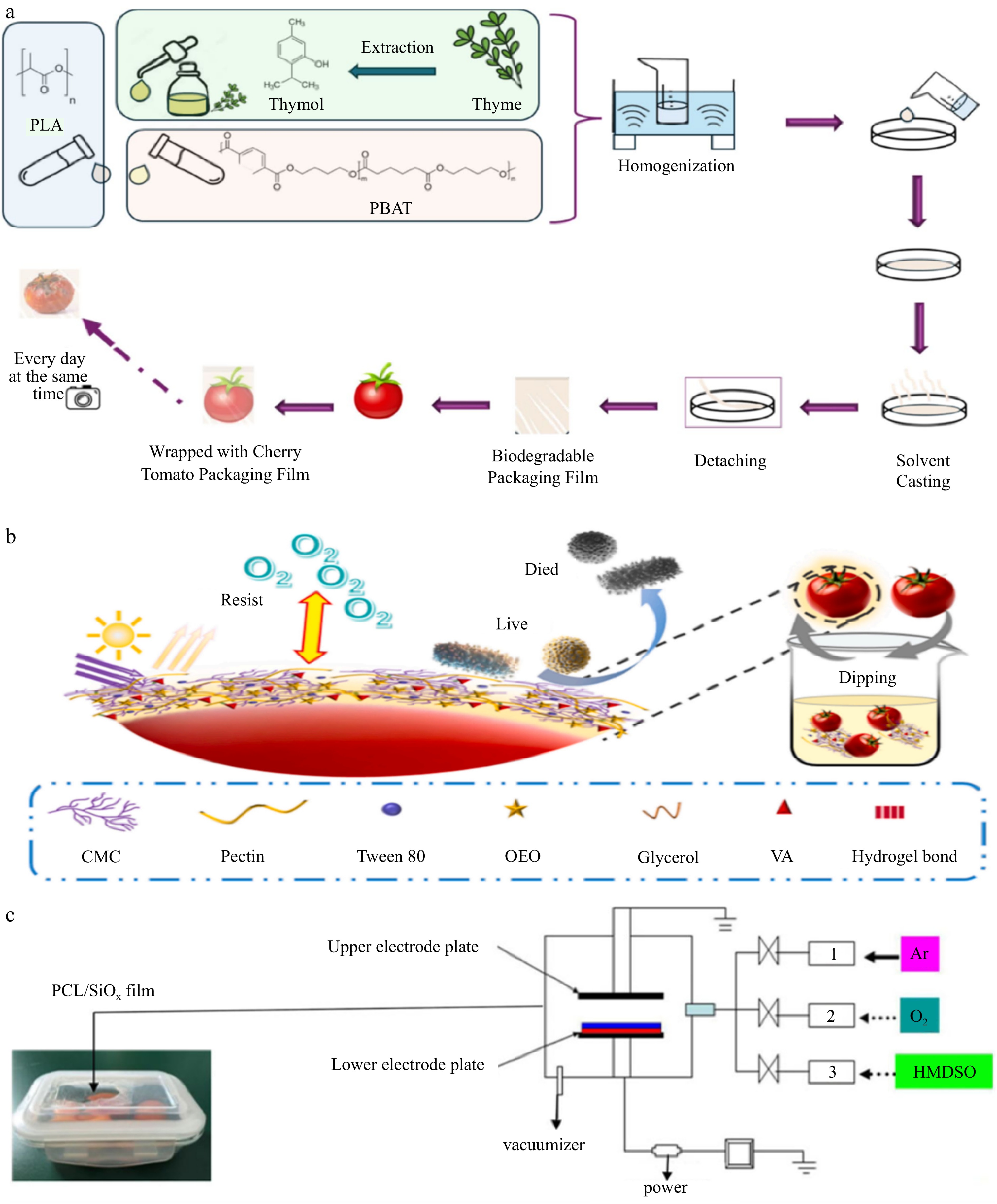
Figure 3.
Schematic illustration of different fabrication techniques used for biodegradable packaging films for preserving tomato. (a) Solvent casting method, using PLA and PBAT (Polybutylene adipate co-terephthalate) incorporated with thyme oil[28]; (b) dipping/coating method for CMC/pectin film incorporated with Oregano essential oil (OEO), illustrating radical scavenging activity and bacterial inhibition[29]; and (c) Plasma enhanced chemical vapor deposition (PECVD) for PCL/SiOx-coated film (PCL/SiOx, poly(e-caprolactone)/silicon oxide; Ar, Argon; O2, Oxygen; HMDSO, hexamethyldisiloxane)[30].
Table 2. Overview of base material, fabrication technique, active ingredients, and functional performance of active packaging films for tomatoes.
Base material Fabrication process Active Ingredients Key observations References Pichia membranifaciens/trehalose/gelatin- based film Solution casting Pichia membranifaciens killer toxin (PMKT) 72.41% of fungal infections from Botrytis cinerea were prevented.
Tomatoes stayed fresh longer with lowered weight loss, and maintained firmness.
The film lowered PPO (polyphenol oxidase) activity and increased POD (peroxide) activity[31] Ginger starch (GS) and feather keratin (FK) Solution casting Chia oil Extended shelf life (21 days), delayed ripening, preserved nutrients, and reduced enzymatic spoilage. [32] SAN (from seaweed) Solution castingg Vanillin (VAN) Tomatoes stayed fresh for 21 days, preserving color, texture, Total soluble solids (TSS), and pH and reducing microbial contamination, especially that of Staphylococcus aureus, Escherichia coli, and Botrytis cinerea [33] Poly(3-hydroxybutyrate) (PHB) Solution casting Grapeseed oil and MgO nanoparticles No signs of wrinkling, microbial spoilage or juice leakage until day 21 at ambient temperature, with minimal weight loss, stable titratable acidity and higher firmness [34] Konjac glucomannan (KGM) film Solution casting Fucoidan–CS nanoparticles (NPs) encapsulating tea polyphenols fucoidan chitosan nano particle (TP-FCNPs) Mass loss significantly reduced; better retention of firmness; microbial growth inhibited effectively; reduced respiration and ripening rate; oxidative degradation and rot rate reduced but shelf life extended to 21 days. [35] Candelilla wax + whey protein + glycerol infused with Fluorensia cernua (tarbush) extract Solution casting 7-O-rutinoside and 6-C-glucosyl-8-C-arabinosyl apigenin (from tarbush extracts Reduced weight loss and firmness loss in tomatoes during 10 days of storage at 25 °C.
Pathogenic fungi were inhibited.[36] Keratin–starch composite film Solution casting Avocado pear peel polyphenolic extract Conserved organoleptic and nutritional properties of tomatoes.
Enhanced antimicrobial properties[37] Triticale flour film Solution casting KMnO4 Delayed ripening through continued oxidation of ethylene by KMnO4 during 20 days of storage CMC Solution Casting Blackberry anthocyanin-rich extract Increased shelf life tomatoes for 15 days of storage, maintained constant weight and firmness [31,38] Cardboard boxes Spray coating Carvacrol, oregano, and cinnamon essential oils encapsulated in beta-cyclodextrin Decay incidences lowered, sensory properties remained intact; shelf life enhanced up to 22 days at 8 °C [38] Gelatin Solution casting Oil-in-water lavender essential oil nanoemulsions (LEONs) Reduced weight loss; delayed degradation of titratable acids and phenolic components; inhibited microbial growth (Staphylococcus aureus, Listeria monocytogenes, and E. coli). [39] Bilayer film of CS and alginate Solution casting Ascorbic acid, citric acid, and phytic acid Reduced oxidative damage in tomatoes. [40] Polyvinyl alcohol (PVA) Solution casting OEO Inhibited growth of microbes, retaining sensory properties [41] Solution casting Lactiplantibacillus plantarum A6 (probiotic strain) Inhibited Fusarium sp. and Rhizopus stolonifera
Reduced weight loss; firmness maintained; respiration rate slowed.[42] CS Solution casting Copper oxide NPs Inhibited Alternaria alternata and other tomato pathogens; prevented oxidative degradation of nutrients; maintained tomato quality parameters; delayed ripening. [43] Methylcellulose film Solution casting Gallic acid + ZnO NPs Shelf life of tomatoes extended up to 27 days under ambient conditions; lower microbial load; reduced weight loss; firmness and ascorbic acid maintained; slowed ripening. [34] CS Dip coating (immersion coating) Aloe vera gel Preserved firmness and color of tomatoes; maintained ascorbic acid content and acidity better than any other treatment; reduced weight loss by ~64% and microbial load by ~55% compared with uncoated tomatoes (control); extended freshness up to 12 days at 8 °C. [33] CS Solution casting with
in situ covalent crosslinkingTannin from black wattle extract Delayed lipid oxidation and color degradation; inhibited spoilage microbes (E.coli and S.aureus); enhanced ultraviolet (UV)-blocking ability, thus preventing photo-oxidation, interaction with CS, improving the film's strength and water resistance and prolonging tomato shelf life. [44] Soy protein isolate
(SPI)Solution casting Zanthoxylum bungeanum leaf extract (ZBLE) Lowered weight loss, decay rate, and respiration rate; firmness and Vitamin C were maintained longer; remained fresher and visually better than control samples ones or coated with pure SPI. [45] Zein + Polyethylene oxide (PEO) Coaxial electrospinning Resveratrol + AgNPs Reduced microbial load especially against E. coli and S. aureus; less weight/quality loss; extended shelf life up to 12 days. [46] CS paper Dip coating
(immersion coating)Bacteriocin-synthesized Ag NPs Maintained firmness and color for 10 days at 18–20 °C; inhibited spoilage bacteria, especially Bacillus cereus and S. aureus. [47] CMC and pectin Aqueous solution casting method OEO and Vanillic acid (VA) Extension of the shelf life of cherry tomatoes up to 19 days under ambient storage conditions; delayed softening and senescence of tomatoes; strong antimicrobial effect, particularly against E. coli and S. aureus; lowered oxidative reactions; limited light-induced quality deterioration. [48] Polypropylene (PP) Melt blending + twin screw extrusion + extrusion film forming Octadecane (OD) and ZL Higher TSS value and firmness; better color stability; delayed respiration and ripening. [49] Galactoglucomannan (GGM) Aqueous solution casting method Bioactive mucilage extract (BME) Decreased weight loss over 20 days; TSS declined more slowly than in uncoated tomatoes; more firmness was retained; reduced decay (~3.33% coated tomatoes deteriorated after 20 days, whereas ~96.67% of uncoated tomatoes deteriorated); overall highest acceptability. [50] -
Functional films used in tomato packaging are designed to provide an effective barrier and mechanical properties that maintain fruits' quality throughout storage and distribution. These films regulate gas permeability and water vapor transmission, while offering sufficient mechanical strength and protection against physical stresses. Additional functionalities such as ultraviolet (UV) protection and antimicrobial/antioxidant activities (as described below) may further contribute to extending shelf life. These functional properties collectively contribute to delayed ripening, reduced microbial spoilage, improved quality retention, and enhanced shelf life in tomatoes, as schematically represented in Fig. 4. The details of the various properties of the films are provided in the supplementary File S1.
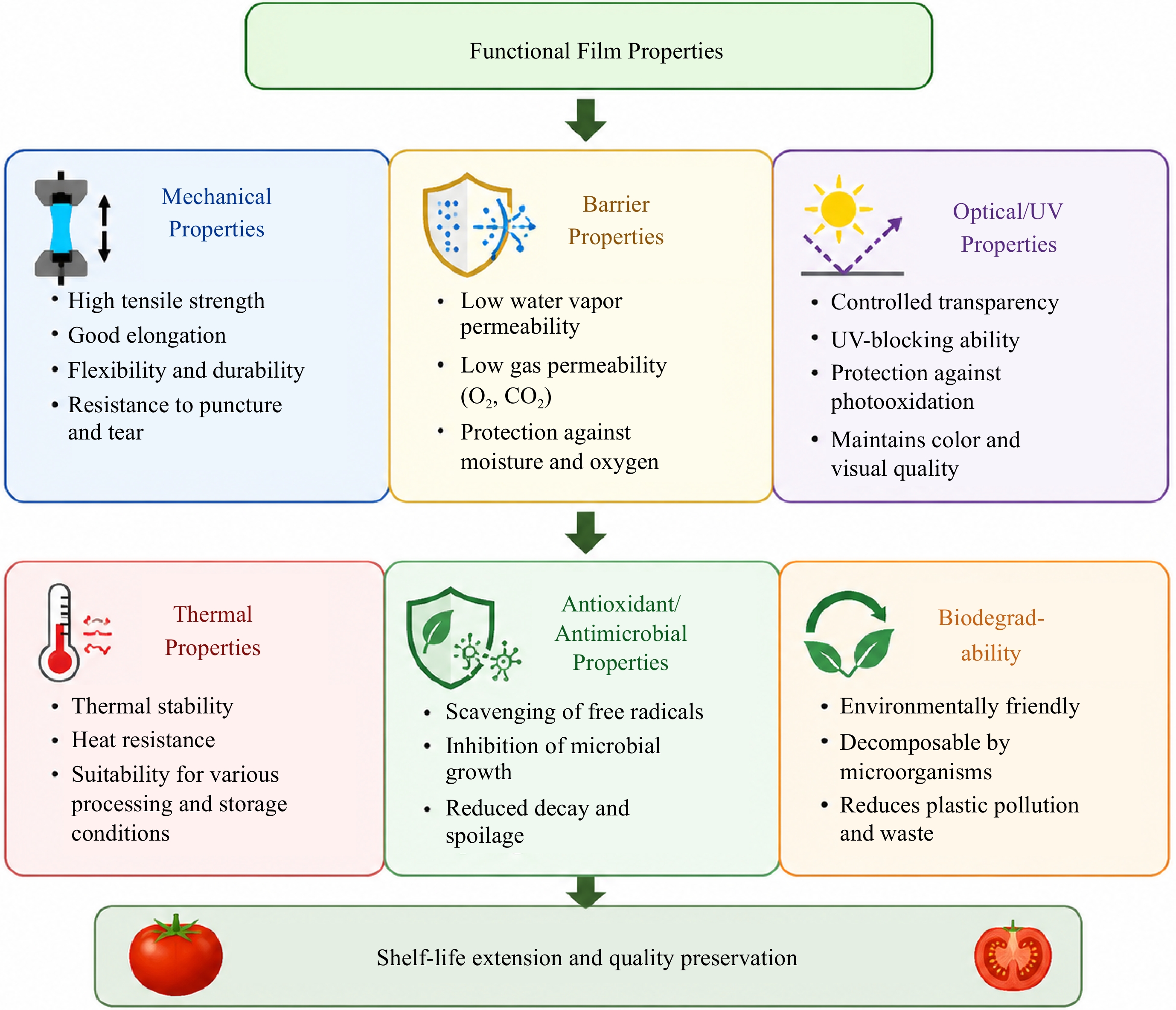
Figure 4.
Major functional properties of bio-based films used in tomato packaging and their roles in preserving shelf life.
-
The application of biopolymer-based films and coatings helps form protective layers on tomatoes that regulate gas exchange and moisture loss, thus maintaining their quality during storage. These films can slow down ripening and microbial spoilage. Additionally, functional additives such as antimicrobials or antioxidants can further prolong the shelf life of tomatoes, as explained in the following studies. Guo et al. investigated the use of a bioactive film composed of gelatin and trehalose (Tre/Gel) as a base material, incorporating the yeast Pichia membranifaciens (PM) to extend the shelf life of cherry tomatoes, which are usually prone to infection by Botrytis cinerea[51]. The film maintained the yeast's activity, with 15% Tre ensuring a 62% PM survival rate after 30 days and achieving 72.41% inhibition of fungal growth. The addition of PM improved the film's mechanical and barrier properties, reducing water vapor permeability and moisture. The results can be seen in Fig. 5, where "Control" implies no packaging. By Day 7, the tomatoes appeared shriveled and spoiled. PE or conventional packaging provided some protection, yet the signs of spoilage could be seen. Tre/Gel Film, a gelatin-based film with Tre, a sugar known to stabilize cell membranes, improved tomato preservation compared with the control and PE film. Finally, PM/Tre/Gel film, a gelatin film infused with both PM (a biocontrol yeast with antifungal activity) and 15% Tre, showed the best preservation, with tomatoes remaining firm, red, and visually fresh after 7 days.
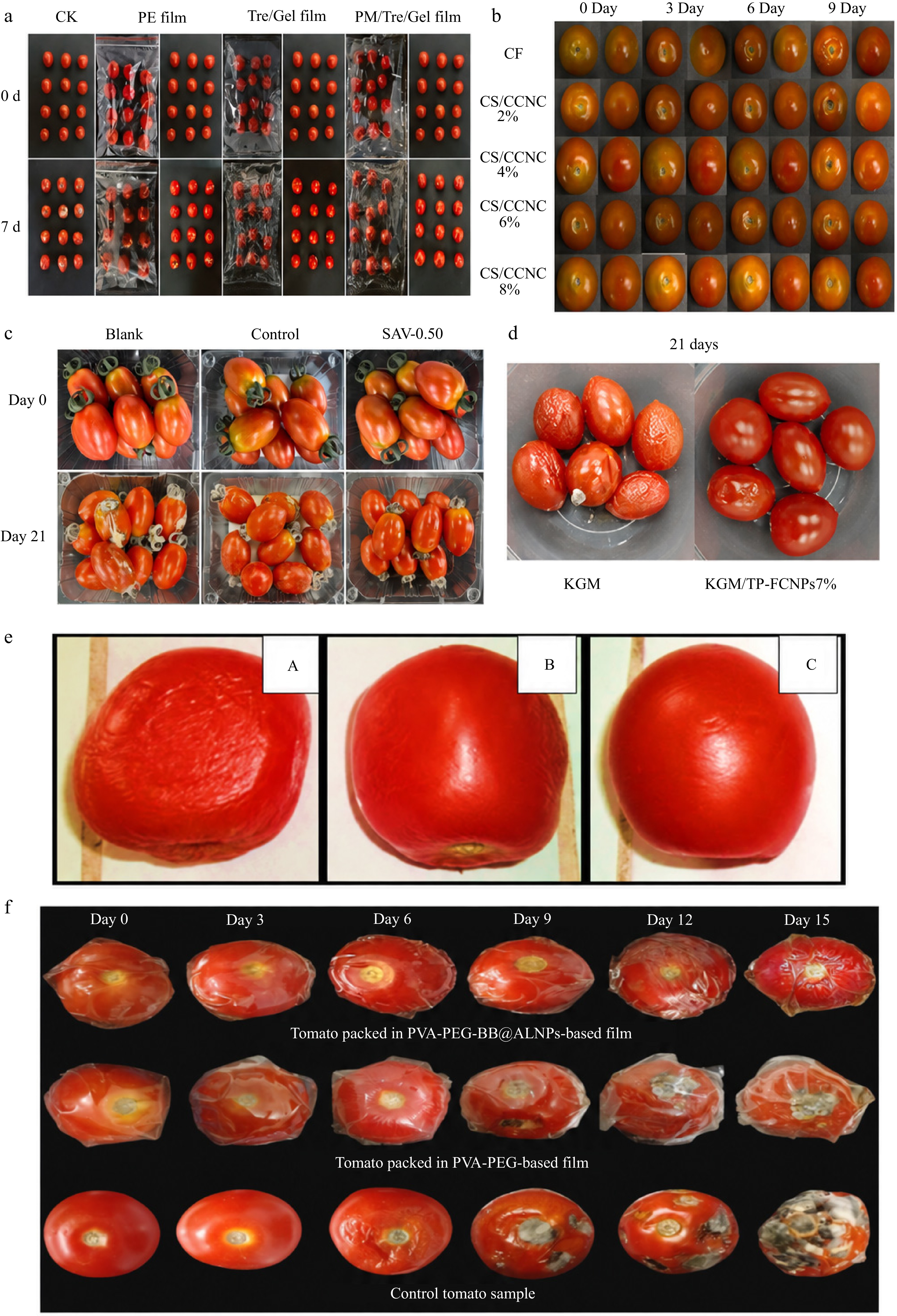
Figure 5.
Representative visual findings from different studies demonstrating the effect of bioactive and active packaging systems on extending the shelf life of tomato. (a) The effect of gelatin-based film incorporated with PM and 15% Tre preserved cherry tomatoes well[51]. (b) Cherry tomatoes coated with cornstarch-based film infused with 8% cellulosic nanocrystals gave the best results[54]. (c) The preservation of cherry tomatoes using 0.5% of vanillin incorporated into Soy protein alginate vanillin (SAV) foam[48]. (d) Visual appearance of tomatoes after 21 days of storage, comparing between Konjac Glucomannan (KGM) film and composite KGM film incorporated with 7% Tea polyphenol fucoidan chitosan nanoparticle (TP-FCNP)[35]. (e) Visual representation of tomatoes after 10 days of storage at 25 °C: [A] Uncoated tomatoes; [B] tomatoes coated with candelilla wax, and [C] tomatoes coated with candelilla wax biofunctionalized with Flourensia cernua extract[36]; (f) Visual assessment of tomatoes during 15 days of storage at room temperature, compared with the control, PVA–polyethylene glycol (PEG) films, and PVA–PEG films incorporated with 15% blueberry Anthocyanin loaded lignin nanoparticles (A-LNPs)[56].
Enidiok et al. also developed a chia oil-activated ginger starch (GS)–feather keratin (FK) biocomposite that prolonged the post-harvest preservation of tomato fruits[52]. GS was used as a film-forming base, providing the polysaccharide matrix that forms the structural framework of the coating, whereas FK was used to improve the mechanical strength, flexibility, and oxygen barrier properties, providing natural amino acids simultaneously. Chia oil was added as a functional ingredient and added in varying concentrations (0.5, 1.0, and 1.5 mL). Chia oil is hydrophobic, so when added to a film, it reduces the ability of water molecules to enter and be held within the polymer matrix. The GS–FK–CO 1.5 film showed the lowest moisture content, indicating the highest moisture resistance and hydrophobicity. The film's thickness increased through expansion by the oil droplets and an increase in its swelling capacity, whereas the film's transparency decreased as a result of the UV-absorbing compounds in chia oil, thus improving the UV-blocking capacity of the film. This would help reduce light-induced oxidation and photodegradation of food components. Overall, the whole matrix extended the shelf life of tomatoes by about 21 days, providing the best combination of mechanical, barrier, antioxidant, and preservation performance at ambient temperature (25 ± 2 °C). Likewise, Tang et al. created a sustainable, biodegradable, and functional KGM-based bio-nanocomposite film that effectively preserved cherry tomatoes during storage[35,53]. Konjac Glucomannan (KGM) is a natural polysaccharide with good film-forming properties but poor mechanical and water resistance properties. In addition, its bioactive properties, such as antimicrobial and antioxidant properties, are also weak. Thus, to improve its properties, researchers blended this material with fucoidan–CS nanoparticles loaded with Tea polyphenols (TPs). Fucoidan is a negatively charged polysaccharide obtained from brown algae, whereas CS is a positively charged polysaccharide obtained from chitin. When combined, they form electrostatically stable nanoparticles. On the other hand, TPs are strong antioxidants and antimicrobials but are unstable in light or air; therefore, these TPs were stabilized using encapsulation in fucoidan–CS nanoparticles. This allows TPs to be released gradually and enhance the overall bioactivity of the film. The study tested about 1%–7% of the TP-FCNPs but the concentration of 5% was considered to be the most effective one. At a concentration of > 7%, nanoparticle aggregation occurred, which resulted in a reduction in transparency and uniformity, thus compromising the film's flexibility and aesthetics.
Similarly, Torres-Vargas et al. developed bio-composite films based on cornstarch and reinforced them with cellulosic nanocrystals (CCNC) extracted from corn husks through a depolymerization and bleaching process[54]. The CCNCs exhibited high crystallinity and thermal stability. Adding 4%–6% CCNC enhanced the film's strength, lowered water vapor transmission by 30%, and improved surface integrity. When applied as cherry tomato packaging, films containing 6% CCNC effectively limited moisture loss and preserved fruit quality over a 10-day storage period at 26 °C, as shown in Fig. 5. The film with 8% CCNC provided the best preservation, with very little visual degradation even after 9 days[55]. This study thus demonstrated the potential of starch films reinforced with CCNCs as sustainable and biodegradable substitutes to plastic packaging. Venu Gopala Kumari et al. also tested an active and eco-friendly PHB film enriched with 5% grapeseed oil and 0.7% MgO nanoparticles to store cherry tomatoes[34]. After 23 days of storage at ambient conditions, tomatoes packed in Polyhydroxybutyrate (PHB)/5GS/0.7MgO film maintained better quality than the control samples, showing no surface wrinkling, shrinkage, microbial growth, or juice leakage until Day 21. The film reduced weight loss and helped retain firmness, titratable acidity, pH, color, and sensory attributes. Importantly, the migration of MgO nanoparticles into the fruit was negligible. These findings indicated that nanocomposite films are an effective packaging approach for prolonging the shelf life of cherry tomato.
Itkor et al. developed an active and biodegradable Soy protein alginate nano cellulose (SAN) foam infused with the natural antimicrobial compound vanillin (VAN) to enhance the preservation of fresh produce. Different amounts of VAN were added to the foam to study their effects on strength, chemical stability, antimicrobial activity, and biodegradability. The foam exhibited strong ability to inhibit the growth of E. coli, S. aureus, and the fungus Botrytis cinerea, and was fully broken down within 21 days[33]. The formulation containing 0.50% VAN successfully prolonged the shelf life of cherry tomatoes by preventing microbial growth and helping tomatoes retain their color, firmness, total soluble solids, and pH during storage. The blank tomatoes (no coating) deteriorated the most, with visible mould and shriveling, whereas the control samples with basic alginate foam without VAN had intermediate quality (Fig. 5). Thus, this bio-foam presented a sustainable, environmentally friendly packaging alternative for fresh fruit storage. A study by Ruiz-Martínez et al. investigated an edible coating enriched with Lactiplantibacillus plantarum A6-a, a type of lactic acid bacteria (LAB), to improve the shelf life and quality of cherry tomatoes[36]. The coating was made from exopolysaccharides produced by Weissella confusa JCA4 (LAB strain) and applied to tomatoes deliberately inoculated with common spoilage fungi, including Aspergillus niger, Fusarium sp., and Rhizopus stolonifer. The results showed that L. plantarum A6 remained active in the coating solution and on the fruit's surface throughout the storage period. This bioactive coating significantly limited the growth of Fusarium and Rhizopus, though it was less effective against A. niger. In addition, the coating helped reduce water loss, preserved firmness, and slowed down the respiration rate without affecting other physicochemical attributes or visual features. The findings concluded that such edible coatings enriched with LAB can be a promising and sustainable way to control post-harvest fungal degradation and extend the shelf life of perishable fruits like cherry tomatoes.
Razali et al. investigated a novel preservation approach for cherry tomatoes using a white dragonfruit mucilage-based edible coating alone and in combination with UV-C irradiation as a challenge treatment[57]. Quality and safety parameters were monitored over 21 days at 4 °C, including moisture loss, color, titratable acidity, sugars, Vitamin C, antioxidant activity (phenolics and flavonoids), and microbial growth. The combined treatment (coating + UV-C) delivered the best results, achieving a 21-day shelf life with minimal weight loss, reduced color changes, suppressed microbial growth, and improved retention of antioxidants such as polyphenols, flavonoids, and ascorbic acid, indicating enhanced nutritional quality. Yan et al. developed an eco-friendly, biodegradable coating using green-synthesized copper oxide CuO nanoparticles from waste fig fruit (Ficus carica) incorporated into CS[43]. Tomatoes coated with the CS–CuO nanocomposite and stored at 25 ± 2 °C for 20–24 days showed a shelf life 1–2 weeks longer than uncoated samples. The coating reduced oxygen and water vapor diffusion, slowed respiration and ethylene production, inhibited spoilage microorganisms, and delayed the degradation of phenolics and Vitamin C.
Kurabetta et al. reported that methylcellulose films incorporating Gallic acid (GA) and ZnO nanoparticles extended tomatoes' shelf life to ~27 days[57]. GA provided antioxidant protection and mild antimicrobial effects, whereas ZnO nanoparticles enhanced antimicrobial activity, UV blocking, mechanical strength, and barrier properties. Their synergistic action stabilized ZnO and enhanced GA's antimicrobial efficacy, creating an active coating that delayed spoilage. Farooq et al. demonstrated that a coating combining 60% aloe vera gel and 2% CS significantly extended tomatoes' shelf life and preserved their quality[25]. Aloe vera provides bioactive compounds (aloin, barbaloin, aloe-emodin, cinnamic acid esters); CS contributes film-forming and antimicrobial properties, thereby improving preservation. Ma et al. developed a CS–tannin–nanocellulose composite film incorporating Tannic acid cellulose nanocrystals (TA-CNCs)[44]. The film showed reduced water solubility, swelling, and permeability compared with pure CS, indicating improved barrier and water resistance. Tomatoes wrapped in the composite film exhibiteda longer shelf life than those coated with CS alone. A PM/PVA–PLA bilayer film was also developed as a multifunctional packaging material for preserving cherry tomatoes[27]. Soy protein isolate (SPI)-based active packaging functionalized with ZBLE effectively enhanced the antioxidant properties and extended the freshness of cherry tomatoes[45].
SPI is a biodegradable, nontoxic, film-forming biopolymer from soybeans, but it has poor mechanical strength and water resistance. ZBLE, rich in polyphenols, flavonoids, and terpenoids, was incorporated (0%–7% w/w of SPI) with glycerol as a plasticizer. Although the pure SPI films were smooth, higher ZBLE levels (7%) caused wrinkles as a result of phase separation. At 5% ZBLE, the films showed optimal tensile strength and water barrier properties, improved UV blocking, and enhanced antioxidant activity. Cherry tomatoes packed in SPI/ZBLE films and stored at 25 ± 1 °C for 18 days exhibited 44%–53% lower weight loss, reduced decay and respiration rates, and better firmness and Vitamin C retention than pure SPI or uncoated samples. Cellulose paper coated with bacteriocin-synthesized Ag nanoparticles effectively prolonged tomatoes' shelf life by inhibiting microbial spoilage[49]. Similarly, lignin-encapsulated anthocyanin nanoparticles enhanced post-harvest shelf life. Ramadoss et al. developed a biodegradable pectin–potato starch film with 1% pyrogallol, where strong intermolecular interactions improved heat stability, antioxidant activity (~95% 2,2-diphenyl-1-picrylhydrazyl [DPPH]), mechanical strength, and antimicrobial efficacy against S. aureus, K. pneumoniae, and E. coli, extending shelf life to 21 days at 30 °C with reduced weight loss and spoilage[58]. Hou et al. produced a cellulose–CS film reinforced with TA and GA, showing strong antimicrobial activity against S. aureus and E. coli and extending tomatoes' shelf life by 15 days[59]. Tohamy developed a smart amylopectin/poly (N-isopropylacrylamide) film with sulfur- and nitrogen-doped carbon quantum dots (S- and N-CQDs) from red onion peel waste, which enhanced structural stability, exhibited antimicrobial activity (S. aureus, E. coli, Candida albicans), and provided fluorescence-based spoilage detection via pH and microbial responses[60]. Parichanon et al. reported a biodegradable active film of CS and mandarin essential oil in poly (butylene succinate-co-adipate), which completely inhibited E coli and S. aureus[61]. Tomatoes stored at room temperature maintained firmness, pH balance, and the sugar–acid ratio, even under B. cinereastress. The film regulates moisture and oxygen transfer, reducing oxidation, dehydration, and ripening. Overall, these bio-based active and intelligent packaging systems reduce post-harvest losses, extend shelf life, minimize food waste, and provide sustainable alternatives to synthetic plastics and preservatives.
-
Biopolymer-based coatings and films offer more than just a simple protective covering for tomatoes. They actively help to prolong their durability and freshness. For instance, 4%–8% CCNCs derived from corn husks were dispersed into cornstarch films[53]. These films reduced the water vapor transmission rate by 30% and preserved the weight of cherry tomatoes during 10 days of storage. Tomatoes kept in PHB-based films containing grapeseed oil and MgO nanoparticles reduced their weight by only 4.45% after 21 days[62]. Li et al. took cornstarch and KGM and incorporated thymol microcapsules, thus producing a coating that kept cherry tomatoes firm, prevented dehydration, and even enhanced their phenolic and flavonoid composition[63]. Edible films like this function as a barrier, retaining moisture and preventing tomatoes from shriveling up. However, it is not only about moisture retention, as controlling water alone is not sufficient to prevent huge losses. These coatings also improve the mechanical robustness of the film, thereby effectively safeguarding the fruit. Tre/Gelatin films with PM, for instance, exhibited better thermal resistance, lower hygroscopicity, and improved tensile strength[59].
Itkor et al. reported that incorporating VAN to SAN-based bio-foam significantly increased its durability and moisture resistance. Further positive impacts include antimicrobial activity[33]. Vernon-Carter et al. put L. plantarum A6 into coatings, which then obstructed Fusarium sp. and Rhizopus stolonifer, thus reducing fungal decay while maintaining quality[62]. Tre/Gel films with yeast also effectively suppressed B. cinerea by 72.41%. In addition, when the researchers added essential oils, nisin, or ZnO nanoparticles, the resulting coatings significantly reduced the proliferation of spoilage organisms. This aligns with the important industrial goal of preventing the rapid deterioration of tomatoes and other fresh produce. Moreover, these bio-derived packages help maintain tomatoes' firmness, color, and taste. Using UV-C treatment along with dragonfruit mucilage coating, researchers noted better preserved tomato color (∆E = 11.61) and texture compared with individual treatments.
Effects on firmness and texture preservation
-
Venu Gopala Kumari et al. measured a minimal decline in tomatoes' firmness (from 19.89 to 15.77 N) and found that color and pH remained steady for 3 weeks in nanocomposite films[34]. The color persisted longer because there was less lycopene degradation as a result of reduced oxidative stress, resulting in better color retention[63]. Tissue integrity was also maintained because of less enzymatic degradation and stabilization of the cell walls. Furthermore, tomatoes coated with mucilage and UV-C irradiation retained more nutrients, particularly Vitamin C, polyphenols, and flavonoids, again because of less oxidation[64]. Therefore, the vitamins and antioxidants were preserved longer. Therefore, combined treatment of UV-C and the mucilage coating resulted in complete biodegradability within 3 weeks and effective microbial control, which means that the cherry tomatoes lasted even longer[47]. These innovative bio-based coatings and films are not only sustainable but also effectively preserve tomatoes' freshness, safety and nutritional value.
Effects on microbial growth and reducing decay
-
Many studies have shown that CS-based edible films, specifically when combined with functional ingredients, are strongly effective in extending the post-harvest life of tomatoes. Yan et al. reported that CS film containing sustainably synthesized Cu nanoparticles lengthened tomatoes' storage life by about 1–2 weeks under ambient conditions[43]. The CS–CuO nanocomposite lowered oxygen and moisture transmission, reducing respiration and the ethylene synthesis rate, while simultaneously suppressing deteriorative microorganisms. The coating also retarded the loss of phenolic compounds and Vitamin C, which helped retain antioxidant activity and decelerated undesirable ripening-associated biochemical changes. The inclusion of synergistic antioxidant and antimicrobial components into polysaccharide matrices further enhanced the coating's efficacy. Kurabetta et al. reported that methylcellulose films supplemented with GA (a naturally present polyphenol) and ZnO nanoparticles considerably extended tomatoes' shelf life to almost 27 days[57]. GA delivered antioxidant protection and stabilized ZnO nanoparticles and also alleviated oxidative degradation, whereas ZnO imparted strong antimicrobial efficacy, UV protection, and enhanced mechanical and barrier features. The cooperative interaction of these active compounds led to reduced microbial decay and delayed aging, thereby preserving overall fruit quality. Likewise, biopolymer blends incorporated with phytochemicals have shown notable effectiveness in maintaining tomato quality.
Effects on nutritional and sensory quality
-
Farooq et al. found that a composite edible coating made from 60% aloe vera gel and 2% CS helped postpone post-harvest damage in tomatoes[25]. Aloe vera supplied a variety of bioactive compounds with antioxidant and antimicrobial properties, whereas CS helped form a strong protective film with microbial resistance. This integrated system significantly reduced moisture-induced weight loss, maintained firmness, and slowed overall quality decline throughout storage. Further reinforcement of CS coatings through polyphenol–nanocellulose fortification has also been reported. Ma et al. fabricated CS films strengthened with TA-CNC[44]. These films showed lower water solubility, lower swelling tendency, and better barrier protection than CS films alone. Here, tannin served as a natural antioxidant that reduced oxidative reactions and pigment loss, whereas nanocellulose improved the mechanical strength of the films. Tomatoes coated with these composite films exhibited extended shelf life and superior physicochemical quality attributes.
A PM/PVA–PLA bilayer film described by Zhao et al. also exhibited preservative benefits[48]. PM enhanced PVA's hydrophilicity and antimicrobial ability, whereas the outer layer of PLA contributed hydrophobicity, mechanical strength, and a water vapor barrier. The bilayer film decreased the film's solubility, and allowed tomatoes to remain firm and marketable for about 10 days more, and even demonstrated water-triggered self-healing capacity through the reformation of hydrogen bonds. Similarly, an eco-friendly edible coating based on locust bean gum enhanced with cutin monomers and cuticular wax, derived from tomato pomace waste, enhanced the post-harvest performance of tomatoes[65]. The authors reported decreased moisture loss (44%–53%), enhanced firmness retention (50%–57%), slower respiration, delayed discoloration, and lowered fungal attack during 28 days of cold storage. Protein-based packaging also contributed to quality retention, where SPI film was functionalized with ZBLE, and showed enhanced UV protection, antioxidant properties, and tensile strength[45]. The addition of 5% ZBLE provided optimal performance with reduced weight loss, decay rate, and ascorbic acid degradation over 18 days at room temperature. Antimicrobial nanostructured film reinforced with these benefits, as demonstrated in cellulose paper coated with bacteriocin-synthesized Ag nanoparticles inhibited Bacillus cereus and S. aureus, preserving color, firmness and microbial resistance for about 10 days more compared with the controls[47].
Active packaging film based on a gelatin/PVA matrix incorporated with sulfur quantum dot-functionalized silica nanoparticles also effectively enhanced the storage stability of tomatoes. Antibacterial effect was seen against Salmonella enterica by 2 log colony-forming units/mL and complete inhibition of Listeria monocytogenes within 9 h. Overall, the film lowered microbial damage, decreased weight loss, and minimized loss of firmness[66]. Another nanofiber-based packaging that significantly impacted the post-harvest quality of cherry tomatoes was TA-loaded Polyvinylidene difluoride (PVDF) nanofibers, which improved the surface properties, water contact angle, opacity, and thermal stability, and thus better protection of cherry tomatoes. The tomatoes were successfully prevented from decay and their shelf life was prolonged by up to 4 days, with maintained firmness, surface integrity, and microbial safety[67]. Overall, active films and edible coatings have demonstrated substantial effectiveness in preserving tomato quality during storage by reducing physiological and microbial deterioration. The degree of preservation varies according to the polymers' composition, active ingredients, and storage conditions; however, most studies consistently reported improved firmness retention, reduced weight loss, delayed ripening, and prolonged shelf life. Table 3 summarizes the effects of various bio-based films and coatings on extending the shelf life and preserving the quality of tomatoes.
Table 3. Effects of various bio-based films and coatings on extending the shelf life and preserving the quality of tomatoes.
Film/coating Shelf life extension Major quality improvements Primary preservation mechanism References CS + aloe vera coating 12 days Firmness, color, acidity, reduced weight loss Moisture barrier + antimicrobial activity [25] CMC/pectin film + oregano EO + vanillic acid 19 days Delayed senescence, improved antimicrobial activity Antioxidant + antimicrobial [29] Guar gum matrix film + Butea monosperma 20 days Reduced decay, maintained firmness, lower weight loss Antioxidant barrier [50] Sodium alginate film + VAN 21 days Color, texture, TSS, microbial stability Antimicrobial + antioxidant [33] Methylcellulose + gallic acid + ZnO 27 days Reduced microbial load and ascorbic acid loss; delayed ripening, Antioxidant + antimicrobial + UV barrier [57] PCL/SiOx film 30 days Reduced respiration and oxidative deterioration Modified atmosphere/barrier properties [30] PHB + grapeseed oil + MgO nanoparticles 21 days Firmness, acidity, reduced weight loss Moisture barrier + antimicrobial [34] Ginger starch–keratin + chia oil 21 days Delayed ripening, nutrient preservation Hydrophobic barrier + antioxidant [52] Dragon fruit mucilage + UV-C 21 days Vitamin C, polyphenols, color,
firmnessAntioxidant + microbial control [68] -
Future perspectives and challenges are provided in the supplementary File S1.
-
Numerous studies, encompassing both review articles and experimental studies, have shown that edible films and coatings can help prolong tomatoes' shelf life and maintain their post-harvest quality. Additionally, incorporating functional ingredients such as L. plantarum, vanillin, magnesium oxide nanoparticles, CNCs, or plant mucilage into these films further strengthens the packaging and effectively limits moisture transfer and microbial contamination. These ingredients not only inhibit fungal growth but also help retain tomatoes' firmness, color consistency, and nutritional value throughout storage. In summary, such bio-derived coatings delay the ripening process, suppress deterioration, and substantially decrease post-harvest losses, thereby prolonging tomatoes' marketable life for longer. However, commercial-scale implementation of these solutions continues to be a challenge. Biopolymers generally lack the mechanical strength and water resistance of regular plastics; therefore, they struggle in highly humid conditions, making them less applicable in the demanding environments of commercial food operations. In addition, common fabrication methods such as solvent casting or dipping are labor-intensive, which is not ideal for high-speed, automated production lines. There are also many regulatory hurdles, particularly concerning the incorporation of nanoparticles and bioactive compounds in materials in contact with food, as safety guidelines vary across regions. Moreover, the comparatively high cost of the raw materials and functional additives makes it even harder to get them adopted commercially. Therefore, future research should prioritize effective strategies to work around these constraints. Polymer blends, such as those combining starch with gelatin, can enhance strength and flexibility, whereas chemical crosslinking improves moisture resistance, and nanomaterial reinforcements further strengthen the whole structure. Modern encapsulation techniques, such as nano-emulsions or liposomal carriers enhance the stability of active agents and facilitate their sustained release throughout storage. Emerging developments in making packaging smarter, such as adding spoilage sensors, ethylene absorbers, or pH indicators, also allow real-time monitoring of produce's freshness. Economically, the utilization of leftovers from agriculture, such as banana peels, corn husks, and tomato processing waste, as polymer sources can cut costs and promote a circular bioeconomy, turning trash into something valuable. Successful commercialization of these ideas requires coordinated efforts among scientists, industry stakeholders, and policymakers to ensure food safety compliance, standardize production methods, and achieve cost-effective scaling up of production.
In conclusion, bio-based, active packaging represents a smart, eco-friendly alternative to conventional plastics for preserving the post-harvest quality of tomatoes. With continued research advancements and greater regulatory alignment, these solutions have strong potential to transit from lab-scale studies to commercial platforms. Existing evidence clearly indicates that such packaging materials could significantly improve the post-harvest management of perishable produce such as cherry tomatoes, while also helping reduce food losses and waste.
The author(s) received no financial support for the research, authorship, and/or publication of this article.
-
The authors confirm their contributions to the paper as follows: conceptualization, supervision: Roy S; methodology, writing – original draft: Kaur G, Advaitha S, Roy S; investigation, writing – review and editing: Kalita P; visualization: Kalita P, Roy S; formal analysis: Kaur G; software: Kaur G, Advaitha S. All authors reviewed the results and approved the final version of the manuscript.
-
Data sharing not applicable to this article as no datasets were generated or analyzed during the current study.
-
The authors declare there is no conflict of interest in this work.
-
accompanies this paper online at: https://doi.org/10.48130/fia-0026-0044.
- Supplementary File 1 Future perspectives and challenges.
- supplementary File S1
- Copyright: © 2026 by the author(s). Published by Maximum Academic Press on behalf of China Agricultural University, Zhejiang University and Shenyang Agricultural University. This article is an open access article distributed under Creative Commons Attribution License (CC BY 4.0), visit https://creativecommons.org/licenses/by/4.0/.
-
About this article
Cite this article
Kaur G, Sreedharan A, Kalita P, Roy S. 2026. Incorporation of bio-based packaging for improving the shelf life of tomatoes: a review. Food Innovation and Advances 5(4): 518−531 doi: 10.48130/fia-0026-0044 

Incorporation of bio-based packaging for improving the shelf life of tomatoes: a review
- Received: 23 April 2026
- Revised: 28 August 2026
- Accepted: 31 August 2026
- Published online: 23 October 2026
Abstract: Losses along the post-harvest value chain remain a critical constraint on the food supply's stability and farm-level profitability. These lead to a considerable reduction in both the quantitative and qualitative parameters of fresh produce, many of which hold appreciable economic value. Among diverse perishable horticultural products, tomatoes (Solanum lycopersicum) are structurally vulnerable to post-harvest deterioration, mainly resulting from their higher water content, delicate cuticular layer, tender texture, high metabolic activity, and vulnerability to mechanical injury, certain pests, microbial-induced decay, and endogenous degradation. Though traditional packaging systems offer passive structural protection, they do not proactively sustain the product's integrity and pose serious ecological concerns because of their nondecomposable nature and prolonged degradation period. As a solution, biopolymer-based packaging systems have attracted prominence as green substitutes that not only reduce the environmental footprint but also dynamically enhance the storage longevity of agricultural produce. These can be engineered with various bio-functional ingredients, such as antioxidants and antimicrobials, to actively participate in protection and preservation mechanisms. Adopting bio-based packaging contributes to environmental sustainability and facilitates the transition towards circular economy. This review highlights the limitations of traditional packaging, compares it with novel/bio-based systems, and critically evaluates the effectiveness of various bio-based packaging in enhancing the storage stability of tomatoes, with an emphasis on material properties, preservation mechanisms, and real-world applicability.
-
Key words:
- Tomatoes /
- Post-harvest losses /
- Physiological deterioration /
- Shelf life extension /
- Bio-based /
- Active packaging