-
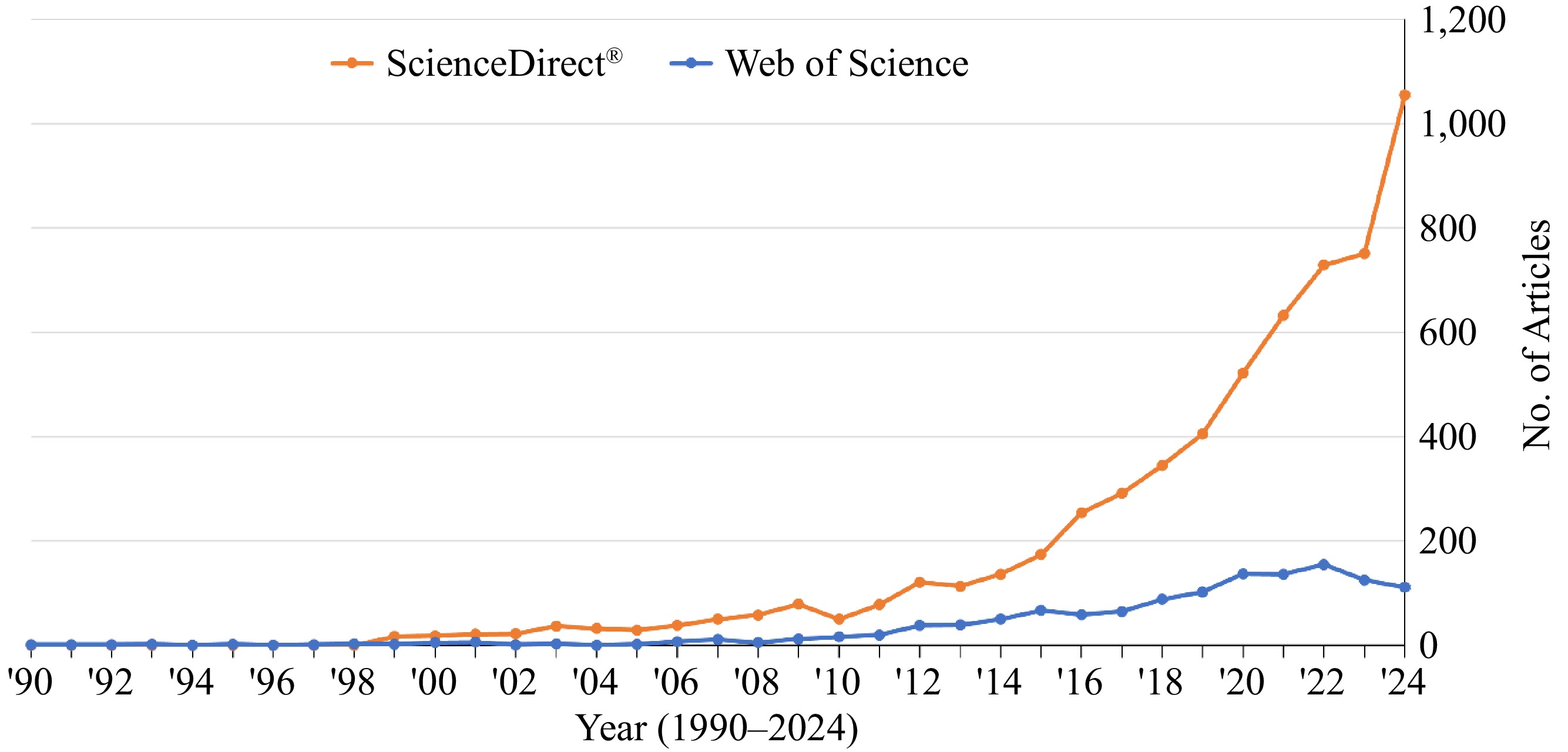
Figure 1.
Number of articles published on microencapsulation of β-carotene in two major research databases.
-
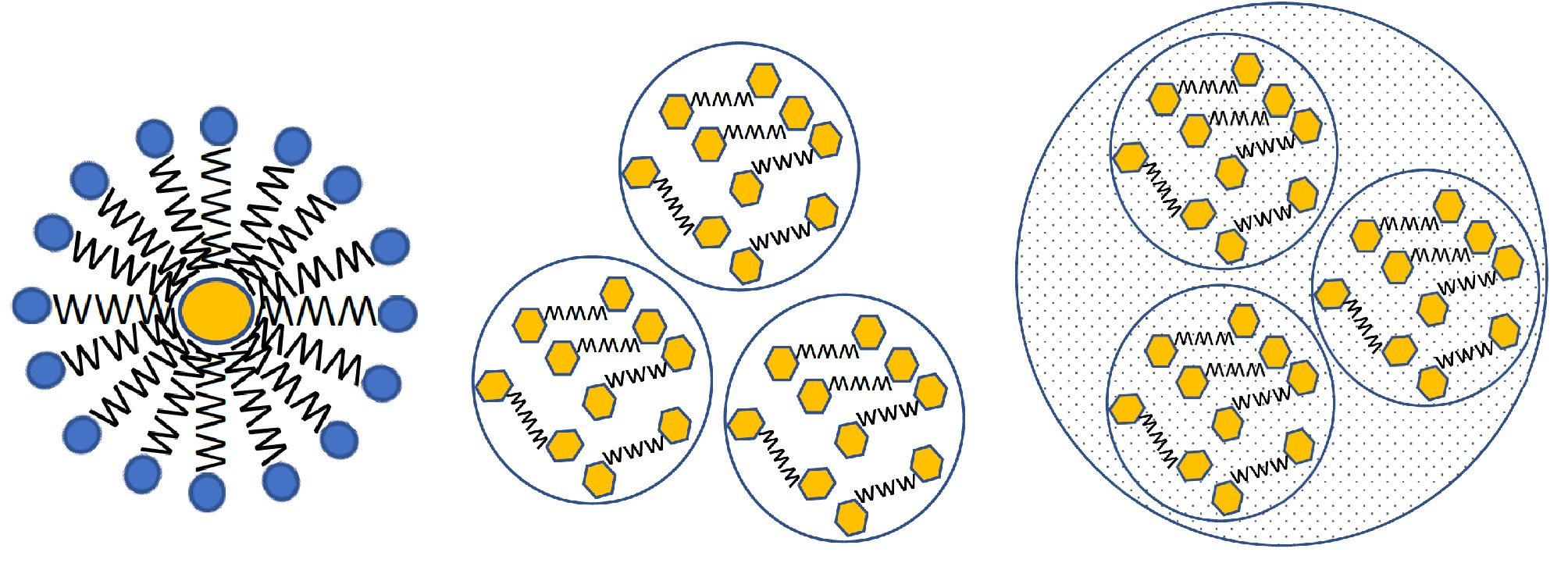
Figure 2.
Schematic diagrams showing some examples of emulsion preparations showing left-micelle, center-emulsion, and right-emulsion gel.
-
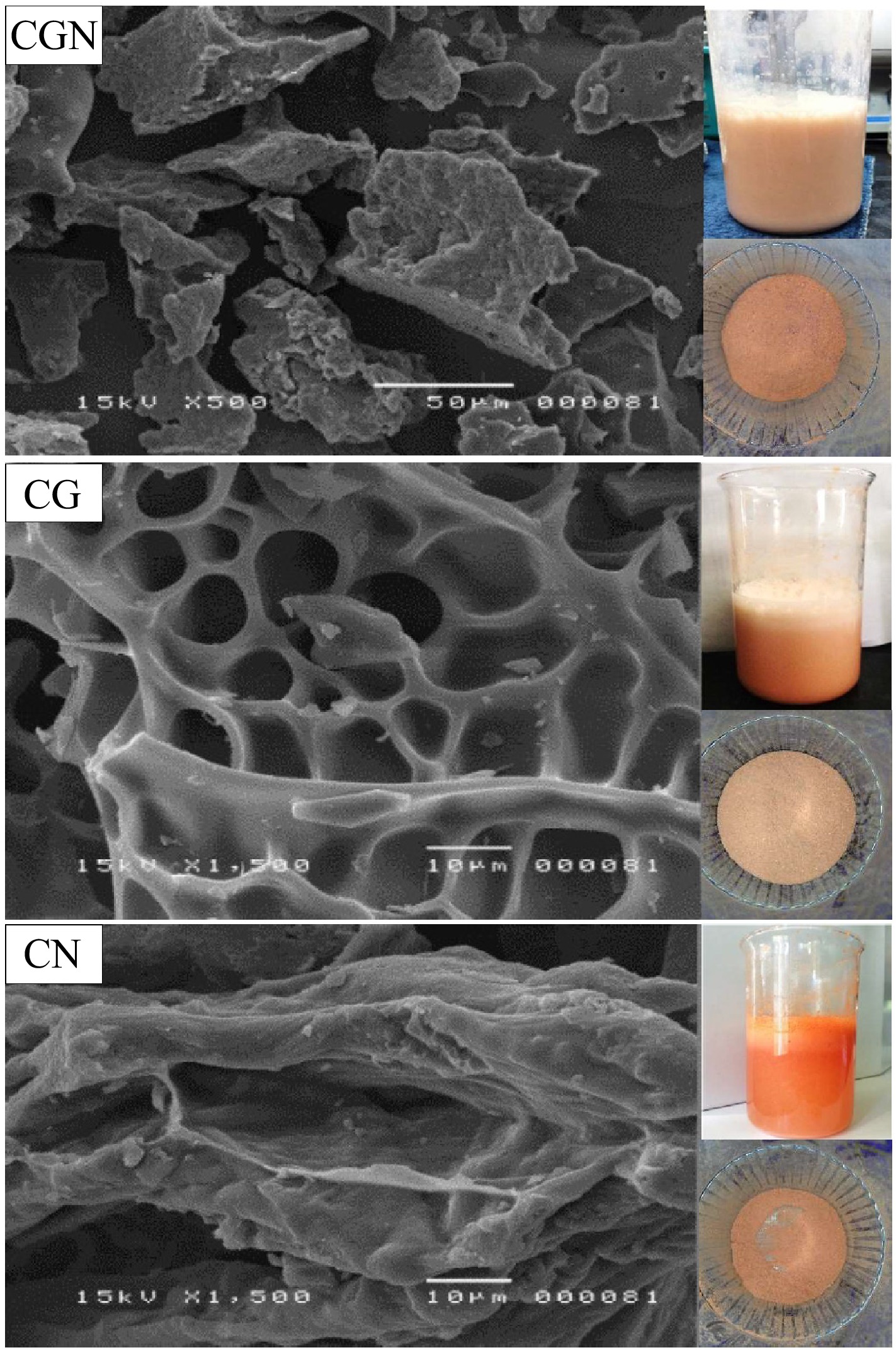
Figure 3.
Scanning electron micrographs and visual appearance of coacervate mixture and powders prepared with chitosan (C), gum acacia (G), sodium tripolyphosphate (N), and β-carotene[71].
-
Country Patent No. Title Remarks Microencapsulation method Australia EP 0643692B1[11] High cis-β-carotene composition Carotenoid composition from a naturally occurring source with high cis β-carotene content USA US 6007856[20] Oil-in-water dispersions of β-carotene and other carotenoids stable against oxidation prepared from water-dispersible beadlets having high concentrations of carotenoid Target application is dilute juice beverage; selected prooxidant is polyphosphate used as acid regulator; water-dispersible beadlet contains gelatin Precipitation of gelatin containing extracted β-carotene and dehydration Australia AU 200071172B2[21] Stable carotene-xanthophyll beadlet compositions and methods of use Identified solidifying agents in beadlets: sucrose, glucose, fructose, starches, polyethylene glycol, gellan, carrageenan, pectin, proteins. Discussed role of phenolic coencapsulants: quercetin, rutin Identified forms of microencapsulation (powders, 2-piece hard shell capsules, gel capsules, tablets, etc.) Low-temperature, low-oxygen bead formation China CN100423652C[6] Natural β-carotene microcapsule and method of making same Used a β-carotene oil solution, hydroxypropyl starch, β-cyclodextrin, maltodextrin, two types of emulsifiers, dispersant, preservative, and antioxidant Spray drying USA US 6890961B2[22] Clear, micellized formulations of β-carotene and method of treating leukoplakia Micelle contains glycerol, unsaturated fatty acid esters, and surfactant Micelle formation USA US 7056525B2[23] Carotenoid formulations, comprising a mixture of β-carotene, lycopene, and lutein Prepared a mixture of carotenoids with vitamin E, oil, gelatin, and sucrose Spray drying China CN 101292965B[24] β-carotene capsule and preparing method thereof Prepared a carotenoid emulsion with cryptoxanthin, monoglyceride, gelatin, and phospholipid emulsifier Spray drying USA US 2007/0082044A1[25] Synergistic effect of compositions comprising carotenoids selected from lutein, β-carotene, and lycopene Mixture was applied to human lymphocytes USA US 7375133B2[26] Pharmaceutical compositions including carotenoid ether analogs or derivatives for inhibition and amelioration of diseases Includes β-carotene, lutein, zeaxanthin, canthaxanthin, astaxanthin China CN 101816330B[27] β-carotene-containing infant milk powder and preparation method thereof Mixture contains docosahexaenoic acid, arachidonic acid, gum acacia, and corn syrup Spray drying Spain ES 2621184T3[28] Stable, ready-to-use suspension of partially amorphous β-carotene particles Preparation contains β-carotene, oil, octenyl succinate starch, polyalcohol, and water. Target applications: variety of beverages (sports drinks, milk drinks, vitamin drinks with fruit juice), alcopops, salad dressings, pudding, ice cream Thin-film evaporation China CN 105925653B[13] Microcapsules and fatty powder containing β-carotene β-carotene extracted from mutant strain of Blakeslea trispora and mixed with starch, maltodextrin, ascorbyl palmitate, and vitamin E Spray drying China CN 103976353B[29] A kind of production method of β-carotene microcapsules Wall material is gum acacia with added sucrose, maltose, or glucose; added oil-phase and O/W phase antioxidants Spray drying China CN 104719894B[30] A kind of preparation technology of β-carotene microcapsules Wall material contains hydroxypropyl etherified starch octenyl succinate; dispersant is trehalose; antioxidants are tea polyphenols, sodium ascorbate, sodium EDTA Microemulsion, followed by spray drying China CN 105087408B[15] A kind of yeast strain producing β-carotene and its application Used genetically modified Saccharomyces cerevisiae CEN.PK2-1C with genes from Blakeslea trispora China CN 105747216B[31] A kind of microcapsules β-carotene powder and preparation method thereof Wall material contains starch sodium octenyl succinate, gum acacia, porous starch; dispersant is maltodextrin Spray drying China CN 107048367A[32] A kind of natural β-carotene microcapsule powder and preparation thereof Wall material contains starch sodium octenyl succinate, gum acacia, porous starch; dispersant is maltodextrin, sucrose, starch syrup; used two types of antioxidant with differing solubilities; added emulsifier, thickener, and acidity regulator Spray drying China CN 112890192A[33] Process for microencapsulation of beta-carotene Beta-carotene was prepared as emulsion with vitamin E and antioxidants with the addition of ethanol and shearing to form a microemulsion Spray drying Table 1.
Selected patents regarding β-carotene and its microencapsulation.
-
Animal Plant Marine Others Carbohydrates Chitosan[17,37,72−74] Starch[18,36,43]; Amylose[80]; Cyclodextrin[17,50,51,53−55,57,58,81−88]; Maltodextrins[14,36−38]; Gum acacia[14,35,45,66,72,89];
Gum tragacanth[68]; Trehalose[45,89]Alginate[37,73,75,76] Modified: Octenyl succinate starch[42,44,90];
Fungal: Pleurotus ostreatus glucan[77];
Microbial: Pullulan[91]Proteins Casein[68]; Whey[40,45,60,66,70,75,89,91] Rice[38]; Zein[60]; Oat[77] Lipid Phospholipids from egg yolk[76,83,92] Fat/oil[14,40−43,60,75,77,90,93]; Phospholipids[9] Table 2.
Materials used for the microencapsulation of β-carotene.
-
Matrix Encapsulate form Digestion protocol Results Almond butter[73] (1) Calcium alginate gel; and (2) Whey protein emulsion-alginate gel (a) Static digestion protocol (4 h) involving simulated saliva (0.5 min), gastric (2 h), and intestinal (2 h) juices; (b) Human gastric simulator model for peristaltic effect on bioaccessibility For (a) and (b), no significant release of carotene until the last hour of simulated intestinal digestion, with little incorporation of the carotene in the micelles Yoghurt and pudding; soybean oil added to provide oil phase for emulsification[37] (1) Calcium alginate gel with chitosan coating; and (2) spray dried powder with maltodextrin Static digestion protocol (4 h) involving simulated saliva (5 min), gastric (2 h), and duodenal + intestinal (2 h) juices Greater release in absence of food matrices; yoghurt was more effective vehicle than pudding for spray-dried encapsulates; chitosan-alginate beads less effective than spray-dried powder Murumuru butter[41] Nanostructured lipid carrier with and without α-tocopherol Dynamic digestion (5 h) protocol involving simulated gastric (2 h), duodenal, jejunal, and ileal juices (3 h) Increase in particle size from 41 to 473 nm after digestion; no change in zeta potential; max. carotene bioaccessibility ~16% with ~30% non-absorbed; need to address cytotoxic effect Cooked rice[51] Inclusion complexes using physical blending (PB), kneading (K), and co-precipitation (CP) Static digestion protocol (4 h) involving simulated saliva (5 min), gastric (2 h), and duodenal + intestinal (2 h) juices ~40% release for PB samples; high radical scavenging activity for PB, K; high reducing activity for CP; variable effect of rice on release and antioxidant activity at each phase Cooked rice[58] Inclusion complexes using co-precipitation (β-cyclodextrin) Static digestion protocol (4 h) involving simulated saliva (5 min), gastric (2 h), and duodenal+intestinal (2 h) juices Decreasing release trend for water-dispersible complex and no effect of food matrix; greater intestinal release for hexane-soluble complex with food matrix Uncooked and cooked rice [38] Spray-dried powder with maltodextrin and rice bran protein concentrate Static digestion protocol (4 h) involving simulated saliva (5 min), gastric (2 h), and duodenal + intestinal (2 h) juices Less release when encapsulates were boiled with rice than when added to cooked rice; decreasing trend over gastric to intestinal digestion Table 3.
Food matrices used in simulated digestion studies with enzymes.
Figures
(3)
Tables
(3)