-
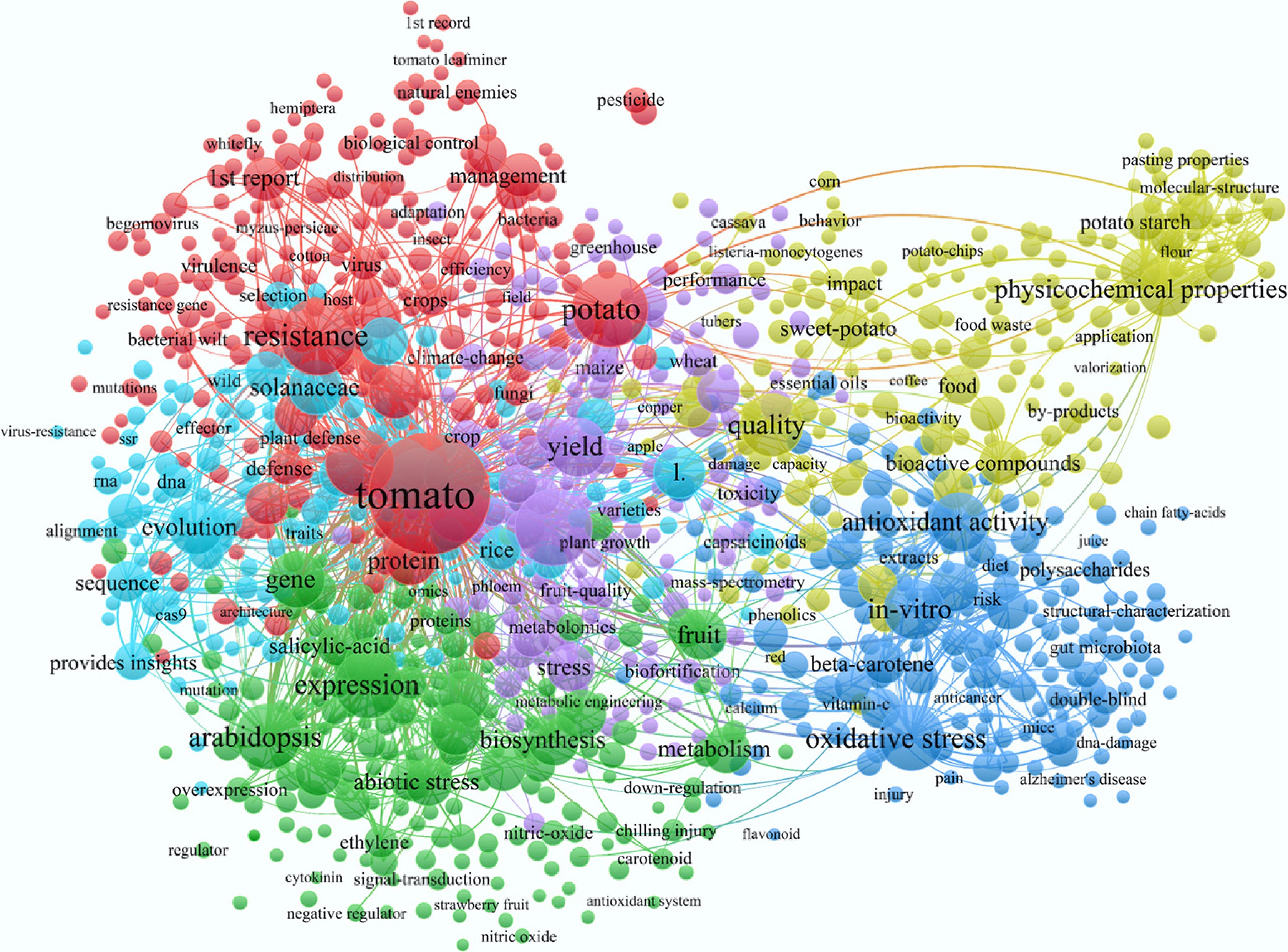
Figure 1.
Visual analysis diagram of the main solanaceous vegetables. The search period was up to January 6, 2026. Based on the Web of Science (WOS) database, the main solanaceous vegetables and nightshade vegetables were searched according to the search formula TS = (Solanum lycopersicum) OR TS = (Capsicum annuum) OR TS = (Solanum melongena) OR TS = (Solanum tuberosum) OR TS = (Lycium) OR TS = (Physalis spp) OR TS = (Solanum betaceum) OR TS = (Cyphomandra betacea) OR TS = (Solanum tuberosum 'Andigenum' Group) OR TS = (Solanum juzepczukii) OR TS = (Solanum curtilobum) OR TS = (Solanum melanocerasum) OR TS = (Solanum nigrum) OR TS = (tomatoes) OR TS = (eggplants) OR TS = (peppers) OR TS = (Potatoes). The data was visualized using VOSviewer (Version 1.6.20).
-
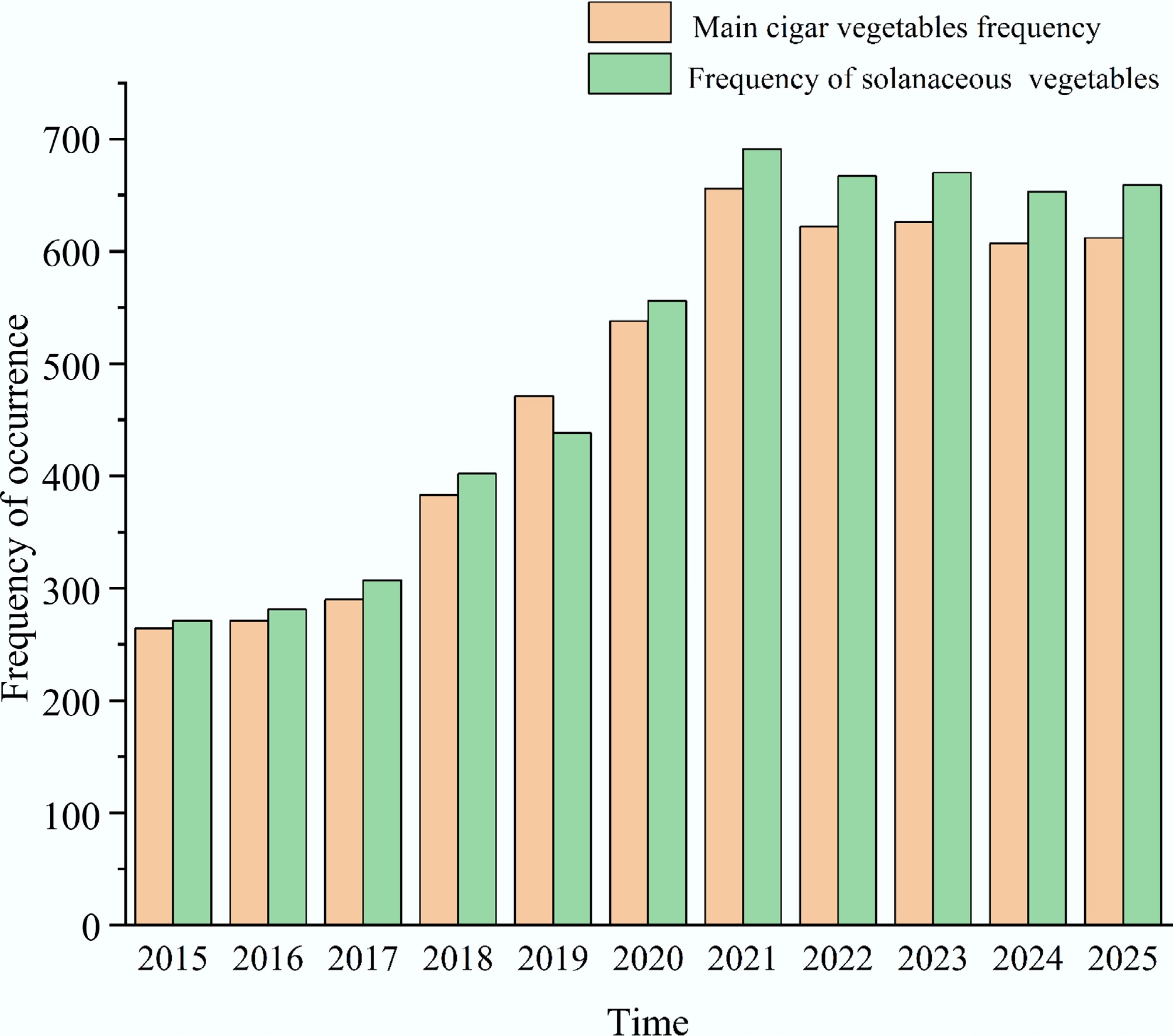
Figure 2.
Comparison of the frequency between solanaceous vegetables and the main solanaceous vegetables.
-
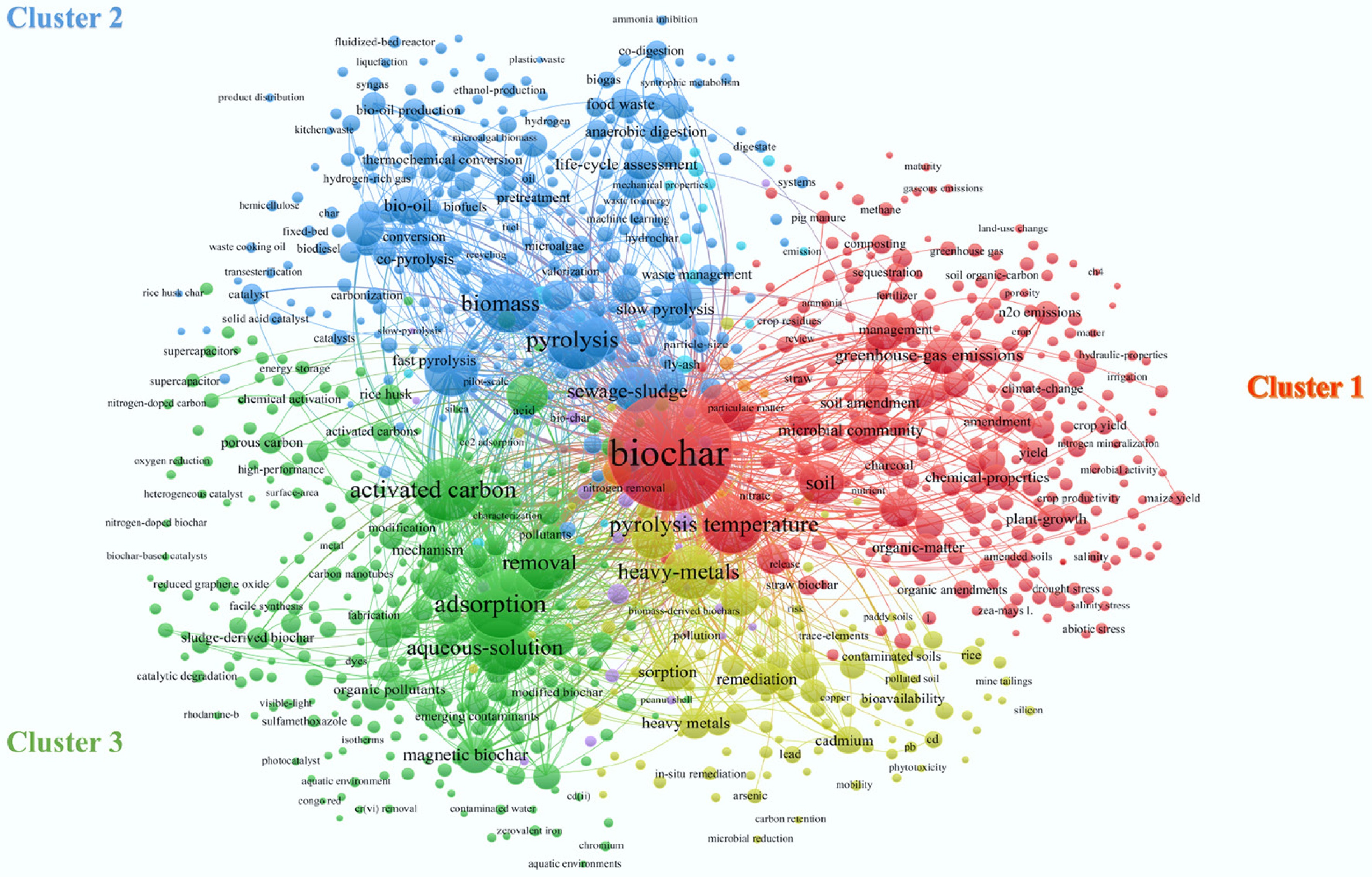
Figure 3.
Keyword co-occurrence analysis of biochar application.
-
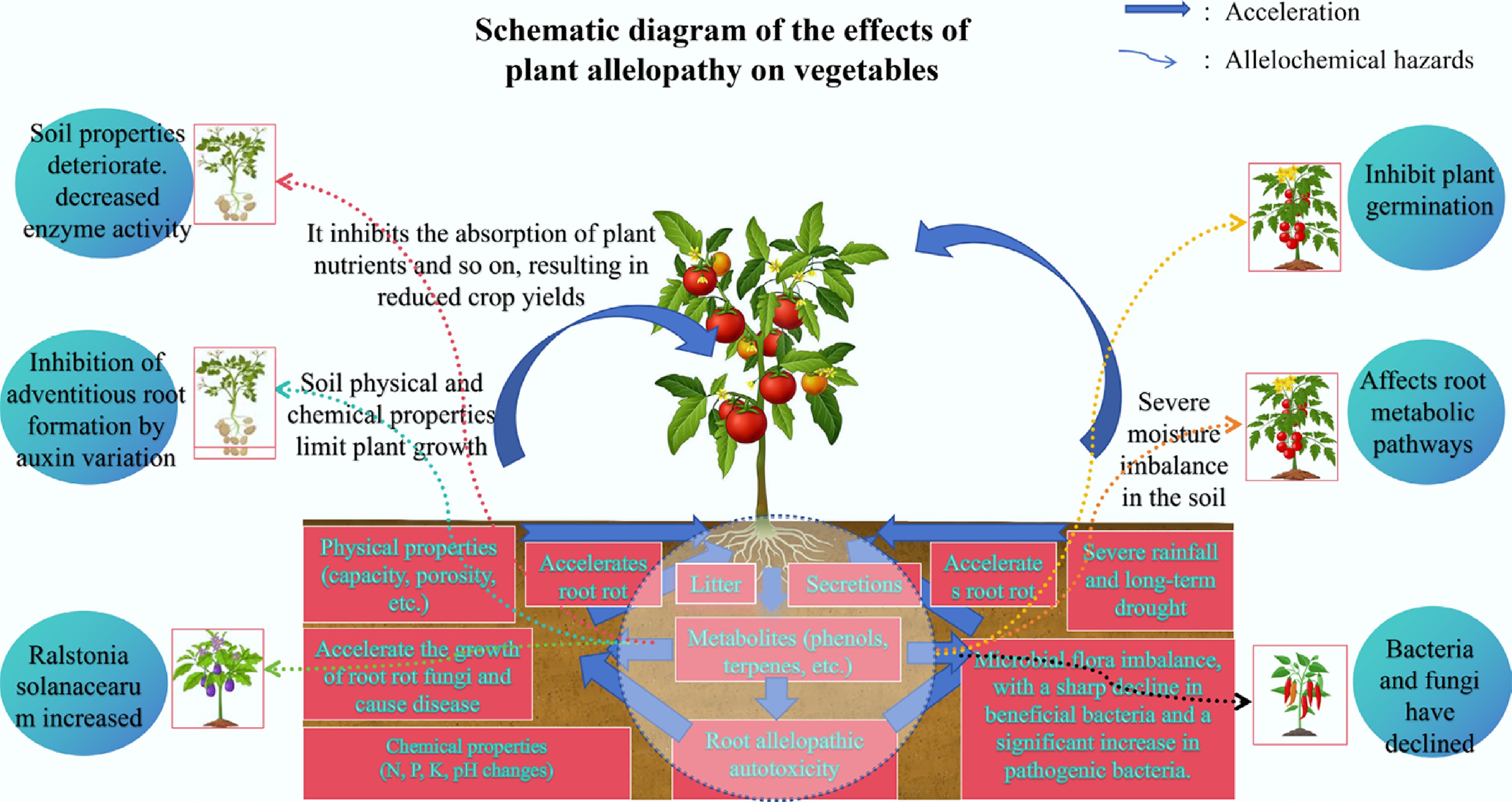
Figure 4.
Mechanism of CCOs in solanaceous vegetables[9].
-
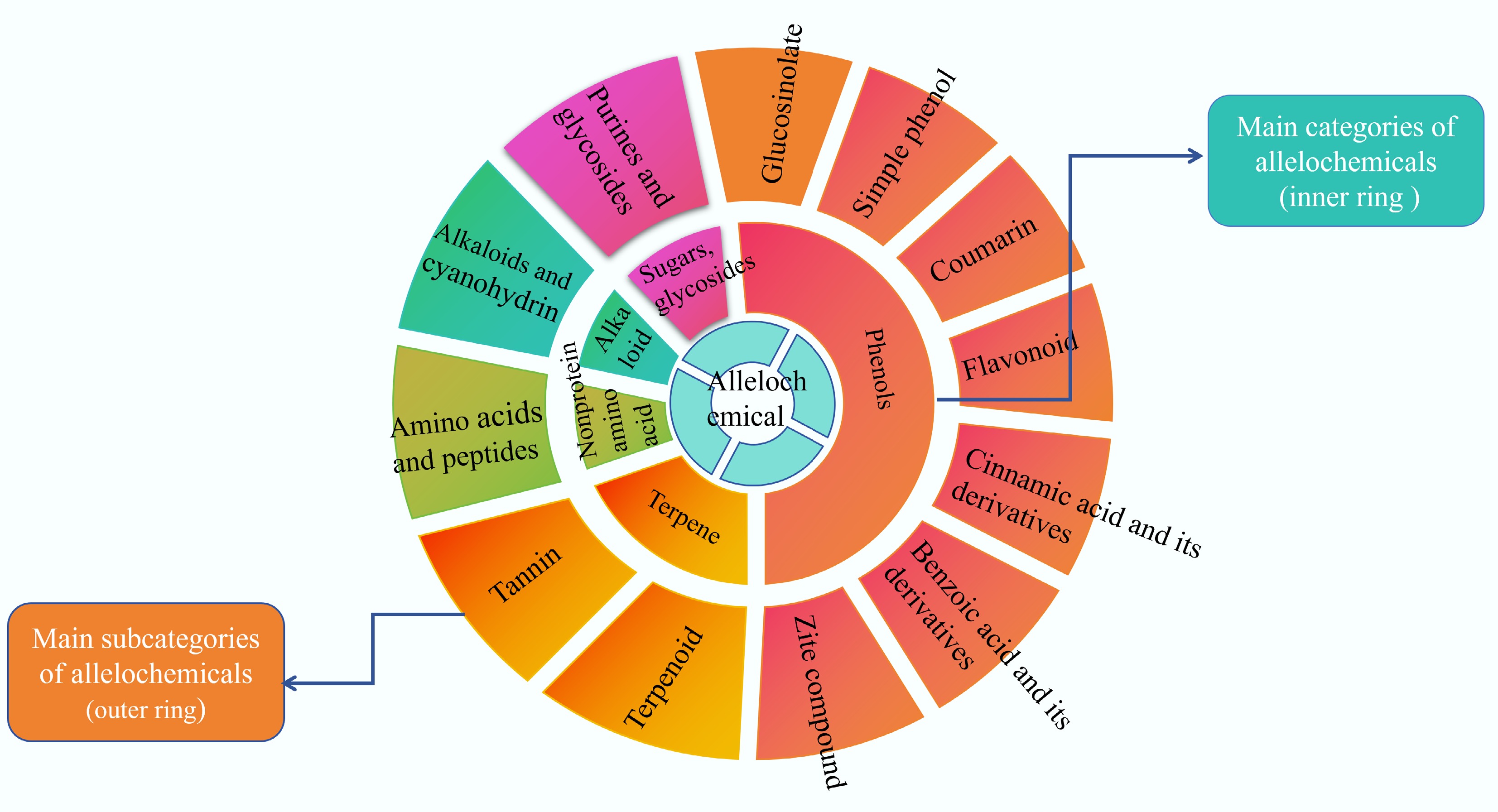
Figure 5.
Classification diagram of allelopathic substances[37].
-
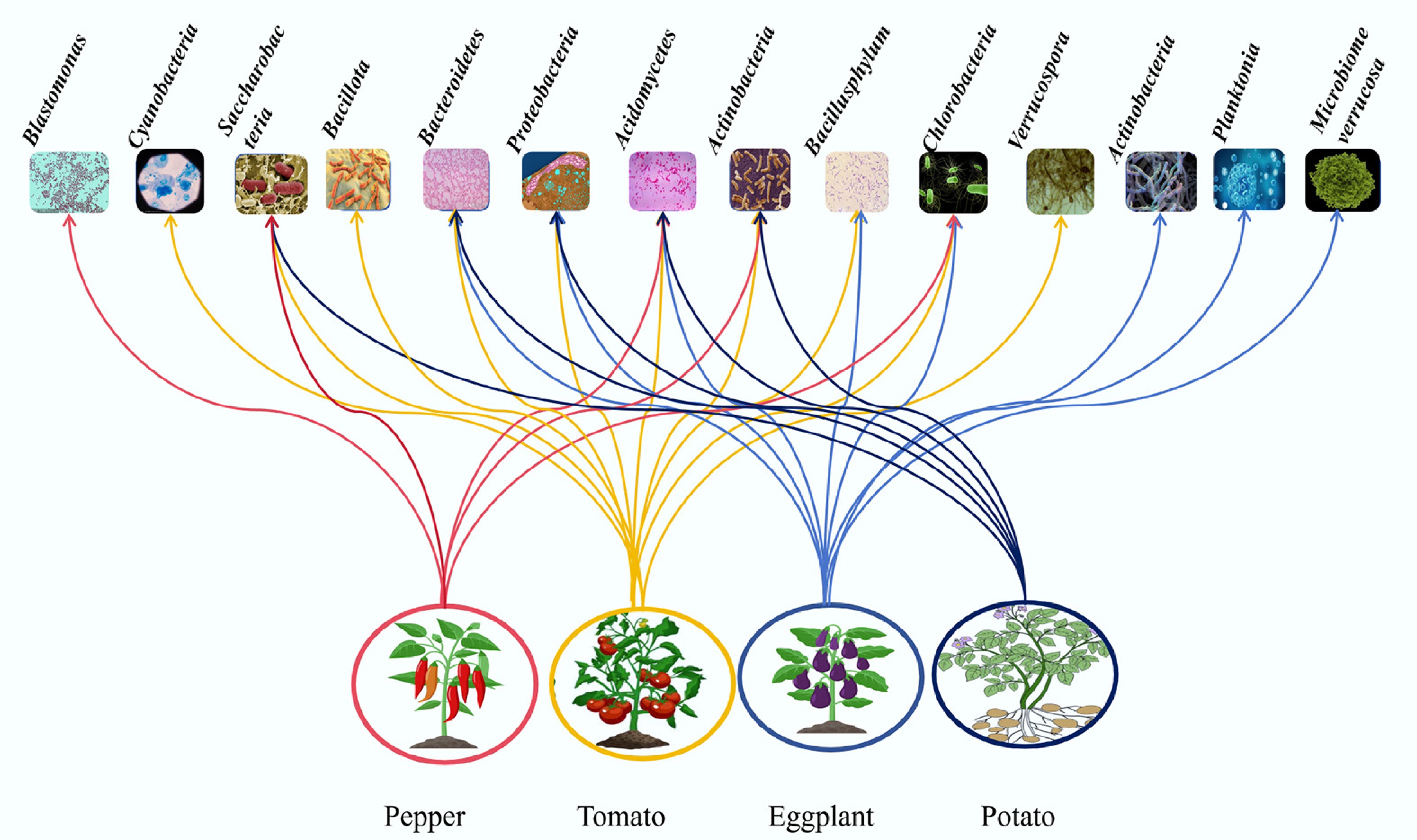
-
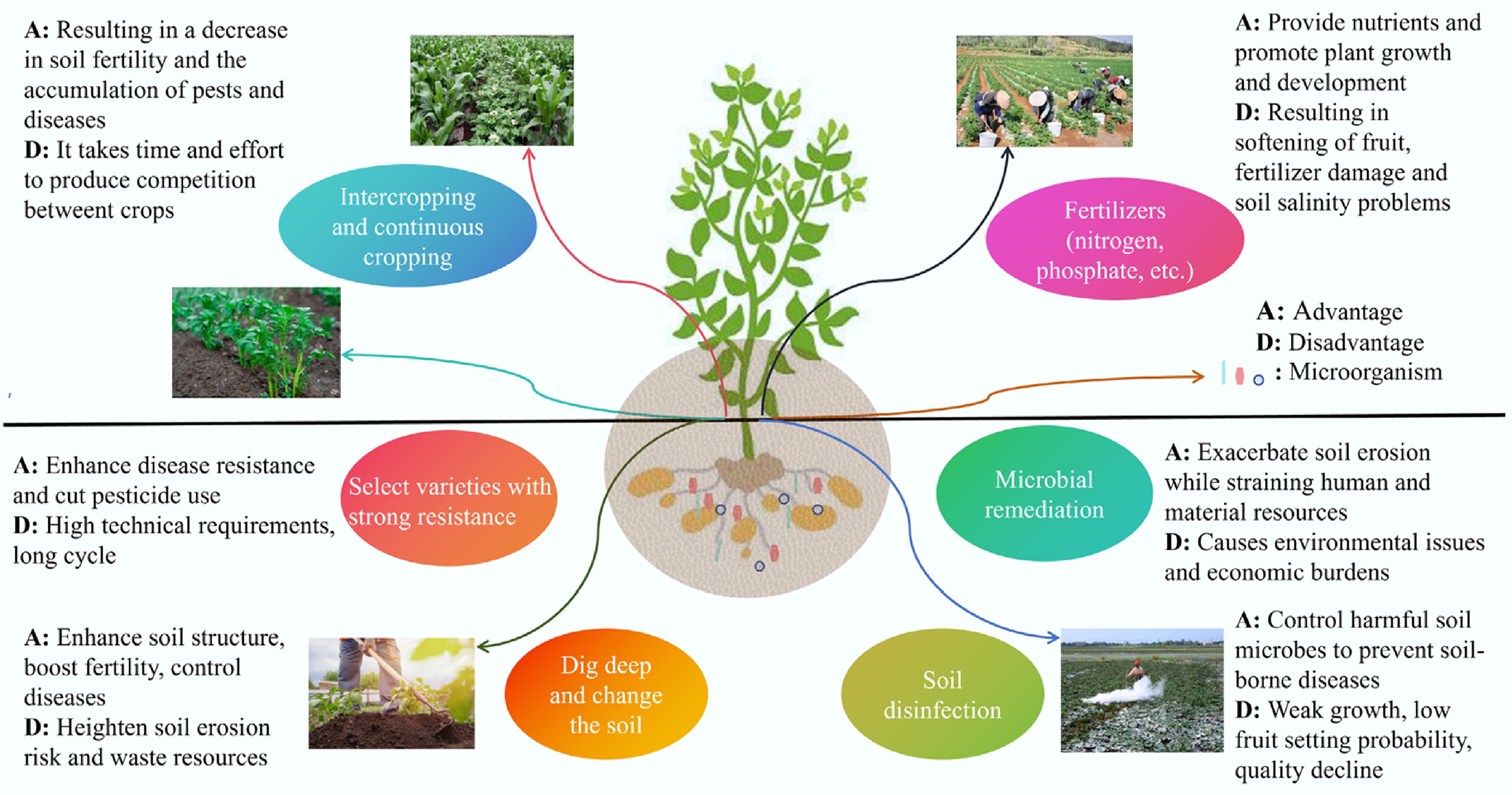
-
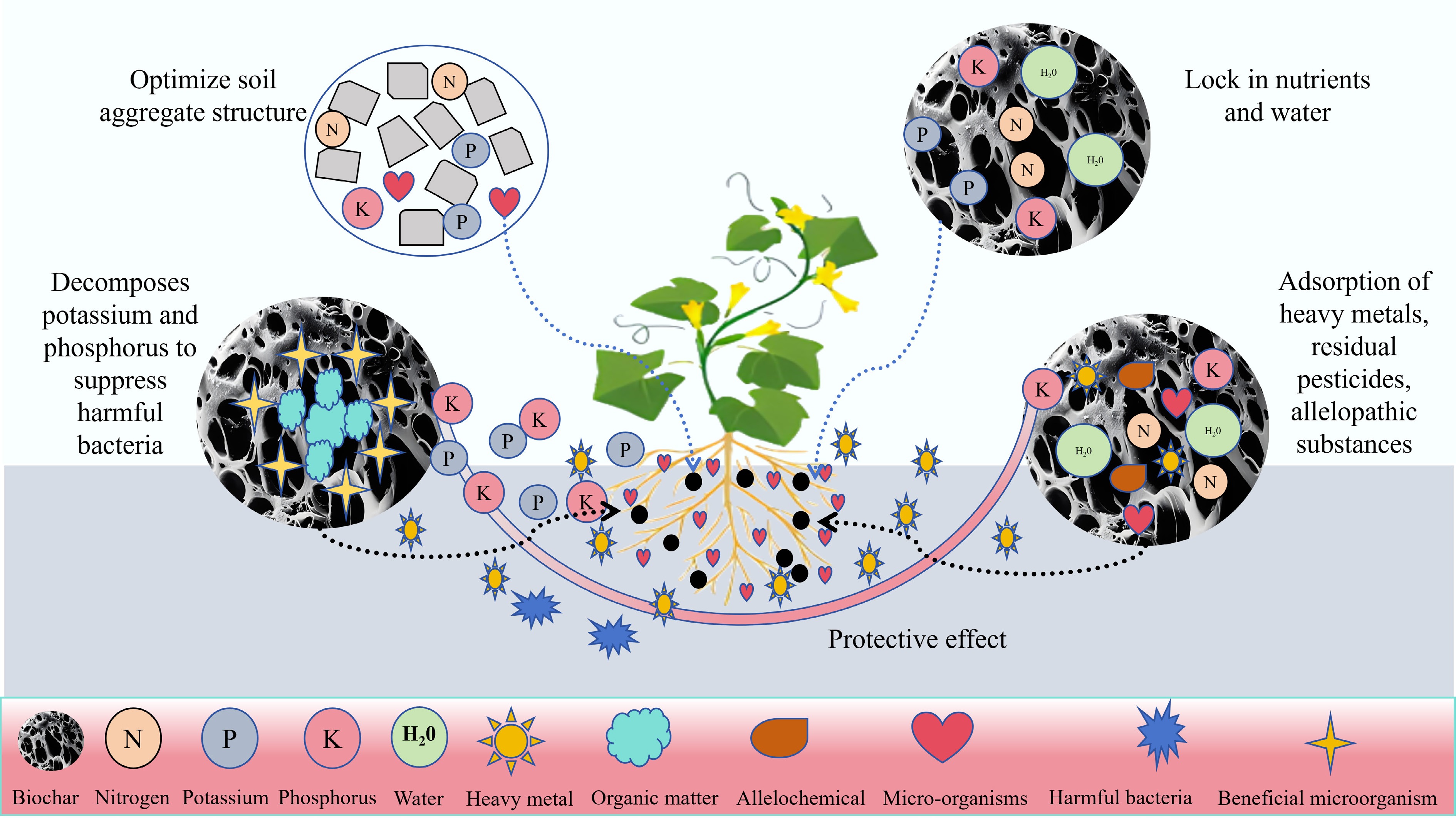
Figure 8.
Mechanistic diagram of the recovery of solanaceous vegetables from CCOs by biochar treatment[9].
-
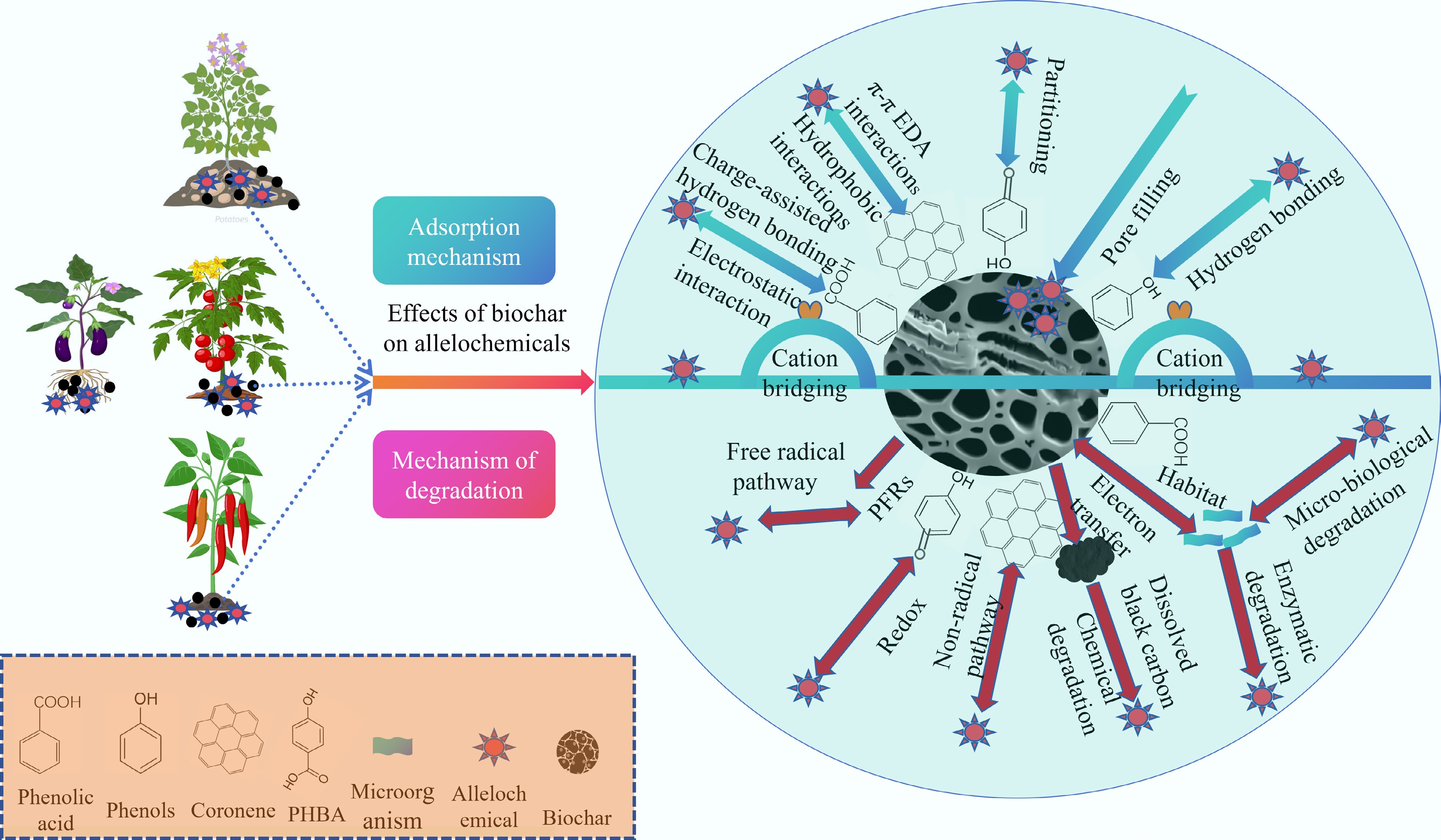
Figure 9.
Adsorption and degradation mechanisms of allelopathy by biochar[111].
-
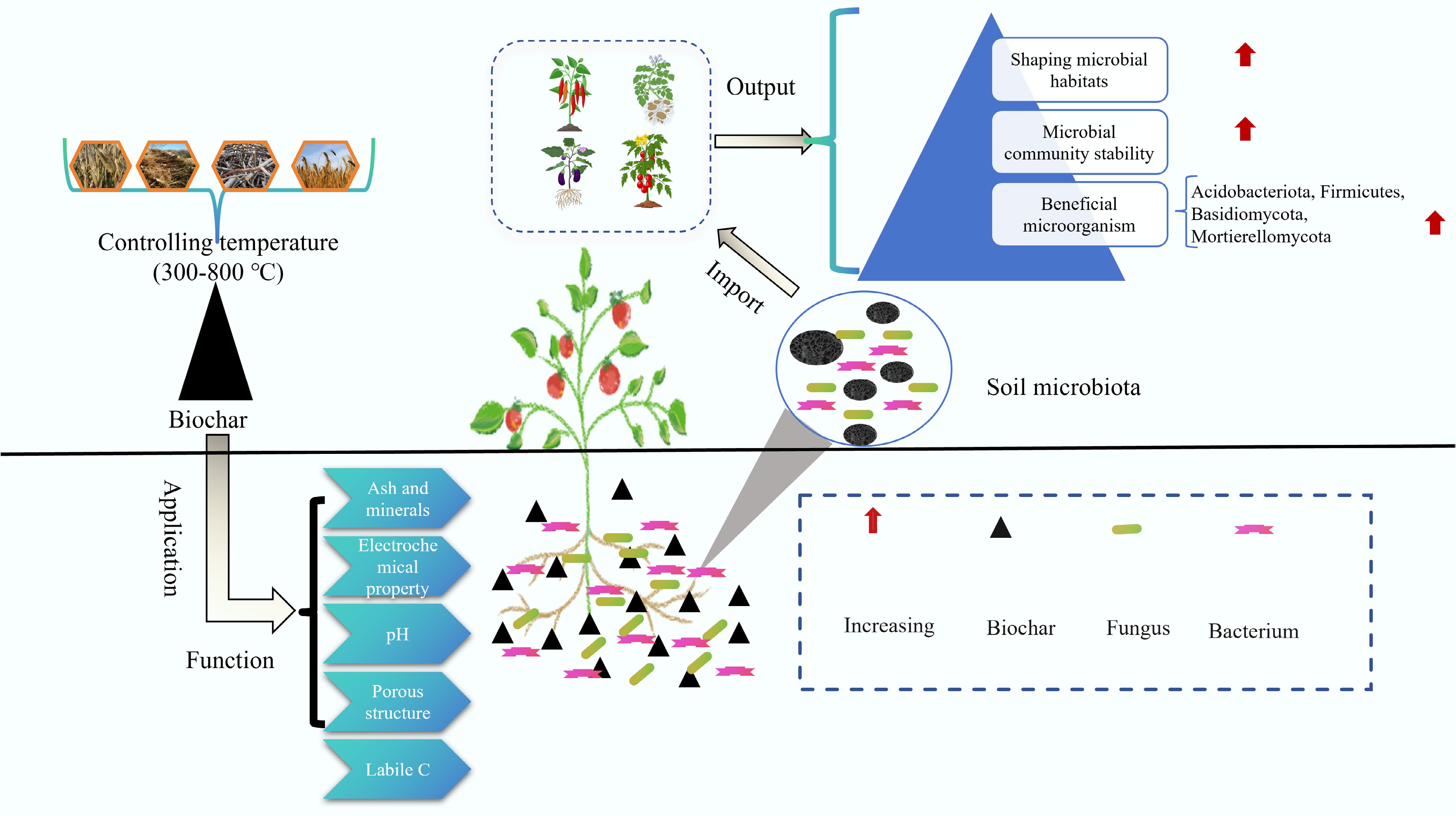
Figure 10.
Effects of biochar on soil microbial communities[131].
-
Solanaceous vegetable species Allelopathic substances Impact on crops and soil Ref. Potato Vanillin, ferulic acid, and p-hydroxybenzoic acid Reduced root IAA content inhibits adventitious root formation, ultimately
reducing yield.[13,34,39] Eggplant Esters, alcohols, hydrocarbons, fatty acids, ethers, ketones, and benzene Continuous cropping promotes Ralstonia solanacearum proliferation, disrupting microbial community stability and function while lowering diversity. [10,40,41] Pepper Olefins, phenols, alkanes, aromatics, alcohols, ketones, etc. Decreased bacterial and fungal genera abundance; reduced soil microaggregates; nonlinear β-glucosidase decline; altered microbial composition; impaired plant growth and pathogen resistance. [11,42] Tomato Alcohols, terpenes, phenolic acids, etc. Mainly including benzoic acid, ferulic acid, and cinnamic acid Root exudates hinder the germination process of tomato seeds and impede
the spontaneous growth of tomato seedlings.[12] Table 1.
Effects of allelopathy on solanaceous vegetables
-
Solanaceous vegetables Treatment methods Effects Ref. Potato Ridge and furrow mulching planting method Increases crop yield and promotes the proliferation of soil basidiomycete fungi. [60] Tomato Organic fertilizers Promotes the increase of organic carbon, total nitrogen, total phosphorus, and total potassium contents. [56] Tomato Microbial restoration substrate (MRS) Increases the abundances of Proteobacteria, Actinobacteria, and Bacteroidetes, while decreasing the abundances of Acidobacteria, Firmicutes, and Actinomycetes. [72] Tomato New bio-organic fertilizer Improves growth conditions and inhibits the spread of soil pathogen Fusarium wilt. [61] Eggplant Garlic stems or biological fertilizers Enhances photosynthesis and antioxidant systems, and promotes the synthesis of plant hormones and the absorption of mineral nutrients. [58] Eggplant Grafting technology Effectively controls the occurrence of bacterial wilt and increases eggplant yield. [33] Pepper Cannabis and chili pepper crop rotation Significantly reduces the incidence of chili pepper diseases. [59] Pepper Interplanting deep-rooted and shallow-rooted plants Enhances nutrient absorption and nitrogen utilization in the deep soil layer, and reduces nitrate loss. [57] Table 2.
Methods and effects of alleviating CCOs in solanaceous vegetables
-
Solanaceous vegetables Preparation of biochar raw materials Effects Ref. Tomato Olive branch Biochar concentration of 10%–15% significantly promotes the development of tomato seedlings, while enhancing its defense against systemic pathogens, including potato spindle tuber viroid and tomato spotted wilt virus. [83] Tomato Vine pruning residue (grapes) Through the improved soil treatment, plant height, leaf count, and collar diameter were over 50% greater than those in other methods, accompanied by increased soil conductivity, pH, and soluble nutrients. Furthermore, the application of biochar reduced soil bulk density by approximately 50%, enhancing root growth and subsequent water and nutrient absorption. [84] Tomato Two biochar nanoparticles were prepared from rice and corn stover Through the application of biochar, the biomass of aboveground parts and roots was enhanced, while their fresh weights increased. Additionally, it suppressed the upward transfer of sodium, thereby enhancing crops' salt tolerance. [85] Tomato Rice husk biochar Through biochar amendment, the microbial biomass C : N : P of soil increased, resulting in enhanced tomato height, stem circumference, and leaf area. [86] Eggplant Date palm, pistachio biochar Through the application of biochar, vegetative growth, yield, and water use efficiency of eggplant were enhanced. [87] Eggplant Leaf waste biochar Through the addition of leaf waste biochar (LWB) with the biocontrol agent trichoderma harzianum (BCA), plants showed higher levels of phenolics, flavonoids, and peroxidase, NPK content in eggplants significantly rose. [88] Potato Barley straw Through biochar application, cation exchange in soil, organic matter, soil pH, and crop yield were enhanced. [89] Potato Corn straw biochar Through the use of 7% biochar, plant growth was optimized, significantly reducing the metal accumulation in potato plants. Biochar enhanced the leaf growth, stem growth, and tuber growth, while mitigating the accumulation of As, Cd, Cu, and Pb. [90] Potato Pig and cow feces Biochar combined with recommended nutrients from mineral fertilizers (RNPK) significantly increased potato yield and water use efficiency. [91] Pepper Biochar Through the combined treatment of chemical fertilizer and biochar, the pepper yield significantly increased. [92] Table 3.
Different biochars used to mitigate obstacles to the continuous cropping of solanaceous vegetables
Figures
(10)
Tables
(3)