-
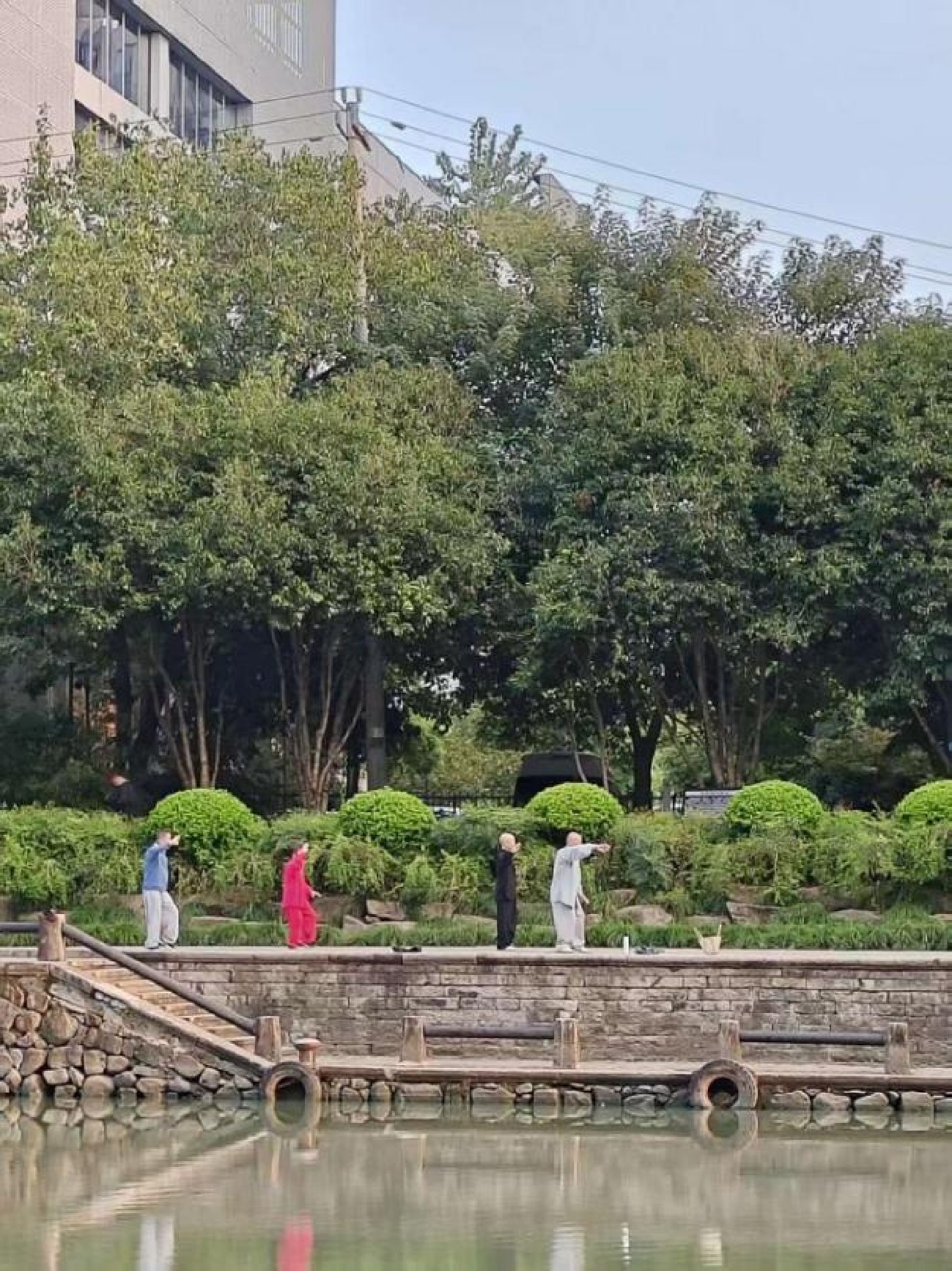
Figure 1.
Residents and human settlement forests, which is a booming style of living (photographed by Jianfeng Zhang).
-
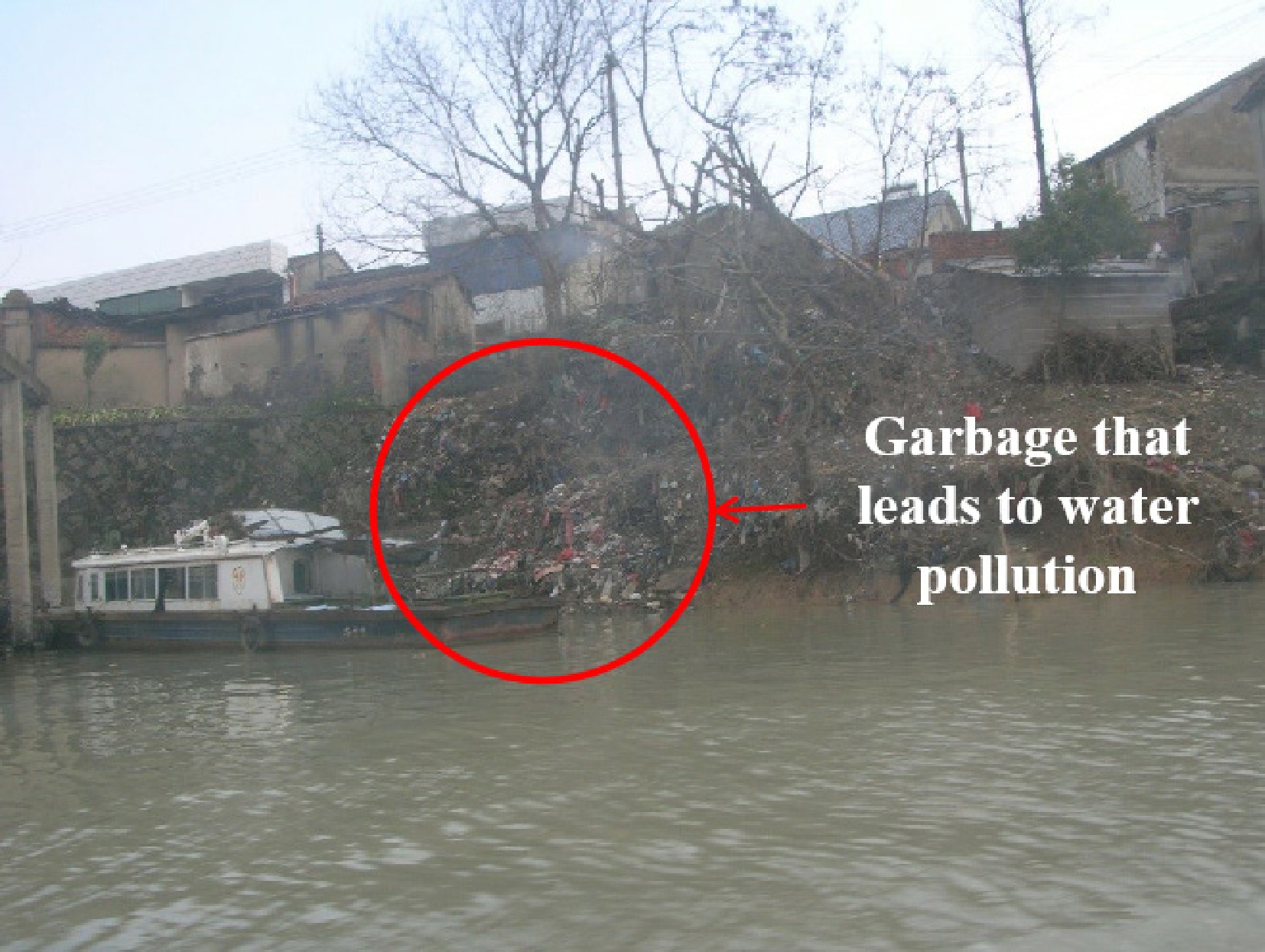
Figure 2.
Random disposal of garbage can result in the decline of surface water and groundwater quality in some rural areas (photographed by Jianfeng Zhang). This situation is relatively common and requires management[21].
-
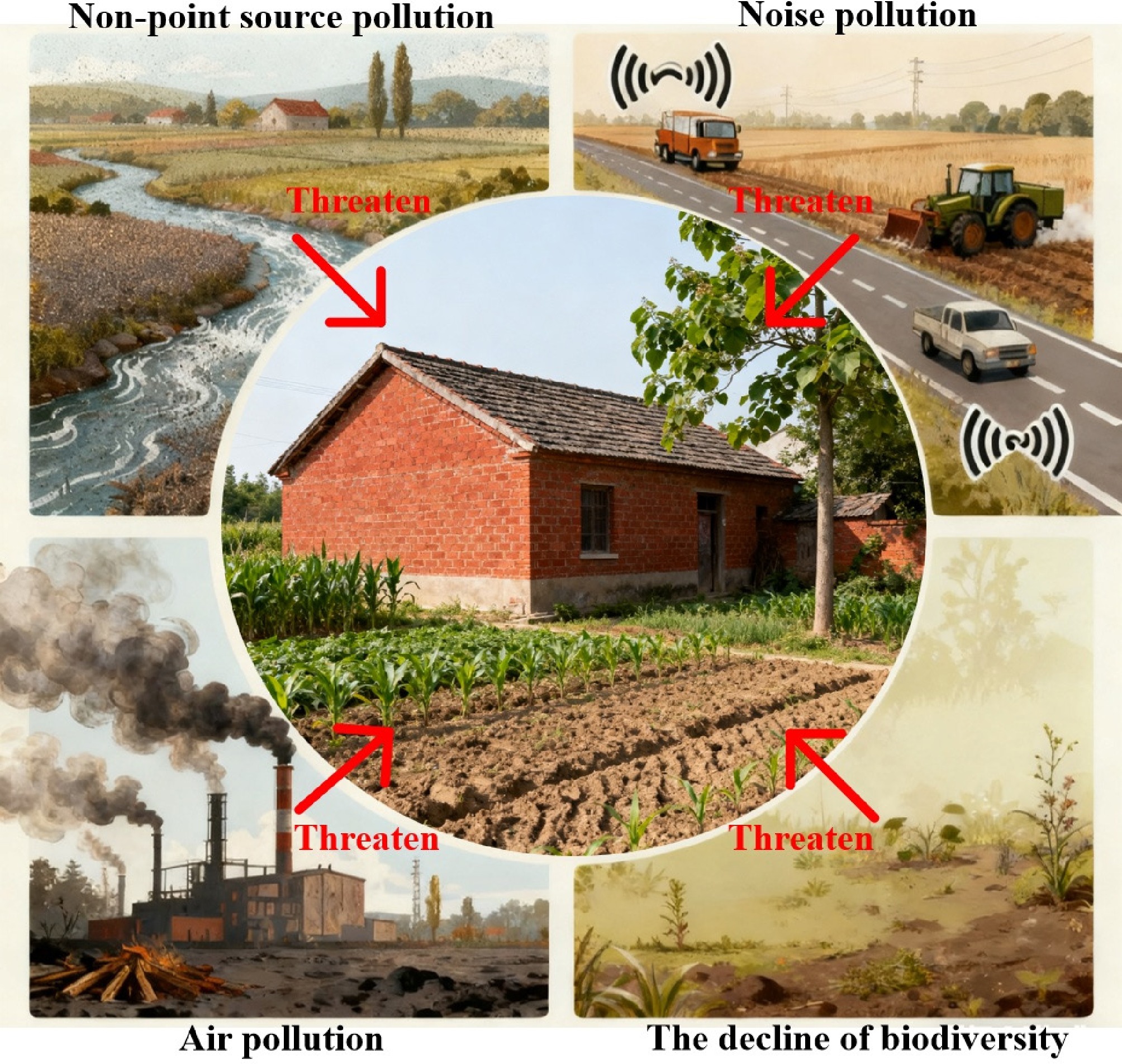
Figure 3.
Current rural environmental problems (created by Rongjia Wang using AI and PPT. Some of the materials are sourced from the Internet and are only used for illustration and not for commercial profit).
-
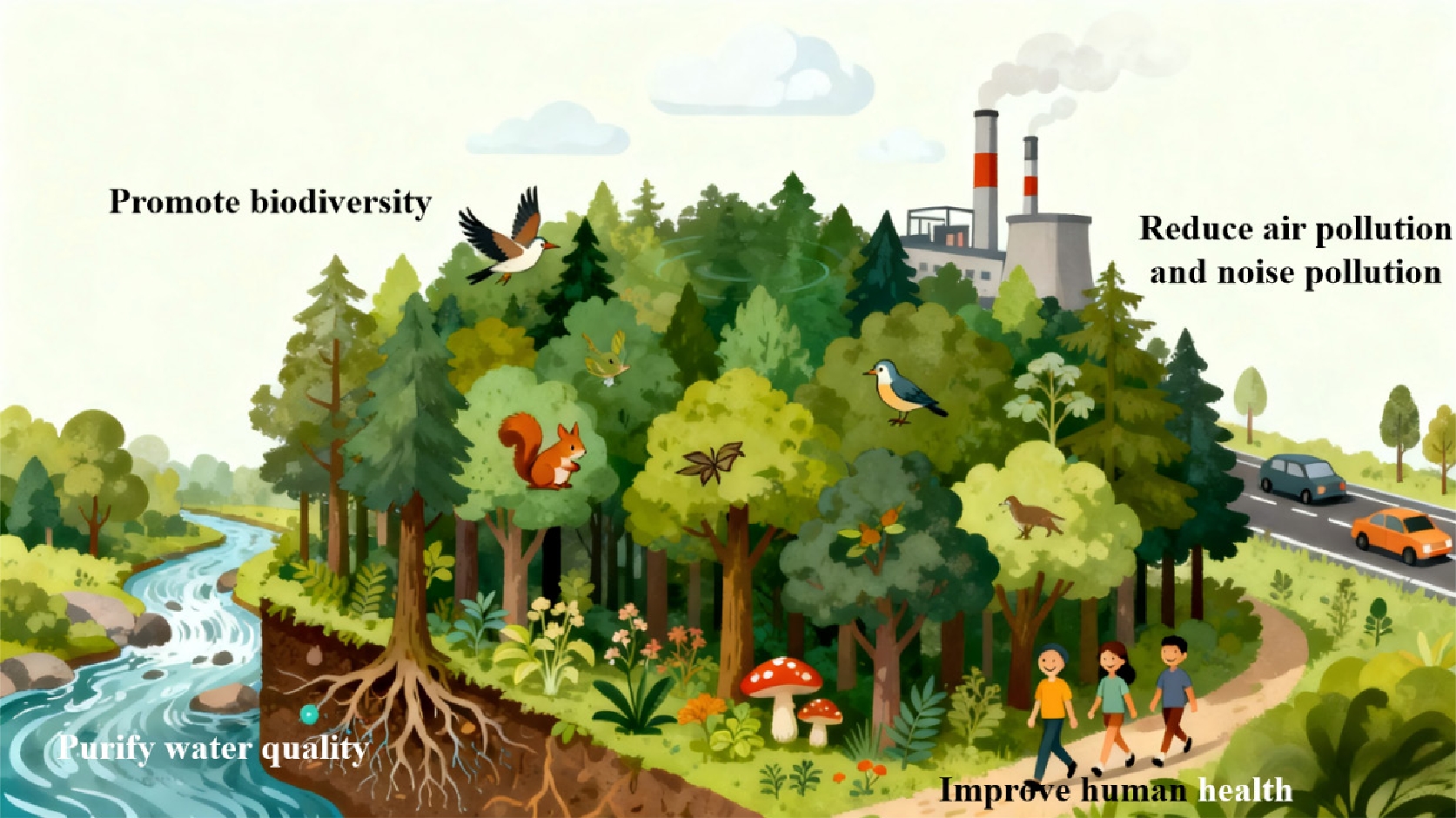
Figure 4.
Ecological functions of human settlement forests (created by Rongjia Wang using AI and PPT. Some of the materials are sourced from the Internet and are only used for illustration and not for commercial profit).
-
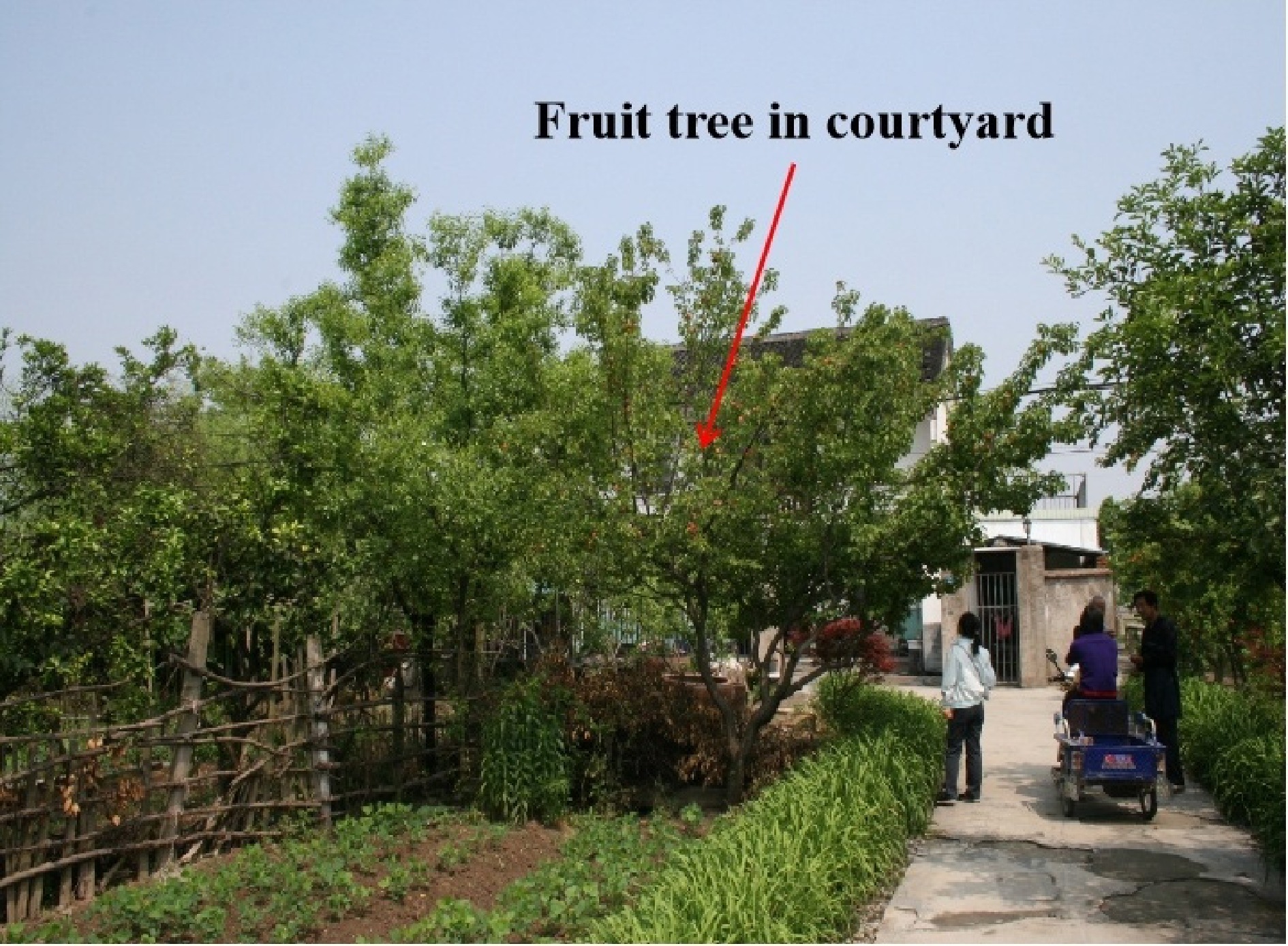
Figure 5.
Rural courtyard forests (planted in the courtyard to produce fruit and provide shelter, photographed by Jianfeng Zhang) have a long tradition and are preferred and promoted in the country[21].
-
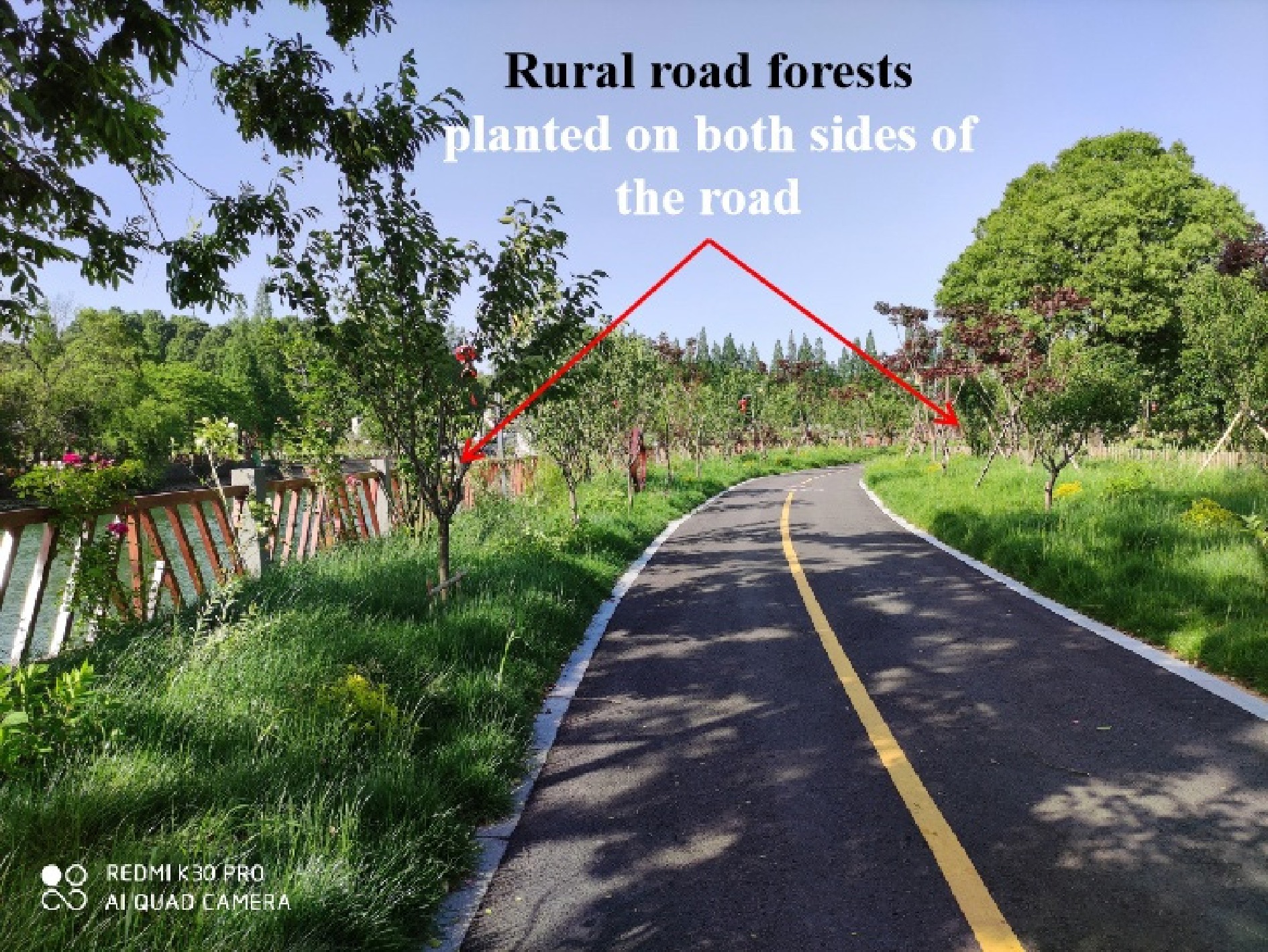
Figure 6.
Rural road forests (to purify air and provide shade, shelter, and moderate temperature, photographed by Jianfeng Zhang) have numerous roles, and are typically listed in local regional development plans.
-
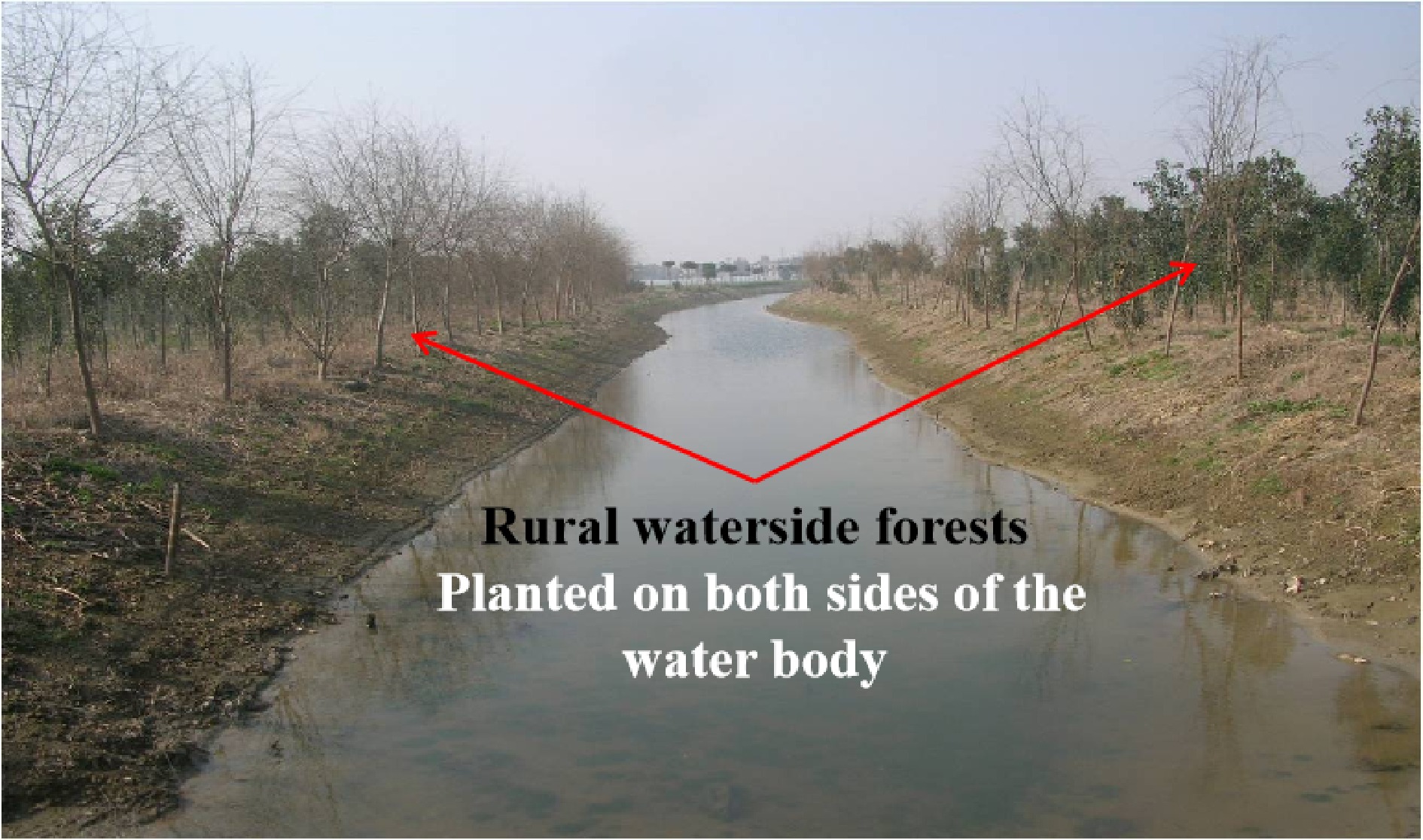
Figure 7.
Rural waterside forest (to protect riparian zones and intercept pollutants, photographed by Jianfeng Zhang) is an important type of water conservation and residential forest.
-
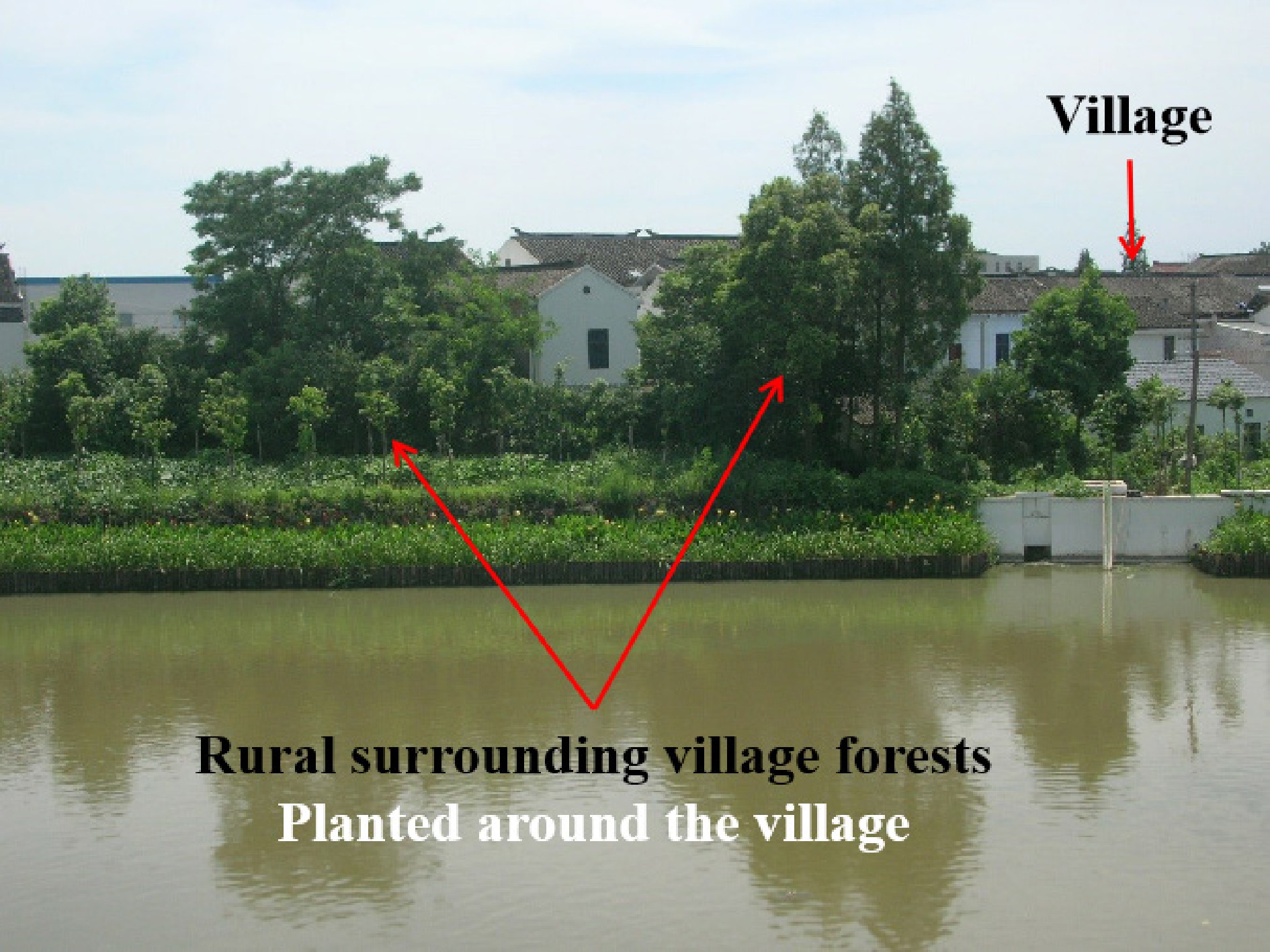
Figure 8.
Rural surrounding village forests (for shelter and aesthetics, photographed by Jianfeng Zhang) are the traditional human settlement forest type[21].
-
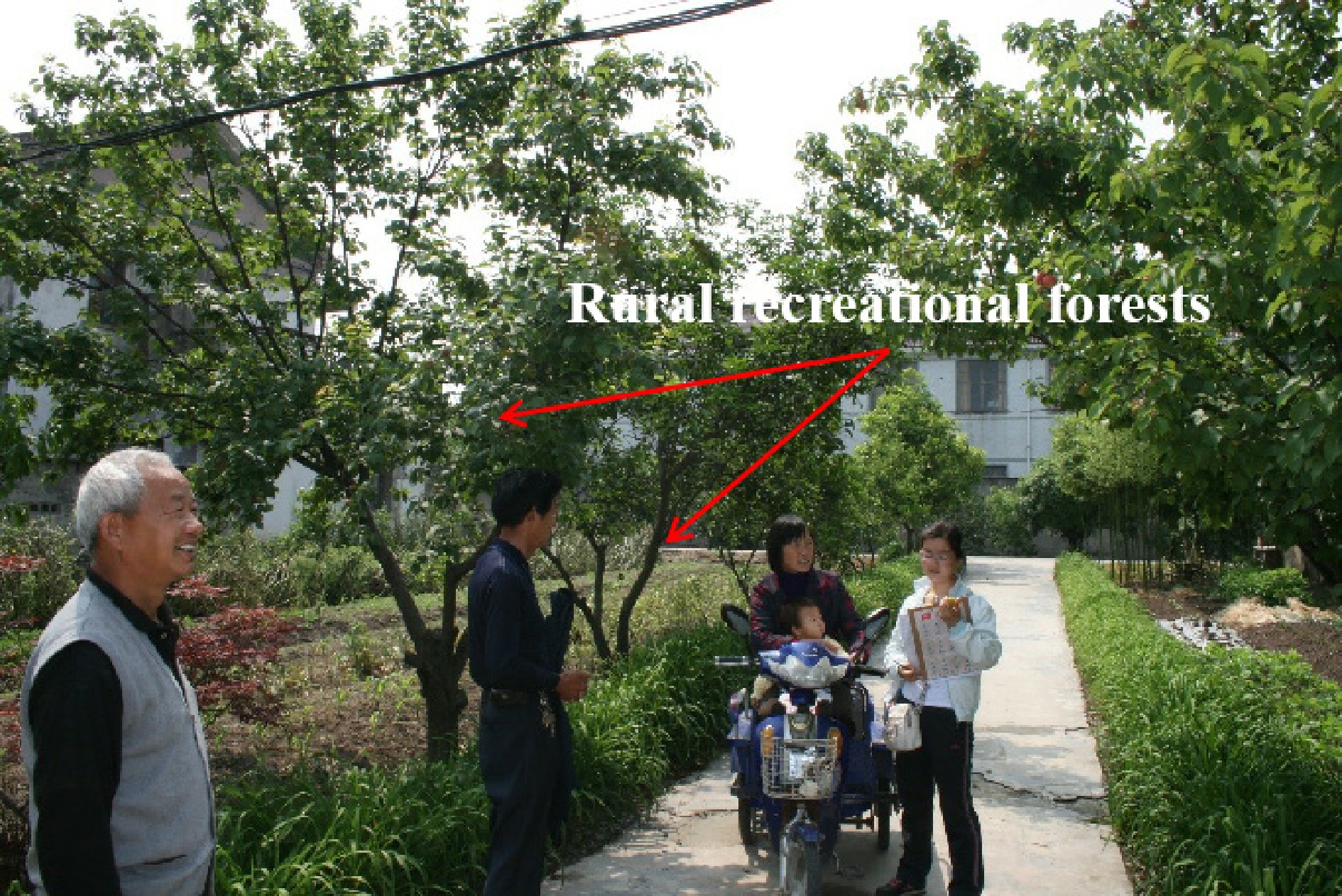
Figure 9.
Rural recreational forest (for landscape and recreation, photographed by Jianfeng Zhang) is a new and thriving type of residential forest associated with rural development[21].
-
Ref. Region Nitrogen and phosphorus loss Removal efficiency of forested lands Wang et al.[43] Tai'an, China Quercus acutissima Carr. (TN: 12.54 mg/L, TP: 0.41 mg/L), Robinia pseudoacacia L. (TN: 11.59 mg/L, TP: 0.32 mg/L); Wasteland (TN: 16.92 mg/L, TP: 0.78 mg/L) Zak et al.[94] Fillerup, Denmark 37% ± 17% NO3−-N, 38% ± 16% TN,
52% ± 12% TPHuang et al.[95] Sanjiang plain, China Upland (TP: 3.28 kg/ha), paddy (TP: 3.04 kg/ha), forest (TP: 1.43 kg/ha), wetland (TP: 1.04 kg/ha) Aguiar et al.[96] Cará-Cará River, Brazil 99% TN, 99% TP Hu et al.[97] Wujiang River Karst Basin, China Cultivated land (TP: 2.89−3.22 kg/ha, TN: 6.71−
8.33 kg/ha), forestland (TP: 1.48−1.80 kg/ha)Salceda-Gonzalez et al.[98] Missouri-Columbia, Knox County, Missouri, USA Agroforestry buffer watershed (64% TN, 17% TP), grass buffer watershed (−30% TN, 8% TP) Song et al.[99] Jiangsu, China 45.38% TN, 36.81% TP Fang[100] Shixia catchment, China Bare plots (TN: 313.4 t/km2, TP: 22.4 t/km2), cultivated plots (TN: 240.5 t/km2, TP: 4.5 t/km2), shrub plots (TN: 90.1 t/km2, TP: 5.4 t/km2), grass plots (TN: 70.1 t/km2), orchard plots (TN: 33.5 t/km2) Table 1.
Characteristics of nitrogen and phosphorus loss in different areas and the interception effects of forested lands on nitrogen and phosphorus pollutants.
-
Type Available tree species Rural courtyard forest Cedrus deodara (strong cold tolerance, light loving), Ginkgo biloba (light loving, waterlogging intolerance, saline-alkali intolerance), Magnolia denudate (light loving), Malus domestica (slightly cold tolerance), Amygdalus persica (light loving, cold tolerance,drought tolerance, waterlogging intolerance), Ligustrum compactum (light loving), Diospyros kaki (slightly cold tolerance, poor soil tolerance, strong drought tolerance), Prunus Cerasifera (strong cold tolerance, light loving), Cerasus sp. (prefers fertile, loose, well-drained slightly acidic soil, suitable for moist marine climate), Lonicera maackii (cold tolerance, light loving), Cerasus pseudocerasus (strong cold tolerance), Hibiscus syriacus (cold tolerance, drought-tolerance), Lagerstroemia indica (drought tolerant, cold tolerance, light loving), Cercis chinensis (cold tolerance, light loving), Amygdalus triloba (cold tolerance), Pyracantha fortuneana (drought tolerant, cold tolerance, light loving), Vitis vinifera (light loving, slightly cold tolerance), Punica granatum (drought-tolerant, cold tolerance, light loving), Ziziphus jujube (light loving), Euonymus japonicus (strong cold tolerance, drought tolerance stress tolerance), Forsythia suspensa (strong cold tolerance, drought tolerance, moisture intolerance), Jasminum nudiflorum (slightly shade tolerant, slightly cold tolerance, moisture tinolerance), Common Camellia (light loving), Phyllostachys glauca (light loving), Campsis grandiflora (slightly moisture tolerance, salt-alkali tolerance, cold intolerance, drought tolerant), Paeonia suffruticosa (light loving, cold tolerance, drought tolerance, slightly alkali tolerance), Chimonanthus praecox (slightly shade tolerant, cold tolerance), Cinnamomum camphora (slightly moisture tolerance), Pittosporum tobira (light loving), Liquidambar formosana (light loving, drought tolerant, moisture intolerant), Albizia julibrissin (light loving, strong stress tolerance, extremely strong drought tolerance) Rural road forest C. deodara, G. biloba, M. denudate, L. compactum, P. Cerasifera, Cerasus sp., L. maackii, H. syriacus, L. indica, C. chinensis, A. triloba, P. fortuneana, E. japonicus, Sabina chinensis (drought tolerance, cold tolerance), Salix matsudana (cold tolerance, light loving), S. babylonica (slightly cold tolerance, light loving), Metasequoia glyptostroboides (drought intolerance), Fraxinus velutina (cold-tolerance, moisture tolerant, drought tolerant), Pterocarya stenoptera (light loving, waterlogging tolerant, cold tolerant, drought tolerant) Rural waterside forest L. formosana, S. babylonica, Robinia pseudoacacia (drought tolerant), M. glyptostroboides, E. maackii, Xanthoceras sorbifolium (drought tolerance and salt-alkali tolerance), Swida alba (drought tolerant, cold tolerance, waterlogging tolerance), Cornus officinalis (strong cold tolerance), Dendrobenthamia angustata (strong cold tolerance), F. velutina, Rural surrounding village forest D. kaki, Cerasus sp., H. syriacus, L. indica, A. julibrissin, S. chinensis, Pinus thunbergii (cold tolerance, heat tolerance, drought tolerance, poor soil tolerant), Platycladus orientalis (light loving, drought tolerance, poor soil tolerant), Populus spp. (fast growth), S. matsudana, S. babylonica, Morus alba(cold tolerance, drought tolerance, waterlogging intolerance), Quercus acutissima (cold tolerance, drought tolerance, poor soil tolerant, waterlogging intolerance, saline-alkali intolerance), R. pseudoacacia, Ailanthus altissima (drought tolerance, poor soil tolerant, waterlogging intolerance), Cotinus coggygria (cold tolerance, drought tolerance, poor soil tolerant, waterlogging tolerance, saline-alkali intolerance), Amorpha fruticose (cold tolerance, drought tolerance, saline-alkali tolerance), Z. jujube, Castanea mollissima (cold tolerance, drought tolerance), Zanthoxylum bungeanum (light loving, drought tolerance), Juglans regia (cold tolerance, drought tolerance, waterlogging intolerance, saline-alkali intolerance) Rural recreational forest C. deodara, G. biloba, M. denudate, M. domestica, A. persica, L. compactum, P. Cerasifera, Cerasus sp., C. pseudocerasus, L. indica, C. chinensis, A. triloba, P. fortuneana, V. vinifera, E. japonicus, S. chinensis, S. matsudana, Metasequoia glyptostroboides, Fraxinus velutina, Broussonetia papyrifera (cold tolerance, drought tolerance, slightly waterlogging tolerance) Table 2.
Selection of human settlement forest tree species and their ecological habits.
-
Dominant species Numbers Proportion (%) Sophora japonica 371 10.41 Robinia pseudoacacia 352 9.89 Toona sinensis 319 8.96 Buxus megistophylla 216 6.06 Malus × Malusmicro 204 5.71 Broussonetia papyrifera 152 4.26 Ginkgo biloba 146 4.09 Populus × canadensis 143 4.01 Sophora japonica var. japonica f. pendula 143 4.01 Populus tomentosa 122 3.41 Table 3.
Top 10 species in Niulanshan-Mapo Town.
Figures
(9)
Tables
(3)