-
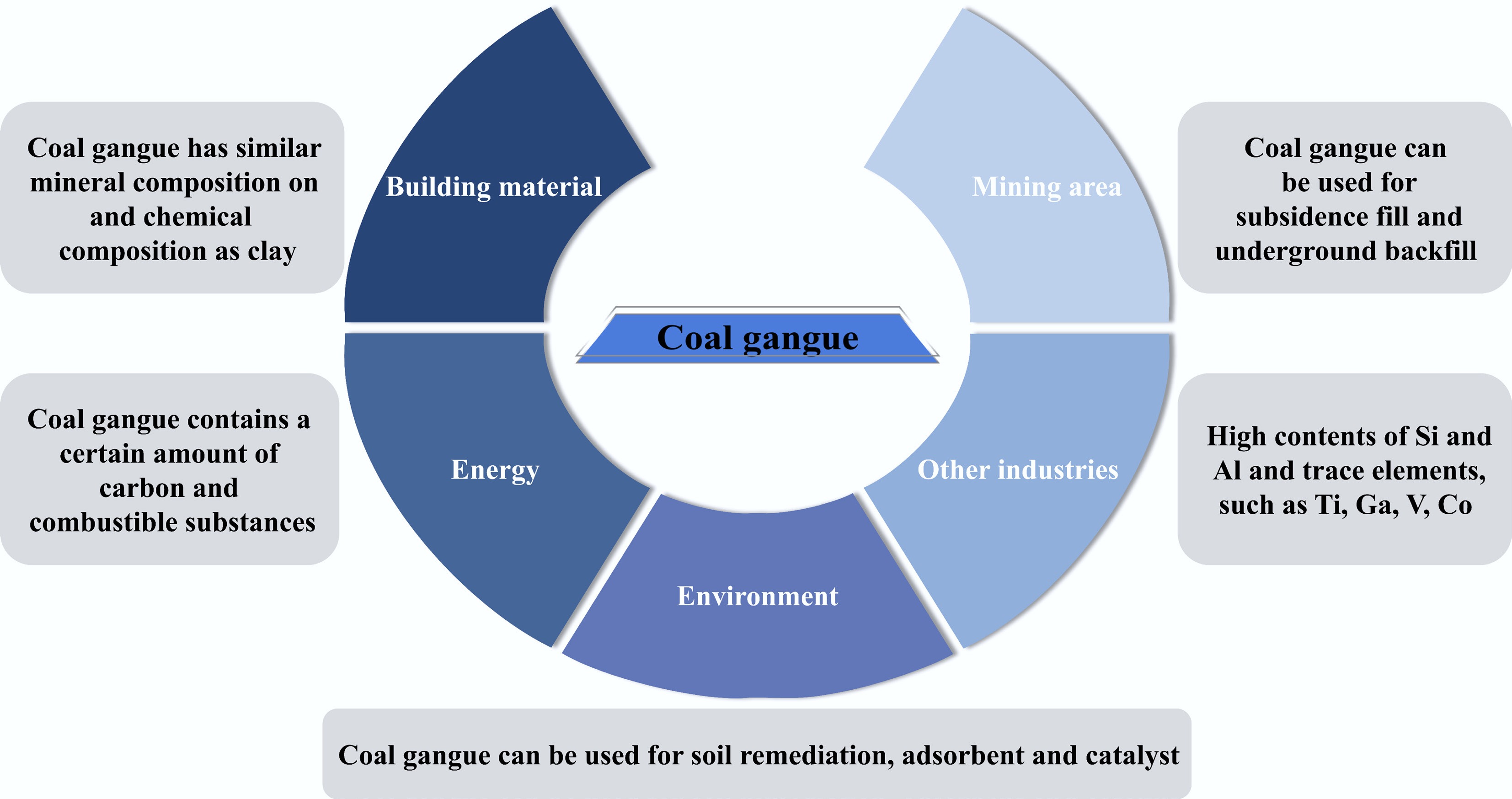
Figure 1.
Schematic illustration of the application fields of CG, redrawn based on the study by Gao et al.[21].
-
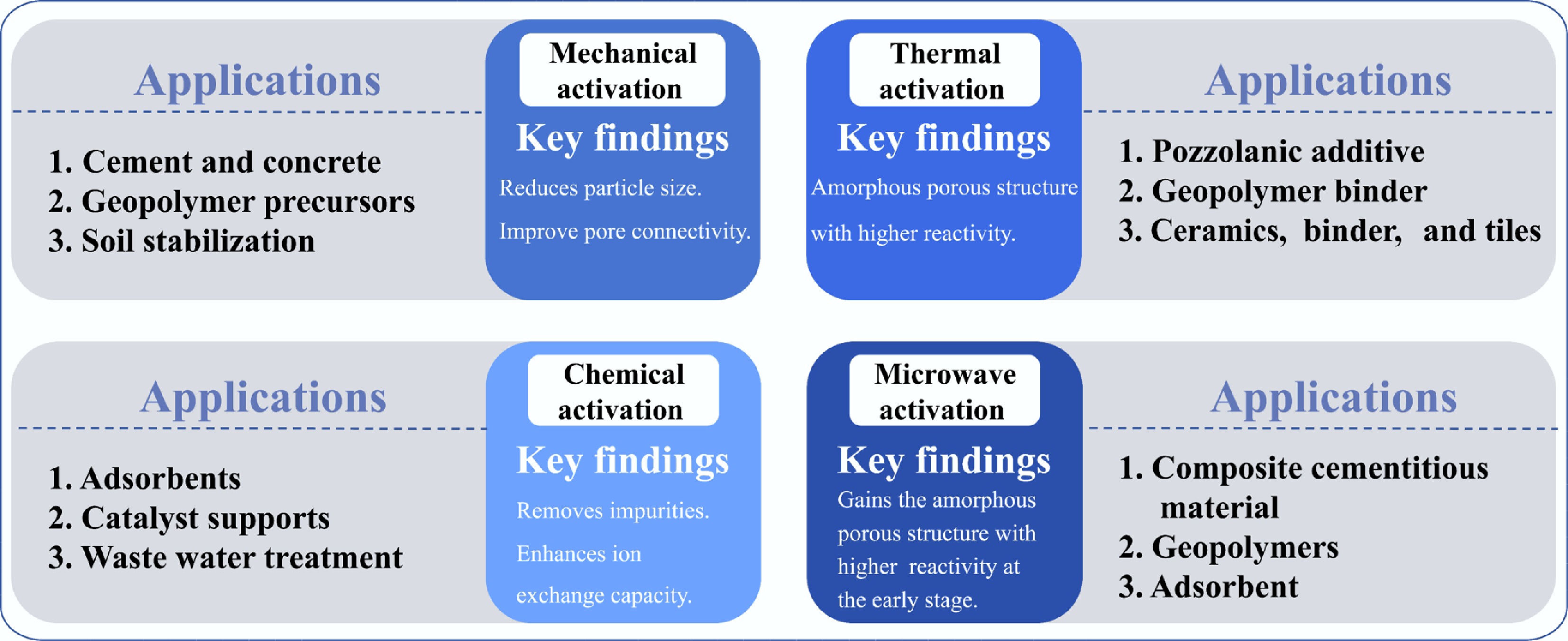
Figure 2.
Four common methods for activating CG, redrawn based on the study by Snehasree et al.[55].
-
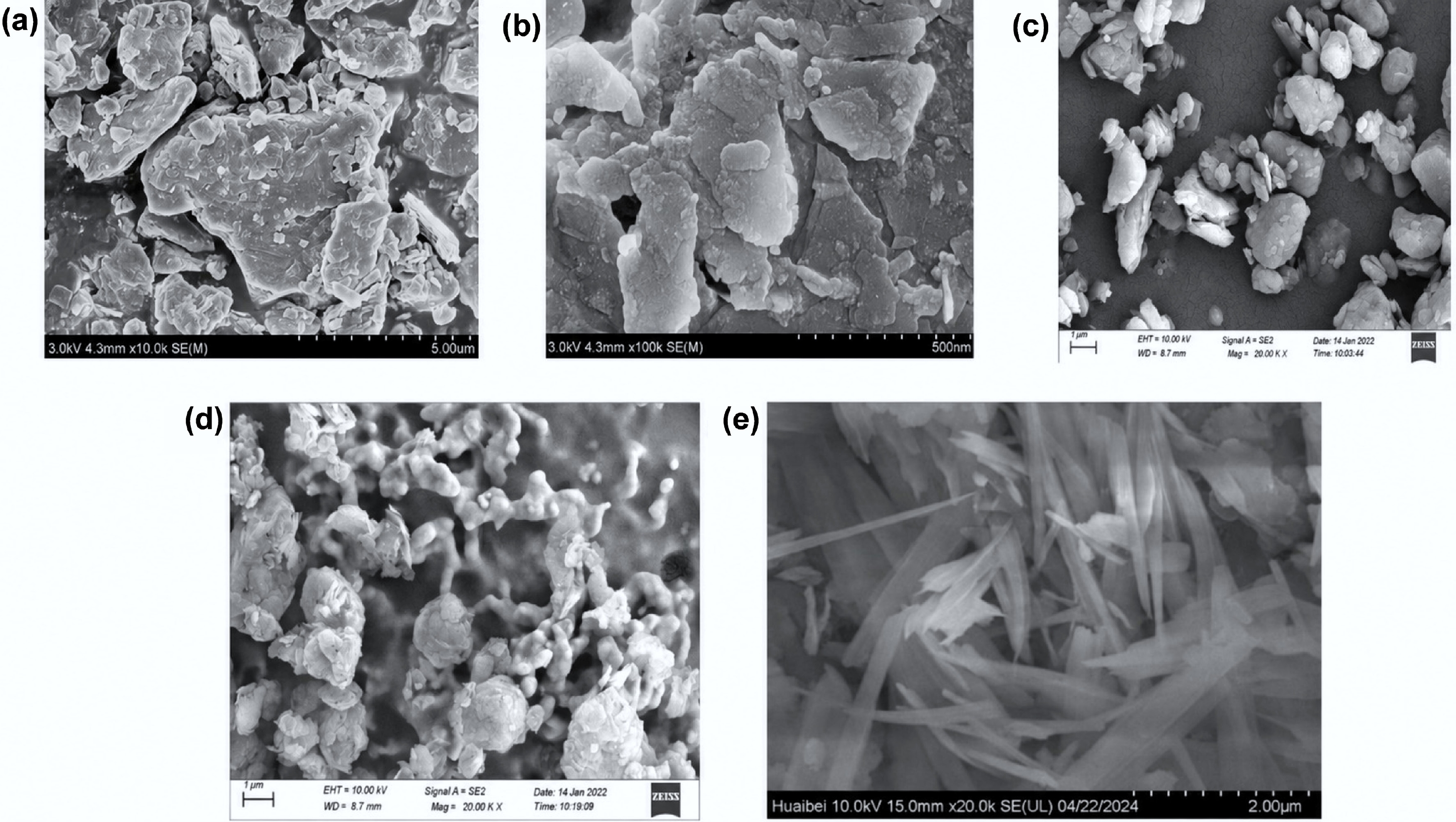
Figure 3.
Comparison of CG before and after modification. Panels (a)–(c) show SEM images of CG before modification, whereas panels (d) and (e) show SEM images after pretreatment. Panels (a) and (b) are reproduced from Sun et al.[58], with permission from MDPI, copyright 2024; panels (c) and (d) are reproduced from Yuan et al.[59], with permission from MDPI, copyright 2022; panel (e) is reproduced from Zhang et al.[60], with permission from MDPI, copyright 2025.
-
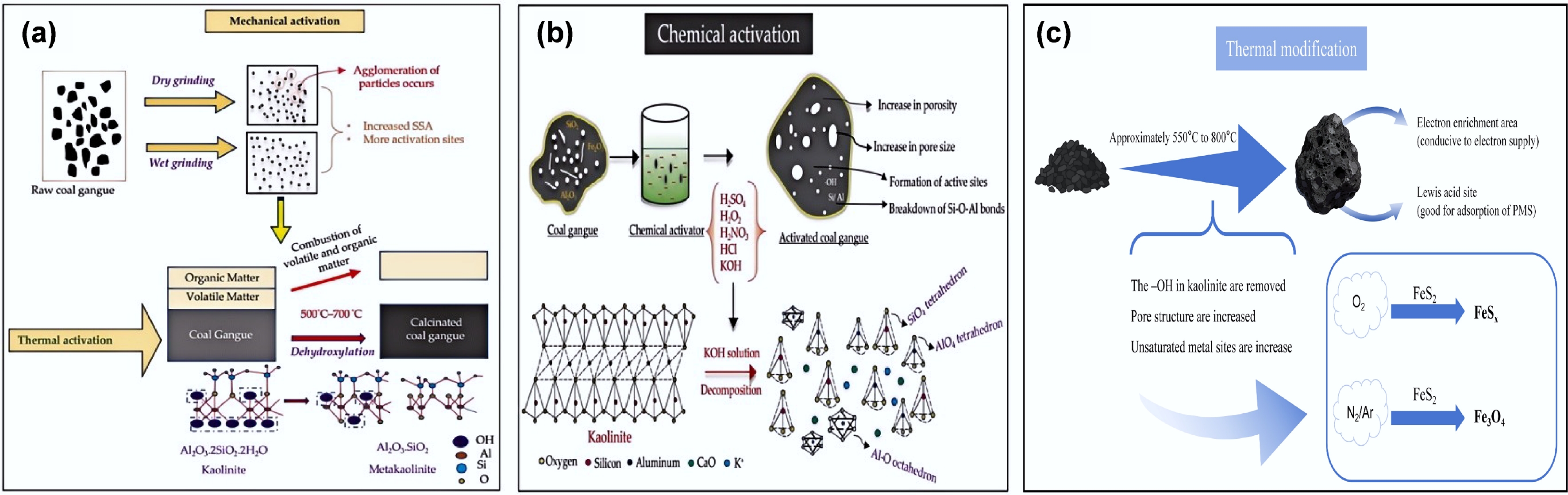
Figure 4.
Mechanisms associated with (a) mechanical activation, (b) chemical activation, and (c) thermal modification. Panels (a) and (b) are reproduced from Snehasree et al.[55] with permission from MDPI, copyright 2025.
-
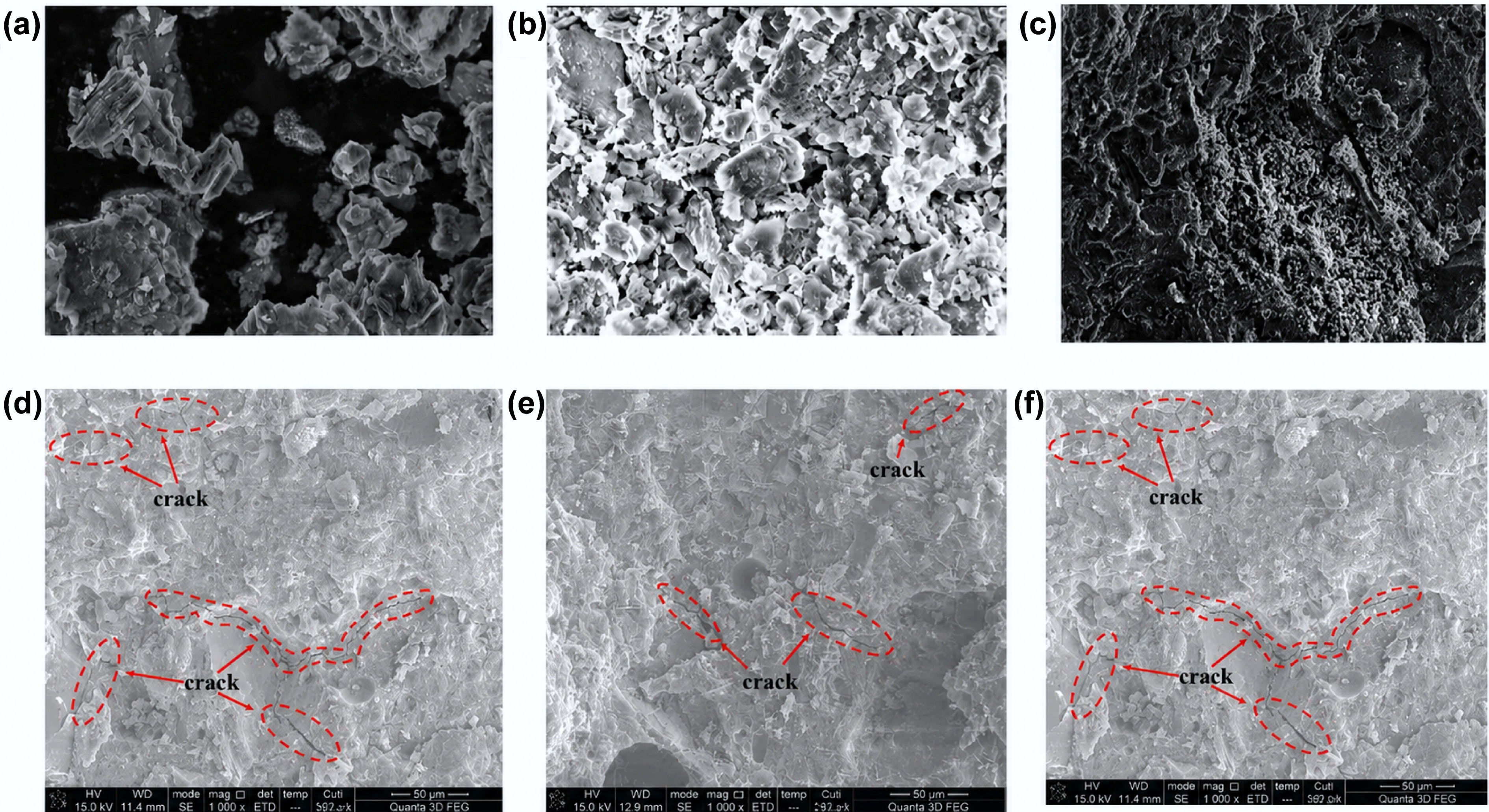
Figure 5.
ESEM images of composite-activated CG at the (a) initial state, (b) 700 °C, and (c) 1,000 °C, and after (d) 3 h, (e) 6 h, and (f) 24 h of curing. Reproduced from Zhao et al.[70], with permission from Elsevier, copyright 2022.
-
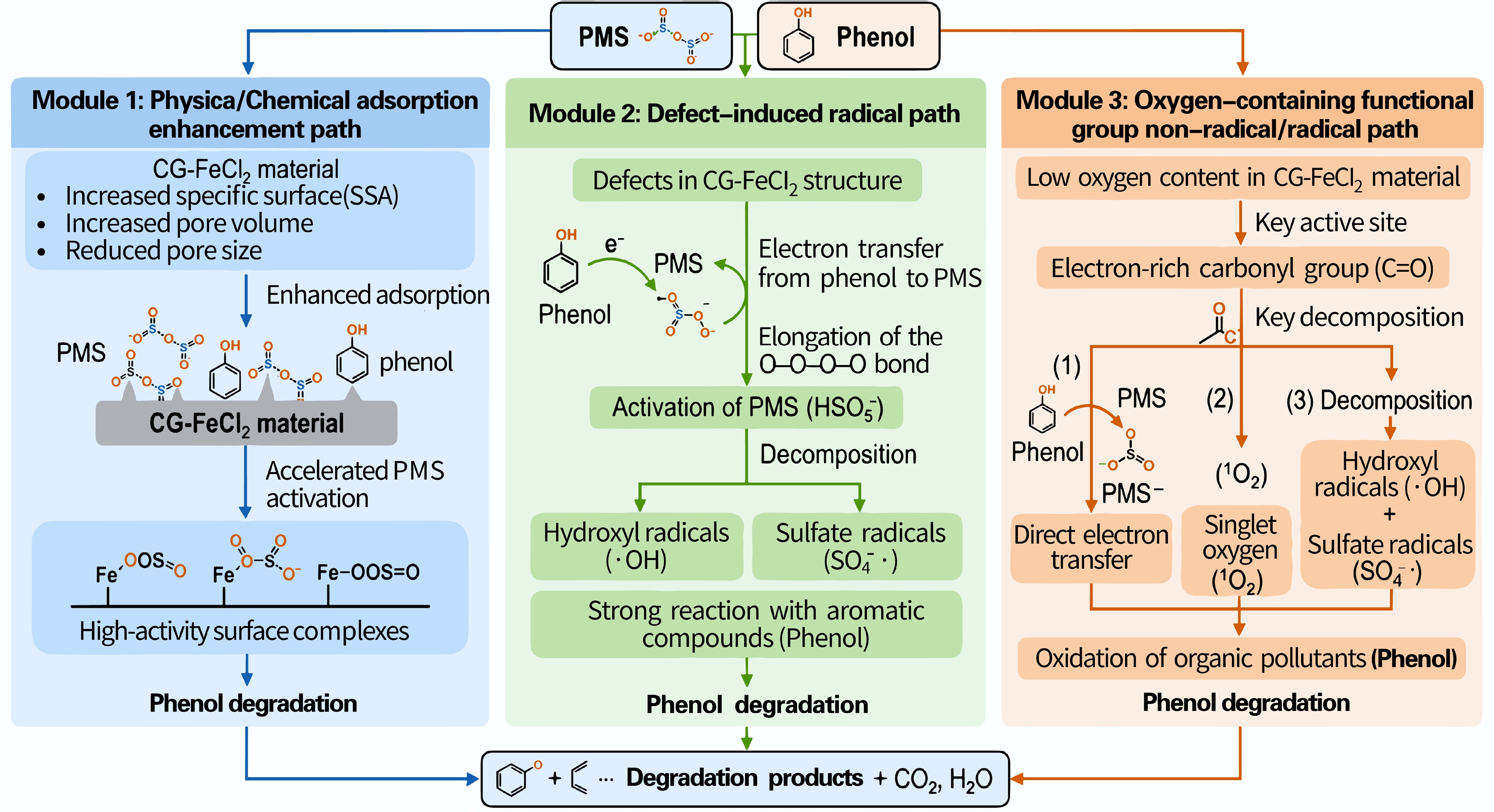
Figure 6.
Possible degradation mechanism of phenol in the CG–FeCl2/PMS system, redrawn from Sun et al.[58].
-
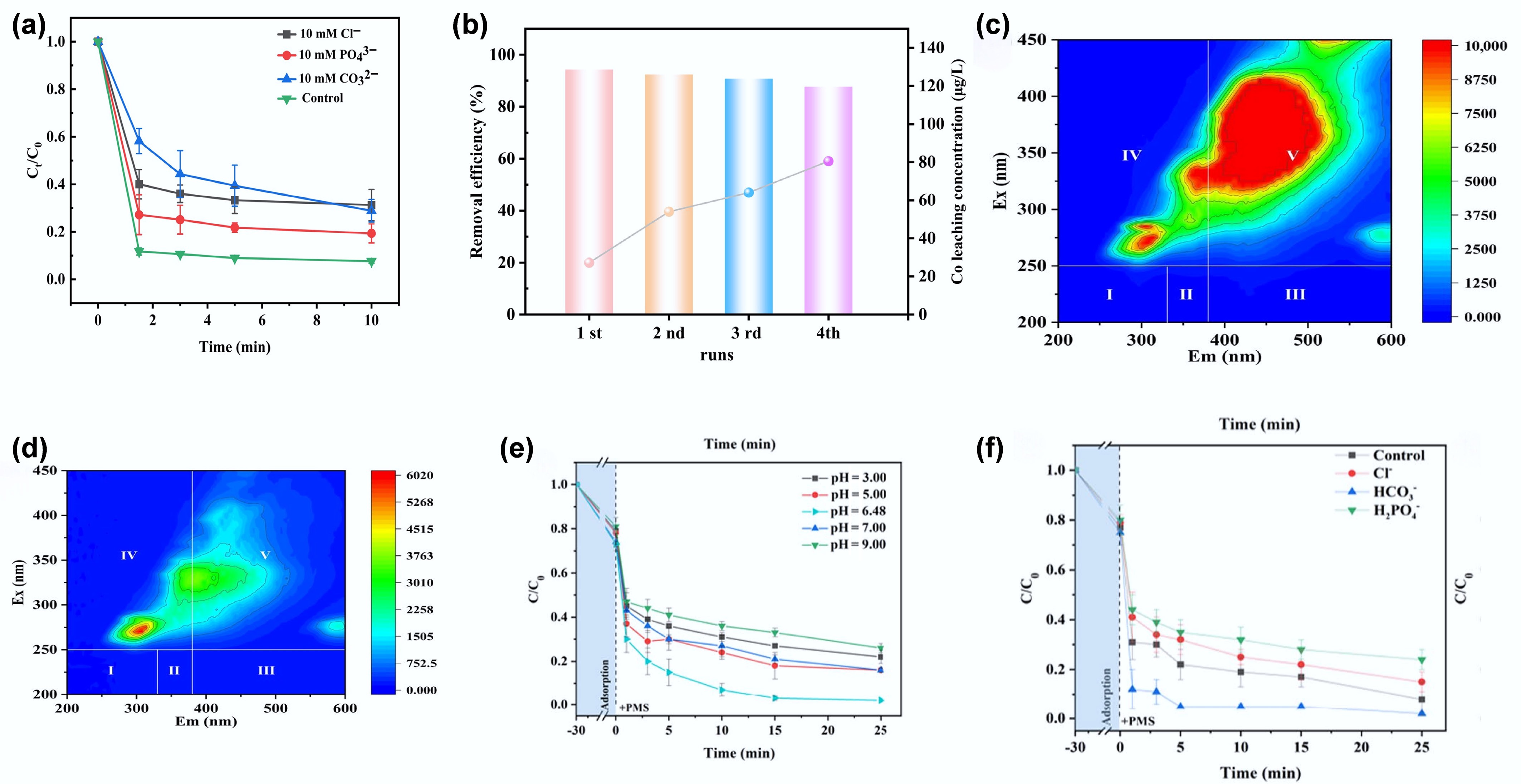
Figure 7.
Effects of (a) coexisting ions, (b) cycling stability, (c, d) changes in the three-dimensional fluorescence spectra of coal-chemical wastewater before and after catalytic treatment with CoMnOx@CG. The effects of (e) pH and (f) anions on removal efficiency in the CG–FeCl2 system. Panels (a)–(d) are reproduced from An et al.[97], with permission from MDPI, copyright 2026; panels (e) and (f) are reproduced from Sun et al.[58], with permission from Springer, copyright 2024.
-
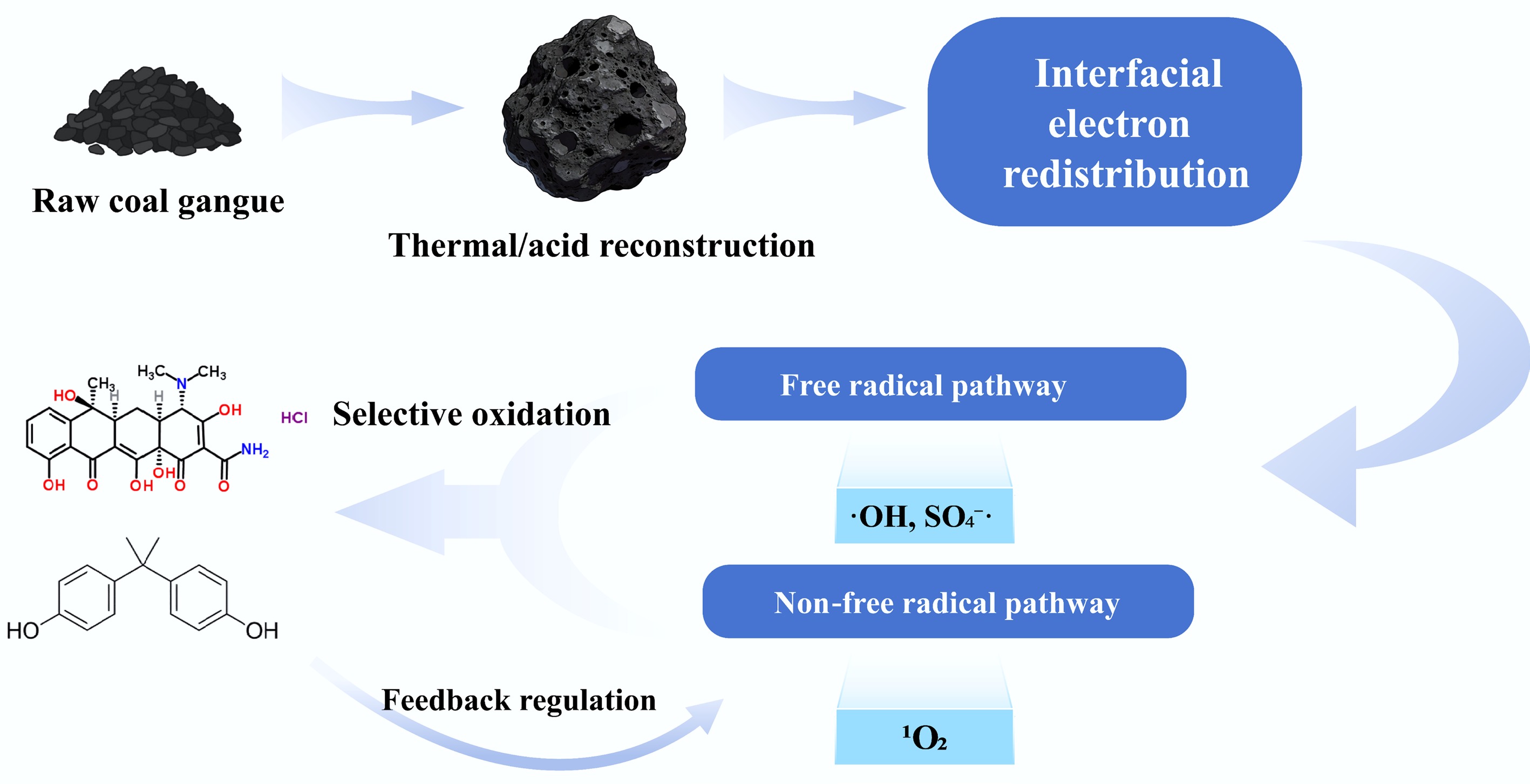
Figure 8.
Schematic diagram of the conditional interfacial mechanism by which CG-based catalysts activate PMS and selectively degrade pollutants.
-
Research object Main hazard type Main pollutant/process Ecological/health effect Ref. Soil Heavy metal contamination Cd, Pb, Zn, Cu, Cr, etc. Soil quality degradation, phytotoxicity, and health risks via food chain biomagnification [27−31] Crops Bioaccumulation and contamination Cd, Pb, As, Zn, etc. Exceedance of heavy metals in edible parts, food safety risks, and inhibited growth [28,32,33] Water body Leachate pollution Heavy metals, acidic substances, soluble salts Pollution of groundwater and surface water, disruption of aquatic ecosystems [34,35] Atmosphere Spontaneous emission Pollution SO2, NOₓ, PAHs, particulate matter Air pollution, greenhouse gas emissions, and adverse respiratory health effects [36−38] Pile body itself Geological safety hazards Structural instability Geological disasters such as landslides and debris flows, threats to life and property [39,40] Human body (mainly children) Health risks Various heavy metals (e.g., Cd, Pb) Developmental neurotoxicity, increased non-carcinogenic and carcinogenic risks [41,42] Table 1.
Comparative analysis of different study subjects and hazard dimensions
-
Catalyst system Preparation
methodTarget pollutant/matrix Key reaction conditions
and comparison limitsDegradation performance/
kinetic evidenceMain active species
or mechanismRef. Natural CG/PDS or PMS-related system Mechanical crushing or raw-mineral activation Tetracycline hydrochloride in single-pollutant solution Optimized oxidant and catalyst dosage; direct comparison is limited by differences in oxidant type and initial pollutant concentration Rapid degradation under optimized conditions; kobs and R2 should be reported together for cross-system comparison Mineral-associated Fe/defect sites and surface hydroxyls participate in oxidant activation [9,12,18] CG–FeCl2/PMS Impregnation–calcination with ferrous chloride Phenol and representative PAHs Relatively broad pH range; common anion effects evaluated in selected tests > 95% removal of naphthyl, phenanthrene, and phenol under optimized conditions; TOC and leaching data remain necessary for feasibility assessment 1O2, •OH, SO4−•, and surface Fe-related interfacial activation [10,58,79] Co3O4@CG/
PMSCo3O4 supported on CG Phenol under alkaline conditions Alkaline matrix; catalyst loading and PMS dosage must be specified when comparing with Fe- or Mn-based systems Efficient phenol degradation; kinetic ranking should be based on kobs rather than final removal only Singlet-oxygen-dominated non-radical pathway [77,87] CoMnOx@CG/
PMSWet impregnation/supported bimetallic oxide Phenol in alkaline water and coal-chemical wastewater pH 9–11 and coal-chemical wastewater matrix considered; coexisting ion and fluorescence changes reported > 90% phenol removal within 10 min under optimized alkaline conditions; cycling and matrix tolerance are key advantages Co/Mn redox coupling, oxygen-vacancy-related activation,1O2, •OH, and SO4−• [87,97] Mn1.8Fe1.2O4/
PMSNanosphere synthesis Bisphenol A benchmark system Non-CG benchmark; useful only for mechanism comparison because support and active-site density differ Excellent BPA degradation in optimized PMS system Mn/Fe valence cycling and bimetallic synergy [69,78] Cu–X zeolite from CG source In situ Cu incorporation during zeolite synthesis Organic pollutants in Fenton-like system Zeolite framework differs from raw CG; comparison should focus on active Cu accessibility Fenton-like activity demonstrated; durability and copper leaching should be quantified Cu(II)/Cu(I) redox cycling and framework-assisted interfacial reaction [64,75] N–CG/PMS Nitrogen doping/chemical modification of CG carbon fraction Antibiotics and organic pollutants Doping level, carbon structure, and PMS dosage should be reported to compare electron-transfer efficiency Rapid antibiotic degradation reported; reuse, TOC removal, and leaching remain key validation indicators Electron-transfer/non-radical pathway with modified carbonaceous domains [65,76,117] Table 2.
Structured comparison of CG-based or CG-related catalysts activated by PMS/PDS for organic-pollutant degradation
Figures
(8)
Tables
(2)