-
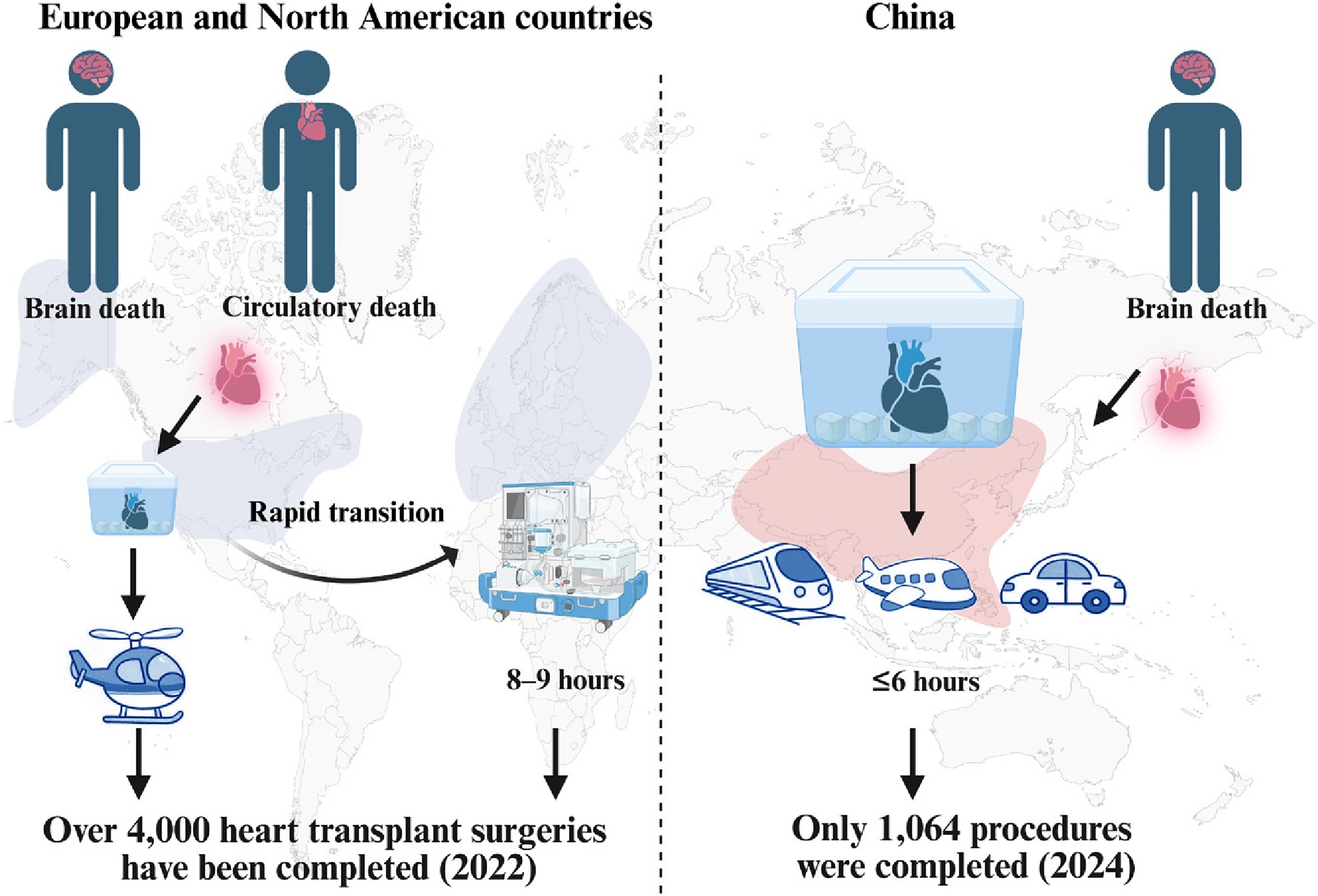
Figure 1.
Comparison of donor cardiac graft preservation in China and abroad.
-
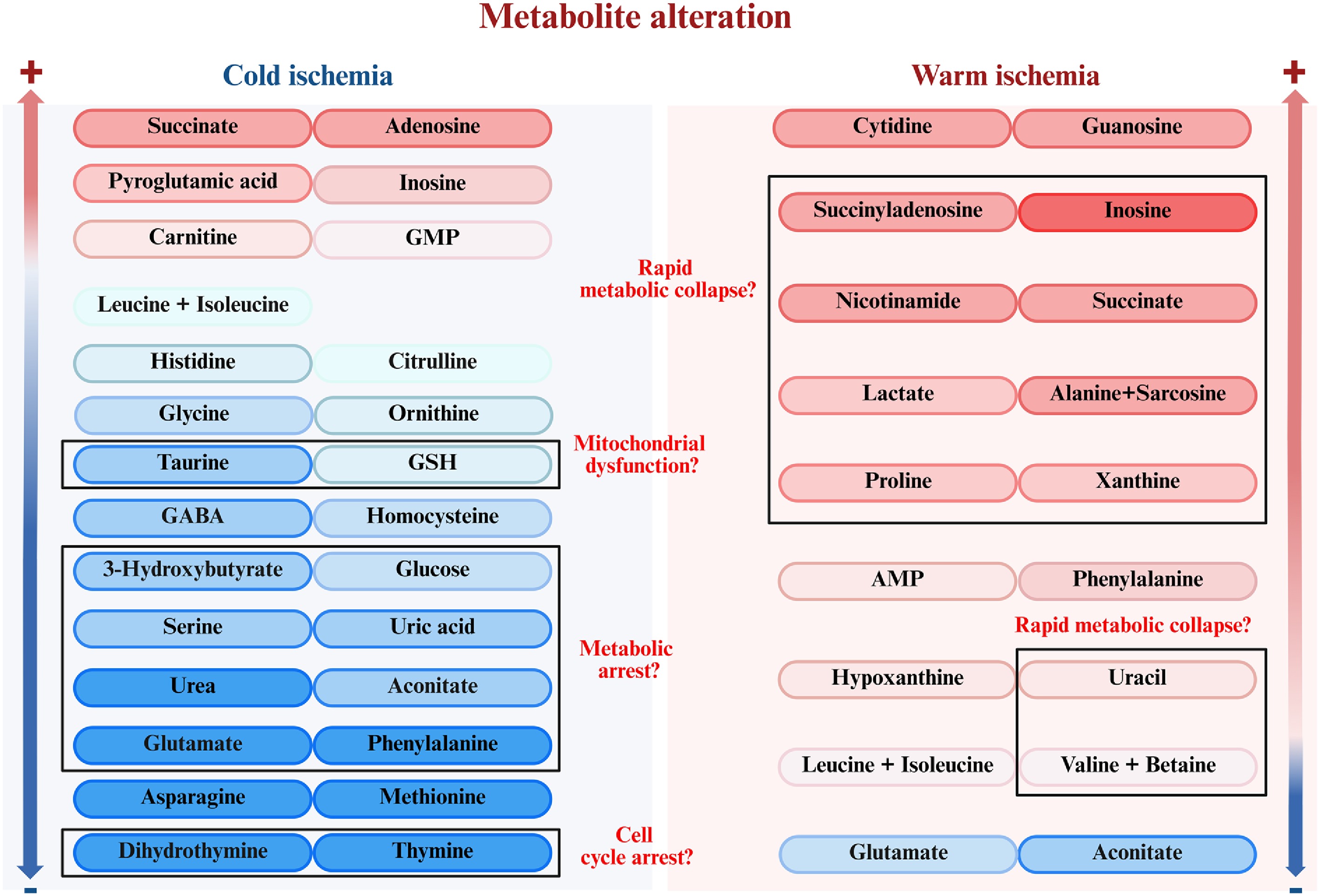
Figure 2.
Comparison of metabolites of warm ischemia and cold ischemia. Metabolites are color-coded based on their abundance changes relative to pre-ischemic baselines, where red and blue indicate upregulation (+) and downregulation (−), respectively (deeper colors denote higher significance).
-
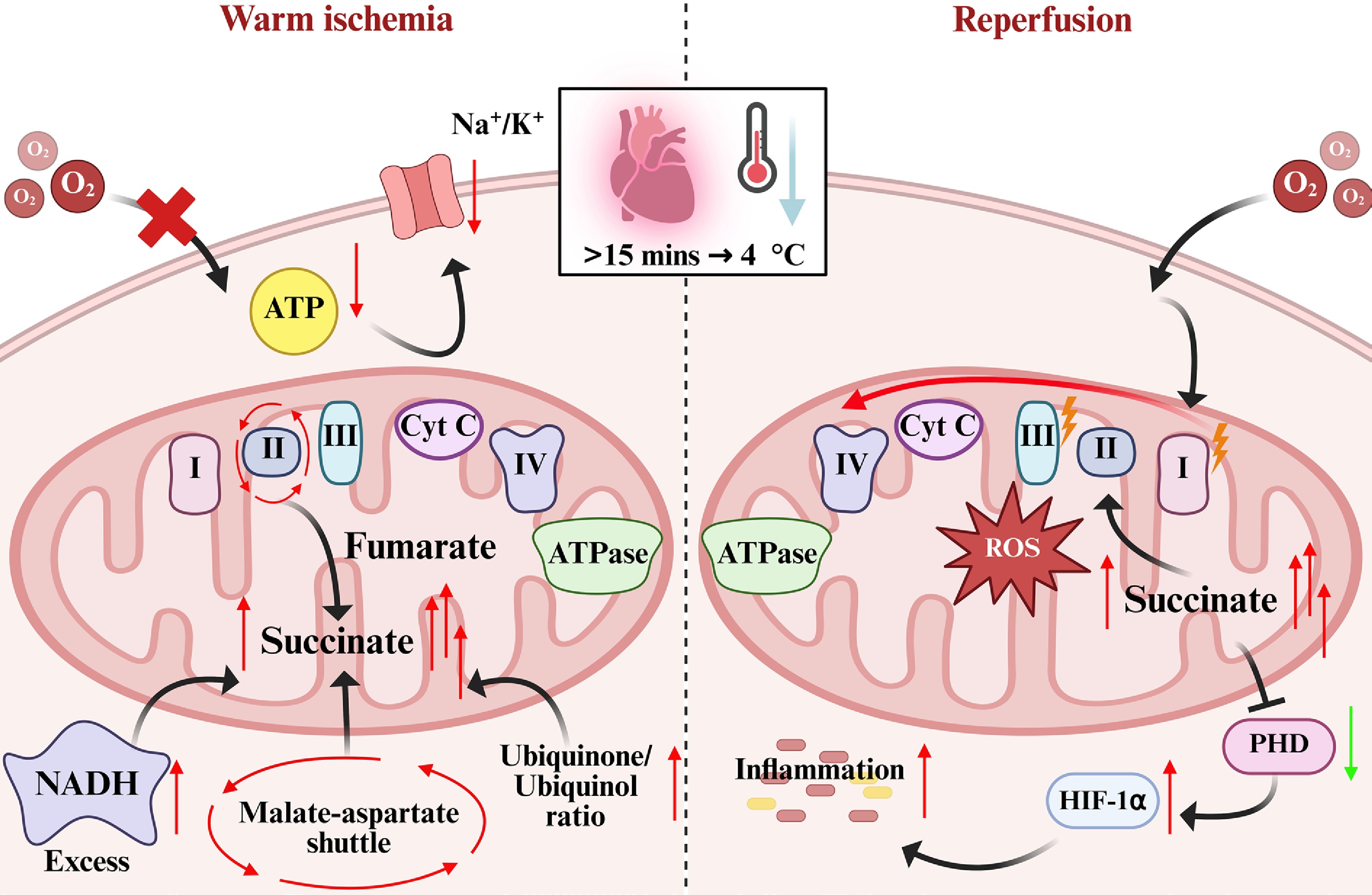
Figure 3.
The core mechanism of warm ischemia and reperfusion injury.
-
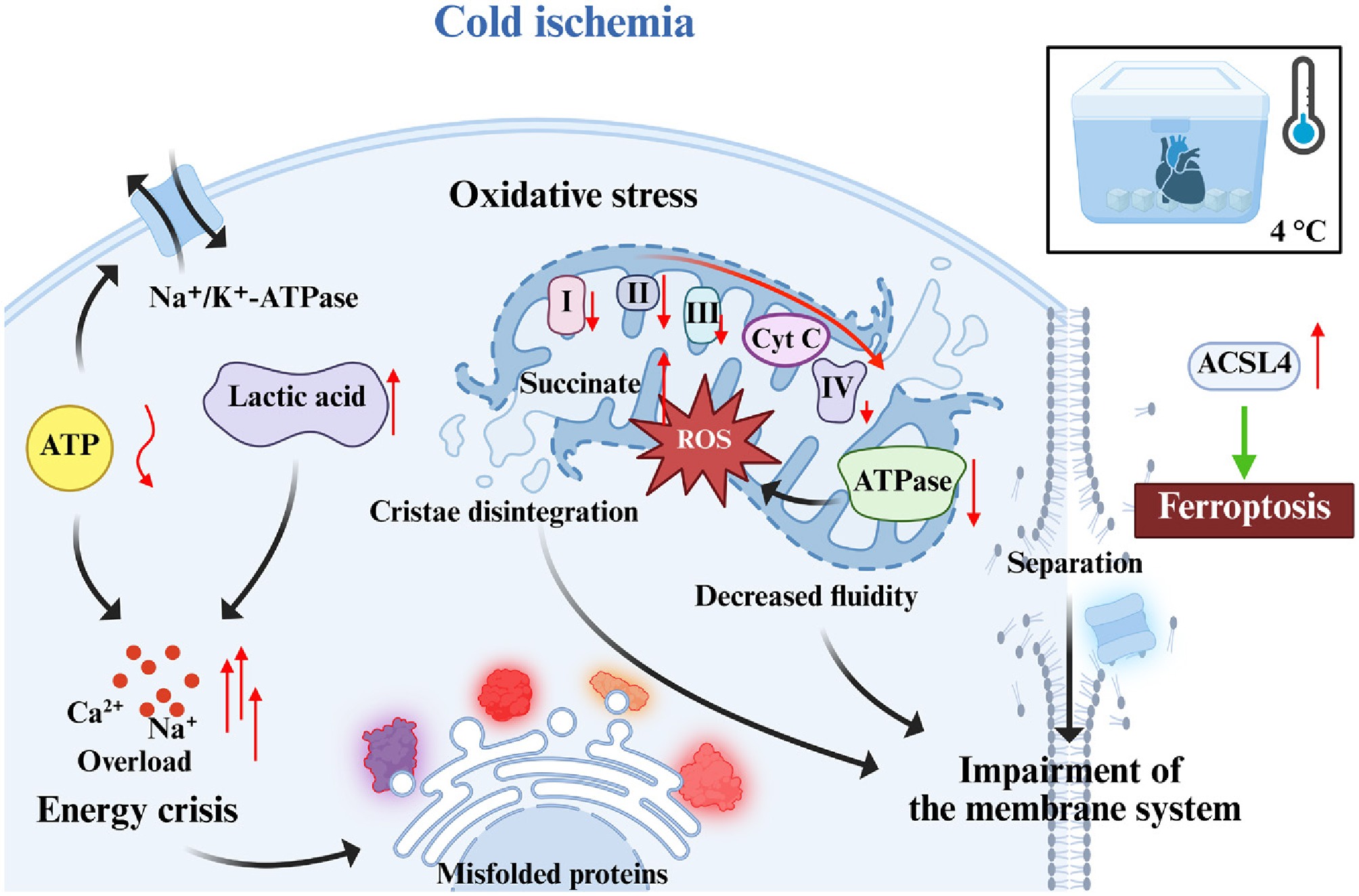
Figure 4.
The core mechanism of cold ischemic injury.
-
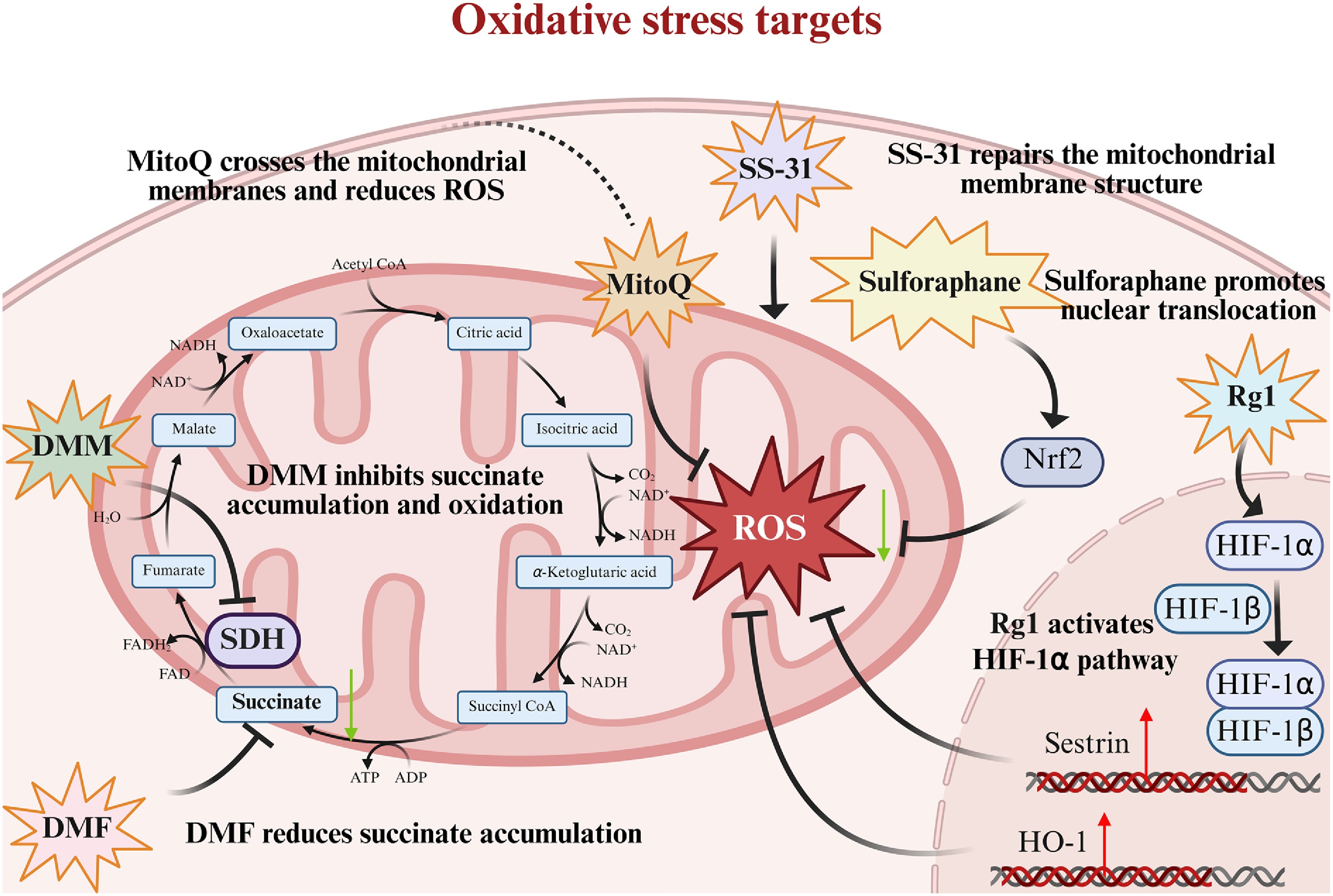
Figure 5.
Several drugs targeting oxidative stress.
-
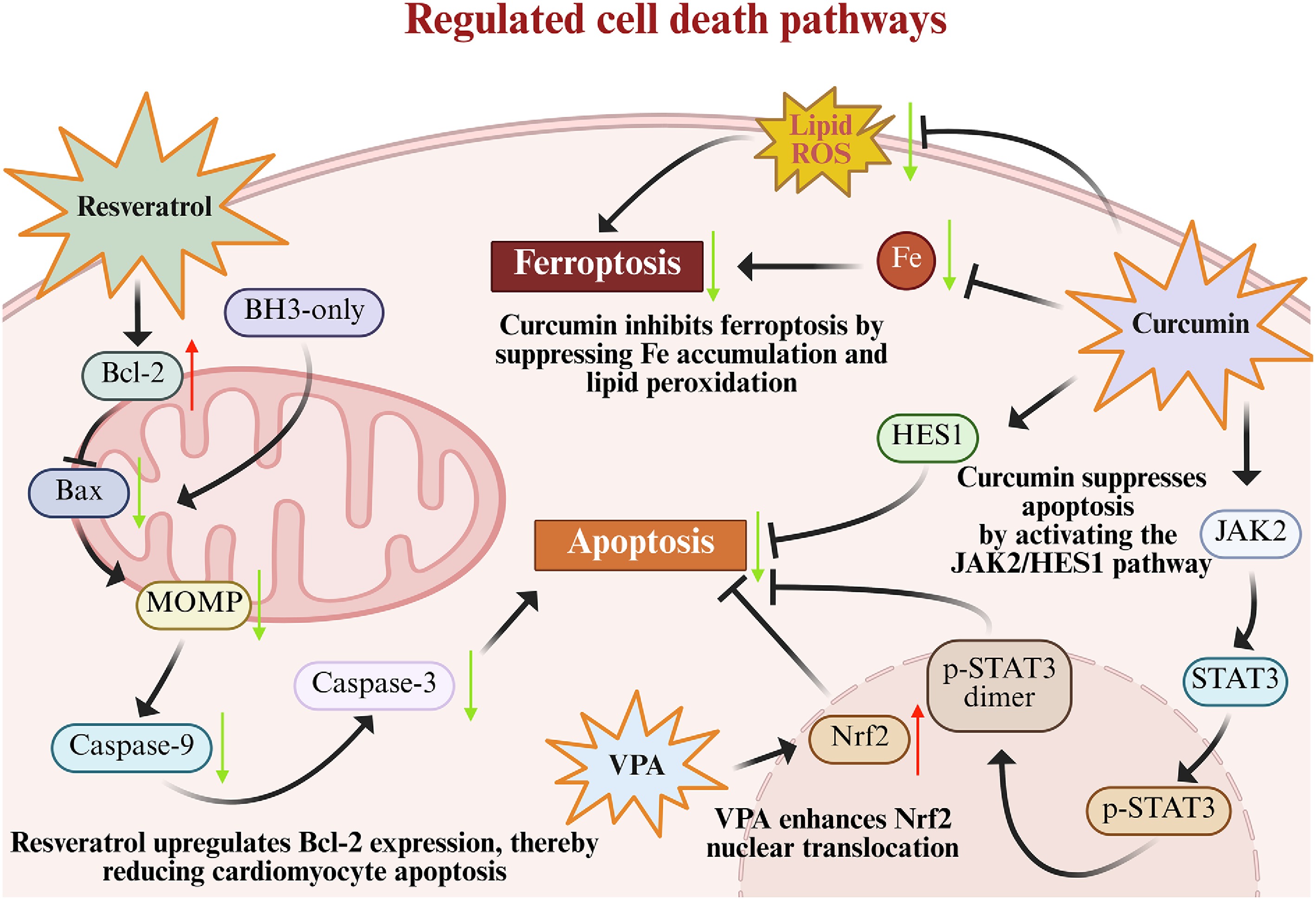
Figure 6.
Several drugs targeting regulated cell death pathways.
-
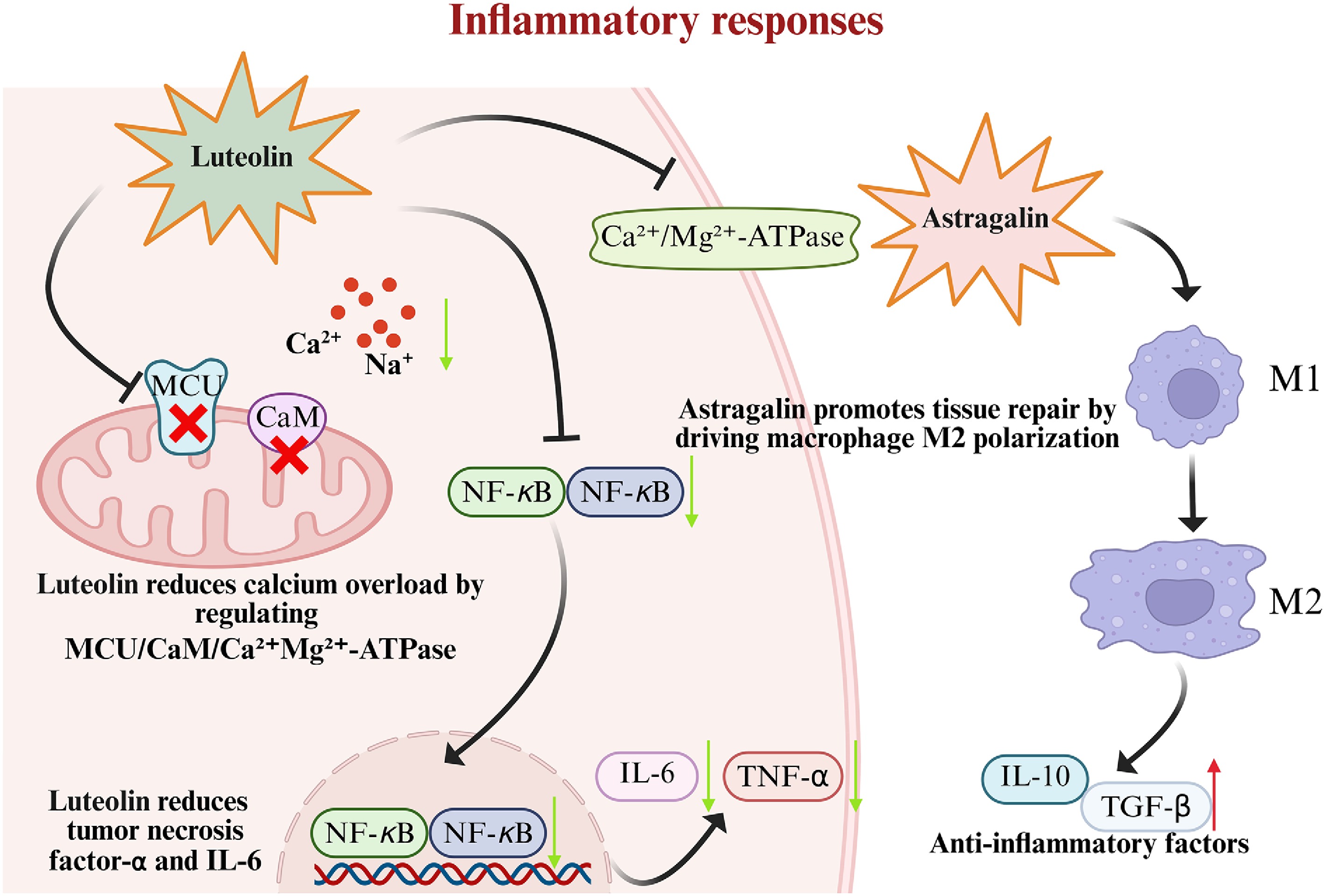
Figure 7.
Several drugs targeting inflammatory responses.
-
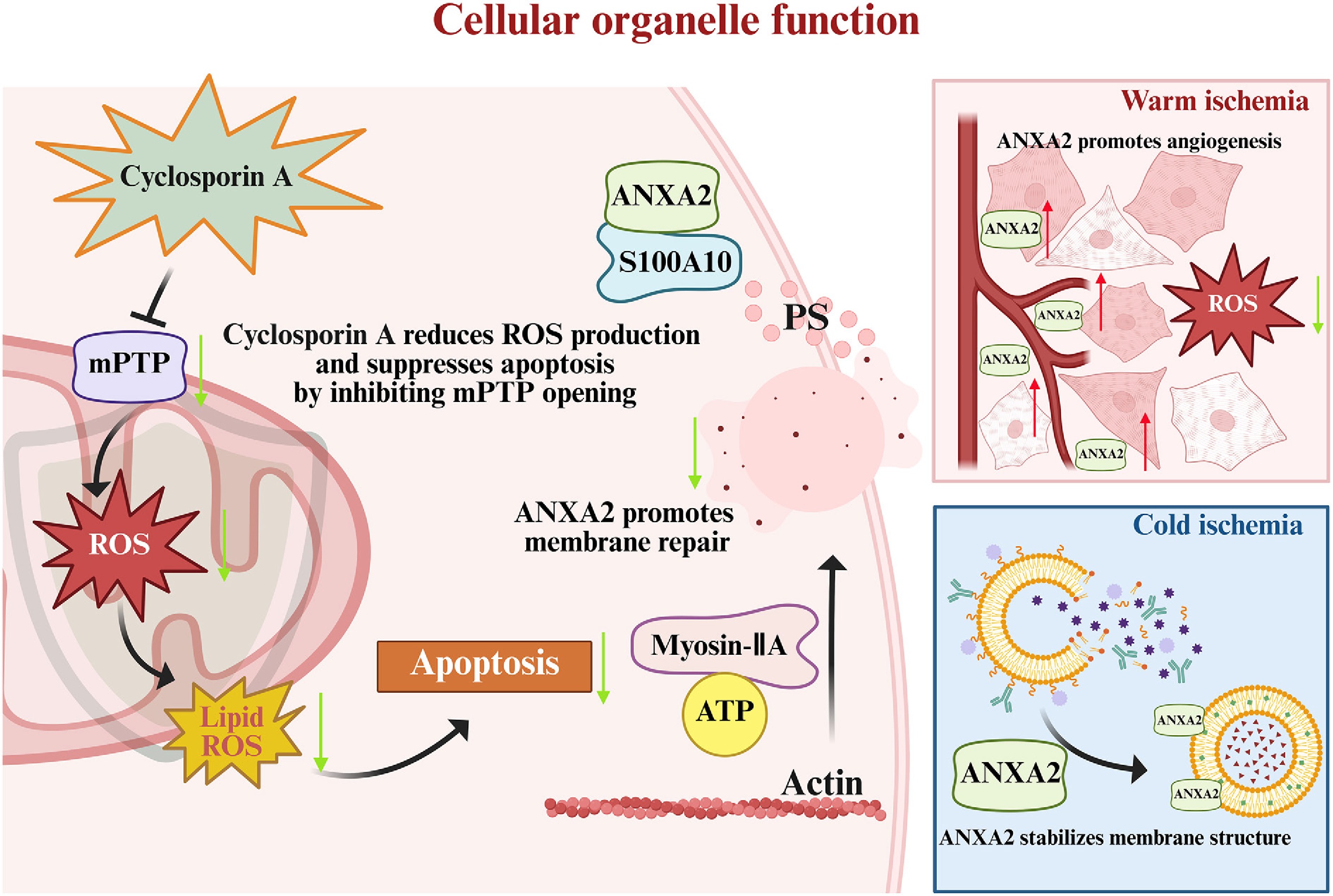
Figure 8.
Several drugs targeting cellular organelle function.
-
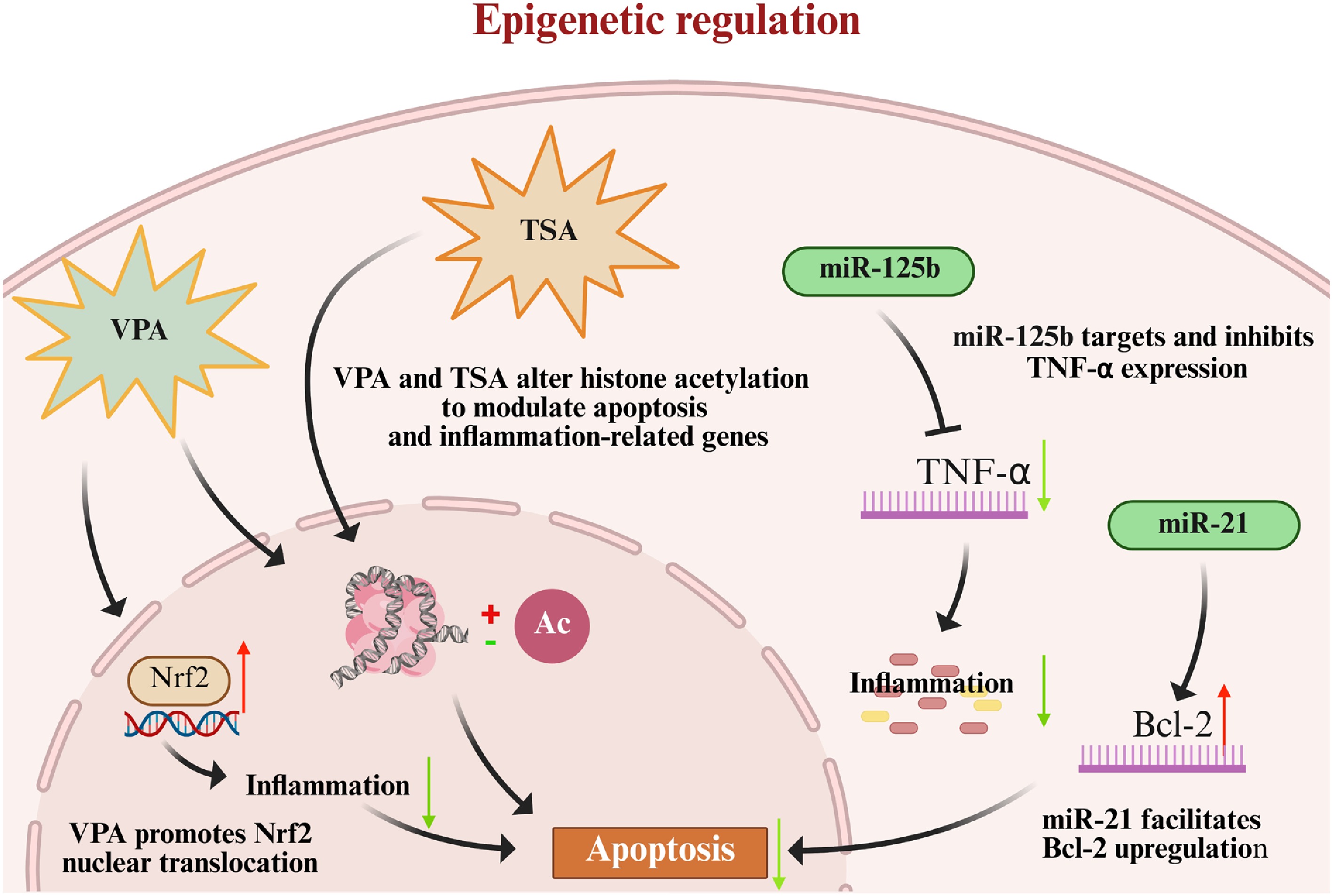
Figure 9.
Several drugs targeting epigenetic regulation.
-
Source Representation Targets/mechanism Evidence of cold ischemia Evidence of warm ischemia Plants Astragalin**/Dihydromyricetin** Nrf2/HO-1+ and NF-κB− Yes Limited Luteolin* MCU−, CaM−, Ca2+-Mg2+-ATPase−, and NF-κB− Yes Limited Resveratrol** SIRT1/PGC-1α+ and Bcl-2+ Yes Yes Curcumin*** Nrf2/HO-1+, JAK2/STAT3−, and HES1+ Limited Yes Ginsenoside Rg1 and Rb2*** HIF-1α+ and Sestrin+ Limited Yes Sulforaphane*** Nrf2/HO-1/NQO1+ Limited Yes Fungus Stachatranone F* PI3K/AKT+ Yes Limited Stachybatranone A* PI3K/AKT+ Yes Limited Aspergilloids* Ser9/GSK3β− Yes Limited diHET* Apoptosis− Limited Limited Marine animals M101** Oxidative stress− and inflammation− Cross-organ verification Limited Asterisks indicate the experimental stage of the preclinical evaluation: * assessed in cellular models (in vitro); ** evaluated in isolated organ perfusion preservation models (in vitro); *** validated in animal models (in vivo). Plus and minus signs indicate the effects on the pathways or mechanisms: + represents activation; – represents inhibition. Table 1.
Research progress on representative natural products for donor cardiac graft preservation.
Figures
(9)
Tables
(1)