










-
Puccinia is the largest genus of rust fungi, comprising over 4,000 species worldwide. The species in this genus are obligate biotrophic plant pathogens that infect a wide range of hosts worldwide. The species that cause rusts on cereals like wheat, barley, and oats, as well as other grasses and legumes, are economically important[1,2]. Of all species, P. graminis (stem rust of wheat), P. striiformis (stripe rust), P. triticina (leaf rust), and P. sorghi (corn rust) are reported to pose a major threat to global food security by causing up to 70% yield losses[3−5]. Although various species of Puccinia parasitize a large number of vascular plants, belonging to families Asteraceae, Cyperaceae, Fabaceae, Liliaceae, Malvaceae, and Poaceae[2,6].
Due to the recognition and importance of the Puccinia species as global rust pathogens, they have a well-defined history. Puccinia is the generic type of the family Pucciniaceae, while Puccinia graminis was designated as the type species of the genus by Cunningham[7] on cultivated Triticum, and lectotypified by Jørstad[8]. These fungi have both autoecious and heteroecious life cycles involving either a single host or two unrelated host genera. They usually form sporulating pustules on leaves and stems, but some may cause galls, witches' brooms, or blisters. Puccinia contains many important plant pathogens that have caused famines and are responsible for huge economic losses[9]. This genus has been listed as one of the top ten fungal plant pathogens[10], and is among the 100 most cited genera, with 26,970 citations from the Web of Science (WoS) between 2011 and 2021[11].
Puccinia species are usually identified by 2-celled teliospores and other morphological features of urediniospores, teliospores, and various spore stages, along with host association[12−14]. However, it is difficult to identify the rust fungi, including Puccinia, especially when only urediniospores are present. Moreover, when many are now placed as synonyms, or have been transferred to other genera, it has become difficult to identify any rust fungi correctly. In a recent study, He et al.[15] listed approximately 23 genera and one subgenus (subgen. Leptopuccinia) as synonyms for Puccinia, and advocated for the use of DNA-based molecular identification for rust fungi, at both the genus and species levels. The LSU and ITS are now considered the preferred DNA barcodes for identifying rust taxa[16]. Accurate identification is now helping in selecting suitable control measures for different rust fungi, including Puccinia.
Bibliometric analysis is a useful quantitative technique for characterizing, assessing, and tracking data, as well as forecasting patterns in research progress and providing a summary of investigations[17,18]. The objective of this research was to carry out a bibliometric analysis of the rust genus 'Puccinia' for mapping several important global trends and insights into the study of this globally significant group of plant pathogens. Different aspects covered in bibliometric analysis were analyzed under three major sections that include scientific publications and citations, scientific collaboration networks, research trends, and burning topics. This coverage, we hope, will be useful for researchers working in the field of plant pathology, especially those studying rust fungi (Puccinia), to inform their future research plans.
-
The Scopus database was utilized to collect the information necessary for bibliometric analysis. There were no restrictions on publication type (such as reviews, short surveys, case reports, or original articles), research model, or language. Publications that included these terms in the abstract, title, or keywords were retrieved. The taxon name 'Puccinia' was used as a query on the Scopus database, and all searches were performed in July 2025. The collected information was further processed and analyzed using VOSviewer (Version 1.6.20) and R software, combined with the Bibliometrix package (Version 4.5.1). The '.csv' file obtained from the Scopus database was operated on both databases, and various bibliometric outputs were collected. The result is presented as a network whereby the relationship between items in the network is visualized based on the type of visualization and settings used (Fig. 1).

Figure 1.
Flow chart of the study.
The data from the bibliometric analysis were analyzed into three major groups: scientific publications and citations, scientific collaboration networks, and research trends and hot topics. The bibliometric analysis of scientific publications and citations was presented to assess country-specific production, most cited countries, most globally cited documents, most relevant sources & words, corresponding author countries, and reference publication year spectroscopy. Under scientific collaboration networks analysis, the citation & source, co-authors & countries, co-occurrence & keywords networks, and country collaboration map were generated. The analysis of research trends and burning topics was also performed to examine trend topics, including a three-field plot, tree map, word cloud, and word frequency over time.
-
The bibliometric analysis of the database retrieved from the Scopus database on the rust genus 'Puccinia' revealed that 6,851 authors have published a total of 2,246 documents with 82,644 references, in 445 sources (journals). There are 78 authors associated with single-authored documents. The analysis revealed 32.1% international co-authorship, with an average of 6.39 co-authors per document. The average age of the documents is 10.2 years, indicating that most of the literature is relatively recent. Additionally, the documents also show an average of 22.73 citations per publication, indicating the overall impact and influence of the research (Fig. 2).
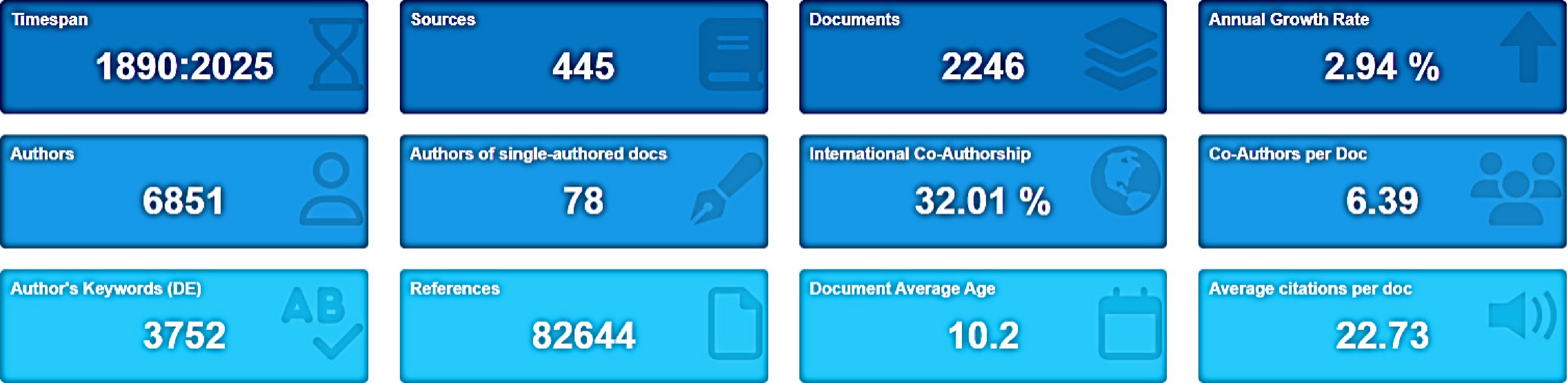
Figure 2.
Summary of key bibliometric information like documents, authors, and collaborations, co-authorship, and others.
Scientific publications and citations
-
The results of the bibliometric analysis of publications and collaborations showed about 2,246 publications from 111 countries. The earliest publication dates back to 1890, with fewer scientific publications each year. This pattern continued until 1976; however, it gained momentum between 1998 and 2000, and in 2022, the highest number of annual scientific publications was recorded (Fig. 3). The United States and China are among the top countries in Puccinia research, followed by Australia, the UK, France, Denmark, Canada, South Africa, Germany, and India, which are among the top ten most cited countries (Fig. 4). The USA leads in total citations (12,761), followed by Canada (8,353), and Australia (3,229). The total citations for the other countries range between 1,000 and 2,600. The top ten globally cited countries are shown in Fig. 5. The most cited documents are presented in Fig. 6. Journals such as Plant Disease, Frontiers in Plant Science, Phytopathology, Plant Pathology, PLoS One, Plants, International Journal of Molecular Sciences, BMC Plant Biology, New Phycologist, and Scientific Reports, are among the key scientific sources that publish research on Puccinia rust. Among these, Plant Disease ranks highest with 144 research papers on Puccinia, followed by Frontiers in Plant Science with 133, and Phytopathology with 112. The remaining top ten journals have published between 37 and 94 articles. The top scientific sources related to the rust genus Puccinia are shown in Fig. 7. A list of the top 20 corresponding authors' countries is shown in Fig. 8, with China leading the list. The USA, Australia, Canada, the UK, Brazil, India, Pakistan, Poland, and South Africa also rank among the top ten countries. The Reference Publication Year Spectroscopy (RPYS) analysis was employed to assess the publication years of cited references within a set of research papers, thereby revealing the historical roots and development of the field. The RPYS results reveal that, around 1945, the number of cited references and their deviation from the 5-year median are nearly equal, with a slight increase thereafter. A significant difference between these measures has been observed from 1999 onward (Fig. 9).
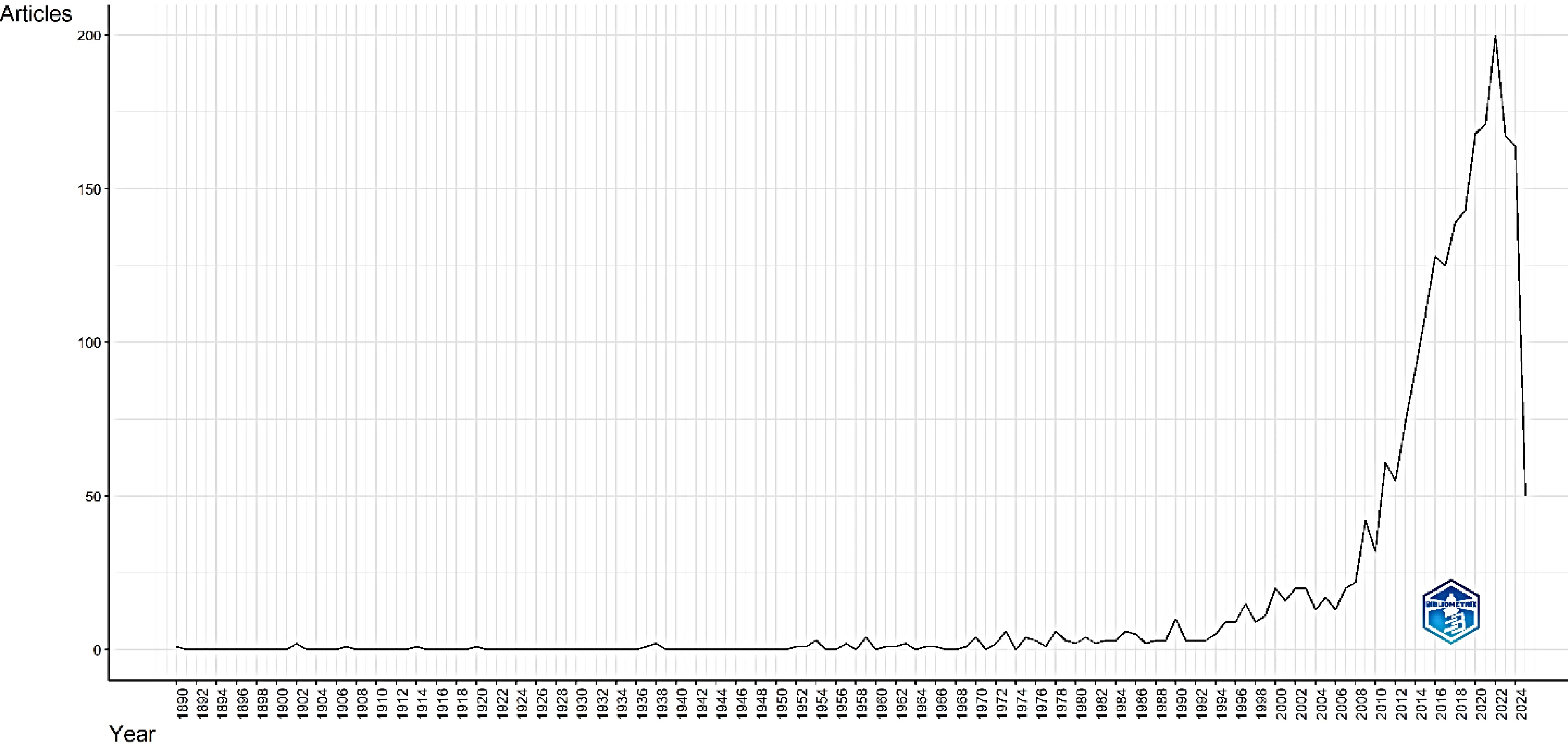
Figure 3.
Trend analysis of global annual scientific production on Puccinia.
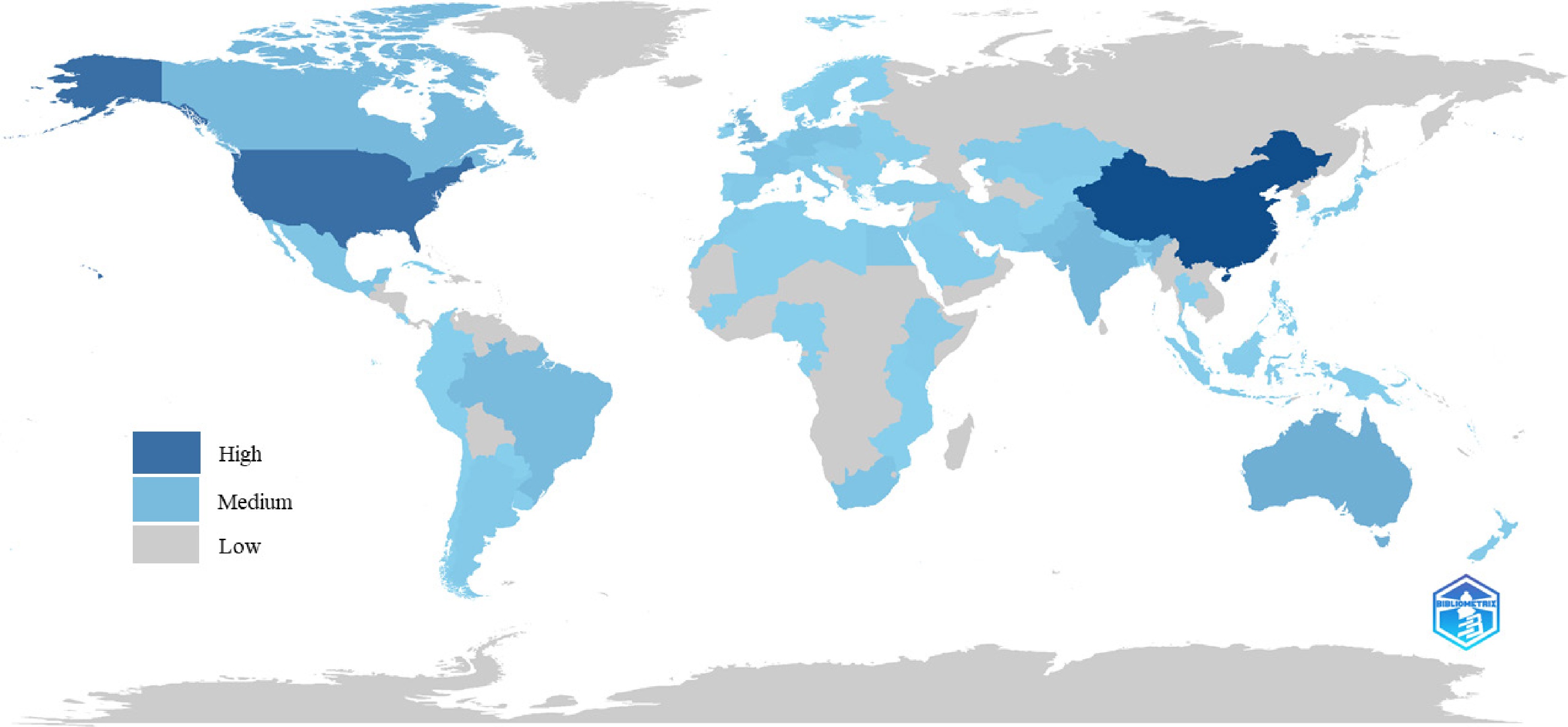
Figure 4.
Analysis of country-specific scientific production on Puccinia.
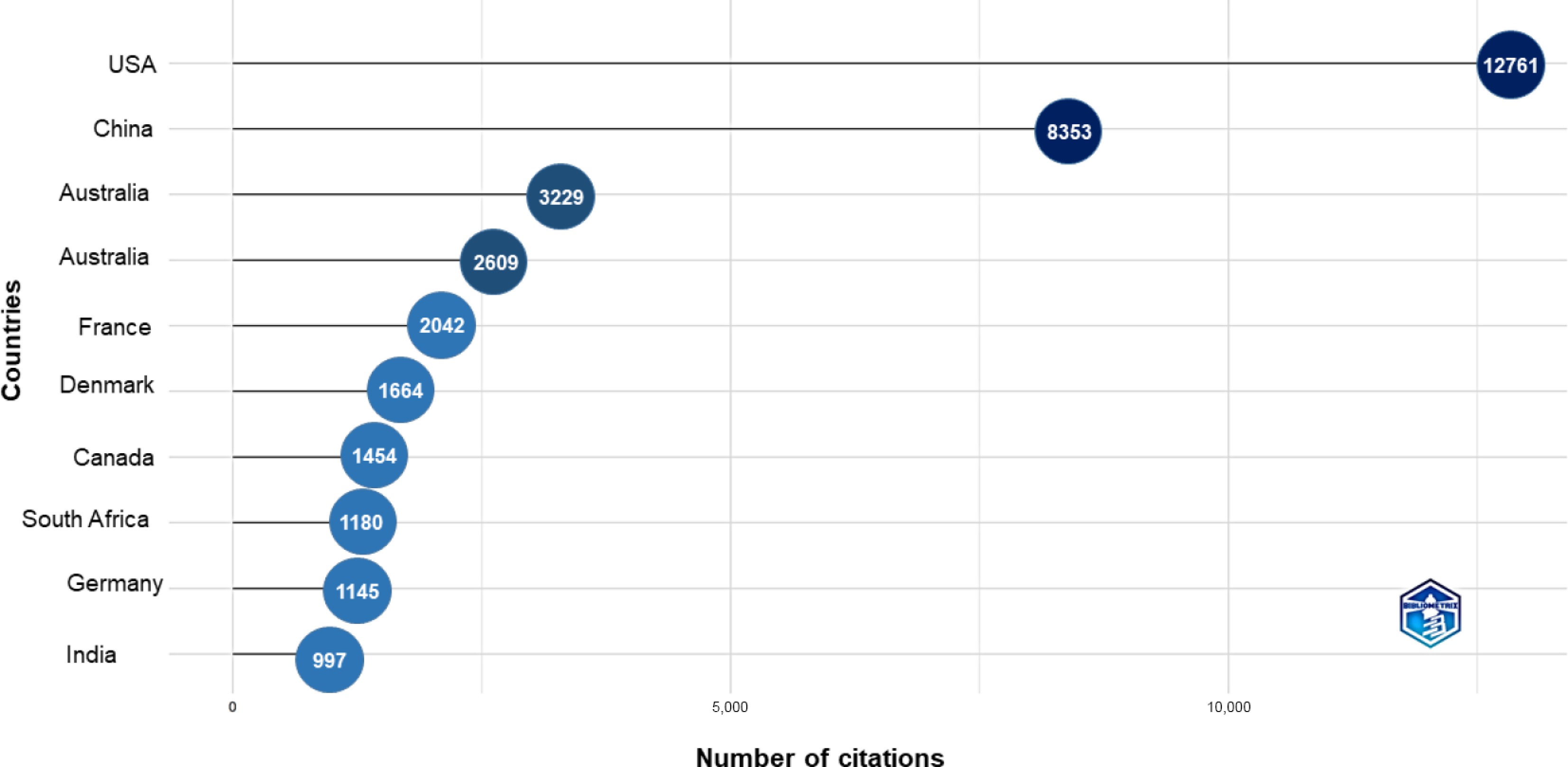
Figure 5.
Most cited countries in research on the rust genus Puccinia.
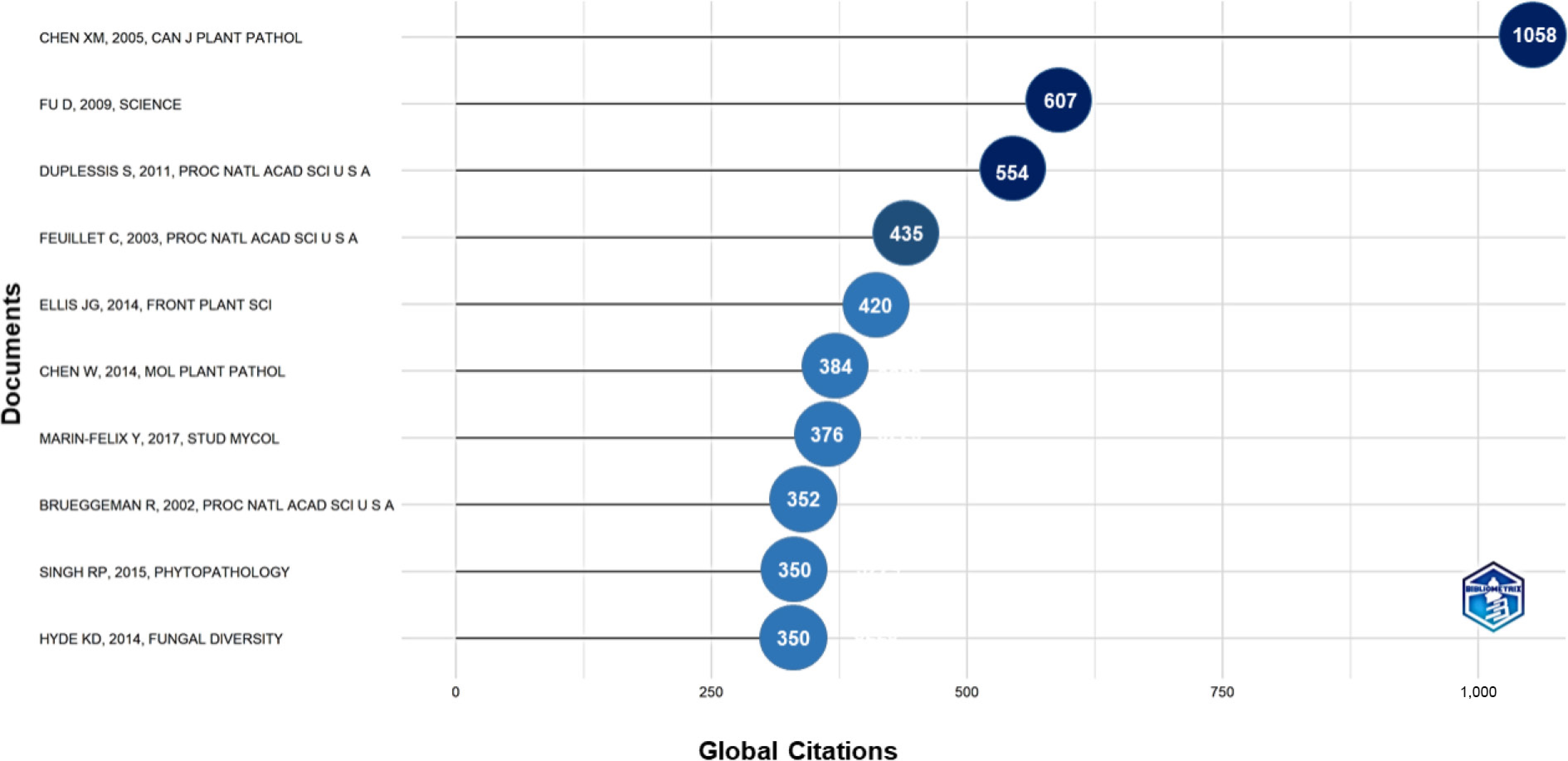
Figure 6.
Most globally cited documents on the rust genus Puccinia.
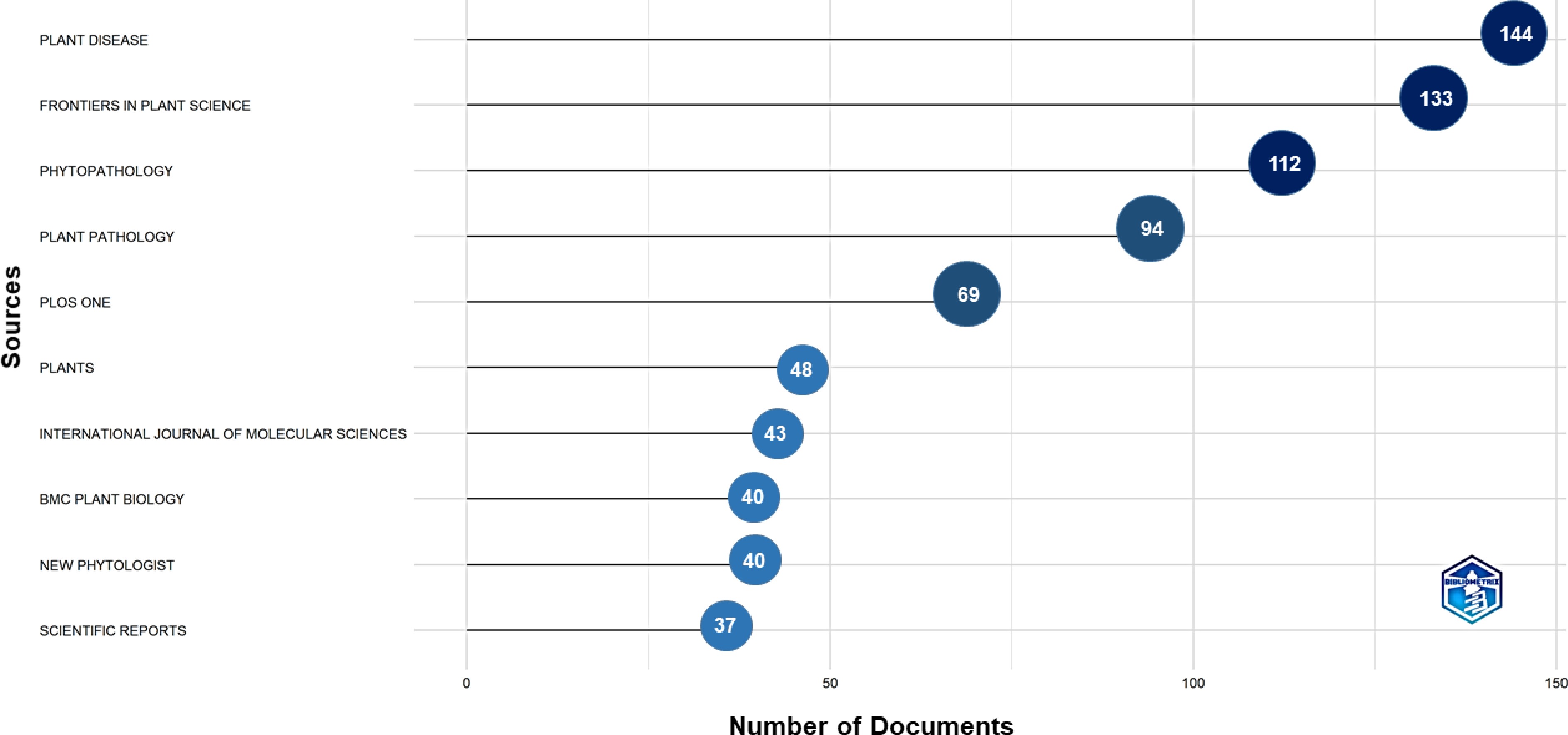
Figure 7.
Most relevant sources (journals) published research on the rust genus Puccinia.
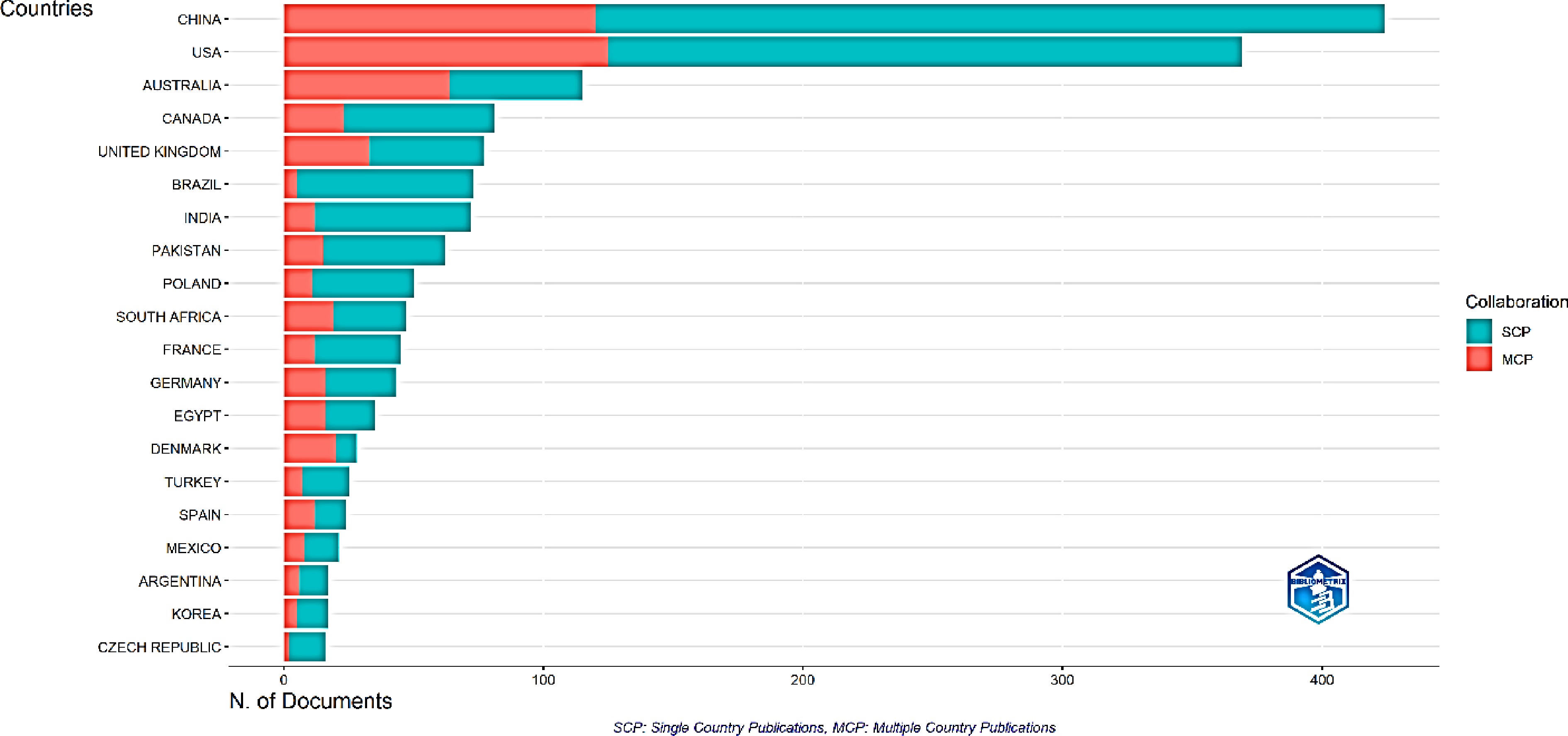
Figure 8.
Corresponding author countries and their contributions.
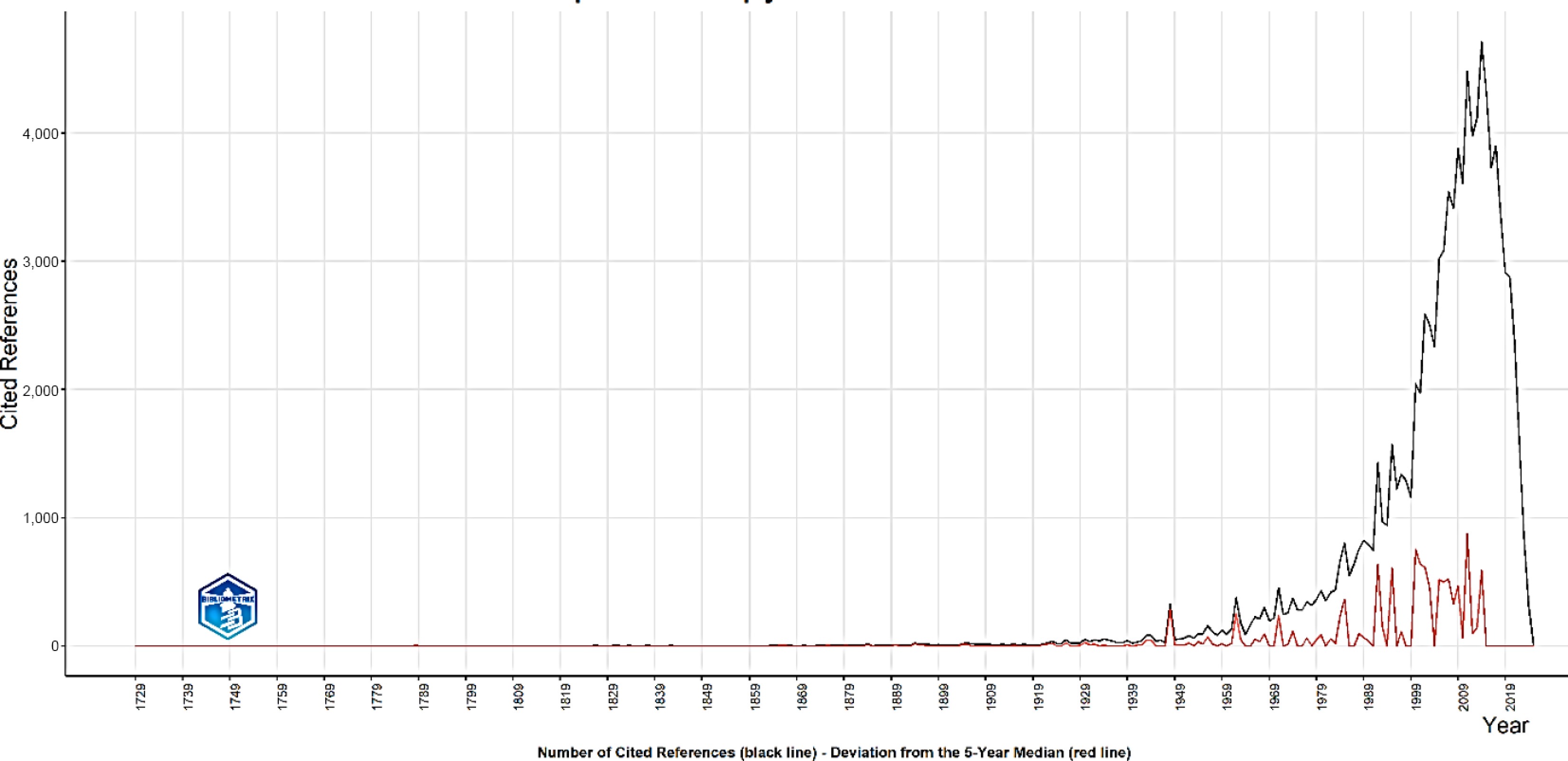
Figure 9.
Reference publication year spectroscopy on research published on the rust genus Puccinia.
Scientific collaboration networks
-
By analyzing scientific collaboration networks, the impact of collaboration trends can be identified, providing insights into the structure of scientific communities. These analyses often utilize Social Network Analysis (SNA) techniques to map and quantify relationships between authors, institutions, and countries. For the analysis of citation and source networks, a total of 85 documents were evaluated, based on a minimum of five documents and a citation of a source. In the citation and source network results, a total of 84 items were identified in 15 clusters. Here, journals such as Phytopathology and Plant Disease were found to lead (112 and 144 documents, 3,850 and 3,241 citations, 741 and 737 total link strength, respectively). Other journals, such as Frontiers in Plant Science and Plant Pathology, were also observed in the top list, with a significant total strength in the network (Fig. 10).
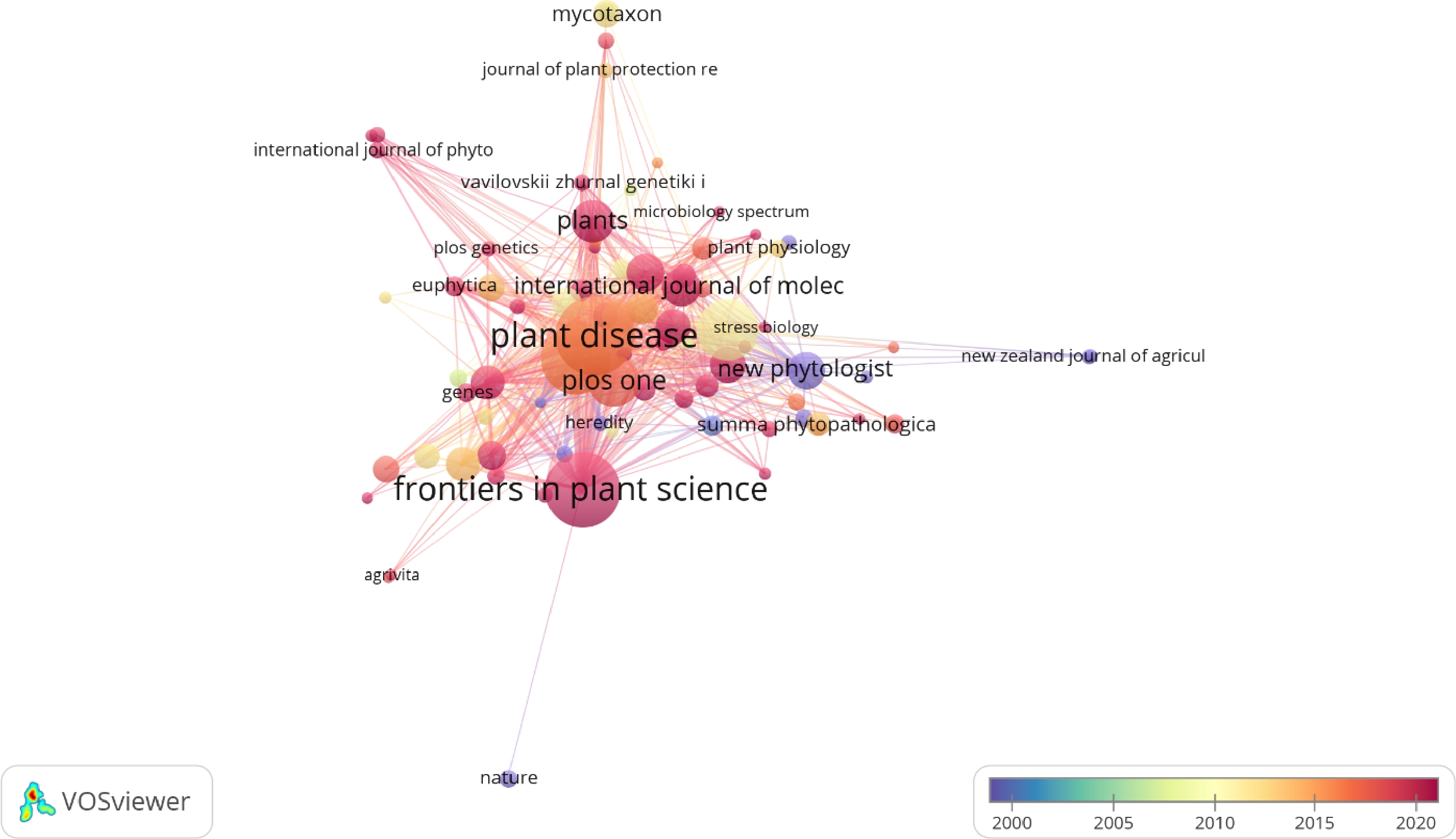
Figure 10.
Citation and source (journal) network on research published on the rust genus Puccinia.
In the co-authors and countries network analysis, out of 111 documents, 54 meet the criteria, which include a minimum of five documents and a citation of a source. The network of 54 items is grouped into eight clusters. Countries such as the USA (605), China (3,070), Australia (287), the UK (275), and Germany (184) showed the highest total link strength (Fig. 11). The co-occurrence and keyword network analysis revealed that keywords such as wheat, plant disease, genetics, microbiology, basidiomycota, and Puccinia consistently appear at the top, with numerous occurrences, and high total link strength in the network. The keyword 'wheat' showed 820 occurrences with 16,070 total link strength, followed by plant 'disease/s' (618 occurrences with 15,824 total link strength), 'genetics' (601 occurrences with 15,738 total link strength), 'Basidiomycota' (557 occurrences with 13,830 total link strength), and 'Puccinia' (with 412 occurrences with 8,639 total link strength). Here, 3,764 keywords were analyzed, of which 245 were selected for networking, meeting the minimum requirement of five occurrences. The resulting network was grouped into eight clusters, where each cluster contained items in the range of 1–25 (Fig. 12). The collaboration map between countries is also shown in Fig. 13.
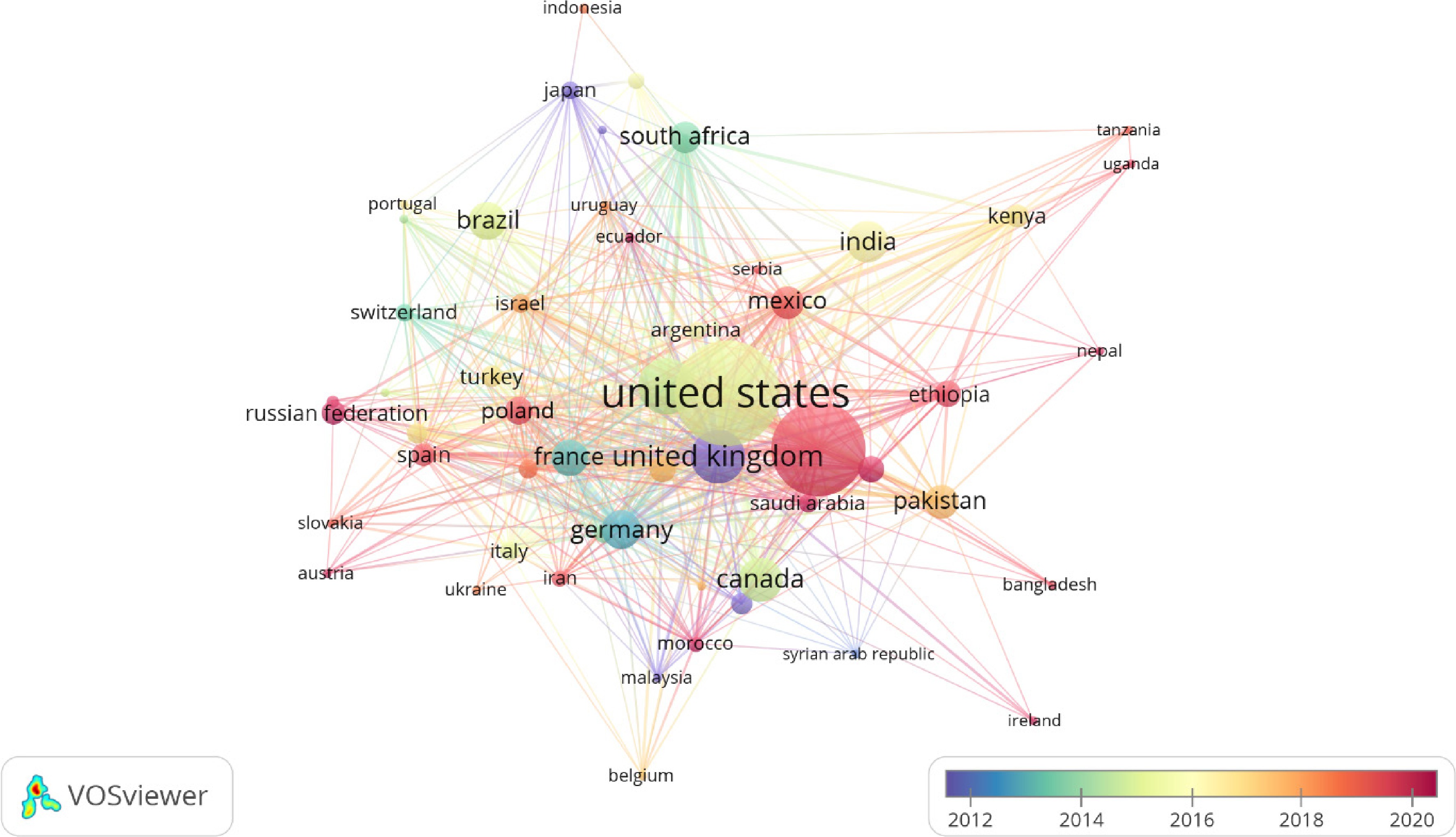
Figure 11.
Co-authors and countries network on research published on the rust genus Puccinia.
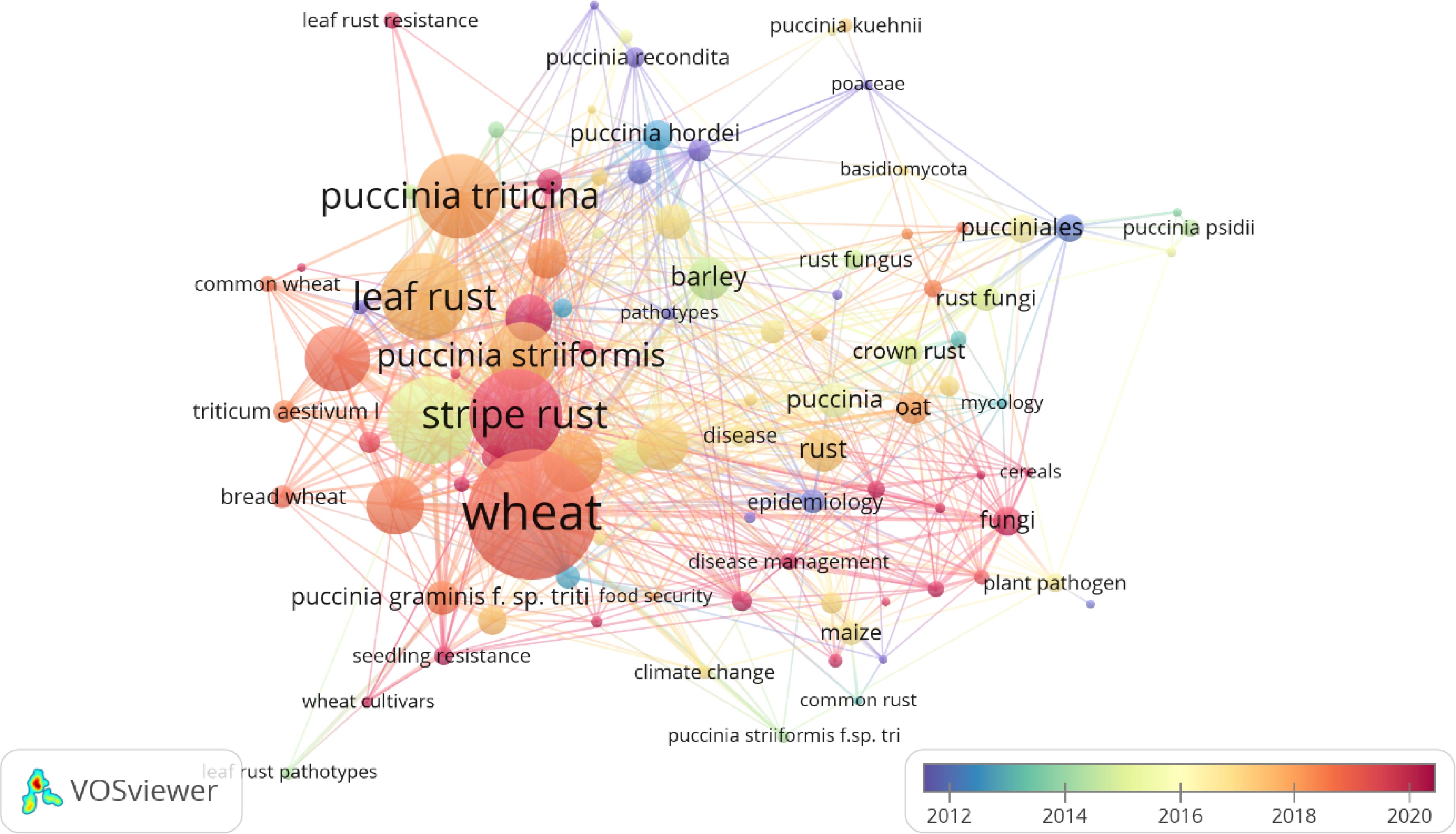
Figure 12.
Co-occurrence and keywords on research published on the rust genus Puccinia.
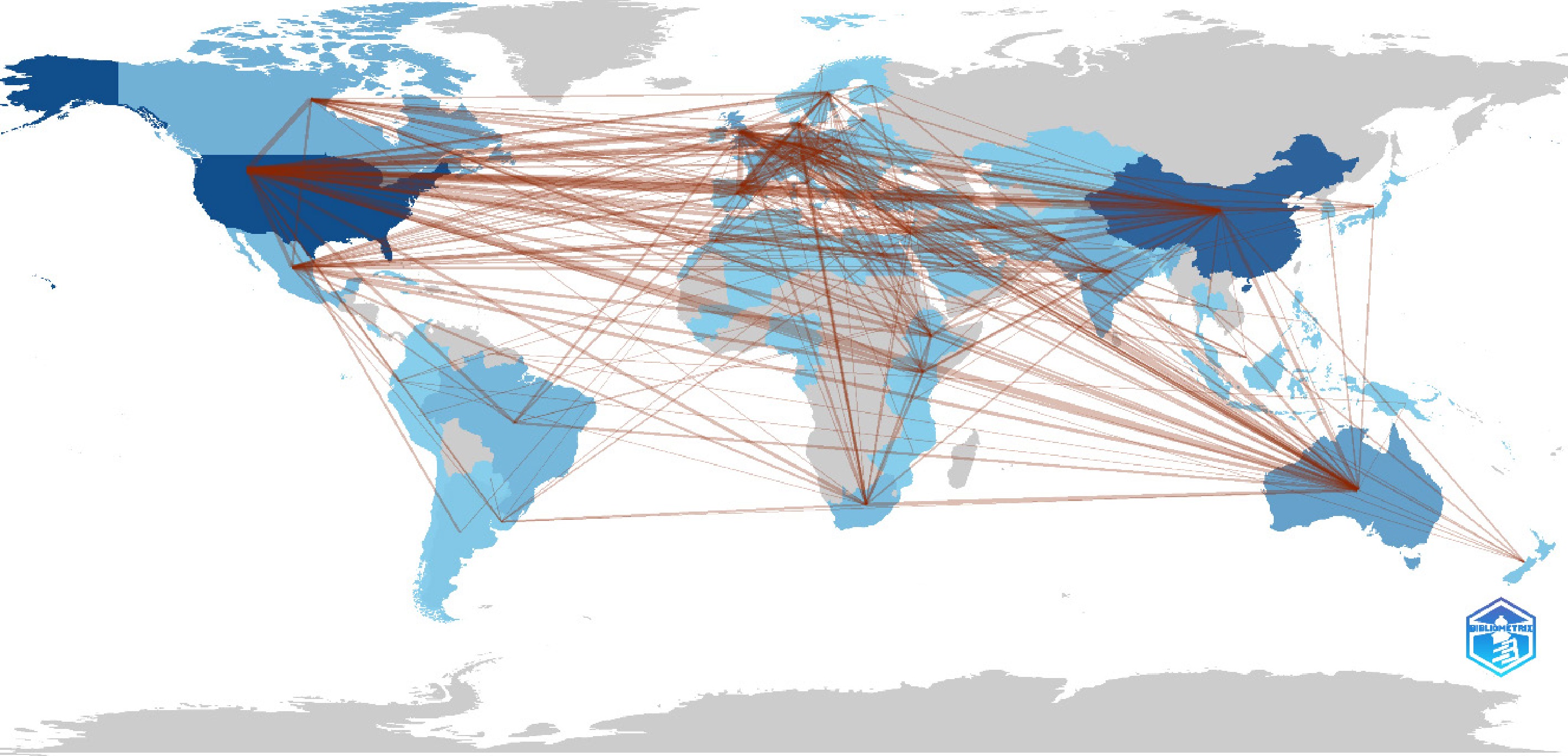
Figure 13.
Country Collaboration Map depicting international research collaboration based on the rust genus Puccinia.
Research trends and burning topics
-
The bibliometric analysis in this section presents a comprehensive overview of trend topics, tree map, world cloud, and word frequency over time. The analysis of trend topics reveals several key trends and shifts, providing an outline of how research has evolved. The research topics, like 'plant disease/s', 'Basidiomycota', 'microbiology', 'Puccinia graminis', and 'Puccinia', have been central to academic discourse throughout the period (Fig. 14).
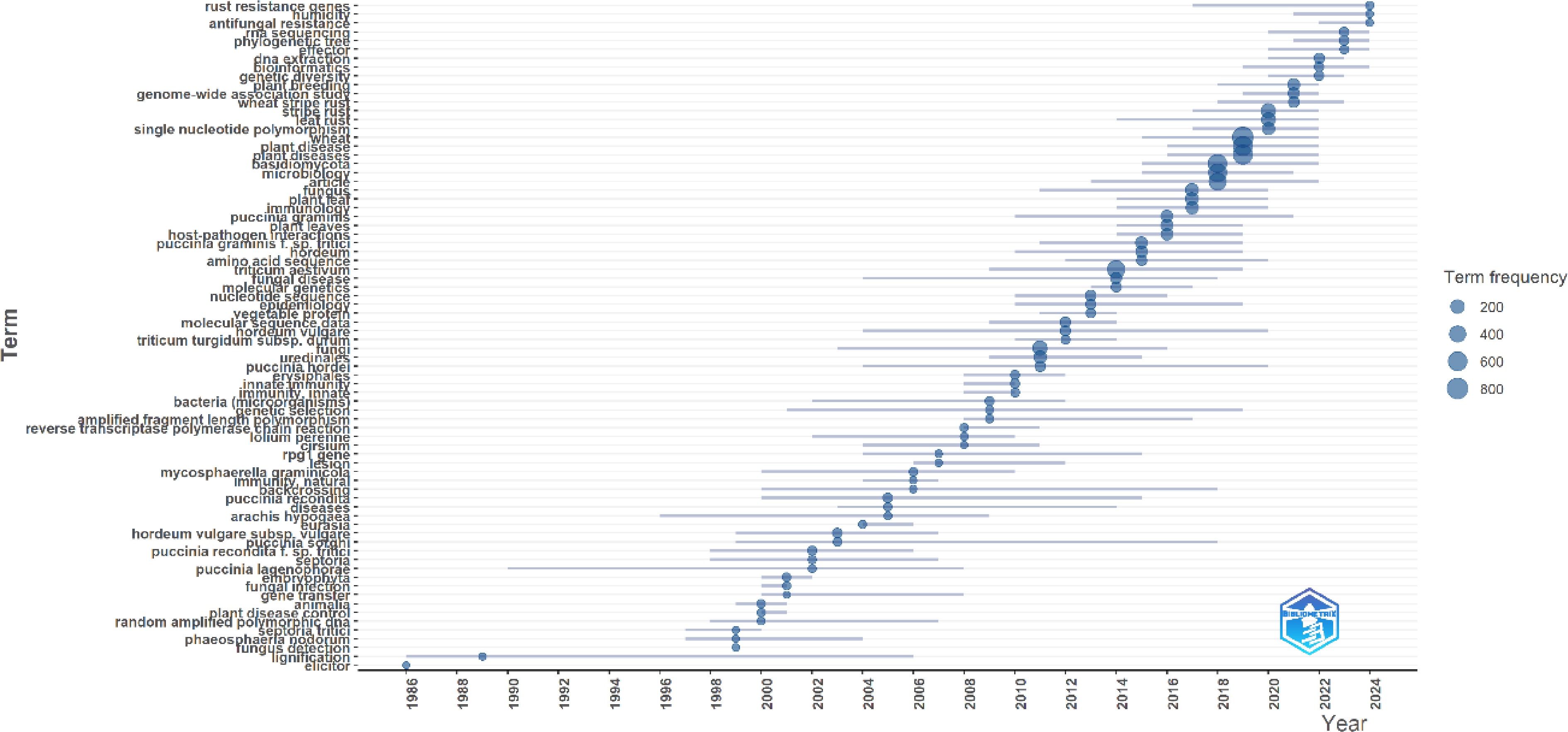
Figure 14.
Topics studied over time in relation to the rust genus Puccinia.
The three-field plot provided relationships between three key dimensions in academic research: reference (CR), authors (AU), and keywords (KW_Merged) (Fig. 15). Several prominent references (CR) contribute significantly to research on rust fungi, including 'Puccinia', such as Long & Kolmar (1989), Roelfs & Martens (1988), and Chen (2005). The authors (AU) lead in contributions with connections to references and keywords. Kang Z, Chen X, and Wang X have published extensively and are affiliated with numerous journals and international collaborations. The top occurring keywords include 'wheat', 'plant disease', 'genetics', 'Triticum aestivum', 'Puccinia', 'stripe rust', 'leaf rust', etc., found significantly in global research of Puccinia (Fig. 16). A Tree Map is a quantitative presentation of the most frequent terms, segmenting them into proportionate blocks. The top occurring keywords include 'wheat' (6%), 'plant disease/s' (5%), 'genetics' (5%), 'Triticum' (4%), and 'Puccinia' (3%), found endorsing their importance in studies based on Puccinia rust. The remaining terms also appear prominently in the Tree Map (Fig. 17). Figure 18 provides a critical understanding of the prevailing themes and conceptual focal areas in Puccinia research through the word cloud. Similar to Tree Map, the most frequently occurring term in the word cloud was also 'wheat', 'plant disease/s', 'Basidiomycota', 'microbiology', 'Puccinia graminis', 'Puccinia', etc. Word frequency over time showed trends in research by indicating how often specific words or phrases appear in a collection of documents, such as research papers, across different periods. The analysis results revealed that terms like 'basidiomycetes', 'Basidiomycota', 'disease resistance', 'genetics', 'microbiology', 'plant disease/s', and others are frequently used. The cumulative occurrences of these terms have increased significantly after the year 2000 and continue to rise to this day (Fig. 19).
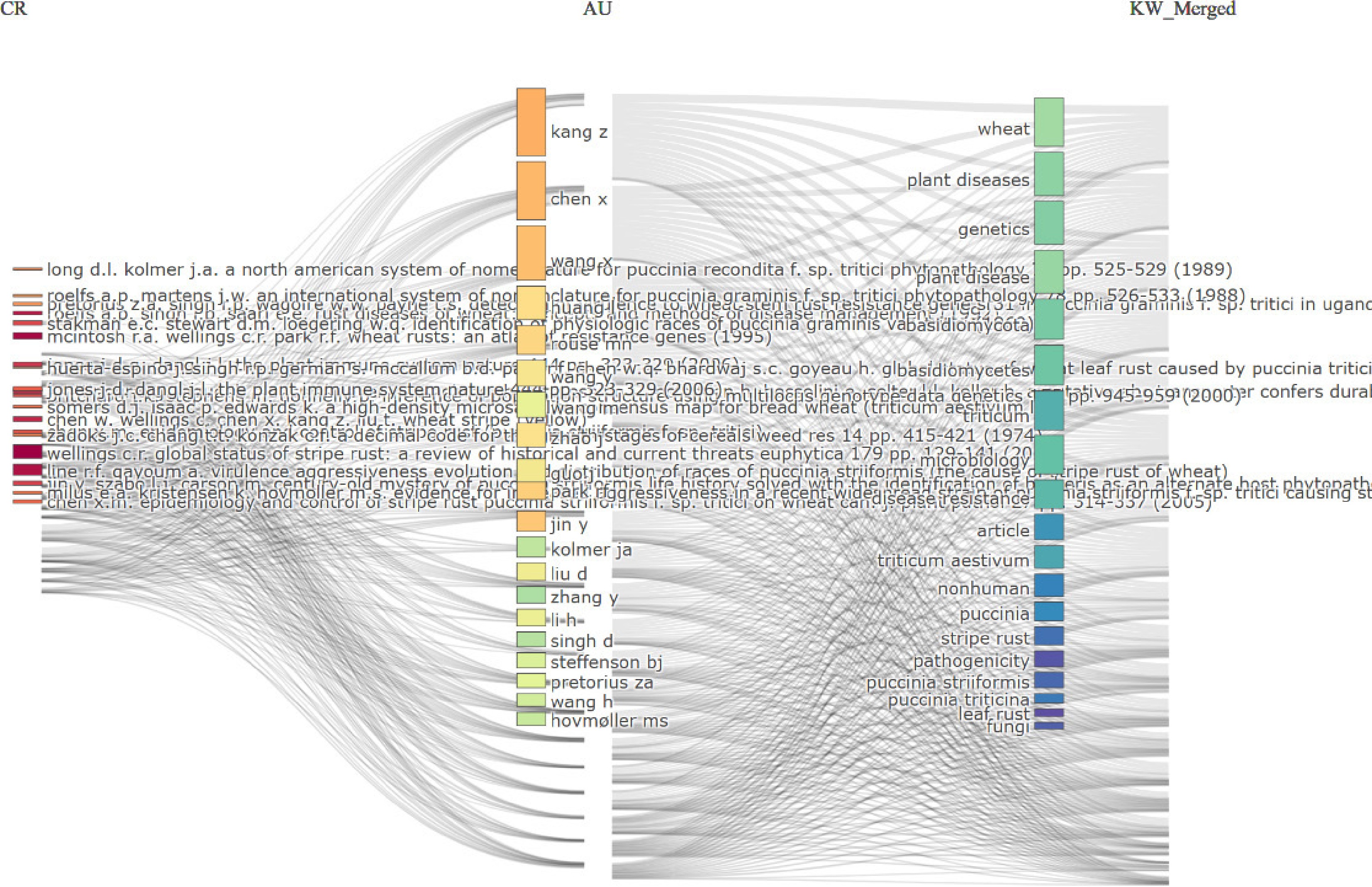
Figure 15.
Three-field plot illustrates the connection between references, authors, and keywords in identity research.
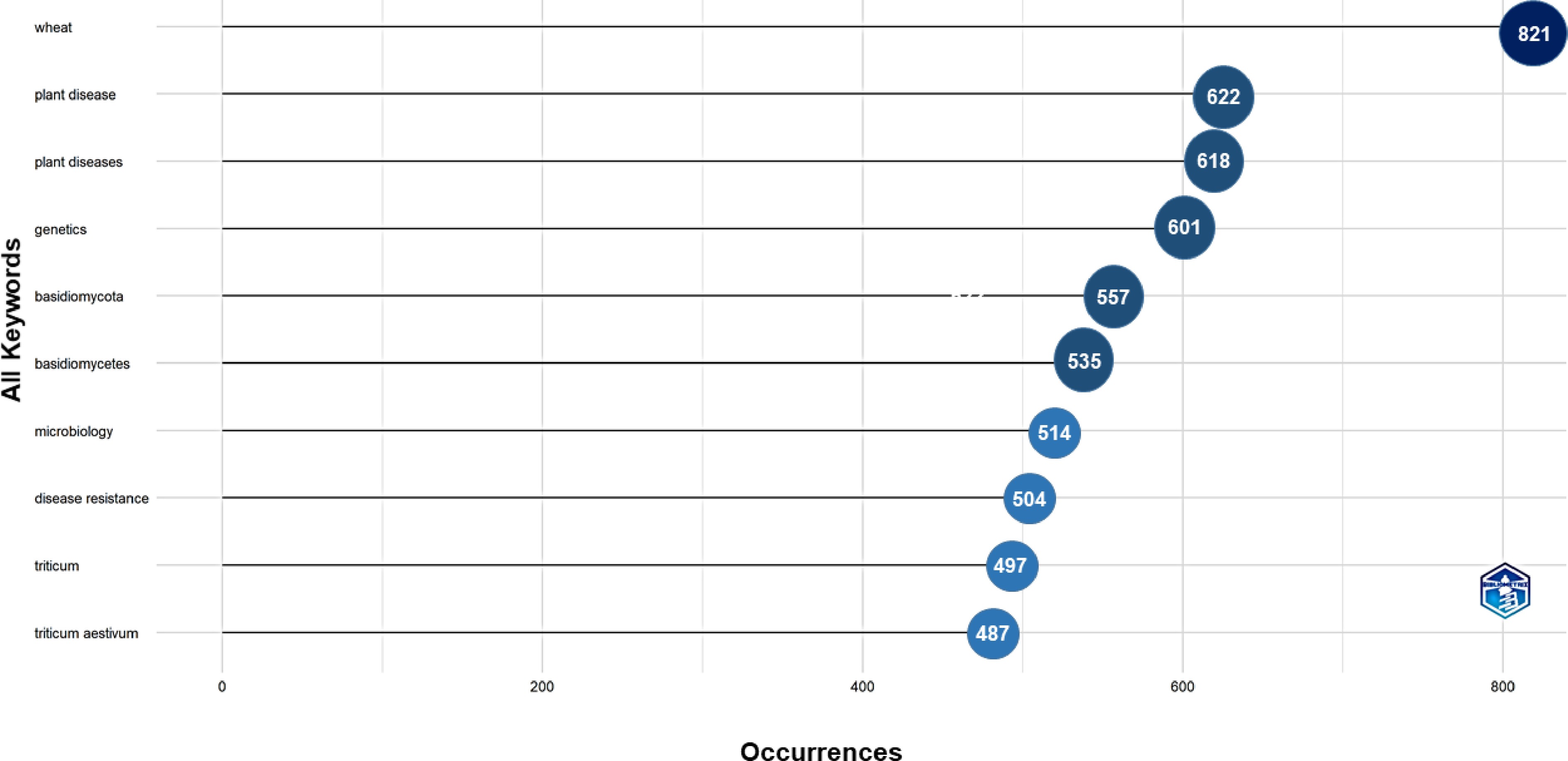
Figure 16.
Most relevant keywords found in research published on the rust genus Puccinia.
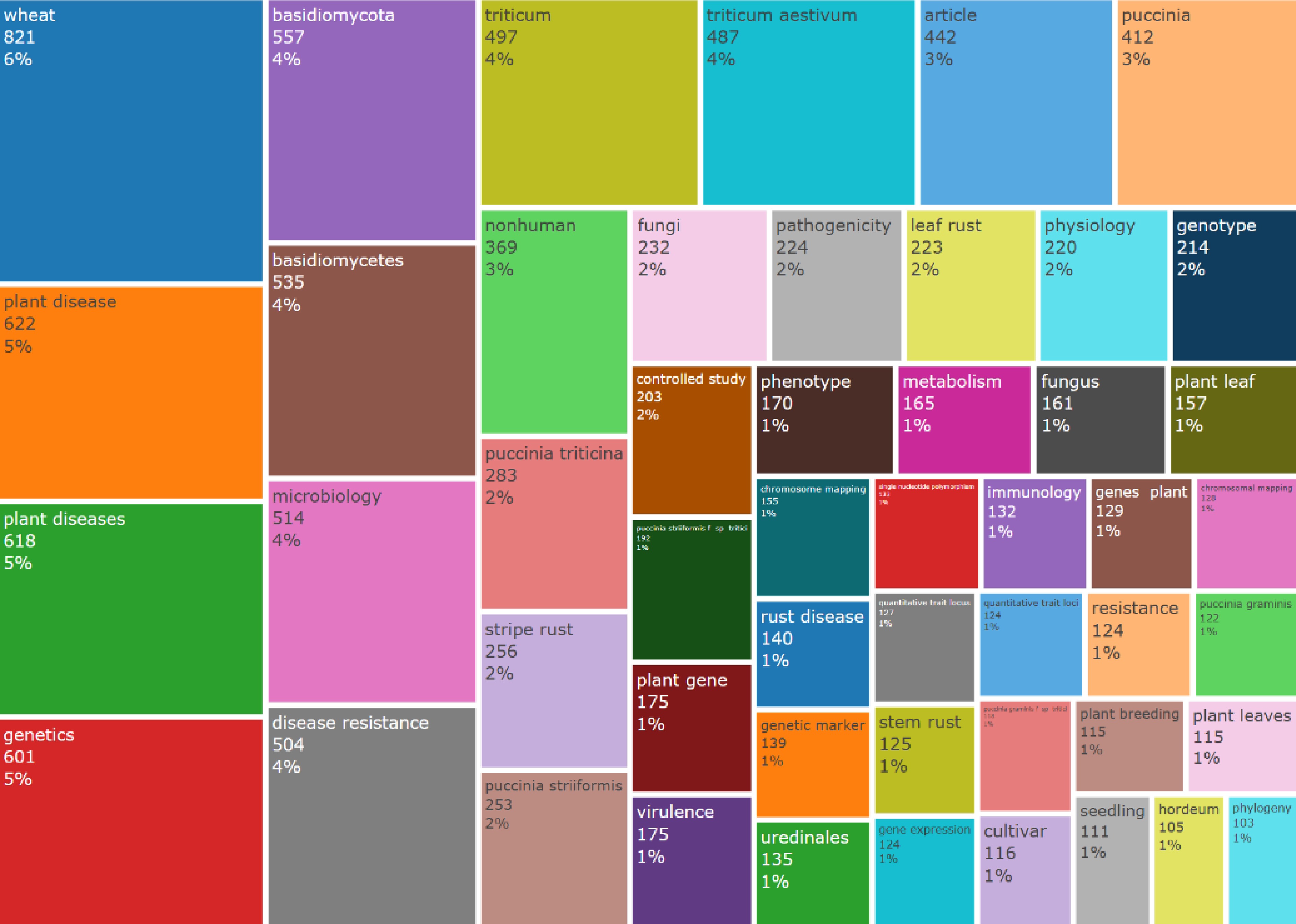
Figure 17.
Tree map illustrates the distribution of key terms in identity research.
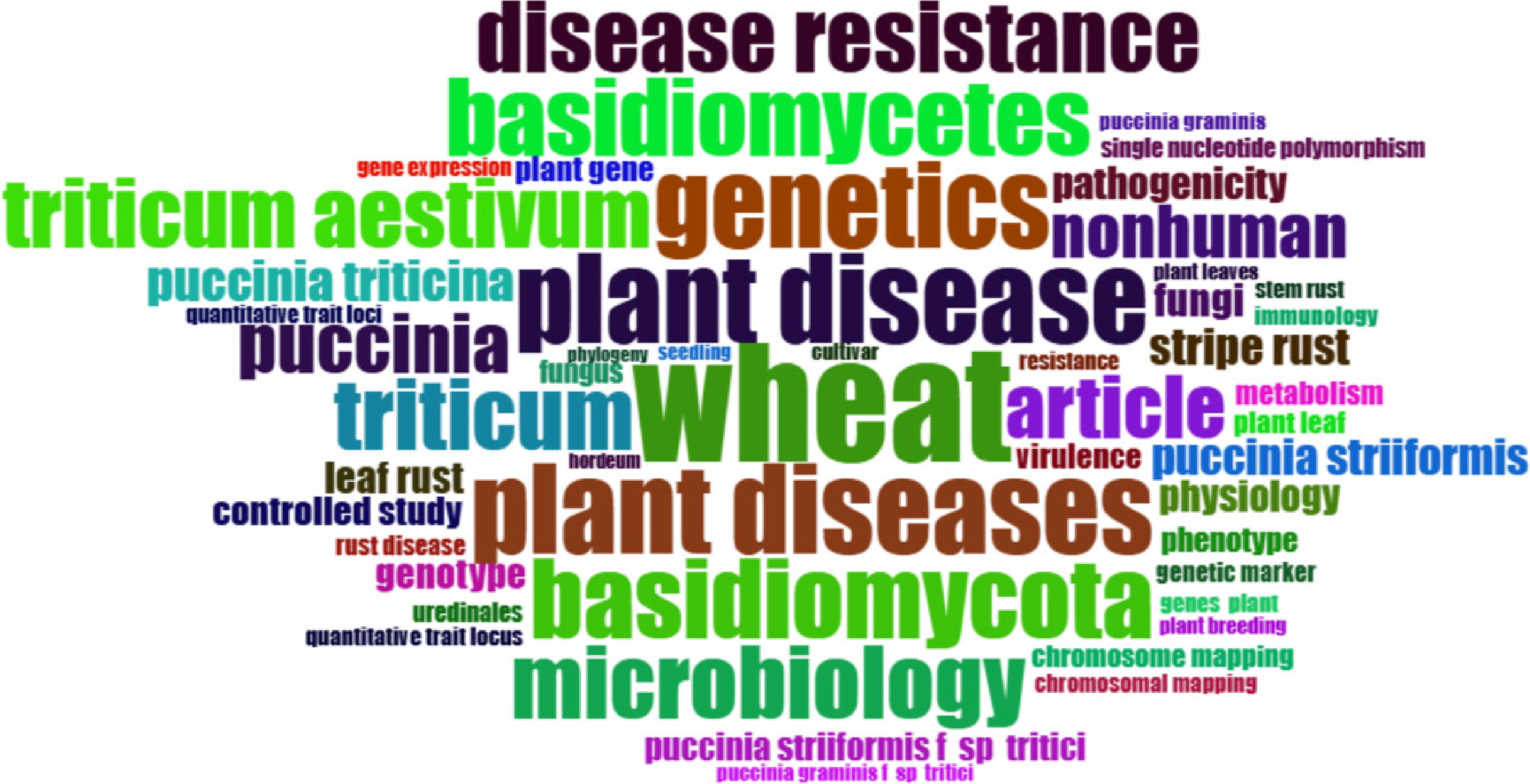
Figure 18.
Word cloud visualizes the most frequently occurring terms in identity research, with themes in the field.
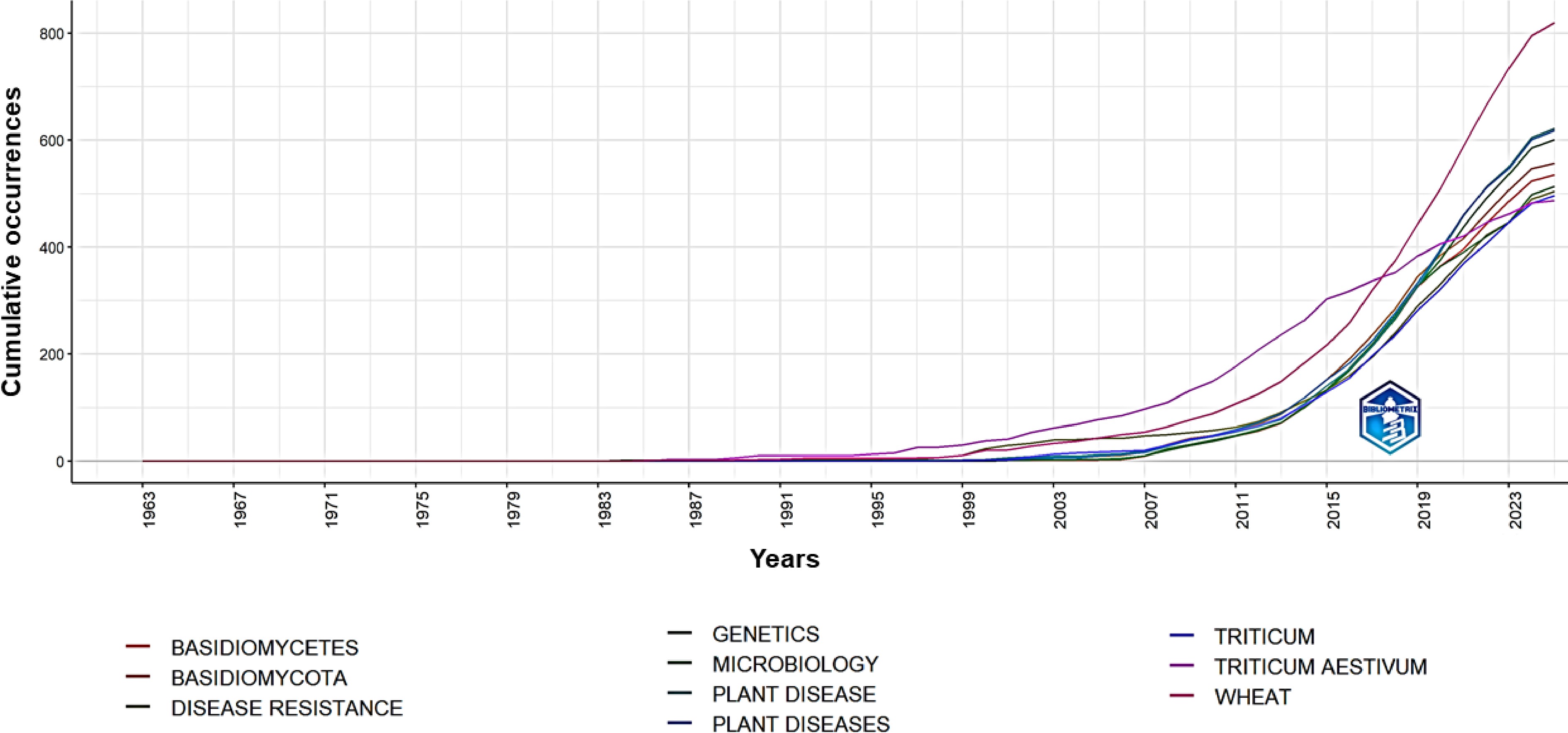
Figure 19.
Cumulative occurrences of keywords/terms over time.
The bibliometric analysis of research on the genus Puccinia revealed key trends and gaps in scientific understanding and publication patterns. A notable increase in research on rust fungi has been observed over the past few decades. The steady growth in published scientific documents on this rust genus indicates that the research topic has garnered increasing attention and momentum over the decades. However, the studies based on bibliometric analysis of rust fungi remain limited, and research outputs of the present study could serve as a foundation to bridge the gaps between existing and future research.
Several bibliometric studies have been conducted on various fungal groups in the past. A bibliometric study to analyze post-genomics studies in three model rust fungi, namely Melampsora larici-populina, Puccinia graminis f. sp. tritici, and Puccinia striiformis f. sp. tritici, was conducted by Petre & Duplessis[19]. The study presents a model species-centered structure of the research community, highlights the significant increase in functional studies focused on effectors since 2014, and discusses genomics-facilitated studies in other rust species as well as emerging post-genomic research trends involving fully phased rust genomes. A bibliometric analysis of global research on the fungal pathogen Metarhizium rileyi was conducted by de Souza et al.[20], highlighting trends in published articles and their significance for biological control. Cerimi et al.[21] conducted a bibliometric analysis of fungal volatile organic compounds, while Wulandari et al.[22] carried out a similar study on Sordariales fungi, covering genetic diversity, ecological interactions, and biotechnological applications. However, no such studies on rust fungi have been conducted previously. Therefore, this bibliometric analysis is the first of its kind, providing a mapping of global research trends and highlighting studies on the rust genus Puccinia. Similar bibliometric analyses should also be undertaken on other significant rust genera to bridge the research gap between past and present research landscapes.
The authors would like to thank their respective organizations for providing the necessary laboratory facilities and valuable support throughout the study. Samantha C Karunarathan thanks the National Natural Science Foundation of China (Grant No. 32260004), the High-Level Talent Recruitment Plan of Yunnan Province (High-End Foreign Experts program), and the Key Laboratory of Yunnan Provincial Department of Education of the Deep-Time Evolution on Biodiversity from the Origin of the Pearl River for their support.
-
The authors confirm their contributions to the paper as follows: study conception and design: Avasthi S, Gautam AK; data collection: Avasthi S, Gautam AK, Verma RK; analysis and interpretation of results: Gautam AK, Rajeshkumar KC; draft manuscript preparation: Avasthi S, Gautam AK, Suwannarach N. All authors reviewed the results and approved the final version of the manuscript.
-
Data sharing does not apply to this article as no datasets were generated or analyzed during the current study.
-
The authors declare that they have no conflict of interest.
- Copyright: © 2025 by the author(s). Published by Maximum Academic Press, Fayetteville, GA. This article is an open access article distributed under Creative Commons Attribution License (CC BY 4.0), visit https://creativecommons.org/licenses/by/4.0/.
-
About this article
Cite this article
Avasthi S, Gautam AK, Verma RK, Rajeshkumar KC, Karunarathna SC, et al. 2025. Mapping global trends in Puccinia research: a bibliometric approach. Studies in Fungi 10: e030 doi: 10.48130/sif-0025-0033 

Mapping global trends in Puccinia research: a bibliometric approach
- Received: 04 August 2025
- Revised: 31 October 2025
- Accepted: 13 November 2025
- Published online: 22 December 2025
Abstract: The genus Puccinia comprises the most important plant pathogenic fungal spp. that seriously threaten the world's food security by causing the most damaging diseases on various crops. The present study provides a comprehensive bibliometric analysis of global trends in Puccinia research, mapping scientific output, publications, citations, scientific collaboration networks, research trends, and major topics. The data required for bibliometric analysis were retrieved from the Scopus database, processed using VOSviewer (Version 1.6.20), and R software, combined with the Bibliometrix package (Version 4.5.1). Three main categories were examined in the bibliometric analysis: research trends and burning topics, scientific publications and citations, and scientific collaboration networks. Analysis of the information obtained from the Scopus database regarding the rust genus 'Puccinia' revealed that 6,851 authors published a total of 2,246 papers, with 82,644 references, across 445 sources (journals). According to the analysis, there were 6.39 co-authors per document, or 32.1% worldwide co-authorship. The majority of the literature is recent, as indicated by the average age of the publications, which is 10.2 years. Furthermore, documents display an average of 22.73 citations per publication, demonstrating the significance and importance of the research. These bibliometric insights provide a strategic overview of Puccinia research, and highlight areas that warrant further study, such as diversification beyond well-examined species, and enhanced international collaboration to address new and emerging threats.
-
Key words:
- Global research trends /
- Plant pathogens /
- Puccinia /
- Research trends analysis /
- Rust fungi /
- Scientometric study