










-
Plants have been a great source of bioactive compounds with ample medicinal values, and at present, there is a substantial increase in the exploration of antifungal and antimicrobial activities of various plant extracts against different pathogens. Since ancient times, humans and animals have depended on plant sources for food and medicine. Plants are the active source of pharmacophores due to the production of secondary metabolites as part of their daily cycle[1]. Wild weeds produce compounds that may have various medicinal values. Weeds are unwanted growth that may be harmful or useful, thereby proving economically beneficial or detrimental; while they are responsible for substantial losses and extensive environmental damage, they also serve as reservoirs of valuable secondary metabolites, as supported by several lines of experimental evidence[2]. These bioactive compounds have antioxidant, antimicrobial, antifungal, anti-inflammatory, and anticancer activities in nature[1,3]. The bioactive compounds and essential oils are the main components of aromatic and medicinal plants. Aromatic plants are high in medicinal value[1]. All parts of plants, including roots, shoots, stems, leaves, and fruits, possess antifungal activity due to the presence of bioactive secondary metabolites such as alkaloids, phenolics, terpenoids, and flavonoids, which have been reported to inhibit a wide range of pathogenic fungi[4]. Antimicrobial substances are used in the treatment of various diseases[5]. Many weeds, such as Calotropis procera, Achyranthes aspera, Chenopodium album, Ocimum sanctum, Boerhavia diffusa, and Citrullus colosynthis, show antimicrobial, antifungal, and antibacterial activities. Calotropis procera is a member of Asclepiadaceae and a shrub of approximately 6 m height and grows in the tropics. The plant is erect, tall, large, and branched, and milky latex is present in the stems and leaves. Its root and bark are highly used for the treatment of skin diseases[6]. Achyranthes aspera is also a weed that belongs to Amaranthaceae. It is an erect herb in nature and is found commonly in India. These plants are commonly used in traditional medicine for their healing properties and treatment of fever, diabetes, and dysentery. Its leaves and stem parts are used for the treatment of diseases[6]. Ocimum sanctum is commonly known as Tulsi, which belongs to Lamiaceae and is also an herb. Its Indian origin belongs to the Hindu religion. It has been widely used in Ayurvedic medicine since ancient times. Ocimum sanctum is used for skin diseases, diabetes, arthritis, and throat infections[7]. A comparative analysis shows that leaf parts and fruit parts possess antifungal and antibacterial activity against many fungi and bacteria, such as Alternaria spp., Aspergillus spp., Penicillium, E. coli, Pseudomonas, and Bacillus[6]. Weeds are resistant to most microbes as compared to crops, which show common symptoms of diseases[8]. Worldwide medicinal plants hold an important and vital role in the ecosystem. If annually estimated, plant diseases cause a total of 10%−15% of major crops to lose their yield due to diseases. Approximately 70%–80% of diseases are caused by pathogenic fungi. Plant pathogenic fungi affect the growth, quality, and quantity[9]. Today, crops are being destroyed in quintals by these pathogenic microbes, leading to a large waste of resources and energy. These diseases might be caused by a single pathogen or by a combination of multiple pathogens. Plant pathogenic fungi are highly specialized and are in a complex relationship with plants. Therefore, evaluation of this relationship is of the highest importance[10]. A wide range of plants has demonstrated biological activities. Due to their availability locally, environmental friendliness, and lower cost compared to imported artificial items, plant products serve as an alternative to artificial products. Currently, edible plants are determined to have medicinally specific functions and are used in a variety of fields[11]. According to Dar et al., the use of medicinal plants as sources of therapeutic medicines has a long history in conventional medicinal systems. Bioactive substances with a variety of pharmacological actions have been invaluable resources. Vast range of chemical components with potential health advantages are available. Among the numerous bioactive compounds discovered in medicinal and aromatic plants are alkaloids, flavonoids, terpenoids, phenolic compounds, and essential oils[11]. Studies on the pharmacological properties of these compounds, including their antibacterial, antioxidant, anti-inflammatory, anticancer, and immunomodulatory effects, have been carried out extensively[12]. The potato (Solanum tuberosum L.) is the fourth most significant crop in the world by volume of production; it is grown in around 140 countries and is known for its high yield and high nutritional value[13]. For domestic usage, Pakistan is self-sufficient in potatoes and depends almost entirely on locally grown seed potatoes. Currently, the total annual domestic output is thought to be roughly 2,148.26 thousand tons over an area of 127.75 thousand hectares of land. Early potato blight is caused by Alternaria solani, which also causes significant harm to the crop[14]. It is a serious foliar disease that affects potatoes and reduces output by 20%–50%. On the plants, it causes tiny, darker lesions that enlarge into expanding black blotches of decomposing tissue. A. solani overwinters as mycelium or conidia in soil, diseased tubers, plant detritus, or on other hosts belonging to the same family of plants. Cultural practices include crop rotation, tillage, removal and burning of diseased plant waste, and eradication of weed hosts to assist in managing the disease by lowering the inoculum level for the following plantings[14]. Resistant cultivars and foliar fungicides are also used to treat the disease. The use of foliar fungicides is the most popular and efficient strategy for controlling early blight. Protective fungicides like maneb, mancozeb, chlorothalonil, and triphenyl tin hydroxide that are suggested for controlling late blight are also effective against early blight. However, the use of pesticides is not protected because poisonous chemicals destroy the environment, affect human health, and become dangerous to all living things when they reach the food chain[15]. Ageratum conyzoides, sometimes called Appa grass or Goat weed, is a member of the Asteraceae family. It is an annual herb that is polymorphic, aromatic, and endemic to tropical America. Ageratum is taken from the Greek word 'a geras' which means 'non-aging' and refers to the longevity of the entire plant. Conyzoid is derived from 'konyz' which is the Greek name of Inula helenium, through which the plant is similar to Ageratum conyzoides[16]. According to Yamato et al., the plant A. conyzoides has anti-inflammatory, analgesic, and anti-diarrheic properties[17]. In Vietnam, the plant is notably utilized to treat gynaecological conditions. It is also used in the treatment of pneumonia. Moreover, it is used in traditional medicine for its anti-asthmatic, antispasmodic, and haemostatic effects. Tribulus terrestris is used in traditional medicine due to its diuretic, analgesic, anti-diabetic, anti-helminthic, and anti-microbial activities[18].
-
Several compounds are produced by phytopathogenic fungi that adversely affect plants. Plant metabolism is hacked via fungi. During this process, surface molecules interact and signal transmission between pathogens and plants is affected, which causes changes in the physiological as well as biochemical reactions of the plants[19]. The factors that help in cell wall degradation, namely enzymes, toxins, and growth regulators, are shown in Fig.1.
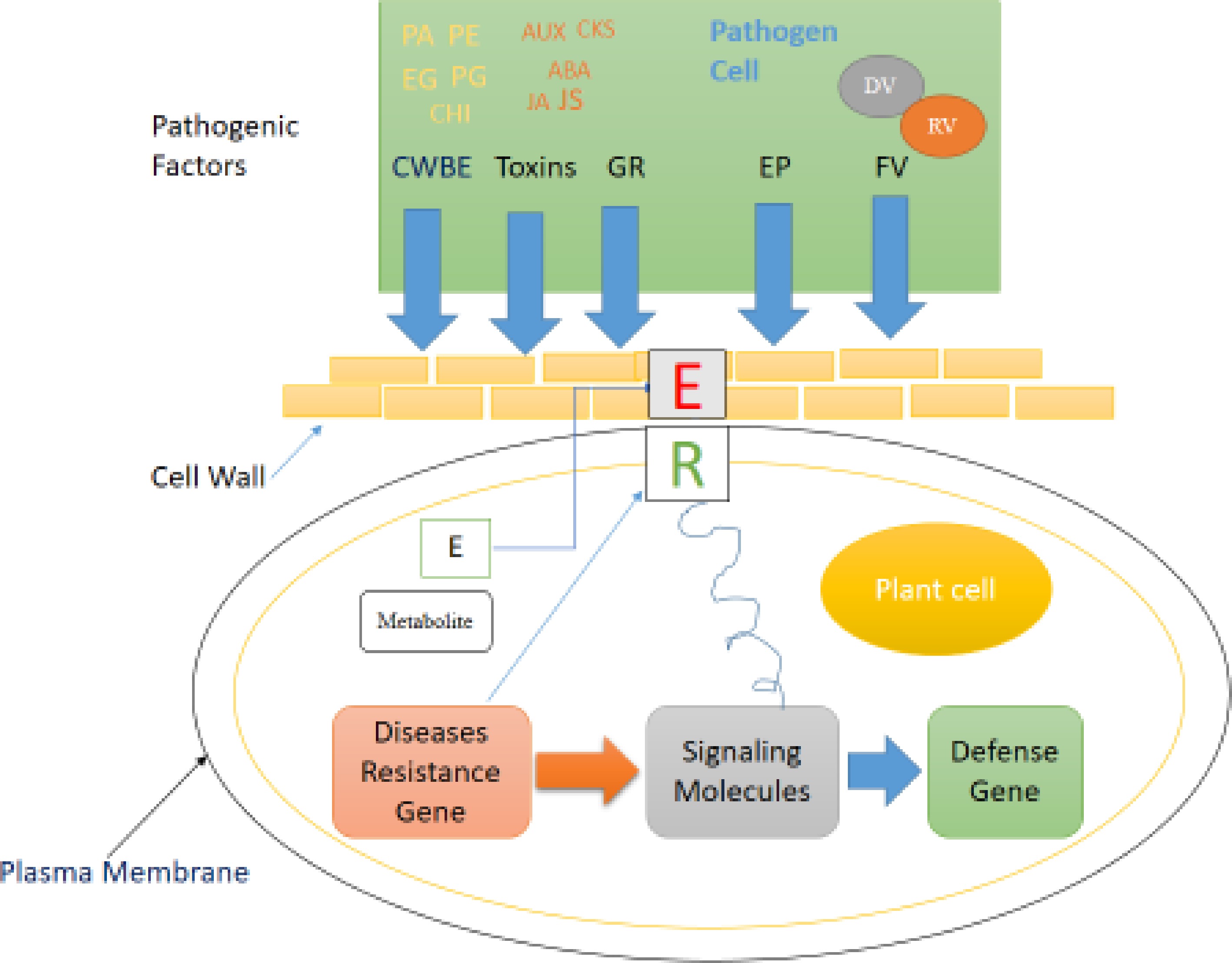
Figure 1.
The pathogenic factors of phytopathogenic fungi CWBE, cell wall-degrading enzymes. PG, pectin polygalacturonase; PE, pectin methylesterase; EG, Endo-1,4-β-D-glucanase; PA, protease; CHI, chitinase; GR, growth regulator; AUX, auxin; CKs, cytokinins; ABA, abscisic acid; GA, gibberellic acid; JA, jasmonic acid; FV, fungal virus; DV, DNA virus; RV, RNA virusn[9,19].
Cell wall degradation by host plant enzymes facilitates phytopathogenic fungus invasion, colonization, and growth. The fields of molecular biology and proteomics are developing to better understand how plant-pathogenic fungi's cell wall-degrading enzymes interact with plants during the infection process. The main cell wall degrades due to enzymes such as pectinase, chitinase, and cellulose. During the infection stage, cell walls of the host plant are breached using cell wall-degrading enzymes to overcome the initial barriers of defence. Later on, fungal toxins are crucial to the path of the disease. Such toxins are, on the one hand, secondary metabolites of low average molecular weight that are highly selective to the cellular machinery of the host, unlike nonspecific secondary metabolites that lead to drastic changes, such as stunted growth, wilting, foliar necrosis, and death. Many pathogenic fungi secrete PGRs, such as auxins, gibberellic acid, abscisic acid (ABA), jasmonic acid (JA), and salicylic acid (SA). These PGRs trigger a shift in the plant's hormonal homeostasis, lowering defence barriers and favoring pathogen invasion[9,19].
Diseases caused by pathogenic fungi in plants
-
Many diseases are caused by phytopathogenic fungi in plants, such as potatoes, tomatoes, apples, broccoli, carrots, chili, cauliflower, wheat, maize, and rice. Species of Alternaria, Aspergillus, Fusarium, Mucor, and Phytophthora attack the crops and cause diseases like early blight (Alternaria), late blight in potato (Phytophthora), crown rot (Fusarium), head blight, and scab on cereal grains (Table 1). Approximately 20% of worldwide crops are damaged by these pathogenic fungi. Management of phytopathogenic fungi using fungicides causes resistance development against fungi[20]. It has been demonstrated that the most widely used fungicides contain hazardous residues that harm nearby habitat, endanger the environment, and raise legal issues. Demand for the creation and application of environmentally friendly plant disease control solutions has increased in response to these problems. These methods preserve the environment and cause no long-term harm. Although these techniques emphasize the use of chemicals, they are consistent with the global goal of safer farming practices[21]. These days, research into the effectiveness of plants in traditional medicine is being prioritized due to their low cost and minimal adverse effects. The decades-long usage of synthetic preservatives in food may have detrimental effects on health. Furthermore, using synthetic substances has a lot of disadvantages, including higher costs, handling risks, worries about residues on food, and environmental threats[22]. Several higher plants and their constituents have been successful in controlling diseases, but could be harmful due to phytotoxic effects (chemical fungicides). At present, weeds are used due to their increasing advantages[23]. Several fungi can lead to devastating crop diseases and yield losses in important economic plants. Botrytis cinerea causes post-harvest gray mold decay in fruits. Blumeria graminis, the causative agent of powdery mildew in wheat and barley, impedes photosynthesis and grain production. In tomatoes, Cladosporium fulvum causes foliar diseases that attack leaves, which can lead to significant losses in fruit yield. In like manner, Fusarium graminearum infects crops like maize and wheat, causing the head scab disease, which greatly diminishes grain quality and harvestable crops, which are dangerously mycotoxic. Crops like potatoes that are infested with cyclamen mites are especially prone to Rhizoctonia solani, which causes cankers and black scurf[24,25]. Fungicides are used to treat fungal plant diseases, which enhances crop quality, productivity, and shelf life. Benzimidazoles, dithiocarbamates, strobilurins, and azoles are a few examples of antifungal agents; azoles, particularly triazoles, are frequently employed in fields[26].
Table 1. The phytopathogenic fungi and their symptoms[27].
Sr. No. Plant name Common name Causing agent Diseases Symptoms 1. Ipomoea batata Sweet potato Alternaria solani Early blight Leaves start to exhibit small irregular dark brown spots on lower parts. 2. Solanum tuberosum Potato Phytophthora infestans Late blight Pale-greenish spots 3. Solanum lycopersicum Tomato Phytophthora infestans Late blight Pale-greenish spots 4. Solanum lycopersicum Tomato Alternaria solani Early blight On leaves circular lesions are produced. 5. Cicer arentinum Chickpea Fusarium oxysporum Fusarium wilt Grayish-green chlorish 6. Zea mays Maize Bipolaris maydis Leaf blight Veins light brown to brown border 7. Triticum aestivum Wheat Puccinia triticina Leaf rust Rust-colored 8. Malus domestica Apple Erwinia amylovora Fire blight Red-brown or black spot outword 9. Pennisetum glacucum Pearl millets Siclerospora graminicola Downy mildew Pale color, broad streaks spreading from bottom to top of leafs. 10. Arachi shypogaea Ground nuts Puccinia arachidis Leaf rust Orange pustules on lower leaflet. -
Weeds, often considered undesirable in agriculture, have gained recognition as a valuable source of antifungal compounds with potential applications in sustainable crop protection. A variety of common weeds, such as Calotropis gigantea (Aak), Boerhavia diffusa (Punarnava), Withania somnifera (Ashwgandha), Achyranthes aspera (Ola kanda), Cannabis sativa (Bhang), Chenopodium album (Bathua), Lantana camara (Lantana), Citrulus colocynthus (Gadumba), Ziziphus jujube (Ber), and Datura stramonium (Datura), are known for their antifungal activity against plant pathogenic fungi[28,29]. These weeds, in contrast to synthetic fungicides, contain bioactive secondary metabolites, including flavonoids, phenolic compounds, cardiac glycosides, terpenoids, and alkaloids, which not only inhibit fungal development but also diminish the ecological dangers connected with chemical fungicides. For example, cardiac glycosides from Calotropis gigantea and Datura stramonium damage the integrity of fungal cell membranes[30]. While cannabinoids from Cannabis sativa limit cell wall formation[31], terpenoids from Parthenium hysterophorus and Citrullus colocynthis are known to disrupt fungal metabolic pathways and hinder mycelial development[32]. Table 2 represents such common weeds with their antifungal activity against specific pathogens and the part responsible for the production of bioactive secondary metabolites.
Table 2. A selected list of weeds showing antifungal activity against pathogenic fungi.
Sr. No. Botanical name Common name Family Part used Antifungal compound Ref. 1. Calotropis gigantea Aak Apocynaceae Whole parts Cardiac glycosides [33] 2. Withinia somnifera Ashwagandha Solanaceae Whole parts Withanic acid, withaniol [34] 3. Achyranthes aspera Ola kanda Amaranthaceae Whole parts Alkaloids 17-pentatriacontanol [35] 4. Ziziphus jujube Ber Rhamnaceae Whole parts Polyphenols [36] 5. Cannabis sativa Bhang Cannabaceae Whole parts Cannabinoids γ-sitosterol [31] 6. Chenopodium album Bathwa Amtranthaceae Leaves Palmitic acid methyl ester, 2(3H)-furanone [37] 7. Datura stromonium Datura Solanaceae Whole parts Cardiac glycosides [30] 8. Parthanium hysterophrous Congress grass Asteraceae Leaves Terpenoids [32] 9. Citrulus colicynthus Gadumba Cucurbitaceae Whole parts Terpenoids and cardiac glycosides [38] 10. Lantana camara Lantana Verbenaceae Leaves Cyclopropane [39] 11. Tinospora cordifolia Giloy Menispermaceae Stem Phenolic group [40] 12 Ocimum tenuiflorum Tulsi Lamiaceae Whole plant t-methyl cinnamate [41] 13. Phalaris minor Blauri Poaceae Whole plants iso-ovatodiolide, b-sitosterol [42] 14. Canada thistle Corn thistle Asteraceae Leaves 15-octadecatrienoic acid [43] 15 Agremone maxicana Satyanshi Papaveraceae Leaves Berberine, protopine, sarguinarine [44] 16. Ageratum conyzoides Chick weed Asteraceae Whole plants Polymethoxyflavones [45] 17. Sidaacuta Wire weed Malvaceae Whole plants Flavonoids [46] 18. Cynoden dactylon Doobgrass Poaceae Whole plant Cyclopassiflosides, saponins [47] 19. Boerhavia diffusa Punarnava Nyctaginaceae Whole plant Anthracenedione [48] 20. Eichhorni acrassipes Jalkumbhi Pontedericeae Whole plants Glicosídeos, taninos [49] 21. Adiantum capillus-veneris L. Maidenhair Fern Pteridaceae-Vittarioideae Whole plants 1,2-Benzene dicarboxylic acid [50] -
Weeds exhibit antifungal activity mainly due to their diverse chemical constituents, including alkaloids, flavonoids, and terpenoids. A range of secondary metabolites produced by common species like Datura stramonium, Chenopodium album, and Calotropis gigantea can efficiently inhibit the growth of pathogenic fungi. These metabolites work in a variety of ways, including by interfering with enzymatic and metabolic processes, preventing spore germination, or damaging the integrity of fungal cell walls. Therefore, these weeds have a great deal of potential as environmentally benign sources of antifungal compounds, providing viable substitutes for traditional synthetic fungicides for long-term crop protection[28,51]. Datura stramonium contains 0.2%−0.6% of alkaloids, with hyoscyamine and hyoscine being the main compounds (Fig. 2), which play a vital role in plant activity[28]. It contains albumin and atropine protein. Figure 1 shows the hyoscyamine and hyoscine compounds. Calotropis gigantea (Fig. 3) contains oleic acid, palmitic acid, linoleic acid, stearic acid, synergic acid, gentisic acid, and hydrobenzoic acid, which are the main constituents having antifungal activity[52]. Chenopodium album contains (Fig. 4) alkaloids, flavonoids, anthocyanidins, saponins, glycosides, tannins, and carbohydrates in the plant leaves extract. Glycosides play a vital role as an antifungal compound[51]. Several antifungal components are found in the phytochemical profiles of specific weeds, such as cardiac glycosides and fatty-acid/phenolic derivatives in Calotropis gigantea (whole plant); triterpene glycosides, flavonoids, tannins, and furanone derivatives in Chenopodium album (leaves); tropane alkaloids (hyoscyamine and scopolamine) in Datura stramonium (whole plant); anthracenedione-type compounds in Boerhavia diffusa (whole plant); and terpenoids and mixed glycosidic derivatives in Parthenium hysterophorus and Citrullus colocynthis (leaves/whole leaves)[28,51,52].

Figure 2.
Alkaloids isolated from Datura stramonium[28].
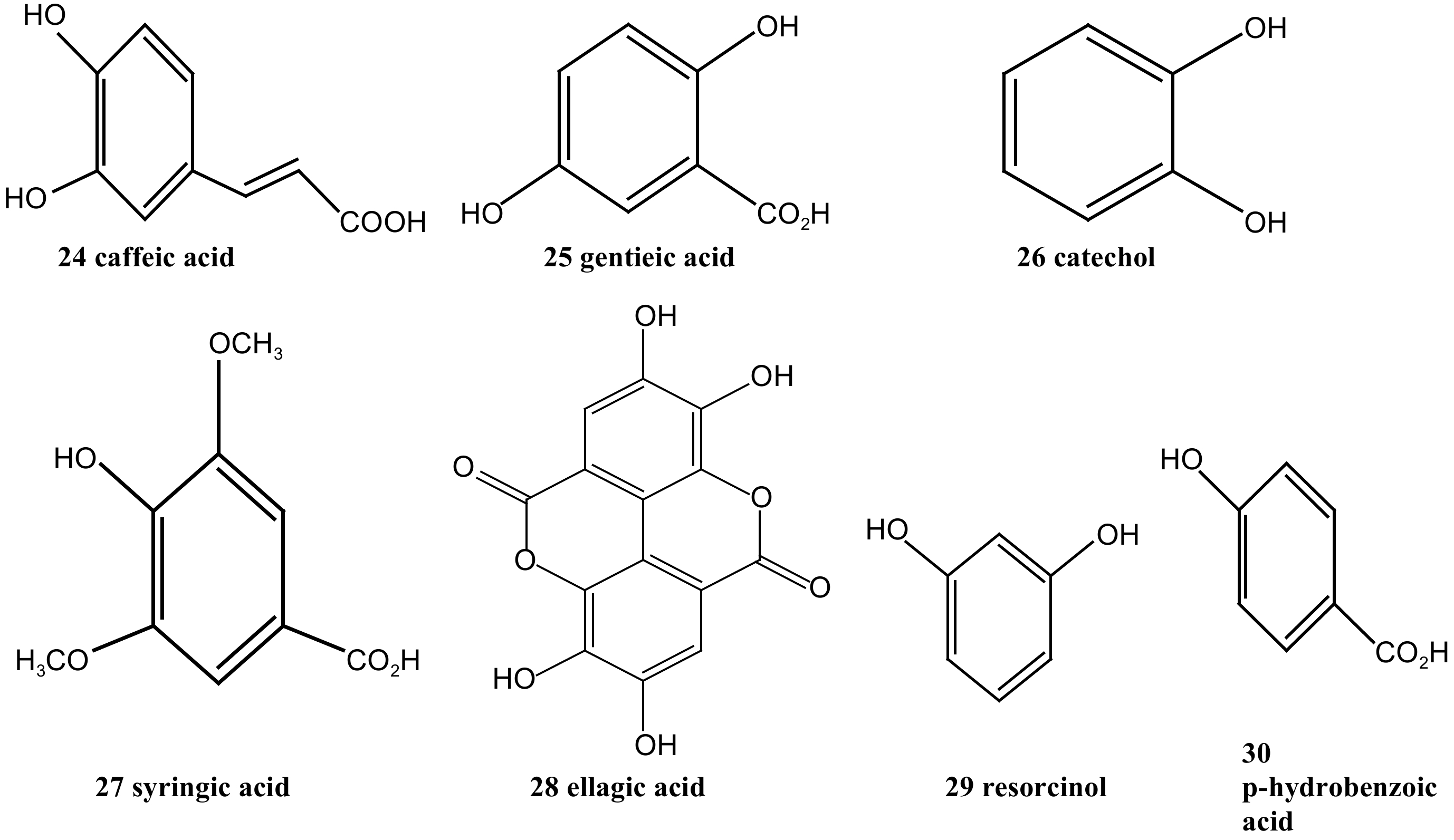
Figure 3.
Chemical structures of Calotropis gigantea represent antifungal activity against fungi[52].
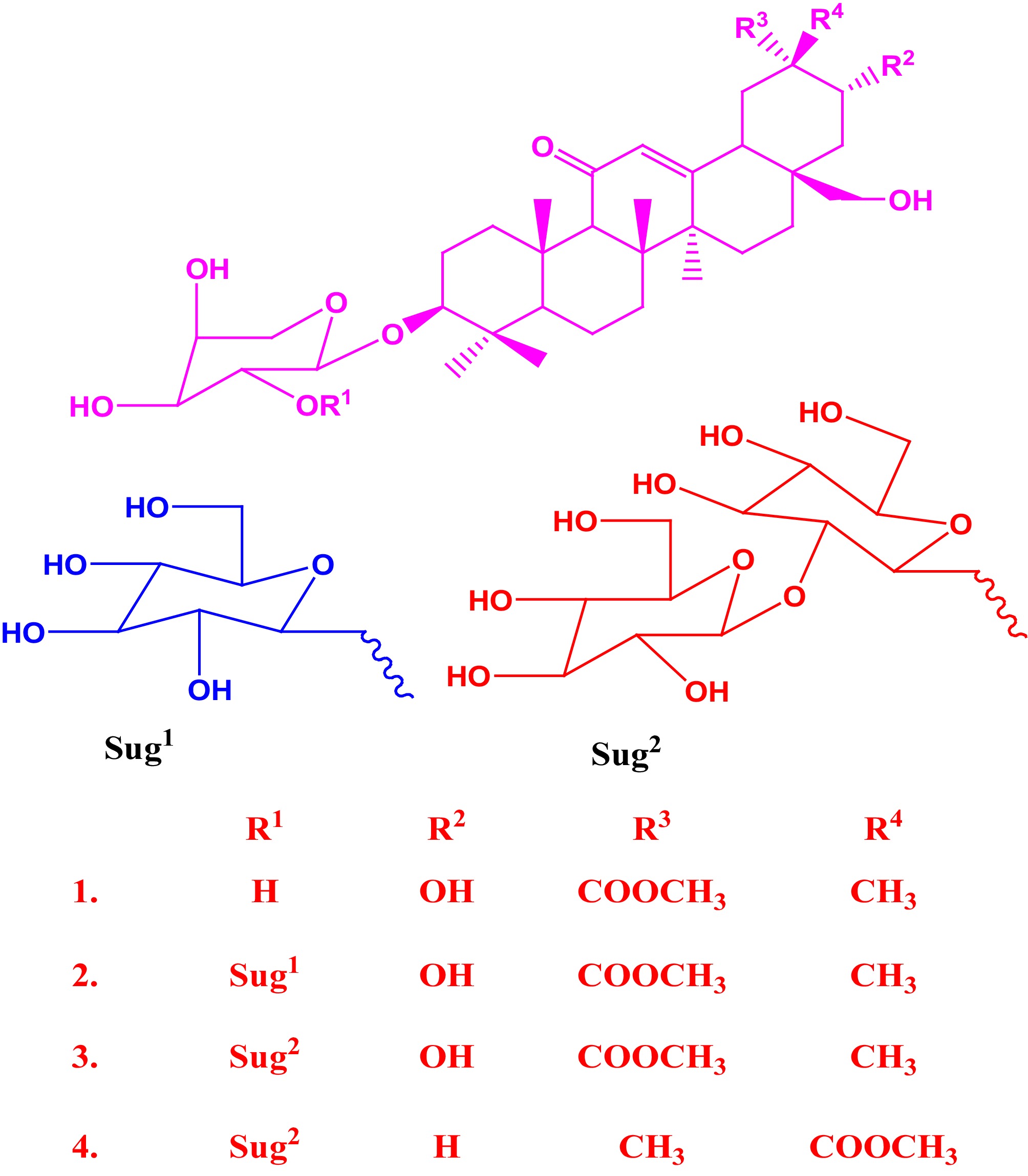
Figure 4.
Chemical constituents present in Chenopodium album (glycosides)[51].
-
Figure 5 elucidates the concept of weeds as antifungal agents, outlining various factors contributing to potential applications and the associated challenges. Weeds possess antifungal activity due to the presence of bioactive compounds- alkaloids, flavonoids, and terpenoids, specifically mentioning alkaloids, which can combat pathogenic fungi such as Alternaria and Aspergillus. This property holds promise for applications in sustainable agriculture due to its cost-effectiveness. However, the utilization of weeds as antifungal agents also presents several challenges, including the potential for disease symptoms, the development of microbial and weed resistance, and environmental impact.
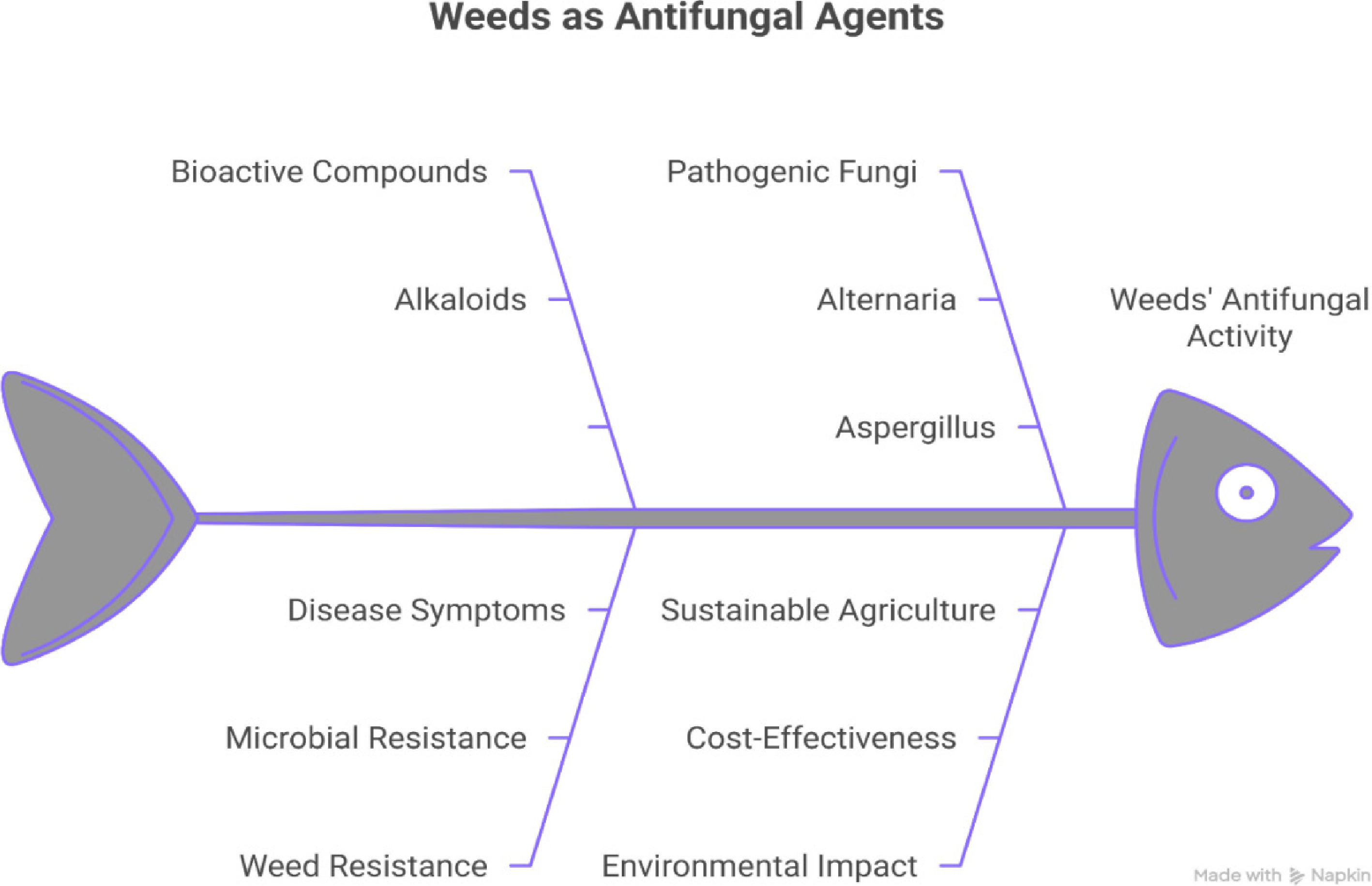
Figure 5.
Weeds as antifungal agents and factors Influencing their activity and implications.
Biopesticides are substances that can manage agricultural illnesses without affecting natural ecosystems. Synthetic pesticides have been used extensively to manage pests in crop production for many years, which has harmed the environment and led to several reports of pesticide-resistant crops. Undoubtedly, biopesticides provide a more effective means of managing environmental issues and plant diseases at the same time. The use and expense of synthetic pesticides could be greatly decreased or replaced by biopesticides. Generally speaking, using natural organisms and their products, biocontrol formulations, essential oils, botanical extracts, and nanobiopesticides are all examples of biopesticides used to manage plant diseases[53]. Weeds are plants that significantly reduce agricultural output. They may become hosts to pests and illnesses and compete with crops for space, light, water, gases, nutrients, and other growing factors. In direct-seeded rice, weeds pose a challenge to crop growth factors, resulting in yield losses of 15%–66% on average, 18%–65% in maize, 50%–76% in soybeans, and 45%–71% in groundnuts. The crop, weed management techniques, weed composition, infestation duration, and abiotic (climate and soil edaphic) factors all affect crop production losses from weeds[54,55]. Weed extracts or formulations can be applied to seeds to inhibit seed-borne diseases (Fusarium, Rhizoctonia, and Aspergillus). Without leaving any negative residues, these treatments enhance seed health, germination, and seedling vigor. Fungal spore germination on seeds has been effectively inhibited by ethanolic preparations of several weeds. To shield leaves from fungal diseases, foliar sprays with weed-based aqueous or solvent extracts might be used. They can have an indirect effect (causing plants to develop systemic resistance) or a direct effect (antifungal activity). It has been shown that foliar sprays from weeds like Chenopodium album and Calotropis procera can lessen foliar infections brought on by Alternaria and Helminthosporium[56].
-
Four weeds have been the most promising in terms of bioactivity, i.e., Chenopodium album, Calotropis gigantea, Boerhavia diffusa, and Datura stramonium. Chenopodium album is rich in glycosides and palmitic acid methyl ester, showing strong activity against Alternaria and Fusarium. Leaf extracts of Chenopodium album have been reportedly more potent[51]. Calotropis gigantea contains oleic acid, palmitic acid, and other compounds that are active against Phytophthora and human pathogens like Aspergillus. Whole plant extracts are highly effective[52]. Boerhavia diffusa contains anthracenedione derivatives, showing efficacy against Phytophthora and Candida spp., making it a strong bioactive compound for agricultural applications[57]. Datura stramonium contains cardiac glycosides. 0.2%−0.6% of alkaloids with hyoscyamine and hyoscine are the main compounds which having strong antifungal activity against Alternaria and Fusarium spp.[28]. These weeds, with their broad-spectrum activity, richness in secondary metabolites, and eco-friendly and cost-effective nature, hold great promise for both agricultural and medicinal applications, particularly as sustainable alternatives to manage microbial resistance.
Altogether, these results demonstrate the potential of Datura stramonium, Boerhavia diffusa, Calotropis gigantea, and Chenopodium album as valuable bioresource plants that provide environmentally friendly and sustainable solutions for crop protection against major phytopathogenic fungi and for the development of novel antifungal agents in human medicine, thereby reducing microbial resistance and increasing agricultural productivity. Fungal phytopathogens like Alternaria, Fusarium, and Phytophthora are managed in agriculture by seed treatment, foliar sprays, crop disease control, and the creation of biopesticides. Antifungal activity against human infections such as Aspergillus and Candida further indicates their potential in ethnomedicine, resistance management, and antifungal drug discovery.
-
Weeds are naturally occurring plants that are well known for their pharmacological activities. Several weeds exhibit documented antifungal and antibacterial activities due to their rich secondary metabolites. Chenopodium album and Datura stramonium suppress phytopathogenic fungi like Alternaria and Fusarium. Achyranthes aspera, Chenopodium album, Calotropis procera, Ocimum sanctum, Boerhavia diffusa, Parthenium hysterophorus, and Citrullus colocynthis are common antifungal weeds against various fungal species, including Alternaria, Aspergillus, Fusarium, Mucor, and Phytophthora, causing Mucormycosis, Dermatophytosis, and Arthrodema. Methanol and water extracts from various weed species represent potent sources of bioactive metabolites, which can act as pharmacophores against various pathogenic fungi. The Ayurveda, Unani, and Charaka provide detailed descriptions of the antimicrobial properties of various plants. This comprehensive review highlights the potential of weed extracts in herbal medicine for managing pathogenic fungal diseases of both humans and plants. The usefulness of antifungal weeds in practice includes their potential use as environmentally friendly biopesticides, seed applications, and foliar spray for the control of crop diseases and in strategies for the reduction of the use of synthetic fungicides. They are also promising in herbal medicine for the treatment of human fungal infections. In the future, attention should be devoted to standardization of formulations, stability, and field trials, and to the possibility of other bioactive compounds for commercial purposes.
-
The authors confirm contributions to the paper as follows: literature collection and data collection: Kumar M, Singh R; figure and table preparation: Kumar M, Singh R; supervision: Sharma AK; manuscript improvement, proofreading, and editing: Sharma AK; reference verification and formatting: Taneja T, Koul A, Kaur P. All authors reviewed the results and approved the final version of the manuscript.
-
The datasets generated during the current study are available from the corresponding author on reasonable request.
-
We are thankful to the Maharishi Markandeshwar (Deemed to be University), Mullana, Ambala, Haryana, India for data analysis and presentation.
-
The authors declare that they have no conflict of interest.
- Copyright: © 2025 by the author(s). Published by Maximum Academic Press, Fayetteville, GA. This article is an open access article distributed under Creative Commons Attribution License (CC BY 4.0), visit https://creativecommons.org/licenses/by/4.0/.
-
About this article
Cite this article
Kumar M, Kaur P, Taneja T, Singh R, Koul A, et al. 2025. Weeds having antifungal activity against pathogenic fungi: from an ethnomedicinal perspective. Studies in Fungi 10: e031 doi: 10.48130/sif-0025-0032 

Weeds having antifungal activity against pathogenic fungi: from an ethnomedicinal perspective
- Received: 28 January 2025
- Revised: 28 October 2025
- Accepted: 04 November 2025
- Published online: 29 December 2025
Abstract: Weeds play a vital role in nature because they are unwanted growth that might be beneficial or harmful to living organisms. Weeds contain various bioactive compounds that inhibit the growth of pathogens and their subsequent disease-causing ability in humans and animals. These are a rich source of secondary metabolites such as alkaloids, tannins, and flavonoids, which show antibacterial and antifungal activities. Worldwide medicinal plants hold an important role in the ecosystem. Methods of fungal control used nowadays, such as mechanical and chemical, are costly, labor-intensive, and require the use of loads of chemical compounds that might seep into the staple crops, whereas the use of mycoherbicides is natural. Weeds are also resistant to most microbial diseases, symptoms of which are visible in crops. Achyranthes aspera, Chenopodium album, Calotropis procera, Ocimum sanctum, Boerhavia diffusa, Parthenium hysterophorus, and Citrullus colocynthis are known to produce a variety of anti-fungal compounds. These plants exhibit strong antifungal and antimicrobial activity against pathogens such as Alternaria, Aspergillus, Fusarium oxysporum, and Phytophthora attributable to secondary metabolites, including alkaloids, flavonoids, and terpenoids. Methanol and water extracts of weed components (leaves, stems, roots) for their bioactive constituents and antifungal effectiveness against plant and human diseases. These weeds offer eco-friendly, cost-effective alternatives to commercial fungicides, potentially lowering agricultural losses (10%–15% annually) and fighting human fungal illnesses such as mucormycosis, with uses in sustainable agriculture and herbal medicine. The present review article is focused on the role of weeds in controlling the growth and pathogenicity of pathogenic fungi.
-
Key words:
- Antifungal /
- Flavonoids /
- Metabolites /
- Mucormycosis /
- Pathogenicity /
- Weeds