











-
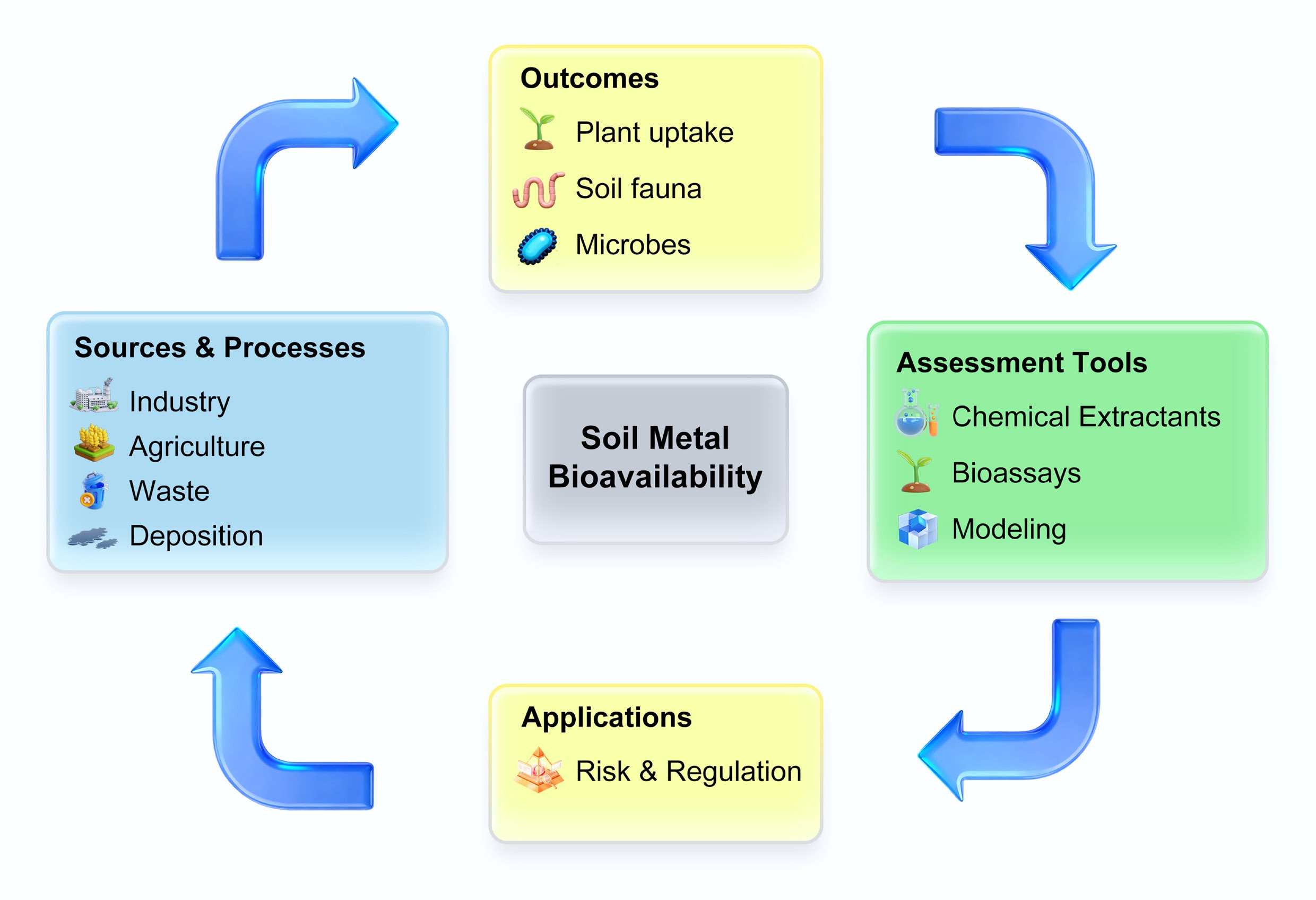
Soil contamination by heavy metals is a pressing global concern with significant implications for food security, ecosystem health, and human well-being[1]. Various sources of soil contamination have been identified:
Industrial activity – Factories, mining, smelting, and energy production can release heavy metals (Pb, Hg, As), petroleum hydrocarbons, solvents, and other toxic chemicals into surrounding soils.
Agricultural practices – Excessive use of pesticides, herbicides, chemical fertilizers, and manure can lead to accumulation of nitrates, phosphates, and persistent organic pollutants in the soil.
Waste disposal and landfills – Both legal and illegal dumping of municipal, industrial, and hazardous waste can leach harmful substances (plastics, heavy metals, toxic compounds) into the soil.
Accidental spills and leaks – Oil spills, leakage from underground storage tanks, and chemical transport accidents contaminate soils with hydrocarbons, volatile organic compounds (VOCs), and other pollutants.
Urban development – Construction sites, demolition waste, sewage sludge use, and road runoff introduce contaminants such as asbestos, construction chemicals, microplastics, and heavy metals.
Atmospheric deposition – Pollutants from vehicle exhaust, industrial emissions, and burning of fossil fuels settle on soils, adding heavy metals, polycyclic aromatic hydrocarbons (PAHs), and acidifying compounds.
Military activities – Use of explosives, fuel storage, and chemical weapons testing can leave behind residues like TNT, perchlorates, and other hazardous chemicals.
Unlike organic pollutants, heavy metals are non-biodegradable and can persist in the environment for decades. However, the mere presence of metals in soil does not necessarily indicate ecological or health risks. The concept of bioavailability, which is the fraction of a contaminant that is accessible to biological receptors, has emerged as a cornerstone in environmental risk assessment since it was brought to our attention by Alexander[2,3]. In recent years (2020–2025), the issue of metal bioavailability has received renewed attention due to its significant influence on ecological risk characterization, food safety, and long-term remediation outcomes[4]. Unlike total metal concentrations, bioavailable fractions determine the actual exposure for biota and are thus more ecologically relevant. The dynamic and site-specific nature of bioavailability poses significant challenges for standardized assessment protocols and regulatory harmonization.
Assessing bioavailability is particularly complex due to dynamic interactions between metals and soil matrices. Soil pH, cation exchange capacity, competing ions, and microbial community structures significantly alter metal speciation and, consequently, their uptake by organisms[5,6]. Recent technological advances, including molecular biosensors, isotope tracing, and in situ sampling tools, have improved the detection and characterization of bioavailable metal pools. However, gaps persist in translating these findings to decision-support tools used in regulatory settings. Scientific progress has been marked by the expansion of bioavailability models, including soil-specific algorithms and mechanistic modeling approaches that integrate pH, organic matter content, cation exchange capacity, and interactions with competing ions. Extractive methods, such as CaCl2, EDTA, and DTPA extractions, are still widely used. However, newer technologies, including Diffusive Gradients in Thin Films (DGT) and bioassays based on microbial or plant responses, are increasingly applied. In parallel, countries such as China, the Netherlands, and Canada have begun integrating bioavailability concepts into soil quality criteria and land management policies.
In contrast to terrestrial systems, aquatic environments have seen the development and regulatory implementation of Biotic Ligand Models (BLMs), which predict metal uptake based on water chemistry and the physiological binding capacity of organisms[7,8]. BLMs are widely accepted in North America and Europe and are embedded in environmental quality standards under the European Union's Water Framework Directive[9−11]. While similar in conceptual structure to terrestrial models, aquatic models benefit from a more standardized chemical medium and a relatively limited number of key binding ligands. This comparison highlights the need for adaptable, site-specific modeling in soils and may offer inspiration for future terrestrial BLM extensions. Table 1 presents a general overview of the key differences between aquatic and terrestrial bioavailability models, while Fig. 1 provides a schematic comparison of aquatic and terrestrial bioavailability models for metals.
Table 1. Key differences between aquatic and terrestrial bioavailability models
Aspect Aquatic systems Terrestrial systems Primary medium Water Soil/sediment Most common bioavailability models Biotic Ligand Model (BLM) Terrestrial BLM, empirical models Exposure route Direct uptake from water Uptake from pore water/soil particles Biological receptor Fish, invertebrates Plants, soil fauna Chemical inputs pH, DOC, Ca2+, Mg2+ pH, CEC, organic matter content, clay content Model type Mechanistic Empirical/semi-mechanistic Regulatory framework EU water framework directive, USEPA Country-specific Standardization Widely used in regulation In development/adaptation stage 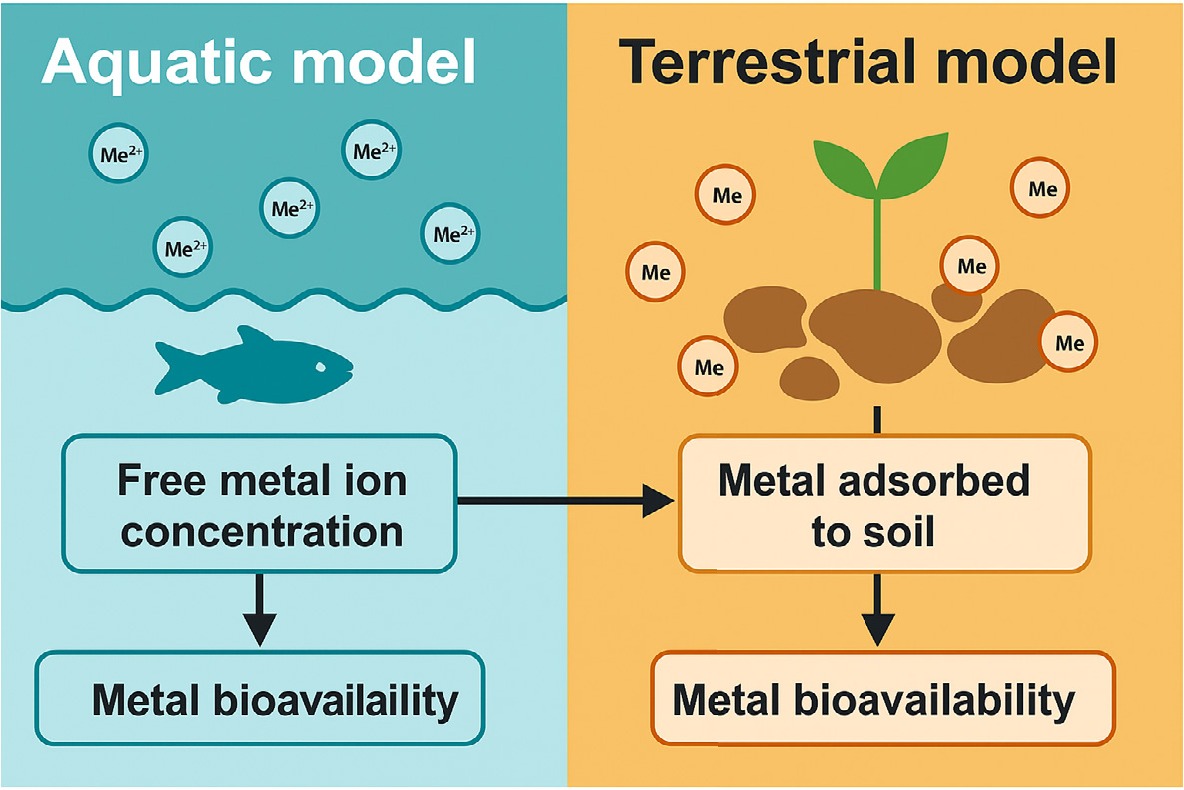
Figure 1.
Comparison of aquatic and terrestrial bioavailability models for metals.
The primary objective of this contribution is to provide an up-to-date evaluation of the tools and frameworks used to assess the bioavailability of heavy metals in soils, with the aim of integrating this information into a current framework for bioavailability assessment that is suitable for regulatory decision-making. Traditional chemical extraction techniques, advances in biological assays, the role of microbial and molecular tools, modeling approaches, and the regulatory landscape are examined. Special attention is given to regional practices and case studies from Europe, North America, and China. The review proposes a structured decision-making framework to guide practitioners in selecting assessment methods that are appropriate for their specific context.
-
Chemical factors play a central role in the behavior, fate, and bioavailability of heavy metals in soils. Unlike total concentration, chemical speciation is defined by the distribution of metal forms between the solution and solid phases, which determines the fraction accessible for uptake by organisms. Key chemical variables include soil pH, redox potential, dissolved organic carbon (DOC) concentration, soil organic carbon content, ionic strength of the pore water, and the presence of competing ions[12,13]. An overview of the key factors that influence soil metal bioavailability is provided in Table 2.
Table 2. Key chemical factors influencing heavy metal bioavailability in soil
Chemical factor Impact on bioavailability Mechanism Soil pH ↑ solubility in acidic soils Desorption, dissolution of minerals Redox potential ↑ mobilization under reducing conditions Reductive dissolution of Fe/Mn oxides DOC ↑ or ↓ depending on the complex size Metal-organic complexation Ionic strength ↓ activity of free metal ions Competition with background electrolytes Competing Ions ↓ metal uptake Competition for sorption and biological ligands Soil pH is one of the most significant predictors of metal bioavailability. As pH decreases, the protonation of soil surfaces leads to a decrease in the sorption capacity of metal ions, thus increasing their mobility. This effect is well-documented for Cd, Zn, and Ni, which become more soluble and thus more bioavailable in acidic conditions[14−16]. For instance, Cu2+ solubility increases by more than an order of magnitude when pH drops from 6.5 to 5.0[17]. Conversely, a higher pH favors the precipitation of metal hydroxides and carbonates, especially for metals like Pb2+ and Cr3+, thereby reducing their bioavailability[18,19]. In calcareous soils, carbonate minerals play a significant role in metal immobilization through co-precipitation and surface complexation mechanisms. It is worth noting that the impact of pH on oxyanion bioavailability is more complex. For example, As speciation is highly dependent on pH, with arsenite [As(III)] dominating at low pH and arsenate [As(V)] forms becoming dominant at higher pH levels. At very low pH (< 2), As(V) exists as the neutral H3AsO4 species, while As(III) exists as neutral H3AsO3. As pH increases, As(V) forms negatively charged species (H2AsO4− and HAsO42−), and As(III) can become H2AsO3−. Understanding these pH-dependent species is crucial for assessing the toxicity, mobility, and environmental fate of arsenic.
Redox potential (Eh) determines the oxidative environment of the soil, and the speciation of redox-sensitive elements such as As, Fe, and Mn. Under anaerobic conditions, the reductive dissolution of Fe and Mn oxides releases metals that were previously sorbed. This has been observed in paddy soils where As(V) is reduced to the more mobile and toxic As(III) form under flooded conditions[20]. Likewise, reducing environments in contaminated wetlands can enhance the mobilization of Pb and Cu that are previously bound to oxide surfaces[21,22].
Dissolved organic matter, particularly DOC, plays a dual role. On one hand, complexation with DOC can enhance the solubility and transport of metals, increasing their availability. On the other hand, strong binding with high-molecular-weight humic substances may render the metal-organic complexes too large to be bioavailable. The quality and quantity of DOC are influenced by soil management practices and seasonal variations. Fulvic acids, with low molecular weight and high solubility, form stable complexes with Cu and Zn, increasing their movement through soil pores and potentially their uptake by plants. The conceptual Fig. 2 illustrates how pH, redox potential, and DOC interact to control the speciation and availability of metals. Arrows indicate the pathways of mobilization and immobilization, with emphasis on sorption equilibria, dissolution processes, and metal-ligand complexation.
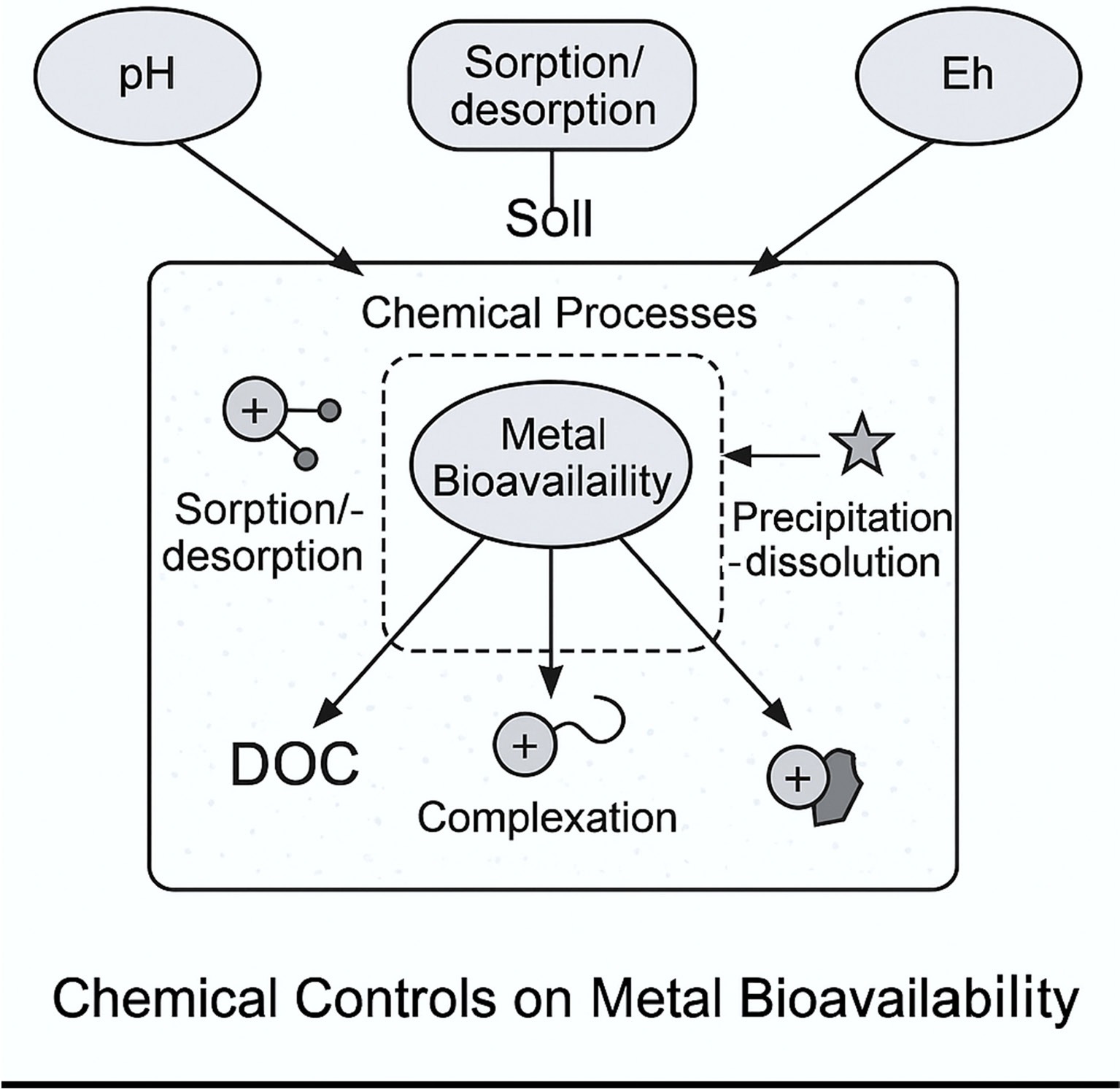
Figure 2.
Conceptual diagram of chemical controls on metal bioavailability.
Another important concept is the free ion activity model (FIAM), which posits that biological uptake correlates most closely with the concentration of free metal ions (e.g., Cu2+, Zn2+)[23,24]. Tools such as Visual MINTEQ (
https://vminteq.com/ ) and WHAM (www.ceh.ac.uk/data/software-models/windermere-humic-aqueous-modelwham ) allow simulation of metal speciation by accounting for pH, DOC, ionic strength, and complexation equilibria. These models have been validated in multiple studies and are now incorporated into regulatory frameworks such as the Biotic Ligand Model (BLM), which adjusts metal toxicity thresholds based on environmental conditions[7,25].Interactions among chemical parameters further complicate prediction. For example, increased DOC under low redox potential may compete with microbial binding sites, altering uptake dynamics. Similarly, changes in pH modify the dissociation constants of organic ligands, influencing complexation efficiency. It is essential to integrate these interactions into process-based models for accurate site-specific risk assessments.
In summary, chemical controls on metal bioavailability are multifactorial and dynamic. This is especially the case in field conditions. Future efforts should therefore focus on improving field validation of speciation models and linking chemical indicators with ecotoxicological outcomes to better inform regulatory thresholds and remediation targets.
Physical and mineralogical factors influencing metal bioavailability
-
Soil physical structure and mineral composition exert a profound influence on the bioavailability of heavy metals[26]. These factors affect not only the distribution and retention of metals but also the pore structure, water flow, and root penetration that mediate organism exposure.
Soil texture, which refers to the relative proportions of sand, silt, and clay, determines soil particle surface area and cation exchange capacity (CEC). Fine-textured soils with high clay content generally exhibit greater metal retention due to their high surface area and negative charge density. Clays such as smectite and vermiculite have significant CEC and can adsorb a variety of metal cations, thereby reducing their mobility. In contrast, sandy soils have lower retention capacity, making metals more prone to leaching and bioavailability (
www.lls.nsw.gov.au/__data/assets/pdf_file/0003/1270524/4-Cation-Exchange-Capacity_FINAL.pdf ).The soil structure, defined by the aggregation and porosity of the soil matrix, modulates diffusion and percolation pathways. Well-aggregated soils with high porosity facilitate drainage and aeration, but may also allow for the faster transport of mobile metal species. Soil compaction, which reduces porosity, has been shown to affect oxygen distribution and microbial activity, thereby indirectly influencing redox conditions and metal speciation, and subsequently affecting metal bioavailability[27]. Mineralogical composition also plays a central role. Clay minerals possess reactive surfaces with hydroxyl groups capable of forming inner-sphere and outer-sphere complexes with metal ions. The type of clay minerals influences sorption behavior. Montmorillonite exhibits a higher sorption capacity than kaolinite due to its expandable interlayers and greater surface charge. Additionally, metal adsorption onto iron and manganese oxides is particularly relevant: these amorphous oxides act as sinks for metals through strong chemisorption. Changes in environmental conditions (e.g., redox potential) can cause these oxides to dissolve, releasing the bound metals[28].
Calcium carbonate (CaCO3) is prevalent in calcareous soils and can reduce metal mobility through co-precipitation. For example, Pb2+ and Zn2+ can form sparingly soluble carbonates under neutral to alkaline pH conditions. While this process immobilizes metals, it may also reduce the pool of bioavailable forms necessary for plant micronutrient uptake.
Lastly, soil bulk density and aggregate stability influence the spatial distribution of organic matter and microbial niches. These parameters regulate rhizosphere processes, such as exudation and mineral weathering, that directly affect the micro-scale availability of metals. As such, physical and mineralogical properties are not passive background features but active regulators of the biogeochemical environment. Figure 3 integrates the overall impact of physical and mineralogical factors on metal bioavailability by comparing DTPA-extractable concentrations across various soil types at similar total concentrations.
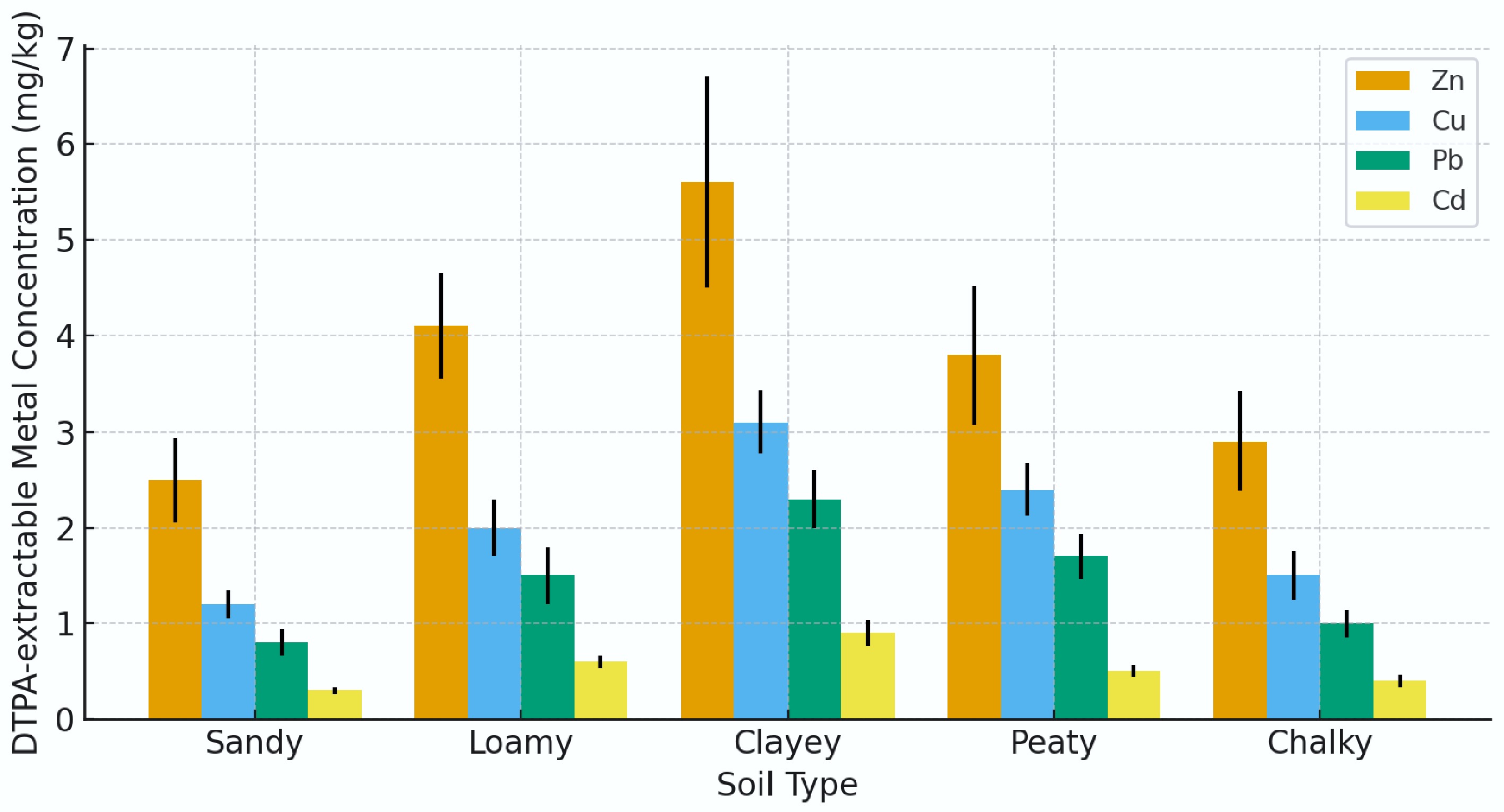
Figure 3.
Comparative DTPA-extractable metal concentrations across soil types.
Biological and ecological drivers of metal bioavailability
-
Biological and ecological processes play a significant role in regulating the bioavailability of heavy metals in soils. Organisms ranging from microorganisms to higher plants and soil fauna not only respond to metal availability but also actively alter it through exudation, redox modulation, and bioturbation. These biological feedback mechanisms are often spatially and temporally variable, and they are closely intertwined with chemical and physical soil properties.
Microbial communities play a central role in metal transformation. Soil bacteria and fungi can alter local redox conditions through respiration and fermentation, thereby inducing changes in metal speciation. For example, sulfate-reducing bacteria (SRB) can precipitate metals like Cd and Pb as sulfides under anaerobic conditions, thereby reducing their bioavailability[29]. Similarly, iron-reducing bacteria can solubilize Fe(III) oxides, releasing sorbed metals such as arsenic (As) and chromium (Cr)[30].
Microorganisms also produce chelating agents, such as siderophores and organic acids (e.g., citric and oxalic acid), which can complex metals and influence their mobility. These compounds can either mobilize metals by competing for sorption sites or immobilize them by forming stable complexes. Additionally, microbial extracellular polymeric substances (EPS) can sequester metals and modulate their bioavailability in the rhizosphere and detritusphere.
Plant roots contribute to metal bioavailability through rhizodeposition, exudation of organic acids, and rhizosphere acidification. Hyperaccumulator plants, such as Thlaspi caerulescens and Sedum alfredii, can alter local pH and metal speciation, thereby enhancing the uptake of Zn, Ni, and Cd[31]. Conversely, some plants release phytosiderophores that form strong metal complexes, thereby reducing the availability of certain toxic elements, such as Al and Pb[32].
Soil fauna, including earthworms, ants, and collembolans, alter the physical environment through bioturbation, thereby affecting aeration, moisture, and redox gradients. Earthworm activity, for instance, promotes the redistribution of organic matter and can enhance the desorption of metals from soil particles. Their mucus secretions also contain humic-like substances that may chelate metals, influencing both their mobility and bioaccessibility.
Ecological interactions, such as plant–microbe symbioses (e.g., mycorrhizae and rhizobia), also modulate metal dynamics. Arbuscular mycorrhizal fungi (AMF) can buffer plants against toxic metal exposure by sequestering metals in their fungal tissues or altering the chemical environment around the roots. In contrast, some mycorrhizal associations enhance metal uptake, depending on the fungal species and environmental context.
Collectively, biological and ecological drivers form a dynamic interface between soil chemistry and metal exposure pathways. These processes complicate risk assessment models but also offer potential targets for phytoremediation and soil management strategies aimed at controlling metal bioavailability.
Temporal and spatial variability of metal bioavailability
-
The bioavailability of heavy metals in soils is not static; it varies over time and space due to a combination of environmental, biological, and anthropogenic factors. Recognizing this variability is crucial for accurate risk assessment, site characterization, and the development of effective remediation strategies.
Temporally, metal bioavailability can fluctuate on diurnal, seasonal, and even decadal timescales. Soil moisture, temperature, and redox potential undergo natural cycles that influence the solubility and speciation of metals. For example, repeated wetting and drying cycles affect the oxidation-reduction status of iron and manganese oxides, leading to the transient release or immobilization of associated metals, such as As, Cu, and Pb[33]. Similarly, seasonal inputs of organic matter and plant root exudates modulate microbial activity and, consequently, the production of metal-complexing agents, such as organic acids and siderophores.
Flooding events and periods of waterlogging are particularly influential. These conditions create anaerobic microsites that can drastically alter the availability of redox-sensitive metals. Studies have shown that Cd and Zn mobility increase during periods of anoxia, while As can shift to more toxic species under reducing conditions[34−36]. Post-flooding re-oxidation can then lead to the re-sequestration of these metals, albeit not always to pre-flood levels.
Spatial variability arises from both natural heterogeneity and anthropogenic disturbances. Soil texture, pH, organic matter content, and mineral composition can vary across scales ranging from centimeters to kilometers, influencing the distribution and reactivity of metals. Microhabitats such as rhizospheres, biopores, and organic-rich patches serve as hotspots for bioavailability due to enhanced biological and chemical activity. These localized conditions often diverge from bulk soil properties, leading to discrepancies in metal uptake and toxicity observed in field studies.
Land management practices, such as tillage, irrigation, fertilization, and the use of organic amendments, also contribute to spatial heterogeneity. The application of biosolids, for instance, introduces metals alongside organic matter and nutrients, potentially altering sorption equilibria and microbial community structure[37]. Long-term studies indicate that the effects of such amendments can persist for decades, especially in soils with poor buffering capacity.
Modern geospatial tools, including GIS mapping, remote sensing, and geostatistical modeling, have enhanced our ability to assess and predict spatial patterns of metal bioavailability. Combined with time-series sampling and in situ sensors, these approaches allow for dynamic modeling that accounts for both spatial and temporal heterogeneity.
In conclusion, both temporal and spatial factors introduce complexity to the understanding of metal bioavailability. Integrating these dimensions into regulatory frameworks and risk assessment models is critical for accurate environmental evaluation and the implementation of targeted remediation strategies.
-
Measurement approaches can be broadly divided into two categories: chemical methods, which estimate the mobile or labile metal fraction, and biological methods, which utilize organisms or cells to assess metal uptake or toxicity. In addition, passive sampling techniques such as Diffusive Gradients in Thin Films (DGT)[38−40] bridge the gap by approximating bioavailable concentrations in situ. In addition, model-based assessments, such as adaptations of the Biotic Ligand Model (BLM), integrate exposure and effect parameters, offering predictive capacity for metal bioavailability under varying environmental conditions.
One of the fundamental challenges in measuring bioavailability lies in the distinction between operationally defined chemical fractions and the actual biological accessibility of metals. For example, a chemically extractable metal fraction may not correspond to the quantity available to plants or soil invertebrates under field conditions. This discrepancy has prompted the development of more holistic and integrated assessment approaches[19]. Moreover, the time scale of exposure is crucial. While total metal concentrations may indicate the potential for long-term accumulation, bioavailability reflects dynamic processes such as desorption, diffusion, and biological uptake, all of which are temporally variable. As such, static chemical measurements often need to be supplemented by time-integrated samplers or biological responses to capture real-world exposure[41].
Recent advances in analytical chemistry and molecular biology offer new opportunities to assess bioavailability with greater sensitivity and specificity. Techniques such as synchrotron-based X-ray absorption spectroscopy (XAS), biosensors, and omics-based biomarkers can provide insights into metal speciation, bioaccumulation pathways, and early biological responses, respectively. For instance, synchrotron-based XAS enables direct determination of oxidation states and molecular coordination of metals within environmental samples, allowing researchers to move beyond bulk concentration measurements and examine the precise chemical forms that drive biological uptake. This is particularly valuable in distinguishing between inert mineral-bound fractions and the more reactive free ions or organically complexed species that are most relevant to bioavailability.
Biosensors provide a complementary biological perspective by responding selectively to bioavailable fractions rather than total concentrations. Microbial or cell-based biosensors can translate the presence of accessible metals into measurable signals such as fluorescence, luminescence, or electrochemical responses. More recent designs employing nanomaterials or synthetic biology approaches have further enhanced their sensitivity and portability, opening possibilities for near-real-time monitoring in field settings. Unlike conventional laboratory assays, these systems can more directly reflect environmental conditions, capturing dynamic changes in metal mobility and bioavailability as they occur.
In parallel, omics-based biomarkers are expanding our ability to detect biological effects at an early stage. Transcriptomic, proteomic, and metabolomic analyses can identify shifts in gene expression, protein abundance, or metabolic pathways that occur well before observable toxicity or growth impairment. Such molecular fingerprints not only help to pinpoint early warning indicators of exposure but also shed light on the underlying mechanisms of bioaccumulation and stress responses. For example, the upregulation of metal-binding proteins or antioxidant defenses in exposed organisms provides mechanistic links between chemical speciation, biological uptake, and eventual ecological impact.
Despite their promise, these approaches are still emerging and require further validation. High costs, infrastructure requirements, and methodological complexity limit the widespread application of techniques such as synchrotron-based spectroscopy. In contrast, biosensors and omics analyses may produce results that are strongly influenced by environmental variability, including pH, organic matter content, and the presence of competing ions. To ensure robustness and comparability, these tools need to be tested across diverse species, ecosystems, and exposure scenarios. Only through such rigorous validation can they be integrated into routine monitoring frameworks and regulatory decision-making. Nevertheless, their growing use highlights an important shift from purely chemical assessments toward integrated approaches that couple environmental chemistry with biological responses, offering a more nuanced and realistic evaluation of metal bioavailability.
Table 3 summarizes the major categories, their principles, and typical applications. The following sections will elaborate on each approach, including strengths, limitations, and policy relevance.
Table 3. Categories of bioavailability assessment methods and their typical characteristics
Method category Representative techniques Target fraction Application Chemical extraction Water, DTPA, EDTA, CaCl2 Labile/soluble metals Screening and monitoring Passive sampling DGT, pore water sampling Free ion activity In situ assessments Biological assays Bioaccumulation, avoidance, reproduction Biologically available Ecotoxicity testing Modeling Terrestrial BLMs Effective dose Risk prediction and regulation Chemical extraction methods
-
Chemical extraction methods are widely used to estimate the bioavailable fraction of heavy metals in soils. Unlike total concentration measurements, which provide limited information on potential biological uptake, chemical extractions attempt to simulate the conditions under which metals may become mobile or accessible to biota. These methods are operationally defined and based on the assumption that specific extractants can mobilize specific fractions of metal pools in soil[42−45].
As shown in Table 4, a wide range of chemical extractants has been developed to target labile, soluble, exchangeable, and organically bound metal fractions. The choice of extractant often reflects the target organism or exposure route, regulatory framework, and the soil's physicochemical properties. Despite their widespread use, chemical extraction methods are inherently limited by their artificial nature and the fact that they cannot replicate the full complexity of soil-plant or soil-fauna interactions.
Table 4. Overview of chemical extraction methods for metal bioavailability assessment
Extractant Target fraction Target metals Typical use Remarks Water Labile, mimicking the soil solution All Plant availability, leaching DTPA Labile, organically bound Zn, Cu, Fe, Mn Widely used in agriculture EDTA Potentially mobile Pb, Cd, Ni Pollution assessment Broad-spectrum chelation CaCl2 Soluble, weakly adsorbed Zn, Cd Short-term bioavailability Simple and fast 0.1 M HCl Carbonate-bound Pb, Cd Contaminated soils May overestimate bioavailability BCR sequential Multiple defined fractions Various Detailed fractionation Time-consuming, operational Water extraction is one of the simplest and most environmentally relevant methods to estimate the bioavailability of metals in soils. It relies on the principle that the metals dissolved in water represent the fraction most readily available for uptake by plants and microorganisms. In practice, soil is mixed with deionized water at a defined ratio, shaken, and then filtered to obtain the extract. This method is quick, inexpensive, and directly reflects natural exposure pathways such as plant uptake or leaching to groundwater. However, water extraction only captures the most soluble fraction of metals and may underestimate the pool of weakly bound or potentially mobilizable forms of metals. Its effectiveness is also strongly influenced by soil properties such as pH and ionic strength. For this reason, water extraction is often applied as a useful screening tool, but it is typically combined with other chemical extractants or biological assays to provide a more comprehensive assessment of metal bioavailability. One of the most commonly used extractants (see Norvell[45] for one of the first overviews on this topic) is DTPA, which is particularly effective in extracting metals that are loosely bound to soil particles or complexed with organic matter. DTPA is frequently used in agricultural studies to estimate plant-available metals such as Zn, Cu, Fe, and Mn. EDTA is another chelating agent used for metal extraction. EDTA has a high affinity for a broad range of metal ions, making it suitable for assessing total potentially mobile metal fractions, particularly in contaminated or acidic soils. Calcium chloride (CaCl2) is a neutral salt solution used to extract the readily soluble and weakly adsorbed fraction of metals. CaCl2-extractable metals are often considered to represent the most mobile and bioavailable pool, especially relevant for short-term risk assessments. Mild acid extractions using 0.1 M HCl or HNO3 can provide insight into metals bound to carbonates and organic matter, although such methods may also release fractions that are not readily bioavailable. Sequential extraction procedures, such as the BCR method developed by the European Community Bureau of Reference, separate metals into operationally defined fractions (exchangeable, reducible, oxidizable, and residual). While informative, these methods are labor-intensive and prone to cumulative errors due to the multiple procedural steps involved.
Each of these methods has its strengths and limitations. The suitability of an extraction procedure depends not only on its chemical basis but also on how well it correlates with biological uptake or toxicity outcomes. To evaluate the relevance of chemical extraction methods for bioavailability, researchers often correlate extracted metal concentrations with biological endpoints. These include metal uptake by plants (e.g., ryegrass, maize), toxicity to invertebrates (e.g., earthworms, springtails), and microbial enzymatic activity. Correlation coefficients between extractable and bioaccumulated metal concentrations vary widely and depend on both the method and the species involved for an overview and associated guidance)[46].
In agricultural contexts, DTPA- and EDTA-extractable metals have been successfully used to predict deficiencies or toxicities of micronutrients such as Zn and Cu in crops[47,48]. In environmental risk assessment, CaCl2 extraction is often used as a proxy for leaching potential and short-term exposure in regulatory frameworks across Europe and North America[49]. Sequential extraction procedures, though more complex, have been employed in remediation planning and contaminated land management to assess long-term stability and the effectiveness of stabilization techniques. In China, such fractionation methods are often integrated with statistical modeling to assess heavy metal pollution in industrial and mining areas[50−52].
One of the central debates in the application of chemical extraction methods revolves around their mechanistic interpretation. While extractants such as DTPA and EDTA are effective at mobilizing metals through chelation, the relationship between the extracted pool and actual biological uptake is not always linear. The efficacy of these methods is influenced by complex soil properties, including cation exchange capacity (CEC), organic matter content, and the presence of competing ions. These interactions necessitate a nuanced interpretation of extractable metal concentrations.
Emerging research has focused on coupling chemical extractions with molecular and biochemical endpoints to enhance predictive power[53]. For example, transcriptomic profiling of plants and invertebrates exposed to soils with known extractable metal concentrations has revealed the upregulation of metal transporter genes and oxidative stress responses[54,55]. Such integrative approaches bridge the gap between operational definitions and real-world effects, and offer potential for biomarker-based bioavailability indices.
Furthermore, multi-element extraction procedures are gaining attention for their ability to characterize co-contamination scenarios. In many field sites, metals occur in complex mixtures, and selective extractants may vary in their efficiency across different metals. For instance, while DTPA is highly effective for Zn and Cu, it may underrepresent the availability of As or Cr. This selectivity can bias risk assessments if not adequately addressed through supplementary methods or normalization procedures. To support cross-site comparisons and regulatory harmonization, efforts have been made to standardize chemical extraction protocols through organizations such as ISO and OECD. These standards aim to reduce interlaboratory variability and improve the reproducibility of bioavailability measurements, particularly for use in ecological risk assessments and land remediation planning.
From a policy perspective, chemical extractions continue to play a central role in soil quality frameworks. In the European Union, the use of CaCl2 extraction has been incorporated into risk-based thresholds for the agricultural reuse of biosolids, while EDTA-extractable Pb has been proposed as an indicator for playground soil safety. In the United States, regulatory agencies often allow site-specific extraction protocols provided that they are validated against biological endpoints or predictive models.
Passive sampling techniques
-
Passive sampling techniques offer a powerful means of assessing metal bioavailability in soils through in situ and time-integrated measurements[56]. These methods do not rely on destructive or equilibrium-based extraction, but instead mimic the gradual uptake processes that soil organisms experience. The ability of passive samplers to respond to dynamic environmental conditions makes them particularly useful for identifying bioavailable metal pools under natural field conditions. Table 5 provides an overview of the most commonly used passive sampling techniques.
Table 5. Overview of passive sampling techniques for metal bioavailability
Method Analyte Sampling medium Advantages Limitations DGT Free/labile metals Hydrogel + chelex resin Time-integrated, field-validated Requires careful calibration Ion-exchange resins Cationic metals Resin beads Simple and cost-effective Low spatial resolution Microdialysis Soluble ions Semipermeable membrane Dynamic uptake, minimally invasive Limited uptake rate Porewater samplers Total dissolved metals Suction lysimeter Direct measurement of soil solution Disruptive, equilibrium-based Several types of passive samplers have been developed for monitoring trace metals in soils. The most prominent is the Diffusive Gradients in Thin Films (DGT) technique. Others include Chemcatchers and Polymer Organic Mimics (POMs)[57,58]. These samplers differ in terms of their diffusion materials, binding resins, and target analytes. DGT has gained significant traction in both terrestrial and aquatic environments, due to its versatility and well-established theoretical framework[38]. DGT devices use a diffusive hydrogel layer and a binding resin, typically Chelex-100, to trap free or weakly complexed metal ions over a deployment period. The amount of metal accumulated can be used to calculate the labile metal concentration and the effective diffusion coefficient. This technique allows for high-resolution spatial mapping and has been applied to contaminated sites, agricultural systems, and remediation trials across Europe and Asia[59,60]. DGT devices are especially suited for layered soil investigations, where vertical gradients in metal mobility are important. For instance, they have been used to evaluate Pb availability in reclaimed urban soils, revealing that deeper soil layers contribute substantially to root uptake in perennial plants[39,61]. Recent improvements in gel formulation and metal-specific resin layers have enabled detection limits to be achieved at sub-nanomolar levels. This has opened opportunities for trace-level risk assessments in background soils and protected ecosystems.
Ion-exchange resins represent another widely used approach. These passive samplers work through cation-exchange reactions between the resin and dissolved metal ions. Resin bags or cartridges can be placed directly in contact with the soil or within root zones to estimate bioavailable concentrations over days or weeks. Their affordability and adaptability make them attractive for long-term monitoring and in situ toxicity studies.
Microdialysis, although more commonly used in biomedical research, has been adapted for environmental studies[62]. This technique employs a semipermeable membrane that allows the passive diffusion of metal ions into a collection fluid. The fine spatial resolution and low disturbance make it suitable for dynamic studies of metal fluxes in rhizosphere or pore water microenvironments. Microdialysis has gained momentum in rhizosphere studies, where its minimally invasive nature allows for continuous monitoring of metal mobilization in the vicinity of plant roots. A study in California almond orchards demonstrated that microdialysis could detect the dynamics of iron and zinc associated with organic amendments and irrigation cycles[63]. However, the relatively low flow rate and potential for membrane fouling remain challenges, particularly in clay-rich or organic soils. Optimizations involving higher surface area membranes and flow control systems are currently under investigation.
Porewater samplers, such as suction lysimeters or Rhizon samplers, extract the soil solution under tension. While not strictly passive in the same sense as DGT or resins, these tools provide an essential baseline for determining dissolved metal concentrations and ionic composition in soils[64]. They are widely used in agricultural trials and regulatory monitoring programs in both North America and Europe.
International applications of passive samplers highlight their adaptability to various soil types and contamination scenarios[65]. In Europe, DGT has been adopted in field trials assessing the effectiveness of phytoremediation in Cd-contaminated soils, as well as in agricultural systems evaluating micronutrient availability. For instance, studies in the Netherlands demonstrated strong correlations between DGT-labile Cd and plant uptake across multiple crop species. In the United States, passive samplers such as resin capsules and pore water samplers have been used to evaluate long-term metal dynamics at former mining sites and brownfield areas. The use of microdialysis in research plots has enabled detailed mapping of heavy metal mobility within plant rhizospheres under changing pH and redox conditions. In China, DGT and ion-exchange resins have been widely implemented to monitor the availability of Pb, Zn, and Cu in soils surrounding e-waste recycling zones. Their deployment has supported environmental risk assessments and informed land-use management policies in high-density industrial regions[66].
These global case studies emphasize that passive sampling not only enables better prediction of ecological risk but also enhances the transferability of findings across regions. When coupled with traditional bioassays or chemical extractions, they provide a robust toolkit for regulatory decision-making. Integrating passive sampling into risk frameworks is also advancing. In the UK, the Environment Agency has piloted DGT-based risk thresholds for use in remediated brownfields, while the EU's Joint Research Centre is evaluating harmonized guidelines for passive samplers in agricultural land assessments.
In situ and biological assays for bioavailability assessment
-
In situ and biological assays serve as integrative tools for evaluating the bioavailability of metals in soils. Unlike chemical extraction methods that offer an operational definition of availability, these bioassays directly reflect metal uptake and toxicity as experienced by living organisms under field or semi-controlled conditions. A brief overview of some commonly employed bioassay categories is provided in Table 6.
Table 6. Overview of commonly used bioassays for bioavailability assessment
Assay type Target organism End points Strengths Limitations Plant assay Lolium, Zea, Brassica Root elongation, biomass Direct uptake evidence Sensitive to soil properties Invertebrate assay Eisenia, Folsomia Bioaccumulation, reproduction Ecologically relevant Species variability Microbial indicator Soil bacteria/fungi Respiration, enzyme activity Rapid response High variability Plant bioassays
-
Plant-based bioassays are among the most widely applied and informative tools for assessing the phytoavailability of metals in soils, as they provide a direct measure of the fraction of contaminants that living organisms can take up. Standardized approaches typically include short-term root elongation assays, which provide rapid insights into acute toxicity, as well as longer-term growth and yield measurements that capture cumulative effects of metal exposure. Commonly used test species include Lolium perenne (ryegrass), Brassica rapa (turnip), cress (Lepidium sativum), mustard (Sinapis alba), and Zea mays (maize), chosen not only for their agronomic relevance but also for their sensitivity to variations in metal availability and their differing uptake strategies. Root elongation tests are typically conducted over a period of approximately 72 h, providing a fast and cost-effective screening method. In contrast, biomass accumulation assays extend over 2–4 weeks, offering a more comprehensive assessment of metal uptake and growth inhibition. These bioassays are particularly valuable because they integrate complex soil factors such as pH, organic matter content, and competing ions, which are often difficult to fully capture with purely chemical extractions. For example, Chinese studies have demonstrated that DTPA-extractable cadmium correlates strongly with actual uptake in rice plants grown in contaminated paddy soils, highlighting the practical relevance of combining chemical extractants with plant bioassays[67]. Overall, plant-based bioassays serve as a critical bridge between laboratory-based chemical assessments and field-level ecological and agronomic impacts, making them indispensable for risk assessment and regulatory frameworks.
Soil invertebrate tests
-
Soil invertebrates provide a sensitive means of evaluating biologically available fractions of metals. Standardized bioassays involve species such as Eisenia fetida (earthworms) for acute and chronic toxicity tests, and Folsomia candida (springtails) for reproductive assays, mobility response and mortality assessments. Bioaccumulation studies allow the estimation of internal metal concentrations in tissues, which can be related to exposure pathways. Earthworm-based tests are widely used in Europe and are included in OECD and ISO testing guidelines. Studies in Belgium and the Netherlands have demonstrated strong correlations between earthworm tissue concentrations and CaCl2-extractable Cd and Pb[68,69].
Microbial and enzymatic indicators
-
Microbial responses to metal stress are useful indicators of ecological functionality. Assays include measurements of microbial biomass carbon, basal respiration, and enzymatic activities such as dehydrogenase, urease, and phosphatase. These indicators are sensitive to subtle changes in metal bioavailability and have been incorporated into regulatory frameworks, such as the EU Soil Strategy. Enzyme assays are particularly relevant in paddy soils of southern China, where redox conditions influence metal mobilization and microbial function[70−72].
In situ and biological assays provide realistic, ecologically meaningful data that complement chemical extractions. However, they are subject to variation due to environmental conditions, species-specific sensitivity, and site heterogeneity. These assays are best used in conjunction with chemical methods and for risk assessments requiring actual exposure verification.
Predictive modeling and machine learning in bioavailability assessment
-
The complexity of metal bioavailability in soils has led to the increasing adoption of predictive modeling techniques, including classical statistical approaches and modern machine learning (ML) algorithms. These tools enable the analysis of large, multidimensional datasets to identify patterns and make robust predictions about bioavailable metal concentrations under varying environmental conditions.
Classical predictive models
-
Traditional approaches such as linear regression, multiple regression, and geostatistical kriging have been widely used to estimate metal bioavailability based on soil properties[73,74]. These methods rely on empirical relationships between predictors (e.g., pH, organic matter, clay content), and response variables (e.g., DTPA-extractable metals or plant uptake). Despite their interpretability, they are often limited by assumptions of linearity and multicollinearity.
Machine learning approaches
-
Recent years have seen a shift toward machine learning models, including decision trees, random forests, support vector machines (SVMs), and neural networks. These models can capture non-linear relationships and handle high-dimensional datasets, making them suitable for predicting bioavailability across diverse landscapes and soil types. In China, for instance, random forest models have been used to map cadmium (Cd) bioavailability in rice-growing areas, yielding improved predictive performance over classical models[75−78].
Advantages and limitations
-
Machine learning models excel in terms of prediction accuracy and handling complex datasets, but they often lack transparency ('black box') and require substantial amounts of high-quality training data. Overfitting is also a concern if models are not properly validated using cross-validation or independent test sets.
Applications
-
In the European Union, geospatial ML models have been used to assess zinc bioavailability in agricultural soils under the REACH framework[79]. In the US, ML has supported the identification of critical soil thresholds for phytotoxicity using integrated datasets of soil chemistry and plant assays[80]. In China, deep learning models have been developed to predict arsenic mobility based on real-time field sensor data and remote sensing imagery[81,82].
Case studies
-
Table 7 provides an overview of applications of modelling techniques for bioavailability assessment. One of the most prominent applications of machine learning in predicting soil metal bioavailability is a study designed to predict cadmium (Cd) aggregation in rice grains and to identify the key influencing factors. Data from 474 data points from 77 publications were analyzed, and eight ML models were established using different algorithms. The input variables were the total soil Cd concentration (TS Cd) and the extractable Cd concentration (Ex-Cd), while the rice Cd concentration (Cdrice) was the output variable. The model incorporated variables such as Cation Exchange Capacity, soil pH, and TS Cd. The results demonstrated an R2 of 0.83 and significantly outperformed multiple regression[83]. A comparable study on the experimental design was performed to inform regional food safety regulations and management strategies[84].
Table 7. Comparative overview of applications of modeling techniques
Model type Handles non-linearity Interpretability Typical use Example study Linear regression No High Simple soil-metal correlations Hunan Cd rice study Random forest Yes Medium Risk zoning, multi-factor analysis Hunan Cd rice study Support vector machine Yes Low-medium Predictive classification Dutch Zn study Neural networks Yes Low Complex system modeling USDA lead mapping In the Netherlands, a linear regression model was applied to estimate zinc bioavailability in sandy agricultural soils. The model was trained on a dataset that included DTPA- and EDTA-extractable zinc values, total zinc concentrations, and soil physicochemical properties. The model achieved a mean absolute error of 0.13 mg/kg in predicting zinc concentrations in lettuce[85].
Modeling approaches for predicting metal bioavailability
-
Modeling the bioavailability of heavy metals in soils is essential for environmental risk assessment, regulatory compliance, and remediation planning. These models help to elucidate how soil properties influence the mobility, transformation, and biological uptake of metals. A wide spectrum of modeling approaches exists, each with varying complexity, data requirements, and scope of application.
Empirical models are typically constructed using statistical techniques such as multiple linear regression (MLR), principal component analysis (PCA), or partial least squares regression (PLSR). These models correlate metal bioavailability or toxicity endpoints with soil parameters (e.g., pH, CEC, total metal concentration, organic matter content). For example, studies have demonstrated strong inverse relationships between soil pH and Cd uptake in plants, which form the basis for predictive regressions. The main advantage of empirical models lies in their simplicity and ease of implementation, particularly at the screening level. However, they cannot simulate dynamic environmental conditions or metal speciation, limiting their mechanistic interpretability.
Mechanistic models are based on established thermodynamic principles that describe chemical speciation and equilibrium reactions among metals, ligands, and solid phases. Notable examples include:
- WHAM (Windermere Humic Aqueous Model)[86]. Simulates metal complexation with humic substances and inorganic ligands, allowing the prediction of free ion concentrations.
- Visual MINTEQ[87]. A free equilibrium speciation model capable of simulating adsorption/desorption, precipitation/dissolution, and redox reactions in complex aqueous systems.
- CHESS (Chemical Equilibrium of Species and Surfaces)[88]. Incorporates mineralogical and sorptive processes, allowing for simulations of metal behavior under various environmental scenarios.
These models require detailed input parameters (e.g., total metal concentrations, DOC, ionic strength, pH) and thermodynamic databases, which can present challenges in field applications. Nevertheless, they offer robust insights into bioavailable fractions and metal mobility.
As previously discussed, BLMs have gained traction as a bridge between chemistry and biology. In soils, BLMs account for competition between metal ions and other cations (H+, Ca2+, Mg2+, Na+) for binding sites on biological membranes, typically in microbial or root surfaces. Soil-adapted BLMs often require calibration for site-specific factors such as ionic strength and natural organic matter content. Recent adaptations integrate solid-phase interactions, addressing the unique challenges of the soil matrix compared to aquatic systems[89,90].
Process-based models simulate the entire exposure-to-effect continuum and often incorporate modules for transport, uptake, bioaccumulation, and effects. The Integrated Exposure Uptake Biokinetic (IEUBK) model, developed by the US EPA for predicting lead (Pb) exposure in children, exemplifies this class[91,92]. Soil-specific adaptations include modules for plant uptake (e.g., Soil-Plant-Atmosphere Continuum models), invertebrate accumulation (e.g., kinetic biotic uptake models), and microbial bioaccessibility. These models require extensive calibration and validation, but are valuable for long-term risk forecasting.
Machine learning (ML) approaches offer promising alternatives for complex, nonlinear problems. In recent years, we have seen a shift toward machine learning models such as decision trees, random forests, support vector machines (SVMs), and neural networks:
- Random Forests (RF): Robust against overfitting, good for variable importance analysis.
- Support Vector Machines (SVM): ** Effective for classification tasks (e.g., predicting high vs low bioavailability zones).
- Artificial Neural Networks (ANN): Handle complex multivariate relationships, especially with time-series or spatial data.
These models can capture non-linear relationships and handle high-dimensional datasets, making them suitable for predicting bioavailability across diverse landscapes and soil types. ML models require large, high-quality datasets and careful cross-validation to avoid overfitting. Their strength lies in uncovering hidden patterns and interactions that traditional models may miss. Hybrid modeling frameworks that integrate mechanistic models with ML algorithms (e.g., physics-informed ML) are emerging as powerful tools for enhancing model generalizability and interpretability[93,94].
The choice of modeling approach depends on the specific objectives, the available data, and the required spatial/temporal resolution. A tiered strategy using empirical models for screening and mechanistic or ML models for refined assessments provides a practical framework for assessing metal bioavailability across diverse soil systems.
Integrative risk assessment approaches
-
Assessing the ecological and human health risks of metals in soil requires more than just measuring total concentrations. Integrative approaches combine chemical, biological, and modeling data to provide a more holistic understanding of metal bioavailability and associated risks. These approaches are gaining traction in regulatory frameworks, particularly those that emphasize site-specific conditions and bioavailability-based thresholds.
Integrative assessments often use a 'weight-of-evidence' approach that incorporates chemical extractants (e.g., CaCl2, DTPA), biological responses (e.g., root elongation, microbial activity), and modeling predictions (e.g., DGT, regression, ML outputs). This allows for cross-validation and more robust decision-making. For example, TRIAD approaches are frequently used in Europe to align data from ecotoxicological assays with chemical indicators and field observations[95−97]. In the EU, the REACH framework and ISO standards encourage integrative risk assessments. In China, guidelines for brownfield redevelopment and agricultural safety increasingly rely on models validated with bioavailability data. North American regulatory bodies such as the US EPA are also moving toward bioavailability-based soil screening levels for metals like Pb and As.
Integrative assessments provide a nuanced understanding of site-specific risks, enhance ecological relevance, and inform remediation efforts. However, these approaches also require interdisciplinary expertise and standardized protocols, which can limit their adoption.
Advances in microbial and molecular tools for assessing metal bioavailability
-
Recent advances in molecular biology and microbial ecology have opened up new avenues for assessing the bioavailability of heavy metals in soils. Traditional chemical extraction methods, while useful, often fail to fully account for the biological dimension of bioavailability, specifically, how metals interact with living organisms at cellular and molecular levels. Integrating omics-based techniques and microbial biosensors offers a more holistic and biologically relevant perspective for environmental risk assessment. Table 8 compares some of the key microbial and molecular tools used in metal bioavailability assessment. Figure 4 provides a conceptual workflow illustrating the integration points for omics, biosensors, and ecological tools in tiered assessment frameworks.
Table 8. Comparative overview of molecular and microbial tools
Tool Target Output type Sensitivity Application stage Metagenomics Community Functional genes High Early detection Transcriptomics Individual Gene expression High Sub-lethal stress Proteomics Individual Protein levels Moderate Mechanism elucidation Microbial biosensors Specific ion Luminescence/fluorescence Very high Field screening Community profiling Microbiome Diversity indexes Moderate Long-term impact 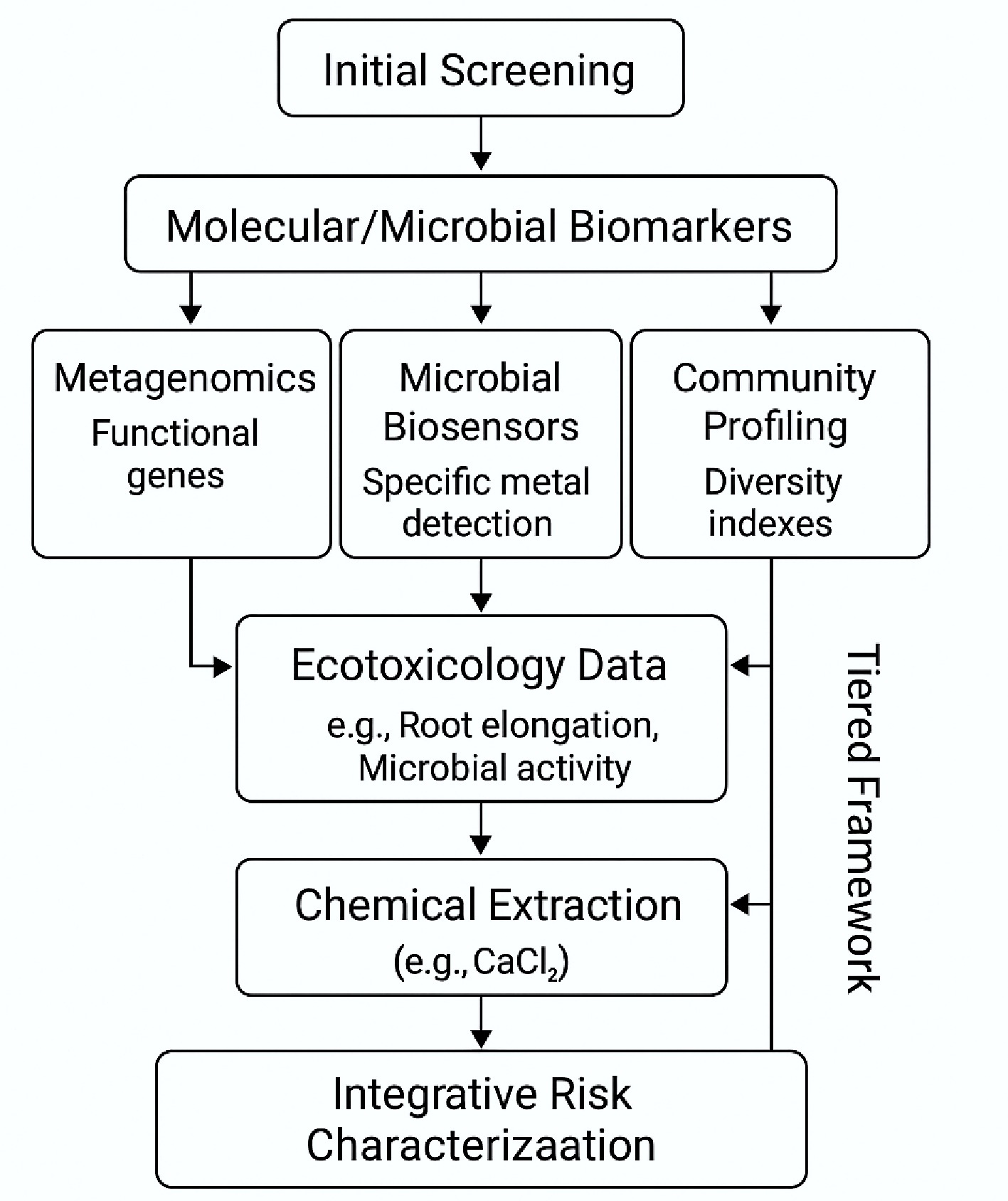
Figure 4.
Integration of molecular and microbial tools in risk assessment of soil metal bioavailability.
Omics technologies in soil metal bioavailability
-
Genomics, transcriptomics, proteomics, and metabolomics have all been utilized to detect stress responses in soil microbiomes exposed to bioavailable metal fractions[98,99]. For instance, metagenomic sequencing allows identification of functional genes related to metal resistance (e.g., czcA, arsC, merA), while transcriptomics reveals gene expression shifts in microbial communities. Such molecular-level biomarkers provide early warning signals of bioavailability-driven toxicity, even when extractable metal fractions are below regulatory thresholds[100−102].
Microbial biosensors
-
Whole-cell biosensors employing genetically engineered bacteria (e.g., Escherichia coli, Pseudomonas putida) have been developed to detect bioavailable metal ions, such as Cd2+, Pb2+, Zn2+, and Hg2+. These biosensors produce quantifiable luminescence or fluorescence responses upon interaction with specific metals, offering high sensitivity and real-time detection in soil pore water extracts. Biosensor arrays are being deployed for field-based applications and regulatory screening[103,104].
Microbial community shifts
-
The bioavailability of heavy metals influences microbial community structure and function. Soil treated with bioavailable zinc, for example, often shows a decline in key decomposer taxa (e.g., Actinobacteria), and altered enzymatic profiles. These ecological responses serve as indirect yet powerful indicators of metal bioavailability under realistic conditions[105].
Challenges and future integration
-
Despite these promising advances, integrating molecular tools into standard regulatory frameworks remains a significant challenge. Issues include reproducibility, standardization, cost, and data interpretation. However, recent efforts within the EU's Horizon research programs and Chinese soil remediation policies point to growing interest in combining omics with chemical and ecotoxicological data for multi-tiered assessments.
Case studies
-
Molecular and microbial tools can complement chemical extraction and ecotoxicological methods by providing early biomarkers of effect and mechanistic understanding. These tools are therefore increasingly being integrated into tiered risk assessment frameworks, such as the TRIAD approach, which combines chemical, biological, and ecological data to assess bioavailability. In China, pilot studies are using metagenomic analysis alongside traditional leaching tests to develop site-specific soil quality standards[106]. The incorporation of microbial community profiling into ecological risk assessment is also gaining traction in Europe and North America. In the Netherlands, a field trial evaluated microbial responses to Cu contamination using 16S rRNA gene sequencing, identifying a marked shift in nitrifying bacteria[107]. In China's Yangtze River Delta, shotgun metagenomics revealed altered functional gene abundances in Cd-polluted rice paddies[108]. The United States EnvironmentalProtection Agency (USEPA) has funded studies using transcriptomic profiling of indigenous soil bacteria to assess the bioavailability of arsenic in mining-impacted areas, such as Nevada[109]. These examples demonstrate the feasibility of deploying molecular indicators as sensitive tools for site-specific assessments.
Case study: metagenomic monitoring in Chinese paddy fields
-
In China, high-throughput metagenomic sequencing was applied to paddy fields contaminated with cadmium (Cd). Researchers identified a shift in microbial community structure, characterized by an increased abundance of metal resistance operons and stress response genes, such as czcA and merR. Following biochar-assisted phytoremediation, metagenomic profiles showed a gradual return toward baseline diversity, indicating microbial resilience. These data were used to validate chemical extraction assessments, providing a biologically informed remediation metric[110].
Case study: biosensor deployment in US superfund sites
-
At selected Superfund sites in the US, microbial biosensors incorporating metal-specific reporter genes (e.g., luxCDABE under the control of arsR promoter) were embedded in portable devices. These biosensors detected bioavailable arsenic levels below the detection limit of ICP-MS[111]. Coupled with soil pH and redox measurements, the biosensor outputs allowed regulators to prioritize sites for immediate remediation, demonstrating the value of bioavailability-centric assessment.
Technical challenges and ethical considerations
-
Despite rapid advances, several challenges remain. Variability in DNA extraction efficiency, data normalization, and taxonomic resolution hinders reproducibility across laboratories. Moreover, the use of environmental DNA (eDNA) and human-associated microbial data in risk assessments may raise concerns about privacy and data sovereignty. National guidelines in the EU and China are being developed to standardize protocols and ensure the ethical handling of omics data. Rather than replacing traditional chemical extraction or bioassay methods, molecular tools are therefore increasingly seen as complementary.
Uncertainty and data gaps in metal bioavailability assessment
-
Accurate assessment of metal bioavailability in soils is crucial for evaluating environmental risks, making informed remediation decisions, and ensuring regulatory compliance. However, current methodologies and models are influenced by several layers of uncertainty and are limited by persistent data gaps that hinder consistent and accurate predictions across diverse soil systems and geographic contexts.
Sources of uncertainty
-
The variability of soil physicochemical properties such as pH, redox potential, organic matter content, and cation exchange capacity creates a dynamic system where metal speciation can fluctuate significantly. Temporal variation, due to seasonal changes in water content or microbial activity, also affects metal mobility and bioavailability. Moreover, inconsistencies in experimental conditions, analytical instrumentation, and laboratory protocols lead to limited comparability of results across studies.
Modeling assumptions, particularly regarding equilibrium states or linear partitioning, introduce further sources of uncertainty. Many mechanistic models rely on parameterizations that are rarely validated in situ, raising concerns about their predictive robustness in heterogeneous field environments[112].
Gaps in data availability
-
A comprehensive analysis of global datasets reveals a distinct underrepresentation of certain regions and land uses, as depicted in Table 9. For instance, tropical and subtropical soil types common across Southeast Asia and parts of Africa are poorly documented in most bioavailability models. Additionally, historical emphasis on agricultural lands has led to a lack of data for other critical landscapes, such as former industrial zones, mine tailings, and urban brownfields. Such limitations constrain the ability to calibrate or validate models like WHAM or BLM outside temperate, well-characterized contexts.
Table 9. Key data gaps by region and land use
Region or land use Typical metal concerns Data gap description Sub-Saharan Africa Cd, Pb, Zn Limited site-specific data for native soil types Urban gardens As, Pb Lack of long-term monitoring of bioavailable fractions Reclaimed mining sites Ni, Cr, Cu Insufficient post-remediation validation Paddy soils in China Cd, As Poor harmonization of extractant-based tests The consequence of these uncertainties is most pronounced during regulatory risk evaluations. In several cases, discrepancies between total and bioavailable concentrations have led to contradictory remediation guidance[113−115]. In China, for example, the use of DTPA vs CaCl2 extraction methods in paddy fields has yielded divergent risk classifications, which in turn affect policy interventions[116,117].
Uncertainty in the context of bioavailability assessment is not merely a technical limitation; it can reshape entire policy frameworks depending on the confidence regulators place in exposure predictions. For instance, varying the organic matter normalization factor in equilibrium partitioning models can yield orders of magnitude differences in predicted available concentrations. These discrepancies propagate into benchmark derivations, such as soil screening levels or ecological threshold values.
Temporal uncertainties are also seldom addressed in standard protocols. The bioavailability of metals like arsenic (As) or chromium (Cr) may fluctuate seasonally, especially in hydromorphic soils or irrigated fields, which can alter plant uptake and increase the risk to consumers. Few long-term datasets exist to parameterize these effects, and even fewer are used to update regulatory frameworks.
An important but under-discussed dimension of uncertainty is the interaction between co-contaminants. In mixed-pollutant scenarios, competitive adsorption or synergistic mobilization (e.g., metal-PAH complexes) may enhance or suppress bioavailability in ways that single-contaminant models do not accurately capture. These interactions further challenge the extrapolation of lab-derived parameters to complex field systems.
Data infrastructure also limits the effectiveness of uncertainty mitigation. While OECD countries maintain soil monitoring networks, these rarely publish extractable metal fractions in a harmonized form. Conversely, rapidly urbanizing regions may lack institutional capacity for such monitoring entirely, leading to a biased evidence base. Addressing these gaps requires international cooperation and data-sharing platforms that are aligned with the FAIR (Findable, Accessible, Interoperable, Reusable) principles.
In response to these challenges, Bayesian modeling frameworks and Monte Carlo simulations have been explored to quantify uncertainty ranges and inform risk-based decisions[118−120]. While promising, such methods are underutilized due to their computational complexity and lack of user-friendly software implementations for soil ecotoxicology.
Methodological variability across studies
-
Another major contributor to uncertainty in metal bioavailability assessment is methodological heterogeneity. Studies often differ in the choice of extractants (e.g., CaCl2, DTPA, EDTA), extraction time, soil-to-solution ratio, and analytical instrumentation. These inconsistencies create difficulty in comparing datasets, even when they target the same contaminants. As a result, regulatory harmonization is impeded, and meta-analytical approaches are challenged by high inter-laboratory variance. Harmonized protocols similar to those proposed by ISO and OECD must be adopted more widely to minimize methodological uncertainty.
Lack of longitudinal and climate-responsive studies
-
Most studies in metal bioavailability are temporally static, providing only a snapshot of metal dynamics in a given environment. However, long-term monitoring is essential to capture seasonal variations, shifts due to land management practices, and the impacts of climate change, such as extreme rainfall or drought. For example, flooding events in paddy soils can lead to abrupt changes in redox potential, releasing metals that were previously immobilized. Nevertheless, few studies have tracked bioavailability over multiple years, resulting in gaps in our understanding of long-term exposure risks. Climate-responsive models incorporating predictive hydrological inputs could help bridge this knowledge gap.
Emerging approaches for uncertainty quantification
-
Recent years have seen a growing interest in integrating probabilistic modeling to explicitly account for uncertainty in risk assessments. Bayesian hierarchical models, fuzzy logic systems, and Monte Carlo simulations can quantify parameter uncertainty, model uncertainty, and variability in environmental conditions. These methods allow practitioners to move beyond deterministic risk thresholds, toward confidence intervals and probability curves that represent the likelihood of exceeding risk benchmarks. For example, Monte Carlo modeling has been successfully applied in the EU for assessing Cd exposure in urban soils under various land-use scenarios. Despite their value, these tools remain underutilized due to a steep learning curve and limited software availability tailored to soil metal contexts.
Harmonization and standardization of bioavailability protocols
-
Despite substantial advances in understanding metal bioavailability in soils, a significant barrier to progress remains the lack of harmonized protocols. Divergence in extraction methods, test conditions, and assessment endpoints creates inconsistencies across studies, complicating regulatory interpretation and hindering international cooperation. Efforts toward harmonization are crucial for enhancing comparability, reproducibility, and the regulatory acceptance of bioavailability data.
Methodological divergence and its consequences
-
Variations in chemical extractants (e.g., CaCl2, DTPA, EDTA), soil-to-solution ratios, extraction times, and detection methods lead to inconsistent results. For example, the same soil tested with CaCl2 and EDTA may yield a two-fold difference in extractable Zn. This lack of standardization undermines efforts to derive generalized dose–response relationships or implement bioavailability-based thresholds.
Existing standards and guidelines
-
Organizations like ISO and OECD have developed protocols to guide bioavailability assessments. ISO 17402 provides principles for selecting suitable extractants and test organisms, while the BCR sequential extraction scheme is widely adopted in Europe. However, implementation varies. For instance, the USEPA lacks a formal soil bioavailability testing requirement for ecological endpoints, while China's MEE is rapidly developing bioavailability-based guidance for Cd and As.
Case examples of harmonization
-
The European Union's standardization of the BCR method and adoption of ISO protocols for bioassays (e.g., earthworm reproduction) have improved regulatory coherence. Cross-laboratory ring tests, coordinated by ECHA and academic networks, have also contributed to the validation of extractant methods; however, challenges remain in adapting these protocols to the varied soil types and land uses globally.
Comparative analysis of regional approaches
-
Across different regions, bioavailability assessment frameworks vary significantly (Table 10). In the EU, ISO protocols and the REACH framework emphasize extractable metal fractions and bioassays in site-specific risk assessment. In contrast, USEPA often uses total concentrations supplemented with the Biotic Ligand Model (BLM) for aquatic systems, with limited routine application to soils. In China, the Ministry of Ecology and Environment (MEE) has issued guidance for Cd and As, emphasizing CaCl2 and DTPA-extractable concentrations. Australia and Canada employ guidelines that combine total metal concentrations with ecological screening levels derived from toxicity reference values. Harmonizing these frameworks requires alignment of extraction conditions, endpoints, and regulatory benchmarks.
Table 10. Overview of regional/national bioavailability protocols
Region/country Extraction method Regulatory status Primary focus EU (ECHA, ISO) BCR, ISO 17402 Standardized, widely adopted Soil and sludge risk assessment USA (USEPA) Limited; Total + BLM (aquatic) Not standardized for soils Human/ecological exposure China (MEE) CaCl2, DTPA Emerging regulatory frameworks Cd and As in agriculture Australia Total + bioassays Guideline-driven Ecological thresholds Canada Total + bioavailability weighting Partial implementation Site-specific risk To align global practices, a harmonization workflow should begin with inter-laboratory ring trials to compare extractants, bioassays, and endpoints across soil types. This must be followed by guidance development under the ISO/OECD frameworks and backed by policy integration at the national level.
Recommendations for global alignment
-
1. Support global ring trials involving academic, regulatory, and industry laboratories.
2. Develop ISO and OECD protocols specific to bioavailability testing in soil.
3. Promote regulatory convergence through international frameworks (e.g., Basel Convention, UN FAO).
4. Incentivize the adoption of harmonized approaches via capacity-building initiatives and bilateral agreements.
-
Regulatory frameworks are increasingly embracing bioavailability. In the European Union, the REACH regulation[121] and the EU Soil Strategy[122] promote risk-based land management that takes into account bioavailable fractions. The UK's CLEA framework[123] integrates bioavailability into its soil guideline values (SGVs) using empirical adjustment factors for pH and soil organic matter. China's regulatory progress is particularly notable. The Ministry of Ecology and Environment has established a tiered risk assessment system that incorporates soil type, land use, and extractable metal levels[124]. For example, paddy fields in southern provinces with high Cd concentrations are assessed, not only in terms of total Cd levels but also in relation to rice uptake models calibrated using DTPA-extractable Cd. This helps avoid overestimation of food chain risks while ensuring protection of agricultural productivity. Ecological indicators, such as environmental DNA, microbial enzyme activities, nematode community structure, and phytotoxicity endpoints, have also been applied in Chinese field trials[125−128]. These indicators respond dynamically to bioavailable metal fractions and are being considered for future inclusion in official monitoring guidance.
Together, these developments underscore a growing global consensus: risk assessments must move beyond static, concentration-based criteria. By aligning soil management practices with bioavailability science, environmental regulation becomes more adaptive, defensible, and aligned with real ecological risks.
Regulatory relevance and implementation pathways
-
The incorporation of metal bioavailability into regulatory frameworks for soil management and remediation of contaminated land has gained momentum over the past decade. While total metal concentrations have historically served as the benchmark for soil quality standards, numerous countries and regions have begun to recognize the limitations of this approach in reflecting ecological and human health risks.
Existing regulatory applications
-
In the European Union, the Water Framework Directive and the Common Implementation Strategy have facilitated the use of bioavailability-based models, such as the Biotic Ligand Model (BLM), in aquatic systems, which has encouraged parallel efforts for terrestrial applications. The UK has formally adopted bioavailability adjustments for metals such as Pb and Ni in site-specific risk assessments. In the US, the EPA has encouraged the use of bioaccessibility testing (e.g., relative bioavailability assays for As and Pb) in human health risk assessments. These approaches are reflected in regional guidance documents and clean-up levels. China has shown interest in implementing bioavailability assessments, particularly for Cd in agricultural soils, with pilot-scale demonstration zones established in provinces such as Hunan and Guangdong.
These applications are, as a matter of course, associated with various challenges that may affect regulatory integration of bioavailability methods and concepts:
- Lack of validated and standardized test protocols across jurisdictions;
- Limited guidance on translating bioavailability data into regulatory thresholds;
- Insufficient inter-laboratory validation of bioavailability assays;
- Need for training, capacity building, and stakeholder engagement.
To support regulatory adoption, the following steps are recommended:
(1) Develop tiered risk assessment frameworks where bioavailability is incorporated in higher tiers;
(2) Launch demonstration projects across a range of soil types and contaminants;
(3) Create technical guidance documents tailored to national regulatory contexts;
(4) Encourage harmonization with existing chemical safety assessment tools (e.g., REACH, TSCA);
(5) Promote stakeholder engagement to build confidence in bioavailability-based approaches.
Country-specific case studies and initiatives
-
Europe has demonstrated leadership in embedding bioavailability considerations into environmental policy. For instance, under the European Chemicals Agency (ECHA), REACH guidance has been amended to recommend the use of leaching tests and bioaccessibility data when evaluating the risks associated with metals. The Netherlands has utilized CaCl2 extraction data to derive site-specific thresholds for Cu, while Germany has piloted DTPA-based guidelines in former industrial sites.
In the United Kingdom, the Environment Agency's Contaminated Land Exposure Assessment (CLEA) model incorporates bioavailability into the derivation of soil guideline values (SGVs). Field-scale applications in northern England showed how Pb remediation costs could be halved when adjusting for bioaccessible fractions.
In the US, EPA's Office of Superfund Remediation and Technology Innovation has institutionalized in vitro bioaccessibility assays such as the Relative Bioavailability Leaching Procedure (RBALP). Recent revisions to Regional Screening Levels (RSLs) include adjustments for bioavailability of As, Cu, and Cr.
China's Ministry of Ecology and Environment (MEE) has implemented a soil risk control system that emphasizes cadmium (Cd) bioavailability in rice paddies. Local governments in Hunan and Jiangxi have launched monitoring campaigns using CaCl2, EDTA, and chelate-based extractions. Demonstration zones have been established with international cooperation.
Canada's Canadian Council of Ministers of the Environment (CCME) is piloting frameworks that assess Ni and Pb bioavailability in post-industrial landscapes, drawing from CCME's guidance on tiered ecological risk assessment.
Opportunities for harmonization and global standards
-
There is increasing global recognition of the need to harmonize bioavailability-based assessment protocols across regions. International bodies such as the OECD, ISO, and UNEP have convened expert working groups to develop common testing strategies and evaluation metrics. In 2017, the OECD published a guidance document proposing a tiered approach for incorporating metal speciation and bioaccessibility data into ecological risk assessments. This guidance builds upon earlier ISO standards for soil quality testing (e.g., ISO 17402, ISO 19258)[46]. Multilateral initiatives, such as the Global Mercury Partnership[129,130] and the International Lead Management Center[131], provide platforms for data sharing and cross-national validation of extraction methods.
Capacity-building in low- and middle-income countries remains a critical barrier. The transfer of validated test kits, digital decision-support tools, and training materials could accelerate uptake. Pilot programs supported by the World Bank and UNIDO have begun integrating bioavailability screening into broader soil health and remediation strategies in Africa and Southeast Asia[132,133].
Future research needs and implementation barriers
-
Despite significant advances, several research gaps and regulatory barriers persist:
- Limited long-term field validation studies linking extractable metals to ecological or human health endpoints;
- Inadequate understanding of metal speciation dynamics in tropical and arid soils;
- Variability in extractant performance across soil types and climatic zones;
- Lack of consensus on the threshold values and safety factors for bioavailable concentrations;
- Uncertainty propagation in tiered models integrating exposure, bioavailability, and toxicity.
Research funded by the EU's Horizon Europe and the US National Institute of Environmental Health Sciences (NIEHS) is addressing these challenges. The use of machine learning and big data analytics in predicting bioavailable fractions is gaining traction, especially in countries with advanced soil monitoring networks. The inclusion of microbiome-metal interactions and nanomaterial-metal synergies is another emerging area requiring robust experimental and modeling approaches.
Stakeholder engagement and policy translation
-
Effective regulatory implementation of bioavailability metrics hinges on active stakeholder engagement. Policymakers, regulators, scientists, landowners, and affected communities must all be involved in the development and validation of guidelines based on bioavailability. In regions where bioavailability approaches have been adopted, such as in parts of the UK and the Netherlands, early and continuous dialogue has been essential for building confidence and ensuring practical uptake.
Tools such as policy briefs, infographics, and interactive decision trees can translate complex scientific data into formats that are accessible to non-specialist audiences. Additionally, the involvement of interdisciplinary panels comprising soil scientists, ecotoxicologists, health risk assessors, economists, and social scientists has proven effective in reconciling divergent regulatory priorities.
In China, regional regulatory pilots have included stakeholder meetings with rice farmers, local officials, and remediation companies to evaluate the feasibility of transitioning from total metal criteria to bioavailability-based risk control[134,135]. In the US, EPA-sponsored workshops have focused on community involvement in the cleanup of former industrial sites using site-specific RBALP data. These participatory approaches highlight how science-to-policy translation can be improved through inclusive governance.
National action plans and international funding streams
-
National action plans (NAPs) aligned with the UN Sustainable Development Goals (SDGs) are increasingly incorporating soil health and contaminant monitoring frameworks. In countries such as India, Brazil, and Indonesia, these NAPs include components aimed at developing standard protocols for assessing metal bioavailability, often in collaboration with UN agencies and international donors.
Funding mechanisms under the Global Environment Facility (GEF), Green Climate Fund (GCF), and regional development banks are being leveraged to support capacity building in bioavailability testing. This includes laboratory setup, personnel training, and pilot demonstration projects. Co-financing from national ministries of agriculture, health, and environment has made these initiatives more sustainable and aligned with domestic priorities. International cooperation, such as twinning programs between European regulatory agencies and counterparts in Asia and Africa, further enhances knowledge transfer. These programs facilitate joint publications, mutual laboratory visits, and harmonized pilot projects that demonstrate practical implementation of bioavailability-based soil risk assessments.
Concluding remarks
-
The regulatory integration of metal bioavailability is advancing rapidly, supported by methodological innovations, and a growing recognition of its relevance for environmental protection and sustainable land management. While some regions are further ahead than others, the momentum for harmonized guidance and practical implementation pathways is strong. Future work should prioritize transdisciplinary collaboration, regulatory foresight, and participatory governance to ensure that bioavailability metrics translate into more protective and cost-effective soil quality standards.
Translating scientific insights into policy and practice
-
Translating scientific findings on metal bioavailability into policy is a cornerstone of effective environmental governance. Scientific understanding must be contextualized and rendered actionable through regulatory frameworks, risk assessment methodologies, and land management guidelines. This section examines international approaches to policy integration, identifies common barriers and enablers, and provides recommendations for enhancing the adoption of bioavailability-based science in environmental regulation.
Science-policy interface in environmental risk assessment
-
Science-policy interaction is vital for robust environmental regulation. Agencies such as the European Chemicals Agency (ECHA), the US Environmental Protection Agency (EPA), and China's Ministry of Ecology and Environment (MEE) use scientific evidence to formulate soil and water quality standards. Tools such as equilibrium partitioning models and empirical bioavailability studies are increasingly being used to inform permissible metal thresholds. Table 11 provides a general overview of some international approaches to integrating bioavailability into soil policy.
Table 11. International approaches to bioavailability integration in soil policy
The EU integrates bioavailability in metal risk assessments under REACH. Site-specific factors are considered using models such as the Biotic Ligand Model (BLM) and chronic ecotoxicity thresholds derived from terrestrial bioassays. For soil policies, the Soil Framework Directive encourages member states to incorporate bioavailability into their monitoring protocols. EU countries, such as the Netherlands and Belgium, have investigated the use of extractable metal concentrations (e.g., 0.01 M CaCl2, DTPA) to derive risk-based screening values[139]. In addition, several EU member states apply bioavailability-informed quality standards. The Netherlands uses CaCl2 extraction-based thresholds for Cd, while Belgium employs DTPA and EDTA extractants in regional monitoring programs. Harmonization efforts under the European Committee for Standardization (CEN) aim to align testing methods. Moreover, long-term bioavailability modeling has been embedded into registration dossiers under REACH, fostering site-specific remediation targets.
The US EPA incorporates total and leachable metal concentrations into soil screening levels (SSLs) through guidelines such as the Regional Screening Levels (RSLs). Site-specific leaching protocols, such as the Synthetic Precipitation Leaching Procedure (SPLP), are applied. While direct bioavailability modeling is limited, empirical studies support refined risk-based approaches, particularly in Superfund sites[137]. Beyond federal EPA guidelines, several US states, such as California and Oregon, have piloted enhanced bioavailability frameworks. For instance, Oregon's Department of Environmental Quality integrates bioaccessibility testing into brownfield site assessments using physiologically based extraction tests (PBETs). These tests are often aligned with dietary exposure scenarios, particularly in urban gardening risk assessments.
China's Soil Environmental Quality Risk Control Standard for Development Land (GB 36600-2018) uses a tiered framework for heavy metals in urban soils. Tier 1 relies on screening levels, while Tier 2 incorporates site-specific assessments, including pH, organic matter, and extractable fractions. Research from paddy soils indicates that EDTA and CaCl2 extractions align with uptake patterns in rice, informing localized interventions[138]. In Jiangsu and Guangdong provinces, regional soil policies incorporate sequential extraction data (e.g., BCR fractions) and rice uptake models to refine Cd thresholds in paddy fields. Field validation studies across different soil types and climates support these localized standards. China's Ministry of Ecology and Environment has commissioned national meta-analyses to guide such adaptations across rural industrial sites.
Australia's National Environment Protection Measure (NEPM) includes guidance on bioavailability adjustments using empirical uptake factors and soil buffering indicators[139]. In New Zealand, the regulatory focus is shifting toward metal bioavailability in reclaimed mining areas, with decision trees developed to guide land-use-specific risk evaluations[140].
Despite these successful implementations of bioavailability, there are still key barriers that need to be overcome to facilitate broader implementation. These barriers include institutional resistance to change, lack of standardized bioavailability assays, limited data for model calibration, and uncertainty around long-term exposure scenarios. Regulatory conservatism and the cost of site-specific assessments further hinder widespread adoption. To further facilitate successful implementations of bioavailability, some obvious recommendations for policy integration may be generated. These include:
- Develop harmonized extraction protocols (e.g., BCR, CaCl2, EDTA);
- Promote cross-national validation studies and model calibration datasets;
- Create decision-support tools for selecting bioavailability methods based on site conditions;
- Provide guidance for regulatory tiering frameworks and integrate stakeholder training;
- Include microbiological and molecular indicators as future compliance tools.
Practical applications and case studies in risk management
-
Bioavailability-informed approaches are increasingly being employed in real-world contaminated land management, driven by both regulatory acceptance and the need for cost-effective remediation. Some examples (case studies) are provided of how site-specific bioavailability data have been used in decision-making processes, particularly in assessing remediation urgency, optimizing cleanup strategies, and prioritizing land reuse options. After all, only real-world case studies can provide critical insight into how bioavailability concepts can be operationalized in environmental management. The case studies present examples from various geographic contexts, contaminants, and exposure scenarios, highlighting the role of bioavailability in informing remediation, land-use decisions, and public health protection.
Case study 1: risk-based management at the budel-dorplein zinc smelter site (the Netherlands)
-
The Budel-Dorplein site, a former zinc smelter, has caused long-term contamination of agricultural soils with cadmium (Cd) and lead (Pb). Traditional assessments using total metal concentrations exceeded Dutch intervention levels[141]. A bioavailability-based assessment included CaCl2-extractable metals, DGT measurements, and in situ plant and earthworm bioassays.
Follow-up monitoring confirmed the stability of cadmium (Cd) and lead (Pb) availability. Sampling was performed biannually for three years on vegetables, invertebrates, and groundwater. Stakeholder engagement further enhanced acceptance. Regulatory authorities adopted a land-use restriction model rather than full remediation, resulting in estimated cost savings of EUR€45 million. Social acceptance was high, making this site a benchmark for risk-based regulation.
Extensive soil sampling at various depths was combined with metal fractionation studies using sequential extraction protocols to distinguish exchangeable, reducible, and residual metal pools. Ecotoxicological testing included standardized earthworm reproduction assays and microbial enzyme activity tests (e.g., dehydrogenase, urease), all of which showed no adverse effects in the field. In terms of regulatory integration, the Dutch Ministry of Infrastructure and Water Management revised regional soil protocols to explicitly include DGT and CaCl2-based estimates in screening tier decisions. Despite scientific success, early community pushback necessitated public workshops and farm outreach programs to clarify the difference between total and bioavailable metals, a distinction previously unfamiliar to stakeholders.
Case study 2: bioaccessibility-guided remediation in urban redevelopment (Canada)
-
In Toronto, As and Pb in post-industrial soils of the West Don Lands were initially flagged for costly remediation. Bioaccessibility testing using RBALP and SBRC protocols showed low human uptake potential. These results were used in site-specific exposure models for residents, especially children.
Authorities used this data to adjust cleanup thresholds. Community engagement sessions ensured public transparency. The use of less invasive remediation reduced soil removal by 60% and resulted in savings of CAD
${\$} $ To supplement the in vitro assays, dermal contact bioaccessibility was assessed using a synthetic sweat extraction method. Risk models integrated this data using multi-pathway exposure scenarios, including incidental ingestion, inhalation of dust, and hand-to-mouth contact. A digital twin of the redevelopment site was created in GIS to overlay risk zones with the intended residential layouts, helping urban planners to make informed design adjustments. One challenge was skepticism among certain regulatory officers unfamiliar with bioaccessibility principles, prompting additional peer-reviewed validation and expert workshops. Ultimately, the case contributed to Health Canada's guidance update on human health risk assessment in 2017[142].
Case study 3: agricultural cadmium risk management in the Yangtze River Delta (China)
-
High cadmium (Cd) in rice prompted health concerns across eastern China[143,144]. Scientists implemented a tiered approach, including total metal testing, bioavailable pool analysis using CaCl2 and DTPA, and predictive modeling of rice grain Cadmium. Some soils with high total cadmium (Cd) yield low grain cadmium due to sorption and soil buffering.
Solutions included crop rotation, pH adjustment through liming, the use of hyperaccumulators, and the selection of low-Cd rice cultivars. Trials with over 300 farmers and mobile soil-testing units confirmed bioavailability-based classification was more predictive of risk than total concentration. Cd in rice was reduced by up to 85% in two seasons.
Soil-plant transfer models were fine-tuned using local agricultural databases and meteorological inputs. Particular attention was given to the redox-driven mobility of Cd in paddy fields, especially during anaerobic flooding phases. Field sensors were deployed to monitor redox potential (Eh), pH, and electrical conductivity in real-time. In addition to lime, amendments like bentonite, iron-oxide-coated sand, and rice husk ash were trialed in split-plot experiments. Although economically feasible, challenges included the short-term effectiveness of some treatments and variability in farmer compliance. Nevertheless, government subsidies and extension services supported broad adoption.
-
The study of metal bioavailability in terrestrial systems has matured significantly over the past decades, but substantial knowledge gaps remain. These gaps are critical in shaping effective regulatory frameworks, advancing soil remediation technologies, and developing a global understanding of the fate and transport of metals. As we move into a new era of environmental monitoring and digital innovation, future research must focus on bridging mechanistic understanding with policy and practice. This section outlines the emerging research frontiers, tools, and cross-disciplinary synergies expected to define the field through 2035, briefly summarizing the various topics of relevance.
Molecular mechanisms of uptake
-
Advancing the molecular understanding of metal uptake and detoxification pathways in plants and microbes is a top priority. This requires integration of omics approaches (genomics, transcriptomics, proteomics) with classical toxicology to reveal key regulatory networks that govern bioavailability. Recent studies have identified specific transporters and chelating molecules that modulate metal movement in soil biota[145,146].
Bioavailability in changing climates
-
The interaction between climate change variables (e.g., temperature, precipitation patterns) and metal mobility remains poorly quantified. Research must model the dynamic interplay between hydrological cycles, redox processes, and organic matter turnover to predict long-term trends in metal exposure risk.
Soil microbiome dynamics
-
Understanding how microbial communities mediate metal transformations (e.g., methylation, complexation, sequestration) is critical for predicting bioavailability. Studies have shown that microbial consortia can buffer or amplify metal bioaccessibility depending on pH and organic carbon inputs.
Innovations in extractant chemistry
-
Developing new soil extractants that more closely mimic root exudates or environmental fluids could enhance bioavailability estimation. For instance, synthetic analogues of phytosiderophores are being tested for enhanced selectivity and sensitivity[147].
Advanced imaging and spectroscopy
-
Nano-scale imaging (e.g., synchrotron X-ray absorption, NanoSIMS) provides spatial insights into the localization of metals in root tissues or microbial biofilms. Expanding such techniques will elucidate bioavailability pathways with high resolution.
Time-resolved bioavailability
-
Metal bioavailability is often temporally variable, yet current assessments are typically static. Future methods must capture dynamic changes in soil chemistry and organismal responses over time using time-series sampling and modeling.
AI and machine learning models
-
Artificial intelligence offers opportunities to synthesize large, complex datasets (such as soil, biological, and climatic data) and derive predictive models of bioavailability. Neural networks and ensemble learning models are being piloted for this purpose.
Bioavailability under land-use change
-
Urbanization, agriculture, and land reclamation activities alter soil properties and metal fluxes. Scenario modeling must be integrated to evaluate how such changes influence exposure over time.
Bioavailability metrics for nanoparticles
-
Engineered nanoparticles introduce unique challenges in assessing bioavailability due to agglomeration and dissolution behaviors. Standardized tests for nanoparticle-bound metals are urgently needed.
Validation of laboratory protocols
-
Field validation of widely used extractants and models is inconsistent. Multi-site field trials, utilizing in situ bioassays and real-time monitoring, are necessary to benchmark laboratory predictions.
Harmonization of global protocols
-
Global disparity in bioavailability testing protocols hinders comparative risk assessment. International efforts, such as those by the ISO and OECD, are essential for standardizing guidelines.
Digital twins for soil systems
-
Emerging soil 'digital twin' concepts simulate real-time bioavailability processes through sensor networks and process-based modeling, offering decision-making tools for land managers.
Cross-taxon sensitivity assessments
-
Expanding bioavailability testing beyond common test species (e.g., earthworms, barley) to include diverse taxa can reveal broader risks to ecosystems.
Policy-relevant thresholds
-
Developing ecologically relevant threshold values for metal bioavailability that inform regulation is a pressing need. These must be rooted in mechanistic toxicology and field evidence.
Linking human and ecological risk
-
Integrated risk models should account for co-exposure scenarios where human health and ecological endpoints intersect (e.g., urban agriculture, contaminated playgrounds).
Biogeochemical hotspot mapping
-
Spatial heterogeneity in soil chemistry (e.g., redox zones, organic-rich pockets) creates hotspots for metal mobilization. Geostatistical mapping using drones and proximal sensing can improve risk targeting.
Next-generation sequencing tools
-
Metagenomic and metatranscriptomic profiling enable the detection of microbial genes involved in metal metabolism, offering functional insights into the dynamics of bioavailability.
Citizen science and community monitoring
-
Participatory science programs can generate large datasets for metal risk assessment while improving awareness and environmental stewardship.
Environmental justice integration
-
Socioeconomic factors must be incorporated into bioavailability assessments to protect vulnerable populations that are disproportionately exposed to metal contamination.
Comparative soil taxonomy models
-
Bioavailability models tailored to specific soil taxonomies (e.g., Andisols, Vertisols) are lacking and needed for region-specific guidance.
Exposure modelling in food webs
-
More robust dietary exposure models are needed that link soil metals to higher trophic levels (e.g., predators, humans) for ecosystem-level assessments.
Coupling bioavailability with ecosystem services
-
Integrating bioavailability data into ecosystem service valuation frameworks (e.g., soil fertility, biodiversity) can inform sustainable land-use planning.
Long-term monitoring networks
-
Establishing sentinel sites across biomes for periodic assessment of bioavailability and metal cycling trends will support policy forecasting.
Risk communication strategies
-
Effective communication of bioavailability-based risks necessitates the development of new visual tools, decision aids, and community engagement strategies.
Integration with circular economy goals
-
Bioavailability assessments must align with circular economy policies involving metal reuse, biosolid application, and land recycling.
-
This review has explored the multifaceted landscape of assessing heavy metal bioavailability in soils, integrating chemical, biological, and modeling approaches. A comprehensive overview of state-of-the-art methodologies and case studies across various regulatory and scientific frameworks was provided. Critical advances in extraction techniques, microbial tools, and integrative modeling platforms were highlighted as essential components in modern bioavailability assessment. Differences across global regulatory practices further emphasize the need for harmonization of concepts and cross-disciplinary collaborations. Despite significant progress, gaps remain in standardization, validation, and application of integrative bioavailability frameworks across diverse soils and contaminant types.
A key takeaway message is that no single method offers a complete solution. Instead, weight-of-evidence approaches and context-specific strategies are necessary. By combining chemical indicators, biological assays, modeling outputs, and regulatory insights, it is possible to arrive at more scientifically sound and risk-relevant assessments. Future research should prioritize the validation of tools in diverse geoclimatic contexts, the acquisition of mechanistic insights through molecular biology, and the expansion of open-access databases. This research will consequently facilitate the implementation of metal bioavailability in regulatory settings in an effective and generally acceptable manner.
-
Not applicable.
-
The author confirms sole responsibility for the following: study conception and design, data collection, analysis and interpretation of results, and manuscript preparation.
-
Data sharing is not applicable to this article, as no datasets were generated or analyzed during the current study.
-
The author declares that there are no further competing interests.
-
Full list of author information is available at the end of the article.
- Copyright: © 2025 by the author(s). Published by Maximum Academic Press, Fayetteville, GA. This article is an open access article distributed under Creative Commons Attribution License (CC BY 4.0), visit https://creativecommons.org/licenses/by/4.0/.
-
About this article
Cite this article
Peijnenburg WJGM. 2025. Bioavailability of heavy metals in soil: a review of tools, models, and regulatory applications. Environmental and Biogeochemical Processes 1: e011 doi: 10.48130/ebp-0025-0011 

Bioavailability of heavy metals in soil: a review of tools, models, and regulatory applications
- Received: 30 July 2025
- Revised: 17 September 2025
- Accepted: 13 November 2025
- Published online: 01 December 2025
Abstract: Bioavailability plays a pivotal role in determining the environmental and health risks associated with heavy metals in soils. While total metal concentrations are often measured, they do not necessarily reflect the fraction that is accessible to biota or capable of inducing toxic effects. The bioavailable fraction is influenced by a multitude of soil characteristics, including pH, organic matter content, redox conditions, and microbial activity. Over the past two decades, considerable research efforts have been devoted to developing reliable, reproducible, and cost-effective methods for assessing the bioavailability of metals in various soil contexts. This review provides a comprehensive synthesis of the most widely used chemical extractants, including CaCl2, diethylenetriaminepentaacetic acid (DTPA), and ethylenediaminetetraacetic acid (EDTA), as well as sequential extraction procedures such as the BCR method. Their strengths, limitations, and selection criteria are discussed in detail. Additionally, biological assays, including plant uptake studies, microbial bioassays, and enzymatic activity evaluations, are evaluated for their utility in capturing ecologically relevant endpoints. Recent advances in molecular microbiology, including high-throughput sequencing and metagenomic analyses, offer novel insights into microbial responses to metal stress and are increasingly integrated into bioavailability assessment frameworks. The review also explores integrative modeling approaches that combine empirical data with theoretical frameworks, such as biotic ligand models and geochemical speciation models. These models are instrumental in translating laboratory findings to field-scale predictions, and have been adapted for use in both aquatic and terrestrial environments. Case studies from Europe, North America, and China are presented to illustrate the diversity of approaches and highlight region-specific practices. These examples underscore the need for harmonization and standardization in bioavailability assessment protocols. The regulatory landscape is examined, revealing varying degrees of recognition and incorporation of bioavailability concepts across jurisdictions. The European Union, for example, increasingly mandates bioavailability-informed assessments under frameworks such as the REACH regulation, whereas other regions are at different stages of implementation. Ultimately, the review provides a decision-making framework for selecting suitable tools based on site-specific conditions, assessment objectives, and regulatory requirements. The proposed decision tree integrates chemical, biological, and modeling approaches to support holistic risk assessments. Future directions are discussed, emphasizing the importance of cross-disciplinary collaboration, field validation, and the development of bioavailability-based guidance values.
-
Key words:
- Heavy metals /
- Bioavailability /
- Soil contamination /
- Risk assessment /
- Chemical extractants /
- Microbial tools /
- Modeling /
- Regulatory science