










-
During a standard quality-control inspection at a food processing plant, a batch of vegetables was found to be contaminated with a spoilage-inducing bacterium. The discovery not only interrupted production but also ignited a familiar understanding among the microbiologists present: the microbial realm that endangers food safety simultaneously offers natural substances that can mitigate it. Microorganisms offer potent, natural treatments, such as antimicrobial peptides and bacteriocins, which are becoming more important in modern food systems[1]. Food safety remains a cornerstone of public health, yet microbial contamination continues to pose significant threats to food security worldwide. The intersection of food microbiology and biotechnology has unveiled a promising avenue: harnessing microbial natural products as protective agents against foodborne hazards[2]. This review examines how microorganisms and their bioactive compounds are reshaping food safety paradigms, particularly in developing nations where food security challenges are most acute.
Food microbiology encompasses the study of diverse microorganisms, including bacteria, fungi, yeast, viruses, and parasites, that profoundly influence food quality, safety, and preservation. While certain microorganisms initiate spoilage and disease, beneficial species such as Lactobacillus spp., Bacillus spp., and Lactococcus lactis actively contribute to food safety through antimicrobial compound production, biopreservation mechanisms, quality enhancement, and health promotion[2,3]. These beneficial microorganisms have been integral to traditional food preservation practices for millennia and are now recognized as critical components of modern food safety strategies. The distinction between primary and secondary metabolites is fundamental to understanding microbial contributions to food safety[3]. Primary metabolites, including nucleotides, amino acids, and carbohydrates, are essential for basic cellular functions, whereas secondary metabolites represent specialized compounds produced during stationary growth phases. Secondary metabolites encompass the antimicrobial arsenal: bacteriocins, lactic acid, enzymes, and other bioactive molecules that inhibit pathogenic and spoilage microorganisms, thereby facilitating preservation and enhancing food security[4]. Contemporary food safety challenges are multifaceted and increasingly complex. Developing nations bear a disproportionate burden of food safety challenges. These include biological, chemical, and physical contamination; foodborne illness; supply chain vulnerabilities linked to globalization; food fraud; and the compounding effects of climate change. Structural barriers such as poor hygiene infrastructure, inadequate storage, limited regulatory enforcement, and antimicrobial resistance further exacerbate these risks[1]. Addressing these interconnected challenges requires innovative solutions that are economically feasible, technologically accessible, and culturally adaptable. Microbial natural products offer a promising biosolution to these multifaceted challenges. Their potential to extend shelf life, reduce pathogenic contamination, and enhance nutritional quality aligns with sustainable development goals, particularly in resource-limited settings[5]. This review examines how leveraging microbial natural products can meaningfully contribute to global food safety and security objectives.
Literature search strategy
-
This narrative review is based on a structured literature search conducted between January 2024 and June 2025. Major databases (PubMed, Scopus, Web of Science, and Google Scholar) were queried using combinations of keywords such as "microbial natural products", "bacteriocins", "antifungal metabolites", "bio-preservation", "food safety", "synthetic biology", and "developing countries". Reference lists of key articles and recent reviews were screened to identify additional relevant publications. Priority was given to peer-reviewed studies from the last 10–15 years, with seminal earlier work included where necessary to provide mechanistic or historical context.
-
Microbial natural products originate from the extensive biological diversity of bacteria, fungi, and actinomycetes found in soil, marine ecosystems, plants, and extreme environments. These organisms produce a diverse range of chemicals, including polyketides, non-ribosomal peptides, alkaloids, terpenoids, and intricate polysaccharides, each with distinct structural and functional attributes[1]. Their production is regulated by specialized biosynthetic gene clusters that encode enzyme systems, including polyketide synthases, non-ribosomal peptide synthetases, and terpene synthases. These modular routes construct intricate compounds via successive biological processes. Progress in comprehending these biosynthetic systems has facilitated metabolic engineering, allowing for enhanced discovery and sustainable synthesis of high-value natural chemicals[6].
Origins and biodiversity
-
Microbial natural products represent an extraordinary reservoir of bioactive compounds. A single microorganism can synthesize up to 50 distinct secondary metabolites through diverse metabolic pathways, thereby establishing microbes as prolific natural product factories[7]. The primary microbial sources are bacteria, fungi, actinomycetes, and other microorganisms, which possess inherent metabolic flexibility and rapid growth kinetics, making them ideal platforms for industrial-scale production of pharmaceutically and industrially relevant compounds.
The metabolic sophistication of microbes enables the synthesis of compounds with exceptional chemical diversity and biological specificity. These characteristics include low molecular weight, wide chemical structural variation, high specificity and catalytic efficacy, and bioactivity at minimal concentrations. Such properties render microbial products exceptionally potent antimicrobial agents, capable of inhibiting spoilage and pathogenic microorganisms while demonstrating favorable safety profiles for food applications[5,6]. Figure 1 shows the major sources and biodiversity of microbial natural products.
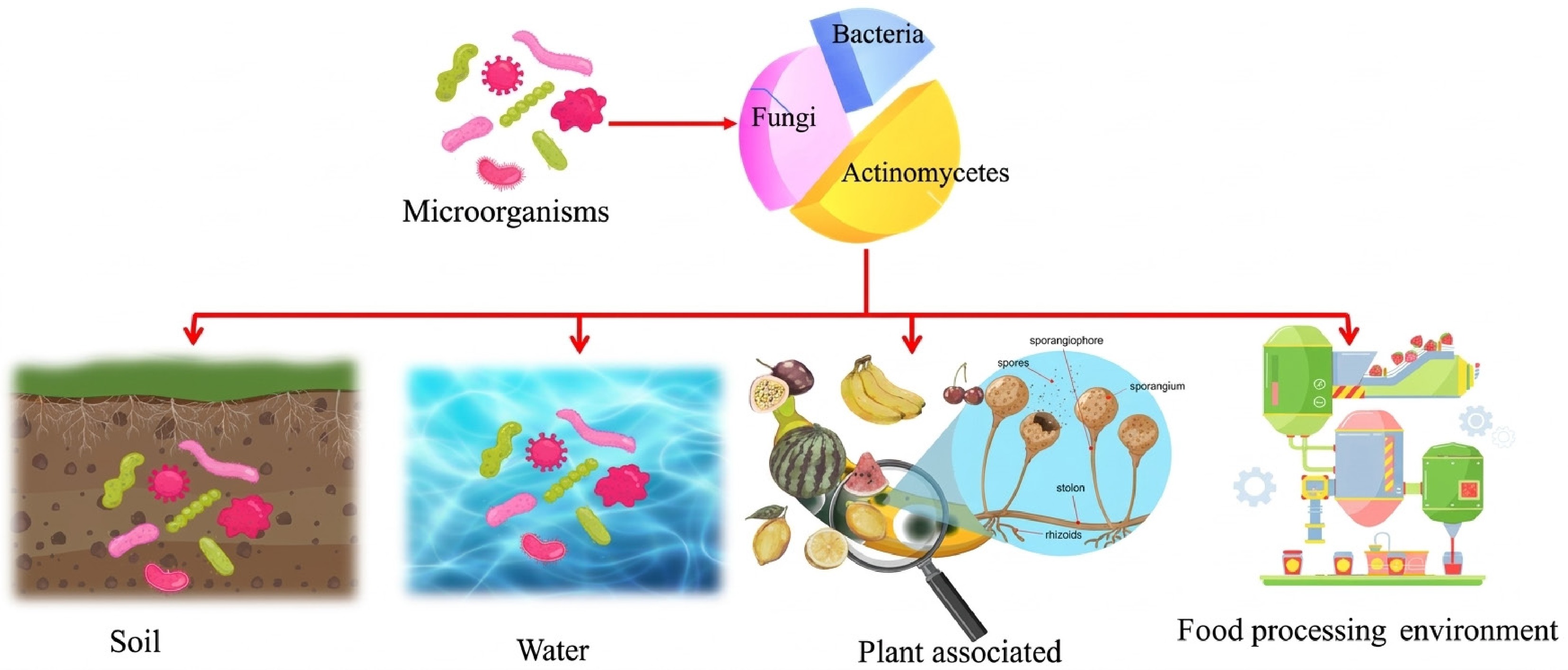
Figure 1.
Sources and biodiversity of microbial natural products (created with Freepik,
https://freepik.com ).Major microbial producers
-
Bacteria (Lactobacillus, Streptomyces, and Bacillus), including lactic acid bacteria (LAB), particularly Lactobacillus species, are cornerstone organisms in food fermentation and biopreservation. Their metabolic versatility enables the production of diverse bioactive compounds, including bacteriocins, lactic acid, enzymes, and probiotics, through optimized fermentation processes. These organisms grow rapidly on simple media and are widely employed in the pharmaceutical, food production, and biotechnology industries[8]. Bacteriocins produced by LAB effectively inhibit pathogenic bacteria such as Staphylococcus aureus, conferring significant protective benefits in food systems. Streptomyces species, though primarily recognized for antibiotic production, generate a broad spectrum of bioactive secondary metabolites with applications spanning medicine, agriculture, and industrial biotechnology[9].
Fungi such as Aspergillus, Penicillium, and Fusarium are prolific generators of diverse bioactive compounds. Aspergillus species (Aspergillus niger, Aspergillus flavus, and Aspergillus oryzae) produce diverse metabolites, including enzymes, antibiotics, and organic acids, with applications in food production, pharmaceuticals, agriculture, textiles, and medicine[8,10]. Penicillium species are historically recognized for the production of penicillin and continue to yield compounds valuable in agricultural and medical contexts. The industrial capacity of fungi to generate complex secondary metabolites under controlled fermentation conditions underscores their significance in modern biotechnology[10].
Yeast, including Saccharomyces cerevisiae, known colloquially as baker's yeast, exemplifies the industrial utility of yeasts. Its extensive use in bread making, fermented beverages, and recombinant protein synthesis (particularly in the production of human insulin) demonstrates its safety profile and metabolic potential. Yeast's rapid growth kinetics, cost efficiency, and suitability for large-scale fermentation make it indispensable in food and pharmaceutical industries. Through fermentation, yeasts generate carbon dioxide, ethanol, and diverse secondary metabolites applicable across the pharmaceutical, biotechnology, and food production sectors[11]. Other microorganisms, such as cyanobacteria, actinomycetes, and microalgae, are emerging sources of microbial natural products. Streptomyces species remain widely used to produce anticancer agents, immunosuppressants, and antibiotics (including chloramphenicol, tetracycline, and daptomycin). The genetic capacity of these organisms for polyketide and nonribosomal peptide synthesis positions them as valuable platforms for the production of bioactive compounds[12].
Categories of microbial natural products
Bacteriocin
-
Bacteriocins are ribosomally synthesized antimicrobial peptides produced mainly by LAB and other Gram-positive bacteria. They include well-known examples such as nisin, pediocin, plantaricin, and enterocin. Depending on their structure and mode of action, bacteriocins may exhibit narrow or broad antimicrobial activity, and many are heat-stable and relatively resistant to proteolytic degradation, making them attractive for food preservation[13,14].
Antibiotics
-
Antibiotics represent a cornerstone class of microbial natural products, derived from diverse microbial sources and possessing significant clinical applications[2]. Compounds such as penicillin (from Penicillium notatum), streptomycin, erythromycin, and tetracycline exhibit bacteriostatic or bactericidal properties against Gram-positive bacteria that cause infections, including pneumonia, meningitis, diphtheria, and gonorrhea[15]. Their chemical diversity, low molecular weight, and efficacy establish antibiotics as essential tools in clinical medicine, veterinary applications, and molecular biology research.
Antifungals
-
Antifungal compounds produced by microorganisms are critical for controlling mycotoxigenic and spoilage fungi in food systems. Natamycin, derived from Streptomyces natalensis, is among the most widely approved food-grade antifungals, effectively inhibiting molds and yeasts on cheese, cured meats, and fermented beverages without penetrating the food matrix or disrupting flavor profiles[16]. Unlike natamycin's surface-targeted action, amphotericin B, derived from Streptomyces nodosus, inserts into fungal ergosterol-containing membranes to form ion-permeable pores, causing osmotic imbalance and cell death. While amphotericin B is primarily used clinically for systemic mycoses in immunocompromised patients, its mechanism provides a biochemical model for developing novel membrane-targeting antifungals relevant to food applications[16]. Nystatin, a polyene antifungal, is active against Candida species and is used to treat superficial gastrointestinal mycoses; however, its food application is limited by instability at ambient temperatures and bitter taste at effective concentrations. Emerging antifungals from actinomycetes and LAB metabolites, including cyclic lipopeptides and phenolic acids, show promise as next-generation food-safe antifungal agents that combine efficacy with improved sensory compatibility[17].
Organic acids
-
Organic acids are small primary metabolites featuring acidic functional groups and are synthesized by bacteria (Propionibacterium and Lactobacillus) and fungi (A. niger) during microbial fermentation. These compounds are instrumental in food preservation and microbial biosynthesis, functioning through pH reduction and metabolic interference mechanisms. Lactic acid and acetic acid exemplify organic acids with dual functions: preservation agents and functional ingredients enhancing food quality[18].
Enzymes
-
Enzymes are organic catalysts with high substrate specificity that accelerate biochemical reactions and are produced at an industrial scale through fermentation. Microbial enzymes possess extensive applications in textiles, leather processing, food manufacturing, pharmaceuticals, diagnostic development, biofuel production, and detergent formulations. Their catalytic efficiency and specificity render them irreplaceable in numerous industrial processes, from bread production enhancement to pharmaceutical synthesis[19].
Other bioactive compounds
-
Antimicrobial natural products extend beyond these primary categories to include anticancer agents (mitomycin from Streptomyces caespitosus and actinomycin D), immunosuppressants (rapamycin from Streptomyces hygroscopicus), toxins and mycotoxins (aflatoxins from A. flavus), and antimicrobial peptides. This diversity reflects the metabolic sophistication of microbial organisms and their potential to address a range of diverse health and food security challenges[20]. Figure 2 presents the classification of microbial natural products based on their microbial origin and functional properties.
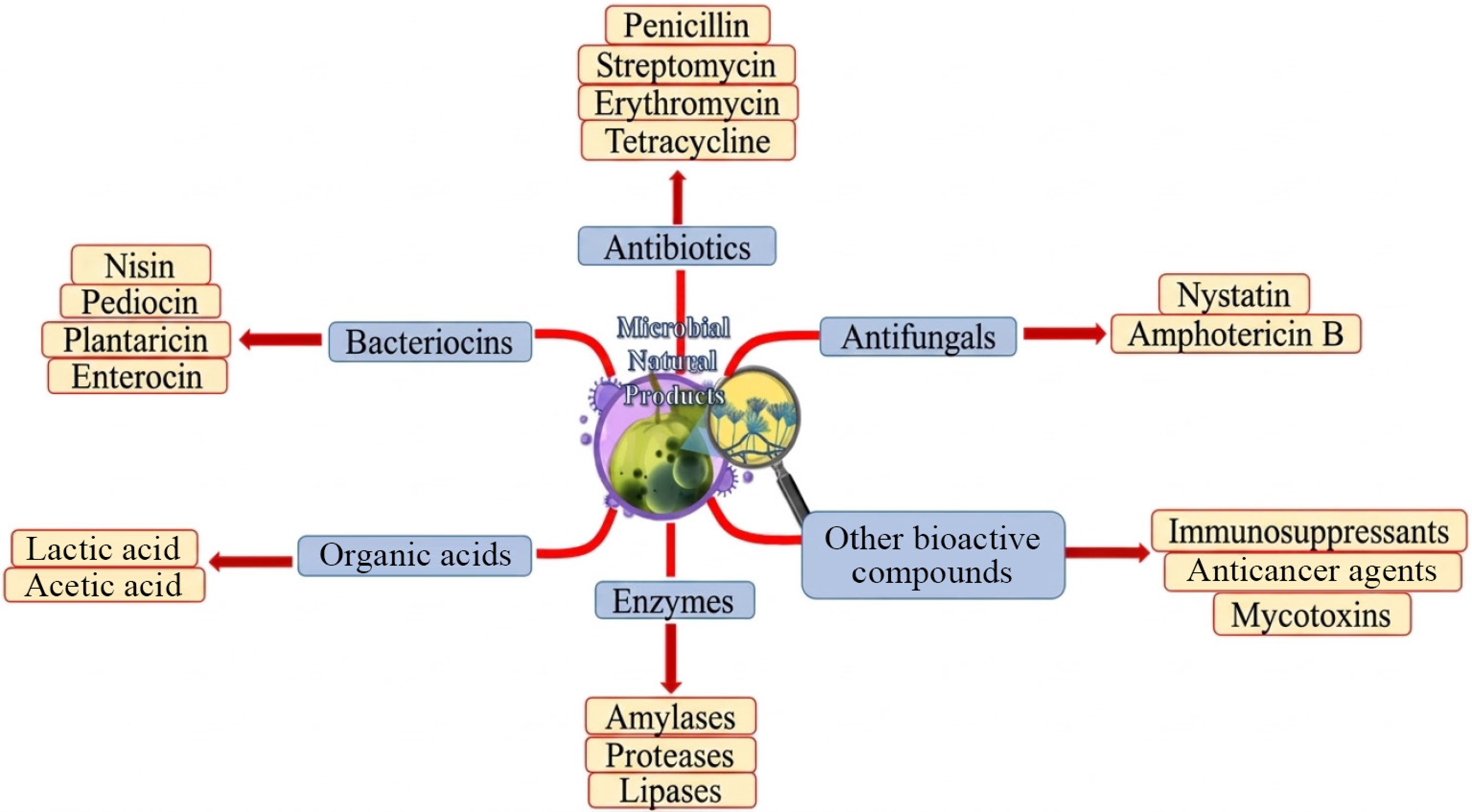
Figure 2.
Classification of microbial natural products (created with Freepik,
https://freepik.com ).Biosynthetic pathways and genetic basis
-
Microbial synthesis of complex chemical products involves coordinated metabolic pathways. Anabolic pathways generate larger, more complex molecules essential for cellular constituents, whereas catabolic pathways break down glucose into pyruvic acid through glycolysis, generating energy (ATP) and providing carbon frameworks for biosynthesis. Intermediary metabolites and end-products define each pathway's position within the larger metabolic network[21]. Primary biosynthetic pathways for secondary metabolites include polyketides, peptides, terpenoids, alkaloids, and shikimate-derived compounds. Polyketide synthase pathways, characteristic of fungi but less prevalent in bacteria, use molecular assembly-line mechanisms utilizing acetyl-CoA and malonyl-CoA precursors[22]. Nonribosomal peptide synthesis generates complex peptides (e.g., cyclosporin and vancomycin) through modular catalytic systems. Terpenoid pathways synthesize terpenes (e.g., artemisinin precursors and geosmin) from isoprenoid building blocks. Shikimate-derived pathways generate aromatic compounds (e.g., phenazines, folates, and tryptophan) through ribosomal and posttranslational modifications. Genetic regulation of secondary metabolism involves organized gene clusters containing structural genes, regulatory proteins, operators, and promoters. Mutations and natural genetic variation substantially influence product formation and the efficiency of biosynthetic pathways. Modern genomic approaches enable the identification and manipulation of these genetic determinants, facilitating strain improvement and enhanced production yields[23]. Figure 3 depicts how microorganisms produce natural compounds through well-defined biosynthetic pathways and how these processes are governed by specific gene clusters that can be engineered for enhanced production.
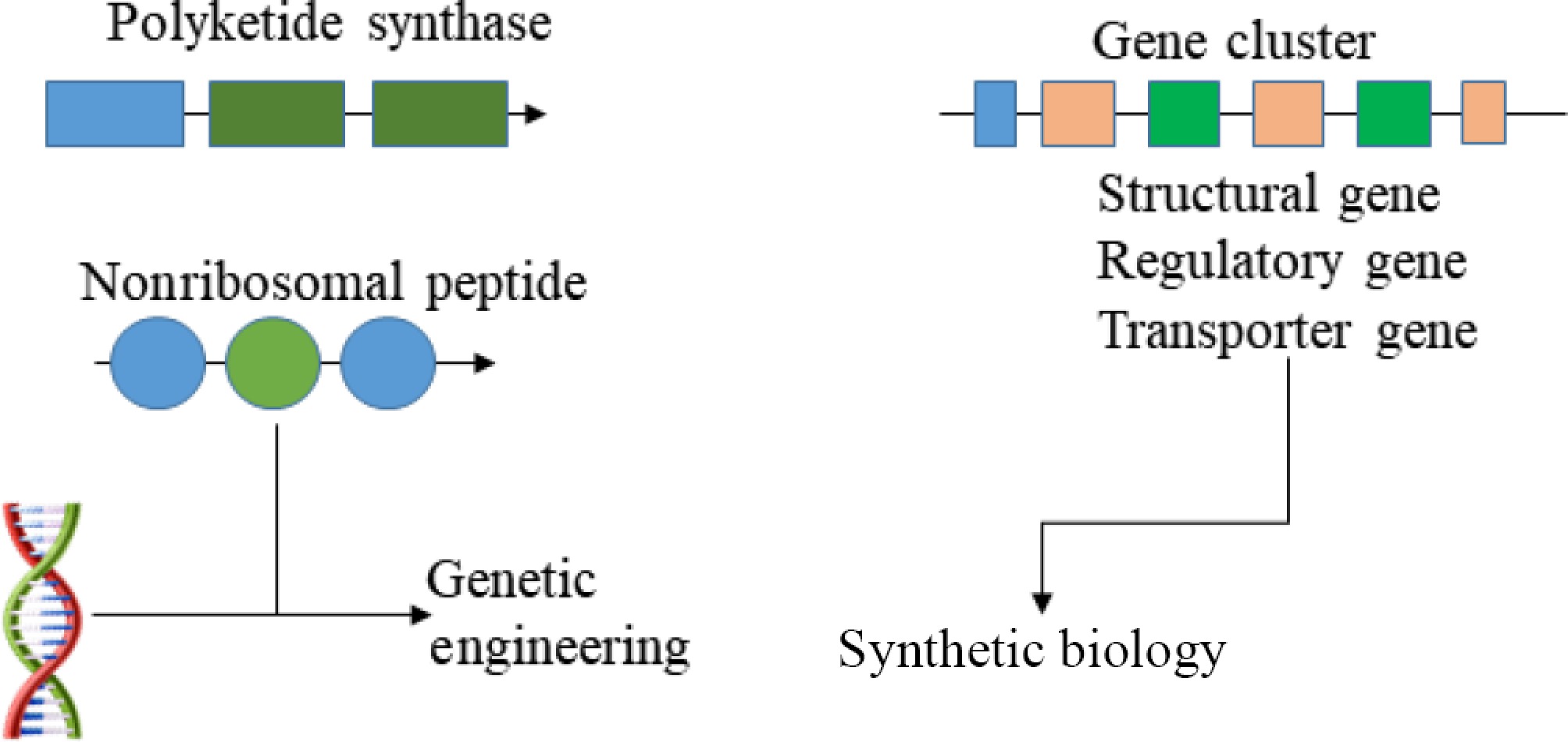
Figure 3.
Biosynthetic pathways and genetic basis (created with Freepik,
https://freepik.com ). -
This section explores how microbial natural products contribute to food safety by examining the mechanisms through which they act and the roles they play in preventing contamination, controlling foodborne pathogens, and preserving food quality.
Molecular mechanisms of antimicrobial action
-
Microbial natural products utilize several molecular processes to counteract pathogenic and rotting bacteria. A key method is the inhibition of protein synthesis, wherein certain antimicrobial agents attach to bacterial ribosomes and interfere with translation. Streptomycin is a traditional antibiotic; it specifically targets the 30S ribosomal subunit, resulting in mRNA misreading and premature cessation of protein synthesis[24]. A critical mechanism is the interruption of cell wall production. By inhibiting the synthesis of the peptidoglycan layer, these chemicals compromise the bacterial cell wall, leading to structural instability and cellular lysis. Nucleic acid synthesis interference occurs when substances such as actinomycin D inhibit DNA or RNA synthesis by altering transcription and replication, effectively suppressing microbial growth and proliferation. Microbial products function by disrupting cell membranes, since antimicrobial peptides and lipophilic substances compromise membrane integrity. Amphotericin B exemplifies this method by interacting with ergosterol in fungal membranes, ultimately inducing cell death[25]. Moreover, several chemicals influence biological processes by inhibiting metabolic pathways. Sulfonamides impede folic acid synthesis; hence, they affect nucleotide biosynthesis and hinder cellular division. A vital method is biofilm disruption, where specific microbial natural products damage the extracellular matrix, lower cell adhesion, or break down biofilm constituents. This inhibits the formation of harmful bacterial populations on food surfaces. Beneficial bacteria enhance food safety by engaging in niche competition and exclusion; they outcompete diseases by occupying ecological niches, using accessible resources, and generating antimicrobial chemicals that inhibit potential rivals[26]. Figure 4 shows the major biochemical mechanisms by which microbial natural products inhibit foodborne pathogens and prevent food spoilage.
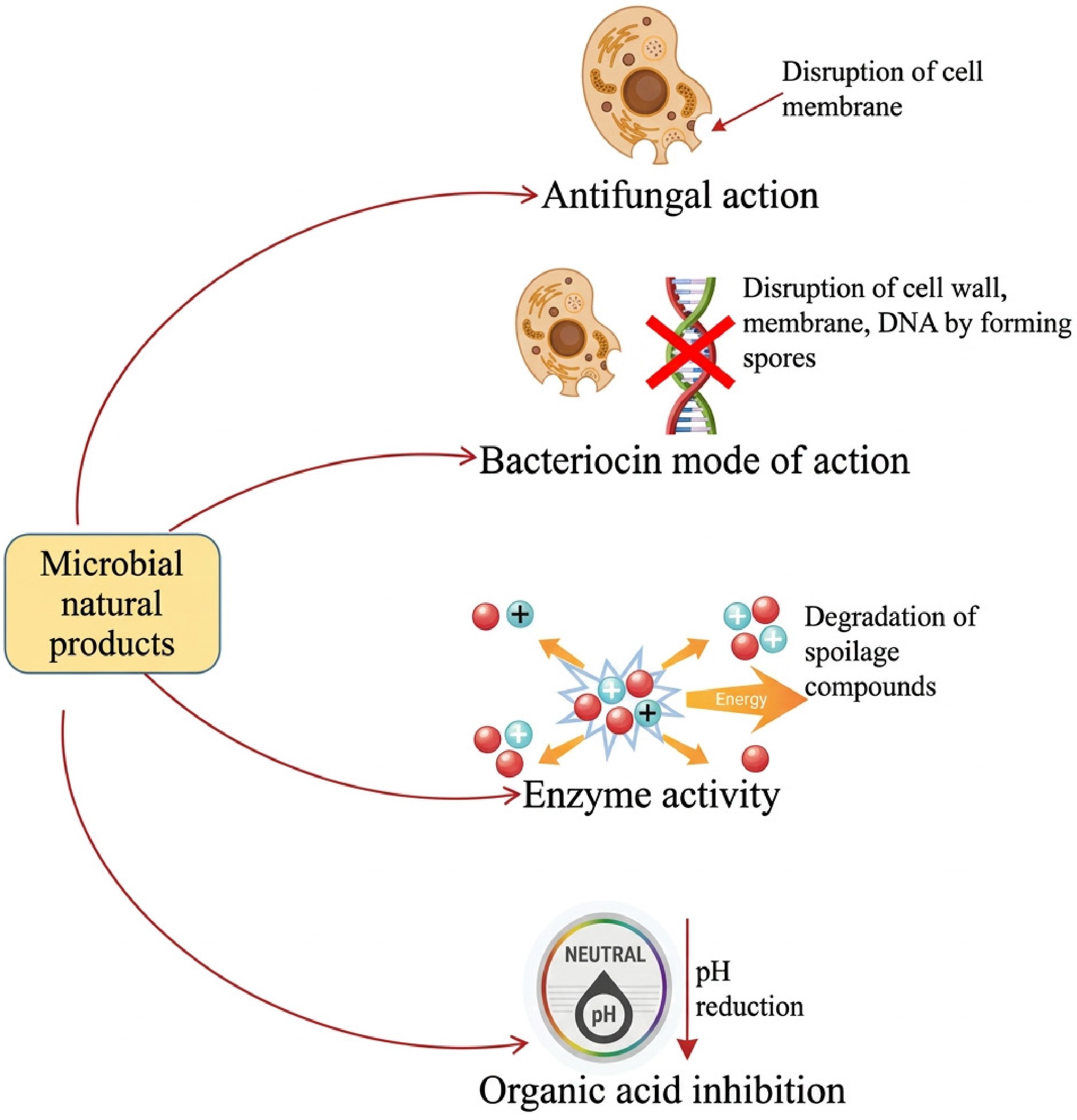
Figure 4.
Biochemical mechanisms of microbial natural products against foodborne pathogens and spoilage microorganisms (created with Freepik,
https://freepik.com ).Pathogen and spoilage organism control
-
Food spoilage represents a significant global economic burden, reducing productivity, intensifying food scarcity, and damaging producer reputation. Pathogenic and spoilage microorganisms compromise food quality by generating toxic metabolites and facilitating illnesses that can become life-threatening. Effective control of these microorganisms requires an integrated, multilayered approach that addresses both contamination sources and microbial persistence within the food system[27,28].
Foundational control measures begin with hygienic and sanitary practices, including proper food handling, equipment sanitization, and strict personnel hygiene. These practices serve as the first line of defense by minimizing the introduction and spread of contaminants. Chemical control methods, such as the use of preservatives, disinfectants, and sanitizers, have long provided effective antimicrobial action; however, growing health, environmental, and sustainability concerns continue to drive the search for safer alternatives. Physical control methods, including drying, filtration, irradiation, and thermal processing, also remain essential for reducing or eliminating microbial populations through nonchemical means[28,29].
Increasing attention has been directed at biological control methods, which use naturally derived compounds from plants and microorganisms. Plant-based antimicrobials such as phenolics (aldehydes, flavonoids, ketones, and terpenes), saponins, and organic acids have demonstrated strong inhibitory activity against key foodborne pathogens, including Escherichia coli, S. aureus, and Listeria monocytogenes. These natural compounds offer promising, eco-friendly alternatives to conventional preservatives[30]. Practical implementation experiences from developing nations increasingly demonstrate the viability of microbial biopreservation strategies in resource-constrained settings. Small-scale dairy and vegetable processors have adopted LAB cultures and bacteriocin-enriched formulations to extend shelf life, reduce visible spoilage, and improve food safety where cold-chain capacity is limited. These cases highlight both the promise of microbial natural products and the need for supportive regulatory frameworks, technical training, and reliable access to starter cultures tailored to local supply chains[28,29,30].
Among biological interventions, microbial natural products stand out as some of the most potent tools for biopreservation. Bacteriocins, organic acids, lactic acid, and other microbial secondary metabolites provide targeted and efficient inhibition of spoilage organisms and pathogens across diverse food systems. Several bacteriocins discussed in the Bacteriocin introductory section, particularly nisin and pediocin, have demonstrated strong efficacy against L. monocytogenes in meat- and dairy-processing environments[31]. Nisin and pediocin, produced by Pediococcus pentosaceus and Pediococcus acidilactici, respectively, are especially effective in controlling L. monocytogenes in meat-processing environments[31]. Natamycin, a polyene antifungal derived from S. natalensis, effectively inhibits molds and yeasts while preserving the sensory attributes of food. Reuterin, produced by Lactobacillus reuteri, exhibits broad-spectrum activity against Gram-positive and Gram-negative bacteria, molds, yeasts, and protozoa, with documented efficacy against E. coli, L. monocytogenes, Yersinia enterocolitica, and Campylobacter jejuni[32]. Table 1 presents a comparative overview of the major microbial natural products used in food preservation, highlighting their efficacy, stability, regulatory status, and key limitations.
Table 1. Comparative evaluation of microbial natural products for food preservation.
Product class Key examples Efficacy Stability Regulatory status Limitations Bacteriocins Nisin, pediocin High vs. Gram-positive Heat-stable
(acid pH)FDA/EFSA
approved (nisin)Narrow spectrum; resistance risk[33] Organic acids Lactic acid, acetic acid Moderate–broad Highly stable GRAS May alter food sensory profile[31] Antifungals Natamycin High vs. molds/yeasts Stable at low pH FDA-approved Limited antibacterial activity[34] Enzymes Lysozyme, laccase Selective pH/temp sensitive GRAS Costly purification[35] Plant-derived
antimicrobialsThymol, carvacrol Moderate–high Volatile; low stability Generally GRAS Strong odor; formulation issues[35] Note: 'vs.' in the Efficacy and Stability columns denotes comparative performance against the indicated targets (e.g., "High vs. Gram-positive" means high efficacy against Gram-positive bacteria; "High vs. molds/yeasts" means high antifungal activity against molds and yeasts). LAB, lactic acid bacteria; GRAS, generally recognized as safe; AMR, antimicrobial resistance. Biopreservation: sustainable food protection
-
In food systems, LAB-derived bacteriocins are used mainly as biopreservatives in meat, dairy, and vegetable products. Their value lies in suppressing spoilage organisms and pathogens while helping maintain product quality and shelf life[34,36,37]. Bacteriocins from LAB provide complementary antimicrobial effects against both Gram-positive and Gram-negative bacteria. Diverse LAB strains, including L. lactis, P. acidilactici, P. pentosaceus, Enterococcus faecalis, Enterococcus faecium, and Streptococcus thermophilus, produce bacteriocins (enterocin and lactococcin) effective against L. monocytogenes, demonstrating particular value in meat and milk preservation[17].
Natural preservation in meat, dairy, and vegetables
-
Biopreservation strategies in meat systems commonly involve the application of purified bacteriocins, the incorporation of antimicrobial-producing bacterial strains as starter cultures, or the direct inoculation of LAB. These interventions effectively suppress pathogenic and spoilage microorganisms while preserving the sensory and nutritional qualities of the meat[35]. The naturally high buffering capacity and low carbohydrate content of meat create a unique "secret fermentation" environment in which LAB can grow without causing significant changes to flavor, color, or texture. As a result, LAB-based preservation offers a subtle yet highly effective means of enhancing product safety and shelf stability[36].
Dairy products, characterized by their abundant protein, lipid, and moisture content, provide highly favorable conditions for colonization by spoilage organisms such as L. monocytogenes, E. coli, S. aureus, and Pseudomonas species. The use of LAB-treated milk in cheese production has been shown to increase exopolysaccharide production, thereby improving rheological properties and enhancing sensory attributes[17]. Specific bacteriocins, including Lactococcin BZ and Enterocin KP, exhibit strong inhibitory effects against L. monocytogenes across diverse milk matrices. Lactobacillus plantarum strains contribute both antimicrobial activity and acidification, making them suitable for cheese biopreservation, while Lactobacillus pentosus 22B has demonstrated the capacity to prevent fungal spoilage in yogurt[17,38].
In vegetable preservation, edible films and coatings enriched with antimicrobial compounds serve as effective biopreservation tools. These materials extend shelf life by maintaining moisture balance, preserving sensory characteristics, and enabling controlled release of antimicrobial agents at the product surface. Such multifunctional coatings provide both a physical barrier and biochemical protection, making them particularly valuable in reducing spoilage and maintaining postharvest quality[38].
Shelf life enhancement and quality improvement
-
Bacteriocins function as proteinaceous antimicrobial agents targeting spoilage and pathogenic microbes while maintaining safety through proteolytic degradation. Nisin, as described in the Bacteriocin introductory section, contributes to shelf-life extension through targeted inhibition of foodborne Gram-positive bacteria, including S. aureus, in products such as cheese and canned foods[33,39].
Contemporary consumer demand emphasizes foods providing both nutritional sustenance and health-supporting benefits. Functional foods offer health advantages beyond intrinsic nutritional value and address growing public health concerns, particularly regarding micronutrient deficiencies affecting millions globally[40].
Microbial natural products, particularly probiotics and postbiotics, serve as nutritional supplements, improving gut health, modulating immune responses, preventing disease, and aligning with consumer preferences for health-promoting products (Fig. 5). Organisms including LAB, E. coli Nissle 1917, S. cerevisiae, Bifidobacteria (Bifidobacteria longum, Bifidobacteria lactis, and Bifidobacteria infantis), and Saccharomyces boulardii demonstrate substantiated probiotic properties applicable across diverse food matrices[41].
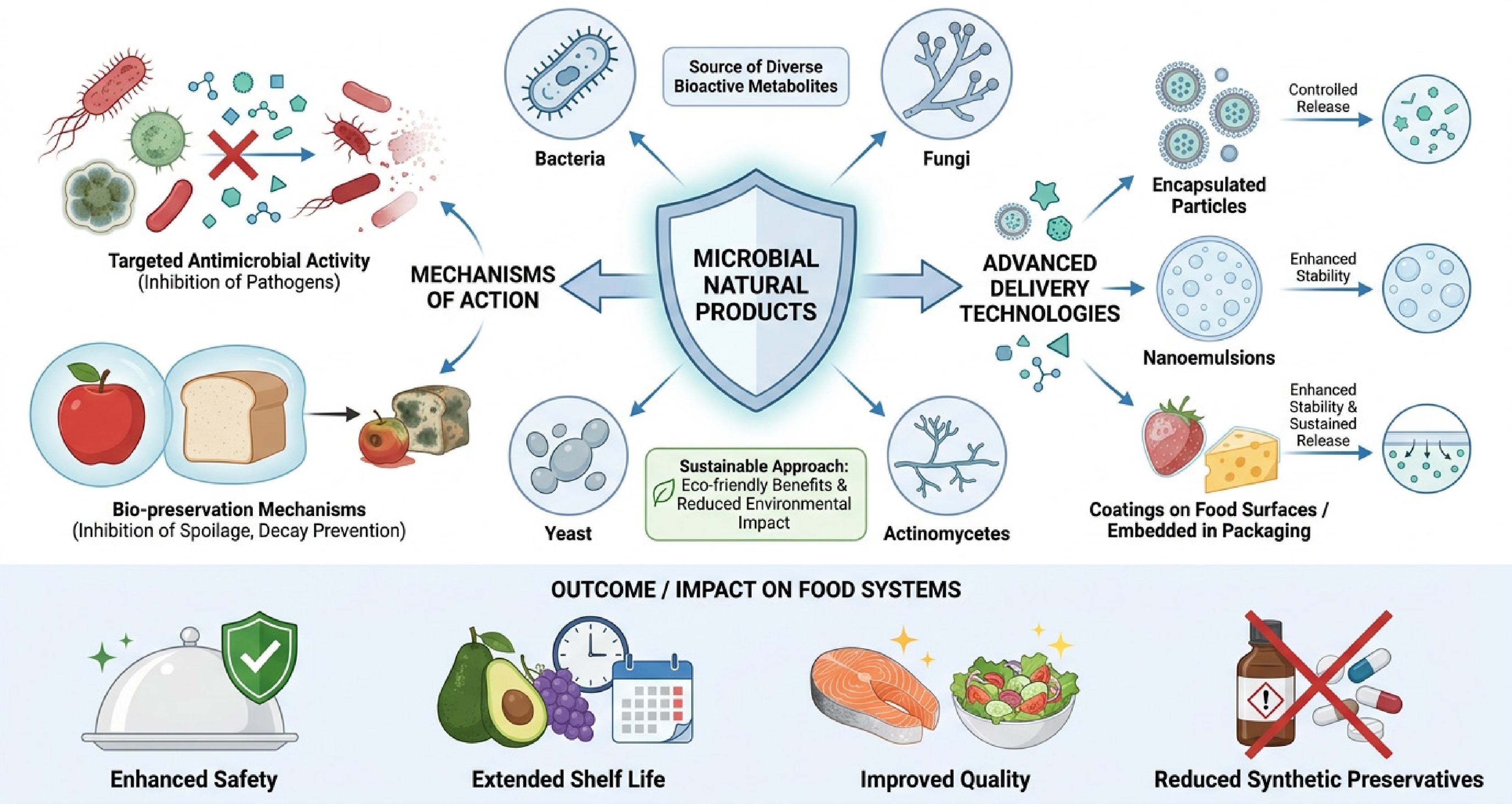
Figure 5.
Schematic overview of microbial natural products as sustainable safeguards for food safety.
-
Microbial natural products are applied across various food and biotechnology industries, highlighting their practical benefits while also addressing the key challenges, limitations, and strategic considerations that influence their large-scale use and long-term sustainability.
Current industrial applications
-
Diverse microbial strains generate fermented dairy products through targeted metabolic activities. Principal LAB genera, including Lactobacillus, Leuconostoc, Lactococcus, Pediococcus, and Streptococcus, ferment lactose into lactic acid and byproducts, creating thickened textures, reduced pH conditions hostile to pathogenic growth, extended shelf life, and enhanced safety[42].
Beyond preservation, fermented dairy products provide exceptional nutritional value, including vitamin D, calcium, vitamin B12, vitamin A, riboflavin, potassium, phosphorus, and magnesium.
Cereal-based foods incorporating probiotics provide digestive support and gut microbiota modulation through beneficial organisms (Bifidobacterium, Saccharomyces, Streptococcus, Enterococcus, Escherichia, and Bacillus species)[43]. Nondigestible carbohydrates in cereals serve as prebiotics, selectively promoting the growth of beneficial microorganism in the colon. Fermentation with LAB and other probiotic bacteria improves the nutritional value of cereal products by increasing the bioavailability of carbohydrates, proteins, fiber, vitamins, and minerals[44].
Biological methods for preserving meat products use the ability of LAB to kill bacteria and keep spoilage organisms from growing. The meat microbiota composition, nitrite and salt concentrations, low water activity, and limited sugar availability create specific ecological conditions shaping microbial populations. LAB's beneficial qualities—such as keeping people safe, stopping spoilage organisms from growing during storage, breaking down antimicrobial peptides, and having little effect on the gut microbiota—make them useful biopreservation agents. LAB's protective roles against spoilage and pathogenic microbes operate through competitive nutrient acquisition and the production of antimicrobial substances (bacteriocins, enzymes, and organic acids)[45].
Microbial organisms produce diverse pigments applicable across food, textile, cosmetic, and pharmaceutical industries. Species including Dunaliella, Haematococcus, Penicillium, and Monascus have achieved industrial-scale pigment production. Natural dyes derived from microorganisms address toxicity concerns associated with synthetic alternatives, attracting substantial research investment and commercial interest. In addition, microorganisms generate flavoring compounds, antioxidants, and other functional additives, reducing dependence on chemically synthesized alternatives[46].
Microbial enzymes exhibit superior activity and diverse catalytic functions across industrial applications. Bread baking, beer production, and industrial alcohol manufacturing extensively utilize amylases from Bacillus subtilis and Rhizopus species, which enhance product texture, flavor, and volume. Proteases, hydrolases, transferases, and oxidative enzymes catalyze diverse biochemical reactions that are essential across industries. Bacillus and Aspergillus amylases replace traditional grain-derived amylases in baking and brewing, exemplifying successful commercial adoption of microbial enzyme systems[47].
Certain fungi (A. flavus, Aspergillus parasiticus) produce mycotoxins that are hazardous secondary metabolites with mutagenic, teratogenic, carcinogenic, nephrotoxic, hepatotoxic, and estrogenic properties. Aflatoxin, the most common mycotoxin, is a major cause of liver and kidney cancer in both people and animals. Microbial detoxification represents an emerging, environmentally benign approach to reducing mycotoxin contamination while preserving food value. Lactobacillus plantarum, Lactobacillus acidophilus, and B. subtilis demonstrate robust detoxification capabilities, offering promising approaches to enhancing food safety in contaminated systems[48].
Production of fermented foods faces persistent challenges from spoilage microorganisms and pathogens. Discoloration, gas pockets, and sensory defects may result from wild LAB and yeast biogenesis during aging. Pathogenic contamination risks (Salmonella species, L. monocytogenes, pathogenic E. coli) remain critical safety concerns. While complete contamination prevention is impossible, the implementation of current Good Manufacturing Practices (cGMPs) reduces the risk[48,49]. Hazard Analysis and Critical Control Points (HACCP) programs, Sanitation Standard Operating Procedures (SSOPs), and rigorous ingredient testing substantially reduce food safety risks. Precise control of fermentation parameters, including temperature, acidity, dissolved oxygen, redox potential, and duration, remains essential for achieving desired biochemical transformations, functional properties, and acceptable sensory characteristics[50]. Figure 6 highlights the key challenges in scaling microbial natural products for food applications while ensuring product quality and safety.
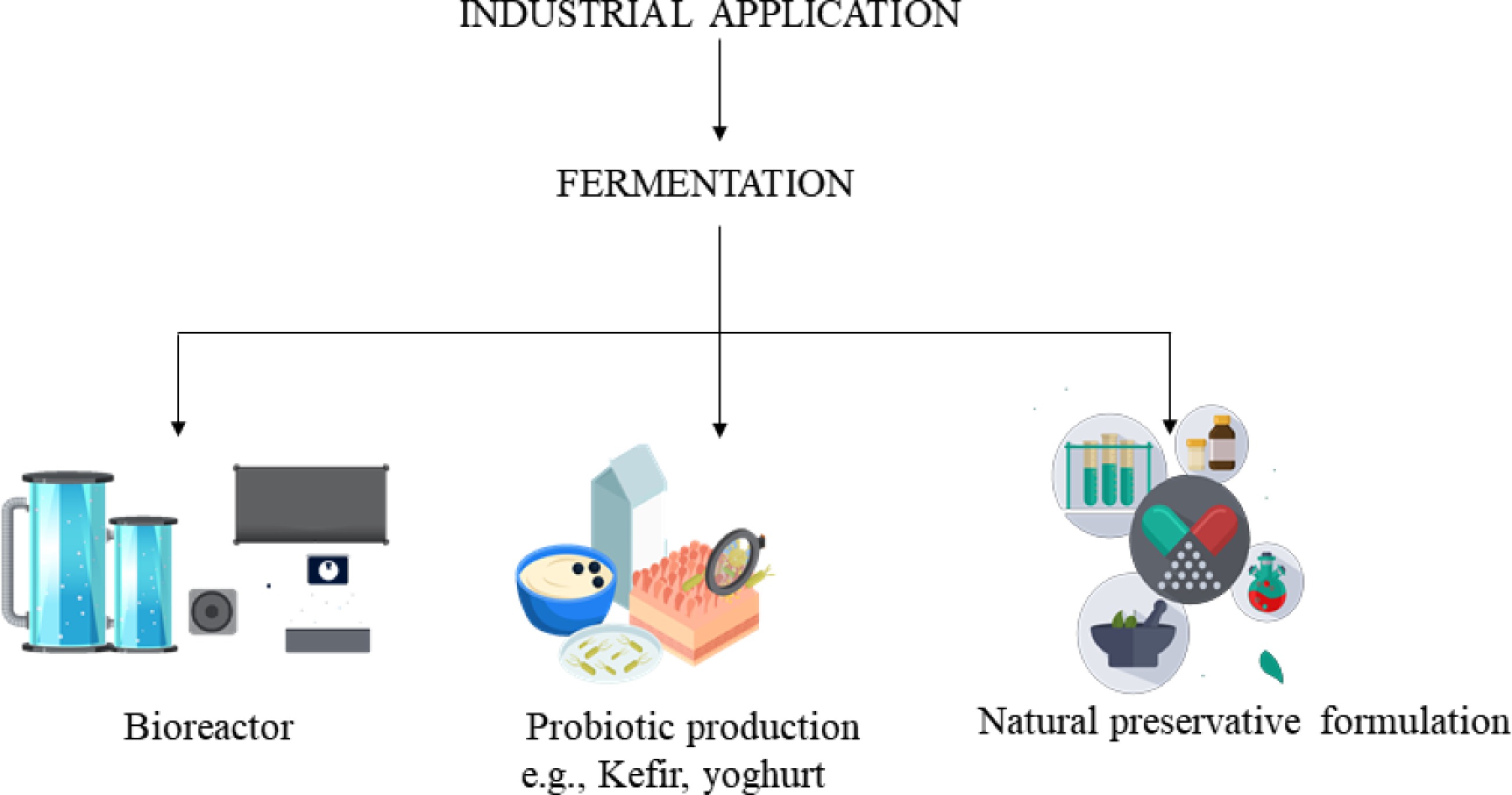
Figure 6.
Industrial applications and challenges (created with Freepik,
https://freepik.com ).Fermentation, probiotics, and natural preservatives
-
Fermentation is a fundamental microbial-driven process that produces a wide array of food products across diverse industries. Through enzymatic activities, microorganisms convert simple sugars into valuable metabolites such as carbon dioxide, alcohol, and acetic acid, thereby enhancing food quality, safety, and shelf stability while reducing overall production costs. Classic examples include the roles of Streptococcus and Lactobacillus species in dairy fermentation, where lactose is converted into lactic acid during yogurt and cheese production[50,51]. Beyond dairy systems, numerous bacteria, fungi, and yeast contribute significantly to food fermentation processes, generating products with desirable physicochemical and biological properties. These microbial activities improve flavor, aroma, texture, and nutritional value while increasing the economic viability of food-processing industries[51].
Probiotic applications rely on the introduction of beneficial microorganisms into the gastrointestinal tract, where they inhibit harmful microbes through competitive exclusion, metabolite production, and modulation of host responses. Growing consumer interest in nondairy probiotic foods is driven by dietary restrictions such as lactose intolerance, milk allergies, vegetarianism, and veganism. While traditional probiotic delivery systems focused on fermented dairy foods such as yogurt, cheese, and cultured drinks, modern approaches now incorporate both fermented and nonfermented nondairy products. Encapsulation technologies enable the incorporation of probiotics into functional foods including yogurt, cheese, and ice cream, as well as nondairy matrices such as cereals, chocolates, confectionery, and processed meats[52].
The dairy industry predominantly uses Lactobacillus and Bifidobacterium species, though emerging genera such as Propionibacterium, Peptostreptococcus, Pediococcus, Leuconostoc, Enterococcus, Saccharomyces, and Streptococcus are gaining increasing importance. Recent innovations include probiotic beverages fortified with fruit juices, such as mango-enhanced formulations of L. acidophilus LA-5, which improve probiotic viability while enhancing sensory characteristics and consumer acceptance[33].
The increasing consumer preference and regulatory drive toward natural food preservation have intensified interest in microbial-derived antimicrobial agents. Among these agents, bacteriocins remain particularly important; they are proteinaceous antimicrobials synthesized by both Gram-positive and Gram-negative bacteria and exhibit strong inhibitory activity against pathogens such as L. monocytogenes, Clostridium botulinum, and E. faecalis[53].
As discussed in the Bacteriocin introductory section, nisin remains one of the best-known bacteriocins for food preservation because of its strong activity against Gram-positive pathogens and its established use in dairy and meat products. Additional antimicrobial compounds produced by LAB, including hydrogen peroxide, organic acids, carbon dioxide, reuterin, ethanol, and various bacteriocins, provide synergistic preservation effects. Furthermore, heat-stable bacteriocins derived from P. pentosaceus and P. acidilactici have found valuable application in the preservation of cheese, meat products, and other perishable foods[33]. Practical implementation experiences from developing nations increasingly demonstrate the viability of microbial biopreservation strategies under constrained infrastructure. Small-scale dairy and vegetable processors have adopted LAB cultures and bacteriocin-enriched formulations to extend shelf life, reduce visible spoilage, and improve food safety where cold-chain capacity is limited. These cases highlight both the promise of microbial natural products and the need for supportive regulatory frameworks, technical training, and reliable access to starter cultures tailored to local supply chains[53].
Novel delivery systems
-
Emerging delivery technologies are transforming the use of microbial natural products by improving their bioavailability, stability, and antimicrobial effectiveness. Encapsulation techniques using food-grade carriers such as nanoparticles, liposomes, and emulsions enhance the solubility and controlled release of bioactive compounds while protecting them from premature degradation. These systems ensure that antimicrobial agents retain their functional properties throughout storage and distribution, all while preserving the sensory qualities of foods[54].
Conventional application methods, including spraying and mixing, often limit the efficacy of microbial natural products due to reduced bioactivity, environmental instability, uneven distribution, and variable consumer acceptance. In contrast, innovative delivery platforms enable improved bioavailability, enhanced antimicrobial action, and controlled or sustained release of active compounds. These systems also protect sensitive bioactive molecules from degradation and support sustainability initiatives by reducing reliance on synthetic packaging materials[55].
Edible films and coatings are thin biopolymer layers infused with microbial natural products that serve as protective, consumable barriers. Key bioactive components include bacteriocins such as nisin and pediocin, organic acids like lactic acid, and antimicrobial enzymes. Extensive studies demonstrate their capacity to inhibit major foodborne pathogens, including Salmonella, L. monocytogenes, and E. coli, across a range of food matrices. Applications span fruit and vegetable wrapping, meat and cheese protection, and oral delivery of enzymes or probiotics. These edible systems offer advantages such as safety, biodegradability, and improved shelf life without contributing to environmental pollution[56].
Bioactive packaging materials further extend the utility of microbial natural products by integrating them into biodegradable matrices such as polylactic acid and starch-based materials. These intelligent packaging systems actively interact with food products to prevent microbial spoilage and, in some cases, indicate freshness[57]. Common bioactive components include organic acids, antimicrobial peptides, essential oils, biosurfactants, and bacteriocins such as nisin and reuterin, as well as lactic and acetic acids derived from Lactobacillus species. Bioactive packaging has proven effective for meat, dairy, ready-to-eat foods, and even pharmaceutical products, offering extended shelf life, reduced dependence on chemical preservatives, enhanced microbial safety, and lower environmental impact[58].
Safety, regulatory frameworks, and consumer perspectives
-
Food ingredients classified as GRAS (Generally Recognized as Safe) or approved as FDA-regulated food additives must be supported by substantial scientific evidence demonstrating their safety. GRAS designation is granted when qualified experts agree, based on publicly available data, that a substance is safe under its intended conditions of use. This classification may also depend on a record of safe use before 1958, when the U.S. Food Additives Amendment was passed. In contrast, FDA-approved food additives undergo rigorous premarket evaluation to ensure they pose no harm when incorporated into food systems[59].
Several microbial natural product-derived additives have achieved GRAS status or FDA approval and are listed in the Code of Federal Regulations (21 CFR) Parts 172 and 173. These include natamycin, an antifungal compound produced by S. natalensis and Streptomyces chattanoogensis, widely used to prevent mold growth in dairy products. Baker's yeast protein derived from S. cerevisiae is recognized for its nutritional and functional properties, while yeast-malt sprout extract obtained from S. cerevisiae, Saccharomyces fragilis, and Candida utilis serves as a natural flavor enhancer[59,60]. Xanthan gum, produced by Xanthomonas campestris, functions as a stabilizer and thickener in numerous food formulations. Additional microbial fermentation products, such as gibberellic acid, derived from Fusarium moniliforme, and dried yeasts from S. cerevisiae, S. fragilis, and C. utilis, further exemplify the broad integration of microbial-derived additives into safe and regulated food applications[61].
Market dynamics driving microbial product adoption include growing environmental awareness, consumer preference for sustainable alternatives, demand for health-promoting products, and regulatory support for natural solutions. Microbial-derived agricultural applications (soil conditioners, biofertilizers, and biopesticides) enhance crop yields and soil health while reducing dependence on synthetic chemicals. The health care and food/beverage sectors are increasingly adopting microbial-based therapeutics and functional ingredients that respond to consumer demand for natural, health-supporting products free from synthetic additives[59].
Technological and economic challenges
-
The efficacy and commercial viability of microbial natural products depend critically on stability, production cost, and scalability. Stability encompasses the maintenance of biological activity and functional properties across food processing and storage conditions (pH, temperature, light exposure, oxidation, and interactions with food ingredients). Nisin exemplifies a heat-stable bacteriocin appropriate for acidic processed foods (cheese and canned vegetables), while other compounds (certain enzyme and pigments) require protective formulations (microencapsulation and stabilizer inclusion) to prevent degradation[62].
Production costs substantially impact industrial adoption. Expenses encompass energy, fermentation infrastructure, raw materials (sugars and nitrogen sources), and especially downstream processing (extraction and purification). Food-grade purification represents a significant cost factor; utilization of low-cost substrates (agricultural/food waste products) and genetically improved high-yield strains reduce expenses. Certain natural compounds remain costly due to manufacturing complexity; nisin, despite its high potency at low doses, faces economic constraints from large-scale purification requirements[63].
Scalability, the capacity to scale production from laboratory/pilot to industrial scale without sacrificing efficiency, quality, or safety, poses significant challenges. Fermentation complexity and microbial sensitivity create scaling difficulties: oxygen transfer, pH regulation, nutrient availability, and contamination risks require precise control at higher volumes. Downstream processing modifications must accommodate increased volumes while maintaining consistent quality. Advances in biotechnology, improved bioreactor designs, continuous fermentation systems, and real-time process monitoring increasingly enable scaling. Industrial-scale enzyme production (amylases and proteases) through optimized bioprocesses illustrates scalable feasibility with well-engineered systems. Where comparative data are available, microbial natural products often exhibit higher unit production costs than conventional chemical preservatives because of fermentation infrastructure, downstream processing, and quality-control requirements. However, their high potency at low inclusion rates, potential use of low-value agricultural byproducts as substrates, and alignment with consumer preference for "clean-label" ingredients can offset these costs in premium and niche markets. In resource-limited settings, localized production using regionally available feedstocks and simplified formulations may further improve the cost-effectiveness of microbial biopreservation strategies[62,63]. Collectively, these technological and economic constraints emphasize the need for integrated biotechnological and synthetic biology solutions explored in the subsequent section to make microbial natural products commercially viable and scalable within modern food systems.
Advances in biotechnology and synthetic biology
-
Microbial biotechnology, strengthened by synthetic biology and metabolic engineering, enables the design and repurposing of microorganisms for high-yield production of industrial chemicals, pharmaceuticals, biofuels, and food-grade bioactive compounds. Genome-editing tools such as CRISPR–Cas systems now allow precise manipulation of biosynthetic pathways, offering new routes to increase the yield, stability, and functional performance of microbial natural products for food safety applications. These technologies provide opportunities to address global challenges in food security, health, and environmental sustainability by tailoring microbial metabolism to specific preservation and quality goals[64].
Recent advances have demonstrated how targeted genetic modification can enhance the output and functionality of microbial natural products. Editing L. lactis with CRISPR–Cas9 has eliminated competing metabolic pathways and greatly increased nisin production. Engineering sporulation-associated genes in B. subtilis has changed the flow of metabolism toward surfactin biosynthesis. Finally, heterologous expression of polyketide synthase clusters in S. cerevisiae has created yeast platforms for food-grade bioactives and pharmaceutical precursors. Parallel strain-improvement programs focus on traits such as heat tolerance, stress resistance, and consistent performance under industrial fermentation, directly addressing limitations of wild-type strains in large-scale food applications[65].
Despite these technological gains, the deployment of genetically modified microorganisms in food and environmental contexts is constrained by strict regulatory oversight and public concern. Agencies such as the European Food Safety Authority and the United States Food and Drug Administration require comprehensive assessments of biosafety, environmental risk, and product quality before approval, and consumer perceptions of genetically modified products remain mixed. Future work must therefore combine improved metabolic engineering strategies with robust biocontainment designs and transparent communication to ensure that engineered microbial technologies can be safely and acceptably integrated into food systems[66].
Antimicrobial resistance risks from food-use microbial products
-
The use of microbial natural products in food systems is not without implications for antimicrobial resistance (AMR). The repeated application of bacteriocins, such as nisin, in food matrices has been associated with the emergence of nisin-resistant strains of L. monocytogenes and S. aureus through adaptive mutations in cell membrane composition[2]. Similarly, LAB strains carrying transferable antibiotic resistance genes in fermented meat products raise concerns about horizontal gene transfer to pathogenic commensals in the human gut[31]. Regulatory bodies including the European Food Safety Authority (EFSA) now require that probiotic and starter cultures undergo AMR profiling before approval. Future use of microbial natural products in food systems must incorporate routine AMR surveillance, resistance gene monitoring, and risk-stratification frameworks to ensure that biopreservation strategies do not inadvertently accelerate resistance development[32].
Intellectual property and patent considerations
-
The development and commercialization of microbial natural products are shaped by intellectual property frameworks governing microbial strains, biosynthetic gene clusters, and formulation technologies. Patents on naturally occurring metabolites, engineered production strains, and delivery systems can incentivize innovation but may also restrict access for small producers and low-income regions. Balancing protection of proprietary technologies with open or shared models for essential food-safety applications will be critical to ensuring equitable deployment of microbial biopreservation solutions globally[66].
-
Further research into microbial natural products should emphasize the identification of novel microbial sources, especially those residing in severe or little-investigated settings where distinctive bioactive chemicals may be present. Enhancing the variety of microbial metabolites for food applications would facilitate the creation of safer, more effective preservation systems. Equally significant is the enhancement of existing production processes, including fermentation efficiency, downstream processing, and yield augmentation, to enable cost-effective and scalable industrial manufacturing[62].
Progress in food biotechnology will significantly influence future uses. Novel techniques must focus on incorporating microbial natural products into advanced food production systems that provide improved health and nutritional benefits. In the food industry, significant contributions from microorganisms are anticipated in the application of probiotics in dairy, grain, and meat products; the generation of metabolites that enhance shelf life and maintain food quality; and the biotransformation-driven removal of mycotoxins in contaminated foods. The microbial bioconversion of food industry waste streams offers a viable means of mitigating environmental impacts while producing valuable secondary products[67].
The effective implementation of microbial natural products will necessitate interdisciplinary collaboration among microbiology, biotechnology, food science, and public health. This collaboration will be essential for progressing fundamental research, addressing regulatory obstacles, and enhancing consumer confidence in biologically based preservation techniques. The increasing global demand for safe, sustainable, and minimally processed foods demonstrates the enormous potential for microbial natural products to transform future food safety methods and enhance resilient, sustainable food systems globally[68].
-
Microbial natural products represent a paradigm shift in food safety and preservation, offering sustainable alternatives to conventional chemical approaches while delivering notable health benefits. Biopreservation strategies using bacteriocins, bacteriophages, and endolysins enhance food processing, preservation, and safety through targeted biological mechanisms. As food production and processing sectors continue to expand, the relevance of microbial systems grows, with genetic modification further improving product quality and enabling cost-effective large-scale manufacturing. Strategic implementation of microbial natural products in food systems requires integrated approaches that address production scalability, cost optimization, regulatory harmonization, and consumer education. Moving forward, three priorities demand urgent attention. First, standardized regulatory frameworks must be developed globally to harmonize the approval of microbial-derived food additives across jurisdictions, particularly in low-income countries where such frameworks remain absent. Second, public–private investment in fermentation infrastructure and downstream bioprocessing is essential to close the gap between laboratory-scale discovery and commercial viability. Third, consumer education strategies that communicate the safety, naturalness, and health benefits of biopreserved foods must be developed in parallel with product rollout. The convergence of synthetic biology, advanced encapsulation, and data-driven fermentation monitoring offers a credible pathway to scaling microbial natural products as the cornerstone of twenty-first-century food safety systems.
-
The authors confirm their contributions to this study as follows: writing – review and editing: Oyewole OA, Izuafa A, Ayomide IA, Edward C, Nathaniel J; methodology: Oyewole OA, Izuafa A; data curation: Ayomide IA, Edward C; Investigation: Edward C, Nathaniel J; conceptualisation, literature review, writing – original draft: Oyewole OA; formal analysis, supervision: Izuafa A; visualisation, software: Ayomide IA; validation: Edward C; critical revision: Nathaniel J. All authors reviewed the results and approved the final version of the manuscript.
-
This study is a review article and does not report original experimental data. All data analyzed in this work were obtained from previously published studies, which are appropriately cited within the manuscript. Any additional information supporting the findings of this study is available from the corresponding author upon reasonable request.
-
The authors declare that they have no conflict of interest.
- Copyright: © 2026 by the author(s). Published by Maximum Academic Press on behalf of Nanjing Agricultural University. This article is an open access article distributed under Creative Commons Attribution License (CC BY 4.0), visit https://creativecommons.org/licenses/by/4.0/.
-
About this article
Cite this article
Oyewole OA, Izuafa A, Ayomide IA, Edward C, Nathaniel J. 2026. Microbial natural products as sustainable safeguards for food safety: mechanisms, applications, and future perspectives. Food Materials Research 6: e016 doi: 10.48130/fmr-0026-0018 

Microbial natural products as sustainable safeguards for food safety: mechanisms, applications, and future perspectives
- Received: 08 May 2026
- Revised: 24 July 2026
- Accepted: 30 July 2026
- Published online: 18 September 2026
Abstract: Microbial natural products, such as bioactive secondary metabolites derived from bacteria, fungi, yeast, and actinomycetes, represent a paradigm shift in ensuring food safety, preservation, and quality enhancement. These compounds, including bacteriocins, antibiotics, antifungals, organic acids, and enzymes, possess potent antimicrobial properties that effectively inhibit foodborne pathogens and spoilage organisms, thereby reducing contamination risks and extending shelf life. Beyond direct antimicrobial applications, microbial products serve as natural preservatives, probiotics, fermentation agents, and biopesticides across medicine, agriculture, biotechnology, and food production. Industrial applications have increasingly validated their contributions to biopreservation, pathogen control, sensory property enhancement, and functional food development. Recent advances in biotechnology and synthetic biology enable the engineering of microbial strains with enhanced yield, stability, and scalability, offering sustainable alternatives to chemical preservatives. Despite considerable promise, significant challenges persist, including production cost optimization, regulatory harmonization, consumer perception barriers, and emerging antimicrobial resistance. This review synthesizes current knowledge on microbial natural products and their role in food safety, exploring both opportunities and challenges while emphasizing the potential use of these eco-friendly solutions to address global food security imperatives.
-
Key words:
- Antimicrobial /
- Biotechnology /
- Food safety /
- Microbial natural products /
- Preservative