











-
Caulerpa lentillifera belongs to the Caulerpa genus, commonly known as sea grape because of its grape-like appearance[1,2]. This kind of Ulvophyceae green algae has a light, smooth, juicy texture and a delicious taste. It grows in tropical and subtropical waters, especially in the Pacific and Southeast Asia[1]. Phylogenetic analyses using tufA and rbcL DNA sequences confirm the monophyly of the C. lentillifera-microphysa clade, while chloroplast genome analysis shows C. lentillifera forms a monophyletic clade with the congeneric C. racemosa[3]. Meanwhile, population genetic studies using allozymes demonstrate that differences between Caulerpa species are greater than those between populations, with fixed gene differences typically occurring at multiple loci, supporting clear species boundaries including C. lentillifera as a distinct taxon[4]. Predation, salinity, and pollution are environmental factors that influence the variations in its nutritional and biochemical properties across different regions[5]. This species is rich in bioactive compounds including sulfated polysaccharides, polyphenols, caulerpin, flavonoids, phenolics, siphonaxanthin, vitamin C, and others, which contribute to its many health-promoting and disease-preventing properties[5,6]. This edible seaweed also contains high levels of protein, minerals, dietary fibers, vitamins, and both saturated and unsaturated fatty acids[7]. These nutritional compositions make it a low-energy food option that supports health benefits beyond basic nutrition. A study using rat models of diet-induced metabolic syndrome has shown that supplementation with C. lentillifera can reduce obesity, hypertension, dyslipidemia, fatty liver disease, and inflammation in heart and liver tissues[8]. These findings, combined with mass cultivation feasibility, position C. lentillifera as a valuable functional food ingredient with therapeutic potential. This review aims to elucidate molecular mechanisms underlying antimicrobial, antioxidant, anti-inflammatory, anticancer, and antidiabetic effects of C. lentillifera.
-
The sea grape, also known as C. lentillifera (Fig. 1), is a species of green seaweed valued for its significant economic, nutritional, and medicinal benefits. It is increasingly recognized for its role in supporting health and recovery due to its rich composition of bioactive compounds with notable therapeutic potential. As a marine edible plant, C. lentillifera stands out as a sustainable food source, contributing both to marine agricultural practices and public health advancement[9]. The presence of secondary metabolites such as polysaccharides, alkaloids, and polyphenolic compounds enhances its pharmacological relevance[1,5]. These compounds are summarized based on their biological activities and mechanisms of action in Table 1. Its classification as a halophyte enables it to thrive in saline environments, positioning it as a candidate for sustainable agriculture and the development of natural health-promoting products[10].
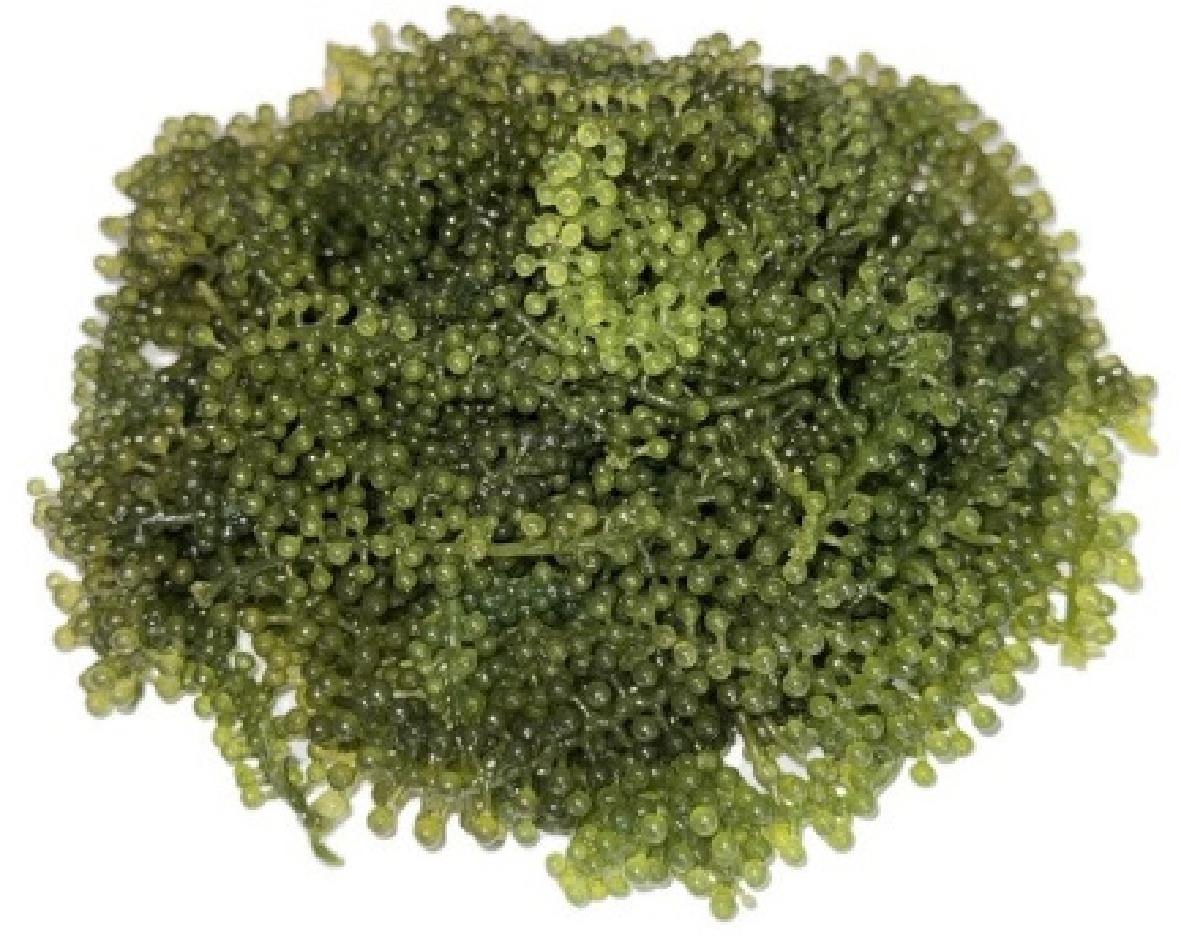
Figure 1.
Caulerpa lentillifera.
Table 1. Bioactive compounds from C. lentillifera.
Bioactive compound Chemical structure Bioactivity Mechanism of action Ref. Sulfated polysaccharide 
Antimicrobial Disrupts microbial cell membrane permeability, leading to cell apoptosis. [1,5] Binds to the S glycoprotein to prevent SARS-CoV-2 host cell entry. [11] Inhibits adhesion of Helicobacter pylori to gastric mucosa and disrupts bacterial colonization. [12] Antidiabetic Inhibits α-glucosidase enzyme activity. [13] Anti-inflammatory Inhibits pro-inflammatory cytokines and modulates immune responses to reduce inflammation. [1,14] Siphonaxanthin 
Anticancer Induces apoptosis in human leukemia HL-60 cells by downregulating Bcl-2 expression. [6] Antioxidant Scavenges free radicals and reduces oxidative stress. [1,15] Caulerpin 
Anticancer Inhibits invasion and migration of colorectal cancer cells and induces apoptosis. [16] Polysaccharide 
Anticancer Inhibits colon cancer cell growth and regulates amino acid levels via aminoacyl-tRNA biosynthesis. [17] Polyphenols 

Antimicrobial Disrupts microbial cell membrane function, causing apoptosis. [1] Lipopolysaccharide 
Anti-inflammatory Inhibiting pro-inflammatory cytokines (IL-6, TNF-α) and inflammatory mediators (COX-2, PGE2, NO). [18] Flavonoids 

Antioxidant Scavenges free radicals and reduces oxidative stress. [1] Vitamin C 
Antioxidant Neutralizes reactive oxygen species (ROS), protects lipids, proteins, and DNA from oxidative damage. [1,5] Gas chromatography-mass spectrometry (GC-MS) analysis has been extensively used to characterize bioactive compounds in C. lentillifera. Hapsari et al.[19] demonstrated that the water extract of C. lentillifera contained diterpenes, phytol, and fatty acids, while the ethanol extract contained diterpenes, phytol, fatty acids, and esters. Meanwhile, Sangpairoj et al.[20] reported the presence of polycyclic hydrocarbons, amino acids, and carboxylic acids in ethyl acetate extract with dl-2-phenyltryptophane (retention time [RT] 43.545 min, 29.28%) and benzoic acid (RT 6.56 min, 13.79%) identified as major bioactive compounds. Furthermore, Rajasegaran et al.[21] revealed 36 bioactive compounds in methanol extract with hexadecenoic acid (RT 17.196 min, 28.61%) identified as a major compound. The presence of numerous bioactive compounds within a single food source, such as C. lentillifera, creates a powerful synergy that significantly enhances its value for food applications. Rather than offering a single benefit, this diversity allows the food to function as a multi-targeted therapeutic and preservative agent.
-
It has been reported that C. lentillifera produces considerable quantities of secondary metabolites that serve as protective compounds against pathogenic microbes[22]. These compounds are responsible for the antimicrobial activity exhibited by the algae against a wide range of pathogenic microorganisms, and these are attributed to various mechanisms through which microbial cell membranes are ruptured, inhibited, suppressed, controlled growth, or disrupted signaling pathways. Some of these compounds, particularly sulfated polysaccharides, have been shown to possess strong antimicrobial properties by compromising the integrity of microbial cell membranes and inducing apoptosis[1,5]. Various studies have stressed the role of polysaccharide sulfate in attacking both Gram-positive and Gram-negative pathogenic microbes. For example, Le et al.[12] investigated the anti-adhesive activity of the low molecular sulfate polysaccharides of C. lentillifera (CLCP) against H. pylori. They observed that the two purified polysaccharide fractions (CLCP-1 and CLCP-2) exhibited strong antibacterial activity against H. pylori, significantly promoted macrophage proliferation, decreased the production of nitric oxide (NO) through downregulated expression of inducible nitric oxide synthase (iNOS), and efficiently protected gastric adenocarcinoma (AGS) cells against H. pylori with the inhibition of the IL-8/NF-κB axis.
These antibacterial effects can be attributed to several molecular mechanisms involving sulfated polysaccharides, polyphenols, and caulerpin, which are derived from C. lentillifera and compromise bacterial structural integrity by targeting both the peptidoglycan cell wall and plasma membrane, particularly in pathogenic species such as H. pylori[1,5,23]. These compounds electrostatically bind to positively charged bacterial surface proteins, inducing membrane destabilization and pore formation that markedly increase permeability[24]. Consequently, essential intracellular ions including potassium (K+), sodium (Na+), magnesium (Mg2+) and calcium (Ca2+), as well as nucleic acids (DNA and RNA), ATP, ATPase enzymes and cytoplasmic proteins are lost through the compromised membrane, resulting in metabolic dysfunction and eventual cell death[1,5,25]. This disruption is further intensified by the integration of these bioactives into the lipid bilayer, which impairs phospholipid mobility and collapses the transmembrane proton gradient necessary for ATP synthesis. Although sublethal concentrations may trigger adaptive responses such as altered fatty acid composition within bacterial membranes, sustained exposure leads to irreversible damage characterized by persistent ion efflux, energy depletion, respiratory inhibition, and eventual cell lysis[25].
In addition to structural damage, C. lentillifera bioactives exert intracellular antimicrobial effects, particularly against H. pylori. Caulerpin intercalates into bacterial DNA, obstructing replication, transcription, and translation, which disrupt gene expression and protein synthesis[14,16]. Polyphenols and sulfated polysaccharides synergistically amplify membrane disruption by compromising lipid bilayers, leading to ATP depletion, cytoplasmic leakage, and cell death[5,23]. Furthermore, sulfated polysaccharides inhibit H. pylori adhesion to gastric epithelial cells by mimicking host glycosaminoglycans while also suppressing pro-inflammatory mediators such as IL-8, NF-κB, and inducible nitric oxide synthase (iNOS), thereby reducing gastric inflammation and oxidative stress[25]. These multifaceted mechanisms demonstrate the broad-spectrum antimicrobial potential of C. lentillifera bioactive compounds against bacteria including H. pylori. The mechanisms underlying the antibacterial activity of C. lentillifera are summarized in Fig. 2. While C. lentillifera extracts have demonstrated inhibitory activity against common foodborne pathogens such as H. pylori, most studies rely on crude organic solvent extracts tested in vitro using disk diffusion and minimum inhibitory concentration (MIC) assays. Without fractionation-guided studies and stability assays under food processing conditions (e.g., heat and pH variation), the real-world utility of this seaweed as a natural food preservative is currently overstated.
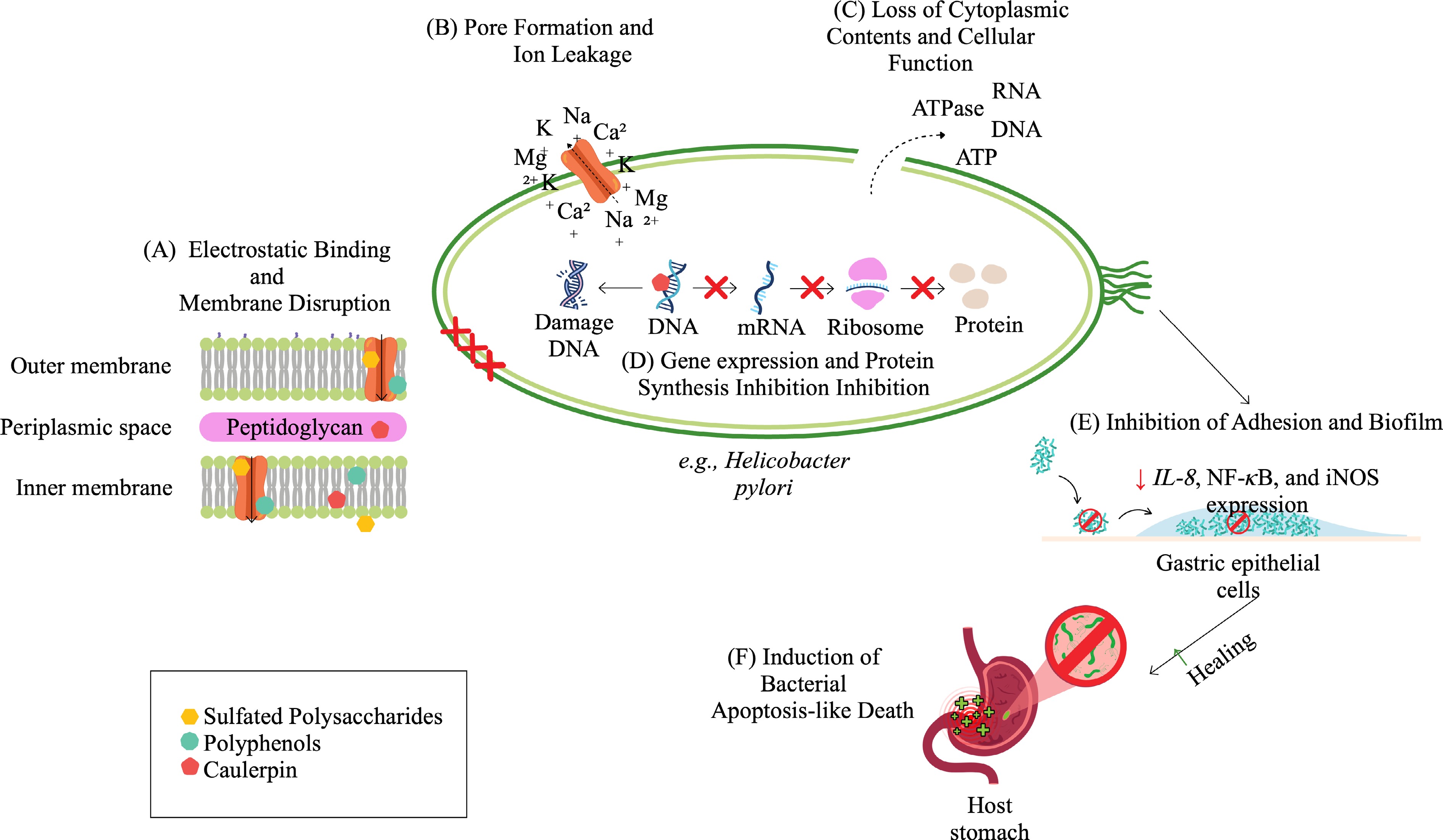
Figure 2.
Sequential antibacterial mechanisms of sulfated polysaccharides, polyphenols, and caulerpin derived from C. lentillifera.
Besides its antibacterial mechanism, sulfated polysaccharides in C. lentillifera have been demonstrated to have powerful antiviral effects, even against SARS-CoV-2, by interfering with multiple key stages of the viral life cycle[26]. The abundant negatively charged sulfate groups in these SPs enable direct electrostatic binding to the viral spike glycoprotein, leading to the formation of stable complexes that mask essential receptor-binding domains and inactivate viral particles, thereby preventing their attachment to host cells[27,28]. Moreover, these SPs structurally mimic host glycosaminoglycans such as heparan sulfate, allowing them to competitively inhibit SARS-CoV-2 adsorption and invasion by blocking the spike protein's interaction with the ACE2 receptor, effectively preventing viral entry into host epithelial cells[29,30]. Following viral entry, sulfated polysaccharides derived from Caulerpa lentillifera can penetrate host cells and suppress SARS-CoV-2 by inhibiting RNA-dependent RNA polymerase activity, thereby blocking subgenomic RNA production and disrupting viral protein synthesis required for progeny virion production[29,30]. In the final stages of the viral cycle, these sulfated polysaccharides interfere with viral egress by altering host membrane fluidity, rendering it less fluid, thereby reducing the dissemination of newly formed virions[31]. Additionally, C. lentillifera-derived SPs enhance host antiviral immunity by stimulating the activation of macrophages and natural killer cells, as well as promoting the release of antiviral cytokines[27,32]. These comprehensive antiviral and immunomodulatory actions highlight the therapeutic potential of Caulerpa lentillifera sulfated polysaccharides in the prevention and treatment of COVID-19. The mechanisms underlying the antiviral activity of C. lentillifera are summarized in Fig. 3.
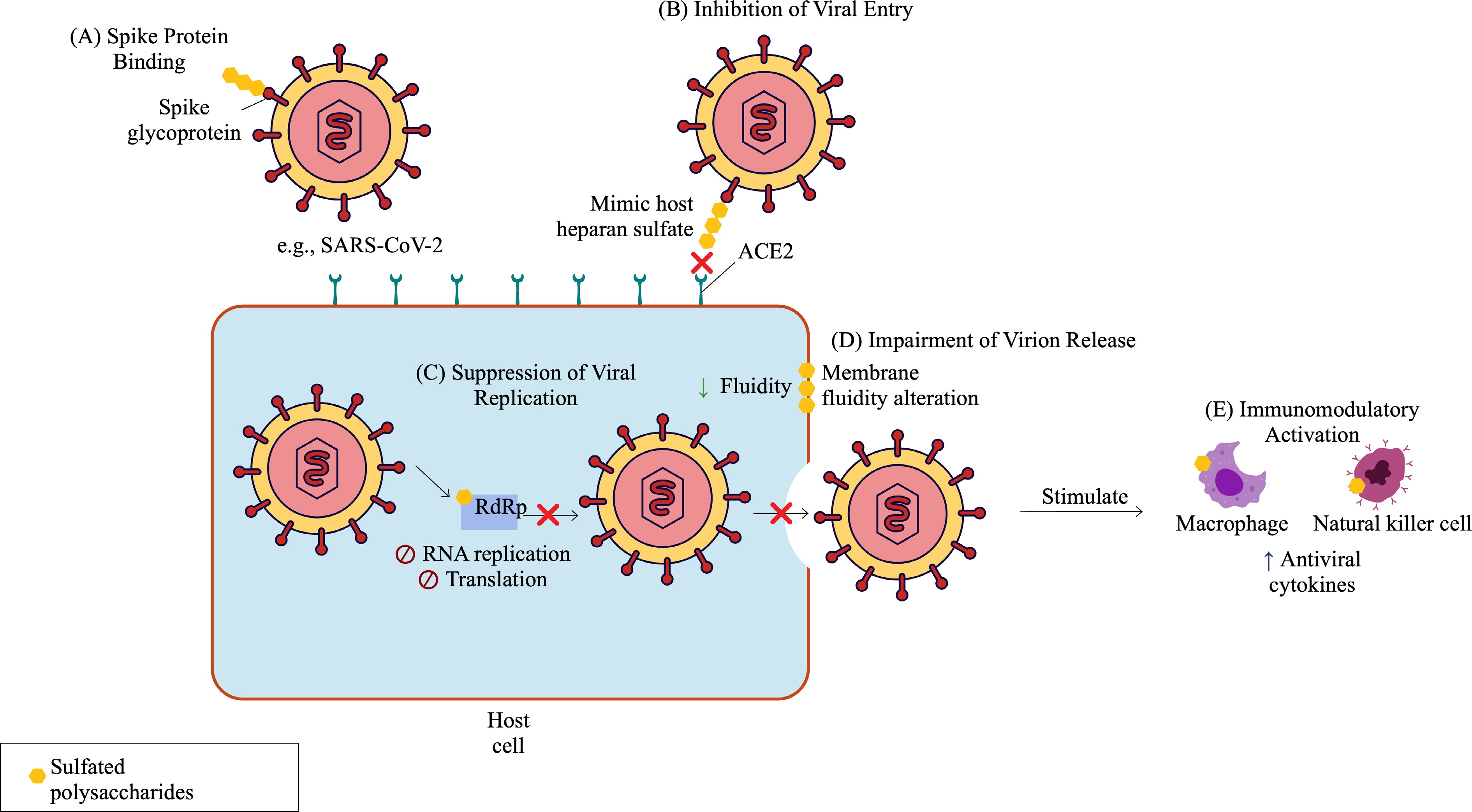
Figure 3.
Sequential antiviral mechanisms of sulfated polysaccharides from C. lentillifera.
-
The phenomenon of oxidative stress contributes significantly to the development of chronic illnesses, including cardiovascular diseases, diabetes, and even neurodegenerative disorders. C. lentillifera is known to be rich in antioxidants, which are important for safeguarding the liver from oxidative damage[33]. According to Costa et al.[10], C. lentillifera has bioactive compounds that may provide functional health benefits, such as protecting the liver from oxidative damage and potentially improving other health conditions. The antioxidant properties of C. lentillifera are quite significant due to the presence of bioactive compounds like siphonaxanthin and flavonoids. Siphonaxanthin, a carotenoid present in C. lentillifera, is known to mitigate the effects of free radicals, thus curtailing oxidative stress and harm to cells[1]. Siphonaxanthin aids in the elimination of damaging free radicals and thus protects cells from oxidative damage, which is critical in the aging process and the onset of chronic diseases. Osotprasit et al.[15] evaluated the antioxidant capacity of C. lentillifera extracts in five fractions (ethanol-CLET, hexane-CLHE, ethyl acetate-CLEA, butanol-CLBU, and aqueous-CLAQ). They revealed that CLEA, CLHE, and CLET fractions showed a high percentage of inhibition of DPPH radicals, while CLAQ and CLBU fractions showed low antioxidant activity. The EC50 value of the CLEA fraction was 535 µg/ml. The EC50 values of CLHE and CLET fractions were 2,947.41 and 3,088.77 µg/ml, respectively. In contrast, the EC50 values of CLAQ and CLBU fractions were more than 5,000 µg/ml.
In C. lentillifera, another prominent section of antioxidant compounds, flavonoids, play a critical role in decreasing oxidative stress. Syakilla et al.[1] showed that these compounds have free radical scavenging activity and, therefore, reduce the oxidative damage of cells and tissues. The antioxidant activities of C. lentillifera are pertinent to cellular well-being, especially in combating the oxidative damage caused by aging and chronic illnesses, in addition to safeguarding cells from environmental factors. Also, a potent antioxidant found in C. lentillifera, vitamin C, and biologically active compounds protect cellular components such as lipids, proteins, and DNA from oxidative damage by scavenging reactive oxygen species (ROS), which supports its therapeutic potential in diseases associated with oxidative stress[1,5]. In light of the essential burden of diseases globally caused by oxidative stress, the antioxidant properties of C. lentillifera offer an exciting opportunity for additional investigation and development of therapeutic approaches.
The antioxidant activity of C. lentillifera is largely attributed to its bioactive constituents such as flavonoids, phenolic compounds, siphonaxanthin, and vitamin C. These molecules scavenge harmful reactive oxygen species (ROS) such as hydroxyl, superoxide, and peroxyl radicals, including those generated in mitochondria by donating hydrogen atoms or electrons, thus stabilizing the radicals and preventing cellular damage[1,5,25]. Siphonaxanthin, due to its highly conjugated double bond system, exhibits strong singlet oxygen-quenching ability, particularly within lipid-rich environments such as cellular membranes, where oxidative damage is most prevalent[15]. In addition to direct radical scavenging, phenolics and sulfated polysaccharides activate the Nrf2 signaling pathway, leading to its translocation into the nucleus, where it binds to antioxidant response elements (ARE), which enhances the expression of key antioxidant enzymes including superoxide dismutase (SOD), catalase (CAT), and glutathione peroxidase (GPx), thereby reinforcing the intracellular antioxidant defense system[5,9].
Flavonoids, phenolics and siphonaxanthin disrupt lipid peroxidation by donating electrons to lipid peroxyl radicals, thereby halting the propagation of oxidative chain reactions and protecting membrane lipids from further damage[15,26]. These compounds also help stabilize cell membranes by preventing the accumulation of reactive lipid byproducts that compromise structural integrity and cellular function[1,9]. Additionally, flavonoids, phenolics, and sulfated polysaccharides chelate redox-active metals such as iron (Fe2+) and copper (Cu2+), which would otherwise accelerate ROS formation, thereby reducing oxidative stress and enhancing cellular antioxidant defense[1,5,9].
Other than that, vitamin C plays a central role in antioxidant network support by not only scavenging ROS directly but also regenerating other vital antioxidants like vitamin E, thus maintaining a continuous cycle of antioxidant protection, particularly in lipid-dense cellular regions[33]. This regeneration increases the stability and longevity of lipid-phase antioxidants and contributes to sustained oxidative balance. Concurrently, sulfated polysaccharides promote long-term antioxidant defense by activating the Nrf2 signaling pathway, which leads to the sustained upregulation of stress-response proteins and detoxifying enzymes including SOD, CAT, and GPx[22]. This prolonged activation supports long-term cellular defense and helps prevent oxidative stress–related diseases including cancer, cardiovascular disorders, and arthritis[5,9]. The mechanisms underlying the antioxidant activity of C. lentillifera are summarized in Fig. 4. Nearly all existing antioxidant data on C. lentillifera are derived from chemical-based assays (DPPH, ABTS, FRAP), which do not predict efficacy in complex food matrices or in cellular models of oxidative stress. Additionally, the preservation of lipophilic antioxidants during gastrointestinal digestion is a factor routinely overlooked.
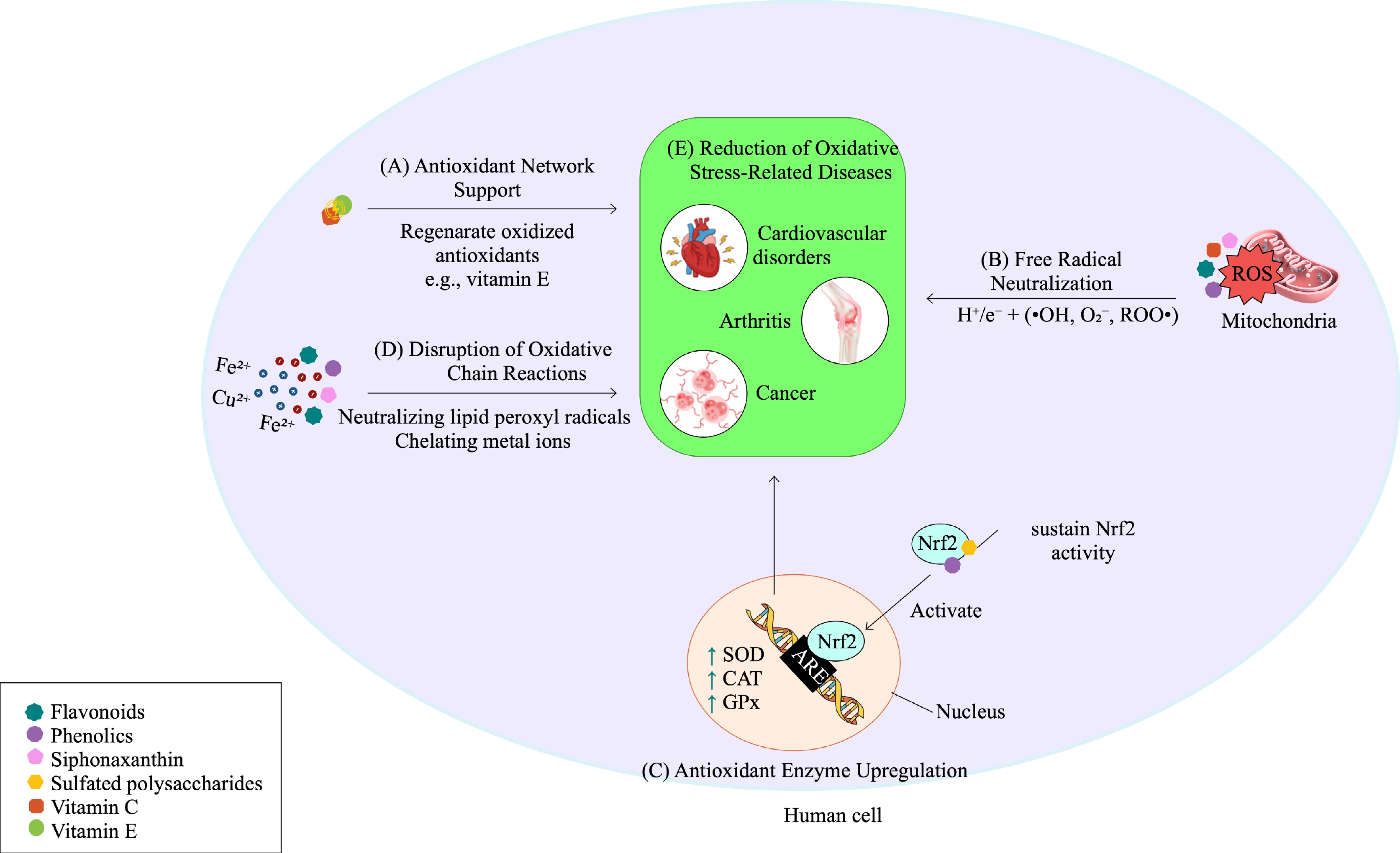
Figure 4.
Sequential antioxidant mechanisms of flavonoids, phenolics, siphonaxanthin, sulfated polysaccharides, and vitamin C from C. lentillifera.
-
Chronic inflammation is one of the factors in developing cardiovascular disease, diabetes, cancer, and even some neurodegenerative diseases. C. lentillifera has demonstrated exceptional anti-inflammatory effects linked to bioactive sulfated polysaccharides and lipopolysaccharides. The sulfated polysaccharides of C. lentillifera have been noted to inhibit the production of TNF-α and IL-6, two critical cytokines involved in inflammation. Thus, C. lentillifera's sulfated polysaccharides have an impact on safety and homeostasis of the immune response in vivo and have relevance to the inflammatory loop in chronic diseases[1]. These polysaccharides alter the functioning of immune cells in a way that enhances protective mechanisms within the body and reduces inflammation. This anti-inflammatory action may provide a natural substitute for conventional anti-inflammatory medications, which often come with significant side effects. In 2021, Cuomo et al.[14] evaluated the anti-inflammatory effects of caulerpin by reverse transcription-quantitative polymerase chain reaction (RT-qPCR) to determine whether it could affect the induction of pro-inflammatory cytokines in response to H. pylori culture filtrate (Hpcf) or Hp(2–20). AGS gastric adenocarcinoma epithelial cells pretreated with caulerpin and then cultured with Hpcf or Hp(2–20) displayed a reduced expression level of IL-6, IL-8, and TNF-α, compared to those not pretreated.
Moreover, lipopolysaccharides obtained from C. lentillifera, alongside sulfated polysaccharides, are known to possess strong anti-inflammatory activity. These inflammatory blockers suppress the expression of mediators such as COX-2, PGE2, and nitric oxide, which are pivotal in the inflammatory cascade[18]. Research demonstrates lipopolysaccharides' ability to reduce inflammation by diminishing the production of these molecules, which is central to inflammatory disease treatment. Overall, these findings indicate that C. lentillifera could serve as a natural anti-inflammatory agent and suggest that its therapeutic properties could be useful in the management of chronic inflammatory diseases.
The anti-inflammatory mechanism of C. lentillifera is mainly mediated through multiple cellular signaling pathways. Firstly, sulfated polysaccharides from C. lentillifera exert their anti-inflammatory activity by targeting toll-like receptor 4 (TLR4) on the surface of immune cells like macrophages[12]. Sulfated polysaccharides competitively bind to TLR4, blocking its activation and the downstream NF-κB signaling cascade[34]. They block pro-inflammatory compounds from attaching, which prevents inflammation from being triggered. This prevents phosphorylation and nuclear translocation of NF-κB, which in turn suppresses expression of pro-inflammatory mediators such as tumor necrosis factor-alpha (TNF-α), interleukin-6 (IL-6), and inducible nitric oxide synthase (iNOS)[1,34]. This action decelerates macrophage activation as well as the secretion of inflammatory cytokines, which aids in managing inflammation. Studies utilizing lipopolysaccharide-induced cell and animal models have demonstrated significant reductions in TNF-α and IL-6 levels upon sulfated polysaccharide treatment, highlighting its modulatory action on NF-κB-dependent inflammation[1,12,34].
In addition to this pathway, phenolic compounds in C. lentillifera alleviate inflammation by targeting the mitogen-activated protein kinase (MAPK) signaling pathway[35]. Specifically, these compounds inhibit phosphorylation of the p38 MAPK, a key regulator of inflammatory gene expression[18]. This suppression prevents the activation of downstream transcription factors such as activator protein-1 (AP-1), which are responsible for inducing the expression of pro-inflammatory enzymes like cyclooxygenase-2 (COX-2)[14]. As a result, levels of COX-2 and its downstream product prostaglandin E2 (PGE2) are reduced, leading to diminished inflammation, pain, and swelling. These findings have been consistently supported by in vitro and in vivo studies that observed lowered inflammatory mediator expression and reduced leukocyte infiltration following treatment with phenolic-rich extracts[35].
Furthermore, the antioxidant activity of phenolic compounds and sulfated polysaccharides in C. lentillifera plays a crucial role in reducing inflammation by activating the Nrf2 pathway, which enhances the expression of antioxidant enzymes such as SOD, CAT, and GPx[35]. These enzymes neutralize reactive oxygen species (ROS), which are major triggers of inflammation through activation of NF-κB and MAPK pathways. By lowering ROS levels, the antioxidant response helps suppress inflammatory signaling and prevents cellular damage, thereby contributing to inflammation control and tissue protection. Thus, combined mechanisms reduce inflammation in adipose tissue in diabetes and cartilage tissue in arthritis[22]. The mechanisms underlying the anti-inflammatory activity of C. lentillifera are summarized in Fig. 5. The anti-inflammatory potential of C. lentillifera polysaccharides, such as sulfated galactans, in lipopolysaccharide-stimulated macrophages is promising. However, insufficient research has examined whether processing steps such as fermentation degrade these heat-labile sulfated polysaccharides. To support a functional food claim, ex vivo human whole blood assays and low-grade inflammation models are urgently needed, rather than relying solely on acute inflammation studies using immortalized cell lines.
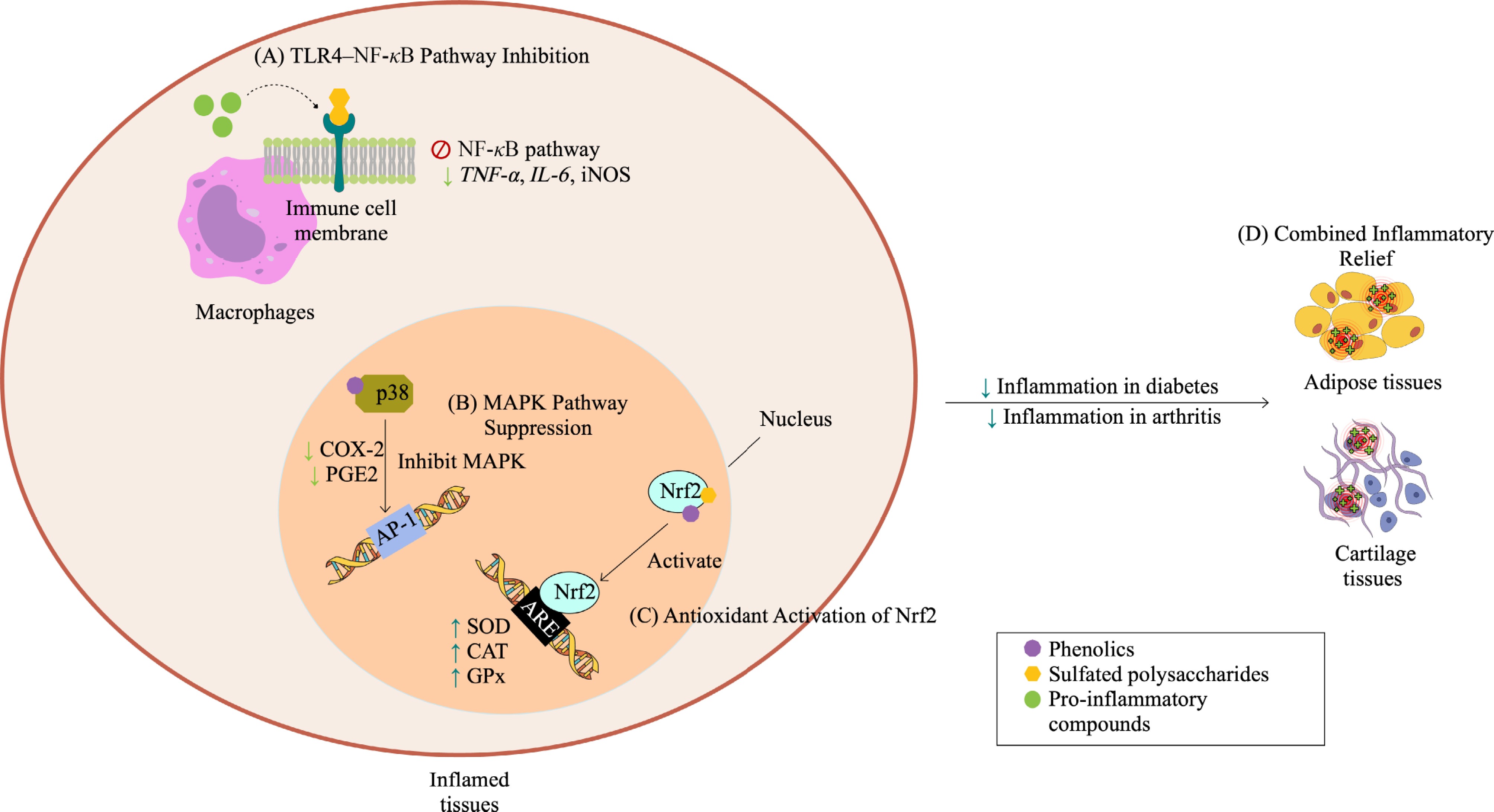
Figure 5.
Sequential anti-inflammatory mechanisms of sulfated polysaccharides and phenolic compounds from C. lentillifera.
-
Finding effective treatments for cancer remains a challenge since it is still one of the leading causes of mortality around the globe. Some seaweeds have been reported to possess anticancer activities, thus identifying C. lentillifera as a possible candidate for anticancer investigations. The carotenoid Siphonaxanthin from C. lentillifera triggers apoptosis in human leukemia HL-60 cells via downregulation of the anti-apoptotic protein Bcl-2[6]. This highlights the promise of siphonaxanthin as a therapeutic agent aimed at overcoming some of the survival pathways utilized by cancer cells. Furthermore, the extract of C. lentillifera significantly reduced the accumulation of triglycerides in lipid-enriched HepG2 hepatocytes and modulated key molecules that regulate lipid metabolism. Therefore, this seaweed may serve as a lipid-lowering agent for the prevention of non-alcoholic fatty liver disease[20].
Caulerpin, another bioactive component derived from C. lentillifera, has exhibited significant anticancer effects, especially concerning colorectal cancer. Mert-Ozupek et al.[16] determined the anticancer activities of caulerpin against HCT-116 and HT-29 colorectal cancer (CRC) cell lines. The compound was found to decrease cell viability in a concentration-dependent manner (IC50 values: 119–179 µM), inhibit invasion-migration, and induce apoptosis in CRC cells. Furthermore, some polysaccharides from C. lentillifera also inhibit the growth of colon cancer cells by modulating amino acids through the aminoacyl-tRNA self-assembly pathway, which is instrumental in energising the cancer cell metabolism[17]. All the aforementioned findings support the hypothesis that C. lentillifera has some natural anticancer properties. There is a need to confirm these effects in larger trials and evaluate toxicity and pharmacokinetics to establish optimal doses and possible interactions with other therapies.
From a mechanistic perspective, the anticancer activity of C. lentillifera is primarily attributed to its ability to induce apoptosis and inhibit tumor progression through multiple molecular pathways involving siphonaxanthin, caulerpin, and sulfated polysaccharides[5,6]. One of the earliest events is the generation of intracellular reactive oxygen species (ROS), which act as signaling molecules to trigger apoptosis[36]. Siphonaxanthin, in particular, functions as a pro-oxidant by elevating ROS levels in cancer cells, leading to mitochondrial membrane depolarization and the release of cytochrome c into the cytosol[16]. When this happens to mitochondria, it turns on the intrinsic apoptotic pathway, which causes cytochrome c to bind to apoptotic protease activating factor-1 (Apaf-1), making an apoptosome that starts the activation of caspase-9[17]. Then, caspase-9 activates caspase-3, leading to the cleavage of nuclear DNA and structural proteins, which are essential for cell survival. These sequential events ultimately result in controlled apoptotic cell death and the reduction of tumor mass, including colorectal, leukemic, and epithelial cancer cells.
Additionally, caulerpin exerts its pro-apoptotic effect through inhibition of the PI3K/Akt/mTOR signaling pathway, a major survival axis in many cancer types[36]. Caulerpin prevents their phosphorylation and blocks downstream activation of mTOR by binding directly or indirectly to PI3K or Akt proteins. This action suppresses proliferative and anti-apoptotic signals that normally support cancer cell growth[6]. Simultaneously, siphonaxanthin, caulerpin, and sulfated polysaccharides contribute to cell cycle arrest at the G1 or G2 checkpoints, which inhibits DNA replication and mitotic progression, halting cancer cell proliferation[37]. The implementation of G1 or G2 cell cycle arrest not only delays tumor growth but also makes cancer cells more sensitive to apoptosis[36]. Sulfated polysaccharides have also been shown to damage the structural integrity of cancer cell membranes and interfere with mitotic spindle formation, further contributing to cytostatic effects[38]. Altogether, these multifaceted actions of bioactive compounds in C. lentillifera lead to effective cancer cell apoptosis and suppression of tumor progression across various cancer models.
Beyond direct cytotoxic effects, sulfated polysaccharides from C. lentillifera also enhance anticancer immunity by activating macrophages and natural killer cells, which identify and eliminate tumor cells. These compounds stimulate the release of cytokines such as TNF-α and IFN-γ, reinforcing immune responses against malignancies[16]. By supporting both innate immune function and long-term tumor surveillance, sulfated polysaccharides play a key role in immune-mediated cancer suppression. The mechanisms underlying anticancer activity of C. lentillifera is summarized in Fig. 6. To date, no study has accounted for the matrix effects of food components on the bioavailability of active metabolites such as caulerpin or palmitic acid. Until pharmacokinetic studies in animal models are performed using realistic food dosages, the current literature remains a collection of cytotoxic screening data with questionable translational value for functional food development.
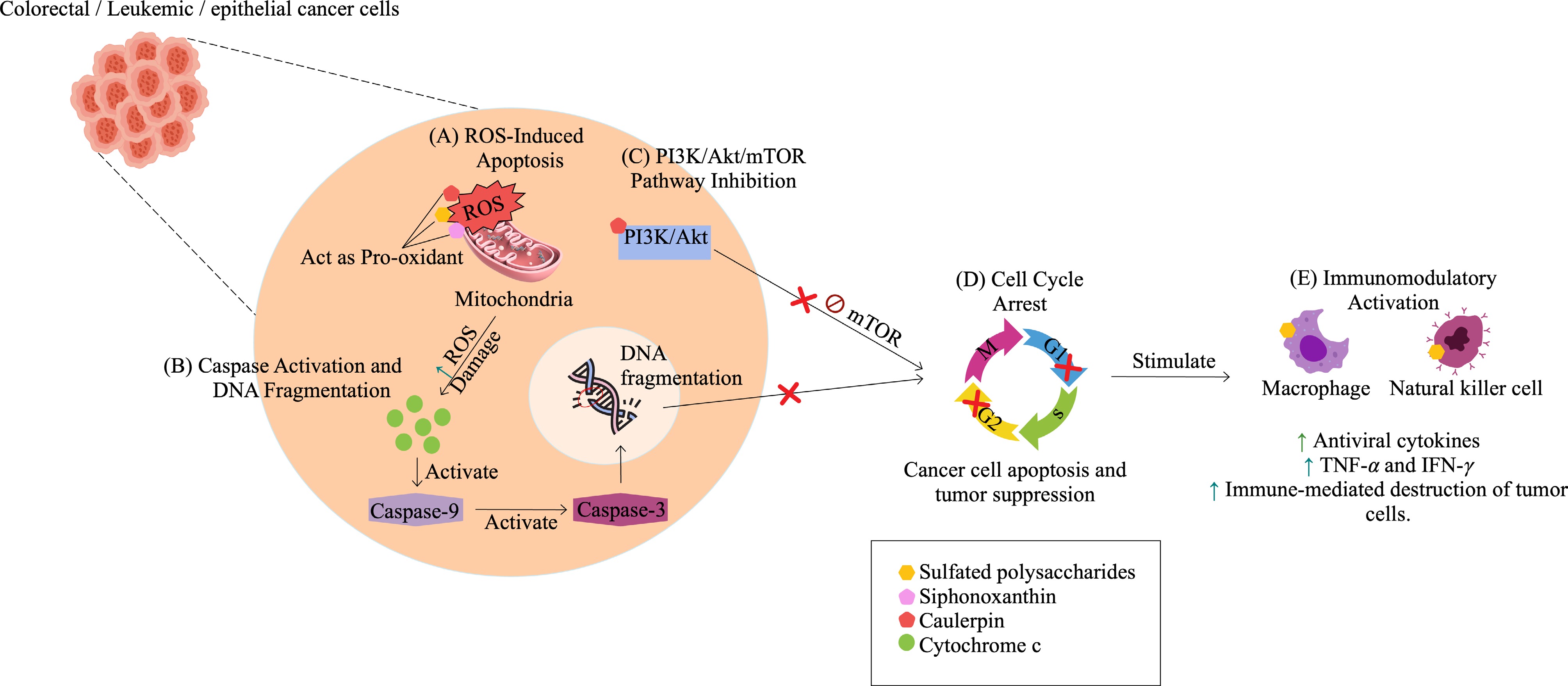
Figure 6.
Sequential anticancer mechanisms of siphonaxanthin, caulerpin and sulfated polysaccharides from C. lentillifera.
-
Due to its bioactive compounds, especially sulfated polysaccharides and polyphenols, C. lentillifera has shown significant promise for diabetes management. It is a global health issue that is defined by insulin resistance and impaired glucose metabolism. C. lentillifera has therapeutic effects on controlling blood glucose levels and improving insulin sensitivity. Srinorasing et al.[13] reported that crude lipid extracts of C. lentillifera exhibited α-glucosidase inhibitory activity with an IC50 value of 8.97 mg/mL, which could potentially be used in food supplements for preventing diabetes. The inhibition of this enzyme lowers glucose absorption and thereby attenuates the rise of blood glucose level after meals. Meanwhile, Manoppo et al.[39] studied the effect of C. lentillifera on serum glucose in the liver of Rattus norvegicus, which is induced with a high-fat and high-cholesterol diet. They demonstrated that groups treated with C. lentillifera extract showed a significantly lower blood glucose level than rats fed cholesterol-and fat-enriched diets (CFED).
Antidiabetic activity is also contributed by polyphenolic compounds present in C. lentillifera. These polyphenols are shown to inhibit glycation, the conjugation of saccharides with proteins leading to advanced glycation end-products which are also related to diabetic complications. In addition, polyphenols improve insulin sensitivity in the body, indicating its mechanism of action in restoring the body's response to insulin and protecting pancreatic cells from oxidative damage as diabetes occurs[1]. Considering these various mechanisms, C. lentillifera may be a potential natural compound to counteract diabetes. Further studies are needed to define the best dosages, bioavailability, and long-term effectiveness of C. lentillifera in human populations.
Therefore, the molecular basis of the antidiabetic activity of sulfated polysaccharides from C. lentillifera is closely linked to their inhibitory effects on the digestive enzymes α-glucosidase and α-amylase which are crucial for breaking down dietary carbohydrates into absorbable sugars[13]. The α-amylase found in the intestinal lumen hydrolyzes complex starch into disaccharides such as maltose. Subsequently, α-glucosidase converts maltose into glucose for absorption. Inhibition of these two enzymes by sulfated polysaccharides slows the digestion of carbohydrates, delays glucose absorption, and reduces glucose absorption from sudden spikes of post-meal blood sugar, like after eating rice. This action mimics the mechanism of pharmaceutical α-glucosidase inhibitors, offering a natural strategy for glycemic control in individuals with type 2 diabetes.
In addition to their enzyme inhibitory activity, both sulfated polysaccharides and polyphenols contained in C. lentillifera exhibit strong antioxidant properties by modulating oxidative stress-related pathways implicated in diabetes progression through the scavenging of reactive oxygen species and upregulating endogenous antioxidant enzymes[1]. This mechanism protects pancreatic β-cells from oxidative stress and inflammation. The β-cell protection mechanism ensures that the body continues to produce insulin naturally, which is essential for maintaining normal blood glucose levels in people with type 2 diabetes. Polyphenols further enhance insulin sensitivity by activating the PI3K/Akt signaling pathway[40]. This promotes enhancement of glucose uptake in muscle and adipose tissue and restores the body's response to insulin, thereby addressing the insulin resistance central to type 2 diabetes[41]. Additionally, the anti-inflammatory actions of these bioactive compounds also help preserve β-cell function and improve overall metabolic health[1]. The mechanisms underlying the antidiabetic activity of C. lentillifera are summarized in Fig. 7. Inhibition of α-amylase and α-glucosidase by C. lentillifera extracts has been repeatedly demonstrated, leading to claims of postprandial glycemic control. However, many studies have not separated the effect of dietary fiber from that of chemical inhibitors. For functional food applications, a chronic feeding study in diabetic rodent models measuring HbA1c and insulin sensitivity is mandatory, as no acute starch-tolerance test has yet confirmed these enzyme-inhibitory effects ex vivo or in vivo.
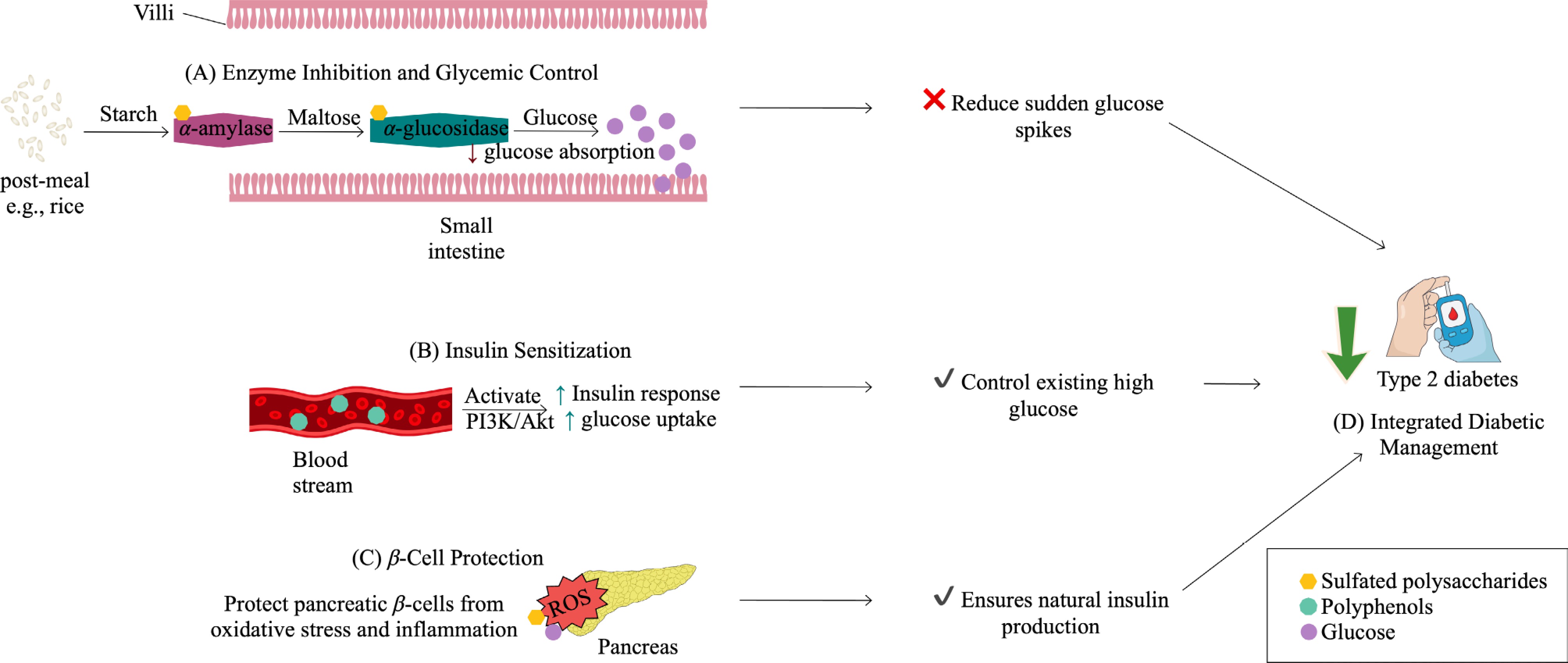
Figure 7.
Sequential antidiabetic mechanisms of sulfated polysaccharides and polyphenols from C. lentillifera.
-
The incorporation of C. lentillifera, or sea grapes, into diet formulation represents a promising frontier in functional food and nutraceutical development, though it is not without its challenges. Its primary value lies in its exceptional nutritional density, being a rich source of dietary minerals like iodine, calcium, and iron, vitamins, essential amino acids, and unique bioactive compounds such as sulfated polysaccharides and caulerpin[1,5]. The most straightforward method of incorporation is the direct use of fresh or dried biomass in whole food applications. It is traditionally consumed as a fresh vegetable in salads and side dishes across Southeast Asia, particularly in the Philippines, Japan (where it is known as umi-budō), and Vietnam. Beyond this, the dried and powdered form of sea grapes is increasingly being used as a functional ingredient to fortify a wide array of products, including pasta, noodles, bread, crackers, and even sausages, enhancing their mineral content and adding a unique umami flavor profile[42]. In animal production, incorporating sea grapes into feed has been shown to improve growth performance, feed efficiency, and innate immune responses in aquaculture species such as white shrimp and rabbitfish[43], pointing towards its role as a sustainable alternative to antibiotics and synthetic growth promoters. Beyond whole food use, specific diets and product lines are beginning to utilize concentrated C. lentillifera extracts. Notably, it is featured in specialized nutraceutical and 'superfood' supplements, often in capsule or powdered blend form, marketed for its high antioxidant and mineral content. Furthermore, extract fractions are being investigated for inclusion in functional beverages and health drinks aimed at managing metabolic syndrome. According to Dewi & Purnamayati[44], Caulerpa extract has been successfully incorporated into beverage applications as a natural colorant in jelly drinks while enhancing antioxidant properties and maintaining acceptable organoleptic qualities.
Regarding stability and shelf life, the incorporation of C. lentillifera presents a double-edged sword. On one hand, its high concentration of natural antioxidants, including polyphenols and vitamins, can act as preservatives in food products[45]. These compounds donate hydrogen atoms to free radicals, terminating oxidative chain reactions that lead to lipid rancidity and color degradation, thereby potentially extending the shelf life of the fortified food matrix. However, a significant critical challenge is the inherent instability of its most prized pigments, chlorophylls, which are prone to photodegradation and can lead to undesirable color changes (e.g., from bright green to olive brown) during processing and storage[46]. Therefore, optimizing processing techniques, such as employing low-temperature drying, protective packaging, and microencapsulation of extracts[47], is paramount to preserving the organoleptic qualities, bioactive compounds, and ultimately, the commercial viability of C. lentillifera-enriched diets.
Antimicrobial Resistance (AMR) is the ability of microorganisms (such as bacteria, viruses, fungi, and parasites) to survive or grow despite the presence of drugs designed to kill them or inhibit their growth. In essence, the medicines that were once effective for treating infections become useless. A significant driver of AMR is the overprescription and misuse of antibiotics for common infections[48,49], particularly gastrointestinal and foodborne illnesses. Functional foods fortified with C. lentillifera could leverage the seaweed's inherent, broad-spectrum antimicrobial and antioxidant properties. The bioactive compounds, such as sulfated polysaccharides and phenolic compounds, can inhibit the growth of common foodborne pathogens within the gut[50]. Such functional foods can intervene in the AMR crisis not by acting as direct antibiotics, but by employing indirect, system-based strategies that reduce the need for antibiotic use and make the host environment less hospitable to pathogens. Their role is primarily preventative and supportive, operating through mechanisms that enhance the body's own defenses and alter the microbial ecology within and around us[51−53]. Other studies have also highlighted the importance of functional foods in managing AMR[54−58]. Collectively, functional foods incorporating C. lentillifera are a highly valuable preventative public health strategy, yet their ultimate impact is contingent on broader consumer and systemic adoption. The approach is strategically important because it addresses the root cause of AMR by proactively reducing the incidence of infections that lead to prescriptions, rather than attempting to treat resistant infections after they have already developed.
-
C. lentillifera is a rich source of bioactive compounds including sulfated polysaccharides, polyphenols, caulerpin, flavonoids, phenolics, siphonaxanthin, and vitamin C, which exhibit antimicrobial, antioxidant, anti-inflammatory, anticancer and antidiabetic activities. While promising, most studies are limited to in vitro and animal models with insufficient insight into molecular mechanisms and synergistic effects. This review presents insights into how these compounds may act together to help manage diseases including gastric ulcers, microbial infections, cardiovascular disorders, arthritis, colorectal cancer, leukemia, epithelial cancers and type 2 diabetes. Its most prized pigments, such as chlorophylls and siphonaxanthin, are prone to photodegradation and undesirable color changes during processing and storage, which directly impact organoleptic quality and consumer acceptance. Therefore, employing protective packaging and microencapsulation of extracts is essential to ensure the commercial viability of C. lentillifera-enriched diets. To support therapeutic development, further research should include human clinical trials, detailed molecular investigations, exploration of compound synergy, stability studies under real food processing conditions, and standardization of extraction and analysis methods to ensure reproducibility and validate C. lentillifera as a functional food or natural therapeutic product.
This research was supported by Universiti Teknologi MARA, Malaysia under MYRA Research Grant (Grant No. 800-3/1 GPM (009/2025)).
-
The authors confirm their contribution to the paper as follows: study conception and design: Yahya MFZR, Jalil MTM, Jamil NM, Idris H; data collection, draft manuscript preparation: Aziz NNA, Arshad NSAA, Sherly AT; analysis and review: Yahya MFZR. All authors reviewed the results and approved the final version of the manuscript.
-
The data used to support this study are included within the paper and supplemental file.
-
The authors declare that they have no conflict of interest.
- Copyright: © 2026 by the author(s). Published by Maximum Academic Press on behalf of Nanjing Agricultural University. This article is an open access article distributed under Creative Commons Attribution License (CC BY 4.0), visit https://creativecommons.org/licenses/by/4.0/.
-
About this article
Cite this article
Arshad NSAA, Arshad NNA, Sherly AT, Idris H, Jalil MTM, et al. 2026. Caulerpa lentillifera: a review of its antimicrobial, antioxidant, anti-inflammatory, anticancer, and antidiabetic properties for functional food applications. Food Materials Research 6: e017 doi: 10.48130/fmr-0026-0016 

Caulerpa lentillifera: a review of its antimicrobial, antioxidant, anti-inflammatory, anticancer, and antidiabetic properties for functional food applications
- Received: 26 March 2026
- Revised: 03 June 2026
- Accepted: 15 June 2026
- Published online: 24 September 2026
Abstract: Caulerpa lentillifera, commonly known as sea grapes, is a green macroalga that exhibits significant bioactivity attributed to its diverse array of bioactive compounds, including sulfated polysaccharides, phenolic compounds, vitamins, and unique fatty acids. This review aims to elucidate molecular mechanisms underlying the biological activities of C. lentillifera. Its antimicrobial activity primarily functions through membrane disruption and inhibition of microbial enzymes. The antioxidant effects are mediated via direct free radical scavenging and the upregulation of endogenous antioxidant enzymes like superoxide dismutase through the Nrf2 signaling pathway. Anti-inflammatory properties are exerted by suppressing the NF-κB pathway, thereby reducing the production of pro-inflammatory cytokines such as TNF-α and IL-6. Anticancer potential is linked to the induction of apoptosis via mitochondrial dysfunction and caspase activation, alongside inhibition of proliferative signaling pathways like PI3K/Akt. The antidiabetic mechanism involves the inhibition of carbohydrate-hydrolyzing enzymes, enhancing glucose uptake, and improving insulin sensitivity. Understanding these common molecular mechanisms is of paramount importance as it provides a scientific basis for the development of C. lentillifera as a source of nutraceuticals and functional food ingredients for preventing and managing chronic diseases.
-
Key words:
- Caulerpa lentillifera /
- Antimicrobial /
- Antioxidant /
- Anti-inflammatory /
- Anticancer /
- Antidiabetic /
- Functional food