












-
Pyrogallol (1,2,3-trihydroxybenzene) is a naturally occurring phenolic compound that has historically been used across a wide range of industrial, cosmetic, and medicinal applications. Early uses included photography, where pyrogallol functioned as a reducing agent in black-and-white film development[1]. Subsequently, it was incorporated into hair-coloring products and employed therapeutically for certain dermatological conditions, including psoriasis. However, medical use has largely declined due to concerns regarding its adverse side effects and toxic potential[2]. Furthermore, pyrogallol is employed in the Monier Williams Procedure, which determines the presence of sulfites in food, as 'an oxygen scrubbing solution' to produce high-purity nitrogen.
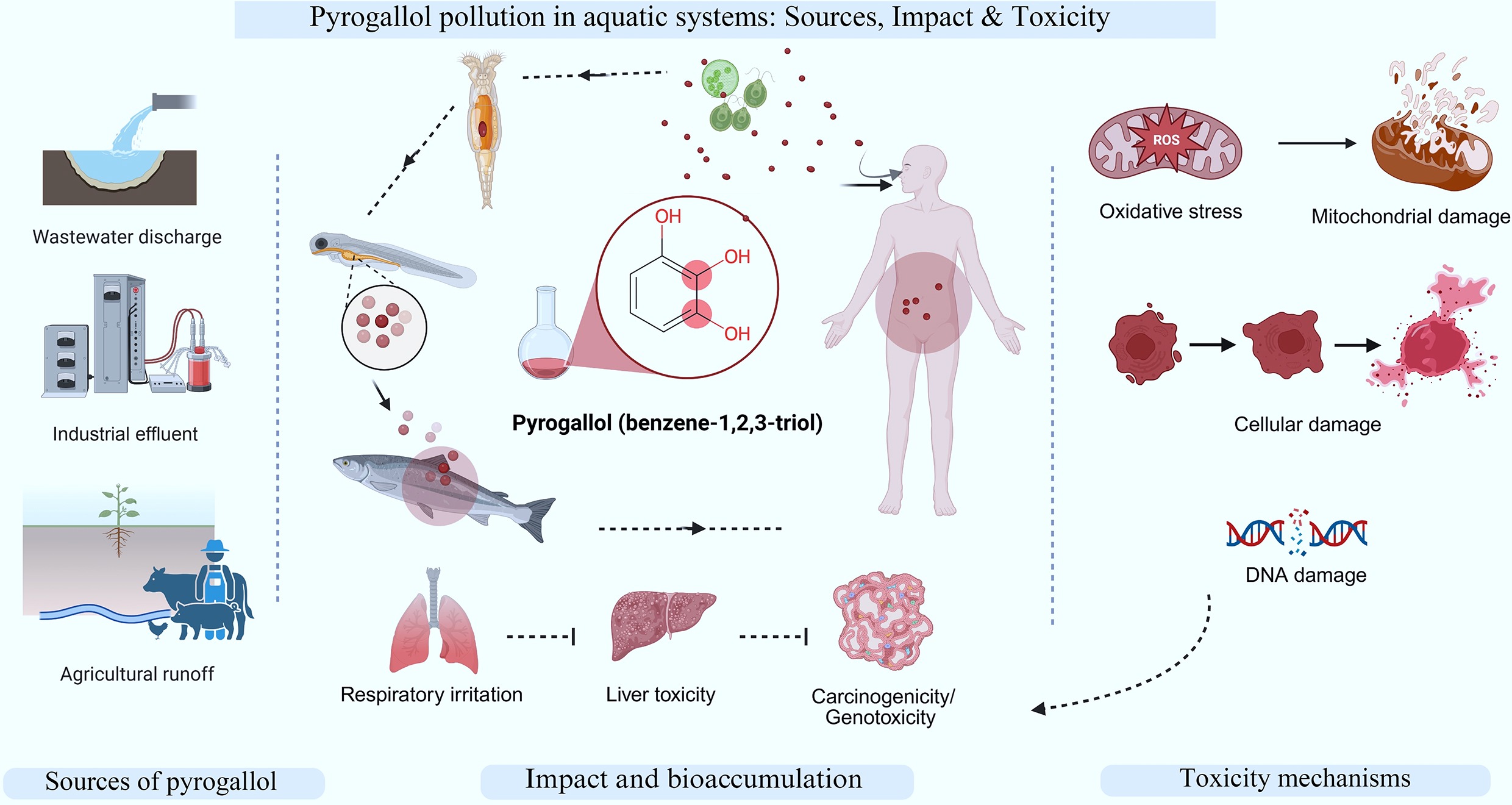
Pyrogallol is primarily introduced into the environment through human activities such as industrial applications, laboratory uses, and manufacturing processes. It is released mainly via wastewater discharge, with additional contributions from soil contamination due to improper waste disposal and minor atmospheric emissions during processing. Once in the environment, it may undergo oxidation or biodegradation; however, elevated levels can still pose ecological risks, particularly to aquatic organisms and microbial ecosystems[3,4]. In aquatic environments, pyrogallol has been linked to reduced oxygen levels, disruption of respiratory functions, and suppression of algal growth. Pyrogallol markedly suppresses the growth and photosynthetic activity of Microcystis aeruginosa TY001 by disrupting photosynthetic reaction centers and blocking electron transport on the PSII acceptor side[5−7].
Such effects highlight its potential to disrupt aquatic food webs and ecosystem functioning. In parallel, pyrogallol presents significant human health risks, particularly following prolonged or high-level exposure. Pyrogallol metabolism involves phase I and phase II detoxification enzymes and is known to influence hepatic antioxidant defenses. Moreover, it can interfere with the nuclear factor erythroid 2-related factor 2 (Nrf2) signaling pathway, a key regulator of cellular redox homeostasis and stress responses[8]. Contact or inhalation may cause skin inflammation and respiratory irritation[9]. At the cellular level, pyrogallol exposure has been linked to oxidative stress, mitochondrial dysfunction, liver injury, and increased protein leakage into the bloodstream[10]. Although it exhibits anti-psoriatic activity, pyrogallol readily generates reactive oxygen species, which can induce oxidative DNA damage (in As4.1 juxtaglomerular cells derived from a kidney tumor of a transgenic mouse)[11,12], genetic mutations, immune suppression, and potentially carcinogenesis in human lungs[10]. Despite these concerns, experimental and field-based studies addressing pyrogallol ecotoxicology, particularly in aquatic environments, remain limited. This lack of data is notable given that pyrogallol is a plant-derived compound often perceived as less harmful than synthetic chemicals. Our recent work has begun to address this gap. Our group has conducted a series of comprehensive studies in fish, demonstrating that pyrogallol induces a broad spectrum of toxic effects, including physiological, biochemical, and histopathological alterations[13−16]. For example, the combined effects of pyrogallol with microplastics resulted in measurable neurotoxicity and immune modulation[17]. Given the wide range of toxic effects linked to pyrogallol exposure, a more comprehensive understanding of its mechanisms of action is critically needed. Equally essential is the development of a robust framework for evaluating its risks to aquatic organisms and human health as a potential emerging environmental contaminant of concern.
Accordingly, this review synthesizes current knowledge on pyrogallol, with emphasis on its physicochemical properties, chemical structure, and applications. We examine its environmental occurrence and exposure pathways, as well as its absorption, metabolism, and acute and chronic toxicological effects in aquatic animals and humans. Finally, we identify critical gaps in existing knowledge and propose future research directions to improve risk assessment and better evaluate the biological impacts of pyrogallol. This review followed a structured literature search approach across major scientific databases to comprehensively collect and synthesize published evidence on pyrogallol, with emphasis on its chemical properties, environmental occurrence, and biological effects in aquatic systems. Relevant peer-reviewed studies retrieved from sources such as PubMed, Scopus, Web of Science, ScienceDirect, and Google Scholar were critically analyzed to provide an integrated overview of pyrogallol's environmental behavior, toxicological impacts, and associated health implications. Overall, the literature indicates a marked increase in research activity over time, reflecting growing scientific interest in pyrogallol, particularly in relation to its toxicity. However, the available evidence remains largely dominated by laboratory-based toxicological investigations, while studies addressing environmental monitoring and real-world exposure are comparatively limited. This imbalance highlights a clear research gap in environmental surveillance and ecological risk assessment, emphasizing the need for further field-based studies to better understand the actual environmental significance of pyrogallol (Supplementary Fig. S1).
-
Pyrogallol, also known as 1,2,3-trihydroxybenzene (Fig. 1a), is an organic chemical that has three hydroxyl groups attached to an aromatic benzene ring[18]. It is a white crystalline compound with high solubility in water and organic solvents[18], has a molecular weight of 126.11 g/mol, a density of 1.45 g/cm3, and has recently gained scientific attention for its intriguing duality. It melts between 131 and 134 °C and boils at 309 °C. It is a water-soluble, white crystalline compound that typically turns brownish upon exposure to oxygen due to its sensitivity[19] (Fig. 1b). Its toxic potential is primarily attributed to its strong redox-active nature and high susceptibility to autoxidation. Its electron-rich aromatic structure facilitates rapid oxidation in the presence of molecular oxygen, leading to the formation of reactive semiquinone and quinone intermediates. Through continuous redox cycling, pyrogallol transfers electrons to oxygen, generating reactive oxygen species (ROS) such as superoxide anion, hydrogen peroxide, and hydroxyl radicals. These ROS are major drivers of oxidative stress, causing damage to cellular lipids, proteins, and DNA. Moreover, its low oxidation potential and enhanced reactivity under alkaline or physiological conditions further increase spontaneous oxidation, intensifying oxidative bursts and contributing to its cytotoxic and genotoxic effects in biological systems[20].
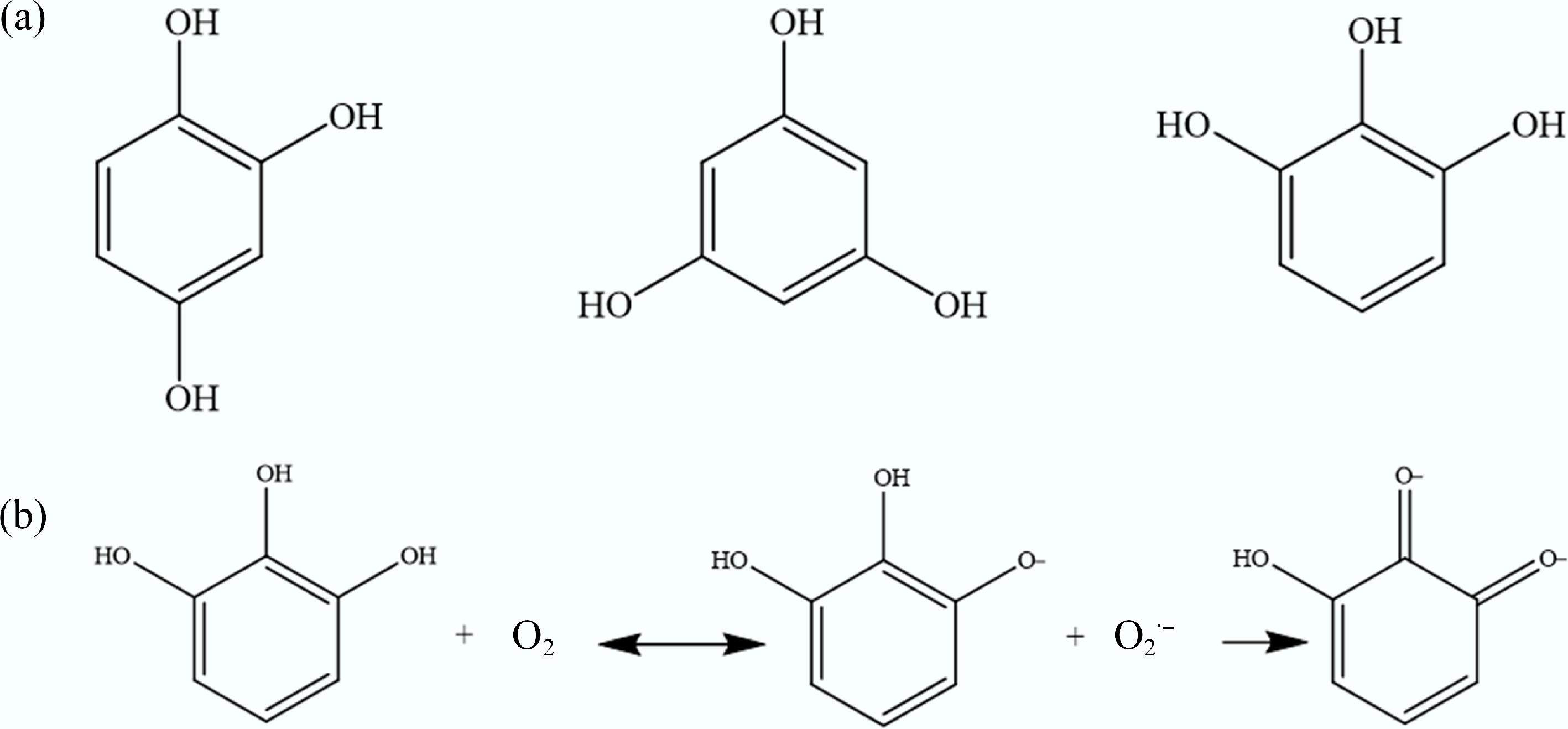
Figure 1.
(a) Structures of trihydroxybenzene and (b) the reaction of pyrogallol with oxygen.
Regarding the analysis of oxygen, pyrogallol can be used as an absorbent for gas analysis. The development of a pyrogallol-coated oxygen-scavenging film may influence oxidative stability[21]. Figure 2a depicts a typical thermal decarboxylation process in which a trihydroxybenzoic acid (e.g., gallic acid) is converted to pyrogallol through the loss of CO2. This reaction highlights a key pathway by which pyrogallol can be generated from naturally occurring phenolic precursors under elevated temperatures[22]. On the other hand, a coherent multi-step pathway exists in which para-chlorophenol disulfonic acid is transformed into gallic acid through cyanation, alkaline fusion, and acidification, followed by thermal decarboxylation to produce pyrogallol. This sequence highlights an effective route for generating pyrogallol via a well-defined gallic acid intermediate (Fig. 2b)[23]. It can also be made by chlorinating cyclohexanol to form tetrachlorocyclohexanone, followed by hydrolysis[24] (Fig. 2c). Overall, gallic acid serves as a fundamental precursor for pyrogallol, which can be produced through decarboxylation under thermal or chemical conditions. This conversion is significant due to the strong reducing and oxygen-scavenging properties of pyrogallol. Accordingly, a sequential approach beginning with gallic acid synthesis and followed by its transformation into pyrogallol offers a well-defined pathway for the development of functional oxygen-scavenging materials, with potential applications in enhancing oxidative stability in food and biological systems[25].
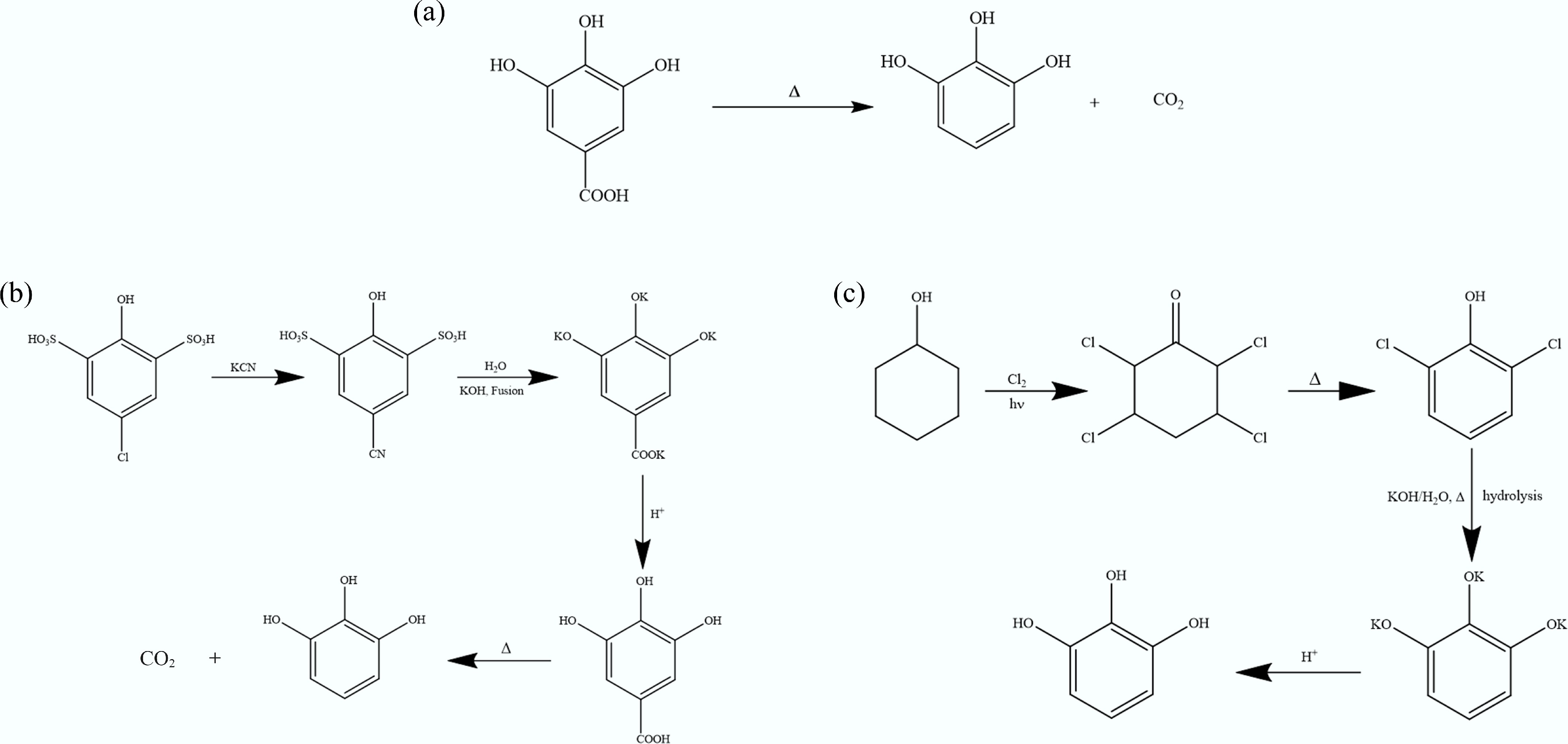
Figure 2.
Synthesis of pyrogallol from (a) gallic acid, (b) para-chlorophenoldisulfonic acid, and (c) cyclohexanol.
-
Pyrogallol is produced from different biological sources, including microbial and plant sources, nuts, and certain types of algae (Fig. 3). Regarding natural sources, plants synthesize a diverse range of polyphenolic secondary metabolites, including pyrogallol, which are involved in defense against pathogens and environmental stressors. Within this class, trihydroxybenzenes (benzenetriols) form a subgroup of polyphenols characterized by a benzene ring bearing three hydroxyl substituents. These hydroxyl groups can be arranged in different ways, creating three isomers: hydroxyquinol, phloroglucinol, and pyrogallol (Fig. 1a). The macrophyte Myriophyllum spicatum was recorded to produce pyrogallic acid in the aquatic ecosystem[26]. Furthermore, freshwater macrophytes release various allelochemical compounds, e.g., gallic acid, pyrogallic acid, catechin, and ellagic acid into the aquatic environment either directly from root exudation, discharge of aerial parts, volatilization, or also passively through plant decomposition[27]. Tannins, which are complex polyphenolic molecules, are degraded by enzymes or microbial action, releasing pyrogallol and other phenolic chemicals into the environment. Tannic acid is catalyzed enzymatically by tannase to make gallic acid, which is subsequently decarboxylated to produce pyrogallol[28]. This process plays an important role in the decomposition of plant detritus, and the pyrogallol that is produced contributes to the metabolic complexity of soil and aquatic habitats. In addition, gallic acid is found in abundance in gallnuts, oak bark, sumac, witch hazel, and tea leaves. Heating is the primary path whereby gallic acid can be converted into pyrogallol. More recently, newer, chemical-based extractions for pyrogallol have evolved through traditional extractions from nature due to progress in synthesis methods. Even so, there are still other ways in which the chemistry of organic compounds depends closely on the ecological sourcing from plants[2,29]. Plants can produce pyrogallol as a secondary metabolite with antibacterial effects when stressed or infected with pathogenic microorganisms. This not only functions as a direct defense against infections but it also has consequences for the microbial population surrounding it[2]. Secreted pyrogallol has the potential to impact the composition and activity of soil microbiota by functioning as a signalling molecule or a selective component for specific microbial populations[30]. This dynamic interaction between plants and microbes, mediated by pyrogallol along with associated compounds, aids in maintaining the complex equilibrium of microbial ecosystems. In addition, various bacterial and fungal species are also capable of producing pyrogallol, each through distinct enzymatic routes. For example, the decomposition of lignin, a complex polymer present in plants, is one typical approach. Ligninolytic fungi from the genera Pleurotus, Trametes, and Phanerochaete are important in this process because they secrete enzymes that break down lignin into smaller compounds, including pyrogallol[31]. In addition, bacteria such as Pseudomonas putida and Rhodococcus contribute to the production of pyrogallol by using aromatic hydrocarbons or phenolic compounds as starting materials. Interestingly, some bacteria, such as some Streptomyces species, use pyrogallol as a precursor to produce antibiotics and other beneficial chemicals, rather than a metabolic waste product.
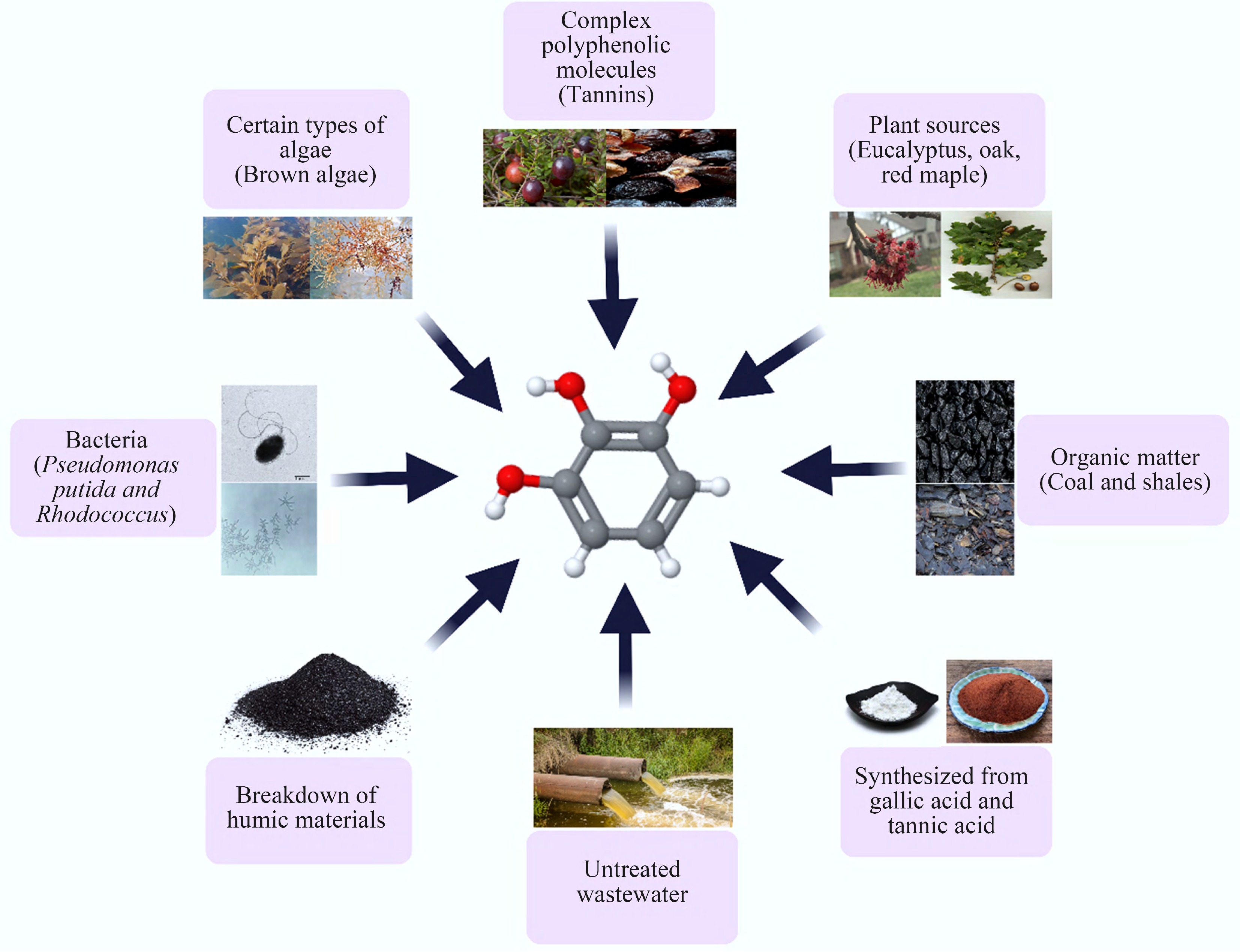
Figure 3.
Potential sources of pyrogallol in the environment.
Anthropogenic sources
-
Pyrogallol is used in a variety of industrial and consumer products (Fig. 4)[32]. To improve the oxidation stability of biodiesel, pyrogallol is often added, and it has been used as a photographic developing agent in the photographic industry. It can be found in the water supply of areas with a high concentration of organic matter, such as coal and shales[33]. Untreated wastewater from homes, businesses, and farms, as well as the breakdown of humic materials, may enter freshwater ecosystems, introducing pyrogallol. It is used as an antiseptic in the hair dye industry and can be utilized for manufacturing different colors for wool dye and to stain leather[32,34]. There are several other uses for it in metallurgy and medicine. It has been used as a potent reducer for gold, silver, and mercury salts, as well as a chemical reagent for antimony and bismuth. It is also utilized as an oxygen scavenger and corrosion inhibitor in boilers because of its antioxidant qualities[35], and can be synthesized from chorismate, an important branch point in the shikimate pathway, using a three-step enzymatic process as follows[36]: Isochorismate synthase (entC) first converts chorismate to isochorismate. Then, isochorismatase (entB) catalyses isochorismate to 2,3-dihydro-2,3-dihydroxybenzoate dehydrogenase, which is then converted into 2,3-DHBA by 2,3-dihydro-2,3-DHBA dehydrogenase (entA). To accomplish de novo pyrogallol production, an efficient 2,3-DHBA 1-monooxygenase capable of converting 2,3-DHBA to pyrogallol is required. Therefore, all these sources have the potential to release pyrogallol into aquatic and even terrestrial ecosystems.
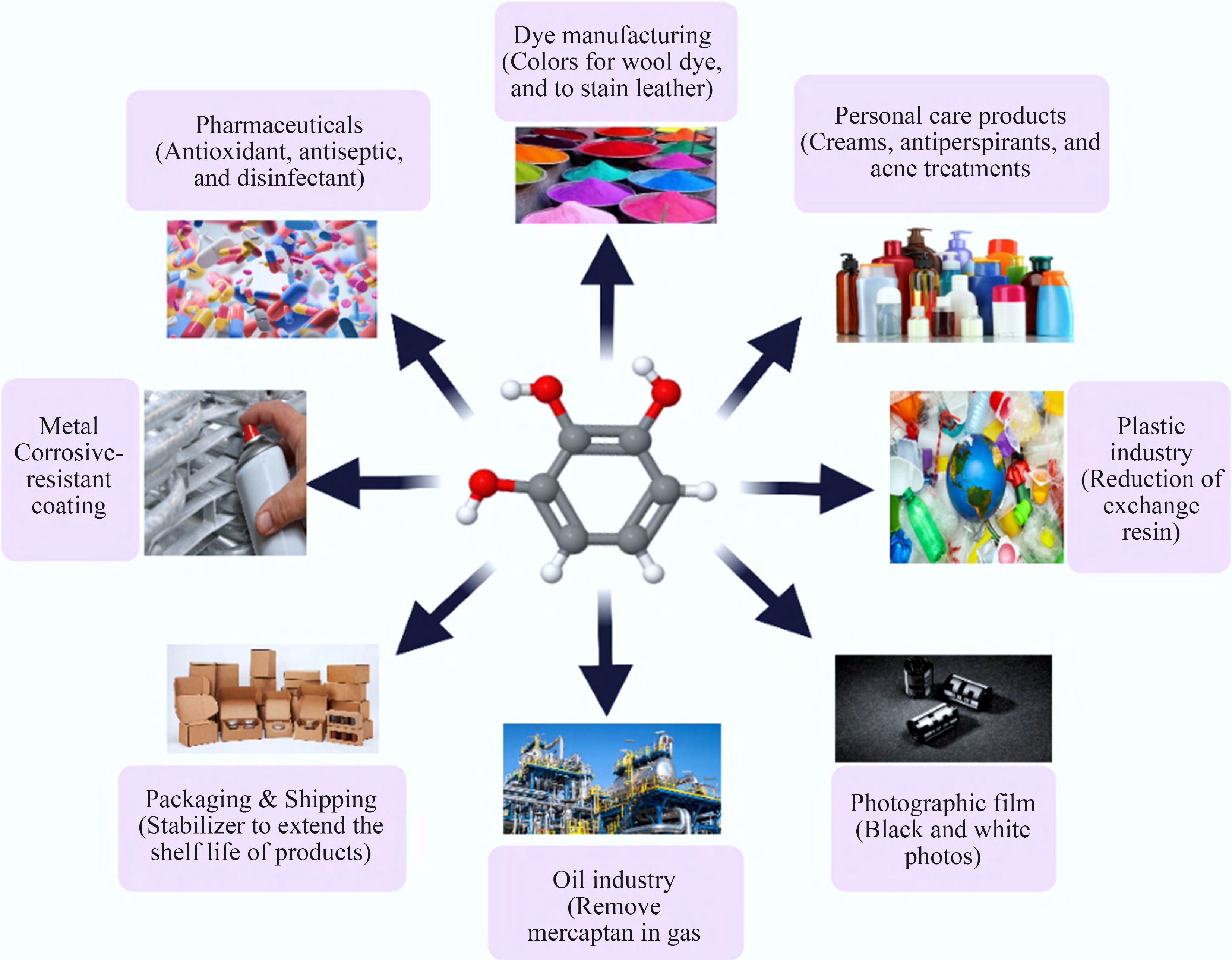
Figure 4.
Industrial applications of pyrogallol.
Occurrence in aquatic systems
-
Although it is widely understood that pyrogallol enters aquatic ecosystems through industrial discharges, urban wastewater, and agricultural runoff, data on its precise concentrations in these environments remain limited. Hamed et al.[13] detected pyrogallol in wastewater samples from the Nile River at Assiut, Egypt, indicating its occurrence in localized effluents. Rao et al.[37] reported pyrogallol concentrations in tap and river water ranging from 0.092 to 0.961 μM. Elevated levels have been observed in domestic and industrial zones, with concentrations spanning from 9.44 to 29.03 μM[38]. Similarly, sewage samples from industrial regions revealed pyrogallol concentrations between 7.97 and 27.96 μM[38]. Table 1 provides details on the pyrogallol concentrations reported. These findings, although scarce, highlight the wide presence of pyrogallol in aquatic ecosystems and underscore the necessity for further investigations into the environmental presence of pyrogallol and its potential implications for ecosystems and human health. Regarding this chemical, little is known about the levels of pyrogallol in aquatic ecosystems. It is present as a pollutant in wastewater in Assiut Governorate (Egypt)[13], but data on its levels in other regions are lacking. In recent years, concerns have been raised about the environmental impact of industrial effluents, particularly due to the presence of compounds such as pyrogallol. The presence of pyrogallol across a wide range of biological materials emphasizes its ecological importance as well as the complicated relationship between microbial activity and plant-derived chemicals in the formation of microbial habitats. The release of pyrogallol from plant materials is especially important in the context of plant–microbe interactions. Previous studies have highlighted the need to understand the distribution of pyrogallol in practical environmental scenarios[37−39]. In our study, we observed significant variation in pyrogallol percentages in aquatic ecosystems[13]. This may lead to severe damage to the aquatic ecosystem and its resident organisms. Our work confirmed this speculation[14−16,40]. Table 1 provides a comprehensive overview of pyrogallol concentrations detected in different environments, highlighting both natural and human-influenced contexts. The data is sourced from multiple studies, indicating the presence of pyrogallol in various water sources and its potential implications for aquatic life.
Table 1. Concentration of pyrogallol in various aquatic environments and experimental studies
Concentration of pyrogallol Ref. 1 - Field study Tap water 0.012, 0.066, 0.119 mg/L Rao et al.[37] River water 0.012, 0.061, 0.121 mg/L Domestic wastewaters 1.19, 2.28, 3.54 mg/L Rajkumar & Kim[38] Industrial area 1.15, 2.46, 3.66 mg/L Sewage 1.00, 2.38, 3.52 mg/L 2 - Experimental study Fish exposure 1, 5, and 10 mg/L Hamed et al.[13−15] Invertebrate exposure 10 mg/L Hamed et al.[17] The release of pyrogallol into aquatic environments
-
As a result of the breakdown of humic materials, pyrogallol can be found in the water supply of areas with a high concentration of organic matter, such as coal and shales[33]. Untreated wastewater from homes, businesses, and farms, as well as the breakdown of humic materials, may enter freshwater ecosystems, introducing pyrogallol. Relatively high amounts can settle as bottom sediments, and only very small amounts of organic and inorganic elements persist in the liquid medium of freshwater ecosystems as either suspended particles or solutions[41] (Fig. 5). This figure indicates that pyrogallol in the environment is subject to multiple interconnected transformation and transport processes that collectively govern its fate and persistence. These include chemical oxidation, photodegradation, and microbial biodegradation, all of which may generate intermediate or final products with differing toxicological profiles. Furthermore, its partitioning through adsorption to sediments and interactions with natural organic matter plays a crucial role in controlling its distribution between aquatic and terrestrial compartments.
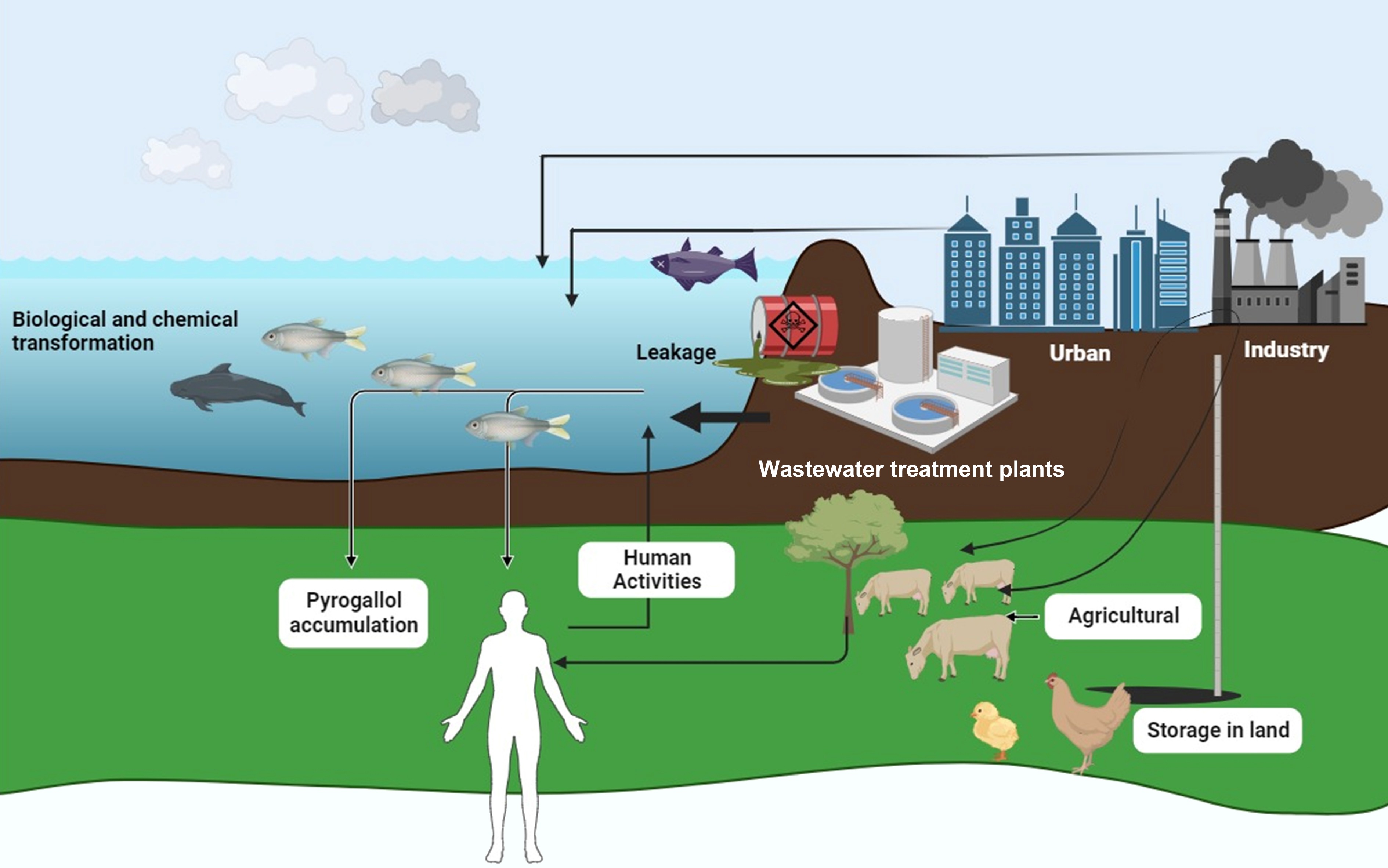
Figure 5.
Potential pathways of pyrogallol in the environment.
-
The analysis of publication trends reveals a clear and substantial increase in scientific output on pyrogallol over time. In the early 2000s, research activity was relatively limited, with fewer than 20 publications per year. However, this output has grown progressively and sharply, reaching more than 400 publications annually by 2025. This upward trend reflects a steadily expanding scientific interest in pyrogallol, driven largely by increasing awareness of its toxicological significance and environmental relevance. Early studies were relatively scarce and often focused on basic chemical characterization, whereas more recent research has increasingly emphasized its biological effects, particularly oxidative stress mechanisms, cytotoxicity, and ecological impacts in aquatic systems. The sharp rise in publication volume also suggests broader integration of pyrogallol into environmental toxicology and biomedical research fields, where it is frequently used as a model phenolic compound to study redox activity and toxicity pathways. Overall, the trend highlights a transition from limited foundational studies to a rapidly expanding research area with a strong focus on environmental and health-related implications.
Impact of pyrogallol on microorganisms and on microbial communities
-
The presence of phenolic hydroxyl groups allows these compounds to participate in redox processes, hydrogen bonding, and metal ion coordination[18]. Furthermore, these compounds exhibited possible prebiotic effects on beneficial microorganisms, highlighting the dynamics of pyrogallol compounds within the gut's complex microbial environment. Furthermore, pyrogallol's effects on microbial populations extend to its potential function in determining biofilm development. Pyrogallol compounds are anti-biofilm in both bacterial and fungal biofilms. It has been found to be more toxic to catalase-mutant Escherichia coli and to have mutagenic effects[42]. Its apparent disruption of bacterial quorum-sensing pathways is likely a side effect of its ability to produce peroxides rather than a direct inhibition of quorum sensing. Tests evaluating the impact of potential quorum-sensing-disrupting compounds on viability may miss subtle toxic or stressful activities responsible for the apparent quorum-sensing-disrupting effect. Pyrogallol compounds can limit biofilm development and contribute to biofilm disintegration by affecting quorum-sensing systems, interacting with extracellular matrix synthesis, and producing oxidative stress[43]. The availability of multiple hydroxyl groups of pyrogallol compounds makes them generate reactive oxygen species (ROS) and other oxidizing chemicals[44,45]. When pyrogallol undergoes auto-oxidation, it produces hydrogen peroxide, which can cause oxidative damage to the cell and protein precipitation. This has been demonstrated to inhibit microorganisms; therefore, the potentially harmful effects of pyrogallol on them are due to oxidative and reducing reactions[46]. On the other hand, pyrogallol toxicity is primarily driven by its strong redox activity, leading to excessive reactive oxygen species (ROS) generation, oxidative stress, and subsequent activation of apoptotic pathways[11,12,20]. This mechanism shows both similarities and distinctions when compared with other trihydroxybenzenes such as phloroglucinol and hydroxyquinol. While all three compounds share a polyhydroxylated benzene structure, pyrogallol exhibits a more pronounced pro-oxidant behavior due to its rapid auto-oxidation and redox cycling capacity, resulting in higher ROS production under physiological conditions[47,48]. In contrast, phloroglucinol is more frequently reported to exert antioxidant or cytoprotective effects, depending on concentration and cellular context[49,50]. Compared with well-studied phenolic pollutants such as bisphenol A and nonylphenol, pyrogallol toxicity appears to be less associated with endocrine-disrupting activity and more strongly linked to oxidative damage pathways. Bisphenol A and nonylphenol, in addition to inducing oxidative stress, are known to interfere with hormonal signaling, particularly through estrogen receptor interactions[51,52]. Overall, these comparisons highlight that although oxidative stress is a common underlying mechanism among phenolic compounds, pyrogallol is distinguished by its dominant redox-driven toxicity, while other phenolics may involve more diverse or receptor-mediated pathways. Consequently, low levels of pyrogallol in freshwater ecosystems can encourage the growth of algae and some bacteria, potentially leading to eutrophication and blooms of toxic algal species[7]. Higher amounts, on the other hand, can be poisonous, limiting the growth of sensitive bacteria and disturbing the complex equilibrium in aquatic food webs[6]. This means that pyrogallol has a dual role in microbial communities, acting as both a stressor and a stimulant. While providing antioxidant advantages, its phenolic compounds can also limit the growth of certain organisms such as fungi and bacteria, particularly sensitive species without appropriate detoxifying systems[53] (Fig. 6). On the other hand, other microbes exploit pyrogallol as a readily available carbon source, driving rapid development and supporting the domination of specific microbial groups that can rapidly metabolize it. This selective feature changes the microbial landscape of the environment, potentially leading to changes in community diversity and functional properties. Although these allelochemicals can affect the performance of other organisms positively or negatively, their roles in the structure and composition of biological communities in freshwater ecosystems remain relatively unexplored[27]. Lu et al.[45] reported that the polyphenolic allelochemical compounds from Myriophyllum spicatum lead to the inhibition of M. aeruginosa growth and significantly enhanced caspase-3(-like) activities. Pyrogallol's selective inhibition of specific microbial species may have an impact on nutrient cycling, organic matter degradation, and the general structure of soil microbial communities. Understanding these ecological consequences is critical for determining pyrogallol's overall environmental impact and its role in altering microbial diversity and function in natural environments[54]. Specialized marine bacteria and fungi have enzymes that break down pyrogallol, releasing nutrients and contributing to the ocean's carbon cycle[55]. However, in contaminated marine habitats, elevated levels of pyrogallol may boost the negative impacts of other pollutants, harming delicate microbial communities and disrupting ecosystem functioning[56]. Studies also report that pyrogallol-containing plant extracts (rich in polyphenolic compounds including pyrogallol) altered the composition of the gut microbiota and hindered the growth of specific bacterial species[57].
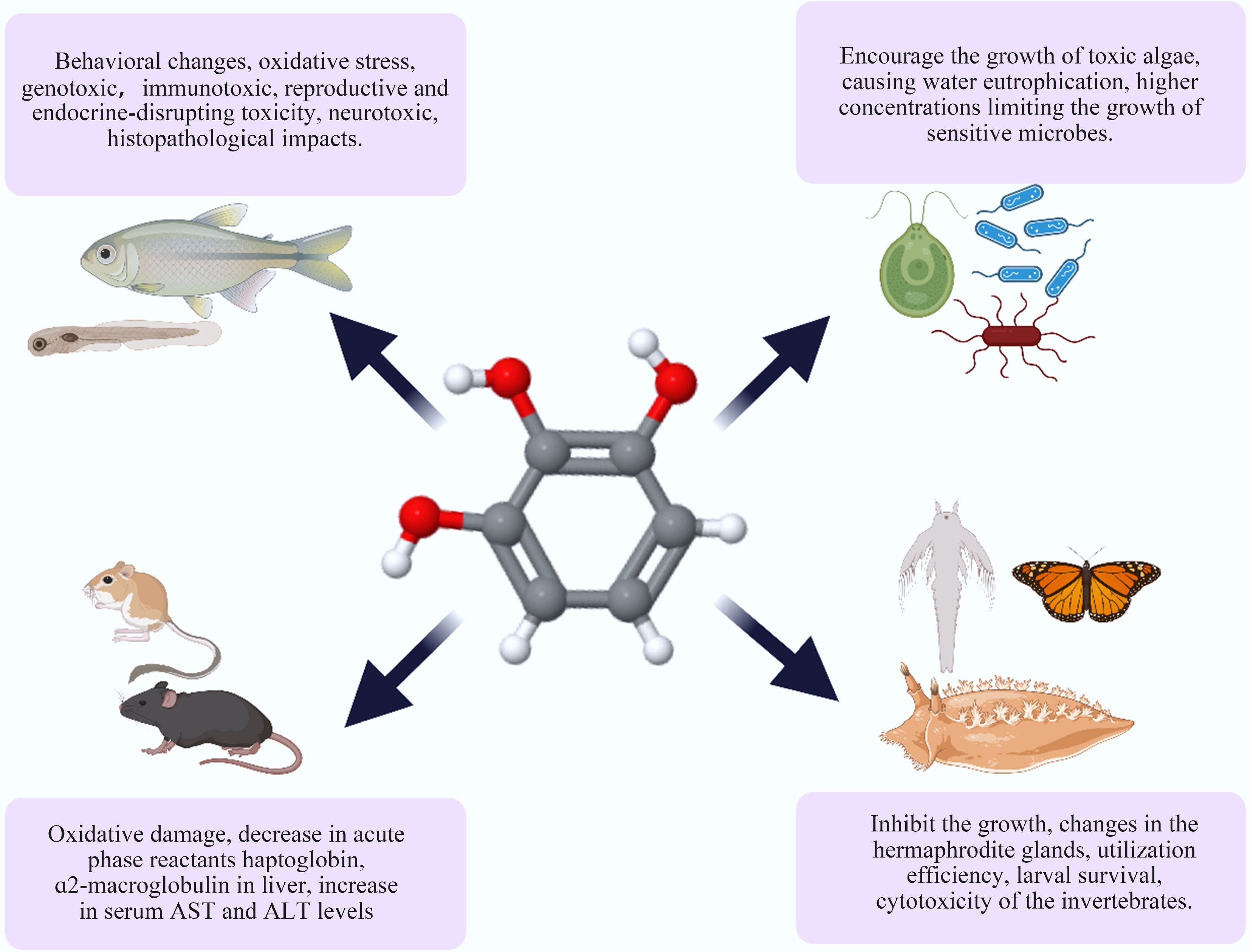
Figure 6.
Pyrogallol impacts both terrestrial and aquatic organisms.
Impact of pyrogallol on invertebrates
-
For the freshwater molluscan Biomphalaria alexandrina, the half-lethal concentrations (LC50) of pyrogallol after 24 h were determined to be 350 mg/L[58], and mortality was observed in B. alexandrina after exposure to 175 mg/L of pyrogallol for 7 d[58]. In the study, changes in the hermaphrodite glands and overall reproductive rate were observed, and the individual's ability to lay eggs also showed a considerable decrease. Furthermore, pyrogallol has a moderately toxic effect on aquatic organisms, including algal cell densities and the quantity of Moina macrocopa[59]. In one study, when cotton bollworm Heliothis armigera and tobacco cutworm Spodoptera litura were reared on a semisynthetic diet containing pyrogallol or tannic acid, there were negative effects observed on food utilization efficiency, larval growth, larval survival, and pupal weight. Tannic acid seemed to have a more significant impact on these parameters compared to pyrogallol. Egg production was also inhibited by both tannic acid and pyrogallol[60]. Such studies point to reproductive impairment in molluscs (Fig. 6). Recently, Hamed et al.[17] assessed the combined effects of pyrogallol and microplastics on the freshwater crayfish Procambarus clarkii. The results showed that after 15 d of exposure, pyrogallol (10 mg/L) in combination with microplastics (100 mg/L) caused significant changes in serum lysozyme, phenoloxidase, and acid phosphatase activities, as well as acetylcholinesterase and nitric oxide levels, accompanied by notable histological alterations in the intestinal tissue (Table 2).
Table 2. Pyrogallol toxicity and impacts on aquatic species
Species Conc. Time Effects Ref. C. gariepinus 0, 1, 5, 10, 20, 30, 40, 50, 75, and
100 mg/L96 h No mortality with exposure to 0, 1, 5, 10, and 20 mg/L at 96 h. At 96 h, the mortality rates for exposure to 30, 40, and 50 mg/L concentrations were 20%, 50%, and 75%, respectively. At 75 and 100 mg/L, mortality was 100% after 24 h. [13,15] 1, 5, and 10 mg/L 15 d • Water quality (dose-dependent):
DO ↓ (11.5 → 5.9 mg/L), pH ↓ (7.01 → 5.3), Temperature ↑ (26.7 → 28.7 °C)
• Behavior and feeding:
↓ Daily food intake; altered swimming/striking
• Repulsive behavior: bottom dwelling, reduced movement
•↓ RBCs, Hb, PCV, MCH, MCHC, thrombocytes, lymphocytes (large and small), monocytes, HCO3−, Na+, Cu2+, Cl−, Ca2+
•↑ MCV, WBCs, neutrophils, eosinophils, creatinine, uric acid, AST, ALT, G6PDH, glucose, total protein, cholesterol, K+, Fe2+, anion gap, % poikilocytosis, % RBC nuclear abnormalitiesC. gariepinus 1, 5, and 10 mg/L 15 d •↓ Lysozyme activity, immunoglobulin (Ig), phagocytic activity
•↑ Nitro blue tetrazolium (NBT), IL-1β, IL-6
• Semi-quantitative histopathological scoring: liver, spleen
• Liver: melanomacrophages, vacuolated hepatocytes, blood clots, severe architectural distortion, haemorrhage
• Spleen: inflammatory cell infiltration, shrunken white pulp, ↑ red pulp, enlarged melanomacrophage centers, ellipsoid formations (dose-dependent)[14,69] C. gariepinus 1, 5, and 10 mg/L 15 d •↑ Catalase, MDA, hydroperoxides, lipid peroxidation, oxidized proteins, DNA fragmentation
•↓ SOD activity and total antioxidant capacity (TAC)
• Semi-quantitative histopathological scoring: intestine, kidney, muscle
• ↑ Collagen fiber deposition (kidney, muscle, intestine) at 1, 5, 10 mg/L pyrogallol (Masson's trichrome)
• Significant fibrosis associated with observed histological alterations[15] C. gariepinus 1, 5, and 10 mg/L 15 d •↓ Follicle-stimulating hormone (FSH), testosterone, sperm count, spermatocrit
•↑ Luteinizing hormone (LH), 17β-estradiol
• Testes: necrosis, spermatozoa loss, vacuolation, thickened basement membrane, hypertrophied seminiferous tubules, melanomacrophage aggregation, distorted tubules
• Ovary: atretic follicles, degraded yolk globules, deteriorating mature oocytes, ↑ perinucleolar oocytes[14] C. gariepinus 1, 5, and 10 mg/L 15 d •↓ Acetylcholinesterase (AChE), nitric oxide (NO)
•↑ Monoamine oxidase (MAO), aldehyde oxidase (AO) (brain & serum)
• Brain: neuropile deformities, ↓ Purkinje cells
• Heart: cardiomyocyte degeneration, ↑ collagen fibers
• Dose-dependent histopathological alterations[16]
Procambarus clarkii10 mg/L 15 d •↓ Lysozyme (LYZ), phenoloxidase (PO), acid phosphatase (ACP), acetylcholinesterase (AChE), nitric oxide (NO)
• Intestine: epithelial disorganization, tissue tearing, necrosis, enlarged lamina propria, disrupted epithelium, connective tissue rupture[17]
Procambarus clarkii10 mg/L 15 d • Hemocytes: altered granular and semigranular cell counts (vs control)
•↑ AST, ALT, total protein → hepatopancreatic stress/damage
•↓ SOD, GSH, TAC; ↑ CAT, MDA → oxidative stress
• Hepatopancreas: vacuolation, degraded tubules, eosinophilic deposits, hemocytic infiltration, abnormal tubule structure[70] Zebrafish (Danio rerio) 100, 50, 20, 10, and 2 nM 5-d post fertilization • High toxicity to zebrafish larvae (even at nanomolar levels): ↓ survival, impaired development, altered behavior
• Time-dependent toxicity: LC50 ↓ (2.049 μM at 24 h → 0.210 μM at 96 h)
• Developmental defects: ↓ body length, yolk sac edema, body axis deformities, pigmentation defects, swim bladder defects
• Neurobehavior: ↓ acoustic response, ↑ visual response → neurological disruption[40] Impacts of pyrogallol on fish
-
Fish are susceptible to the toxic effects of pyrogallol. For example, Clarias gariepinus exhibited various behavioral abnormalities and biochemical disruptions, including morphological changes in erythrocytes following exposure to pyrogallol[13]. It induces oxidative stress, immunological impacts, reproductive and endocrine disruption, altered histological structures, and neurotoxic and cardiotoxic effects[14−16]. It can also cause respiratory distress by interacting with the gills of aquatic organisms, crucial for oxygen exchange and waste expulsion[61]. ROS are produced by exogenous sources such as different natural factors and industrial pollutants[62,63]. When fish are under stress, antioxidant enzymes convert hydrogen peroxide (H2O2) and superoxide anions (O2-) into oxygen and water, while also breaking down cytotoxic H2O2. This mitigation protects fish cell membranes from the effects of peroxides, and if this balance is altered, fish will experience cellular and tissue damage by ROS. The pro-oxidant activity of pyrogallol can promote genetic mutations by causing oxidative damage to DNA, potentially leading to the initiation and progression of cancer. Additionally, ROS-induced damage to proteins and lipids can disrupt cellular processes and contribute to various pathological conditions[64]. In terms of toxicity assays in fish, data are largely isolated to catfish[13−15]. African sharptooth catfish Clarias gariepinus is a freshwater fish possessing resilience and rapid growth traits. As such, this species is frequently used in basic experimental studies to investigate the effects of chemicals on hemato–serological, immunotoxicological, oxidative stress, physiological, histopathological, and reproductive endpoints[13−15,65,66].
Research on the LC50 of pyrogallol in aquatic species is scarce and highly limited. Hamed et al.[13] determined the LC50/96 h for the African catfish as 40 mg/L pyrogallol. In addition, immunological endpoints have been recorded for pyrogallol. The immune system serves as a first line of defense against exogenous stressors such as infections and environmental pollutants. To evaluate toxicity to target tissues, pro-inflammatory cytokines and hematological parameters are often measured in fish serum as immunotoxicity indicators and include lysozyme activity, immunoglobulin, phagocytic activity, glucose, cholesterol, urea, alanine transaminase (ALT), and aspartate transaminase (AST)[13,67,68]. In addition, cellular oxidants (such as superoxide, nitric oxide, and lipid peroxide radicals) and cellular antioxidants (like CAT and SOD), as well as histopathology, are frequently used to study organs including the liver, gills, intestines, muscles, spleen, etc. When subjected to pyrogallol at varying doses (1, 5, and 10 mg/L), Clarias gariepinus showed several alterations in hematological indices, such as red blood cells (RBCs), hemoglobin, hematocrit, white blood cells (WBCs), thrombocytes, and lymphocytes (Table 2). Furthermore, there were dose-dependent changes in glucose, lactate dehydrogenase, uric acid, liver enzymes, and creatinine[13]. Impairment in immunological and histological traits has been noted following exposure to pyrogallol. Histological features and immunological oxidation parameters are also perturbed following pyrogallol exposure[14,15], and biological indicators of toxicity like glutathione-S-transferase, superoxide dismutase, immunoglobulin, phagocytic activity, and lysozyme activity are reduced in fish (Supplementary Fig. S2).
Overall, the compiled evidence (Table 2 and Fig. 6) demonstrates that pyrogallol poses a significant toxicological risk to many organisms across multiple taxonomic groups. Its effects are clearly dose- and time-dependent, ranging from acute lethality at higher concentrations to pronounced sublethal physiological disturbances at much lower, environmentally relevant levels. Overall, exposure to pyrogallol consistently disrupts key biological functions, including hematological balance, metabolic stability, immune competence, and behavioral performance. These impairments are accompanied by clear signs of systemic stress, reflected in altered biochemical markers and compromised organ function, particularly in the liver and kidney. A central and recurring feature across all studies is the induction of oxidative stress, which appears to drive much of the observed toxicity. This redox imbalance leads to cellular damage, immune dysregulation, and progressive tissue injury, ultimately affecting multiple organ systems. Histopathological evidence further confirms extensive structural damage, including fibrosis, necrosis, and degeneration in vital tissues across both vertebrates and invertebrates. Importantly, pyrogallol also exerts significant neuroendocrine, reproductive, and developmental toxicity, affecting hormonal regulation, gamete quality, neural function, and early life-stage development. The heightened sensitivity observed in embryos and larvae highlights particular concern for population-level impacts in aquatic ecosystems (Table 2 and Fig. 6).
Impact of pyrogallol on rodents as human-relevant animals
-
A study by Halmagyi et al.[71] investigated the effects of pyrogallol administration on lung compliance in normal animals and in animals previously subjected to certain conditions, as well as the suggested mechanism of action of pyrogallol[42,71]. The main findings of the study were that pyrogallol did not show evidence of carcinogenic activity in male or female F344/N rats at the tested doses. However, there was equivocal evidence of carcinogenic activity in male B6C3F1/N mice based on increased incidences of squamous cell papilloma and some evidence of carcinogenic activity in female B6C3F1/N mice based on increased incidences of squamous cell carcinoma[72].
In mouse liver, pyrogallol has been linked to hepatotoxicity, particularly with chronic exposure to high doses, leading to liver damage characterized by increased liver enzymes, oxidative stress, and inflammation[73]. The kidneys can also be affected, with pyrogallol exposure potentially causing nephrotoxicity, especially in cases of acute exposure to high doses, resulting in changes in renal function, oxidative stress, and histopathological alterations. The effect of pyrogallol on the cardiovascular system includes impacts on blood pressure and heart rate, likely due to its ability to induce oxidative stress and inflammation, which can affect cardiovascular function[74]. Changes in hematological and serological indicators suggest that pyrogallol intoxication impacts these indices. After 100 mg/kg of pyrogallol administration to rats for 12 h, the serum levels of AST, ALT, and ALP were 1.5-, 2.4-, and 1.9-fold elevation when compared to the control group[75]. Wistar rats were treated with the hepatotoxic compound pyrogallol, which has a strong ability to generate free radicals and induce oxidative stress. Pyrogallol induced oxidative damage and decreased acute-phase reactants haptoglobin and α2-macroglobulin in rats' livers. Treatment with pyrogallol affected markers of oxidative stress, revealing potential liver damage activity[76]. However, chronic administration of pyrogallol did not significantly alter the catecholamine content in the brain and adrenals of rats but did affect the heart and liver[77]. Pyrogallol caused hepatic damage in rats due to free radicals that produced significant liver damage as indicated by a marked increase in serum AST and ALT levels[78]. In the central nervous system, phenolic compounds (pyrogallol) have been associated with neurotoxic effects, including oxidative damage to neuronal cells, raising concerns about potential neurodegenerative effects or impairments in neurological function[79]. Limited data also suggest reproductive toxicity in animal studies, including effects on fertility and development, while acute exposure to pyrogallol can lead to gastrointestinal irritation, causing symptoms such as nausea, vomiting, abdominal pain, and diarrhea due to its irritant properties on the gastrointestinal mucosa[80,81]. Understanding these effects is crucial for assessing the potential health risks associated with pyrogallol exposure. Studies continue to investigate its impact on different organs and systems, aiming to provide a comprehensive understanding of its toxicological profile and inform safety regulations and guidelines for its use.
-
Exposure assessment evaluates the extent of human exposure via dermal, inhalation, and oral pathways, with particular emphasis on both occupational settings and consumer product use. Risk characterization subsequently integrates all available exposure and hazard data to estimate the overall potential health risk. This comprehensive approach, informed by rigorous studies, is crucial for public safety and regulatory guidance on pyrogallol use, highlighting ongoing research needs and potential mitigation strategies with antioxidants like resveratrol and silymarin[8,34]. Exposure pathways include ingestion, inhalation, and skin contact, all originating from different environmental sources (Fig. 7). Pyrogallol poses health risks through various routes of exposure. Ingestion of contaminated food or water, accidental exposure, or intentional ingestion can lead to systemic effects, with the compound being absorbed into the bloodstream and distributed throughout the body[57]. The liver may metabolize pyrogallol to aid excretion, but high doses can induce oxidative stress, necessitating prompt medical attention. Occupational exposure commonly occurs through inhalation of vapors or aerosols in industries like dye manufacturing and pharmaceutical production[12]. Non-occupational exposure may happen in poorly ventilated areas or due to accidental releases. Dermal exposure is also a concern, particularly for workers handling pyrogallol directly or consumers using products containing it, such as hair dyes and certain skincare items[72].
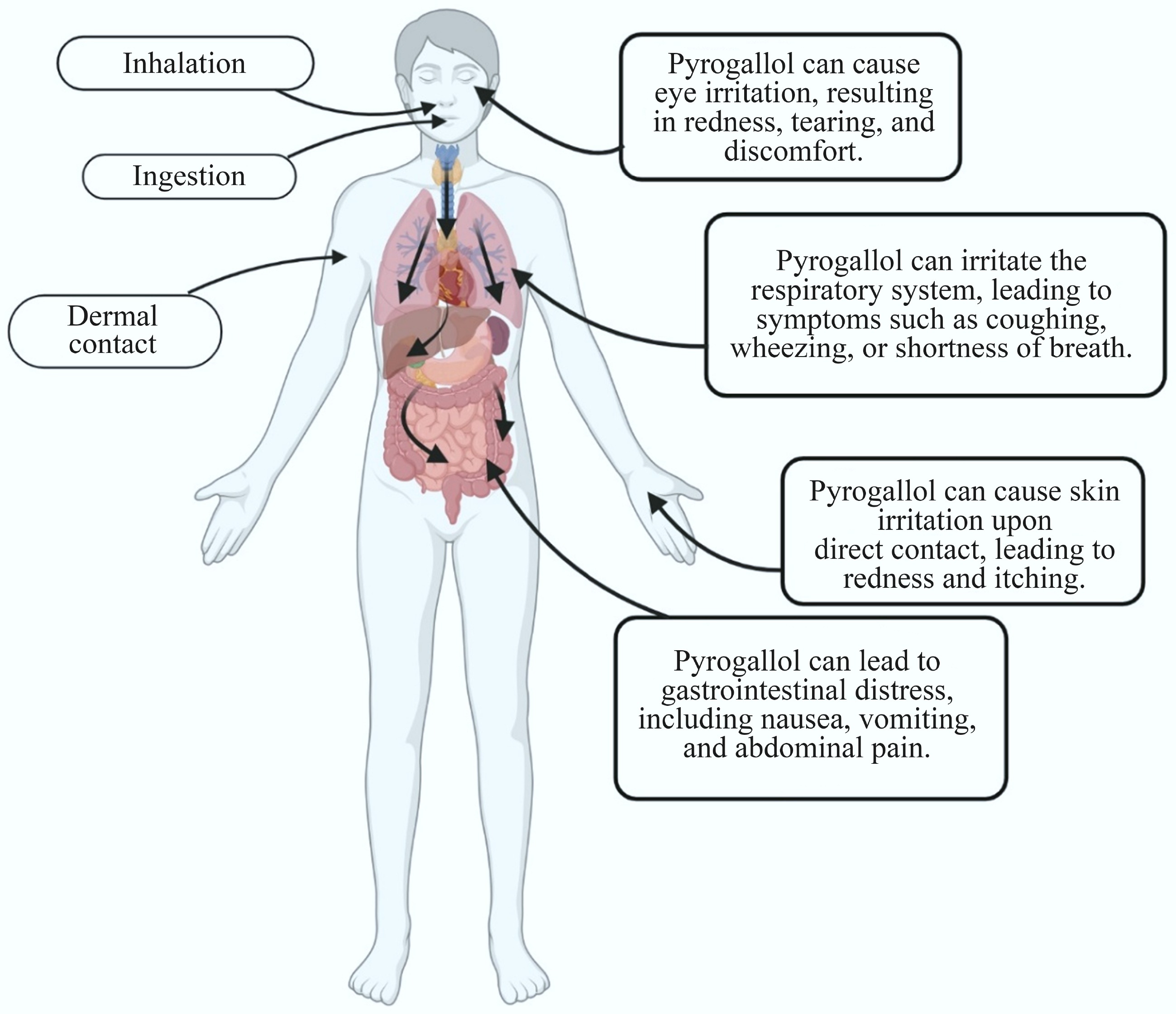
Figure 7.
Impacts of pyrogallol in vivo.
There are two routes of absorption in humans, including oral ingestion, where pyrogallol is readily absorbed in the gastrointestinal tract, and dermal absorption. The absorption of pyrogallol through human skin has been explored in studies focusing on its use in products such as hair dyes. A study conducted to understand the dermal absorption rate of pyrogallol used high-performance liquid chromatography (HPLC) to analyze its absorption through pig skin, which is often comparable to human skin. This study indicated that about 26% of pyrogallol could be absorbed through the skin under the conditions tested, which involved the application of pyrogallol at a 2% concentration, typical of its use in hair dye formulations. The findings underscore the significant potential for dermal absorption of pyrogallol, highlighting the need for careful handling and use of protective measures when dealing with pyrogallol-containing products to mitigate potential health risks[82].
Once absorbed, pyrogallol is distributed throughout the body via the bloodstream. Its distribution is likely influenced by its affinity for various tissues and organs, as well as the presence of binding proteins in the blood. It is a compound with potential pyrogenic properties and is widely distributed in tissues, particularly in muscle, lung, and heart[83]. Its metabolism and distribution in the body have been studied, with evidence of its presence in various tissues, including fat, muscle, and skin[84].
In the liver, pyrogallol undergoes metabolism primarily through conjugation with glucuronic acid and sulfate, leading to the formation of glucuronide and sulfate conjugates. These metabolites are more water-soluble and can be readily excreted from the body. Enzymes involved in the metabolism of pyrogallol include UDP-glucuronosyltransferases (UGTs) and sulfotransferases (SULTs), which catalyze the conjugation reactions. Pyrogallol is metabolized in the human body, particularly by erythrocytic hemoglobin, leading to the production of purpurogallin. This process involves the oxidation of pyrogallol by superoxide and hydrogen peroxide, which are produced during the oxidative-reductive reactions of human haemoglobin with pyrogallol. The metabolism of pyrogallol to purpurogallin is a rapid process, indicating the potential involvement of human erythrocytes in the metabolism of certain drugs[85]. The impact of dietary intake on the excretion of pyrogallol is noteworthy, as evidenced by studies indicating a decrease in urinary excretion when dietary intake is decreased, emphasizing the role of diet in regulating the metabolism and elimination of pyrogallol from the body[86].
Most available studies rely on acute, relatively high-dose exposures that may not represent real-world environmental conditions for pyrogallol, limiting direct extrapolation to human health risks. This constraint has been explicitly recognized, and the need for studies using environmentally relevant exposure levels has been emphasized. Overall, further research is required to better characterize the absorption, distribution, metabolism, and excretion of pyrogallol, particularly through studies that specifically isolate this compound rather than generalizing across related substances. A clearer understanding of its excretion pathways is essential for accurately evaluating its health impacts, especially given its widespread use in industrial and cosmetic applications.
-
This review highlights the occurrence of pyrogallol in aquatic environments, including natural waters and wastewater, indicating its widespread environmental presence and contribution from both natural and anthropogenic sources. Evidence from the literature shows that pyrogallol exposure can induce moderate toxicity in aquatic organisms, including oxidative stress, morphological alterations, and disruptions in hematological and immunological functions, alongside histopathological changes in fish. Despite these findings, current knowledge remains limited regarding environmental concentrations, real-world exposure levels, and long-term ecological impacts. This highlights a clear need for further environmental monitoring and field-based studies to better assess its distribution and ecological risks. Additionally, more research is required to clarify its toxicokinetics and potential health effects in humans, particularly under occupational exposure conditions, in order to support effective risk assessment and management strategies.
-
It accompanies this paper at: https://doi.org/10.48130/newcontam-0026-0017.
-
Not applicable.
-
The authors confirm their contributions to the paper as follows: Mohamed Hamed: conceptualization, methodology, visualization, investigation, data curation, writing − review, and editing. Rashad E.M. Saida: investigation, writing − review, and editing. Jiezhang Mo and Christopher J. Martyniuk: investigation, writing − review, and editing. Mohamed Abd El-Aal: methodology, writing original draft. Najat El-Kurdi, A.K.M. Munzurul Hasan, Elhagag A. Hassan, and Hamdy A.M. Soliman: writing original draft. Alaa El-Din H. Sayed: supervision, conceptualization, investigation, review, and editing. Ahmed Abdelmoneim: writing − review, and editing. Alaa G.M. Osman: supervision, review, and editing. All authors have read and approved the final manuscript.
-
The datasets generated during and/or analyzed during the current study are available from the corresponding author on reasonable request
-
The authors declare no conflict of interest.
-
Full list of author information is available at the end of the article.
- The supplementary files can be downloaded from here.
- Copyright: © 2026 by the author(s). Published by Maximum Academic Press, Fayetteville, GA. This article is an open access article distributed under Creative Commons Attribution License (CC BY 4.0), visit https://creativecommons.org/licenses/by/4.0/.
-
About this article
Cite this article
Hamed M, Mo J, Said REM, El-Kurdi N, Martyniuk CJ, et al. 2026. Pyrogallol toxicity in aquatic ecosystems: chemistry, sources, and associated health risks. New Contaminants 2: e020 doi: 10.48130/newcontam-0026-0017 

Pyrogallol toxicity in aquatic ecosystems: chemistry, sources, and associated health risks
- Received: 17 April 2026
- Revised: 06 May 2026
- Accepted: 04 June 2026
- Published online: 22 June 2026
Abstract: Pyrogallol, a trihydroxybenzene formed from the breakdown of hydrolyzable tannins, is naturally widespread in plant tissues and extensively utilized in various industrial applications. Its entry into aquatic environments through plant decomposition and industrial discharge has raised concerns regarding its potential impacts on aquatic organisms and human health. Although research remains relatively limited, available studies indicate a range of harmful effects, largely attributed to its pro-oxidant activity. This review aims to synthesize the existing fragmented literature to provide a comprehensive and systematic understanding of the environmental fate of pyrogallol and its associated risks. It examines its chemical properties, sources, distribution, and transport, with particular focus on aquatic systems, and evaluates its toxicokinetic and toxicodynamic characteristics. In addition, the review assesses toxicity thresholds, biological effects across different systems, histopathological changes, and underlying mechanisms. Overall, this review highlights the importance of improved environmental monitoring and the need for more robust regulatory frameworks to mitigate potential risks to ecosystems and public health.
-
Key words:
- Pyrogallol /
- Aquatic health /
- Polyphenols /
- Toxicity /
- Environment /
- Biomarkers