











-
Hypertension (HT) is a major risk factor for numerous cardiovascular diseases and early mortality worldwide. The widespread use of conventional methods to manage HT has had little to no significant impact over the past forty years[1]. Consequently, HT poses a considerable socioeconomic burden globally, particularly in underdeveloped nations. This condition is exacerbated by disparities in the awareness, treatment, and management rates of HT across various locations[2]. A survey by Hajj et al.[3] estimated the global population of individuals with HT to reach 1.56 billion by 2025, representing a 60% increase from the 2000 figure. The current care and management of HT primarily depend on standard anti-hypertensive medications, which can result in various adverse effects, including electrolyte imbalance, hypotension, renal and metabolic disturbances, fatigue, and sexual dysfunction[4]. Therefore, examining natural alternatives, such as plant-based and animal-based products (nutraceuticals or functional foods), may provide a more effective strategy for managing HT and its related complications.
Poor dietary habits are among the leading global contributors to HT, a condition closely linked to major cardiovascular risk factors[5]. The current clinical guidelines recommend lifestyle modification as the first-line intervention for individuals with pre-HT, given the strong influence of diet on blood pressure regulation. Over the past decade, studies have demonstrated that diets high in red meat, processed foods, added sugars, and sodium are associated with increased HT risk, whereas beneficial dietary components, including whole grains, fruits, nuts, dairy products, olive oil, seafood rich in omega-3 fatty acids, and plant-based foods high in fiber, potassium, and antioxidants, are consistently linked to lower blood pressure and reduced HT risk[6−9]. Dietary patterns such as the Dietary Approaches to Stop Hypertension (DASH) and Mediterranean diets, which emphasize reduced sodium and processed food intake while allowing moderate alcohol and caffeine consumption, are therefore widely recommended for blood pressure control[10]. Reducing the sodium intake lowers blood pressure in both hypertensive and normotensive individuals, and excessive salt consumption is positively correlated with cardiovascular and cerebrovascular diseases, liver cancer, and atrial fibrillation; salt reduction could prevent millions of deaths globally each year[11].
-
Pastries can serve as functional foods by enhancing specific physiological functions beyond basic nutrition[12]. They can represent a practical and appealing medium for delivering health-promoting components by acting as carriers for bioactive compounds, probiotics, and other beneficial ingredients. Through innovative processing techniques and deliberate formulation, pastries can simultaneously cater to consumer taste preferences and promote better health outcomes[13]. Fortifying these baked treats with functional ingredients can significantly improve their nutritional profile and health potential. It is possible to boost the value of pastries through enriched fiber, antioxidants, and reduced glycemic responses by harnessing locally available resources. Such advancements have been shown to lower the glycemic index and increase the antioxidant and dietary fiber content of pastries, aligning with the preventive strategies against chronic illnesses[14]. Functionally enriched pastries exert their cardiovascular benefits and blood pressure–lowering effects by promoting vasodilation, improving endothelial function, minimizing fluid retention, and reducing oxidative stress, all of which are effects that can be attributed to bioactive compounds such as polyphenols, flavonoids, and dietary fibers incorporated into the pastry matrix[6].
-
Vasodilation, the widening of blood vessels, plays a crucial role in regulating blood pressure. Nutritional strategies, such as the Mediterranean diet, which is recognized for its high levels of monounsaturated fats and polyphenols, promote vasodilation. Monounsaturated fats, primarily from olive oil, act synergistically with polyphenols present in fruits and vegetables to promote vascular relaxation and lower blood pressure[15].
Endothelial function
-
Endothelial function, which describes the activity of the thin layer of cells lining the interiors of blood vessels, is a crucial factor in managing HT. Diets rich in fruits, vegetables, and whole grains, such as the DASH and Mediterranean diets, provide essential nutrients and antioxidants that enhance endothelial function, thus supporting blood pressure control. Specifically, antioxidants and vitamins such as vitamin C and vitamin E help maintain endothelial integrity by neutralizing reactive oxygen species, preventing oxidative damage, and preserving nitric oxide availability, all of which are vital for proper vascular tone and healthy blood pressure regulation[10,16].
Fluid retention
-
Fluid retention, often caused by excessive sodium intake, can lead to elevated blood pressure and can be managed by following the DASH diet and other eating plans that limit sodium while increasing the potassium intake. Lower sodium levels reduce water retention in the body, while higher potassium promotes natriuresis (enhancing sodium excretion) and helps maintain electrolyte balance, both of which contribute to lowering the blood pressure[11,17].
Oxidative stress
-
Oxidative stress, characterized by an imbalance between free radicals and antioxidants within the body, can lead to inflammation and harm the blood vessels, subsequently raising the blood pressure[18]. Diets rich in vegetarian options, recognized for their high levels of antioxidants and fiber, along with the portfolio diet that incorporates elements like plant sterols and viscous fibers, can help mitigate oxidative stress[19]. Antioxidants help in neutralizing the free radicals, thus minimizing inflammation and vascular damage, while fiber enhances insulin sensitivity and encourages weight loss, both of which are linked to reduced blood pressure[20]. Therefore, diets abundant in antioxidants can reduce oxidative stress–related vascular dysfunction, thereby helping in lowering the blood pressure.
-
Among the many delicious treats that are currently available, flour-based confections are the most fascinating because they are widely enjoyed for their taste and texture[21]. Unfortunately, they have several nutritional limitations, including high-calorie content and low amounts of protein, dietary fiber, and macro- and micronutrients. Therefore, it is important to incorporate new types of raw ingredients into recipes to enhance both the nutritional value and flavor of these confections[22]. This involves using alternative flours made from unconventional sources such as unique grains, legumes, pseudocereals, and fruits or vegetables, which can serve as valuable sources of essential nutrients and significantly enrich the final products.
Cereals
-
Cereals such as barley, millet, and rye supply more than 56% of calories and 50% of protein intake, according to a National Health and Medical Research Council report[23]. Cereal-based flours, including rice, maize, and oat flour, are widely used in gluten-free formulations; oat flour, for example, is noteworthy for its high β-glucan content, which has been related to cardiovascular health benefits. However, some cereal flours may lack certain necessary amino acids and hence must be blended with other protein-rich flours to produce a balanced nutritional profile. Cereals such as wheat bran, oats, and corn fall within the category of key functional foods. These foods are well known for possessing high fiber, which is vital for a healthy digestive tract and helps prevent disorders such as constipation and diverticulitis[24].
The dietary fiber in wheat bran, oats, and corn also helps control blood sugar levels and reduce cholesterol, thereby enhancing the overall heart health. Along with fiber, these grains are rich in essential vitamins and minerals. For example, wheat bran is an excellent source of B vitamins, which are vital for energy production and cognitive health[25]. Oats are high in manganese, phosphorus, magnesium, and iron, all of which are important for various bodily functions, including maintaining strong bones and facilitating oxygen transport[26]. Corn contains a lot of vitamin C, which is essential for immune support and skin health, and it provides a significant amount of folate, which is beneficial for cell functions and tissue development. Additionally, these cereals include phytochemicals like phenolic acids, which are powerful antioxidants that help protect the body from oxidative stress and inflammation. This antioxidant capacity is associated with a lower risk of developing chronic diseases such as heart disease and diabetes, and some types of cancer. The presence of such beneficial compounds in wheat bran, oats, and corn enhances their health benefits, making them key components of a balanced diet. Incorporating these functional foods into everyday meals allows the consumers to enjoy their health benefits and acquire long-term wellness. The research by Al-Madhagy et al.[27] showed that pastries enriched with flaxseed (which is high in alpha-linolenic acid (ALA), an omega-3 fatty acid) help lower blood pressure, an important factor in preventing heart disease since high blood pressure increases the risk of heart attacks and strokes. Flaxseed oil can promote healthy blood flow and heart function by relaxing the blood vessels and decreasing the arterial stiffness. Similarly, the role of "acha" grain in reducing blood pressure in hypertensive and diabetic rats has been demonstrated by Ademosun et al.[28].
Legumes
-
Legumes such as chickpeas, lentils, and peas are high in protein, dietary fiber, and essential minerals such as iron and zinc. Adding bean flours to cereal-based products can improve their glycemic responses and protein quality, making them suitable for managing blood sugar levels. Legumes are especially nutrient-dense, rich in protein, complex carbohydrates, and important vitamins like B-complex[29]. Although their nutritional density is well known, they also contain anti-nutritional components such as tannins and phytates, which can be reduced through processing methods like fermentation, boiling, or soaking to enhance nutrient absorption and digestibility[30]. Some legumes, such as chickpeas, and grains, such as barley, millet, and rye, are especially beneficial for heart health and digestive function. For example, barley is known for its high soluble fiber content and low glycemic index, while chickpeas offer a great source of iron, zinc, and folate, which help regulate blood sugar and blood pressure while supporting overall digestive health[31].
Legumes and cereals are both versatile and can be ingested in numerous forms, including whole meals, processed items such as breakfast cereals, or refined alternatives[32]. Due to their complementary properties, legumes are high in lysine, while cereals are low in it; whole grains and legumes give a better nutritional profile. For instance, phenolics and tannins (which are abundant in finger millet and kodo) act as antioxidants, which help manage blood pressure levels and minimize oxidative stress[33,34].
Pseudocereals
-
Pseudocereals contain many active ingredients, including polyphenols, flavonoids, amino acids, dietary fiber, and vitamins. They are also rich in minerals and antioxidants. The starch content and appearance of these granules are comparable to those of cereals, and their superior quality and quantity of gluten-free protein[35] justify their inclusion in the food industry for human consumption, especially for individuals with celiac disease[36]. These pseudocereals have gained increasing attention due to their beneficial health properties, including hypolipidemic, anti-inflammatory, anti-hypertensive, anti-cancer, and hepatoprotective, as well as benefits against obesity and diabetes[37,38]. Consequently, it is hypothesized that the nutrient imbalance created by carbohydrate-rich cereals (maize/wheat/rice) may be addressed by substituting them with pseudocereals in the diet.
The major pseudocereals include grain amaranth, quinoa, and buckwheat (Fig. 1). Amaranth is known to help manage blood cholesterol and type 2 diabetes[39]. The high levels of arginine and histidine in pseudocereals make them suitable for infants, toddlers, and growing children[40]. Quinoa seed powder was found to cytotoxically affect the HepG2 liver cancer cell line associated with non-alcoholic fatty liver disease in male rats[41]. Additionally, quinoa contains bioactive peptides, which have been shown to inhibit the angiotensin-converting enzyme (ACE)[42]. Similarly, amaranth peptides have been shown to inhibit ACE[43]. Buckwheat-derived flavonoids, particularly rutin, are effective in lowering blood and urine sugar levels, improving microcirculation, detoxifying the blood, preventing blood vessel hardening, and removing toxins[44]. Therefore, pseudocereals serve as functional alternatives for developing cardiovascular-protective food formulations.
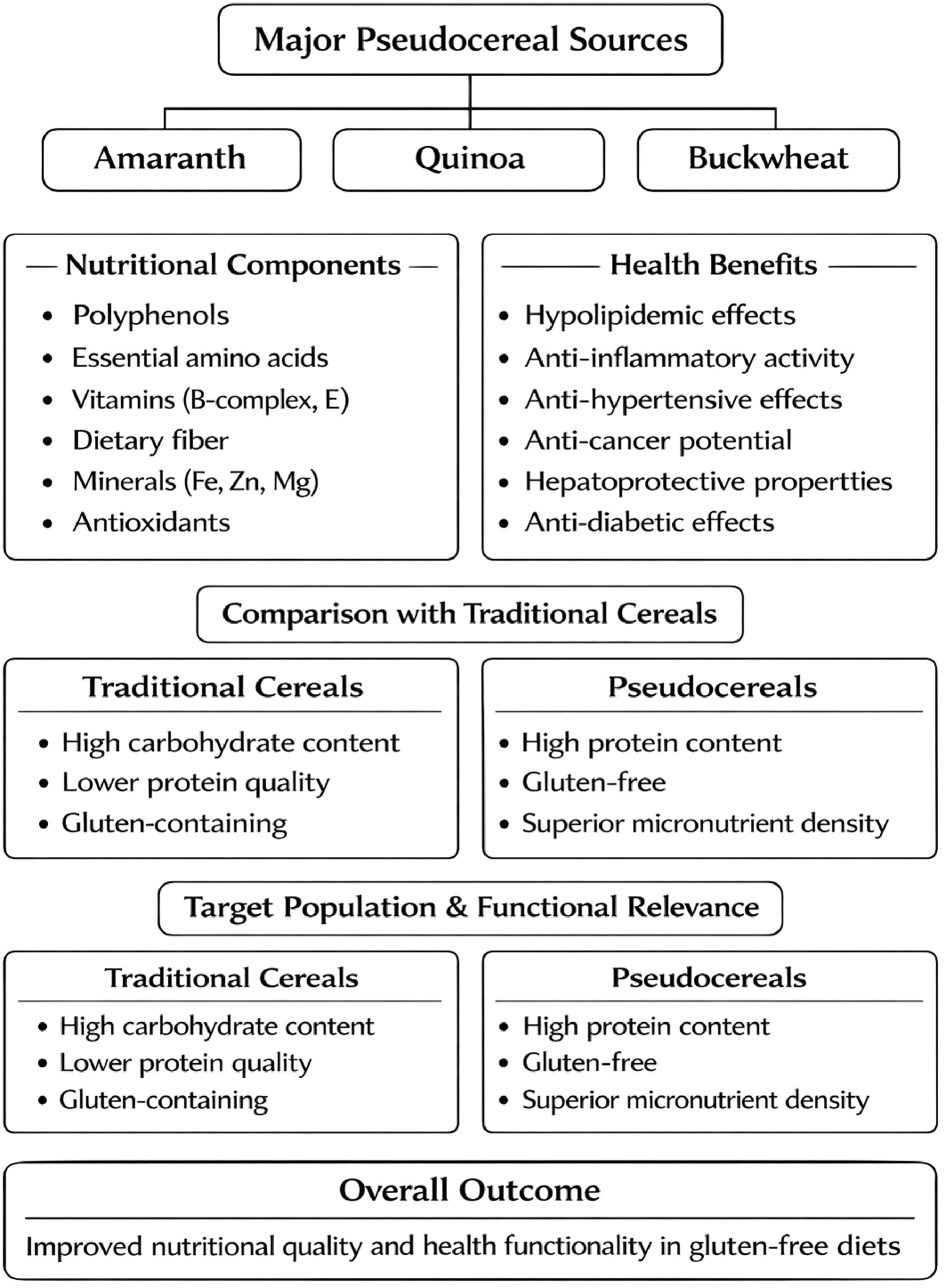
Figure 1.
Major pseudocereal sources (amaranth, quinoa, buckwheat), highlighting their key nutritional components and health benefits. The figure compares pseudocereals with traditional cereals, emphasizing the former's superior protein quality, gluten-free nature, and higher micronutrient density, and illustrating their functional relevance for improving nutritional quality and health outcomes in gluten-free diets.
Fruits and vegetables
-
Alternative flours made from fruits and vegetables have gained significant interest since 2020 due to their health benefits, advantageous qualities, and capacity to reduce food waste. Typically, these flours are produced from byproducts such as peels, seeds, and pulp, transforming waste into valuable components[45]. Studies have been conducted to utilize byproducts such as passion fruit peel flour as functional ingredients in the production of bread products made with cereal flours, including corn, wheat, and rice[46]. Additionally, a plant-based probiotic drink using passion fruit has been created[47], alongside its use in the formulation of cookies and development of biscuits[48]. Research by Vázquez-Mata et al.[49] demonstrated that fortifying these products with passion fruit residue flour enhances their mineral content, particularly calcium, sodium, and potassium, derived from the bark. The study also highlighted its potential as a viable ingredient for developing bakery products suitable for individuals with celiac disease.
Furthermore, the peel of the passion fruit contributes to 40% to 60% of the overall weight of the fruit and consists of flavedo and albedo. Flavedo is rich in bioactive compounds, including the flavonoid luteolin and various fibers, which are known to lower LDL levels and increase HDL levels, both essential for managing conditions such as diabetes and obesity[50,51]. Albedo, or the white portion, is abundant in niacin (vitamin B3), iron, and calcium, and contains a significant amount of dietary fiber, particularly pectin[52]. Research has been conducted on food products derived from these byproducts to improve metabolic parameters, including blood glucose regulation, lipid profiles, and the antioxidant status of human tissues[53,54].
Unripe plantain flour can be used to make gluten-free cookies with textural qualities similar to those made with commercially available ingredients high in dietary fiber. Plantain flour is rich in dietary fiber and resistant starch, which support glycemic control and digestive health[55]. The flour made from ripe plantain peels was utilized as a source of antioxidant dietary fiber to make cookies[56]. Ademosun et al.[57] indicated that orange peel lowered the glycemic index in rats when included in an unripe plantain diet. Orange peels are rich in polyphenols, particularly phenolic acids and flavonoids[58]. Various studies have confirmed that orange peel functions as an anti-diabetic and anti-hyperlipidemic agent[59]. Oboh et al.[60] examined the effects of orange and lemon peel essential oils on reducing high blood pressure, emphasizing their ability to inhibit the activity of ACE and to block the formation of angiotensin II, a vasoconstrictor linked to elevated blood pressure[61].
The notable phenolic content found in lemon (Citrus limon) and lime (Citrus aurantifolia), as noted by Oboh et al.[62], has been linked to in vitro studies aimed at reducing sodium nitroprusside (SNP)-induced lipid peroxidation reactions. The rise in thiobarbituric reactive substances (TBARS), which are the byproducts of lipid peroxidation, can damage the proteins within biological systems by changing their covalent bonds[63]. The ability of cornflakes formulated with orange peel and "acha" grain to lower both systolic and diastolic blood pressure in rats with diabetes and HT was confirmed by Ademosun et al.[64].
-
Alternative flours such as cereals (maize, sorghum), whole grains (brown rice, millet, teff, oatmeal), pseudo-cereals (amaranth, quinoa, buckwheat), legumes (peas, lentils, soybeans, chickpeas, gram), seeds (flax seeds, pumpkin seeds), nuts (almonds, walnuts, peanuts), tuberous rhizomes (tiger nuts, Jerusalem artichokes), and other raw materials (plantain, coconut)[65] generaly contain low sodium and high potassium levels, which are beneficial for heart health, especially in managing HT[66].
Recent studies show that among gluten-free and non-traditional flours, potassium is usually the main mineral, while sodium is present in small amounts[67]. For example, chickpea flour has about 1,140 mg of potassium per 100 g and less than 10 mg of sodium per 100 g. Quinoa flour provides between 740 and 970 mg of potassium per 100 g, with very low sodium levels. Likewise, amaranth and teff flours are rich in potassium, reaching up to 1,200 mg per 100 g, while sodium remains below 20 mg per 100 g. Thakur et al.[68] found potassium levels from about 113 mg/100 g in rice flour to 1,175 mg/100 g in plantain flour, and sodium levels from roughly 0.5 mg in maize flour to 16 mg/100 g in teff flour (Table 1). These findings suggest that many grain or pulse-based flours have very low sodium and relatively high potassium, supporting favorable K/Na ratios that are important for nutrition and heart health.
Table 1. Comparative potassium and sodium composition of selected alternative flours.
Flour category Examples Potassium content (mg/100 g) Sodium content (mg/100 g) Key nutritional implication Cereals Maize, sorghum ~113 (rice flour) to higher values depending on cereal As low as ~0.5 (maize flour) Low sodium, moderate potassium Whole grains Brown rice, millet, teff, oatmeal Variable; teff up to ~1,200 Up to ~16 (teff flour) Favorable K/Na ratio Pseudocereals Amaranth, quinoa, buckwheat 740–970 (quinoa); up to ~1,200 (amaranth) < 20 High potassium, very low sodium Legumes Peas, lentils, soybeans, chickpeas, gram ~1,140 (chickpea flour) < 10 Potassium-dominant mineral profile Seeds Flax seeds, pumpkin seeds Generally high Low Supports cardiovascular health Nuts Almonds, walnuts, peanuts Generally high Low High K/Na ratio Tuberous rhizomes Tiger nuts, Jerusalem artichokes Generally high Low Potassium-rich Other raw materials Plantain, coconut Up to ~1,175 (plantain flour) Low Beneficial for HT management -
Alternative flours such as almond, oat, chickpea, flaxseed, and quinoa generally have low to moderate levels of saturated fat, which are much lower than those in refined animal fats or processed flours. Almond flour is high in healthy unsaturated fats[69], with saturated fats making up only about 3.5 g per 100 g. Flaxseed and chickpea flours contain even less saturated fat, usually less than 1 g per 100 g, and also provide omega-3 fatty acids and fiber. Replacing traditional wheat flour with these alternatives can help decrease the overall saturated fat intake, which is important for lowering LDL cholesterol, a major risk factor for cardiovascular disease. Diets low in saturated fats are linked to better endothelial function, less arterial stiffness, and a reduced risk of HT and coronary artery disease[70]. Therefore, adding alternative flours into daily meals supports heart health by improving lipid profiles and boosting the nutritional value of baked goods.
-
The bioactive compounds found in alternative flours include polyphenols, peptides, and flavonoids. These compounds have demonstrated significant biochemical potential in modulating the enzymes associated with HT, and they can act as natural inhibitors of ACE, a key enzyme in the renin-angiotensin system that promotes vasoconstriction through the formation of angiotensin II. By inhibiting ACE activity, these bioactives reduce angiotensin II production, thereby lowering systemic blood pressure and improving cardiovascular health (Fig. 2). Additionally, specific flavonoids have been shown to enhance the expression and activity of endothelial nitric oxide synthase (eNOS), leading to increased production of nitric oxide (NO), a powerful vasodilator. This enhances vascular relaxation and blood flow. Moreover, certain compounds inhibit arginase, an enzyme that competes with eNOS for L-arginine, the precursor of nitric oxide (Fig. 3). By suppressing arginase activity, these bioactives ensure more L-arginine is available for NO synthesis, further supporting vasodilation and endothelial function[71]. Sorghum, millet, and buckwheat flours are naturally rich in polyphenols and are increasingly being explored in the formulation of functional foods. Clinical and preclinical studies on these flours have shown their potential to attenuate HT and improve vascular health, making them viable candidates in dietary interventions for blood pressure management.
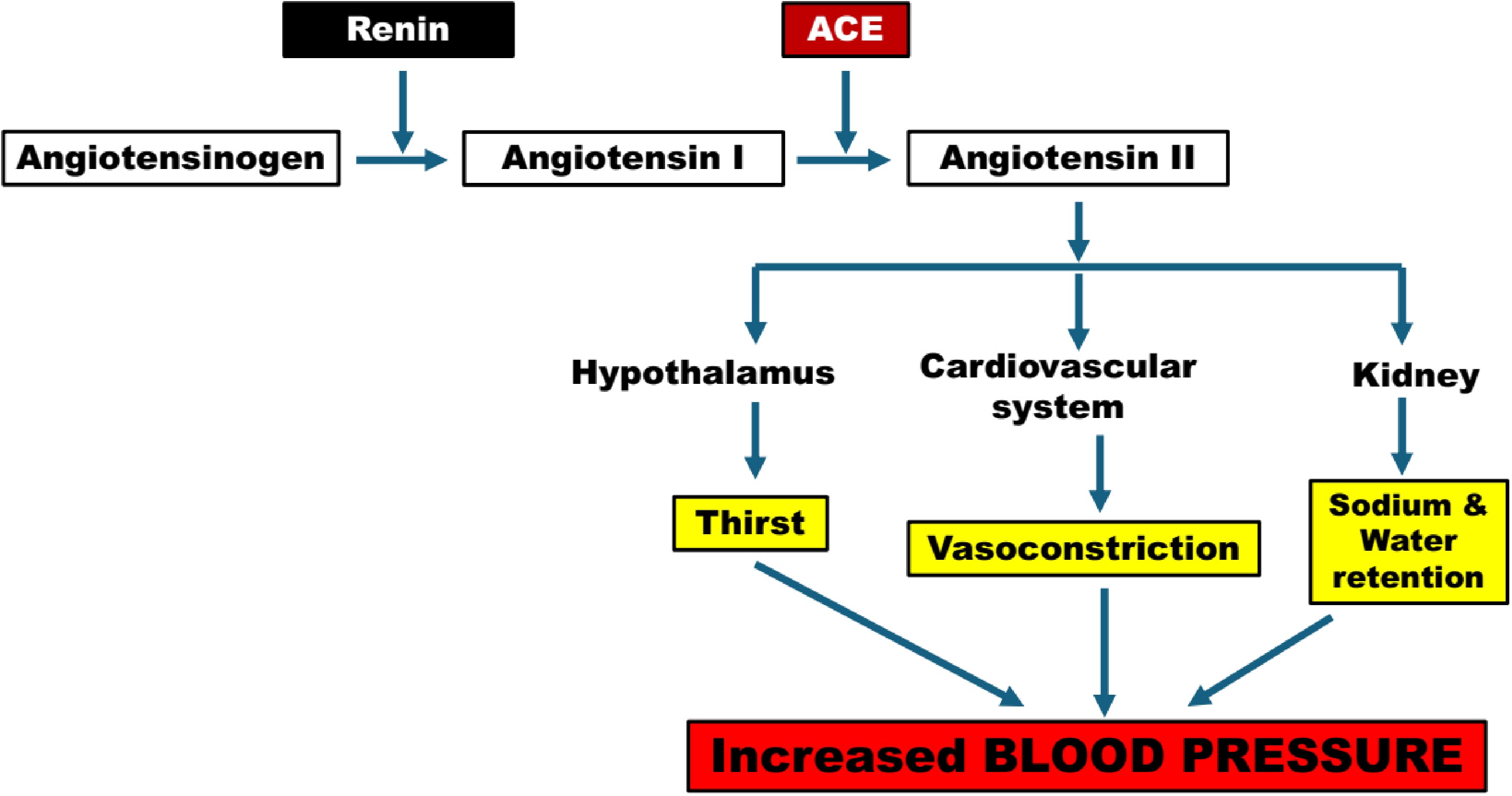
Figure 2.
Role of ACE in the elevation of blood pressure. ACE converts inactive angiotensin I into potent angiotensin II. This conversion is a critical step that triggers the following downstream effects: stimulation of thirst via the hypothalamus, vasoconstriction of blood vessels, and sodium and water retention in the kidneys. By enabling angiotensin II formation, ACE directly drives the rise in blood pressure and fluid balance control.
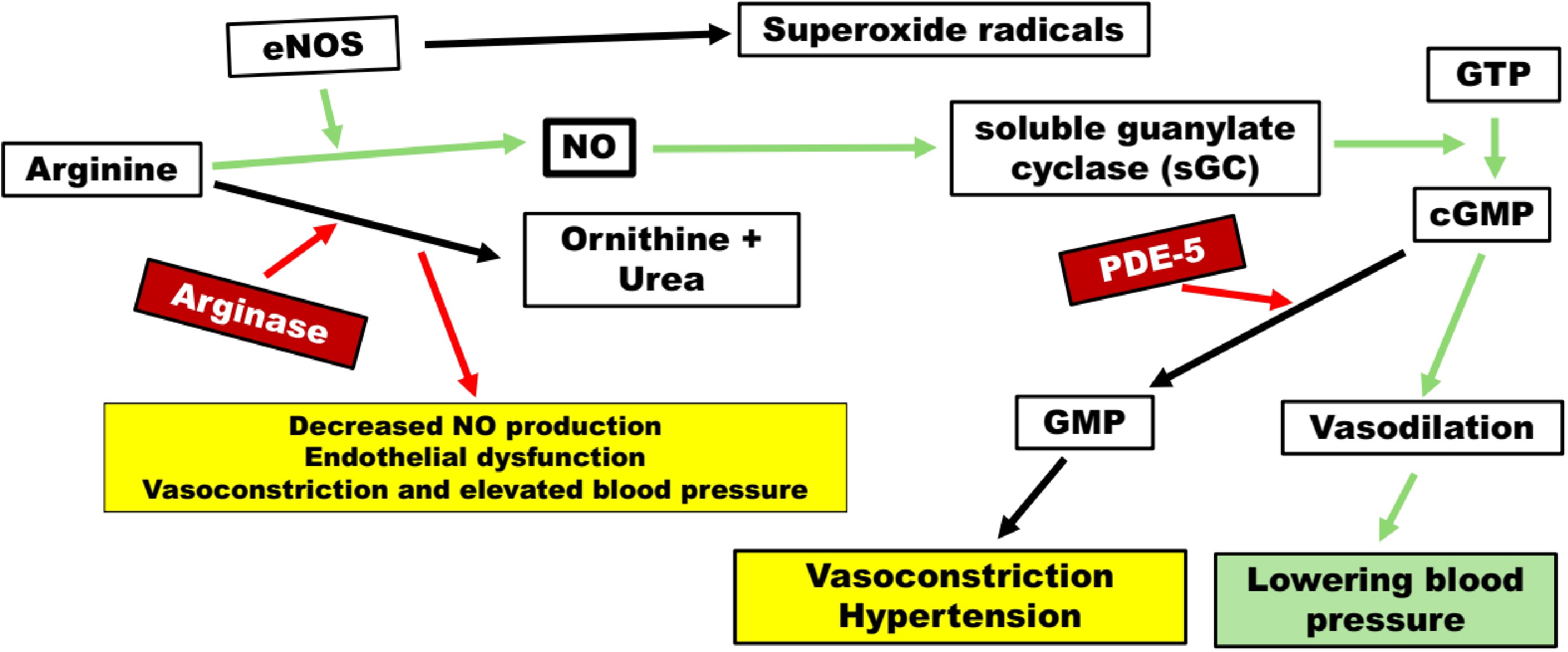
Figure 3.
Role of arginase and phosphodiesterase-5 in increasing the blood pressure. Arginase plays a critical role in regulating nitric oxide (NO) availability by competing with endothelial nitric oxide synthase (eNOS) for L-arginine, the shared substrate needed for NO production. When arginase activity is elevated, it reduces L-arginine availability, leading to diminished NO synthesis, endothelial dysfunction, and increased blood pressure. Even when NO is produced, its vasodilatory effect depends on cyclic guanosine monophosphate (cGMP), which relaxes the smooth muscle cells. However, phosphodiesterase-5 (PDE-5) breaks down cGMP, limiting NO's action. When eNOS lacks sufficient L-arginine, it becomes "uncoupled", generating superoxide radicals instead of NO. This leads to oxidative stress, further vascular damage, and worsening of hypertension.
-
In the future, investigations into personalized functional pastries should focus on incorporating nutrigenomics to customize formulations based on individual genetic profiles and specific health needs, such as HT. Further research is required on the bioavailability and synergistic interactions of bioactive compounds in alternative flours within complex pastry structures. Improving sensory attributes remains challenging, requiring innovative strategies to maintain the taste while increasing the health benefits. Additionally, the development of scalable technologies for real-time nutrient personalization and better shelf-life stability is still lacking. Consumer acceptance, regulatory considerations, and long-term health effects need further examination to successfully integrate personalized functional pastries into standard dietary practices.
The use of alternative flours greatly affects the sensory characteristics of pastries, especially the texture, flavor, color, and overall acceptability. These challenges stem from the lack of gluten, resulting in reduced elasticity and chewiness, along with the introduction of strong flavors and aromas that may be unfamiliar to traditional pastry consumers. These elements can obstruct repeat consumption, even when the health benefits are improved. Different flours also often require higher moisture levels and modifications in processing conditions, which alter the standard recipes[72]. Numerous studies have illustrated these effects. For example, Curti et al.[73] found that substituting wheat flour with sorghum flour in cakes resulted in denser crumb structures and a decrease in volume due to the lack of gluten, which affects gas retention. Similarly, Coţovanu & Mironeasa[74] observed that buckwheat flour contributed to a darker crumb color and a unique earthy flavor, which diminished consumer preference despite its health benefits. Quinoa flour is recognized for its nutritional properties; however, research conducted by Pietrysiak et al.[75] indicated that using 30% of the flour led to undesirable bitterness and a gritty mouthfeel, attributed to saponins and the coarse particle size. To address these challenges, researchers have investigated various pre-treatment strategies, including fermentation, enzymatic hydrolysis, and blending with hydrocolloids, to improve both the sensory attributes and structural quality of products[76]. Despite these advances, optimizing the formulations remains challenging because alternative flours vary widely in particle size, fat content, and phenolic composition.
-
Despite offering a thorough assessment of the potential of alternative flours in the development of HT-friendly pastries, this study has some limitations that should be noted. As a narrative review, the conclusions are mostly based on previously published in vitro, animal, and human studies, which may not exactly reflect real-world dietary patterns or long-term health consequences in varied populations. The variability in processing methods, formulation ratios, and wheat sources between studies makes direct comparison impossible and restricts the generalizability of findings. Furthermore, many reported antihypertensive effects are based on biochemical pathways or short-term interventions rather than rigorous, large-scale clinical trials with pastry-based products. Sensory acceptance and consumer behavior data are also scarce, especially in diverse cultural and socioeconomic circumstances. Furthermore, the bioavailability of bioactive substances after baking, portion size, general dietary patterns, and potential interactions with antihypertensive drugs have not been thoroughly investigated. These limitations underline the importance of standardized formulations, well-designed human intervention studies, and long-term evaluations to support the clinical usefulness of alternative flour-based pastries in HT control.
-
Alternative flours present substantial prospects for manufacturing pastries suitable for patients with HT by lowering the sodium content and improving the nutritional value. Flours derived from legumes, nuts, seeds, and whole grains are abundant in dietary fiber, vital minerals like potassium and magnesium, and bioactive chemicals recognized for their ability to aid in blood pressure regulation. In contrast to refined wheat flour, these options can lower the glycemic response and improve the sensation of fullness, thereby boosting cardiovascular health. Some alternative flours possess inherent antioxidant and anti-inflammatory characteristics, which further improve their efficiency in treating HT. Incorporating these flours into pastry recipes will not only promote health advantages but also correlate with the growing consumer interest in functional, heart-healthy foods.
-
The authors confirm their contributions to the paper as follows: study conception: Fasehun OI, Ademosun AO; writing – review & editing, writing – original draft: Fasehun OI, Ademosun AO; Ayokunle O, Oboh G. All authors reviewed the results and approved the final version of the manuscript.
-
The datasets generated during and/or analyzed during the current study are available from the corresponding author on reasonable request.
-
This research did not receive any specific grant from funding agencies in the public, commercial, or not-for-profit sectors.
-
The authors declare that there are no known competing financial interests or personal relationships that could have appeared to influence the work reported in this paper.
- Copyright: © 2026 by the author(s). Published by Maximum Academic Press on behalf of Nanjing Agricultural University. This article is an open access article distributed under Creative Commons Attribution License (CC BY 4.0), visit https://creativecommons.org/licenses/by/4.0/.
-
About this article
Cite this article
Fasehun OI, Ademosun AO, Oboh G. 2026. Nutritional potentials and functional mechanisms of alternative flours for hypertension management. Food Materials Research 6: e008 doi: 10.48130/fmr-0026-0008 

Nutritional potentials and functional mechanisms of alternative flours for hypertension management
- Received: 03 September 2025
- Revised: 10 February 2026
- Accepted: 26 March 2026
- Published online: 08 June 2026
Abstract: There is a growing interest in dietary approaches that support cardiovascular health, as hypertension remains a significant global health concern. Although pastries are popular and commonly consumed, they often contain high levels of unhealthy fats, sodium, and refined carbohydrates, which can contribute to elevated blood pressure. Most pastries are regarded as junk foods because they are usually made from processed flours, refined sugars, and saturated and trans fats. This review examines the potential and possible mechanisms of action of alternative flours and their use in developing pastries suitable for individuals with hypertension. Flours made from oat, quinoa, buckwheat, chickpea, and amaranth have the potential to provide better nutritional profiles due to their high content of dietary fiber, bioactive compounds, and essential minerals like potassium and magnesium, all of which help regulate blood pressure. The effect of processing techniques on the ability of alternative flours to enhance the quality, flavor, sensory appeal, and health benefits of baked goods in a bid to meet the dietary guidelines for individuals with hypertension is also highlighted in this study.
-
Key words:
- Alternative flours /
- Cereals /
- Functional foods /
- Hypertension /
- Legumes