











-
Fruits and vegetables are rich in bioactive compounds and essential nutrients—vitamins, phytochemicals, minerals, and dietary fiber—that are vital for human health. Yet their quality often declines due to postharvest handling, especially during prolonged storage and transport. At these stages, produce faces multiple environmental stresses: abiotic ones like chilling injury and oxidative stress; and biotic ones, including viral, bacterial, and fungal pathogens—all causing irreversible cellular damage and accelerating deterioration[1,2]. Stresses perturb cellular ion homeostasis, disrupt redox and metabolic equilibrium, and compromise membrane and cytoskeletal integrity, ultimately resulting in growth inhibition, yield loss, and, in severe cases, tissue necrosis or plant death[3]. Global postharvest losses of fruits and vegetables reached 20%–40%, wasting agricultural resources, food energy, and labor, and undermining the economic sustainability and climate resilience of horticultural supply chains[4]. To mitigate these stress, plants employ transcription factors as master regulators. These pivotal switches enable rapid and precise, and adaptive reprogramming of stress-responsive gene expression[5].
Zinc finger proteins (ZFPs) are one of the largest and most evolutionarily conserved to alleviate these pressures, plants use transcription factors as the main regulatory factors to rapidly and accurately reprogram the expression of stress response genes superfamilies in eukaryotes. Zinc-binding domains specifically recognize DNA, RNA, or proteins, thereby enabling precise regulation of transcription, signal transduction, chromatin dynamics, and stress responses[6]. Mechanistically, these regulatory processes influence fruit physiology through three interconnected pathways. Firstly, they exert direct transcriptional control over genes responsible for cell wall metabolism, antioxidant defense mechanisms, hormone biosynthesis, and pathogen recognition. Secondly, they fine-tune the intricate signalling interplay between key phytohormones ethylene (ET), abscisic acid (ABA), jasmonic acid (JA), and auxin particularly during critical developmental phases such as ripening, senescence, and immune responses. Thirdly, they maintain crucial redox balance by orchestrating both enzymatic antioxidants (such as superoxide dismutase [SOD], catalase [CAT], ascorbate peroxidase [APX]) and non-enzymatic thiol-based redox buffering systems to regulate reactive oxygen species (ROS) levels[7]. As an antioxidant and ROS scavenger, melatonin protects plants from oxidative stress by enhancing the antioxidant functions of CAT, peroxidase (POD), and SOD, thereby eliminating excess accumulated ROS and maintaining fruit antioxidant capacity[8]. Collectively, ZFPs act as central signaling hubs that integrate developmental and environmental signals to coordinately regulate postharvest quality traits in fruits and vegetables, firmness, nutritional content, shelf life, and disease resistance. The C2H2-type ZFP AtZAT10 positively regulates the CBF–COR cold signaling cascade and is essential for basal and acquired freezing tolerance in Arabidopsis[9]. GIS2, a C2H2-type ZFP, regulates inflorescence trichomes via the gibberellin–cytokinin pathway. ZFP8 controls leaf trichomes through cytokinin and ABA signaling. Gibberellin stabilizes GIS2 and induces SQE5 expression, but SEN1 inhibition is gibberellin-independent, demonstrating dual hormonal regulation of Arabidopsis trichome development[10]. In areca nut, ZFPs cooperate with gibberellic acid, JA, salicylic acid (SA), and ABA to coordinate fruit ripening and abscission, highlighting their conserved role in hormone-mediated plant and fruit development[11].
The CCCH-type ZFP DgC3H1 enhances chrysanthemum cold hardiness by upregulating ROS-scavenging enzymes (CAT, APX) and promoting accumulation of proline and soluble sugars, preserving membrane integrity and cellular homeostasis under cold stress[12]. The RING-type E3 ubiquitin ligase FvZFP1 confers broad-spectrum stress resilience by activating SA-mediated defense priming and ABA-dependent stomatal closure and osmotic adjustment, enhancing resistance to both biotic (Botrytis cinerea) and abiotic (drought, oxidative burst) stresses[13]. Overexpression of FvZFP1 increased SOD activity and decreased MDA levels and also activated the ABA pathway, helping plants enhance their resistance[13]. ZFPs also play an important role in the postharvest physiology of fruits and vegetables, as an increasing number of studies have confirmed. Postharvest ripening and softening are tightly regulated developmental transitions driven by hierarchical gene networks, phytohormone crosstalk (especially ET in climacteric fruits), and environmental sensing[14,15]. However, uncontrolled ET accumulation accelerates tissue senescence, compromises structural integrity, and dampens PAMP-induced immune responses, thereby exacerbating postharvest decay[16]. ZFPs regulate this process with precise spatiotemporal control through multiple complementary mechanisms. These include direct transcriptional modulation, whereby ZFPs bind to promoters of ET biosynthetic genes (ACS, ACO) and signaling components (EIN3, ERFs) to either activate or repress their expression. The interaction with signal transduction components regulates signal intensity and duration by physical interaction with key ethylene transduction factors (EIN2, EILs) or hormone receptors. In addition, ubiquitin-mediated regulation promotes the degradation of negative regulators (EBF1/2) or positive effectors by proteasomes, thereby finely tuning ethylene sensitivity and response kinetics[17−20]. Beyond ripening regulation, ZFPs also safeguard postharvest quality by orchestrating energy metabolism, maintaining redox balance, stabilizing chlorophyll and anthocyanin pools, and reinforcing cell wall architecture, collectively delaying chilling injury, inhibiting excessive softening, preserving visual and nutritional quality, and enhancing resistance to postharvest pathogens[18,21].
-
In 1992, the first C2H2-type ZFP, designated as EPF1, was identified and characterized in Petunia[22,23], thus marking the inception of systematic research on plant C2H2-ZFPs. C2H2-ZFPs stand out as the most evolutionarily conserved and extensively researched ZFP subfamily across eukaryotic organisms. These proteins play a core role in regulating fundamental biological processes, including cellular division, proliferation, and hormone signal transduction[24,25]. The canonical C2H2 zinc finger motif is CX2–4CX3FX5LX2HX3–5H (X = any amino acid), where two Cys and two His residues coordinate a zinc ion to form a β-barrel structure (Table 1)[26,27]. This fold enables sequence-specific DNA recognition. Beyond the DNA-binding domain, many plant C2H2-ZFPs incorporate additional regulatory domains. These include a nuclear localization signal (NLS, or B-box) that directs the proteins into the nucleus, a DLN-box for transcriptional repression, an L-box mediating protein–protein interactions, and a C-terminal EAR domain (also termed the DLN box)[7,28]. Notably, domain composition varies, e.g., rice ZFP182 and ZFP15 lack the DLN-box[28]. It is evident from the domain and phylogenetic analyses that C2H2-ZFPs can be classified into multiple subfamilies. However, it should be noted that this classification of Arabidopsis thaliana (A. thaliana) is classified into three categories, A, B, and C, among which the C1-2i subfamily with double zinc fingers plays a pivotal role in non-biotic stress reactions[29]. Ninety-three PavC2H2 proteins in sweet cherry are classified into eight subcategories, with E (53) and F (40) being predominant[30]. The number of genes varies significantly among species (176 in A. thaliana, 189 in rice, and 47 in soybean), mainly due to gene duplication and adaptive evolution[31,32]. Plant-specific Q-type C2H2-ZFPs exhibit two significant characteristics. Firstly, they possess longer inter-zinc finger spacer sequences, and secondly, they contain an evolutionarily conserved QALGGH motif in the α-helix, required for specific DNA affinity. The analysis of their domains and functional regions provides a fundamental basis for elucidating their biological functions. C2H2-ZFPs are involved in responses to various abiotic stresses, including drought. Under drought and flood stress conditions, FvZFP57 is expressed in roots, mature leaves, and early-stage strawberry fruits, where it is significantly upregulated. Heterologous overexpression of this gene enhances drought tolerance in Arabidopsis[33].
Table 1. Typical structure and function of ZFPs.
Category Conserved coordination motif Representative structure Primary function Ref. C2H2 CX2–4CX3FX5LX2HX3–5H ββα fold DNA-binding activity and transcriptional regulatory function [26−28] CCCH C-X7–8-C-X5-C-X3-H Zinc finger domain RNA-binding activity and nucleocytoplasmic transport function [27,34,35] RING C-X2-C-X9–39-C-X1–3-H... RING finger domain E3 ubiquitin ligase [41,42] CCHC-type ZFPs
-
The CCHC-type zinc finger structure is related to the Cys-rich type zinc finger and is more compact, with three Cys and one His residues chelating one zinc ion. The typical sequence of the protein is CX2CX4HX4C (X represents any amino acid), and it folds into an 18-residue 'zinc finger module'. This mainly functions as an RNA-binding domain and is enriched in RNA metabolism-related proteins (Table 1)[27]. The defining feature of CCCH-type ZFPs is the presence of 1–6 conserved CCCH motifs, with the consensus sequence being C-X4–15-C-X4–6-C-X3–4-H, among them, C-X7–8-C-X5-C-X3-H is the most common and is regarded as the primitive motif[34,35]. Both tandem-type (TZF) and non-tandem-type TZF proteins feature two consecutive CCCH motifs. Notably, their N-terminal region frequently contains an arginine-rich segment(RR-TZF), critically influencing RNA binding affinity and subcellular localization[36,37]. Furthermore, the majority of CCCH proteins have been found to possess nuclear localization signals (NLSs) and nuclear export signals (NESs), which facilitate the process of nuclear-cytoplasmic shuttling and function in the control of transcription and post-transcription[35]. Genome-wide analysis demonstrates the extensive prevalence of this botanical family. The number is 68 in A. thaliana, 67 in Oryza sativa (O. sativa), 68 in Zea mays, and 91 in Populus trichocarpa. The primary cause of its expansion is segmental and tandem duplication[34,38]. Phylogenetic inference of the CCCH domain has resulted in the delineation of nine subfamilies of AtCCCH proteins[34,39]. Notably, subfamily IX members have been observed to contain an NES and have been implicated in the regulation of nuclear-cytoplasmic transport during stress responses. CCCH-type ZFPs are key regulators of plant abiotic stress responses. For instance, heterologous overexpression of PeC3H74 in Arabidopsis and rice enhances ROS scavenging, confers drought tolerance, and modulates ABA sensitivity, specifically by reducing responsiveness to exogenous ABA. Transcriptomic profiling further shows that PeC3H74 overexpression activates ABA signaling components and downstream stress-responsive genes[40].
RING-type ZFPs
-
The core domain sequence of RING-type ZFPs is Cys-X2-Cys-X4-X9-Cys-X1-His-X2-Cys/His-X2-Cys-X4-X9-Cys-X2, containing eight conserved metal ligands (Cys or His), which form a ring-shaped 'RING' structure by binding two zinc ions. This structural basis serves as the foundation for their E3 ubiquitin ligase function (Table 1)[41,42]. RING-H2 (C3H2C3) and RING-HC (C3HC4) are the main subtypes in plants. Some family members also have transmembrane or ankyrin repeat domains, besides the RING domain, which mediate subcellular localization and protein interactions[25]. This family has undergone substantial expansion in plants. As demonstrated in the research by Lim et al.[43] and Li et al.[44], the scale has expanded by 508 in A. thaliana, 425 in O. sativa, and 688 in Malus domestica (M. domestica). This expansion is strongly linked to the evolutionary process of plants adapting to complex environments[43]. Membrane-localised RING ZFPs could function as ABA receptors or stress sensors within abiotic signalling pathways, serving as pivotal components in plant stress adaptation[42]. ZmZFP2 encodes a C4HC3-type RING ZFP that regulates nucleolar size and mass in maize[45]. SlCHYR1 encodes a dual-domain RING–CHY ZFP that accelerates tomato fruit ripening and suppresses chlorophyll accumulation by enhancing ABA and ET biosynthesis and signaling[18].
-
Postharvest storage quality, influenced by starch degradation, cell wall metabolism, and hormone signaling, depends on both postharvest conditions, ultimately determining shelf life. ZFPs, one of the largest transcription factor families, have expanded in response to environmental complexity[43,46]. Recent studies show that distinct ZFP subtypes regulate postharvest ripening and softening by modulating downstream functional genes and mediating hormone crosstalk. Banana research is the most advanced (Fig. 1), while regulatory networks in a few other fruits and vegetables are summarized in Table 2.
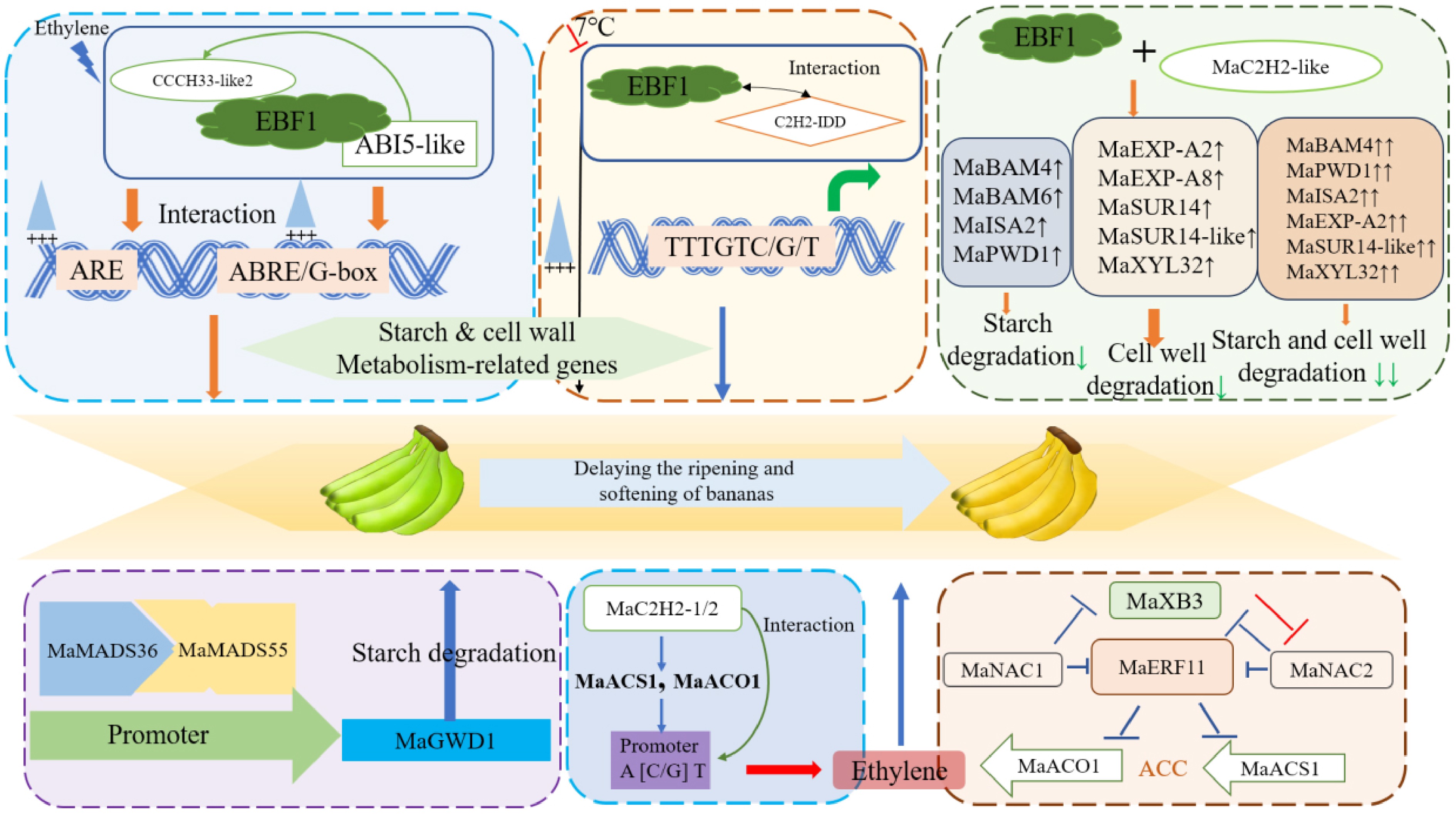
Table 2. Regulatory roles of ZFPs in postharvest ripening and softening of fruits and vegetables.
Fruit Zinc finger proteins Regulatory roles/genes Results Ref. Tomato SlCHYR1 NCED1/2↑, ACS2↑, ACO1↑, ET↑, ABA↑ SlCHYR1 promotes tomato fruit ripening through the production and signaling of ABA and ET [18] Pineapple CCCH AcC3H7↑, AcC3H9↑, AcC3H1↓, AcC3H8↓ May contribute to fruit ripening by regulating stress-response metabolism. [20] 'Fenjiao' (Musa ABB Pisang Awak) MaC2H2-like zinc finger protein MaSUR14-like↑, MaBAM4↑, MaISA2↑, MaEXP-A2↑, MaPWD1↑, and MaXYL32↑ Suppress starch degradation and cell wall disassembly [49] 'Fenjiao' (Musa ABB Pisang Awak) MaCCCH33-like2 β-d-xylosidase23 (MaXYL23)↑, sugar transporter14-like (MaSUR14-like)↑, and isoamylase2 (MaISA2)↑ Delay the ripening and softening of bananas [51] Kiwifruit AdDof3 AdBAM3L (β-amylase)↑ Specifically suppress the activity of key starch-degrading enzymes, such as β-amylase, starch phosphorylase, and debranching enzyme, to retard the conversion of starch into soluble sugars [53] Peach fruit PpGATA12 PpSS↑, PpNI↑, PpCCO↑, PpSDH↑ Sustain elevated sucrose accumulation and robust energy metabolism to enhance cold tolerance and suppress postharvest ripening [54] Banana MaZFP6 and MaWLIM2 jointly constitute a transcriptional repression module MaRZF1↓, MaSGR1↓ Alleviate high temperature-induced color abnormalities and concurrently delay fruit ripening [56] Banana MaRZF1 MaSGR1↓ MaRZF1 modulates high temperature-induced green ripening of banana by degrading MaSGR1 [57] 'Xuxiang' kiwifruit AdZAT5 AdPL5↑, Adβ-Gal5↑ Overexpression of the AdZAT5 enhances pectin degradation during kiwifruit ripening, whereas genetic suppression of AdZAT5 delays both ripening progression and textural softening [58] 'Jinguang' apple MdZF-HD11 Mdβ-GAL18↑ Overexpression of the MdZF-HD11 and Mdβ-GAL18 synergistically accelerates postharvest softening in apple fruit [59] Solanum lycopersicum SlZFP2 NOTABILI↓, SITIENS↓, FLACCA↓, SlAO1↓ Pharmacological or genetic inhibition of ABA biosynthesis delays fruit ripening by suppressing key ripening-associated physiological and molecular events [60] Tomato SlPZF1 SlCYCD3;1↑, SlCDKB↑ Delay fruit softening [66] Tomato MdZFP3 MdPG1↓, MdPL5↓ MdZFP3 forms a transcriptional repressor complex with MdTPL4 and MdHDA19, which delays fruit softening [67] Kiwifruit AdBBX32 AdMYB19↓, AdEXP3↓ Fruit maturation and tissue softening exhibited delayed progression [69] Kiwifruit AcZFP3 AcAO9↓ The onset of ripening and textural softening in the fruit was postponed [70] Apple MdZAT10 JA↑ MdZAT10 delays the ripening and senescence of apples by interacting with MdBT2 [71] Apple MdMYB90-like MdCHS↑, MdUFGT↑, MdMYB1↑, MdbHLH3↑ Accelerate apple ripening [72] Solanum lycopersicum SlZAT5 SlACS4↓, SlPL8↓, SlGRAS38↓ Knocking out SlZAT5 can delay fruit ripening and softening [73] Starch degradation pathway
-
The cell wall pivotal in determining fruit firmness, acting as its fundamental structural framework. Initially, the wall's integrity characterises the early ripening phase, while its regulated breakdown subsequently facilitates the softening of texture. Pectin modification by pectin-modifying enzymes causes cell wall loosening and consequent fruit softening, directly compromising sensory quality and postharvest shelf life[2]. Glucan water dikinase (GWD) catalyzes the rate-limiting first step of starch degradation[48]. MaMADS36 and MaMADS55 co-occupy a conserved CA/T(r)G cis-element in the MaGWD1 promoter and synergistically activate transcription, thereby coordinately regulating starch catabolism during banana ripening[48]. GWD and phosphoglucan water dikinase (PWD) jointly phosphorylate starch granule surfaces, destabilizing the semi-crystalline architecture to initiate enzymatic starch breakdown[52]. No zinc finger transcription factor has been reported to directly regulate GWD or PWD. The banana transcription factor MaC2H2 physically interacts with the ET-signaling F-box protein MaEBF1. This interaction enhances the enzymatic activity of multiple key downstream targets, including MaEXP-A2, MaPWD1, MaBAM4, MaSUR14-like, MaISA2, and MaXYL32. Transient MaC2H2 overexpression in 'Fenjiao' banana fruit induces premature ripening through enhanced ET biosynthesis. This ectopic expression promotes ripid fruit softening and reduced firmness, concurrently activating key genes involved in starch metabolism and cell wall degradation pathways[49]. MaCCCH33-like2 directly binds the promoters of MaISA2, MaSUR14-like, and MaXYL23, genes encoding rate-limiting enzymes in starch catabolism and cell wall disassembly. By functionally linking this CCCH-type ZFP to postharvest fruit softening, this study establishes a direct connection. Moreover, MaCCCH33-like2 plays a dual regulatory role by interacting directly with ABI5-like, an ABA-responsive transcription factor, and MaEBF1 a key F-box protein in ET signaling. The formation of this ternary complex significantly enhanced its recruitment and transcriptional activation of the promoters of starch degradation genes and cell wall degradation genes. Heterologous overexpression confirmed that MaCCCH33-like2 promotes the softening and ripening process by facilitating the degradation of cell wall components and starch, as well as the production of ET. Conversely, transient silencing of MaCCCH33-like2 using viral-induced gene silencing (VIGS) inhibited ET synthesis and the degradation of starch and cell wall components, thereby suppressing the softening and ripening of bananas[51]. In kiwifruit, the AdDof3 directly binds the AdBAM3L promoter via its single zinc finger domain and functions as a potent trans-activator, confirmed by Co-IP and BiFC assays demonstrating a direct physical interaction between the AdDof3 and the AdBAM3L protein[53]. Transgenic kiwifruit with stable AdBAM3L overexpression show a pronounced reduction in starch levels, confirming the gene's critical function in starch degradation. Conversely, transient overexpression of AdDof3 strongly upregulates AdBAM3L transcription, identifying AdDof3 as a direct transcriptional activator of this β-amylase encoding gene. This regulatory relationship drives starch hydrolysis and contributes to fruit softening. PpGATA12 activates transcription of energy (PpCCO, PpSDH) and sucrose metabolism genes (PpSS, PpNI). Peach PpGATA12 confers enhanced postharvest chilling tolerance and delays ripening by upregulating PpSS and PpNI, thereby modulating sugar flux and energy homeostasis[54]. Beyond starch and sugar metabolism, ZFPs orchestrate postharvest quality through multi-pathway coordination, including pigment metabolism. For example, SlZHD17 in tomato fine-tunes fruit coloration and ripening onset by co-regulating chlorophyll breakdown and carotenoid accumulation pathways[55]. In banana, MaRZF1 mediates ubiquitin-dependent degradation of MaSGR1, the central enzyme in chlorophyll catabolic, thereby suppressing heat-induced chlorophyll loss and promoting green-ripening. In contrast, MaZFP6 physically interacts with MaWLIM2 to form a transcriptional repressor complex that directly inhibits MaRZF1 expression, thereby counteracting thermal stress and ensuring timely chlorophyll degradation and normal ripening[56,57]. Disordered starch degradation and sugar metabolism together dominate postharvest quality deterioration. ZFPs serve as central integrators, orchestrating energy metabolism, structural integrity, and developmental timing by precisely regulating the expression and activity of key metabolic enzymes.
Cell wall metabolism
-
Zinc finger transcription factors maintain cell wall integrity or promote fruit-facilitating tissue softening through direct binding to the promoters of critical cell wall degradation-related genes. In kiwifruit, AdZAT5 targets and binds to gene promoter sequences of pectin lyase (AdPL5) and β-galactosidase (Adβ-Gal5), strongly activating their transcription, establishing AdZAT5 as a master regulator that couples pectin disassembly with starch catabolism to promote coordinated cell wall loosening and fruit softening. Consistent with this, transient overexpression of AdZAT5 significantly accelerates firmness loss in kiwifruit[58]. The apple zinc finger homeodomain transcription factor MdZF-HD11 has been shown to transactivate the regulatory region of Mdβ-GAL18, a gene that encodes an enzyme responsible for pectin breakdown related to cell wall metabolism. The expression patterns of the MdZF-HD11 and Mdβ-GAL18 genes were analyzed following exogenous ET treatment. The results demonstrate that both genes are subject to upregulation by ET, while 1-MCP exerts an inhibitory effect on their expression. The results demonstrate that MdZF-HD11 binds to the promoter of Mdβ-GAL18 and upregulates its transcription. Overexpression of either Mdβ-GAL18 or MdZF-HD11 in transgenic apple fruit callus significantly increased β-galactosidase activity, with MdZF-HD11 overexpression additionally upregulating Mdβ-GAL18 expression[59]. Furthermore, transient expression of Mdβ-GAL18 or MdZF-HD11 in 'Golden' apples was found to markedly increase ET release, reduce firmness, promote the transition of fruit skin from green to yellow, and accelerate fruit ripening[59]. SlZFP2 has been demonstrated to play a pivotal role in the regulation of ABA biosynthesis. Overexpression of SlZFP2 has been observed to result in a multitude of phenotypic changes, including increased branching, early flowering, and delayed fruit ripening. Conversely, downregulation of SlZFP2 has been shown to lead to complications in fruit setting and accelerated fruit ripening. SlZFP2 suppresses ABA biosynthesis during fruit development by directly repressing the transcription of core ABA biosynthetic genes (NOTABILIS, SITIENS, and FLACCA, as well as the aldehyde oxidase gene SlAO1). Furthermore, SlZFP2 modulates fruit ripening by repressing key transcriptional regulators of ripening[60]. These findings collectively reinforce the evolutionary conservation of zinc finger transcription factors in governing cell wall metabolism across species. Beyond repressive regulation, banana ZFPs predominantly act as positive regulators in the integrated control of starch catabolism and cell wall disassembly during ripening-associated softening. In 'Fenjiao' banana, the C2H2-type transcription factor MaC2H2-IDD directly binds and activates the promoters of cell wall-modifying genes, including MaEXP-A2 andMaGLU22-like, accelerating ripening and softening. MaC2H2-IDD expression is dynamically upregulated during ripening and is highly sensitive to cold stress. Its cold-induced suppression disrupts coordinated cell wall remodeling, resulting in impaired softening. Another MaC2H2-like physically interacts with the ET-signaling F-box protein MaEBF1 to potentiate transcriptional upregulation of cell wall degradation-related genes, facilitating ripening, yet its cold-mediated downregulation delays ripening progression[49]. Similarly, MaCCCH33-like2 acts as a central positive regulator of banana ripening and softening by activating MaISA2 (a starch-degrading enzyme gene) and multiple cell wall–associated genes, including MaSUR14-like (a sugar transporter), MaXYL32, and MaXYL23 (β-D-xylosidases), and by synergizing with MaEBF1 and an ABI5-like protein to enhance promoter occupancy and transactivation. Consequently, MaCCCH33-like2 drives concurrent starch hydrolysis, cell wall polysaccharide disassembly, and ET biosynthesis. Transient overexpression of MaCCCH33-like2 in 'Fenjiao' banana or heterologous overexpression in tomato enhances fruit maturation and texture breakdown. Conversely, VIGS-mediated silencing delays both processes by suppressing ET production and impairing cell wall breakdown[51]. Moreover, ZFPs mediate ripening and softening in fruit and vegetables not only through positive regulation but also via dedicated negative regulatory modules with distinct temporal specificity. In tomato, the SlZAT5 functions as a pivotal suppressor of fruit ripening. CRISPR/Cas9-mediated knockout of SlZAT5 results in precocious ripening, evidenced by accelerated color change, ET burst, and firmness loss. Mechanistically, SlZAT5 directly binds to and represses the enhancers of core ripening-associated genes, including the ET biosynthesis gene SlACS4, the pectin lyase gene SlPL8, and the GRAS-family transcription factor gene SlGRAS38. Furthermore, SlZAT5 activity is dynamically modulated through physical interaction with the SlPP2C2, which dephosphorylates SlZAT5 at Ser-65 to enhance its DNA-binding affinity and transcriptional repression capacity. This phospho-regulatory switch aligns precisely with the initiation phase of tomato ripening, which is characterized by rapid disintegration of the cell wall and gelatinous substance dissolution. This indicates how post-translational modification of zinc finger transcription factors enables stage specific control of fruit maturation.
-
Due to their diverse domains (C2H2, RING, B-box, CHY) and regulatory mechanisms, ZFPs play a central mediating role in the ripening, softening, and quality regulation of fruits and vegetables[61]. Their functions primarily include the positive and negative regulation of the ET biosynthesis pathway, the cascade transmission of ET signals, interactions with parallel signaling cascades, and the ubiquitination and degradation of proteins. Furthermore, there is evidence to suggest that certain regulatory patterns are conserved among diverse fruits and vegetables[62,63]. As a central hormonal regulator of climacteric fruit ripening, the precise regulation of ET synthesis and signal transduction is a core target for delaying postharvest senescence and maintaining the quality of fruits and vegetables[64]. ZFPs have been shown to directly bind to promoter regions of key genes involved in ET synthesis, thereby regulating ET production and influencing the fruit ripening process[20]. It has been demonstrated that MaC2H2-1/2 directly binds to the promoters of the ET biosynthesis genes MaACS1 and MaACO1, thereby inhibiting their activity and potentially suppressing ET biosynthesis by negatively regulating the expression of MaACS1 and MaACO1d. This results in a delayed ripening of the banana fruit[17]. MaC3H33-like interacts with the MaEXP1 promoter and inhibits MaEXP1 expression. MaBRG3, however, ubiquitinates MaC3H33-like, mediating its ubiquitin-dependent degradation, thereby enabling MaEXP1 gene expression, which promotes the softening process of the fruit. ET may induce banana fruit softening through MaBRG3, which facilitates the ubiquitin-dependent degradation of MaC3H33-like proteins, thereby activating MaEXP1 expression and leading to banana softening in the end[65]. The RING E3 ligase MaXB3 has been shown to interact with MaNAC2, promoting ubiquitination and subsequent proteasomal degradation. Furthermore, MaXB3 has been observed to target MaACS1 and MaACO1 for proteasomal degradation. MaXB3 has been shown to inhibit both ET biosynthesis and ET response, thereby delaying fruit ripening[46]. The apple zinc finger homeodomain transcription factor MdZF-HD11 is induced by ET. It specifically binds to the regulatory sequence of pectin-degrading enzyme gene Mdβ-GAL18 activating its transcription. This process promotes ET release, forming a positive feedback loop of ET-MdZF-HD11-Mdβ-GAL18, accelerating fruit ripening[59]. 1-MCP treatment significantly inhibits the expression of Mdβ-GAL18 and MdZF-HD11, delaying fruit senescence, and the heterologous expression of this gene in tomato can also promote fruit ripening and softening, indicating that its regulatory mechanism is conserved across species. The expression of MaCCCH33-like2 in bananas has been demonstrated to activate the expression of genes associated with ET synthesis, thereby promoting ET release. The results of this study demonstrate that the expression of MaCCCH33-like2 is significantly associated with an increase in ET production in tomato and banana fruits, thereby accelerating the ripening process. However, silencing MaCCCH33-like2 in 'Feijiao' has been shown to hinder ET synthesis and delay fruit ripening, thereby providing additional evidence for a positive regulatory relationship between MaCCCH33-like2 expression and ET production[51]. Furthermore, the ectopic expression of tomato SlPZF1 has been observed to upregulate the expression of cell cycle regulatory genes, including SlCYCD3/1 and SlCDKB. This results in a delay in the transition from cell division to cell expansion and an inhibition of the ET-induced endoreduplication process, consequently slowing down fruit softening. This finding unveils a novel pathway through which ZFPs indirectly contribute to ET-mediated ripening regulation by modulating the cell development process[66]. In the ET signaling pathway, RING-type ZFPs function as E3 ubiquitin ligases that target downstream regulators for ubiquitination and 26S proteasome-mediated degradation, amplifying or dampening the signal by controlling protein stability. In apple, ET induces expression of the E3 ligase MdEAEL1, which specifically binds to, and ubiquitinates MdZFP3, leading to its proteasomal degradation[67]. MdZFP3 forms a transcriptional repression complex with the co-repressor MdTPL4 and histone deacetylase MdHDA19 via its EAR motif and directly binds promoters of cell wall degradation genes (MdPG1 and MdPL5), reducing histone acetylation and suppressing their expression, thereby delaying fruit softening. MdEAEL1-mediated degradation of MdZFP3 dismantles this repressor complex, thereby lifting the inhibition of downstream genes. Moreover, MdEAEL1 functions within a feedback loop, ET- MdEAEL1-MdZFP3, which amplifies ET signaling and accelerating fruit softening[68]. Furthermore, the dual-domain protein SlCHYR1, which contains RING and CHY domains and has been identified in tomato, exhibits a significant upregulation in expression during fruit ripening in response to ET signaling. The results of the study demonstrate that the overexpression of SlCHYR1 can accelerate chlorophyll degradation, carotenoid accumulation, and fruit softening by promoting the expression of ABA synthesis genes NCED1/2 and ET synthesis genes ACS2 and ACO1. This consequently leads to a reduction in the postharvest shelf life. Mechanism analysis indicates that SlCHYR1 positively regulates the tomato ripening and softening process by recording the cross-talk between the ABA and ET signaling pathways[18,68]. B-box type ZFPs have been shown to play a pivotal role in signal integration through physical interactions with other transcription factors, thereby ensuring precise regulation of the ripening process. Kiwifruit AdBBX32 is localized in the nucleus, and its expression is inhibited by brassinosteroids (BR) but not affected by ET. It has been demonstrated that the AdNAC3 transcription factor, induced by ET, can physically interact with the aforementioned protein, thereby significantly weakening the effect of AdNAC3 on the transcription of the AdEXP3 gene, which is responsible for the expansion of the cell wall. This inversely has the effect of inhibiting the process of pectin degradation and fruit softening. The role of ET in regulating the interaction balance between AdNAC3 and AdBBX32 is well-documented, with studies demonstrating that upregulation of AdNAC3 expression results in precise control over the ripening process of kiwifruit. Furthermore, AdBBX32 has been demonstrated to exert a negative regulatory effect on the process of kiwifruit ripening. Transient overexpression of AdNAC3 and AdBBX32 inhibited the transcription of AdEXP3, reduced the accumulation of WSP, and delayed the degradation of the cell wall, thereby delaying the fruit ripening process[69]. Beyond ET signaling, ZFPs have also been demonstrated to play a role in the maintenance of postharvest quality in fruits and vegetables. This function is achieved through the regulation of other quality-related metabolic pathways and stress response pathways.
The expression of AcZFP3 in kiwifruit was upregulated during postharvest ripening and was significantly inhibited by 1-MCP. Transient overexpression of AcZFP3 promoted the expression of AcAO9, increased ascorbate oxidase (AO) activity, and decreased AsA content; while silencing AcZFP3 inhibited the expression of AcAO9, reduced AO activity, increased AsA content, and simultaneously enhanced APX activity to improve antioxidant capacity, ultimately reducing AsA degradation, delaying fruit ripening, and maintaining fruit quality. This indicates that AcZFP3 positively regulates AsA degradation by directly activating the transcription of AcAO9[70]. Bananas mature more easily at high temperatures. Interestingly, in this phenomenon, the RING-type ZFP MaRZF1 inhibits chlorophyll decomposition by ubiquitination and degradation of the chlorophyll degradation enzyme MaSGR1, maintaining the peel green[57]. The expression levels of MaWILIM2 and MaZFP6 in green-ripened fruits at 30 °C were lower than those in yellow-ripened fruits at 20 °C. Overexpression of MaWILIM2 and MaZFP6 inhibited the expression of MaRZF1 and alleviated thermal stress-induced suppression of chlorophyll breakdown. Above all, MaWILIM2 interacts with MaZFP6 to cooperatively suppress the activity of MaRZF1.
The RING-type ZFP MaZFP6 has been shown to form a transcriptional repression module with MaWLIM2, which has been demonstrated to bind directly to the MaRZF1 and inhibit expression, thus alleviating the abnormal coloration caused by high temperature. The MaZFP6-MaWLIM2-MaRZF1-MaSGR1 regulatory pathway has been characterized as a crucial molecular target in the study of color deterioration in fruits and vegetables postharvest[56]. Furthermore, the presence of ZFPs in apples suggests a potential indirect function in modulating fruit ripening, possibly through the modulation of other hormone signals. For instance, MdZAT10 has been shown to positively regulate JA-induced MdBT2 interaction, which promotes leaf senescence induction, thereby indirectly influencing the fruit ripening process[71]. Meanwhile, the R2R3-type ZFP MdMYB90-like has been shown to promote apple skin coloration and fruit ripening by activating anthocyanin synthesis genes (MdCHS, MdUFGT) and other transcription factors (MdMYB1, MdbHLH3)[72]. In short, ZFPs constitute a core molecular module that regulates the ripening and softening of fruits and vegetables by activating or inhibiting plant hormone metabolic pathways. Different subtypes of ZFPs exhibit conserved or specific regulatory characteristics in different species. The differences in their regulatory functions (positive/negative) and action stages provide a key theoretical basis for understanding the molecular network of postharvest ripening and softening of fruits and vegetables.
ZFPs modulate fruit stress resistance by regulation of phytohormone signaling pathways
-
Plant hormones serve as central signaling molecules that orchestrate defense responses, engaging in tightly coordinated and functionally interdependent crosstalk with ZFP-mediated transcriptional regulatory networks. C2H2-type zinc finger transcription factors act as key integrators of immune signaling by directly targeting and modulating the expression of critical components across multiple hormone pathways. Based on the mechanism of signal transduction, induced resistance is primarily classified into two types: systemic acquired resistance (SAR) and induced systemic resistance (ISR)[74].
In SAR, SA, a pivotal regulator, rapidly induces the expression of C2H2-type genes, including CAZFP1 and VvZFP11, leading to the direct or indirect transcriptional activation of pathogenesis-related (PR) genes[28,75]. By contrast, JA and ET pathways predominantly govern resistance against necrotrophic pathogens. Notably, CAZFP1 is robustly and specifically induced by methyl jasmonate (MeJA) and ET, and its expression peaks markedly before that of canonical PR genes, strongly suggesting a position upstream in the JA/ET signaling cascade, where it contributes to the initiation and signal amplification of early defense responses[28]. Furthermore, ABA, a master regulator of abiotic stress adaptation, also potently induces CAZFP1 and VvZFP11 expression. MdZFP7 integrates the jasmonic acid (JA) and gibberellic acid (GA) signaling pathways through selective protein interactions, forming a dynamically regulated triad with the JA repressor MdJAZ2 and the GA repressor MdRGL3a. These transcription factors reinforce plant resilience by positively regulating key ABA-responsive genes, thereby synergistically enhancing stress tolerance and immunity[28,75]. In bananas, MdABI5 serves as a core regulator of the ABA signaling pathway. Research indicates that it interacts with the MaC3HC4-1, a C3HC4-type RING finger E3 ubiquitin ligase. MaC3HC4-1 may regulate the degradation of ABI5. Its expression levels are influenced by ABA concentration, with elevated ABA triggering MaC3HC4-1's self-ubiquitination and subsequent breakdown. This process results in significant accumulation of MaABI5, ultimately conferring ABA signaling transduction. This physical interaction exerts a favorable influence on the cold resistance of bananas in the context of ABA application[76]. Furthermore, MaABI5-like binds to the promoter regions of key metabolic genes, including fatty acid desaturases (MaFAD3-1, MaFAD3-4, MaFAD3-5, MaFAD6-2, MaFAD6-3) and flavonoid biosynthesis enzymes (MaPAL-like, MaC4H-like3, Ma4CL-like10, MaCHS6-like4, MaFLS), to transcriptionally activate their expression. Transient overexpression of MaABI5-like proteins in 'Fenjiao' banana fruit and heterologous expression in tomato enhanced cold stress, suggesting that MaABI5-like enhances ABA-mediated cold tolerance in fruits by upregulating unsaturated fatty acid biosynthesis and flavonoid accumulation, thereby stabilizing membranes and boosting antioxidant capacity under low-temperature stress[77]. The C2H2-type transcription factor BcabaR1 modulates the overexpression of ABA[78]. The role of kiwifruit ZFPs in mediating hormone-induced disease resistance in fruit indicates that overexpressing AcC3H1 independently triggers EIN3-dependent disease resistance within the ET signaling cascade. This finding suggests that AcREM14 plays a primary role in the SA pathway. Furthermore, the study demonstrated that overexpressing both AcC3H1 and AcREM14 significantly enhanced kiwifruit resistance to Pseudomonas syringae pv.[79]. This provides valuable insights for research on how ZFPs mediate hormone production to boost the resistance of fruits. However, research in this area is currently limited. Emerging research indicates that C2H2-type zinc finger transcription factors play a nuanced role in regulating defense gene expression. Specifically, they assemble into multicomponent regulatory complexes together with other transcription factors involved in hormone signaling pathways. In strawberry, the C2H2-type factor FabZIP46 orchestrates a hierarchical WRKY transcriptional module. The expression of FaWRKY1 and FaWRKY70 is directly activated, whereas FaWRKY33 is repressed. This coordinated regulation amplifies the defense signaling genes, leading to the upregulation of key effector genes. These include polygalacturonase inhibitor protein genes, FaPGIP1 and FaPGIP2, as well as chitinase (CHI) genes such as FaCHI2, FaCHI3, and FaCHI4. This transcriptional reprogramming potently suppresses the activity of pathogen-secreted enzymes that degrade the plant cell wall. Notably, the CHI encoded by FaCHI directly hydrolyzes chitin, a core component of the fungal cell wall of Botrytis cinerea. Moreover, FabZIP46 functions as a molecular integrator of JA and SA signaling, bridging these two major immune pathways to confer robust systemic resistance against Botrytis cinerea in strawberry (Fig. 2)[80]. In apple, ectopic overexpression of the C2H2-type ZFP MdPOB1L robustly enhances transcription of SA-responsive PR genes and the central immune regulator MdNPR1. Mechanistically, MdPOB1L positively modulates resistance to Botryosphaeria dothidea by stabilizing the MdNPR1 protein, thereby reinforcing SA signaling output. Concurrently, it triggers a rapid burst of reactive oxygen species (H2O2 and O2·−), which potentiates the oxidative clearance of the pathogen and ultimately strengthens apple immunity (Fig. 2)[81]. Furthermore, the apple C2H2-type transcription factor MdZFP7 serves as a master activator of anthocyanin biosynthesis through dual, cooperative transcriptional strategy. It directly binds the MdMYB1 promoter region, drives transcriptional activation of its target gene, and physically interacts with and potentiates the transactivation capacity of MdWRKY6 on the core structural genes MdDFR and MdUFGT. Critically, MdZFP7 integrates JA and gibberellin (GA) signaling via selective protein–protein interactions, with the JA repressor MdJAZ2 and the GA repressor MdRGL3a, forming a dynamic regulatory triad. MdJAZ2 suppresses MdZFP7 function by both inhibiting its transactivation of MdMYB1 and disrupting the MdZFP7–MdWRKY6 complex, thus attenuating anthocyanin biosynthesis. In contrast, MdRGL3a acts as a molecular switch. It competitively displaces MdJAZ2 from MdZFP7, liberating functional MdZFP7 and restoring its transcriptional activity. Notably, the E3 ubiquitin ligase MdBRG3 (BOI-related E3 ubiquitin-protein ligase 3) is reciprocally regulated by JA (induction) and GA (repression), and directly ubiquitinates MdZFP7, targeting it for 26S proteasome-mediated degradation. Thus, the MdBRG3–MdZFP7 axis extends JA/GA crosstalk beyond transcriptional control into the realm of post-translational regulation, establishing a layered temporal and spatial checkpoint for anthocyanin production. Collectively, MdZFP7 functions as a signaling hub that coordinates JA and GA inputs at both transcriptional regulation and post-translational modifications to precisely gate anthocyanin biosynthesis, thereby modulating not only fruit coloration quality but also the progression of apple ripening (Fig. 2)[82]. MYB-like and RAN-like ZFPs serve as central regulators in plant immune signaling, mounting pathogen, specific responses to fungal effectors and modulating host cell apoptosis. Their functional outcomes of these interactions are intrinsically linked to the specific lifestyle of the fungus, whether biotrophic, hemibiotrophic, or necrotrophic. Critically, this regulatory module acts as a context-sensitive molecular switch during plant-microbe interactions. Under compatible conditions, it fosters mutualistic symbiotic relationship, while actively acting to suppress incompatible associations. These findings underscore the dynamic, dual-function nature of ZFPs within plant disease resistance networks[83].
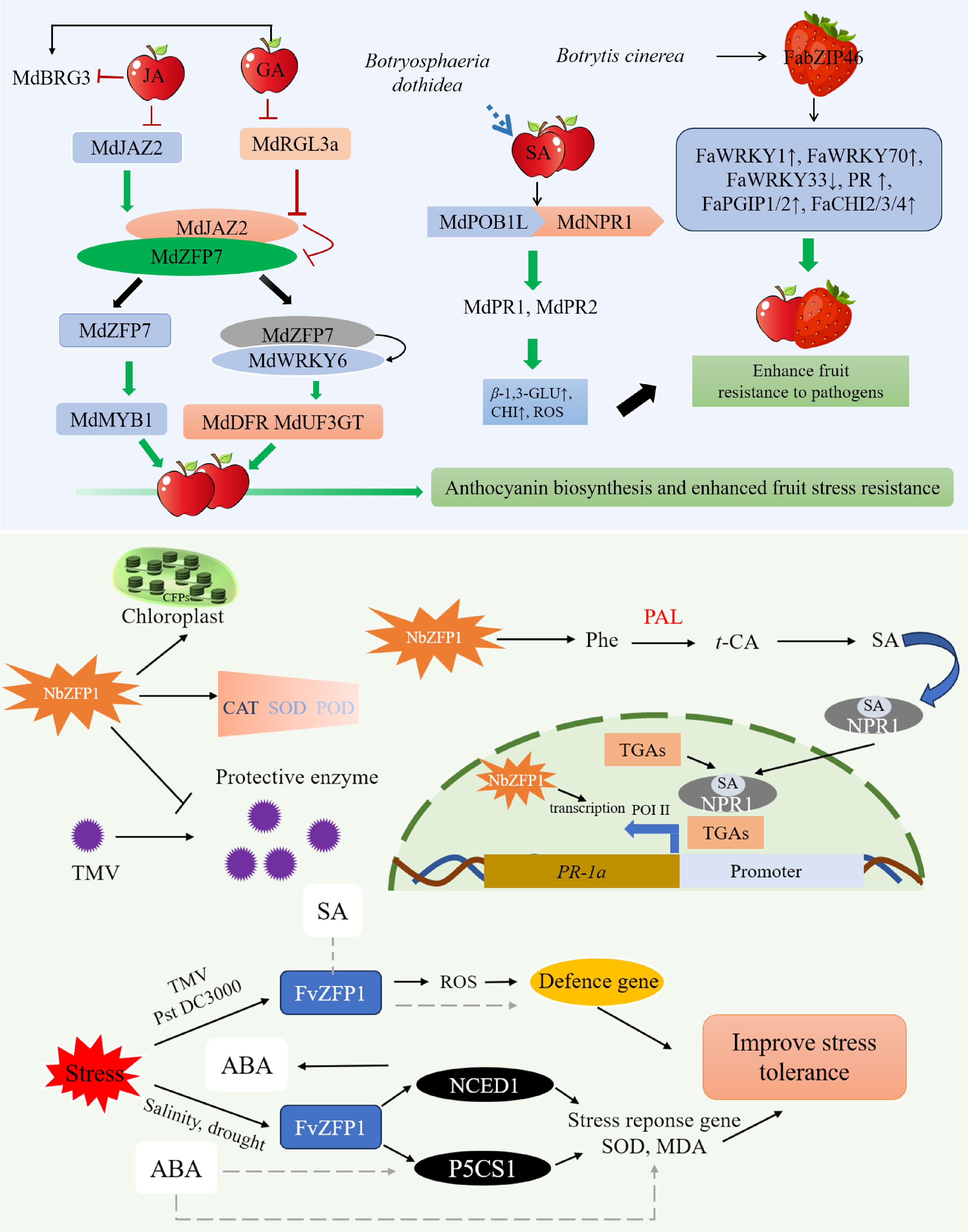
The SVBV P6 protein interacts with FvZFP1 to promote infection or evade defense. SVBV infection strongly induces FvZFP1 in strawberry plants. In response, FvZFP1 adds K48-linked ubiquitin chains to P6, targeting it for 26S proteasomal degradation and thereby blocking systemic viral spread and replication. FvZFP1 also functions as a transcriptional regulator, binding specifically to the core region of the SVBV 35S promoter and suppressing transcription. This activity results in reducing reporter gene expression and lower levels of viral RNA. Together, these two actions, P6 degradation and 35S promoter repression, confer strong SVBV resistance in strawberry (Fig. 2)[84]. Importantly, the antiviral role of zinc finger proteins goes beyond direct targeting viral elements. This mechanism is integrately linked to the SA–ROS signaling pathway, forming a coordinated defense gene. For example, heterologous expression of FvZFP1 in Nicotiana benthamiana elicits a rapid apoplastic ROS burst and robustly activates SA biosynthesis and signaling, leading to strong transcriptional induction of canonical immune regulators NPR1 and PR1, and ultimately resulting in marked suppression of Tobacco mosaic virus (TMV) replication and lesion expansion[13]. Similarly, overexpression of the tobacco protein NbZFP1 leads to a significant upregulation of antiviral defense genes-including NbPAL, NbNPR1, and NbPR-1a (p < 0.05), while concurrently reducing viral titers of TMV, Cucumber mosaic virus (CMV), and Potato virus Y (PVY) (p < 0.05). These fundings confirm NbZFP1 as a central positive regulator of broad-spectrum antiviral immunity (Fig. 2)[85,86]. The C2H2-type ZFPs ClSUP and ClDOF3.4 synergistically enhance Eureka lemon (Citrus limon 'Eureka') resistance to Potexvirus citriflavivenae (CYVCV). ClSUP directly interacts with the CYVCV coat protein (CP), thereby reducing CP accumulation and suppressing its viral RNA silencing inhibitory activity. Ectopic overexpression of ClSUP robustly activates both the ROS burst and the SA signaling pathway, leading to significantly enhanced resistance against CYVCV infection. Conversely, RNAi-mediated silencing of ClSUP results in elevated CP levels and concomitant downregulation of key ROS- and SA-responsive genes. ClDOF3.4 physically associates with ClSUP and stabilizes their interaction with CP, thereby potentiating ClSUP's antiviral function. Moreover, ClDOF3.4 cooperatively amplifies ROS and SA signaling alongside ClSUP and accelerates CP turnover. Transgenic lemon lines co-expressing ClSUP and ClDOF3.4 exhibit markedly reduced CYVCV titers and strongly suppressed systemic infection (Fig. 2)[87]. Collectively, these findings demonstrate that ZFPs reinforce antiviral immunity in fruits and vegetables through a conserved, SA-ROS-dependent mechanism. PR proteins are essential for conferring resistance to diseases after harvest. Among them, transmembrane pattern recognition receptors (PRRs) serve a central function, as they detect pathogen-associated molecular patterns (PAMPs). These PAMPs are evolutionarily conserved microbial structures vital for pathogen viability, host adaptation, and survival. Upon recognition, PRRs trigger the plant's innate immune response[88]. Perception of pathogen-associated molecular patterns (PAMPs) triggers fundamental layer of plant immunity known as PAMP-triggered immunity (PTI). This defense response is characterized by a swift rapid production of ROS, the activation of mitogen-activated protein kinase (MAPK) cascades, and the reprogramming of gene expression to mobilize defense-related mechanisms[89]. Chitin is a canonical PAMP. In Arabidopsis, exogenous chitin application, performed in the absence of live pathogens, robustly induces defense-related genes through a mechanism independent of SA, JA, and ET signaling. Among the chitin-responsive genes is ATL9 (ATL2G), which encodes a C2H2-type ZFP with structural and functional homology to RING-domain E3 ligases[90]. ATL9 expression is positively correlated with basal resistance against the biotrophic fungal pathogen Golovinomyces cichoracearum. Critically, chitin-induced ATL9 expression in wild-type plants requires functional NADPH oxidase activity, establishing a direct mechanistic link between PAMP perception and ROS generation in this pathway. Although SA, JA, or ET treatment fails to induce ATL9 transcription, genetic disruption of ET- or SA-dependent signaling partially compromises chitin-triggered ATL9 induction, indicating that while not essential, these hormone pathways fine-tune the amplitude or kinetics of the PAMP response. Microarray profiling of ATL9 loss of function mutants identified a suite of candidate downstream effectors whose expression is attenuated upon chitin challenge, supporting a regulatory role for ATL9 in orchestrating the transcriptional output of chitin triggered immunity. Collectively, these findings reveal the multilayered nature of chitin signaling, highlighting potential crosstalk among PTI, canonical defense hormone pathways, and the oxidative burst. CHI and β-1,3-glucanase (GLU) are well-established marker enzymes of the phenylpropanoid defense pathway. CHI acts by breaking down chitin, a component of fungal cell walls, while GLU targets β-1,3-glucan, a major structural polysaccharide in many fungi. This dual enzymatic activity works synergistically to weaken fungal integrity, thereby helping to suppress infection by external pathogens. ZFPs involved in hormone signaling modulation or direct induction of resistance in fruits and vegetables are comprehensively summarized and mechanistically annotated in Table 3, providing a foundational conceptual framework for future investigations (Table 3). Their coordinated induction is indispensable for fruit resistance during postharvest storage[91]. Together, these studies delineate a sophisticated, multi-tiered regulatory architecture wherein zinc finger transcription factors integrate PAMP signals, redox cues, and hormonal inputs to modulate defense responses in fruits and vegetables. Nevertheless, the involvement of ZFPs in orchestrating hormone crosstalk specifically during the postharvest phase remains poorly characterized, representing a critical knowledge gap and an important theoretical foundation for deciphering the dynamic regulatory network governing fruit resilience.
Table 3. Zinc finger proteins and the role of plant hormones they mediate in the defense against plant diseases in fruits and vegetables.
Fruit Zinc finger proteins Regulatory roles/genes Results Ref. Capsicum annuum CAZFP1 protein PR-1↑ Conferring enhanced resistance to Pseudomonas syringae pv. tomato in tomato via heterologous expression [28] Grapes VvZFP11 AtPR1↑, AtPDF1.2↑ Grape plants resist Golovinomyces cichoracearum, and heterologous expression of AtPR1 and AtPDF1.2 upregulates both genes [75] Banana MaC3HC4-1 MaABI5↑, ABA↑ High levels of ABA induce the auto-ubiquitination and degradation of MaC3HC4-1, leading to the accumulation of MaABI5, which in turn activates ABA signaling and regulates fruit cold tolerance [76] Banana MdABI5-like ABA↑ The MaABI5 protein modulates ABA-induced cold tolerance by increasing the levels of unsaturated fatty acids and flavonoids [77] Kiwifruit AcC3H1 SA (TGA-, PR1-, and NPR1-like)↑ Overexpression of AcC3H1 may promote EIN3-mediated disease resistance in the ethylene pathway. Overexpression of AcREM14 and AcC3H1 increases the expression of enzymes associated with the SA pathway, thus enhancing kiwifruit resistance to Pseudomonas syringae pv. [79] Citrus ZFPs ClSUP and ClDOF3.4 ClSUP interacts with the coat protein (CP) of CYVCV ClDOF3.4 enhances ClSUP–CP interaction in vivo and in vitro, and likely regulates ClSUP expression upstream to coordinate ROS accumulation and SA signaling for CYVCV resistance in Eureka lemon [87] Soybean GmZFP03 The stress response element (DSREL) combining the promoters of SOD1-03 and SOD1-19 genes Conferring enhanced resistance to Phytophthora sojae in soybean [92] Potato StZFP2 OE StZFP2, JA↑ StZFP2 overexpression modulates jasmonic acid (JA) accumulation post-infection and suppresses lesion development, thereby enhancing potato resistance to Phytophthora infestans [93] Manihot esculenta Crantz MeZFP67 MeZFP67 physically interacts with MeAHL17 MeZFP67h and MeAHL17 physically interact to directly activate MeRbohD transcription, thereby modulating ROS accumulation and immune responses upon pathogen infection [94] Pepper CsCZFs CsCZF1 physically interacts with CsHOX2 CsHOX2 positively regulates CsCZF1 expression. CsCZF1 directly drives conidiophore-to-conidia differentiation, suppressing Colletotrichum scovillei reproduction and limiting infection [95] Kiwifruit KWSAP5 avrPto5 directly interacts with both KWSAP5 and KWML3 Loss of avrPto5 may impair immune signaling, thereby enhancing pathogenicity [96] Banana MaC2H2s MaICE1 MaC2H2s participates in the cold stress response of banana fruit by inhibiting the transcription of MaICE1 [97] -
At present, there are three significant limitations in the research on the postharvest regulatory functions of ZFPs in fruits and vegetables. The research subjects and family coverage are insufficient, mainly focusing on a few fruits and vegetables such as bananas, apples, and tomatoes, and limited to a few ZFP subtypes. The functions of most family members remain unexplored, especially in non-climacteric fruits, where the postharvest regulatory mechanism research is particularly weak. The analysis of the regulatory network is not systematic. The precise mechanism by which ZFPs interact with key hormone signaling pathways, including ABA and JA, remains to be elucidated. Furthermore, the upstream and downstream target genes, interacting proteins, and regulatory modification relationships associated with ZFPs require experimental validation. The chain of converting basic research results into industrial applications has not been fully established, and the development of preservation technologies for actual storage and transportation scenarios is seriously lagging. To break through these limitations, future efforts should prioritize the following research directions. First, by leveraging whole-genome and pan-genome resources, researchers should integrate multiomics data, including transcriptome and proteome, to systematically identiy ZFP family members involved in postharvest senescence and abiotic stress responses across various fruits and vegetables. Second, combine cutting-edge technologies such as single cell spatiotemporal transcriptome, proteomics, and post-translational modificationome to analyze the core regulatory modules and dynamic signaling networks of ZFPs in fruit ripening, senescence, and abiotic stress responses. Third, we should accelerate the integration of industry, academia, and research to promote ZFP-oriented precision breeding and new preservation technologies. This includes systematic evaluation of gene editing efficiency, genetic stability, biosafety, and varietal adaptability. For example, CRISPR/Cas9 can be employed to perform targeted editing on ZFP genes that negatively regulate storability (such as MaC2H2-IDD) or overexpress positive regulatory factors (such as MdZF-HD11). At the same time, based on the structural and functional characteristics of ZFPs, we can explore the design of small-molecule agonists or inhibitor to develop targeted preservation agents that specifically regulate their transcriptional activity. Fourth, strengthen the deep integration of molecular biology with food science, materials science, and intelligent sensing. Establish a comprehensive research framework based on the chain of 'genotype, regulatory mechanism–preservation effect, application scenario.' This will enable the development of intelligent preservation technology systems that can respond to environmental signals and release regulatory functions as needed.
-
During the preparation of this work, the authors used Youdao Fanyi (version/period of use: 2026), for language editing, grammar checking, and stylistic refinement. The authors reviewed and edited all content generated with the assistance of this tool, verified its accuracy, and assume full responsibility for the accuracy, integrity, and originality of the final manuscript. This work represents the authors' own intellectual contribution, and no artificial intelligence tool is credited as an author.
-
The authors confirm their contributions to the paper as follows: writing − original draft, methodology, investigation and formal analysis: Wang X; writing − review and editing, investigation: Zhao L; conceptualization, supervision: Zheng Y; project administration, resources and funding acquisition: Jin P. All authors reviewed the results and approved the final version of the manuscript.
-
Data sharing is not applicable to this article as no datasets were generated or analyzed during the current study.
-
This research was partly supported by the National Natural Science Foundation of China (Grant Nos 32472416 and 32502300).
-
The authors declare that they have no conflict of interest.
- Copyright: © 2026 by the author(s). Published by Maximum Academic Press on behalf of Chongqing University. This article is an open access article distributed under Creative Commons Attribution License (CC BY 4.0), visit https://creativecommons.org/licenses/by/4.0/.
-
About this article
Cite this article
Wang X, Zhao L, Zheng Y, Jin P. 2026. Advances in zinc finger proteins-mediated regulation of plant hormone signaling in postharvest quality maintenance of fruits and vegetables. Plant Hormones 2: e018 doi: 10.48130/ph-0026-0014 

Advances in zinc finger proteins-mediated regulation of plant hormone signaling in postharvest quality maintenance of fruits and vegetables
- Received: 18 April 2026
- Revised: 26 May 2026
- Accepted: 08 June 2026
- Published online: 23 July 2026
Abstract: Zinc finger proteins (ZFPs) play a crucial role in regulating hormone response in plants. ZFPs precisely regulate hormone-responsive genes through specific DNA binding or protein–protein interactions, mediating signal transduction pathways of key hormones such as ethylene (ET), salicylic acid (SA), jasmonic acid (JA), and abscisic acid (ABA), thereby synergistically regulating the postharvest ripening, senescence, and defense response in fruits and vegetables. Herein, this review synthesizes latest advances in ZFP mediated postharvest physiological regulation. We focused on the mechanisms by which ZFPs coordinate maturation and quality maintance at the molecular (transcriptional activation/repression), cellular (cell wall remodeling, starch metabolism), and hormonal (ET biosynthesis and perception, crosstalk with ABA, JA) levels. This review systematically summarizes and elucidates the molecular mechanisms of ZFPs involved in the regulation of postharvest hormone signals,providing theoretical guidance for a new generation of postharvest preservation strategies for fruits and vegetables based on precise transcriptional regulation.