












-
Sugarcane (Saccharum spp. hybrid), a Poaceae member, is cultivated in tropical and subtropical climates for the extraction of various sweeteners, including white sugar and bioenergy. The crop meets about 80% of the white sugar requirement, and the rest is sourced from sugar beet. Annually, ~1,859.4 million tonnes of sugarcane and 183.5 million tonnes of white sugar are produced. Brazil and India are the top sugarcane producers, accounting for 38.5% and 21.8%, respectively. The other major sugarcane producers are China, Pakistan, Thailand, Mexico, Colombia, Indonesia, the USA, and Australia (
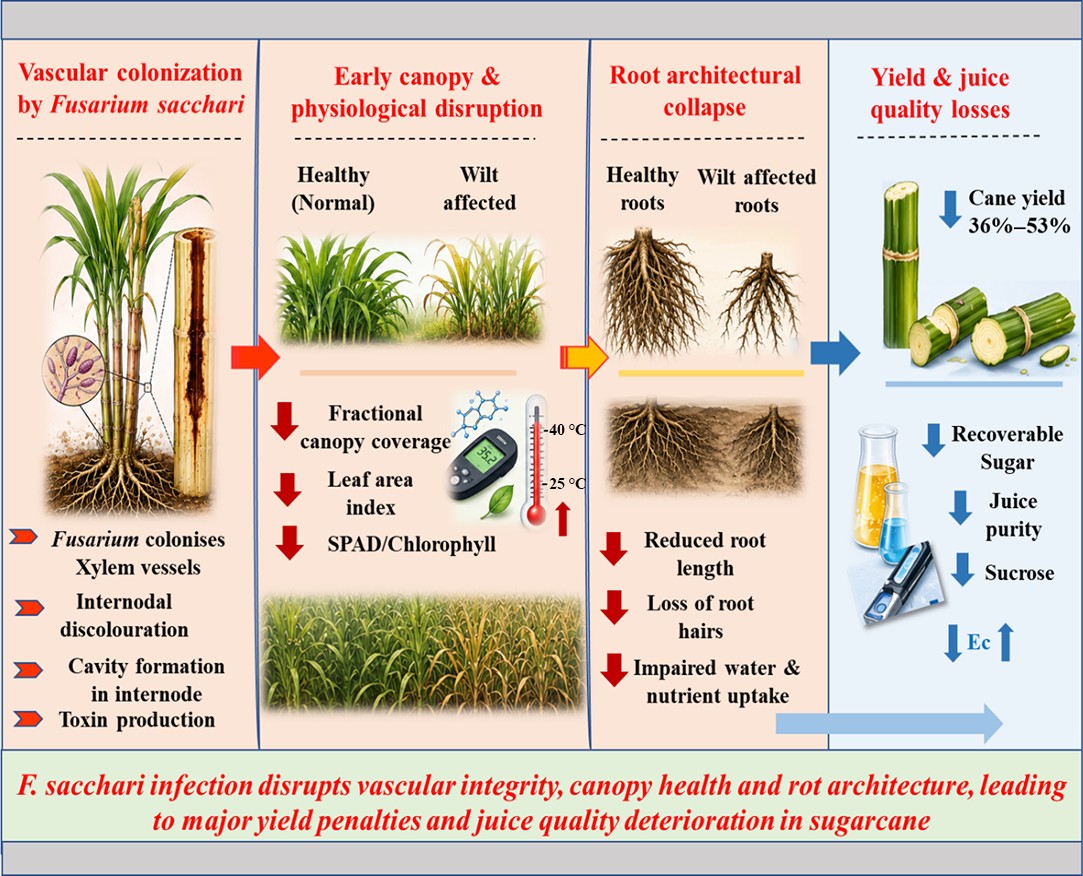
www.fao.org/statistics/en ). In addition to white sugar, sugarcane supports the production of khandsari and gur in India and other sweeteners in different countries. Sugarcane is one of the highest biomass-yielding crops and a carbon sequester, up to 135 tonnes of CO2 per ha annually[1]. In recent years, it has served as a raw material for fibre, fodder, chemicals, and biofuels and supports the sustainability of agriculture and green energy, sustaining extensive agricultural economies and supporting the livelihoods of millions worldwide in nearly 120 tropical and subtropical countries[2,3]. Sugarcane, which is grown as a plantation crop propagated through vegetative cuttings (setts), is prone to a variety of plant pathogens and insect pests, thereby affecting its production and productivity[4].Sugarcane wilt caused by Fusarium sacchari is a major stalk disease that severely affects cane production and productivity in tropical and subtropical sugarcane-growing regions of South and Southeast Asia. The pathogen is a typical vascular fungus that colonizes stalk tissues, leading to discolouration of foliage, paleness of canes, partial or complete wilting, and eventual drying of stalks. Severely affected canes become unfit for industrial processing, resulting in substantial economic losses[5]. Although the disease has been reported for over a century, sugarcane wilt continues to pose a serious threat due to its systemic nature and the lack of effective curative measures once infection is established.
Wilt of sugarcane was first reported in India in 1913, and since then, recurring epidemics have been documented across major cane-growing regions, leading to the withdrawal of several elite commercial varieties from cultivation[6−8]. During the last century, varieties such as Co 419, Co 449, Co 453, Co 527, Co 658, Co 997, Co 1107, Co 1223, and CoC 671 were removed from cultivation due to severe wilt outbreaks[9]. Earlier, wilt was considered a distinct disease entity; however, studies over the past decade have conclusively established F. sacchari as the principal causal agent of both wilt and pokkah boeng (twisted top) in sugarcane, depending on infection route, host genotype, and prevailing environmental conditions[10−12].
Pokkah boeng is primarily expressed as a foliar disease affecting young leaves, characterized by twisting, chlorotic patches, and lamina deformation, while severe infections lead to knife-cut symptoms, top rot, and death of the apical meristem[4,11]. Occurrence of pokkah boeng through foliar infection often progresses to stalk invasion, resulting in vascular dysfunction, severe wilt, and crop death, particularly under conducive environmental conditions[4,13]. Although molecular studies have detected the association of other Fusarium species, such as F. andiyazi and F. verticillioides, with wilt and pokkah boeng, F. sacchari has been consistently identified as the dominant and most aggressive pathogen responsible for these disease syndromes in sugarcane[14,15].
Despite extensive documentation on disease occurrence, varietal susceptibility, and epidemiology, the physiological consequences of F. sacchari infection in sugarcane have not been comprehensively quantified. As a vascular pathogen, F. sacchari interferes with water and nutrient transport through xylem occlusion, leading to systemic stress and disruption of normal plant functioning[5]. However, quantitative information linking infection to alterations in canopy development, photosynthetic capacity, thermal regulation, root system architecture, and their cumulative effects on yield formation remains limited. Most earlier studies assessed yield losses primarily at harvest, often overlooking the progressive physiological damage occurring from germination and early vegetative growth onwards.
Understanding the physiological basis of yield loss is critical for improving disease management strategies and refining resistance screening in sugarcane. Traits such as fractional canopy coverage, leaf area index, chlorophyll status, canopy temperature depression, and root growth characteristics are increasingly recognized as integrative indicators of plant health and productivity. Systematic evaluation of these traits under wilt stress can provide insights into genotype-specific tolerance mechanisms and enable early detection of disease impact before irreversible yield loss occurs.
In this context, the present study was undertaken to comprehensively assess the impact of F. sacchari-induced wilt on growth, physiological processes, and yield attributes of sugarcane under tropical conditions. Using multi-season pot culture and field experiments across diverse sugarcane genotypes, this study aimed to (i) quantify the effects of wilt on canopy development, chlorophyll content, thermal response, and root system growth; (ii) relate physiological impairment to reductions in cane yield and juice quality; and (iii) elucidate genotype-specific responses across different phases of wilt severity. The findings provide a mechanistic framework linking vascular infection to physiological dysfunction and yield loss, offering valuable insights for disease management and resistance breeding in sugarcane.
-
The study was conducted at the ICAR–Sugarcane Breeding Institute (ICAR–SBI), Coimbatore, India (11.0° N, 77.0° E), under tropical climatic conditions. Both pot culture and field experiments were carried out over multiple seasons (2019–2023). Sugarcane genotypes comprising commercial varieties and parental clones with known differential responses to wilt were selected. Planting materials were categorized as healthy or wilt-affected based on: (i) visual symptom expression; and (ii) prior field disease history. Only canes exhibiting consistent symptom expression across seasons were used to ensure uniform infection.
Pot culture experiment
-
Pot culture experiments were conducted under greenhouse conditions using a completely randomized design. Single-budded setts obtained from healthy and wilt-affected canes were planted in plastic pots (30 cm diameter) filled with a standardized growth medium consisting of red soil, sand, and farmyard manure in a 2:1:1 ratio. Five sugarcane genotypes were evaluated, with a minimum of ten replications per treatment (Supplementary Fig. S1), and each pot containing a single plant was considered an experimental unit. All plants were maintained under uniform irrigation and nutrient management practices following recommended agronomic guidelines. The diseased canes were deliberately taken from the field, and no additional inoculum was placed in the pots to induce wilt in the trial.
Field experiments
-
Field experiments were carried out for four consecutive seasons (2019–2020 to 2022–2023) at the Plant Pathology Farm of ICAR–SBI using a randomized block design with three replications. Ten sugarcane genotypes were planted in two-row plots of 3 m length with a row spacing of 1.0 m. Each row consisted of approximately 36 two-budded setts. Healthy and wilt-affected planting materials were established in separate plots to avoid cross-contamination. The crop was planted during February each season and harvested in January of the following year, and all recommended agronomic practices for tropical sugarcane cultivation were followed throughout the experimental period[16,17].
Morpho-physiological measurements
Fractional canopy coverage (FCC)
-
Morpho-physiological observations were recorded at defined crop growth stages to assess the impact of wilt on plant performance. Fractional canopy coverage (FCC) was estimated under field conditions using the Canopeo mobile application, which quantifies green canopy cover based on digital image analysis[18]. Images were captured at standardized height and angle during the formative and grand growth phases under uniform lighting conditions, and FCC was expressed as percentage canopy cover.
Leaf area index (LAI), canopy temperature depression (CTD), SPAD values, and chlorophyll content
-
Leaf area index (LAI) was recorded at 240 days after planting following standard growth analysis procedures[16]. Chlorophyll status was assessed using a SPAD-502 chlorophyll meter (Konica Minolta, Japan), and readings were taken from fully expanded top visible dewlap leaves. For each plant, three readings were recorded and averaged. CTD was measured to evaluate plant water status and thermal regulation using an infrared thermal camera (FLIR Systems, USA). Measurements were taken between 12:00 and 14:00 h under clear sky conditions, and CTD was calculated as the difference between ambient air temperature (Ta) and canopy temperature (Tc) using the expression CTD = Ta – Tc[16]. Multiple readings per plot were recorded and averaged to ensure accuracy.
Photosynthetic rate
-
Gas exchange parameters, including photosynthetic rate, were recorded in both healthy and wilt-affected sugarcane clones using a LI-6400XT Portable Photosynthesis System (LI-COR Inc., Lincoln, NE, USA). Measurements were taken between 11:00 and 11:45 a.m. under a photosynthetically active radiation (PAR) of 1,200 µmol photons m−2 s−1. Leaf number 2 in the crown was selected for analysis, where the fully visible dewlap at the crown is selected as leaf number 1. Data were collected from the adaxial surface of the middle laminar region of each leaf, with three replications per clone[16].
Root growth analysis
-
Root growth parameters were assessed in pot culture experiments at harvest (360 days after planting). Plants were carefully uprooted, and root systems were washed thoroughly to remove adhering soil. Root morphological traits, including total root length, root surface area, root volume, and average root diameter, were measured using a root scanner (WinRHIZO STD 4800, Regent Instruments, Canada). Root fresh weight was also recorded to quantify biomass.
Assessment of growth, yield, and juice quality parameters
-
Growth, yield, and juice quality parameters were recorded at harvest following standard procedures[16]. Observations included cane height, number of internodes, internode length, stalk girth, single cane weight, number of millable canes, and total cane yield. Cane juice was extracted using a three-roller powered standard type-1 sugarcane crusher (Industrial Machinery Agency, India), and juice quality parameters such as brix, sucrose content, purity, commercial cane sugar (CCS), and EC were determined using established analytical protocols[16]. In addition, wilt severity was categorized into four stages based on symptom progression, namely initial chlorosis, advanced chlorosis, partial wilt, and complete wilt, and the corresponding effects on growth, yield, and juice quality parameters were quantified from the popular sugarcane variety Co 11015.
Impact of wilt in parental clones
-
The impact of wilt on sugarcane parental clones was assessed under conditions of natural disease incidence in the National Hybridization Garden (NHG) at ICAR–SBI, Coimbatore. The NHG maintains a diverse collection of parental clones used in the national sugarcane breeding programme and regularly exhibits the natural occurrence of wilt caused by F. sacchari. Five representative parental clones, namely Co 775, Co 7201, Co 87252, Co 2000–10, and Co 05010, were selected based on differential field response to wilt. For each clone, healthy and wilt-affected canes were identified within the same field to minimize environmental variation. A minimum of 10 canes per health category (healthy and wilt-affected) were sampled and considered as independent observations. At harvest, growth, yield, and juice quality parameters were recorded separately for healthy and wilt-affected canes following standard procedures described for sugarcane evaluation[16,17]. The parameters included cane height, stalk girth, single cane weight, juice weight, juice volume, brix, sucrose content, purity, and commercial cane sugar (CCS), among others. A total of 14 parameters were assessed, and the impact of wilt was quantified by expressing the values in wilt-affected canes as a percentage increase or decrease relative to healthy canes of the corresponding clone. This approach enabled comparative assessment of the extent of physiological and yield impairment caused by wilt across parental genetic stocks.
Statistics
-
A two-way ANOVA analysis of the triplicate values generated for each morpho-physiological parameter was carried out. The test statistics employed for two-way ANOVA are Fisher F-statistics. Principal Component Analysis (PCA) was applied for multifactorial comparison to illustrate correlations among measured parameters and their associations with healthy vs diseased sugarcane clones. PCA is a dimensionality-reduction technique that transforms the original set of variables into a smaller number of uncorrelated principal components, revealing underlying relationships between variables and helping determine how many components are needed. The first principal component captures the largest portion of variation in the dataset, and each subsequent component accounts for progressively smaller amounts of the remaining variance. PCA was carried out using Python Version 3.12[19].
-
Wilt-affected sugarcane plants exhibited pronounced visual symptoms under field conditions, including stunted growth, sparse cane population, and pale canopy compared with healthy plants. The extent of symptom expression varied among genotypes. Infected plots showed reduced tiller survival and uneven stand establishment, particularly during the formative phase of crop growth. Representative field views of healthy and wilt-affected crops at 180 days after planting illustrate the clear contrast in canopy development and plant vigour between treatments (Fig. 1).
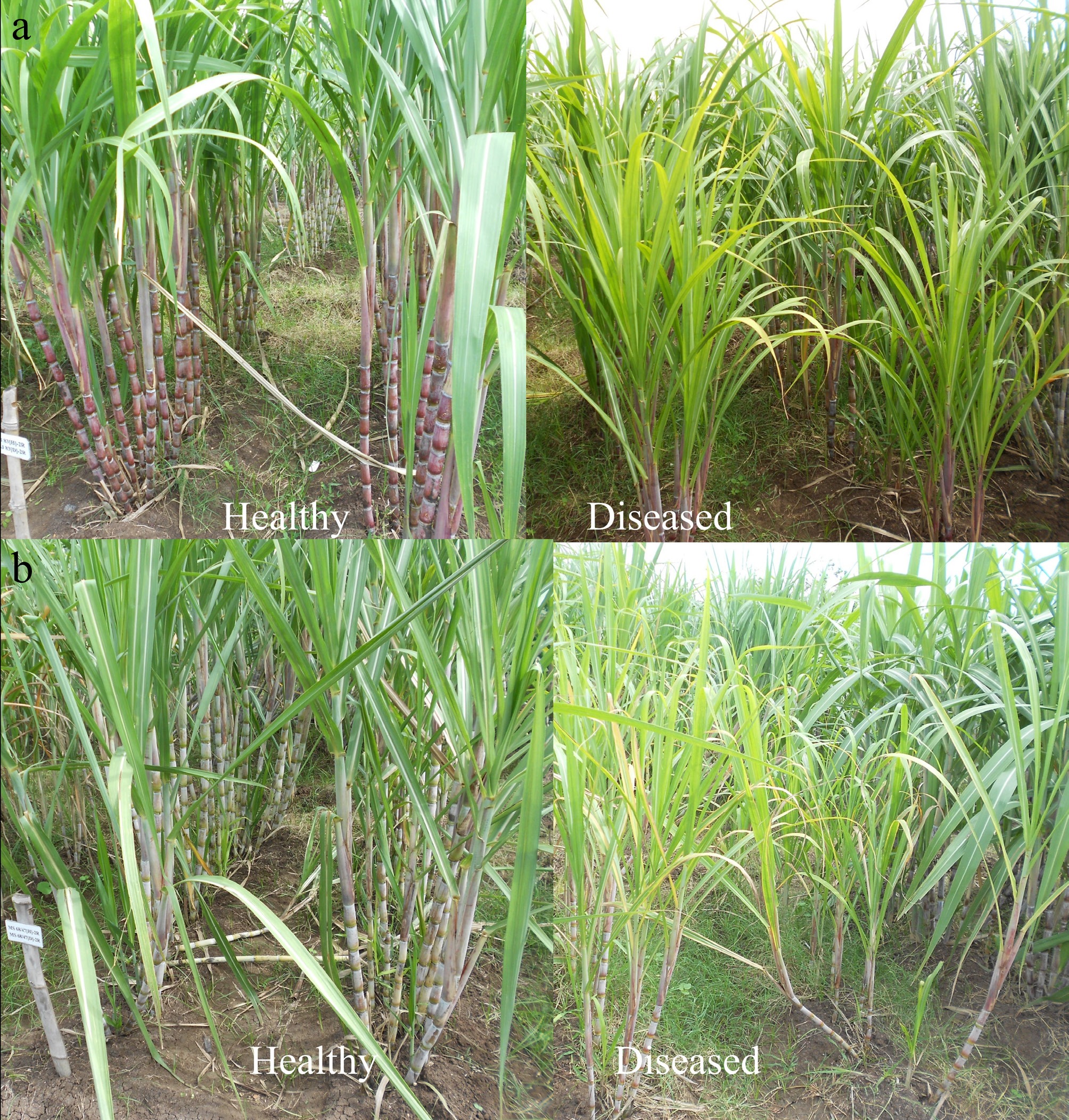
Figure 1.
Field stand of healthy and wilt-affected sugarcane in the field trials (180 days after planting); (a) cv. CoJ 83, (b) cv. MS68/47. Wilt-affected plots exhibit stunted growth with a sparse cane population and a pale canopy.
Impact of wilt on morpho-physiological parameters in sugarcane
Effect of wilt on fractional canopy coverage
-
Wilt infection significantly (F [23,48] = 121, p < 0.0001*, * denotes statistical significance at 5%) affected canopy development in sugarcane clones grown under field conditions. During the formative phase, wilt-affected clones recorded a mean reduction of 45% in fractional canopy coverage (FCC) compared with healthy plants. Among the 10 clones evaluated, ISH 100 exhibited the highest reduction in FCC (84%), whereas cvs Co 419 and CoJaw 270 showed minimal or no reduction at this stage. Clones CoPant 97222, 85A691, and Co 87023 also exhibited marked reductions in canopy coverage during the fifth month after planting (Supplementary Fig. S2).
When FCC measurements were recorded during the eighth month, corresponding to near-complete canopy closure, five of the ten clones continued to show reduced canopy coverage under wilt conditions, while the remaining clones exhibited comparable FCC values between healthy and diseased plots. In the subsequent season, FCC assessments conducted during the fourth and seventh months revealed partial recovery in six clones by the seventh month, as indicated by similar canopy coverage in healthy and wilt-affected plots (Fig. 2). In contrast, clones 69A251, ISH 100, MS 68/47, and CoPant 97222 consistently exhibited substantial reductions in FCC, indicating a persistent negative effect of wilt on canopy establishment and maintenance.
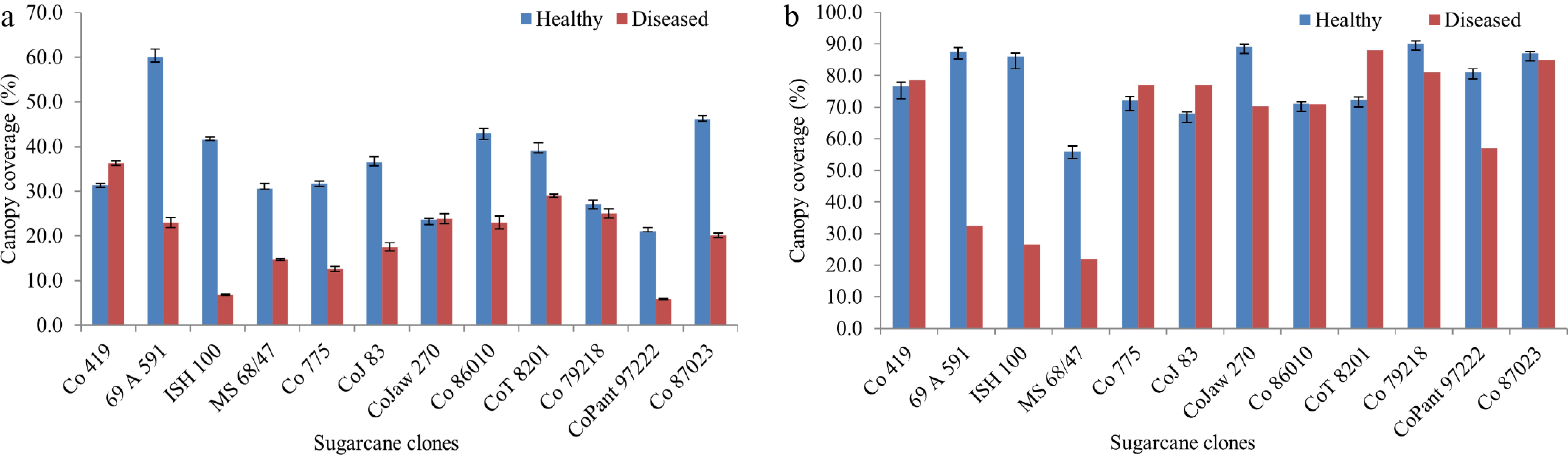
Figure 2.
Effect of wilt on fractional canopy coverage in sugarcane clones. Observations were recorded in the fourth (left) and seventh (right) months after planting.
Leaf area index and vegetative growth response
-
Wilt infection resulted in a marked reduction in leaf area index (LAI) across sugarcane clones. At 240 days after planting, healthy plants recorded a mean LAI of 4.83, whereas wilt-affected plants exhibited a significantly (F [22,44] = 12.5, p < 0.0001*) lower mean LAI of 2.12 (Supplementary Fig. S3). The extent of LAI reduction varied among clones. Clones Co 419, Co 775, Co 86010, CoJaw 270, and C 79218 showed reductions of approximately two LAI units, while clones 69A251, ISH 100, CoJ 83, CoT 8201, and CoPant 97222 recorded reductions of about three units. The clone MS 68/47 exhibited the most severe response, with a reduction of nearly five LAI units under wilt conditions.
Morphological growth parameters, including plant height, number of leaves, leaf length, and leaf width, were significantly reduced in wilt-affected plants. At 120 days after planting, mean plant height was 218 cm in healthy plants and 182 cm in diseased plants. Wilt-affected plants recorded reductions of 16.34% in plant height, 21.10% in the number of leaves, 13.40% in leaf length, and 27.53% in leaf width compared with healthy plants. By 240 days after planting, the respective reductions were 17.0%, 15.6%, 9.6%, and 24.5% (Fig. 3). In the subsequent season, similar trends were observed, with reductions ranging from 10% to 42% in different growth parameters during early stages, followed by partial recovery at later stages (Fig. 3; Supplementary Fig. S4). Similar assays conducted during the third season consistently revealed a negative impact of wilt on all measured growth parameters across the 10 sugarcane varieties (Supplementary Fig. S4).
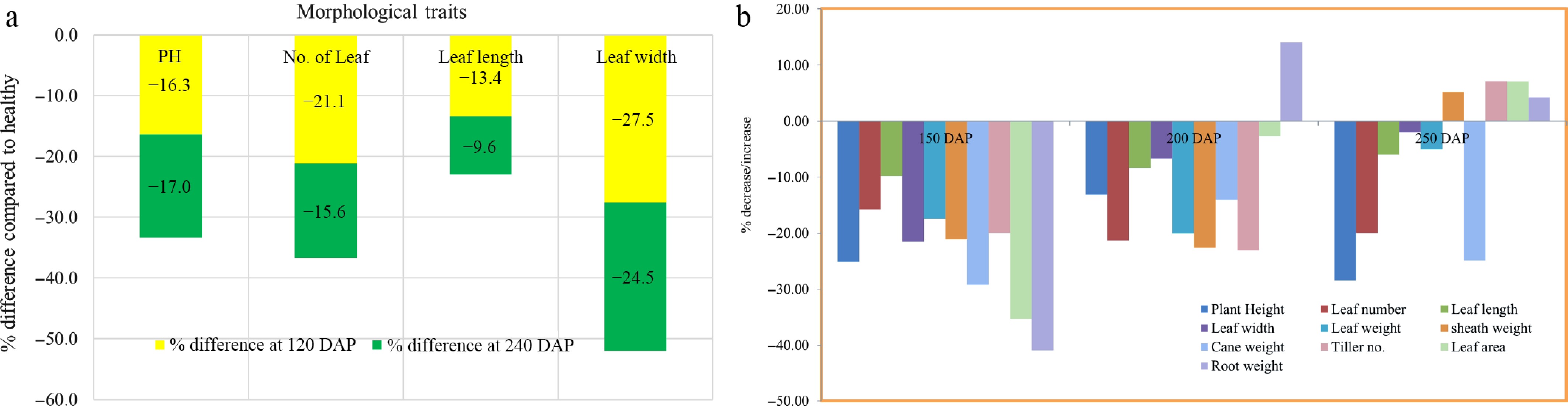
Figure 3.
Impact of wilt on various morphological traits in sugarcane. Left: Morphological responses (plant height [PH], number of leaves, leaf length, and leaf width) of sugarcane clones to wilt infection at 120 and 240 days after planting. Right: Effect of wilt on plant height (PH), leaf number, leaf length (LL), leaf width (LW), and leaf area index (LAI) during the formative phase in sugarcane clones (2022–23).
SPAD values and chlorophyll content
-
Wilt infection caused a significant (F [19,40] = 4.5, p < 0.0001*) decline in SPAD values and leaf chlorophyll content across sugarcane clones. SPAD values in healthy plants ranged from 27.1 to 40.73, whereas values in wilt-affected plants ranged from 19.5 to 32.5. Clones MS 68/47, Co 95020, and ISH 100 recorded reductions approaching 50% in SPAD values, while cv. Co 419 exhibited only a marginal reduction (Supplementary Fig. S5a). Similarly, leaf chlorophyll content was significantly (F [19,40] = 3.31, p < 0.0001*) reduced in wilt-affected plants. The magnitude of reduction varied among genotypes, with clones Co 94008, C 79218, ISH 69, and ISH 100 showing approximately 50% decline in chlorophyll content compared with healthy plants (Supplementary Fig. S5b).
Canopy temperature depression
-
Canopy temperature depression (CTD) differed markedly between healthy and wilt-affected plants. Healthy clones generally exhibited positive CTD values, indicating cooler canopies, whereas wilt-affected plants recorded negative CTD values, reflecting warmer canopies. Among the seven clones assessed, cv. Co 419 did not exhibit a negative CTD response due to wilt, while the remaining clones recorded increases in canopy temperature of up to 7 °C. The clone NB 94-545 exhibited the highest increase, whereas cvs CoA 93081 and Co 06022 showed relatively moderate temperature increases of less than 1 °C. Clones Co 86010 and Co 87045 recorded increases of approximately 3 °C, while CoV 18357 exhibited an increase of about 5 °C (Fig. 4a). Thermal images clearly demonstrated higher canopy temperatures in wilt-affected plants as compared with healthy plants (Fig. 4b).
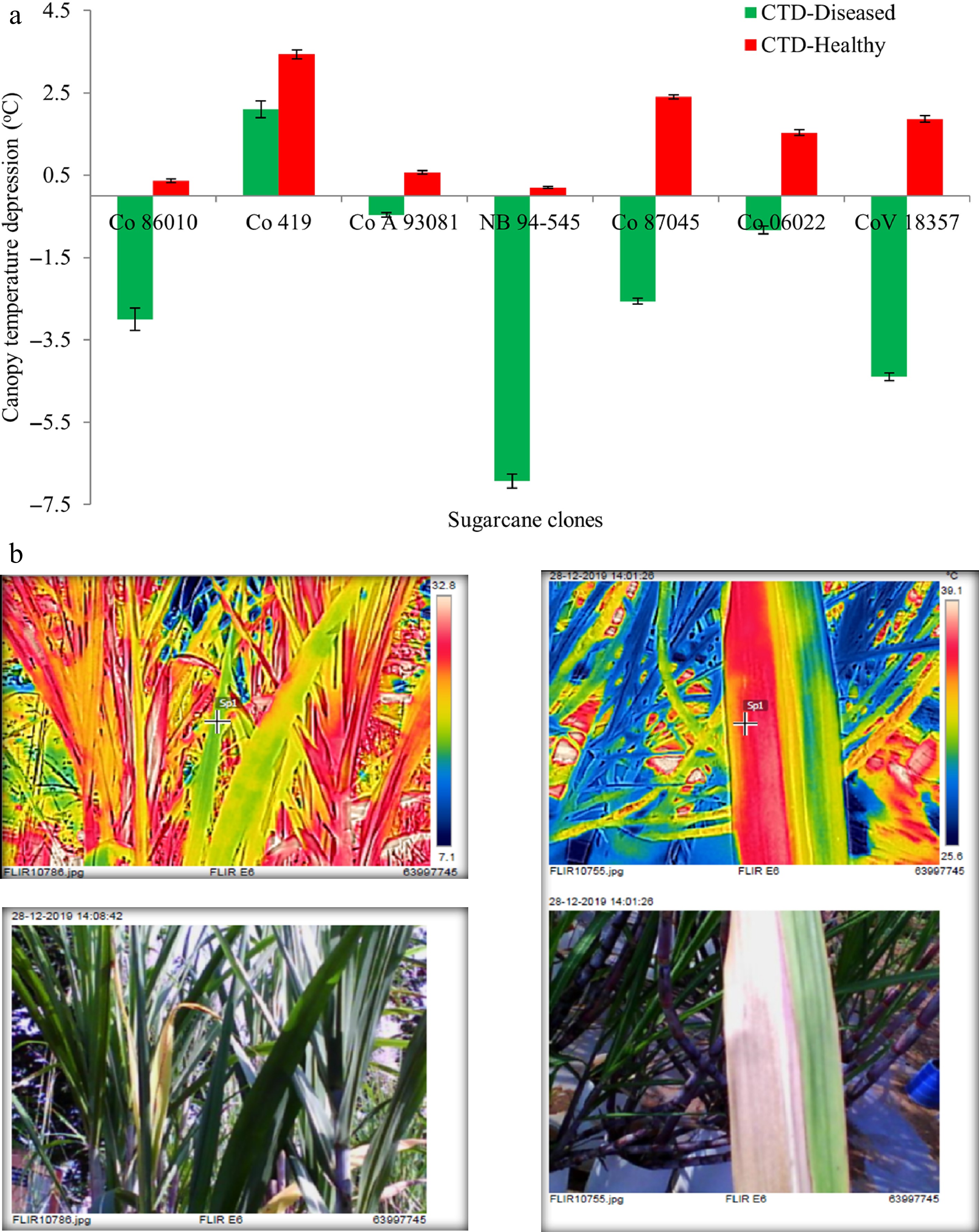
Figure 4.
Effect of wilt on sugarcane physiological parameters. (a) Effect of wilt on canopy temperature depression (CTD) in sugarcane clones; (b) CTD images of wilt-affected plants (cv CoV 18357) show a warmer canopy in wilt-affected plants. Top, thermal image; bottom, normal image.
Photosynthetic rate
-
Healthy clones have shown significantly higher photosynthetic rates (F [19,40] = 15.5, Pro > F is p < 0.0001*), whereas wilt-affected clones recorded lower rates, indicating that F. sacchari infection reduces physiological processes. A significant reduction in photosynthetic rate was observed in wilted (Fusarium-infected) clones compared with the healthy control clones. The healthy clones registered photosynthetic rates from 43 to 21, whereas the wilt-affected clones were recorded with rates from 27 to 14, respectively. Among the 10 varieties assessed for photosynthetic rate, the cv Co 775 and CoJaw 270 showed higher rates under healthy conditions, while among the wilt-affected clones, the Co 775 and Co 86010 recorded higher rates (Fig. 5).
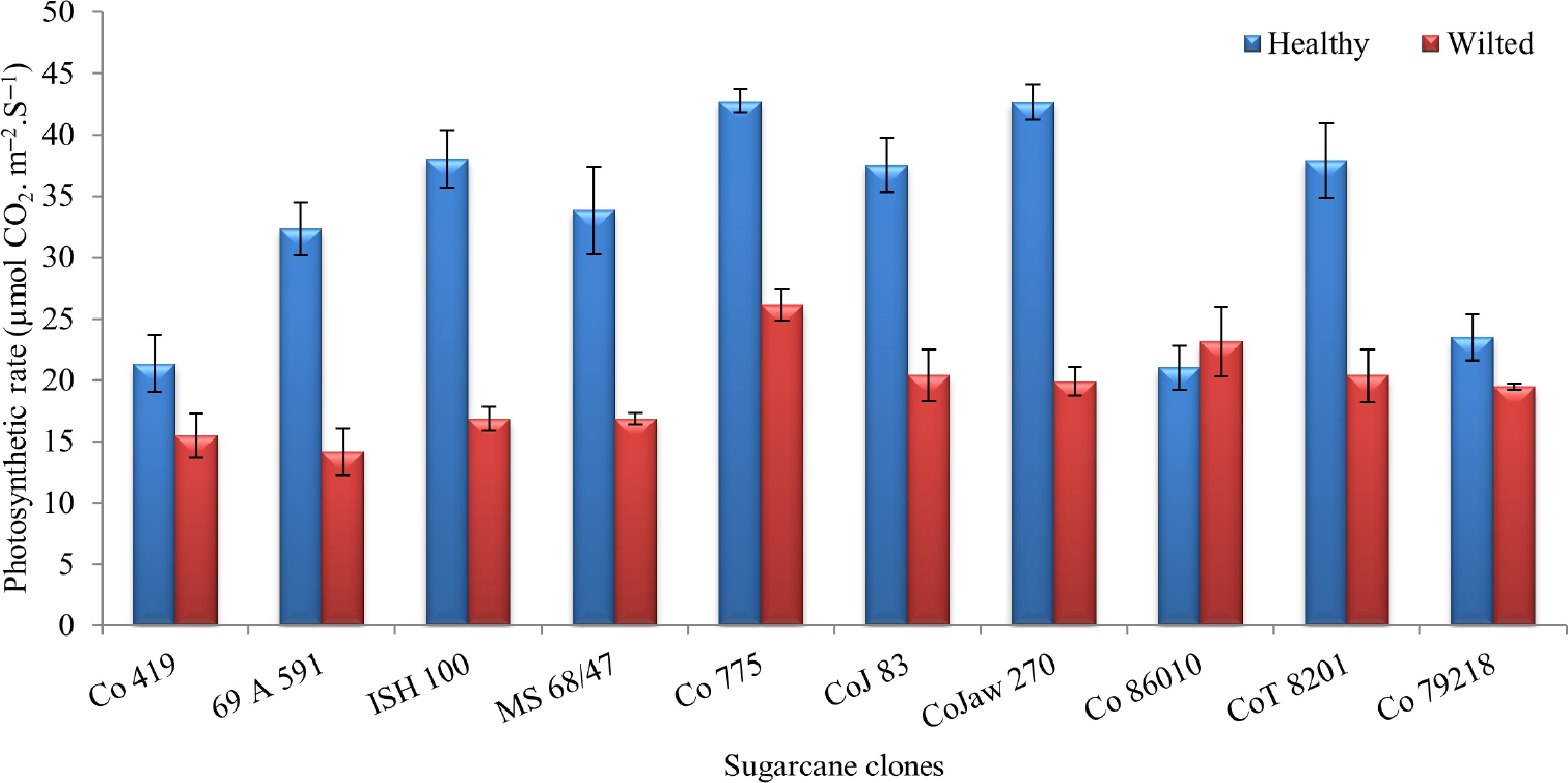
Figure 5.
Effect of wilt on photosynthetic rate in sugarcane varieties (recorded using a Portable Photosynthesis System).
Root growth parameters
-
Wilt infection substantially impaired root system development in sugarcane. Healthy plants exhibited robust root systems with well-developed lateral and fibrous roots, whereas wilt-affected plants showed partial root mortality and poor root proliferation (Fig. 6). Quantitative analysis revealed that wilt-affected plants recorded reductions of 28%–71% in cumulative root length, 22.5%–65.5% in root surface area, 15.2%–60.2% in root volume, and 0%–69.9% in root fresh weight compared with healthy plants. Root diameter was not significantly affected by wilt. Among the five clones evaluated, CoA 93081 exhibited the least reduction in root parameters, while Co 419 recorded the maximum reduction (Fig. 7).
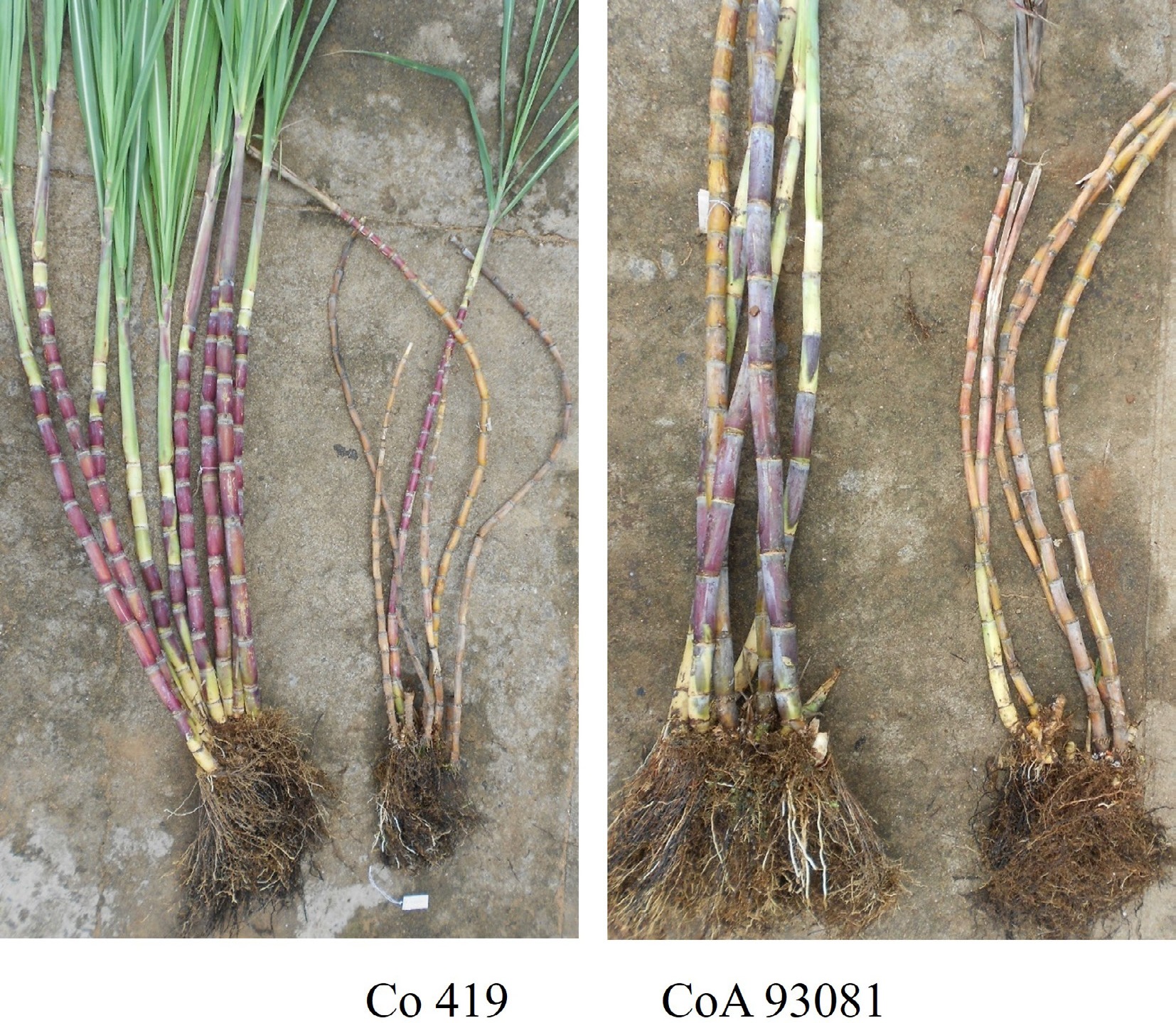
Figure 6.
Root growth along with cane growth in healthy and wilt-affected plants of sugarcane varieties Co 419 and CoA 93081. In each variety, a healthy clump is placed on the left and a wilted one on the right: wilt-affected clumps show weakened and dying canes along with dead root mass.
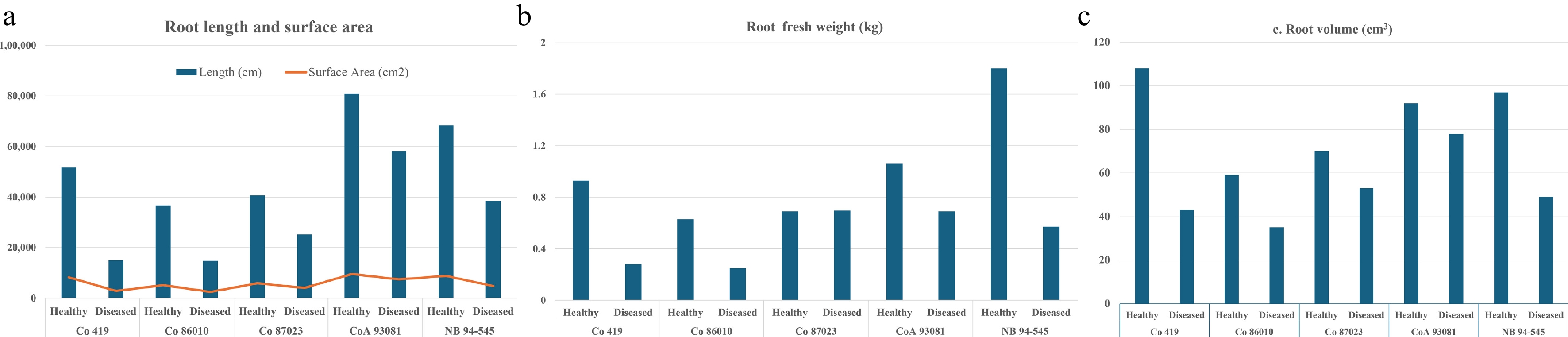
Figure 7.
Impact of wilt on root growth parameters in sugarcane. Root growth parameters, viz., root length and surface area, root fresh weight, and root volume, were assessed at 360 days after planting. The root mass was detached from the pots along with the soil, washed, and subjected to root scan analyses.
Cane yield and juice quality parameters
Impact of wilt on cane yield and juice quality parameters in different sugarcane varieties
-
Wilt infection resulted in substantial reductions in cane growth, yield, and juice quality parameters. Of the 14 parameters assessed, all showed significant decline due to wilt except electrical conductivity, which increased by 44.4% in juice from wilt-affected canes. Mean cane height and single cane weight were reduced by 28.39% and 36.15%, respectively. Juice weight and juice volume declined by 36.15% and 36.34%, respectively. Among quality parameters, sucrose content and commercial cane sugar (CCS) percentage decreased by 22.22% and 25.15%, respectively (Fig. 8a). Across the 10 sugarcane clones evaluated, the number of millable canes and total cane yield showed losses ranging from 10% to 72% due to wilt. Clones 69A591, MS 68/47, ISH 100, and CoT 8201 recorded more than 60% yield loss under wilt conditions (Fig. 8b).
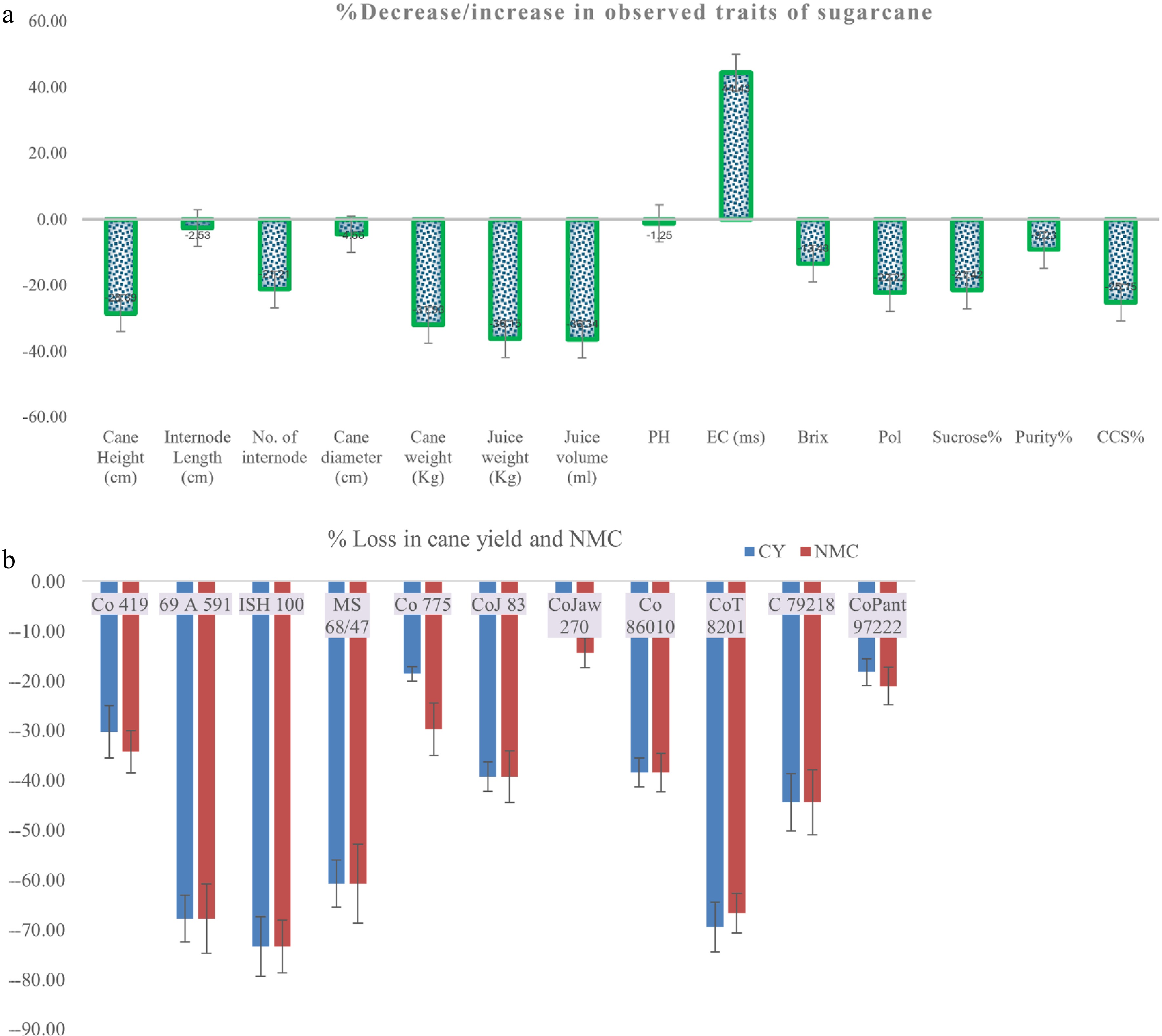
Figure 8.
Effect of wilt on sugarcane final cane yield parameters. (a) Impact of wilt on major cane growth and yield parameters in canes in 11 sugarcane varieties (values are the mean of 11 varieties). (b) Effect of wilt on the number of millable canes (NMC) and cane yield in 11 sugarcane varieties assessed during 2021–22. The loss in cane yield parameters reflects the relative loss in wilt-affected canes as compared to the respective healthy canes of 11 varieties.
Cane growth and yield parameters in canes expressing different wilt severity phases
-
In the variety Co 11015, progressive stages of wilt severity resulted in increasing losses in growth, yield, and juice quality parameters. Wilt-affected canes exhibited reductions of 35.7%–53.6% in cane height, 52.3%–60.7% in cane weight, and 52.6%–60.5% in juice yield. Reductions in sucrose content ranged from 6.0% to 37.1%, juice purity from 1.17% to 18.8%, and CCS from 6.68% to 43.5%. Canes exhibiting complete wilt symptoms recorded the highest losses across all parameters, while canes in chlorotic and partial wilt stages showed comparatively lower but substantial reductions (Fig. 9).
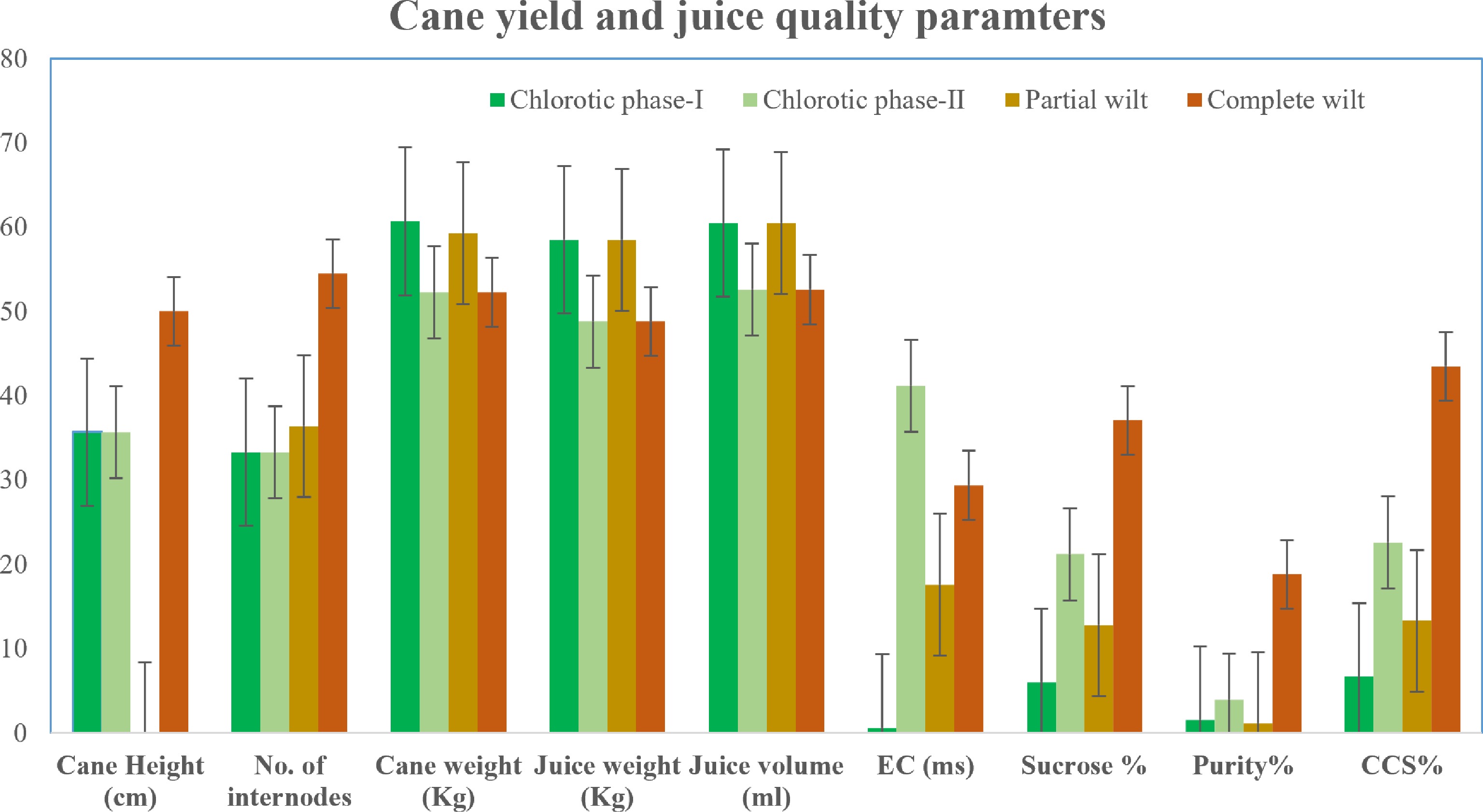
Figure 9.
Impact of wilt on cane yield and juice quality at the time of harvest in the sugarcane cv Co 11015 exhibiting different phases of wilt. Percent loss in values due to different wilt is depicted in the diagram, except EC values, which showed an increase in values due to F. sacchari infection. Chlorotic phase I: initial phase of wilt with partial chlorosis, with a few leaves turning yellow. Chlorotic phase II: all the leaves in the canopy turn yellowish. Partial wilt: cane stalks exhibit paleness along with foliage discolouration. Complete wilt: the affected canes exhibit total wilting (before drying of canes).
Principal component analysis
-
Principal component analysis (PCA) revealed distinct relationships among growth, physiological, and yield parameters under healthy and wilt-affected conditions. In healthy plants, the first two principal components (PC1 and PC2) explained 38% and 17% of the total variability, respectively. Most growth and yield parameters were positively associated with cane yield, whereas leaf length and leaf width traits showed a negative association (Fig. 10). Under wilt conditions, PC1 and PC2 accounted for 34.7% and 22.5% of the variability, respectively. Several parameters, including cane diameter, single cane weight, juice weight, and brix, exhibited a negative association with cane yield under diseased conditions, indicating altered trait relationships due to wilt stress. The distribution of clones on PCA biplots reflected genotype-specific responses to F. sacchari infection (Fig. 10).
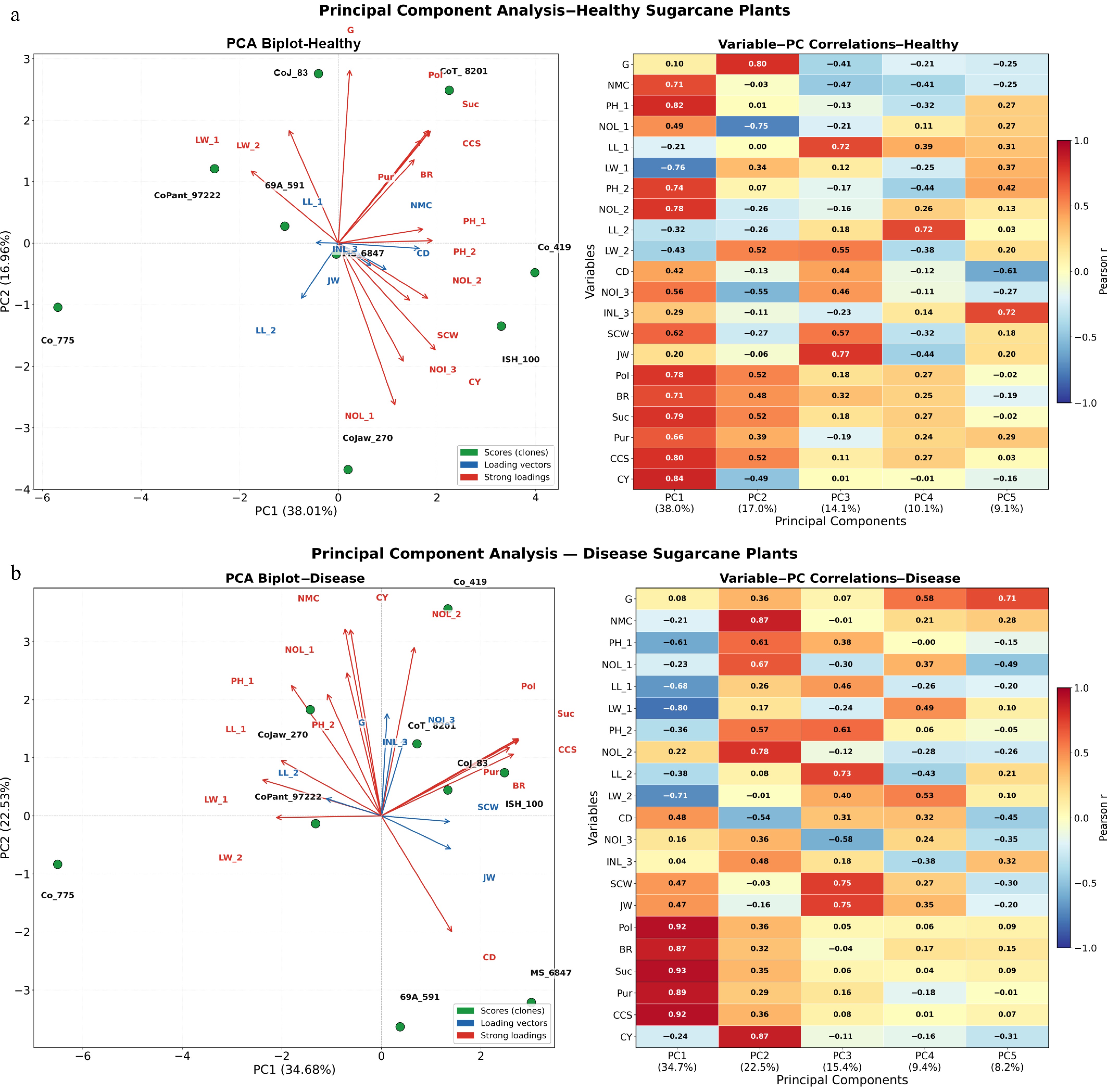
Figure 10.
Critical analysis of relationships between healthy and wilt-affected sugarcane for growth, physiological, and yield parameters. (a) Principal component analysis (PCA): Biplot (left) and correlation plot (right) of the studied variables of healthy plants. (b) Principal component analysis (PCA): Biplot (left) and correlation plot (right) of the studied variables of diseased plants.
Impact of wilt in parental clones
-
Wilt infection in parental clones maintained in the National Hybridization Garden resulted in variable reductions in cane yield and juice quality parameters. Healthy and wilt-affected canes of clones Co 775, Co 7201, Co 87252, Co 2000–10, and Co 05010 showed differential responses, with wilt-affected canes exhibiting consistent declines across multiple yield-related traits. The magnitude of reduction varied among clones, highlighting genotype-dependent responses to wilt in breeding materials.
-
Sugarcane wilt has caused severe crop losses over several decades, leading to the withdrawal of a popular variety from commercial cultivation[5,20]. Although the disease was first reported more than a century ago, it has received relatively limited attention compared with other stalk diseases such as red rot, largely due to frequent mixed infections and the attribution of yield losses primarily to Colletotrichum falcatum[5]. As both pathogens infect vascular tissues, co-infections are common, and the progressive damage caused by wilt has often remained underestimated[21]. Earlier studies on sugarcane wilt primarily focused on disease occurrence, varietal susceptibility, and yield losses at harvest, with limited emphasis on the physiological processes underlying crop decline. In contrast, recent evidence has demonstrated that wilt affects sugarcane from early growth stages onwards, influencing crop establishment, tillering, and biomass accumulation[17]. The present study provides a comprehensive assessment of the physiological and yield-related impacts of F. sacchari infection by integrating canopy development, thermal response, root growth, and yield attributes across multiple genotypes and seasons.
Sett and soil inoculum of F. sacchari cause wilt in sugarcane in the field. These infections cause the disease from germination till crop harvest. Further, the disease manifestation is influenced by the prevailing weather and variety[5]. Treatment plots of 'infected' maintained a poor crop stand with paleness or yellowing in the canopy, stunted growth, and death of the plants. The root system also exhibited a significant reduction in root mass and death of roots (Figs 1, 6). Although the canes from the infected plots maintained a healthy phenotype, substantial loss to overall crop growth was found, and F. sacchari was isolated from such plants (results not shown). We used apparently healthy canes from the infected plots to assess the impact of wilt on cane growth and physiological parameters, as dead canes are not suitable for such studies.
Canopy development is a critical determinant of biomass accumulation and yield formation in sugarcane, as maximum photosynthetic efficiency is achieved when the crop attains optimal canopy cover[22,23]. Active vegetative canopy coverage was recorded in healthy and wilt-affected sugarcane clones grown under field conditions using the Canopeo mobile application. Canopeo is a digital image analysis tool that estimates fractional canopy coverage (FCC) based on green pixel detection and has been effectively used for quantifying crop canopy development[24]. Wilt-affected plants exhibited a pronounced reduction in FCC, particularly during the formative phase, indicating early physiological impairment caused by F. sacchari infection. Similar reductions in canopy development under biotic stress have been reported earlier in sugarcane and other crops, where vascular pathogens restrict leaf expansion and tiller survival[18]. However, quantitative documentation of FCC reduction due to sugarcane wilt has not been previously reported. The observed mean reductions of 45% in FCC during early growth stages highlight the sensitivity of canopy traits to vascular dysfunction induced by wilt.
Genotypic variation in FCC among wilt-affected sugarcane clones was a consistent feature of the present study and has important implications for understanding tolerance mechanisms. Certain clones, such as Co 419 and CoJaw 270, maintained canopy coverage comparable to healthy plants during early growth stages, whereas susceptible clones, including ISH 100, MS 68/47, and CoPant 97222, exhibited severe and persistent reductions in FCC across seasons. Such differential canopy responses suggest variation in the ability of genotypes to sustain tiller survival, leaf expansion, and canopy recovery under vascular stress. Earlier studies on sugarcane wilt primarily categorized varietal responses based on visual symptoms and yield loss[25]. Apart from yield losses, few studies focused on juice deterioration, with limited attention to leaf-level physiological indices[26,27]. However, the present findings demonstrate that FCC provides a quantitative and early indicator of genotypic tolerance to F. sacchari. Clones exhibiting minimal FCC reduction are likely to possess improved hydraulic stability or compensatory growth mechanisms, enabling partial recovery of canopy function despite infection. These observations highlight the potential utility of FCC as a rapid physiological screening trait for identifying wilt-tolerant genotypes under field conditions. Leaf area index (LAI) integrates leaf number, size, and expansion and is closely linked to photosynthetic capacity. Wilt-affected plants in the present study had a markedly lower mean LAI than healthy plants, reflecting restricted laminar growth and reduced photosynthetic surface area. The substantial reduction in LAI observed here provides direct evidence that F. sacchari infection compromises canopy photosynthetic potential well before harvest, thereby predisposing the crop to yield penalties.
We estimated leaf chlorophyll content following established protocols to quantify disease-induced degradation of photosynthetic pigments, as described previously for sugarcane[28]. These measurements were used to evaluate the physiological stress imposed by wilt attack on photosynthetic efficiency. The decline in SPAD values and chlorophyll content in wilt-affected plants aligns with earlier observations that sugarcane wilt leads to progressive chlorosis and premature leaf senescence[5,29]. Reduced SPAD readings indicate chlorophyll degradation, likely driven by impaired nutrient transport, toxin production, and oxidative stress associated with vascular colonisation. Recent molecular evidence showing the presence of mycotoxin biosynthesis genes in F. sacchari further supports the physiological basis of chlorophyll degradation observed in wilt-affected plants[30].
Photosynthesis is the foundation of dry matter production in plants, and photosynthetic rate serves as a critical measure of the photosynthetic apparatus's capacity[31]. Fusarium wilt markedly lowers photosynthetic rate in infected crops by compromising gas exchange, triggering water stress, and impairing electron transport in the photosystems, collectively restricting photosynthetic capacity[32−34]. Consequently, quantifying photosynthetic rate in crop plants, particularly under Fusarium wilt stress, is vital for assessing disease effects and developing strategies to enhance crop productivity. The present study demonstrates the value of measuring photosynthetic rate in sugarcane clones. The present study revealed a significant reduction in photosynthetic rate in wilt-affected clones, along with considerable variability among clones. Among the studied sugarcane clones, Co 775 and Co 86010 maintained higher photosynthetic rates under wilted conditions, indicating clone-specific acclimatization differences.
Canopy temperature depression (CTD) has emerged as a reliable indicator of plant water status and stress tolerance. In the present study, healthy plants exhibited positive CTD values, whereas wilt-affected plants consistently recorded negative CTD values, indicating warmer canopies. Similar increases in canopy temperature under vascular stress have been reported in crops affected by xylem-invading pathogens, where reduced transpiration and stomatal dysfunction limit evaporative cooling[5,35]. The magnitude of CTD variation among genotypes observed in this study suggests a differential capacity of sugarcane clones to maintain hydraulic conductivity under wilt stress.
Root system impairment emerged as a central component of wilt-induced physiological decline in sugarcane. In the present study, wilt-affected plants exhibited substantial reductions in cumulative root length, root surface area, root volume, and root biomass, while root diameter remained largely unaffected. These observations indicate that F. sacchari infection primarily restricts root proliferation and functional absorptive capacity rather than altering root thickness per se. Similar patterns of root system suppression have been reported in sugarcane affected by wilt and other vascular diseases, where early root damage precedes visible above-ground symptoms[5]. Earlier studies have emphasized that F. sacchari initiates infection through sett- or soil-borne inoculum, leading to early colonization of root and basal stalk tissues[5]. Severe root infection disrupts water and nutrient uptake, resulting in poor anchorage, settling mortality, and reduced tiller survival, particularly during the formative and tillering phases. The pronounced reductions in root length and surface area observed in the present study provide quantitative evidence supporting these earlier observations and explain the associated decline in canopy development, leaf expansion, and thermal regulation recorded in wilt-affected plants.
Genotypic differences in root response further highlight the role of root integrity in determining wilt tolerance. Clones such as CoA 93081, which exhibited comparatively lower reductions in root parameters, also showed relatively moderate physiological impairment, whereas susceptible clones such as Co 419 recorded severe root system degradation. These findings are consistent with earlier reports that genotypes with stronger root systems and better root regeneration capacity exhibit improved tolerance to wilt stress[35]. The close association between root damage and above-ground physiological dysfunction suggests that wilt severity in sugarcane is fundamentally driven by vascular and root system failure. Restricted root growth limits water transport and transpirational cooling, leading to elevated canopy temperatures, reduced photosynthetic efficiency, and progressive canopy collapse. The present study is among the first to quantitatively document the impact of sugarcane wilt on root architectural traits, thereby providing a mechanistic link between below-ground infection, physiological stress, and yield loss.
The substantial reductions in cane yield and juice quality observed in wilt-affected plants represent the cumulative outcome of early and progressive physiological disruption caused by F. sacchari. Completely wilted canes dry, leading to total crop loss. In our experiments, we compared healthy plants with apparently healthy but wilt-affected canes of different varieties, which recorded a significant impact on these growth and yield parameters. Wilt-affected plots recorded a reduction of 36.1% to 53.7% in cane yield. Under field conditions, the loss in cane yield due to wilt may vary from field to field or variety to variety, depending on disease severity. Earlier studies estimated a mean loss of 3−6 t/ha cane production due to sugarcane wilt, which is about 282 to 564 million US
$\text{\$} $ The reductions in germination, cane girth, cane weight, and sugar recovery under wilt stress have been reported earlier[9]. The present study corroborates these reports but extends them by quantitatively linking yield penalties to specific physiological traits such as fractional canopy coverage, leaf area index, SPAD values, canopy temperature depression, and root architecture. The marked reduction in single cane weight and juice yield observed across susceptible genotypes can be attributed to restricted assimilate production and translocation resulting from diminished canopy photosynthesis and vascular dysfunction. Reduced sucrose accumulation and juice purity in wilt-affected canes further indicate metabolic impairment of stalk tissues, likely due to disrupted phloem loading, altered carbohydrate partitioning, and increased respiration under stress conditions. Similar deterioration of juice quality parameters under wilt stress has been reported earlier and attributed to increased reducing sugars, accumulation of soluble salts, and imbalance in juice constituents[26,27]. Our previous studies established that physiological parameters, photosynthetic rate, stomatal conductance, and SPAD values are significantly reduced in sugarcane varieties with severe infection of a phloem-limited virus, sugarcane yellow leaf virus (Polerovirus SCYLV, Solemoviridae). Susceptible varieties recorded 38.9% to 42.9% reductions in cane height, cane thickness, and number of internodes in the stalk. Similarly, severely affected canes recorded up to a 34.15% reduction in juice yield[16].
Principal component analysis (PCA) provided an integrated understanding of the relationships among growth, physiological, yield, and juice quality traits under healthy and wilt-affected conditions. Interpretation of PCA biplots is based on the angular relationships among trait vectors, where the cosine of the angle between two vectors approximates the correlation between the corresponding variables[37]. Angles approaching 0° or 180° indicate strong positive or negative correlations, respectively, whereas angles near 90° or 270° indicate weak or negligible association[38]. In addition, the position of a genotype relative to a trait vector reflects its performance: points farther along the vector indicate higher trait values, while proximity to the origin denotes values close to the mean[39].
Under healthy conditions, PCA revealed a strong positive association between cane yield and its primary determinants, namely, the number of millable canes (NMC) and single cane weight (SCW), reflecting the fundamental production relationship in sugarcane. The close alignment of NMC, SCW, plant height, cane diameter, juice weight, and sugar quality traits with the cane yield vector confirms that yield formation in healthy plants is governed by coordinated canopy development, stalk growth, and assimilate accumulation. Similar PCA-based interpretations of growth and yield relationships have been reported in other crop–Fusarium pathosystems, where yield stability was associated with the maintenance of multiple interrelated traits[40]. In contrast, PCA under wilt conditions revealed a marked disruption of this functional hierarchy. Single cane weight, which is a major contributor to yield under healthy conditions, was positioned nearly 180° opposite to cane yield in the diseased biplot, indicating a strong negative association. This shift demonstrates that F. sacchari infection severely disrupts stalk filling and biomass accumulation, thereby breaking the basic yield function of NMC × SCW. Earlier studies have documented substantial reductions in single cane weight due to sugarcane wilt, ranging from 4.44% to over 47%, depending on genotype and environmental conditions[5,35]. The present PCA analysis provides multivariate confirmation of these findings by showing how SCW loses its positive contribution to yield under disease stress.
Cane diameter, which determines stalk volume and directly influences juice weight, also exhibited contrasting relationships under healthy and diseased conditions. While cane diameter showed a positive association with cane yield in healthy plants, it displayed a negative association under wilt conditions, suggesting severe impairment of stalk development due to vascular occlusion and disrupted nutrient transport. Such reductions in cane diameter have been reported earlier in sugarcane affected by F. sacchari and were attributed to restricted cell expansion and impaired assimilate flow within the stalk[35]. The negative association of cane diameter with yield under wilt stress further explains the observed reductions in juice weight and Brix, linking structural damage to quality deterioration. The adverse impact of pokkah boeng on sugarcane has been found on qualitative traits, viz., number of green leaves/internodes, stalk girth. In addition, the disease adversely affects cane yield, juice quality in terms of pol percent in cane, sucrose percent, extraction percent, and purity[41].
Genotypic distribution on PCA biplots further highlighted differential responses of sugarcane clones to wilt stress. Genotypes positioned closer to yield-associated vectors under diseased conditions exhibited relative stability in growth and physiological performance. In contrast, susceptible clones were located away from yield vectors, reflecting severe disruption of multiple traits. Such multivariate separation of genotypes under disease pressure has also been emphasised in PCA-based evaluations of Fusarium wilt resistance in other crops[40], underscoring the utility of PCA for identifying tolerant genotypes based on integrated trait performance rather than on single parameters.
F. sacchari also causes pokkah boeng (twisted top) disease in sugarcane, and recent reports suggest the same pathogen causes wilt and pokkah boeng in the same sugarcane plant[11,30]. Combined outbreaks of the two diseases severely affected crop performance under Indian conditions[25]. However, reports suggest that pokkah boeng caused by the Fusarium fujikuroi species complex (FFSC), including F. sacchari, F. fujikuroi, F. verticillioides, F. andiyazi, F. semitectum, and F. proliferatum, causes severe crop damage in different countries and in India[42−47]. However, in the present study, investigations were carried out to assess the impact of wilt alone on sugarcane growth and physiological parameters under field and greenhouse conditions. Moreover, wilt is a stalk disease, and its impact on cane productivity is substantial, since any loss to canes, the storehouse of sugar, is economically important and relevant.
The findings of the present study have important implications for the management of sugarcane wilt and for resistance breeding programmes. The demonstration that F. sacchari infection causes early and progressive physiological disruption affecting canopy development, chlorophyll status, thermal regulation, and root architecture highlights the limitations of relying solely on visible wilt symptoms or yield loss at harvest for disease assessment. Physiological traits such as fractional canopy coverage, leaf area index, SPAD values, canopy temperature depression, and root growth parameters provide sensitive and early indicators of wilt impact and can be effectively integrated into field-based disease monitoring and screening protocols. The observed genotypic variation in physiological resilience, particularly in canopy maintenance and root system integrity, suggests that tolerance to wilt is associated with the ability of certain genotypes to sustain functional water relations and assimilate production despite vascular infection. Incorporation of such physiological traits into resistance screening could improve the identification of wilt-tolerant parental clones and varieties, complementing existing disease scoring methods. The results from parental clones maintained in the National Hybridization Garden further emphasize the importance of protecting breeding materials from wilt, as infection can substantially compromise yield and juice quality traits even in elite genetic stocks. From a disease management perspective, the finding that apparently healthy canes from wilt-affected plots suffer significant hidden yield and quality losses underscores the need for preventive strategies. Use of healthy seed material, strict nursery sanitation, avoidance of wilt- affected fields for seed cane production, and timely removal of severely affected clumps are critical to limit inoculum build-up. Since wilt-induced damage begins early in crop growth and intensifies over time, integrated management approaches combining host resistance, clean planting material, and agronomic practices remain the most effective strategy for minimizing losses caused by F. sacchari.
-
Sugarcane wilt caused by F. sacchari is a systemic vascular disease that profoundly affects plant growth, physiology, yield, and juice quality. The present study provides a comprehensive physiological characterisation of wilt, showing that infection leads to early impairment of canopy development, chlorophyll content, thermal regulation, and root system architecture, which collectively drive severe yield and quality losses. Reductions in cane yield, juice yield, sucrose content, purity, and commercial cane sugar were closely associated with these physiological disruptions and intensified with increasing disease severity. The study further reveals substantial genotypic variation in physiological and yield responses to wilt, highlighting the potential of traits such as fractional canopy coverage, canopy temperature depression, and root growth parameters as early indicators of tolerance. Multivariate analysis confirmed that wilt disrupts the normal hierarchy of yield-determining traits, explaining the wide variation in losses observed among genotypes. Overall, this work advances understanding of sugarcane wilt from a predominantly symptom- and yield-based perspective to a mechanistic framework linking vascular infection with physiological dysfunction and economic loss. The findings provide a strong basis for improving wilt management strategies and for incorporating physiological traits into resistance breeding programmes aimed at sustaining sugarcane productivity under wilt-prone tropical environments.
The work was carried out with internal support from ICAR-Sugarcane Breeding Institute, Coimbatore, India, for field and lab facilities. This research did not receive any specific grant from funding agencies in the public, commercial, or not-for-profit sectors.
-
The authors confirm their contributions to the paper as follows: conceptualization, investigation, funding acquisition, validation, project administration, writing – original draft preparation: Viswanathan R; formal analysis, data curation, software: Selvakumar R, Kumar RA, Raj C; writing – review and editing: Malathi P, Sundar AR; experimentation, lab analyses, data collection: Nithyanantham R, Manivannan K, Kaverinathan K. All authors reviewed the results and approved the final version of the manuscript.
-
All data generated or analyzed during this study are included in this published article and its supplementary information files. No additional data are available in the repositories.
-
The authors declare that they have no conflict of interest.
-
accompanies this paper online at: https://doi.org/10.48130/tp-0026-0031.
-
Received 13 February 2026; Accepted 18 June 2026; Published online 29 September 2026
- Supplementary Fig. S1 Pot culture experiment to assess the impact of Fusarium sacchari infection on growth and physiological parameters in sugarcane cultivars.
- Supplementary Fig. S2 Fractional canopy coverage of sugarcane cv CoPant 97222 affected with wilt.
- Supplementary Fig. S3 Leaf area index in healthy and wilt-affected sugarcane varieties at 240 days after planting in the field.
- Supplementary Fig. S4 Impact of Fusarium sacchari infection on growth parameters in sugarcane varieties.
- Supplementary Fig. S5 Effect of wilt on SPAD and chlorophyll content during the formative phase in sugarcane clones.
- Copyright: © 2026 by the author(s). Published by Maximum Academic Press on behalf of Hainan University. This article is an open access article distributed under Creative Commons Attribution License (CC BY 4.0), visit https://creativecommons.org/licenses/by/4.0/.
-
About this article
Cite this article
Viswanathan R, Selvakumar R, Kumar RA, Raj C, Malathi P, et al. 2026. Impact of wilt caused by Fusarium sacchari on growth, physiological processes, and yield attributes of sugarcane under tropical conditions. Tropical Plants 5: e035 doi: 10.48130/tp-0026-0031 

Impact of wilt caused by Fusarium sacchari on growth, physiological processes, and yield attributes of sugarcane under tropical conditions
- Received: 13 February 2026
- Revised: 08 June 2026
- Accepted: 18 June 2026
- Published online: 29 September 2026
Abstract: Sugarcane wilt, caused by Fusarium sacchari, is a destructive vascular disease that severely affects crop productivity in tropical regions. Although the disease has been recognised for over a century, its impact on plant physiological processes and its relationship to yield loss have not been comprehensively quantified. The present study investigated the effect of F. sacchari infection on growth, physiological traits, and yield parameters of sugarcane through multi-season pot culture and field experiments using healthy and wilt-affected plants across diverse genotypes. Wilt-affected canes exhibited pronounced physiological impairment, including degradation of chlorophyll, reflected by significant reductions in SPAD values, and a 45% decline in fractional canopy coverage during the formative phase. Leaf area index was markedly reduced in diseased plants (2.12) compared with healthy plants (4.83). Canopy temperature depression indicated disturbed plant water relations, with healthy plants showing a mean CTD of +1.5 °C, whereas wilt-affected plants exhibited a warmer canopy with a mean CTD of −2.3 °C. Root system analysis demonstrated substantial reductions in root length, surface area, volume, and biomass in wilt-affected canes. These physiological disruptions translated into severe yield penalties. Wilt-affected canes showed reductions of 35.7%–53.6% in cane height, 52.3%–60.7% in cane weight, 52.6%–60.5% in juice yield, along with declines in sucrose content, juice purity, and commercial cane sugar. Completely wilted canes resulted in total crop loss, while apparently healthy but infected canes recorded a 36.1%–53.7% yield reduction. This study provides the first comprehensive physiological characterization of sugarcane wilt and highlights the critical role of canopy, thermal, and root traits in determining yield loss, offering valuable insights for disease management and resistance screening.
-
Key words:
- Sugarcane /
- Fusarium sacchari /
- Wilt /
- Canopy temperature depression /
- Leaf area index /
- Yield loss