












-
Weeds can be characterized as plants that cause economical and/or ecological damage and are undesirable where they are growing[1]. Invasive plants are a type of weed that persists and spreads widely, often destroying native plants and ecosystems[1-3]. They grow rapidly and frequently cause environmental, ecological, and economical damage and may cause problems for human activities or health. Invasive plants are more problematic than other types of weeds, as they may be novel to the environment, and without natural hindrance to growth, they often outcompete native species. This may result in changes to ecosystem function and balance, leading to devastating effects on habitats[1−3].
Both weeds and invasive plants may have negative consequences on the environment. Particularly, the aggressive growth of invasive species alters the balance in an ecosystem and changes community structure and composition, usually reducing biodiversity. While some flora may be locally extirpated, others may show diminished population sizes. According to the United States Department of Agriculture (USDA), invasive plants are the cause for the decline of 42% of U.S. endangered and threatened species[2]. In addition, changes in vegetation affect the population structure of invertebrates and other animals that rely on native vegetation for their food and habitats, putting wildlife diversity in danger. Bateman and Ostoja[4] reported changes in the composition of lizard and small mammalian communities in riparian woodland zones as a result of the invasion by Tamarix sp. These invasions can lead to changes in the ecological nutrient cycling processes and alter the structure and composition of soil. Control of weeds and invasive plants is expensive. In 2019, it was estimated that yearly, 137 billion dollars were spent to manage invasive plants in the United States and 26 billion dollars for controlling weeds in agriculture[3]. The use of toxic herbicides causes environmental pollution[5]. This reduces the quality of water and soil resources available for humans, animals and agriculture[6,7]. Weed invasions can also reduce the recreational value of properties[8], cause blockage of water ways[8], cause fire hazards, and sometimes can increase the risk of accidents due to the limited visibility caused by dense growth[9]. Also, dense populations of some invasive plants become breeding places for mosquitos and other disease-vectoring insects[10], increasing the risk of disease outbreaks.
-
Invasive plants are introduced to a new area through international trade, human activities, climatic events, and through animal vectoring. It is still not very clear what characteristics mostly contribute to their invasiveness, but these plants often have certain phenotypic traits which may be drivers of their success. One such feature is the production of large quantities of pollen and seeds[11]. Seeds can be easily spread by wind, water, or by attaching to the body parts of various animals. Seed structure facilitates dispersal. Many invasive plants also have extensive root systems[2], which help them gain access to sufficient nutrients, water, and microbial resources in soils. Another important feature is their aggressive vegetative propagation[12]. In addition to sexual reproduction through seeds, some invasive plants propagate through asexual methods. Stolons and rhizomes help them form large clonal populations that spread over hundreds of acres[12]. Bulbs and tubers can also contribute to invasiveness[12]. In addition, allelopathy could contribute to the invasiveness of plants. Allelopathy is the phenomenon where some plants produce substances (known as allelochemicals) that inhibit the growth of other plants[13]. Kalisz et al.[13] reported the identification of potential allelochemicals from a significant portion of invasive plants they studied, and the ubiquitous pre sence of allelopathy among most invasive plant families. Further, the inherent ability of invasive plants to live in or adapt to a broader range of environmental conditions may be another feature that leads to their rapid growth and hardiness[14]. All the above-mentioned features of weeds stem from weed genomes; however, all these features may be modified by the activities of microbes.
-
Many definitions of weeds do not convey any of their properties that likely lead to their growth in unwanted areas[15−17]. Weeds are often more competitive, stress-tolerant, and aggressive than crop plants[15]. They may reduce or increase crop growth depending on the conditions[16]. A weed may also be viewed as "a non-domesticated plant that has an intact and environmentally selected microbiome"[17]. If one considers the ecologies of weeds vs. crop species it is clear why a naturally selected microbiome is an important feature of weedy plants. Weeds typically grow without human selection and management, and their seeds remain in nature or in soil where they are subject to colonization by soil microbes (bacteria and fungi, and perhaps other microbes). This leads to the development of a rich and growth-promoting microbiome that enables weeds to grow under stressful conditions without added nutrients[17]. However, crops have been domesticated and managed by humans without consideration of their microbiomes in such a way that their selected microbiomes have been degraded. For example, during cultivation, seeds are gathered from crops soon after their development and stored under clean, dry, and often cool conditions where seed microbial communities do not continue to develop. Seeds may also be cleaned to remove or protect against pathogens. These are the conditions in which the living microbiomes on seeds are degraded over time, leaving the crop plants lacking in a microbiome that would enable seedlings to nourish themselves and defend themselves from pathogens and stresses[17]. This point was illustrated in the domestication experiment done by Santhanam et al.[18]. These authors began cultivation of coyote tobacco, Nicotiana attenuata, collecting seeds, storing them in cool, dry storage conditions, then planting in the following spring. After approximately eight seasons, the percentage of plants succumbing from a sudden-wilt disease caused by a Fusarium–Alternaria disease complex increased until crop failure. These investigators then transferred bacteria from the wild uncultivated tobacco onto the cultivated lines, and the wilt disease vanished[18,19]. It is clear that the process of cultivation very quickly degraded the evolved microbiome in the wild tobacco. This same process has very likely occurred in domestication and cultivation of many of our crop plants. It is likely the degradation of plant and soil microbiomes in crop plants has increased their dependence on humans, resulting in the need to provide nutrients and various agrochemicals in their management. Also, application of nitrogen fertilizers can further alter plant endophyte communities[20].
There is other evidence that the microbiomes of weeds are critical to their "weediness." Weediness here refers to the ability of a plant to grow rapidly and spread within any manmade or natural habitat. Some of the evidence is as follows. Rodrigues et al.[21] reported that plant invasions are associated with changes in the root zone microbial communities. Massenssini et al.[22] reported that weeds tend to show positive growth promotional responses to a diverse array of soil microbes, while crop plants may often show a neutral or negative response. This suggests that the presence of diverse and adapted microbiomes in plants enables weeds to associate positively with a range of soil microbes. Samad et al.[23] found that weeds show a higher species richness in rhizospheres of roots than cultivated crop species, further reflecting a more developed microbiome. Rout and Chrzanowski[24] found that the ability of Johnsongrass (Sorghum halepense) to grow in nutrient-poor tall grass prairie soils is related to its microbiome. Weeds have been found to contain more growth-promoting microbes than crop species[25]. Taken in balance, it seems clear that one prominent feature of weed plants is a microbiome that contains numerous microbes that enhance growth and survival of the plant. Among hypothetical benefits of the microbiome include the following: modulation of host range, defense against herbivores and pathogens, increased nutrient acquisition, increased stress tolerance, increased fecundity, modulation of development and increased genetic and epigenetic diversity (Fig. 1).
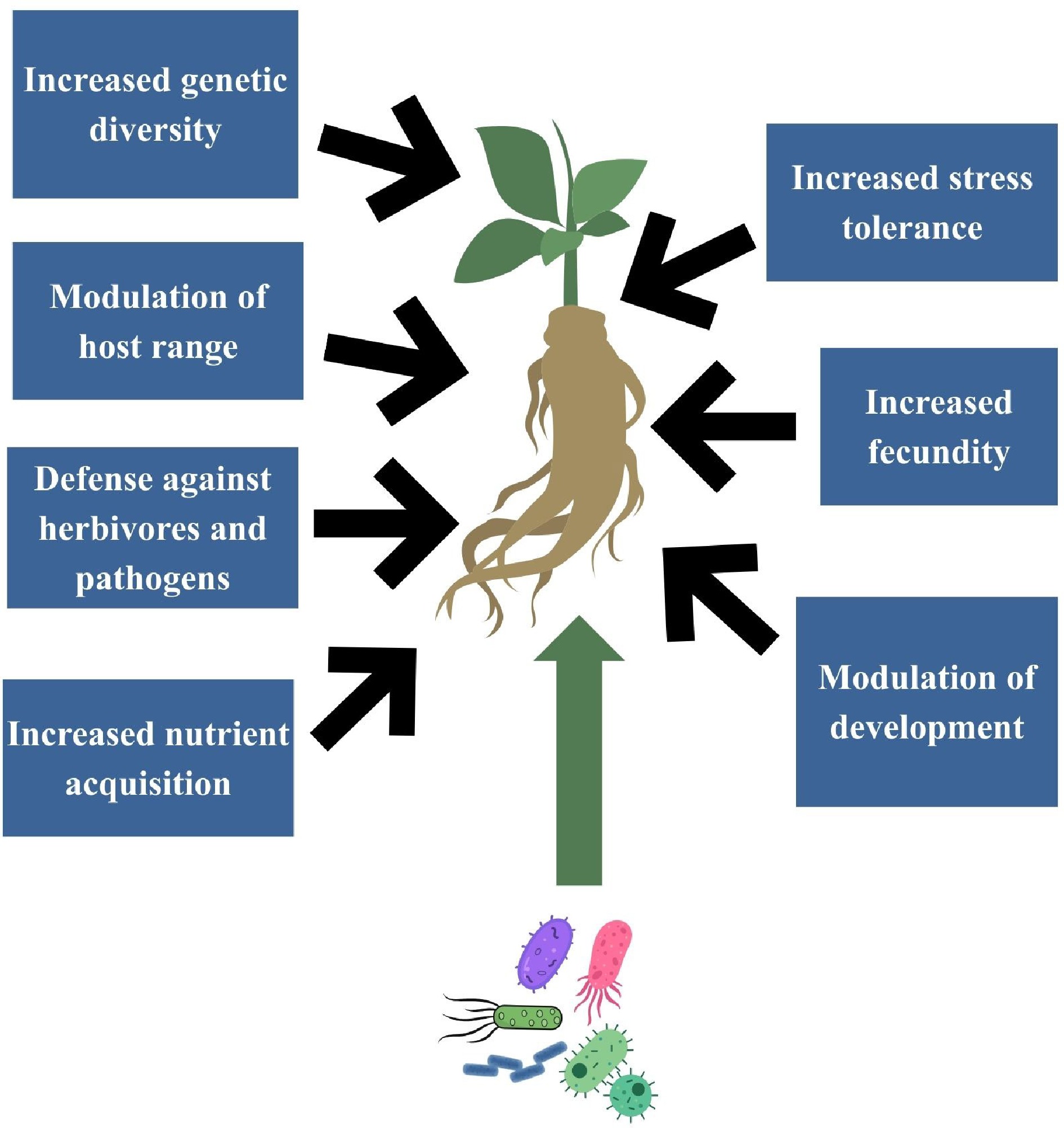
Figure 1.
Potential microbial contributions to weed and invasive plant growth. The benefits may include increased genetic and epigenetic diversity, modulation of host range, increased defense against herbivores and pathogens, increased nutrient acquisition, increased stress tolerance, increased fecundity, and modulation of development.
Meng et al.[26] showed possible evidence for the "enhanced mutualism hypothesis" in invasive plants. This hypothesis put forward the idea of the ability of invasive plants to enrich soil with beneficial microbes and establish intensified mutualistic associations to acquire microbial benefits for their success. Meng et al.[26] found increased abundance of plant growth-promoting bacteria in soil with pokeweed (Phytolacca americana), a weed considered to be invasive. Further, this study found an increasing trend in microbial abundance, paralleling aging of the plant. This trend was prominent in early stages of invasion. Interestingly, high seed germination and biomass accumulation were observed when new plants grew in soil pre-conditioned with P. americana growth up to 5 years previously, while the effect was not observed when using soil aged 5−10 years. Thus, the plant−microbe interactions in early stages of development and invasions play a crucial role in the establishment of a particular weed in a new environment. Further, a study showed that invasive plants can act as reservoirs of pathogens of native plants, suppressing their growth[27] and causing decline of native populations.
-
It is generally believed that eukaryotic organisms (including, animals, plants and fungi) are self-regulated in terms of their developmental programs, and their own genomes determine most or all aspects of development, rather than being modulated by microbes. However, there is growing evidence that this is not the case[28]. Plants utilize microbes in their cells and tissues to modulate their development[29,30]. This is particularly true in weedy and non-cultivated plants that tend to maintain healthy microbiomes[31]. Jiang et al.[32] examined the microbiome of the weedy plant Stellera chamaejasme and concluded that its weediness in part may stem from aspects of its microbiome that increase nitrogen and chlorophyll content in plant tissues. Irizarry and White[33] showed that the addition of endophytic Bacillus amyloliquefaciens from a weedy tree (Thespesia populnea; Malvaceae) to the cotton microbiome resulted in increased expression of genes for nitrate metabolic processes and assimilation, membrane-bound vesicles, microtubule cytoskeleton and microtubule-based movement, and antioxidant and lignin synthesis, leaving plants hardier, healthier, and resistant to diseases. The density and length of root hairs and trichomes are largely determined by the numbers and kinds of microbes in the hair initials, with more microbes in root hair initials resulting in longer root hairs[29,34,35]. Removal of all or most microbes from plants by surface disinfection of seeds results in seedling roots that do not develop root hairs[29,34]. Figure 2a represents henbit (Lamium amplexicaule) showing an early-developing glandular trichome containing bacteria internally (black arrows), while Fig. 2b shows a more developed trichome containing abundant bacteria, with some emerging from openings in the trichome wall. Pečenková et al.[36] found that intracellular bacteria in genus Pseudomonas promoted root hair elongation in Arabidopsis thaliana through ethylene signaling. Chang et al.[29] showed that bacteria at the tip of root hairs produced ethylene and nitric oxide, resulting in root hair elongation. Disrupting ethylene formation by bacteria using inhibitors, resulted in failure of root hairs to elongate. Similarly, scavenging nitric oxide in roots using methylene blue showed a reduction in root hair elongation. Thus, it seems clear that bacteria-produced substances like ethylene and nitric oxide play an important role in modulating plant cell development for particular cell types. In addition, Paungfoo-Lonhienne et al.[37] showed that DNA is absorbed into Arabidopsis thaliana roots and triggers the expression of CLE (CLAVATA3/Embryo Surrounding Region-related) genes (coding for signaling peptides) that control root development. Thus, exposure of roots to DNA that is lost or extracted from microbes associated with roots is enough to alter root development through an unknown mechanism. Polar growth, in general in plant hairs, and elongated epidermal cells, fibers, and vascular tissues are associated with abundant bacteria early in their development, and thus their growth may be influenced by microbes within those elongated cell types[29].
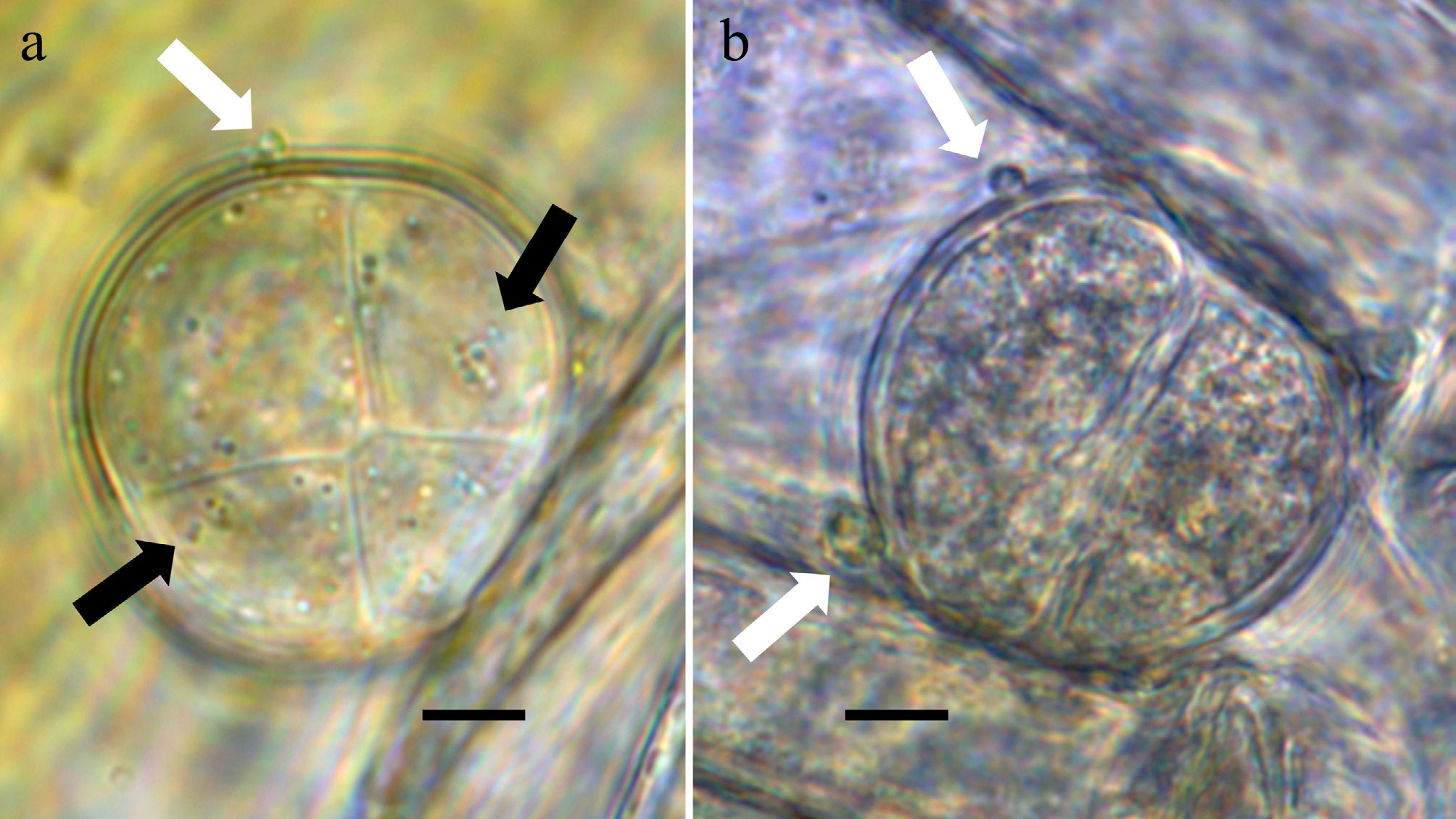
Figure 2.
Glandular trichomes of henbit (Lamium amplexicaule) showing endophytic bacteria within them. (a) Early-developing glandular trichome showing dividing bacteria in trichome cells. Black arrows indicate bacteria within trichomes, while white arrows show bacteria emerging from the trichome (bar = 10 µm). (b) Late-developing trichome filled with bacteria, showing the escape of bacteria from the trichome (white arrows; bar = 10 µm). Images are original and are not previously published.
Growing evidence shows that plants cultivate bacteria in their meristematic tissues in both roots and shoots. The close interaction of endophytic microbes and developing plant cells makes this type of interaction important in plant tissue development. This close interaction was seen in Jerusalem artichoke (Helianthus tuberosus), where bacteria were observed within leaf margin meristem cells when tissues were stained for the presence of nitrate (Fig. 3). The development of plant organs such as root systems and stems is determined early in cell development in plant meristems[29,30,33,37]. Endophytic interactions in meristem cells may well determine gene expression throughout the plant.
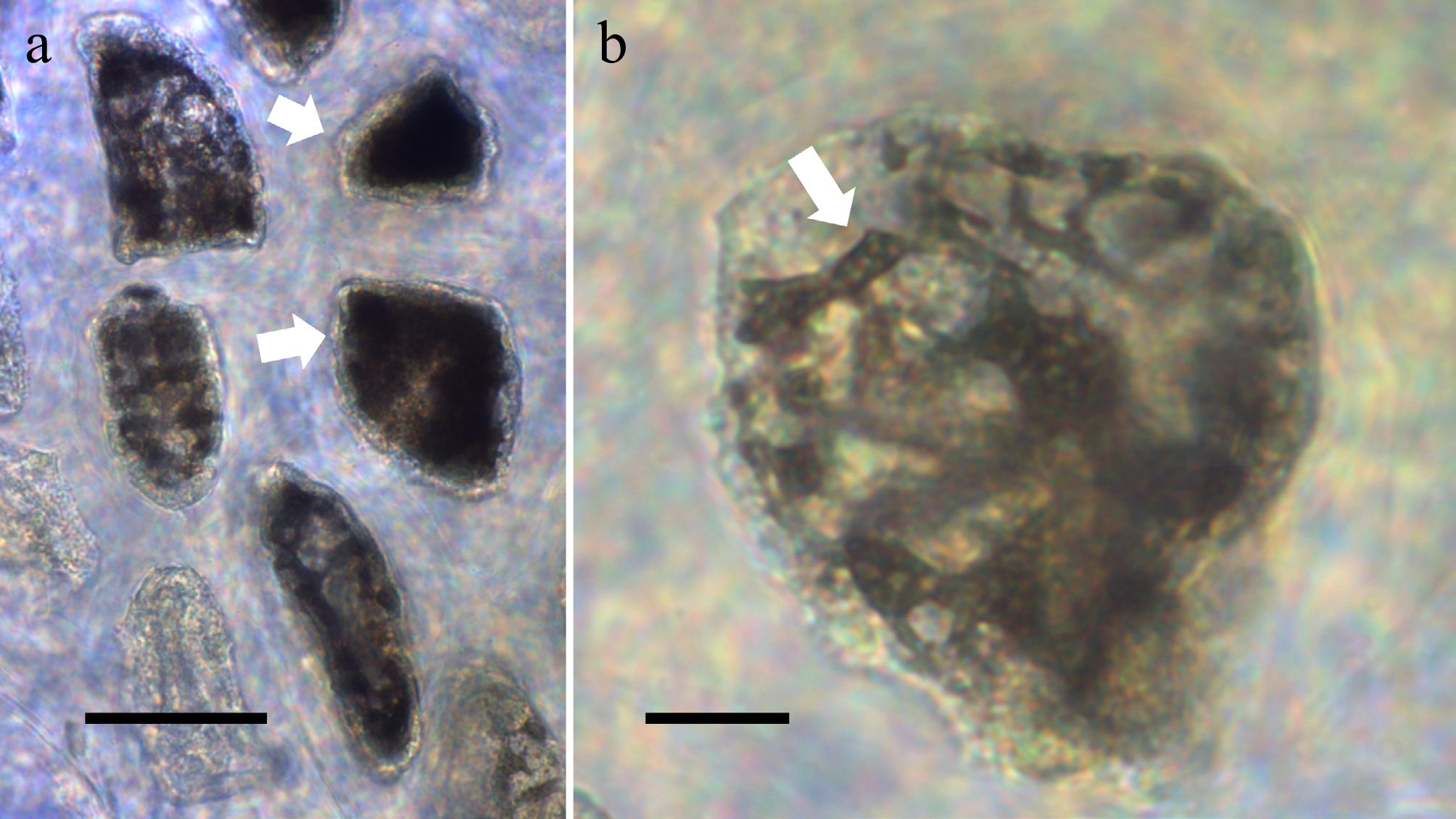
Figure 3.
Leaf margin meristem cells of Jerusalem artichoke (Helianthus tuberosus). (a) Several leaf margin meristem cells (white arrows) showing staining for nitrate (black color) using acidified diphenylamine stain (bar = 40 µm). (b) Single leaf margin meristem cell showing bacteria (arrow) inside the meristem cell (bar =10 µm). Images are original and are not previously published.
-
Nitrogen is an essential nutrient required for plant growth and metabolism, but its presence is often limited. Invasive plants can alter ecosystem nitrogen cycling and soil nitrogen dynamics through various mechanisms[38]. As an example, Kourtev et al.[39] and Ehrenfeld et al.[40] reported high nitrification and net nitrogen mineralization rates in soils invaded with Japanese stiltgrass (Microstegium vimineum) and Japanese barberry (Berberis thunbergii) compared to the soils beneath the native plant Vaccinium sp. Some invasions lead to high levels of bioavailable nitrogen in soils[24]. It was shown that tissues of some invasive plants have a higher nitrogen content than local plants[40,41]. All these features suggest that invasive plants get more usable forms of nitrogen than local plants, thereby ensuring faster growth and establishment in new habitats, outcompeting natives. The superiority of invasive plants in terms of nitrogen content and nitrogen-related activities inside plant tissues and corresponding soils is due to several reasons as indicated below.
The interactions of plants with soil microbiomes play a key role in plant access to nitrogen. Even though the atmospheric air contains approximately 78% nitrogen, it must be converted to usable forms like ammonium ions or nitrates. This conversion is performed by some bacteria and archaea that are free living in soil or in a symbiotic relationship with plants. It is possible that invasive plants get the benefits from soil microbes and enrich their rhizospheres by selectively attracting microbes involved in the nitrogen cycle, thereby converting nitrogen compounds to bioavailable forms and helping in nutrient absorption. Kourtev et al.[42] showed that invasive plants have distinct microbial communities in their rhizospheres compared to bulk soil. Evidence shows a greater difference in the rhizosphere microbial communities among the three plant species studied (two exotics, Japanese stiltgrass and Japanese barberry, and the native plant Vaccinium sp.). In addition, the bacteria-to-fungi ratio in the rhizospheres of both exotic plant species was significantly larger than the ratio of the native plant. Steer and Harris[43] showed temporal changes in the rhizosphere microbial community of the invasive plant, creeping bent grass (Agrostis stolonifera). The plant likely modulates the microbial composition of the rhizosphere to meet different nutritional requirements at different growth stages of the plant.
Given the rich and distinct microbial structure of rhizospheres in exotic plants, it is possible that these plants have high rates of rhizophagy cycle which help them absorb more nutrients. Rhizophagy cycle is the process by which plants transfer nutrients from soil microbes to the roots by cultivating them close to the root tips, then absorbing them into root cells and tissues, and degrading them oxidatively to get nutrients[34].
Nitrogen-fixing bacteria living inside plant tissues are also key for invasive plants to get access to nitrogen. Leguminous plants fulfill their nitrogen requirements by forming symbiotic relationships with bacteria that can fix atmospheric nitrogen. Even though not widely studied, plants have been shown to harbor endophytic bacteria that can fix nitrogen but not produce any specialized structures such as nodules. This is referred to as associative nitrogen fixation[24]. These bacteria have been isolated from internal tissues of various plant parts such as roots, rhizomes, leaves, shoots, and seeds of economically important, non-leguminous crops, sugarcane, millet, corn, sorghum, rice, etc. Baldani et al.[44] reported isolation of nitrogen-fixing bacteria from cereals.
Nitrogen-fixing or potential nitrogen-fixing endophytes have been identified from plants which are invasive, such as Johnsongrass[24], Phragmites sp.[45,46], elephant grass (Pennisetum purpureum)[47], Bermuda grass (Cynodon dactylon)[48], narrow-leaf cattail (Typha angustifolia)[49], goosegrass (Eleusine indica)[50], etc. The common microbial genera include Herbaspirillum, Agrobacterium, Pseudomonas, etc.[24]. Some invasive plants, for example, Jerusalem artichoke, can grow well with low fertilizer inputs and in marginal soils[51]. These plants may fulfil their nitrogen requirements through nitrogen-fixing endophytes living inside their tissues.
It may be hypothesized that nitrogen-fixing endophytes give invasive plants a competitive advantage over native plants by increasing the availability of nitrogen for their growth. Endophytes can be seed-vectored, or plants can acquire them from the environment[52,33]. It has been proposed that nitrogen-fixing bacteria entering plant cells form membrane-bound, vesicle-like structures termed "nitrosomes," where the nitrogen fixation is localized[53]. Figure 4a shows bacteria associated with the seeds of Typha latifolia, while Fig. 4b shows nitrosome-like vesicles in root epidermal parenchyma cells. Invasive plants could fulfil the high nitrogen demand of meristematic cells by using nitrogen-fixing endophytes that make plants grow faster and denser in new habitats. Sher et al.[54] reported the expression of the nifH gene in root elongation zones of Populus trichocarpa, which was inoculated with the nitrogen-fixing endophyte, Burkholderia vietnamiensis.
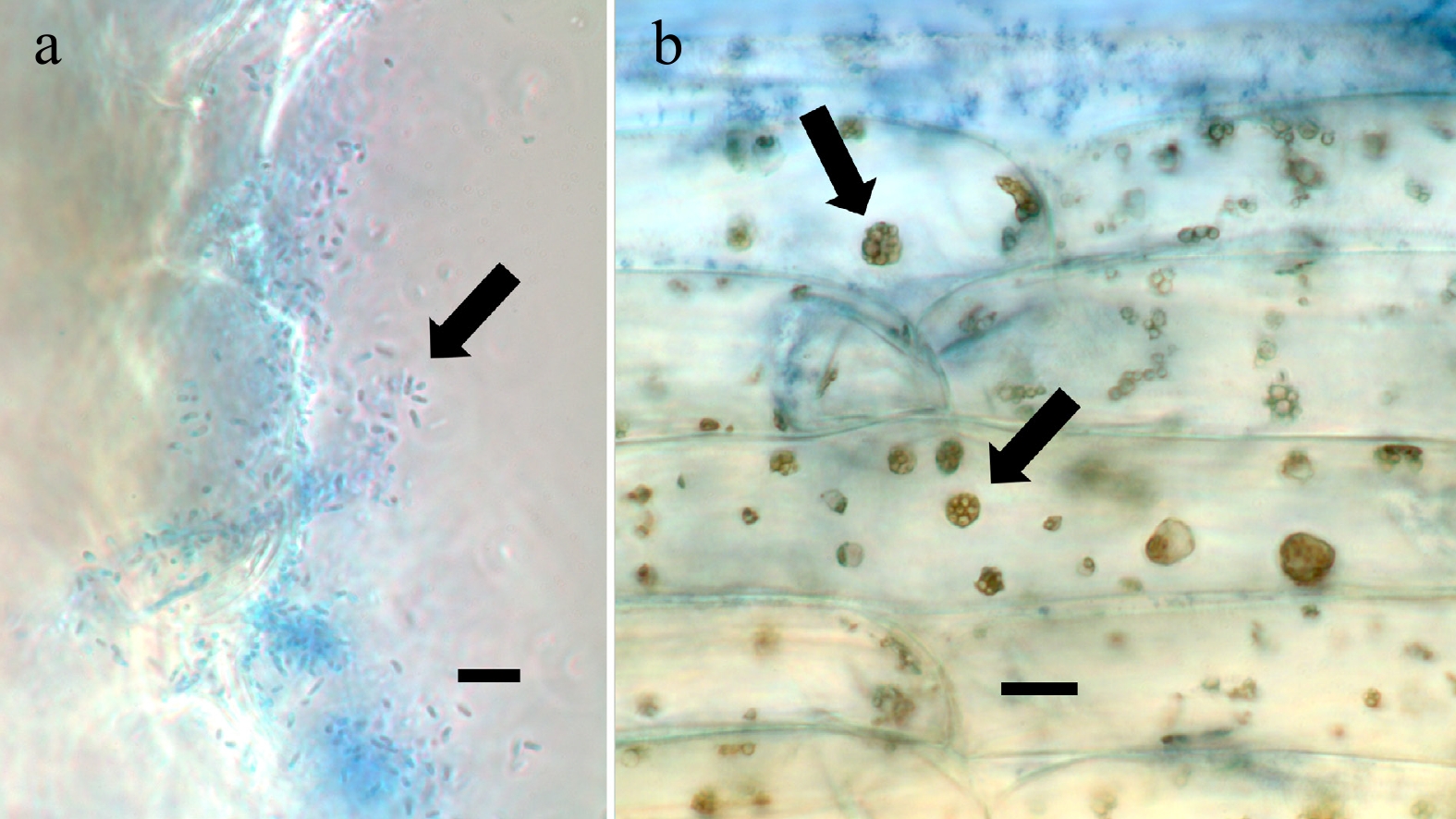
Figure 4.
Cattail (Typha latifolia) seed hairs and seedling tissues showing bacteria. (a) Seed hairs showing bacteria (arrow) vectored with the seed (Bar = 10 µm). (b) Root epidermal parenchyma showing hypothesized intracellular nitrosomes (arrows; bar = 10 µm). Images are original and are not previously published.
Plants maintain complex interactions with soil microbes and those in plant tissues[55]. These microbial communities play crucial roles modulating the structure and function of plants and the ecosystem. Nitrogen fixation is an energy-demanding process[56]. Therefore, all these communities may function as a consortium, towards the final goal of fulfilling nitrogen requirements of the plant(s) they associate with. With possible microorganisms genetically competent to perform all steps of the nitrogen cycling process, there may be different microbial groups contributing to different steps of the process. Signals from the environment, plant host, and different microbial groups may interact to alter the microbial community structure and composition. Chemical compounds in plant root exudates are signaling molecules that attract microorganisms from soil and incorporate them into the rhizosphere, or inside plant tissues as endophytes. Yan et al.[57] modified the flavone biosynthesis pathway for rice plants to produce root exudates with more apigenin, a compound known to increase bio-film formation in nitrogen-fixing bacteria. They observed increased biofilm formation and plant tissue colonization of rice plants by nitrogen-fixing bacteria, which increased grain yield under nitrogen-limiting conditions.
Nitrogen fixers increase the activity of enzymes related to nitrogen metabolism[58]. Among the enzymes upregulated are nitrate reductase, nitrite reductase, and glutamine synthetase, which are responsible for converting absorbed nitrogen into different forms that can be stored and used in metabolic pathways[58]. It is also evident that the genes coding nitrogen transporter proteins are upregulated in the presence of nitrogen-fixing bacteria[59]. While the exact reason is not clear, this may be because plants upregulate the expression of nitrogen transporters to manage the high nitrogen levels made available by bacteria within various plant parts and cell organelles. Also, there may be a direct effect of nitrogen-fixing bacteria on plants, where microbial signals trigger the expression of relevant plant genes.
-
Some microbes, especially fungi, establish symbioses with plants and benefit their host through production of compounds, principally toxins, that prevent animals from consuming the host plant. This contributes to the weediness of the host. This is frequently referred to as defensive mutualism[60]. An example is wild grasses containing endophytic fungi belonging to genus Epichloë in the ergot family (Family = Clavicipitaceae)[61]. These fungi fill their host plants with ergot alkaloids and other toxins that reduce the attractiveness of plants to animals. A concrete example is weedy grass called "sleepy grass," Achnatherum robustum, which contains endophytic fungus Epichloë funkii that produces alkaloids ergonovine and lysergic acid amide. This is commonly found in the mountainous regions of the west from Mexico to New Mexico[62]. Lysergic acid amide causes prolonged sleep in horses, i.e., for 3 days, and they gradually recover. Another toxic grass, drunken horse grass, Achnatherum sibiricum, containing Epichloë spp. grows in China[63]. Worldwide, grasses are known to contain endophytic fungi that reduce consumption by insects and animals[61−63]. Generally, these grasses become locally abundant due to reduced herbivory. In the dicots, morning glories (Ipomoea spp.) often contain an endophytic fungus in genus Periglandula (Clavicipitaceae)[64]. Ergot alkaloids produced by the endophytic fungus cause toxicity in morning glories. Another good example is locoweeds, e.g., Astragalus and Oxytropis spp., where fungal endophytes related to the fungal genus Alternaria (family Pleosporaceae) produce the toxin swainsonine that causes locoism in animals consuming the plant[65,66]. The fungi involved in these mutualisms are from families known to produce toxins and thus may be pre-adapted for defensive mutualism. Little is known about how the host regulates toxin production in these symbiotic interactions. Fungal endophytes of many weeds produce substances that alter the herbivory of the host plant, thus effecting weediness.
-
Enhanced fecundity is a "weedy" and "invasive" attribute of weeds[67]. Plant fecundity is the ability of a plant to produce new growth (if clonal) or to form seeds and seedlings. For a plant reproducing by seeds, the determinants of fecundity include the number of ovules per plant, the amount of pollen produced, and the success rate of ovule fertilization. The microbiome of plants typically increases the development of fruits and seeds on crop plants[68−70]. Increase in flowering and fruiting in plants has been shown for crop plants where microbes have been explored for their plant growth promotional characteristics[68,71,72].
Some weedy plants also attract and absorb microbes from soils, which could explain their high fecundity. The cause of increased flower production in plants treated with certain microbes (bacteria or fungi) is still unknown. It has been suggested that increased nutrients in plants as a result of microbial activities may be responsible for increased flowering[68], in addition to other mechanisms. Development of more flowers or inflorescence branches may be compared to increases in branch root formation when plants are treated with microbes. In roots, colonization of root tips by microbes is generally hypothesized to be concurrent with microbe-produced hormones (e.g., auxins) and other growth-promoting substances or signaling molecules (e.g., nitrogen, phosphorus, hydrogen peroxide) produced by rhizobacterial endophytes[73]. Jones-Held and White[74] found that endophytes trigger an oxidative burst in plants, resulting in the oxidation of ascorbate, which is required to propagate reactive oxygen species (ROS) signaling that leads to a plant response. Singh et al.[75] found that ascorbate oxidation in a grass not only leads to increased expression of pathogen and stress defense traits but also positively stimulated root growth, suggesting a signal molecule effect on plant growth, which resulted in increased hormone production by the host. These signal molecules and direct hormonal effects could be at play in both roots and shoots, where plants cultivate endophytic microbes.
Because endophytic microbes from the maternal plant are vectored in and on seeds, enhanced ovulate flower production results in increased dissemination of the endophytic microbes. Similarly, enhanced staminate flower formation due to microbial hormones or other signal molecules may result in more pollen and increased vectoring of endophytic microbes through pollen and increased fitness of the plant[76]. This increased pollen production and release may even lead to increased rates of genetic change and adaptiveness of weedy and invasive plants. If endophytes are found to increase plant adaptation to the environment, then endophytic microbes may find applications in increasing gene variability in crop breeding programs.
Vertical transmission of endophytes has been recorded in a few species of weeds[77], including in locoweeds (Astragalus and Oxytropis spp.) with the toxin-producing fungal endophyte Undifilum oxytropis, which enters the ovule and disseminates in seeds[76]. This fungus appears to inhabit all tissues of the plant Oxytropis sericea[78]. Hodgson et al.[76] and Frank et al.[79] reported that many fungal and bacterial endophytes are vectored in ovules and pollen grains. Madmony et al.[80] showed that a bacterial endophyte, Enterobacter cloacae, of Mediterranean pines was vectored within pollen grains. Another proof of fecundity is the success rate of ovule fertilization—with more flowers corresponding to more ovule fertilization success. However, when pollen is vectored by an insect, endophytes also play a role in modulating the pollination by affecting the pollinators. Microbes have been shown to increase the attractiveness of floral nectar to bees and other pollinators[81]. This greater attractiveness of flowers to pollinators results in increased rates of fertilization. In clonal plants, forming rhizomes, bulbs, or other propagating structures, plant microbes may be transmitted from the maternal plant to the offspring readily and efficiently[82,83]. The clonal feature thus increases the ability of clonal communities to stabilize the microbiome[83].
-
A range expansion effect was found for the grass tall fescue (Schedonorus arundinaceus) containing endophytic fungus Epichloë coenophiala[84,85]. To reduce the toxicity of tall fescue, the fungal endophyte was removed, which resulted in the loss of persistence in many populations[84]. Thus, the endophytes in tall fescue determined the persistence throughout a large geographical range. A similar host range extension phenomenon involves naturally occurring plants of Dichanthelium sp., where an endophytic fungus, Curvularia sp., enables the growth of grass individuals in extreme thermic soils in contrast to those without the endophyte[86]. This phenomenon gives rise to the "habitat adaptive symbiosis hypothesis" that plants engage in symbioses with microbes to adapt to their environment[87]. Endophytes may also affect the particular niche of a plant. An extreme case is the tropical palm (Iriartea deltoidea) in Peru that contains a systemic fungal endophyte (Diplodia mutila) in leaves and seeds[88]. This species is either an endophyte that protects the palm from insect feeding or a necrotrophic pathogen that destroys part or all the palm leaves. Interestingly, it is light that triggers the fungus to be a pathogen. Thus, the endophyte directly influences whether the plant can grow in forest gaps where light reaches, or in the dark understory.
-
Invasive plants, when introduced to a new area, are exposed to a set of environmental conditions different from their native habitat. The variations are either biotic factors such as flora and fauna or abiotic factors such as climate and soil factors. Among new conditions may be biotic and abiotic "stresses" that affect plant growth. As an example, the new environment can harbor competitors, pathogens, and animals that reduce plant health. Also, the environmental conditions may be beyond the required or optimal range for growth. In addition, invasive plants are often subjected to chemical management practices such as treatment with herbicides, which are highly toxic. Some plants still thrive in new habitats and outcompete natives, becoming invasive in a specific region. Once established, invasive plants are difficult to control by physical and chemical means[89]. They can thrive in a broader range of habitats and tolerate harsh conditions. As an example, there is a wide variation in the climatic and environmental conditions of the areas where the common reed (Phragmites australis) has invaded. Within North America, it is found in areas with little or no rain to humid and subtropical areas[90]. Furthermore, it grows in a variety of soil conditions and even in deep waters and can tolerate high-salt conditions[91]. The observed hardiness of invasive plants may be, in part, or completely the result of the endophytes they harbor. Over the past several decades, it has been shown that endophytic microbes may confer onto plants' increased ability to grow in stressful environments. This allows plants to acquire benefits from microbes during stress conditions.
Nutrient deficiency
-
Endophytes play a crucial role in nutrient acquisition in plants. They enhance plant nutrient status using various mechanisms. Chen et al.[92] reported that the presence of Epichloë sp. in perennial ryegrass increased the growth and nutrient uptake of the host, thereby allowing it to survive in low-fertility soils. The endophyte-infected plants performed better than the controls and did not show signs of yellowing and withering for a period of 90 days. This demonstrates the increase in hardiness of plants containing endophytes. In low-fertility soils, the fungal endophyte improved grass health and survival by increasing root growth. This allows plants to uptake available nutrients more efficiently. Furthermore, increased root metabolic activity and plant biomass were also observed in endophyte-infected plants. Endophytes alter root architecture in a way to facilitate efficient nutrient uptake, as widely observed in endophyte-infected plants. The fungal endophyte Epichloë coenophiala has been reported to increase tolerance to low mineral availabilities in soil, in tall fescue (Schedonorus arundinaceus)[93]. Under phosphorus deficiency, the fungus triggered plants to produce long, thin root hairs. The production of long root hairs increases the surface area of the root system for the roots to reach soil particles far away from the plant. Also, production of root hairs under nutrient deficiency helps plants in several ways. This ensures efficient nutrient diffusion through the root cells and also benefits the rhizophagy cycle and increase nutrient extraction through microbes. In addition to modifying the root architecture, E. coenophiala-infected tall fescue had root exudates rich in phenolic compounds that help chelate aluminum compounds. As Malinowski and Belesky[94] suggested, in this way, the endophyte helps plants mitigate aluminum deficiency.
Salt stress
-
Plants are exposed to salt stress when irrigated with high-saline water and/or when soils become saline due to natural and human activities. Invasive plants can survive in various habitats, and some can tolerate high-salinity conditions. Endophyte-mediated salt stress tolerance in plants has been widely documented[95,96]. Gonzalez et al.[96] reported a significant positive correlation between the colonization of dark septate endophytes in plant tissues with increasing salt concentrations in invasive Phragmites sp. This pattern was not observed in the native lineages of Phragmites sp. In addition, dark septate endophytes isolated from the roots of invasive species increased salt stress tolerance in both invasive and native lineages. This may be evidence for the "enhanced mutualism hypothesis," where invasive plants may associate more frequently with soil microbes, which helps them adapt better to the new environment and outcompete natives. In a study to evaluate the differences in the fungal endophyte communities in Phragmites sp. from low- and high-salinity areas, the researchers isolated endophytes that were tolerant to salt stress. At the same time, these endophytes increased salt tolerance of rice seedlings grown under salt stress[95]. Some mechanisms by which endophytes increase salt tolerance in plants include increases in antioxidant enzyme activity, ion homeostasis, and increases in osmolyte levels[97]. Any stress may induce the production of ROS. Accumulation of ROS is detrimental to cells, causing damage to cellular DNA and proteins. Plants use antioxidant enzymes to keep ROS at manageable levels. Under stress conditions, microbes increase the expression of plant antioxidant enzyme genes or secrete their own antioxidant enzymes. Fan et al.[97] observed an increase in proline levels under salt stress. Proline acts as an antioxidant and an osmolyte, and helps prevent water loss from plant cells and maintains cell turgor. Gond et al.[98] showed that the treatment with salt-tolerant bacterium, Pantoea agglomerans, enhanced salt tolerance in corn seedlings. Furthermore, the bacterium colonized the internal root cells, and a significant upregulation of the plasma membrane integral protein type 2 (PIP2-1) gene was observed. The gene codes for aquaporin proteins that regulate water flow through the plasma membranes. This helps regulate the water and ion (sodium) balance in and out of the cells and maintains cell turgor when exposed to salt stress.
Chemical stress
-
Invasive plants are often exposed to toxic chemicals in herbicides. Furthermore, some invasive plants can grow in heavy-metal-contaminated areas and absorb heavy metals into their tissues. As an example, the invasive plant Typha angustifolia grows in wetlands close to uranium mines[99]. The plant is highly tolerant to heavy metals like cadmium, lead, and uranium. This ability of invasive plants to tolerate toxic chemicals and metals can partly be attributed to the endophytes they harbor.
Microbes are chemical factories; some of them have evolved to metabolize toxic chemicals and metals and use them as energy for their growth or as components in their metabolic pathways[100]. In the process, chemicals get converted into less toxic or non-toxic compounds[100], which enables the plants to withstand toxic chemicals and grow under chemical stress[101]. In addition, the chemical tolerance of microbes associated with plants may contribute to herbicide resistance in weeds[102].
When considering microbial contribution to chemical stress tolerance in plants, detoxification of toxins by microbes is the most widely studied mechanism. Mesquini et al.[103] reported detoxification of atrazine by Streptomyces sp., an endophyte from sugarcane. Feng et al.[104] reported isolation of an endophytic bacterium (Sphingomonas sp.) from Chinese chives, which degrades chlorpyrifos (an insecticide used on plants to control pest attacks) by using it as the sole carbon source. The mechanisms involved in detoxification of herbicides and insecticides include oxidation, reduction, hydrolysis reactions, etc., mostly mediated by microbial enzymes. In addition to direct microbial detoxification, microorganisms regulate the expression of plant genes that can degrade toxins and other genes associated with metabolizing and/or e-fluxing them. Tétard-Jones and Edwards[105] proposed that microbes are priming plants to chemical stresses, thereby making plants better tolerate downstream processing and subsequent negative consequences of toxins. Microbes are well known to induce defense responses in plants upon exposure to biotic and abiotic stresses. Early activation of these signaling pathways can alleviate stress perceived by the plant. Herbicides can cause the production of ROS as a result of their activities on plants. The ability of plants to keep ROS below detrimental levels is highly related to the plants' ability to withstand herbicide stress. Microbes can themselves produce ROS scavengers and/or work together with plant genes to produce sufficient amounts of antioxidants and exhibit tolerance to herbicides[106]. As indirect effects, endophytes improve plant health in many ways and thus help plants better tolerate chemical stresses.
It is clear that plants are benefited by microbes during chemical stress. The contribution of microbes in plants to the development of genetic resistance to herbicides has not been sufficiently explored. Weedy plants can develop genetic resistance to herbicides through various mechanisms. Plant-associated microbes impact selection pressure and affect evolution of plants. Vila-Aiub et al.[107] provide evidence for the effects of fungal endophytes on selection pressure and regulation of the evolution of resistance to diclofop-methyl in Lolium multiflorum. Microbes may have effects on the evolution of both major and minor genes governing chemical resistance. It is likely that the degree of microbial effects on genes contributing to chemical tolerance will affect the rate at which a particular plant population develops resistance to an herbicide.
Chilling and heat stress
-
Low temperature slows down plant growth by reducing photosynthesis and increasing cell ROS, and extreme cold may result in damage to cells due to the formation of ice crystals[108]. In tomato, which is sometimes considered weedy, microbial endophytes (e.g., Pararhizobium sp.) counteract the effects of cold, enhancing plant growth and development, increasing antioxidants and other ROS management cellular systems[108]. Subramanian et al.[109] showed that psychrotolerant bacteria in several genera, including Arthrobacter, Flavimonas, Flavobacterium, Massilia, Pedobacter, and Pseudomonas, confer cold tolerance onto the host plant, resulting in increased proline content. Proline is an amino acid that is associated with stress in plants and has been identified as an important amino acid for conferring cold tolerance. Cytosolic proline has been shown to be an osmo-protectant and necessary for freezing tolerance in Arabidopsis thaliana, an invasive weed and a model plant species[110]. Even mycorrhizae and other fungal endophytes (Epichloë spp.) have been shown to result in increases in proline content in grasses and cold tolerance[111,112].
Heat stress is a major factor affecting plants worldwide[113]. Dastogeer et al.[114] reviewed more than 30 articles on microbial endophyte-induced thermotolerance in plants and found that benefits from heat-tolerant microbes are not evident unless plants are under heat stress. Dastogeer et al.[114] and Waqas et al.[115] found that fungal endophytes increase the ability of rice to grow under prolonged heat stress, suggesting that fungal endophyte production of phytohormones and organic acids are responsible for heat tolerance. Khan et al.[116] found that thermotolerant Bacillus cereus increased heat tolerance in soybean, and this involved increased levels of antioxidants and heat shock proteins. Redman et al.[117] proposed that endophytes can be used to reduce the stress in crops at increasing temperatures as climate warms. Weeds and invasive plants are very likely to have, or have developed, microbiomes that protect them from excess chilling and heat stress due to their environmental adaptability and propensity to acquire new microbes.
Drought stress
-
Endophytes help plants alleviate drought stress in several ways. The mechanisms include production of osmolytes, changing root morphology in a way that plants can better absorb available water and nutrients, increasing exopolysaccharide production, production of antioxidants and balance plant hormones to reduce the damaging effects of drought stress, and changing the expression of plant genes involved in drought stress tolerance[52,118−123]. Jeong et al.[52] reported increased production of exopolysaccharides by Kosakonia cowanii, a seed-vectored endophytic bacterium of the invasive plant Lactuca serriola. Increased exopolysaccharide production helps plants retain soil moisture and reduce water loss. Furthermore, inoculation of K. cowanii into Arabidopsis thaliana plants under drought conditions resulted in growth promotion in plants. Li et al.[121] proved that some of the dark septate endophytes isolated from the arid plant Hedysarum scoparium altered the root architecture under drought conditions. Researchers observed increased production of root biomass and root length under water-deficient conditions. These changes in root development help plants absorb water and minerals effectively and efficiently under limited water conditions and increase plant health and fitness. Pseudomonas sp.- and Pantoea sp.-inoculated barley showed increased antioxidant enzyme activity under drought stress, indicating reduced ROS damage[123]. Furthermore, endophyte-treated plants accumulated more cations like Na+ and K+. Sodium and potassium play a critical role in osmoregulation in plants. Potassium levels affect stomatal open and closure, thereby a bacterial-induced increase in osmoregulants helps plants reduce water loss under drought conditions by controlling the water potential gradient. Yang et al.[120] showed that several strains of endophytic Colletotrichum increased the biomass and chlorophyll content in the invasive plant Ageratina adenophora in response to drought stress. A transcriptomic study in tomato plants revealed that fungal endophytes change the expression of several plant genes involved in proline biosynthesis, ion homeostasis, and plant hormone signaling during drought stress[122].
Light and radiation stress
-
Plants need light for various physiological processes, a major one among which is photosynthesis. Light levels must be in an optimal range for successful photosynthesis. Intense light conditions damage cell membranes and photoreceptors, and thereby decrease photosynthesis. Similarly, having shaded conditions with too little light is also disadvantageous for plants, reducing plant productivity by decreasing rates of photosynthesis. While the contribution of endophytes on plants tolerating light stress is largely unexplored, related studies show that endophytes have an effect. Abdolmaleki et al.[124] showed that the application of fungal endophytes Piriformospora indica and Trichoderma longibrachiatum compensates the growth and yield reduction observed in wheat under reduced light. Similarly, Fadaei et al.[125] showed that the application of Chaetomium globosa and Bjerkandera adusta increases the grain yield when the light intensity decreased from 100% to 70%. Though the exact mechanism remains unknown, this growth and yield compensation can be due to the endophytes enhancing overall plant health and/or by their direct actions on photosynthesis and stress tolerance. Under high UV-B irradiation, the presence of endophytes was shown to decrease lipid peroxidation and increase flower and biomass production in Antarctic pearlwort (Colobanthus quitensis), though the photochemical efficiency was not affected[126]. The study showed that the endophytes modulated hormonal (salicylic acid, jasmonate, indole-3-acetic acid, abscisic acid) levels in plants exposed to high UV-B irradiation, elucidating one potential mechanism by which endophytes help plants tolerate high intensities of radiation. Barrera et al.[127] reported increased photosynthesis efficiency and lower lipid peroxidation in C. quitensis in the presence of endophytes under high UV-B radiation[127]. Furthermore, a reduced amount of ROS scavenger molecule, quercetin, was detected in endophyte-infected plants compared to non-infected plants. This can be because endophyte-infected plants are perceiving low amounts of radiation stress compared to non-infected plants. An increase in the number of inflorescences was seen in Agrostis perennans in the presence of endophytes under shaded conditions[128]. Also, in Poa autumnalis, the presence of endophytes increased the specific leaf area under intense shaded conditions. Furthermore, the study shows a high density of fungal endophyte colonization in the leaves of Agrostis perennans, Schedonorus arundinaceus, Poa autumnalis, Elymus villosus, Festuca subverticillata, and Poa alsodes under shaded conditions.
-
From a recent study, it is hypothesized that endophytic microbes directly affect change in the plant genomes, resulting in more gene expression and genetic variation[129]. A 20-year study comparing organically grown and conventionally grown barley showed that plants grown under organic and microbially rich conditions exhibited increased levels of gene expression compared to plants grown with chemical fertilizers and other agrochemicals[129].
Over time, several mechanisms have been proposed to explain how microbes affect gene expression in plants. One such mechanism is the induction of endopolyploidy, also called "somatic polyploidy", which is a localized form of polyploidy that develops in vegetative plant cells and organs, where meristems typically may be diploid (or another ploidy level) and particular cells and tissues developing from meristems, including cells in leaves, stems, and roots, may increase in ploidy level[130,131]. Endopolyploidy is common in Angiosperms and mosses, but absent in Gymnosperms (except Ginkgo biloba), liverworts, ferns, and fern allies[130]. Endopolyploidy develops cytologically in chromosome replication that is not followed by cell division, and plants show several orders more of chromosome replication ranging 4X to 64X, and higher, nuclear content. This process of generation of endopolyploids has been referred to as "endocycling"[132]. Endopolyploidy develops in two ways, including through "endomitosis", where nuclei divide but cell division does not happen and cells become multinucleate, as is seen in plant epidermal cells, and through "endoreplication," where nuclei show internal replication of genetic material but do not divide and large mononucleate cells are produced[133].
Endoreplication, part of root development, has been shown to lead to increased environmental stress tolerance in plants[134]. Endoreplication is especially high in plants adapted to extreme and stressful environments[134]. This process results in genome instability in the polyploids. During plant development, some cells show localized endoreplication and polyploidy effects. Glandular trichomes are cells that often show localized polyploids, which are often larger than diploid cells. Barkla et al.[132] found that 70%−90% of Angiosperms show endopolyploidy in one or more cell types in halophyte plants in response to salt stress, another indication that endopolyploidy is a stress defense mechanism. Endopolyploidy is generally seen in enlarged cells (e.g., epidermal cells in roots and aerial parts of plants), as cell growth is associated with increases in endopolyploidy in those cells[130].
Chao et al.[135] reported that polyploid Arabidopsis thaliana plants showed increased salt tolerance compared to diploid plants. Yang et al.[136] found that rice polyploids exhibited increased tolerance to drought and salt stress, which was proposed due to increased gene expression in stress and hormone response pathways. Oswald and Nuismer[137] examined neo-polyploids (recently formed polyploids) and found increases in resistance to pathogens over diploids. Van de Peer et al.[138] found that polyploid crops show increased resistance to fungal pathogens, nematodes, and insects. The invasive plants Phragmites australis and Japanese stiltgrass (Microstegium vimineum) show polyploidy[139,140]. It is hypothesized that the invasiveness and environmental plasticity of these plants are related to polyploidy[139,140]. Regardless of significant evidence, Rutland et al.[141] noted that more must be learned about genomics of weeds to understand whether genome polyploidization in weed species is a significant process in evolution of weeds[141].
Microorganisms influence plant gene expression and polyploidy. For example, Micci et al.[35] observed a "nuclear symbiosis" present in many weedy plants, where bacteria colonize recently divided nuclei in the plant (Fig. 5). Using histochemical analysis, bacteria in and around plant nuclei were seen to produce ethylene and nitrate, and these substances have been shown to increase the formation of somatic polyploidy in plants[29,142]. At present, it is clear that much more research is needed to understand how symbiotic bacteria cause changes in the host genome. Many microbial endophytes, bacteria and fungi, have been shown to produce phytohormones (e.g., auxin, ethylene, etc.) and other growth-promoting substances that induce endopolyploidy, thus potentially altering genetic expression in nuclei. Wildermuth et al.[143] proposed and presented evidence that many biotrophic microbes symbiotic in plants induce somatic endopolyploidy to facilitate their own interaction with plants. Any effects of microbes in stimulating endoreplication in tissues of leaves, stems, and roots lead to epigenetic adaptation to the environment. Endopolyploidy via endocycling was evident in infections involving biotrophic microbes, including corn smut (Ustilago maydis), powdery mildews (Golovinomyces orontii), bacterial spot (Xanthomonas campestris), Rhizobia (Ensifer meliloti), and arbuscular mycorrhizal fungi (Glomus mosseae)[143]. With some frequency, the development of somatic endopolyploidy is induced by microbes where the plant cells show the most stress due to the nutrient exchange in the symbiosis. In plant leaves bearing powdery mildews, endopolyploidy is induced in mesophyll cells subtending the developing fungal fruiting bodies. Endopolyploidy develops within the root nodules of legumes induced by microbes that facilitates the symbiotic interactions with the plant[143].
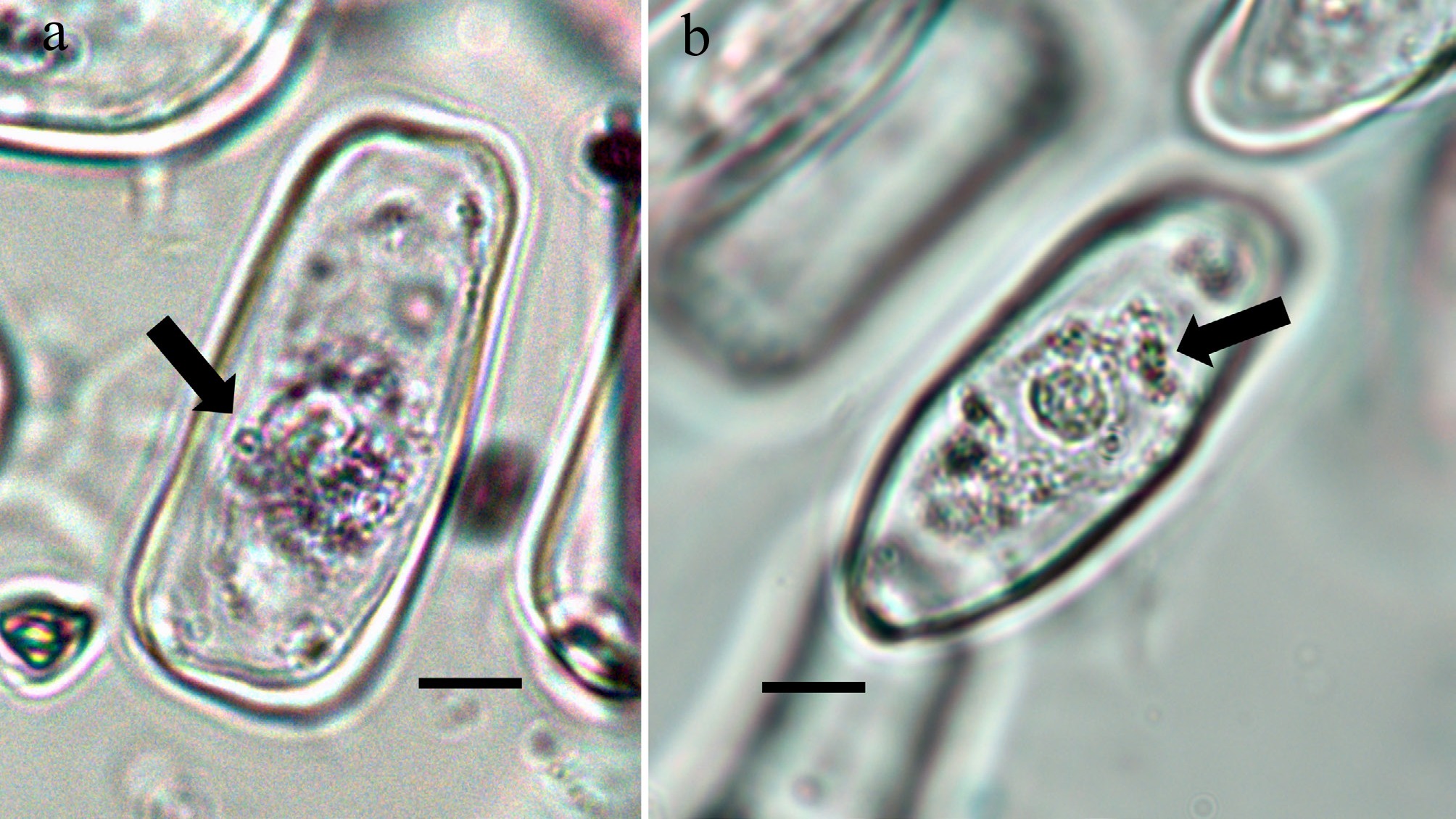
Figure 5.
Root cap cells of Poa annua showing bacterial endophytes around the nuclei after staining with Congo red indicator. (a) Arrow shows bacteria obscuring the nucleus (bar = 10 µm). (b) Arrow shows bacteria surrounding the nucleus (bar = 10 µm). Images are original and are not previously published.
Aerial organs of plants are covered by epidermal cells, referred to as pavement cells, that are irregular in shape, often interlocking, and generally polyploid and multinucleate, with their size determined by the number of nuclei present[133]. Root hairs form on root epidermal cells, with the overall length of hairs reflecting the degree of endopolyploidy present in the epidermal cells where generally a large endo-replicated nucleus develops[144]. Epidermal cells on roots and shoots of weeds are frequently more colonized by microbes than the cells in the interior of the plant. This is because these tissues are colonized by microbes extracted from soils and cultivated on meristematic tissues of plants, where they are absorbed into plant cells, concentrating in surface layers (Fig. 6). The cells of outer tissues of weedy plants are thus microbially rich and constitute a stress resistance barrier. The microbes abundant in weeds may be critical to the development of stress tolerance, where cells with more microbes are higher in antioxidants and more reactive oxygen-tolerant. Further, the superficial presence of microbes is another type of biotic stress defense in plants, in that pathogen colonization of plants may be perturbed by superficial and endophytic microbes in a pathogen exclusion mechanism.
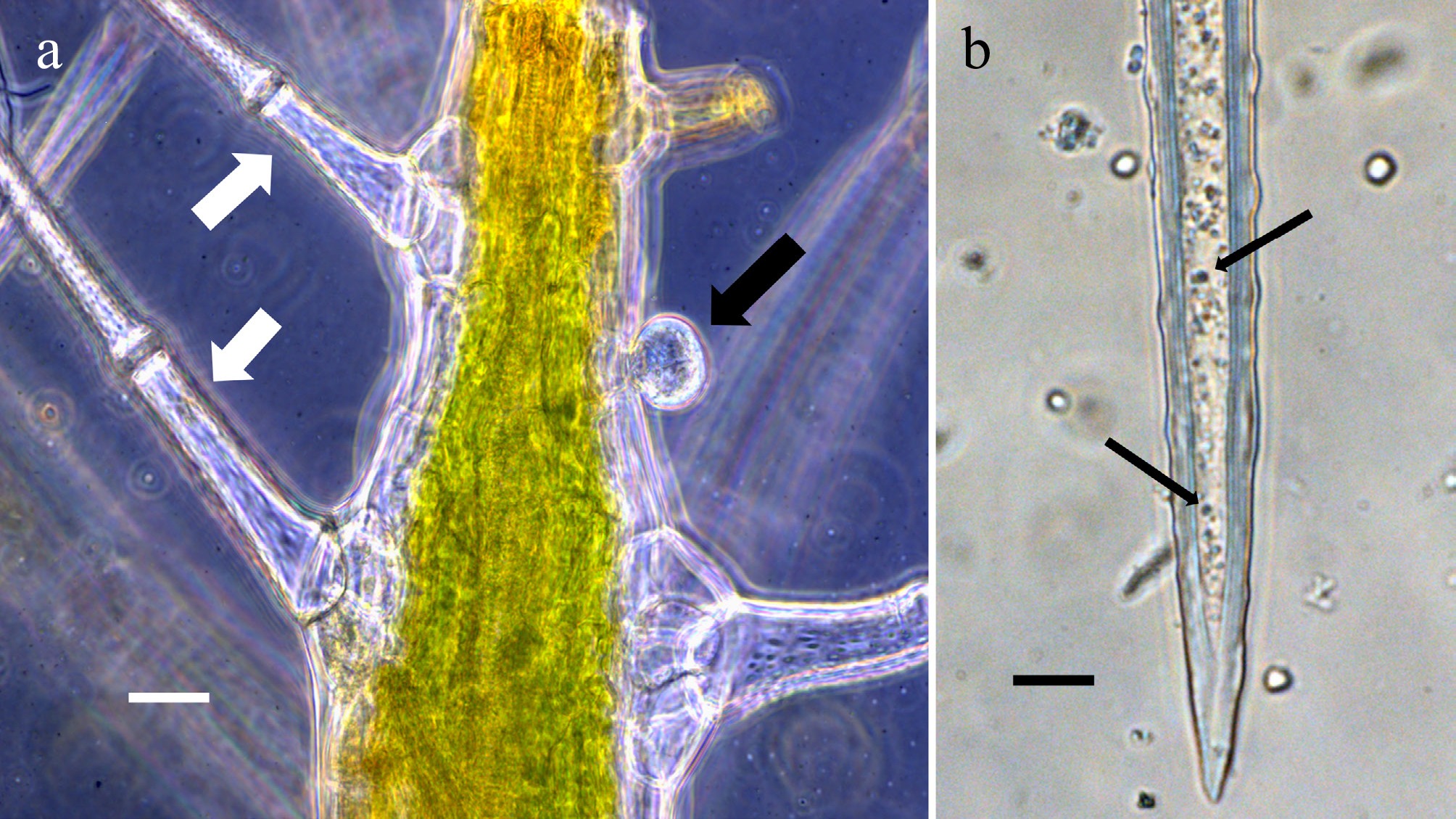
Figure 6.
Henbit (Lamium amplexicaule). (a) Henbit scale leaf tip showing large filamentous trichomes (white arrows) and a glandular trichome (black arrow; bar = 40 µm). (b) Trichome tip showing bacteria (arrows) within trichome cells stained with diphenylamine (bar = 10 µm). Images are original and are not previously published.
Another mechanism is described in the "nucleomodulin" hypothesis, according to which microbes that colonize nuclei, as is evident in many weedy plants, secrete effector proteins into plant nuclei that alter genetic expression in the plant to favor the microbe[145]. Nucleomodulin effector proteins were found in Agrobacterium and Xanthomonas spp.[145]. Thus, nucleomodulins are a mechanism by which microbes induce epigenetic modification of the host. Microbes also alter gene expression by repression of methylation of host genes[146]. In a recent study of dandelion (Taraxacum officinale), Molina-Montenegro et al.[147] reported that dandelion with intact microbiomes show enhanced competitiveness and increased gene expression related to stress response and DNA methylation compared to plants with reduced microbiomes, indicating epigenetic effects that contribute to invasiveness. However, details of any interactions require further exploration.
Table 1 summarizes some published examples of weedy and invasive plants, their microbial partners, and specific benefits that they offer their hosts. These benefits range from defense against pathogens, herbivores, and abiotic stress to enhanced nutrient acquisition and growth promotion.
Table 1. Weeds/invasive plants-associated microbes and their proposed effects.
Weed/Invasive plant species Microbes identified Proposed effects Ref. Achnatherum robustum Epichloë sp. Defense against herbivorous animals [62] Achnatherum sibiricum Epichloë gansuensis, Epichloë sibirica Growth promotion [63] Ageratina adenophora Colletotrichum spp. Drought and nutrient stress tolerance, protection against pathogens [120] Agrostis perennans Epichloë amarillans Increased inflorescence formation in shade [128] Argyreia sp. Periglandula sp. Production of ergot alkaloids, anti-herbivory [64] Astragalus sp. Alternaria oxytropis Alkaloid swainsonine production, anti-herbivory [65] Chromolaena odorata Fusarium sp. Pathogenic effects on native plants (offensive mutualism) [27] Cynodon dactylon Desulfovibrio vulgaris Nitrogen fixation [48] Metabacillus indicus Potassium solubilization, nitrogen fixation, growth due to hormone production [50] Dichanthelium lanuginosum Curvularia sp. Thermotolerance [86] Eleusine indica Alcaligenes faecalis Phosphate solubilization, nitrogen fixation, growth due to hormone production [50] Elymus repens Acinetobacter sp., Bacillus sp., Stenotrophomonas sp., Pseudomonas sp. Generalized growth promotion [25] Ipomoea sp. Periglandula sp. Production of ergot alkaloids, anti-herbivory [64] Jasione sp. Rhodococcus rhodochrous Arsenic stress tolerance [101] Lactuca serriola Kosakonia cowanii Drought tolerance [52] Leymus mollis Fusarium culmorum Stress tolerance by habitat-adapted symbiosis [87] Lolium multiflorum Epichloë sp. Herbicide tolerance [107] Lolium perenne Epichloë sp. Growth promotion, increased nutrient content, increased metabolic activity [92] Phragmites australis Bacillus amyloliquefaciens Growth promotion under low nitrogen, growth due to hormone production, protection against pathogens by lipopeptide production [45] Alternaria tenuissima, Arthrinium arundinis, Bipolaris buchloes Salt stress tolerance [95] Dark septate fungal endophytes Salt stress tolerance [96] Microbacterium oxydans Growth promotion under low nitrogen, growth due to hormone production [45] Phragmites karka Mangrovibacter phragmitis Nitrogen fixation [46] Phytolacca americana Burkholderia sp. Increased germination rate, Increased biomass, Increased potassium availability [26] Phenylobacterium sp. Pathogen control [26] Schedonorus arundinaceus Epichloë coenophiala Production of ergot alkaloids, anti-herbivory, abiotic stress tolerance, range extension [84] Schedonorus pratensis Epichloë uncinata Drought avoidance through control of transpiration [148] Sorghum halepense Xanthomonas melonis, Agrobacterium tumefaciens, Herbaspirillum seropedicae, Sphingobium amiense, Pseudomonas jessenii, Caulobacter vibroides Nitrogen fixation [24] Stellera chamaejasme Acinetobacter sp., Pseudomonas sp., Alcaligenes sp., Lysinibacillus sp. Growth promotion, growth due to hormone production, potassium solubilization, phosphorus solubilization, nitrogen fixation Taraxacum officinale Unidentified microbes Increased production of allelopathic compounds, increased expression of stress response, and DNA methylation maintenance genes [147] Thespesia populnea Bacillus amyloliquefaciens Growth due to hormone production, nitrogen fixation, phosphorus solubilization, salt tolerance, protection against pathogens [149] Turbina sp. Periglandula sp. Production of ergot alkaloids, anti-herbivory [64] Typha angustifolia Staphylococcus sp., Pseudomonas sp., Bacillus sp., Micrococcus sp., Sphingomonas sp. Generalized growth promotion due to hormone production [49] Wedelia trilobata Sphingomonas sp., Pseudarthrobacter sp. Generalized growth promotion [83] -
Unlike weeds, crop plants are consistently nurtured and thus have microbiomes that are not environmentally selected. Weeds benefit from a microbiome that is fortified every generation with fresh microbes absorbed from soils containing microbes adapted to the weed's environment. This does not imply that crop species lack a microbiome or that crops do not derive benefits from their microbiomes. The microbial endophyte communities of crop plants very likely play roles in the modulation of development, including roots and root hairs and other plant structures. Without these microbes in crops, plant development would be diminished. Rather than possessing an environmentally selected microbiome, crops possess whatever microbes can be obtained from agricultural soils—and often these are of limited diversity in soils with conventional management. Crop plants are thus dependent on humans to provide nutrients and for defense against stresses and disease, while weeds possess more agency to fend for themselves.
It is tempting to seek to "rewild" crop plants by re-establishing evolved microbiomes in plants by using microbes obtained from weedy relatives[150]. However, this demands crops to be cultivated in ways more comparable to how weeds grow—without significant human intervention in terms of soil and plant management. Rewilding crop microbiomes could result in crop plants that are hardier and require fewer agrochemical inputs; however, plants also may in time develop more variability due to phenomena like endopolyploidy or the triggering of transposons that may affect the uniformity of crops needed for quality control and efficient harvesting. On the other hand, it may be possible to increase the use of microbes in plants to increase mutation rates to induce new variability and then remove microbes to regain genome stability and crop uniformity. It is also possible that selected microbes from weeds may be used as biostimulants to promote growth and protect crops in order to cope with very specific stressors in the environment, for example, to protect against damage from extreme climate events like excess heat. This is an area of research that holds promise but demands more attention to understand the effects of microbes on plant growth, health, and genetics.
-
We conclude that "weediness" and "invasiveness", at least in part, is a function of the weed microbiome, although further research is needed to provide additional insights and understandings. The strongest evidence for microbial involvement in weed success is in abiotic and biotic stress tolerance, nutrient acquisition, and growth promotion. The effects of microbes on plant gene expression or direct changes to the host genome require more investigation. Experiments involving comparative metagenomic and transcriptomic analysis of weeds and crop plants and their microbiomes may lead to a better understanding of the mechanisms of benefits of microbes to weeds. Furthermore, better knowledge of precisely how endophytes affect plant DNA expression, endopolyploidy, and DNA methylation will lead to a better understanding of potential epigenetic effects microbes have on weeds and invasive plants. The role of the weed microbiome in increasing invasiveness or aggressiveness poses the question, can the microbiome be manipulated to control weed invasiveness? This constitutes a novel and sustainable strategy for weedy and invasive plant management. Future work will be needed to evaluate this strategy. Furthermore, the acquisition of biostimulant microbes from weeds is useful as a source of microbes to enhance crop productivity and hardiness.
-
The authors confirm their contributions to this study as follows: discussion and planning: Rodrigopulle CU, White JF, Elmore MT, Kingsley KL, Gond SK, Kowalski KP; original draft composition: Rodrigopulle CU, White JF; editing and corrections: Rodrigopulle CU, White JF, Elmore MT, Kowalski KP, Gond SK, Kingsley KL. All authors reviewed the results and approved the final version of the manuscript.
-
Data sharing is not applicable to this article as no datasets were generated or analyzed during the current study.
-
Funding was provided to Rutgers University in agreement G21AC10139 "Truncating the Competitive Ability of Phragmites australis by Targeting Microbial Endophytes." We acknowledge support of the USDA Multistate Project #5147, Cooperative Ecosystem Study Unit focused on invasive plants, and the Dept. of Botany, Banaras Hindu University in India, for a teaching release that permitted SK Gond to work at Rutgers University from 10/1/2024 to 9/30/2025. Any use of trade, firm, or product names is for descriptive purposes only and does not imply endorsement by the U.S. Government.
-
The authors declare that they have no conflict of interest.
- Copyright: © 2026 by the author(s). Published by Maximum Academic Press, Fayetteville, GA. This article is an open access article distributed under Creative Commons Attribution License (CC BY 4.0), visit https://creativecommons.org/licenses/by/4.0/.
-
About this article
Cite this article
Rodrigopulle CU, White JF, Kowalski KP, Gond SK, Kingsley KL, et al. 2026. Is "weediness" and "invasiveness" of weeds a function of the plant microbiome? Grass Research 6: e020 doi: 10.48130/grares-0026-0017 

Is "weediness" and "invasiveness" of weeds a function of the plant microbiome?
- Received: 19 July 2025
- Revised: 03 April 2026
- Accepted: 21 April 2026
- Published online: 29 July 2026
Abstract: Over the past several decades, the extent to which microbes enhance plant development and health has become clearer; however, this has not been explored in terms of the aggressiveness and hardiness of weedy plants. In this review, we explore the hypothesis that many features of weeds and invasive plants are related to the activities of plant microbiomes. Microbes contribute to weed growth, fecundity, and fitness. They also play roles in soils, and in plants as endophytes, where they modulate plant development and protect the host from pathogens, insects, animals, and abiotic stresses. In addition, the adaptability and hardiness of weeds partly stem from the effects of endophytes on plant gene expression and genetic diversity. Weed control often involves multiple applications of herbicides or other treatments that can be costly and destructive. Weed and invasive plant control for agriculture and environment goes beyond monetary costs to negative impacts on people, animals and environment. However, with a more complete knowledge of the roles played by microbes, their symbiotic interactions may be altered to diminish aggressive traits less expensively and with fewer non target effects on environmental, human and animal health.
-
Key words:
- Weeds /
- Invasive plants /
- Microbes /
- Stress tolerance /
- Endophytes /
- Anti-herbivory /
- Mutualism /
- Growth promotion /
- Disease protection