











-
Hainan Province is located in the tropics. It is characterized by high average temperatures and abundant water, making it suitable for the cultivation of various crops. It plays a crucial role in China's 'vegetable basket' initiative. Given the favorable temperature and humidity in the province, pests often experience overlapping generations without undergoing winter dormancy, leading to rapid population growth that is difficult to manage. In most areas, pest control primarily relies on chemical pesticides. Tropical agricultural pests have developed complex resistance mechanisms as a result of long-term chemical pesticide pressure, which has become a central obstacle to the adoption of green prevention and control technologies. Resistance mainly stems from the following: amino acid mutations at target sites that reduce pesticide binding ability; enhanced detoxification metabolism, such as overexpression of the CYP450 gene family to accelerate pesticide degradation, GSTs that catalyze the conjugation of electrophilic pesticides with glutathione to promote the efflux of pesticides, and hydrolytic destruction of the structures of organophosphorus and carbamate pesticides by CarE; and strengthened epidermal barrier to penetration, which also significantly contributes to the resistance phenotypes. This situation also leads to issues, such as pesticide residue levels that exceed safety limits and environmental pollution, considerably affecting the quality and safety of agricultural products, ecological security, and the sustainable development of agriculture in Hainan.
Given the unique tropical climate and limited planting areas in Hainan, pest management for major crop pests in Hainan differs from that in other regions. Traditional chemical control methods often fail to meet pest management demands. Therefore, a pressing need exists to adopt green, safe, and effective integrated pest management (IPM) measures, effectively combining various control strategies to ensure the safety of agricultural production.
In recent years, extensive research has been conducted domestically and internationally in the fields of biological control, physical control, and ecological regulation, exploring efficient and green technological methods. For example, using natural enemy insects for biological control, employing physical barriers or trapping devices, and optimizing crop layouts through diversified planting have all been proven effective in controlling pest outbreaks. These measures not only enhance the pest resistance of crops but also promote ecological balance, providing beneficial technical support for the sustainable development of Hainan's melon and vegetable industry.
This paper integrates these green technologies and reviews a green control technology system suitable for the entire growth period of melons and vegetables in Hainan. By addressing pest challenges, it also lays a foundation for the promotion and development of ecological agriculture.
-
The main pests affecting melon and vegetable cultivation in Hainan include thrips, Leafminer fly, aphids, Whitefly, and the Diamondback moth. The specific damage caused by these pests and the primary control agents currently used for their control are detailed in Table 1. These pests are characterized by prolonged periods of harm, widespread occurrence, and severe damage. If effective control measures are not implemented, they can substantially affect the yield and quality of melons and vegetables.
Table 1. Main pests of Hainan's melon and vegetable industry and their modes of damage.
Name Order Family Main affected crops Mode of damage Field pesticides Ref. Thrips Thysanoptera Thripidae Cowpeas, watermelon, cantaloupe, eggplant, cucumber The direct feeding of these pests on flowers, buds, and other tender tissues cause damage to growth points. Thrips also transmit various viruses. Affected plant tissues develop galls, influencing normal development and potentially leading to plant death. λ-Cyhalothrin, acetamiprid, spinetoram, abamectin [1−4] Leafminer fly Diptera Agromyzidae Cowpeas, watermelon, cucumber, tomato Larvae burrow inside leaves to feed and lay eggs. This behavior not only affects leaf photosynthesis, it can also lead to leaf wilting and dropping, severely affecting plant growth and yield. Thiamethoxam, cyantraniliprole, abamectin, λ-cyhalothrin [5−8] Aphids Hemiptera Aphididae Chili, cabbage, radish, eggplant Nymphs and adults damage tender leaves and flower buds, causing leaf curling and stunting new growth. In severe cases, such damage can lead to leaf and fruit drop. The honeydew secreted by aphids can result in sooty mold, contaminating fruit surfaces and reducing fruit quality, leading to economic losses. Aphids also transmit various viruses, such as cucumber mosaic virus and pepper mottle virus. λ-Cyhalothrin, abamectin, thiamethoxam, pyriproxyfen [9−12] Whitefly Hemiptera Aleyrodidae Cucumber, cantaloupe, eggplant, chili Aleyrodidae feed by piercing and sucking plant sap, causing leaf yellowing and wilting and promoting infection by pathogens. They are also vectors for various viruses, particularly cucumber mosaic virus. Dinotefuran, abamectin, pyriproxyfen,
λ-cyhalothrin[13−16] Diamondback moth Lepidoptera Plutellidae Cabbage, radish, bok choy, lettuce Larvae feed on leaves, with younger larvae chewing leaf tissue and leaving the epidermis intact, creating transparent spots. Older larvae can create holes or notches in leaves, and in severe cases, only the leaf veins remain, resulting in a net-like appearance. Chlorantraniliprole, chlorfenapyr, indoxacarb, spinetoram [17−19] Traditional pest management primarily relies on chemical insecticides. However, the widespread use of these insecticides not only has limited effectiveness against target pests, but it can also cause serious harm to the ecosystem.
Traditional chemical pesticide control methods have shown their limitations, which include not only the presence of pesticide residues and development of resistance but also the destruction of the ecological environment and safety and quality of agricultural products. Therefore, an urgent need exists for selective pest control technologies to align with IPM strategies. Implementing simple, safe, and convenient green control technologies during crop cultivation is particularly important to reduce the use of chemical pesticides and avoid the '3R' issues.
-
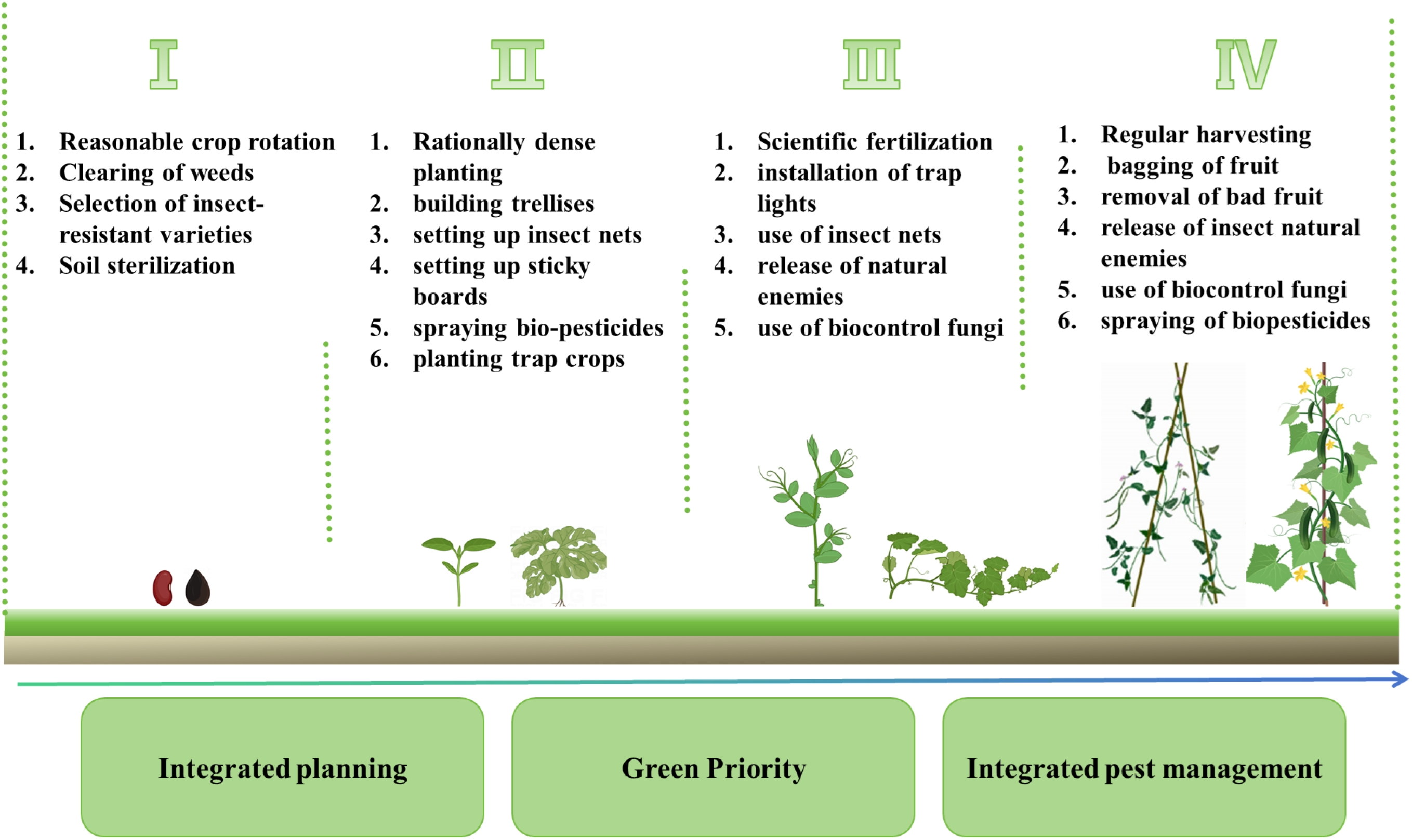
Physical control primarily involves using physical means to manage and prevent pest infestations. They can be categorized into passive control (such as trench digging, fencing, and organic mulching) and active control (utilizing mechanical methods, lighting, and sensory cues)[20]. Commonly employed methods include hanging sticky traps in the field and using insect traps to capture pests directly, employing ground covers and insect nets for physical isolation, or fruit bagging techniques.
Exploiting the visual characteristics of insects has become an effective nonchemical control method in the field of agricultural pest management. Different wavelengths of light remarkably affect the growth, development, and behavior of insects, thus providing a theoretical foundation for developing new pest control technologies[21]. Ultraviolet light has a remarkable effect on the visual systems of many insect species. The results of Jin et al.[22] indicated that a lack of UV light reduced the emergence and adult survival rates and environmental and host selection behaviors of common thrips, suggesting that manipulating light conditions can effectively disrupt insect growth and reproduction, thus achieving pest control. Moreover, different wavelengths of light directly influence insect behavioral choices. Research indicates that light variations not only affect insect behavioral development but also correlate with their physiological states. Li et al.[23] demonstrated that ultraviolet light can affect the vision of thrips. By artificially regulating UV light flux, the visual responses and biological characteristics, such as growth and development, of pests can be effectively influenced, thereby achieving pest management objectives. Ali et al.[24] showed that UV radiation had significant effects on survival, reproduction, all developmental stages, and F1 generation of Mythimna separata, including increased larval mortality, decreased adult longevity, altered fecundity, and egg-laying rate.
Antignus et al.[25] found that covering UV-absorbing plastic films effectively protect crops from whiteflies, thrips, and aphids, and reduces the spread of viral diseases, the principle of which is related to influencing the visual behavior of pests to UV light. Jin et al.[22], Wang et al.[26], and others have developed a new type of energy conversion film based on studies on the visual characteristics of insects, specifically those targeting the sensitivity of major tropical melon and vegetable pests, such as common thrips and Liriomyza, to different light wavelengths. This technology regulates pest populations by manipulating phototactic behaviors to disrupt host location, mating, and reproductive development. Field applications showed reduced pesticide use in cowpea cultivation cycles under film implementation compared with control groups, with successful deployment in protected crops including cowpeas and cantaloupes.
Light trapping controls pests through phototropism induced by the stimulation of visual organs. The compound eyes of pests contain light-sensitive cells that can receive light stimuli and transmit signals to the central nervous system, triggering phototropic behavior in insects[27]. Light traps are currently used for monitoring and managing pest populations and play a crucial role in physical pest control, forming an important component of IPM.
Shi et al.[28] demonstrated that hanging insect traps in agricultural fields effectively attracts and controls pest numbers. The use of green light at night induced unusual movement patterns in Nilaparvata lugens and considerably affected gene expression related to epidermal development, proving that green light treatment can markedly influence the movement, growth, and development of this pest. Jiang et al.[29] experimentally demonstrated that yellow and green light stress remarkably altered the rhythms of the beetles Anomala corpulenta Motschulsky and Holotrichia parallela Motschulsky, resulting in a notable reduction in their occurrence, feeding, and mating activities. Wang et al.[30] compared the phototropic behaviors of two migratory pests, namely, Helicoverpa armigera and Spodoptera frugiperda, and discovered that the average phototropic rate of S. frugiperda was highest under blue light, whereas H. armigera showed the greatest preference for ultraviolet light. The phototropic rates of both moths increased with rising light intensity. Li et al.[31] found that exposure to white light at night inhibited the behavior of Conopomorpha sinensis, with its inhibitory effect increasing with light intensity, drastically reducing the number of adults and egg-laying on fruits and thereby decreasing damage. Yun et al.[32] discovered that the diamondback moth exhibits strong phototropism to ultraviolet light at 380 nm, with the highest attraction rate reaching 92.4%, indicating that ultraviolet light can be used effectively for trapping this pest. Figure 1 presents a schematic diagram of integrated pest management, which is implemented through the integrated application of different physical pest control measures.
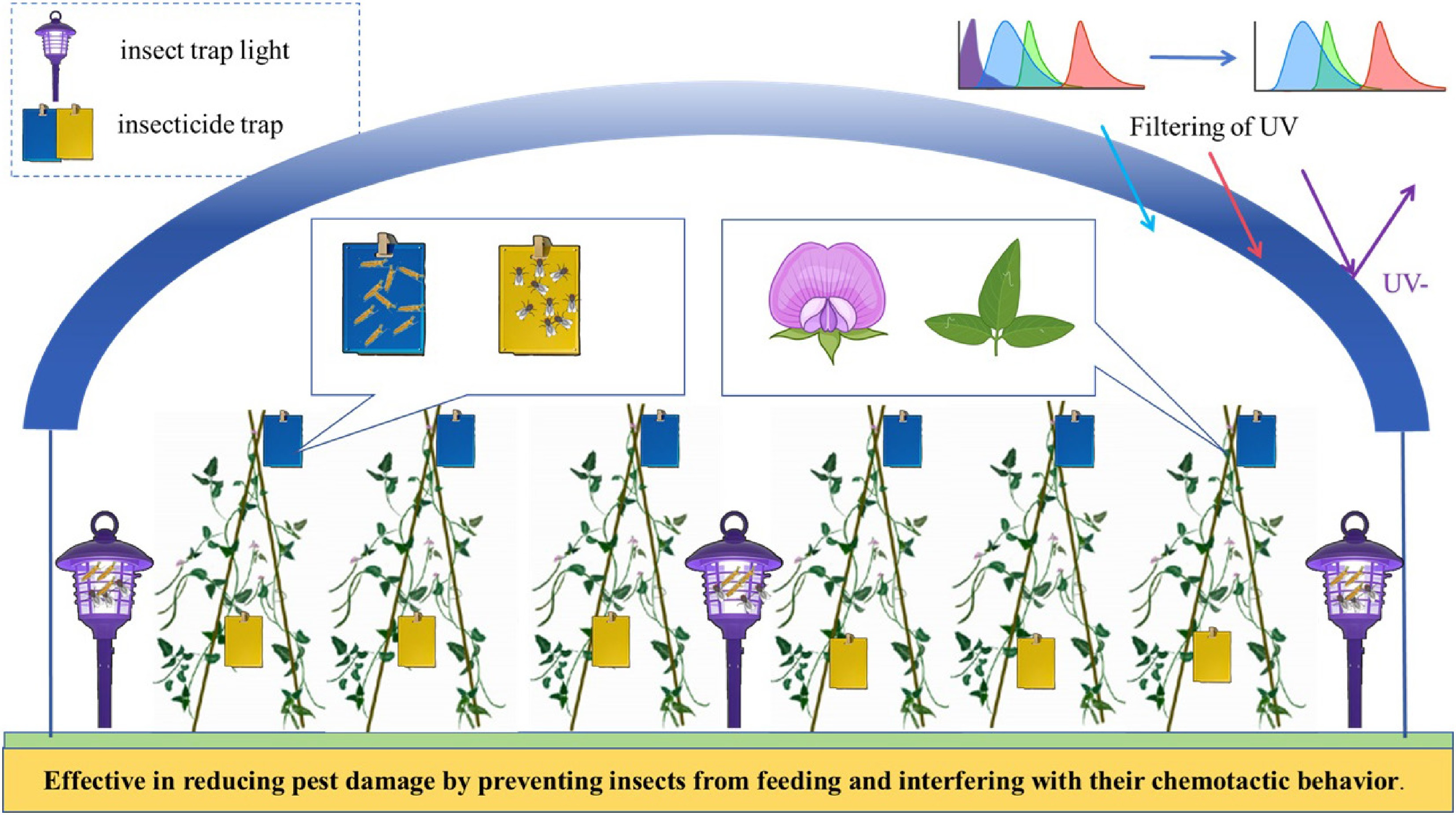
Figure 1.
Schematic of pest physical prevention and control.
Physicochemical inducement
-
Physicochemical inducement has become a key means of integrated pest management by its advantages of environmental protection, high efficiency, and high specificity. It mainly covers three categories, namely plant volatiles, insect pheromones, and plant secondary metabolites, which can precisely regulate the behavior and population size of pests through diversified action mechanisms and provide strong support for the development of green agriculture.
Plant volatiles play a dual-role in pest management, attracting pests for trapping and attracting natural enemies for biological control. Weber et al.[33] proposed that volatile compounds from plants can significantly reduce pest populations. You et al.[34] identified 1,2-diethylbenzene and 1,4-diethylbenzene from the floral volatiles of Fagopyrum esculentum effectively attract the parasitoid insect Cotesia vestalis, thereby controlling the damage caused by Plutella xylostella. Additionally, the volatile oil of Eucalyptus globulus L. has a significant impact on the postembryonic development of the rice stem borer moth during the larval stage and on the adult plumage. Aqueous extracts or volatile oils of various plants have also shown inhibitory effects on pests. For example, 10% of plant extracts mixed into artificial feed increases the absolute mortality rate of Mediterranean solid fly eggs, delays the metamorphosis of first-instar larvae for 2 d, prevents pupae from developing into adults, and reduces the number of pupae by 26%. Water extracts of sorghum, mustard, and sunflower can inhibit the feeding activity of pests, and combinations of sorghum with mulberry or sunflower can control aphids and stinging insects on Brassica plants. An 8% concentration of sorghum aqueous extracts can lead to 62.5% aphid mortality[35].
Insect pheromones are highly species specific, have low toxicity to mammals, and are environmentally friendly, making them ideal for Integrated Pest Management (IPM) applications[36]. Male thrips produce the aggregation pheromone (2E,6E)-farnesyl acetate. Field studies have shown that synthetic versions of this pheromone can capture 1.5−7 times more thrips than the control group, and the pheromones can persist in the environment for 6 d[37]. D. minowai larvae produce trap pheromones, dodecyl acetate and tetradecyl acetate, which can reduce thrips numbers by 29%−59% in field-treated areas compared to the control group[38]. Nakashima et al.[39] found that aphid pheromones (4aS,7S,7aR)-nepetalactone and (1R,4aS,7S,7aR)-nepetalactol can effectively attract parasitic natural enemy insects of aphids in alfalfa fields, enhancing the defense and control of aphid populations.
Plant secondary metabolites act through direct toxicity or behavioral modulation. Research has demonstrated that secondary metabolites extracted from Lippia javanica, Tephrosia vogelii, and Tithonia diversifolia can effectively kill pests on leguminous crops while showing low toxicity to other arthropods[40]. Low doses of methyl salicylate can repel wheat aphids and inhibit their feeding behavior[41]. Balaško et al.[42] reported that although neem extracts do not directly kill Colorado potato beetles and thrips, they can reduce pest populations by influencing oviposition and larval feeding. Azadirachta indica L. seed oil acts as a food repellent for both the larvae and adults of the strawberry aphid, and the neemin it contains can inhibit a wide range of insects, including the green cicada and whitefly. Ethanol extracts of the leaves of the Schinus molle L. at concentrations of 4.3% and 4.7% (w/v) can kill more than 97% of adult elm leaf beetles, and its aqueous extract can completely inhibit the feeding activity of this pest[35].
In conclusion, the utilization of different types of metabolites and pheromones in physicochemical inducement provides effective and environmentally friendly strategies for pest management. These findings further support the potential of using plant volatiles, insect pheromones, and plant secondary metabolites in sustainable pest control practices.
Biological control
-
Biological control is a key strategy for green pest management in agriculture. It primarily utilizes natural enemy insects and other biological agents, such as bacteria and fungi, to suppress pest populations. It is not only an effective method for controlling pests and diseases but also a core pillar of IPM systems. By introducing and protecting natural enemies, the use of chemical pesticides can be reduced while ecological balance is promoted, thereby achieving sustainable agricultural development. As such, biological control holds an irreplaceable position in modern agriculture. Future research should further explore its application potential and mechanisms to enhance its effectiveness and ecological safety.
Application and prospects of biocontrol bacteria in pest management for melons and vegetables
-
Biocontrol bacteria are an important resource in biological control technology, which utilizes the parasitic, competitive, and toxin-secreting actions of microorganisms, such as bacteria and fungi, to suppress harmful organisms. They have broad application prospects in tropical agricultural ecosystems, providing effective biological control technologies for green pest management. They can serve as a vital tool in IPM strategies.
McGuire & Northfield[43] noted that tropical abiotic conditions are often highly conducive to microbial growth, and tropical habitats may be rich in microbial diversity. In tropical and subtropical agricultural ecosystems, the most common insect pathogenic fungi are Beauveria bassiana and Metarhizium anisopliae. Uma Devi et al.[44] found that B. bassiana effectively controls a variety of pests, including thrips, aphids, S. frugiperda, whiteflies, and H. armigera, demonstrating a diverse and wide host range. Compared with B. bassiana, M. anisopliae has a narrower host range but can still infect over 200 species across seven orders of insects, showing remarkable control efficacy[45]. Yang et al.[46] demonstrated that B. bassiana and M. anisopliae are effective against common thrips and can be employed as green control technologies. Swathy et al.[47] found that treatment with the conidia of B. bassiana resulted in a 100% mortality rate of Halyomorpha halys and Tenebrio molitor within 10 d. Akutse et al.[48] screened 16 strains of M. anisopliae and six strains of B. bassiana and discovered that these 22 strains exhibited extremely high efficacy against S. frugiperda, causing complete mortality within 4 d. Shehzad et al.[49] indicated that spraying B. bassiana and M. anisopliae can effectively kill diamondback moth larvae, achieving a mortality rate of 70%, with B. bassiana demonstrating stronger insecticidal effects than M. anisopliae.
Different strains of Paecilomyces exhibit some toxicity against whiteflies, thrips, aphids, and termites[45]. Sumalatha et al.[50] conducted pathogenicity studies on Isaria fumosorosea strain Pfu-5, finding that within different concentration ranges, it induced a certain mortality rate in whiteflies. Chen et al.[51] indicated that I. fumosorosea showed high toxicity to aphids while exhibiting low toxicity to predatory mites. Liu et al.[52] performed toxicity assessments using Purpureocillium lilacinum against Myzus persicae and S. frugiperda. P. lilacinum was found to exhibit strong insecticidal activity against M. persicae, causing effective mortality and growth on their surfaces, but had a weak direct lethal effect on S. frugiperda larvae. However, injecting the fungus can considerably increase mortality rates. Panyasiri et al.[53] found that P. lilacinum strain TBRC10638 is a promising biocontrol agent, with its efficacy in field experiments showing no significant difference from that of chemical insecticide treatments, making it a potential substitute for chemical insecticides in controlling Scirtothrips dorsalis. Trichoderma species can directly kill pests through parasitism and the production of insecticidal secondary metabolites; they can also indirectly manage pests by activating plant defense systems and attracting natural enemies[54]. It currently plays a role in the control of root-knot nematodes in cantaloupe.
The main biocontrol bacteria in common use today are Bacillus thuringiensis and Bacillus subtilis. Xia et al.[55] demonstrated that B. subtilis YZ-1 exhibits considerable insecticidal activity against agricultural pests, with the concentration of surfactants correlating positively with insecticidal efficacy. Experimental results showed that the YZ-1 strain can cause a mortality rate of 90%–95% in yellow mealworms and diamondback moths. Komagata et al.[56] proved that the simultaneous use of B. bassiana and Bacillus thuringiensis effectively controlled greenhouse whiteflies, with the insecticidal effect of mixed treatments being approximately 1.32 to 1.78 times that of individual applications. In tomato plants, B. thuringiensis can control whiteflies by inducing the immune system and directly inhibiting pest activity, thus reducing damage[57]. Lu et al.[58] found that in Chinese cotton production, genetically modified crops can effectively control H. armigera and reduce the demand for pesticides. Compared with those in conventional crops, the population of aphid pests decreased, whereas the numbers of beneficial insects, such as ladybugs, aphids, and spiders, remarkably increased in transgenic crops. The Vegetable Research Institute of the Hainan Academy of Agricultural Sciences has utilized a high-efficiency, broad-spectrum BT formulation as a biopesticide to manage major pests in melons and vegetables, resulting in a dramatic reduction in the use of chemical pesticides and notable pest control effectiveness. Table 2 classifies the main biocontrol strains for pests of melon and vegetable crops in Hainan, and also lists the major pests they control as well as precautions for use.
Table 2. Correspondence table between the resources of biocontrol strains of common pests of melon and vegetable and pest control in Hainan Province.
Name Categorization Main pest control Precautions for use Beauveria bassiana Fungi Thrips, aphids, whiteflies, cotton bollworms, diamondback moth, fall armyworm, etc. Needs to be used at humidity > 80%, avoid mixing with fungicides. Metarhizium anisopliae Thrips, diamondback moth, fall armyworm, etc. Need to work with slow-release dosage forms during rainy season to avoid rain washout. Paecilomyces lilacinus Thrips, aphids, whiteflies, root-knot nematodes, etc. It needs to be used in conjunction with organic fertilizers to improve soil bacterial holding capacity. Trichoderma species Root-knot nematodes, etc. Avoid mixing with copper preparations, storage should be protected from light and dry. Bacillus thuringiensis Bacteria Whiteflies, diamondback moth, etc. Compound with amino-oligosaccharides to increase effectiveness and avoid strong alkaline environments. Bacillus subtilis Fall armyworm, whiteflies, diamondback moth, etc. The virulence decreases at high temperatures (> 35 °C), and temperature-resistant strains need to be selected. Development and utilization of natural enemies
-
Hainan, as a tropical island, has a rich diversity of insect resources, creating favorable conditions for the development and utilization of natural enemy insects. Releasing or protecting predatory arthropods for biological control is one of the most successful management practices. Identifying and cultivating appropriate natural enemies for the main pests of different crops has become a green and efficient pest control method.
Natural enemy insects are diverse and numerous. They are primarily categorized into predatory and parasitic enemies. Predatory natural enemies include predatory bugs, predatory mites, lacewings, and predatory flies, whereas parasitic enemies mainly include parasitoid wasps. Considerable progress has been made in domestic and international research on pest natural enemies.
Table 3 summarizes the key natural enemy resources related to major pests on melons and vegetables in Hainan in recent years, providing a theoretical foundation for the green control of pests. These studies not only offer empirical support for biological control but also lay a solid foundation for the development of sustainable agriculture.
Table 3. List of natural enemy resources for major pests in melon and vegetables in Hainan.
Pest name Groups Name of natural enemies Thrips Predatory natural enemy Orius sauteri[59], Orius laevigatus[60], Orius majusculus[60], Neoseiulus barkeri[61], Orius insidiosus[62], Amblyseius swirskii[62], Steinernema feltiae[62], Neoseiulus cucumeris[63], Franklinothrips vespiformis[64], Scolothrips sexmaculatus[65], Orius niger[66], Orius minutus[66], Orius strigicolli[66], Orius albipennis[66], Scolothrips longicornis[66], Neoseiulus californicus[66], Typhlodromus bagdasarjani[66], Chrysopa sinica[67], Chrysoperla nipponensis[67], Mallada signata[67] Parasitic natural enemy Ceranisus menes[68], Ceranisus americensis[69], Megaphragma sp.[70], Trichogramma pretiosum[71], Ceranisus incerta[67], Ceranisus lepidotus[67], Podibius indicus[67] Leafminer fly Predatory natural enemy Dolichopus sp.[72], Coenosia attenuata[73], Coenosia humilis[73], Condylostylus similis[73], Drapetis sp.[73] Parasitic natural enemy Opius chromatomyiae[73], Opius scabriventris[73], Halticoptera arduine[73], Halticoptera helioponi[73], Gronotoma micromorpha[73], Dacnusa sibirica[74], Hemiptarsenus varicornis[75], Chrysocharis flacilla[76], Diglyphus isaea[77], Neochrysocharis formosa[77], Phaedrotoma scabriventri[78], Cirrospilus acadius[72], C. bievicorpus[72], Aprostocetus sp.[72], Opius dissitus[78], Diglyphus wani[79], Opius biroi[80] Aphids Predatory natural enemy Orius sauteri[81], Eupeodes corollae[82], Micromus angulatus[83], Chrysoperla carnea[84], Hippodamia convergens[84], Adalia bipunctata[85], Aphidoletes aphidimyza[86], Coccinella septempunctata[87], Cycloneda sanguinea[87], Eriopis connexa[87], Harmonia axyridis[87], Allograpta exotica[87], Pseudodorus clavatus[87], Ocyptamus gastrostactus[87], Episyrphus balteatus[88], Orius majusculus[88] Parasitic natural enemy Aphidius matricariae[88], Aphidius colemani[89], Lysiphlebus testaceipes[89], Diaeretiella rapae[89], Aphidius platensis[90], Aphelinus asychis[91], Lysiphlebus testaceipes[92], Aphidius ervi[39], Praon barbatum[39] Whitefly Predatory natural enemy Orius sauteri[93], Amblyseius herbicolus[94], Neoseiulus bicaudus[95], Delphastus davidsoni[96], Chrysoperla carnea[97], Amblyseius tamatavensis[98], Delphastus catalinge[99], Misumenops celer[100], Drapetis nr divergens[100], Geocoris pallens Stäl[100], Orius tristicolor[100], Collops spp.[100], Macrolophus pygmaeus[101], Nesidiocoris tenuis[101] Parasitic natural enemy Encarsia sophia[102], Encarsia transvena[102], Eretmocerus mundus[102], Eretmocerus hayati[103], Eretmocerus eremicus[104], Encarsia formosa[104] Diamondback moth Predatory natural enemy Euborellia annulipes[17], Eocanthecona furcellata[105], Chrysopa sinica[106], Sycanus aurantiacus[107], Orius strigicollis[108], Pheidole sp.[109], Podisus nigrispinus[109], Cheiracanthium inclusum[109] Parasitic natural enemy Cotesia plutellae[109], Conura pseudofulvovariegata[109], Tetrastichus howardi[109], Cotesia vestalis[34], Diadegma fenestrale[110], Diadegma semiclausum[110], Diadegma insulare[111], Diadromus collaris[112], Steinernema carpocapsae[113], Heterorhabditis bacteriophora[113], Trichogramma chilonis[114], Oomyzus sokolowskii[114], Itoplectis naranyae[114], Exochus sp.[114], Brachymeria excarinata[114], Eurytoma verticillata[114], Ceraphron manilae[114], Trichomalopsis apanteloctenus[114], Trichomalopsis shirakii[114] Ecological regulation
-
The ecological regulation of agricultural pests refers to managing and controlling pest populations by optimizing the ecological environment and utilizing natural processes within ecosystems. Crop diversity can directly limit pest populations by altering pest detection and host crop selection, enhancing crop resistance or tolerance to pests, and breaking the spatial and temporal continuity of resources[115]. Perrot et al.[116] found that maintaining seminatural habitats adjacent to crop planting areas can effectively control pests, increasing pest predation rates while reducing pest density in most crops. Additionally, diverse food resources and habitats can enhance the abundance and diversity of natural enemies, indirectly promoting biological control. Planting specific plants around or between crops can effectively attract pests, thereby reducing pesticide use and achieving ecological regulation. Sarkar et al.[117] demonstrated that intercropping kale with parsley reduced aphid damage to kale and that intercropping with parsley led to a decrease in initial aphid density and an increase in natural enemy populations, thereby suppressing pest damage. Beaumele et al.[118] found that planting diverse cover crops in vineyards drastically increased the number of natural enemies, enhancing biological control effectiveness, especially in areas with simple crop plantings. Planting trap and cover crops has been proven to effectively improve the populations of natural enemies in fields of crops, such as corn, rice, and wheat, to achieve pest control[119]. For example, Cai et al.[120] planted plants, such as sweet flag, rapeseed, basil, and mint, in apple orchards to enhance the effects of ecological regulation against Aphis spiraecola. Additionally, in Africa, planting trap crops, like Pennisetum purpureum, in maize fields successfully attracted pests to the trap crops for elimination[121]. Braman & Westerfield[122] confirmed that using 'Juliet' cherry tomatoes and 'Blue Hubbard' squash as trap plants effectively reduced common pests on squash and tomatoes. These studies indicated that ecological regulation strategies can effectively manage agricultural pests and promote the development of ecological agriculture. Figure 2 presents a schematic diagram of pest trapping via ecological control measures. Such measures can increase the quantity and diversity of natural enemy insects while enhancing the effectiveness of biological control.
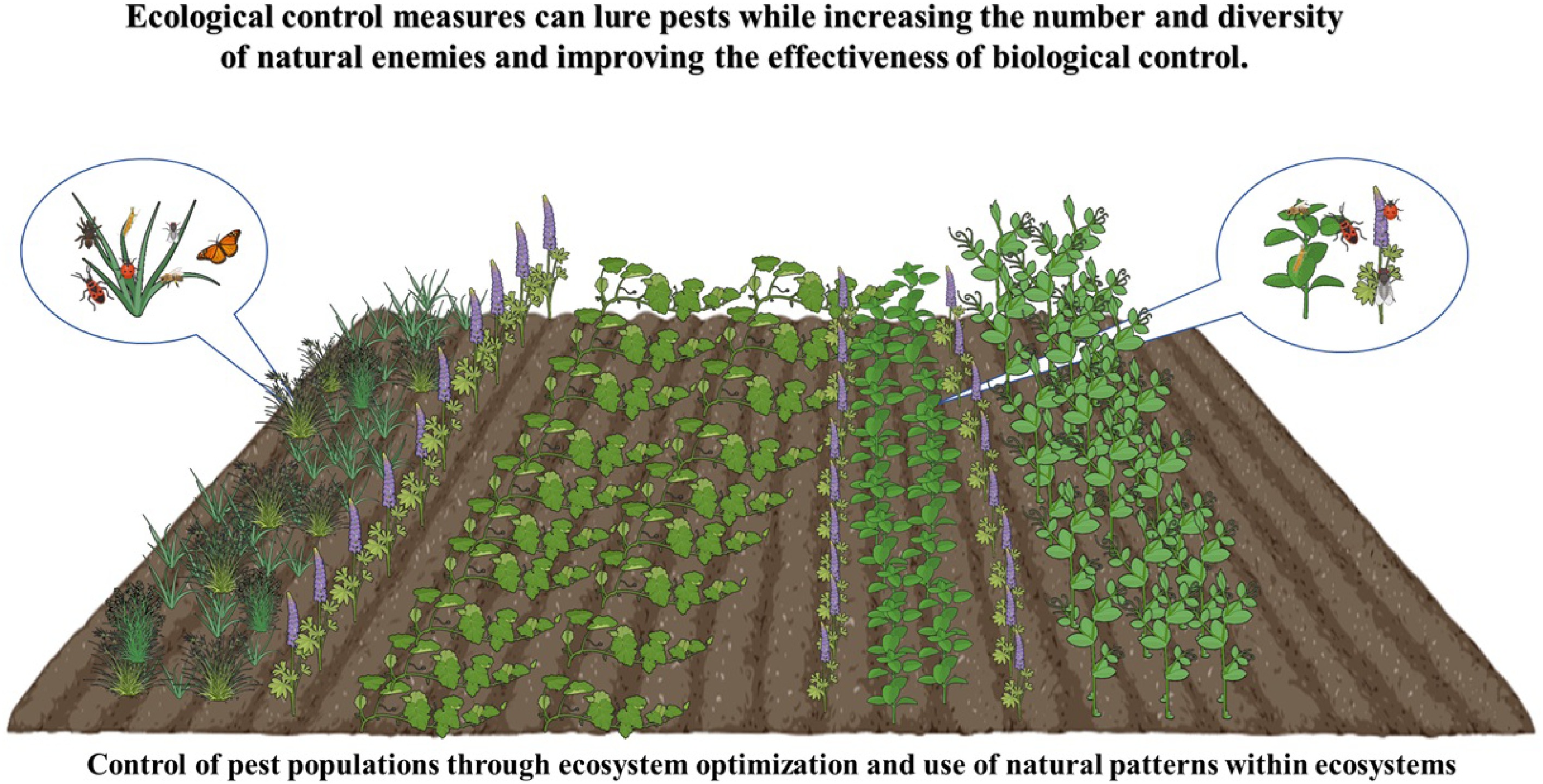
Figure 2.
Schematic of pest control using ecological regulation.
Technology-driven modern pest control
-
With advancements in technology, the integration of agricultural science and pest control has become increasingly close, particularly through the comprehensive application of the Internet of Things (IoT), big data, and drone systems, which provide strong technical support for modern agriculture. Automated detection technologies combined with integrated IoT and cloud computing decision support systems enable real-time pest monitoring and management, which is crucial for implementing effective IPM strategies[123]. Through real-time data collection, farmers can quickly identify pest activity patterns and take timely control measures (Fig. 3).
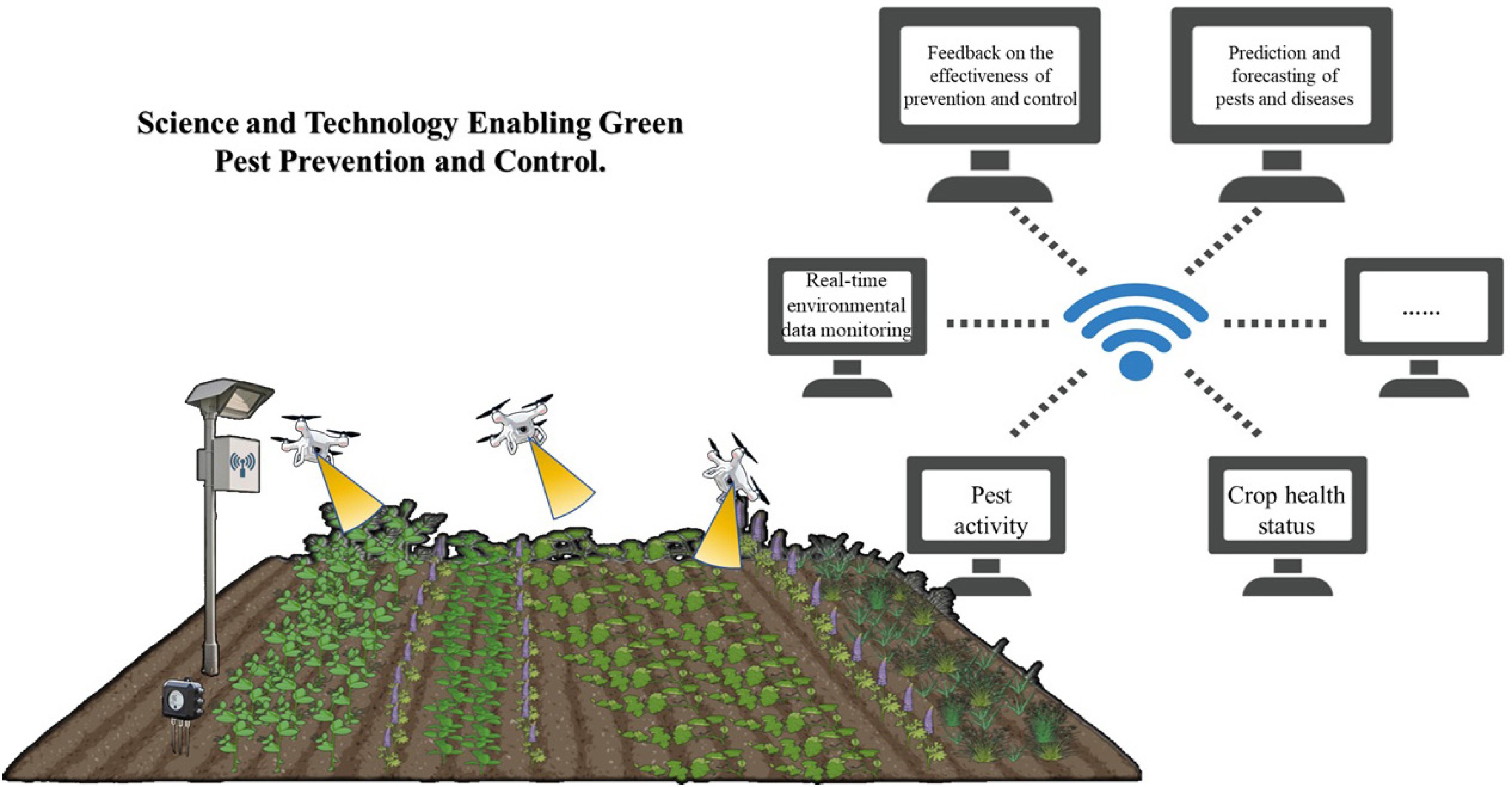
Figure 3.
Schematic of pest control using technology-driven modern pest control.
Drone systems play an important role in pest monitoring and management; they can cover large areas of farmland while efficiently collecting images and analyzing data[124]. Drones are equipped with advanced sensors that can accurately capture crop health and pest activity under different environmental conditions. On the basis of IoT and big data analysis, the collected data can not only be used for real-time monitoring but can also be used to predict pest occurrences through intelligent algorithms[125]. This predictive capability allows farmers to take preventive measures in advance, thereby reducing potential economic losses.
By analyzing sensor data, specific environmental factors, such as temperature and humidity, related to the reproduction of certain pests can be identified, enabling the establishment of precise pest warning systems. Additionally, combining drone aerial monitoring capabilities can effectively determine the extent and density of pest outbreaks, optimize application strategies, reduce pesticide usage, and minimize environmental impact.
Agricultural control
-
Agricultural control, as a core component of green pest management for insects, enhances the inherent resistance of cropping systems through optimized agronomic practices, reducing target pest population bases from an ecological perspective, and serving as a critical foundation for building sustainable agricultural production systems. This technical system regulates the micro-environment of crop growth, suppressing the occurrence of plant diseases and insect pests while maintaining the service functions of agricultural ecosystems.
Traditional agricultural control techniques primarily include modules such as crop rotation, intercropping, field sanitation management, and application of insect-resistant varieties. Crop rotation establishes ecological suppression of pests and diseases by spatially and temporally isolating host plants, introducing non-host plants, and enhancing community biodiversity. Its control efficacy is closely related to crop configuration patterns, species diversity levels, and rotation cycles. Intercropping utilizes niche complementarity among species to create microhabitat heterogeneity in complex planting systems, forming biological barriers that interfere with pest host localization and feeding behavior. Field sanitation management reduces initial infection sources by promptly removing diseased/residual plant materials, weeds, and senescent debris, thereby disrupting pest propagation microhabitats and blocking the transmission vectors and habitats of pests and diseases. The application of insect-resistant varieties relies on the morphological, physiological, or biochemical resistance mechanisms of crops to reduce dependence on chemical pesticides, though attention must be paid to the risk of pest adaptive evolution caused by long-term use of single resistance genes[126].
As a core technology of agricultural pest control, the breeding of insect-resistant varieties has significantly improved the efficiency of targeted resistance gene screening in recent years through the integration of traditional hybrid breeding with molecular marker-assisted selection and gene editing techniques. For example, Murtiningsih et al.[127] evaluated thrips resistance in 30 pepper germplasm resources in Indonesia, screening out 10 resistant varieties with low leaf damage rates for thrips-resistant pepper breeding based on field surveys of pest populations, leaf damage severity, and morphological trait analysis. Yu et al.[128] identified during the seedling-stage insect resistance evaluation of 318 rice germplasms that the accessions HN12-239 and HN12-328 exhibited stable anti-insect phenotypes against brown planthopper (BPH) and whitebacked planthopper (WBPH) across multiple growth stages, qualifying them as elite resistance sources for insect-resistant rice breeding. Additionally, the successful introduction and commercial application of Bt insect-resistant genes have established biological protection barriers for major crops such as cotton, rice, and maize, blocking pest damage at the source[129].
-
Although IPM is widely recognized globally, a unified management approach has yet to be established. In practical field control, several management strategies are typically combined rather than effectively integrated. Karlsson et al.[130] emphasized that a comprehensive and eco-friendly IPM approach that incorporates an evolutionary perspective to fundamentally address the issue of pest resistance and promote sustainable agricultural development should be adopted in pest control. Han et al.[131] suggested that pest control could be effectively implemented by increasing crop diversity and arranging crops reasonably, taking into account the timing of different pests during crop growth stages, thus utilizing the interrelationships within ecosystems from spatial and temporal dimensions.
Climate adaptation characteristics of different control measures
-
Due to the elevated temperature and humidity characteristic of Hainan's tropical climate and habitat, individual pest control technologies often encounter efficiency limitations. There is a pressing need to develop a multi-faceted pest management system that leverages regional ecological characteristics to address complex biotic stresses. This system should aim to achieve multiple objectives, including effective pest control, high agricultural yield, and environmental protection, thereby establishing a technological model for the sustainable development of regional agriculture.
Physical control methods, such as the use of insecticide-treated nets and fruit bagging, can create three-dimensional protective barriers that effectively reduce the intrusion of small pests like thrips and whiteflies during the seedling stage. Additionally, shade nets can help regulate the microclimate of the field when used in conjunction with mulching. However, these methods have limitations; shade nets may lack sufficient resistance to typhoons, and fruit bagging in high-humidity environments can lead to mold growth. Therefore, it is necessary to integrate air-permeable non-woven fabric bags and implement regular ventilation management to enhance their effectiveness.
Physicochemical methods, such as the use of sticky boards and trap lights, offer the benefits of early detection and directional trapping. However, elevated temperatures can cause the adhesive to melt and accelerate the volatilization rate of the core, thereby shortening the period of effectiveness and necessitating frequent replacements, particularly after typhoon-induced rains. Consequently, the cost associated with timely management is high.
In contrast, ecological regulation can mitigate pest damage to the primary crop by intercropping with insect-attracting plants and incorporating green manure into the field to establish an ecological barrier. Nonetheless, excessive vegetation growth under conditions of high temperature and humidity can lead to field depression, and there is an increased risk of nutrient loss when tilling green manure during the rainy season.
Biological control relies on the natural pest control abilities of biocontrol fungi and natural enemies, which can reduce the use of chemical pesticides. However, high temperatures shorten the survival cycle of biocontrol fungi spores, and high humidity increases the fungal infection rate for natural enemies, and typhoons destroy the habitats, resulting in a longer period of recovery of the natural enemy populations. High temperatures reduce the infestation efficiency of pathogenic microorganisms (e.g., Beauveria bassiana) and necessitate the development of high-temperature-tolerant biologics. The control efficacy of Metarhizium anisopliae is influenced by its genetic diversity, which affects the pathogenicity, environmental adaptability, and infestation-related enzyme activities of the strain, and ultimately determines the strength of the biocontrol effect[132,133].
The technology-driven modern pest control system facilitates real-time monitoring of temperature, humidity, and insect activity, providing essential data to inform prevention and control strategies. However, during typhoon season, it is crucial to enhance the structural support of the system to prevent equipment damage. The high cost of such technology often renders it inaccessible to small-scale farmers.
Traditional agricultural control measures, such as crop rotation, the use of disease-resistant varieties, and soil disinfection, serve as fundamental strategies to mitigate initial infestations. Nonetheless, their efficacy diminishes under cloudy and rainy conditions, and post-typhoon debris, if not promptly cleared, can become a breeding ground for pests and diseases. Additionally, tropical heat accelerates the degradation of Bt toxins, thereby reducing the effectiveness of insect-resistant crops.
Optimized combination of prevention and control measures based on temperature and humidity dynamics
-
The uncertainty and variability of rainfall, along with the transitional processes between wet and dry seasons, are likely to trigger unpredictable pest risks. These factors exacerbate the dynamic uncertainty of pest population distribution, species composition, and dominance, thereby increasing the complexity of integrated pest management[134]. Currently, prevention and control efforts encounter challenges such as delayed monitoring, the development of resistance, and the failure of ecological regulation. Therefore, it is imperative to establish an integrated prevention and control system that is adapted to climate change through institutional research, technological innovation, and international collaboration[132].
During the typhoon rainy season (July to September), priority should be given to employing physical barriers, such as wind-resistant insect nets and steel frame reinforcements, as well as rain-resistant biological agents. Additionally, the use of drones for directional spraying during intervals of rain and sunshine is recommended. Within 24 h following a typhoon, efforts should focus on garden restoration, pruning, and foliar fertilizer application to rapidly restore crop resilience and reduce insect pest populations.
During the winter melon and vegetable growth period (October to March), emphasis is placed on managing pest outbreaks. This is achieved by strategically placing insecticide panels at the height of the inflorescence and utilizing pheromones to establish a three-dimensional trapping network. This system is complemented by real-time monitoring of insect populations through Internet of Things (IoT) technology, which captures data on adult pest thresholds. Concurrently, high-temperature-resistant natural enemies are released to manage the pest population, thereby achieving a closed-loop management system characterized by 'monitoring, early warning, prevention, and control'.
In contrast, during the high-temperature and dry period (April to June), the focus shifts to fundamental agricultural practices and ecological control measures. This involves using black mulch covers and insect-proof nets to provide initial protection, as well as planting trap crops to lure pests. Additionally, a heat-resistant xylococcus fungus agent is applied in the evening, addressing both soil disinfection and foliar protection. These measures collectively form a preliminary prevention and control barrier, aimed at 'suppressing the source of the insect, enhancing resistance, and maintaining ecological stability'.
-
The sustainable development of pest control in the melon and vegetable industry in Hainan faces numerous challenges. Green pest management is a top priority, and effective reduction in the use of chemical pesticides, minimizing environmental pollution, and enhancing the safety of agricultural products are possible through the use of integrated measures, such as physical control, physicochemical attraction and control, biological control, and ecological regulation. Pest management strategies should increasingly rely on technological support. The application of technologies, like IoT and drone technology, will provide new solutions for real-time monitoring and data analysis. These technologies can not only improve the efficiency of pest control but also promote the intelligence and precision of agricultural production. Furthermore, promoting the development and application of beneficial insects and biological control agents will be key to enhancing the effectiveness of biological pest control and achieving ecological agriculture.
In the future, research should focus on diversified pest management strategies to meet the practical needs of different crops and environments. This approach will comprehensively enhance the sustainable development capacity of Hainan's melon and vegetable industry and further achieve efficient, green, and safe production goals.
The financial support for this study was provided by the Project of Sanya Yazhou Bay Science and Technology City (SCKJ-JYRC-2023-15), Hainan winter melon and vegetable technology industry system (HNARS2023-3-G5), 'Mojie' after the disaster Qiongbei perennial vegetable greenhouse pest control green technology (ZDYF2024YJGG002-10), and the China National Natural Science Foundation (32260666 and 32460659). The material in the illustrations in this overview was obtained from the websites '
app.biorender.com ' and 'www.figdraw.com '.-
The authors confirm their contributions to the paper as follows: draft manuscript preparation and revision: Zhang S, Li F, Wu S; data analyses (analytical approaches and charts): Jin H, Liu K, Chen Q. All authorsreviewed the results and approved the final version of themanuscript
-
Data sharing is not applicable to this article as no datasets were generated or analyzed during the current study.
-
The authors declare that they have no conflict of interest.
-
Received 13 March 2025; Accepted 19 June 2025; Published online 28 September 2025
-
Focuses on constructing a green pest control technology system, integrating physical control, physicochemical inducement, biological control, and ecological regulation to reduce chemical pesticide use.
Proposes targeted strategies based on Hainan's tropical climate, analyzing the adaptability of different measures and optimizing combinations according to temperature and humidity dynamics.
Emphasizes the integration of modern technologies like IoT and drones for real-time monitoring and precise pest management.
Highlights the core role of integrated pest management (IPM) by combining multiple strategies to achieve sustainable development goals
- Copyright: © 2025 by the author(s). Published by Maximum Academic Press on behalf of Hainan University. This article is an open access article distributed under Creative Commons Attribution License (CC BY 4.0), visit https://creativecommons.org/licenses/by/4.0/.
-
About this article
Cite this article
Zhang S, Jin H, Liu K, Chen Q, Li F, et al. 2025. Sustainable development of Hainan's melon and vegetable industry: new strategies for pest control. Tropical Plants 4: e032 doi: 10.48130/tp-0025-0023 

Sustainable development of Hainan's melon and vegetable industry: new strategies for pest control
- Received: 13 March 2025
- Revised: 10 May 2025
- Accepted: 19 June 2025
- Published online: 28 September 2025
Abstract: Various crops can be cultivated in Hainan due to its unique climatic conditions, which also lead to overlapping generations and rapid reproduction of pests, posing a serious threat to agricultural production. Traditional chemical control methods have shown substantial limitations in their effectiveness and ecological safety, necessitating a shift toward green, safe, and effective integrated pest management (IPM) measures. This paper explores the current status and strategies for pest control in Hainan's melon and vegetable industry by reviewing various green control technologies, including physical control, physicochemical attraction, biological control, and ecological regulation. Additionally, it discusses the application of technological methods in modern pest management, particularly the importance of the Internet of Things and drone technology in real-time monitoring and data analysis. Finally, this paper emphasizes the necessity of IPM, advocating for a combination of various control methods, as well as rational crop layout and ecological regulation, to enhance the sustainability of agriculture, with the hope of providing strong technical support and assurance for Hainan's melon and vegetable industry.
-
Key words:
- Pest control /
- Green control /
- Sustainable development /
- Integrated pest management