









-
Urtica dioica, usually known as stinging nettle, belongs to the family Urticaceae and is a perennial herbaceous plant. This plant grows in a variety of climate zones in Asia, Europe, America, and Africa, including both tropical and temperate regions[1]. It is seen growing by the sides of roads, rivers and forests, and is considered a wild plant due to its rapid and widespread growth[2]. The plant is monoecious, the stem and leaves have trichomes, and their exposure to skin gives a burning sensation. In addition, it produces fruits and flowers in the summer. The stinging nettle is native to every continent and grows in moderate climates[3]. It is rich in nutrients and is used as a natural remedy for a number of illnesses. Leaves from this plant are used as a herb, and soup is consumed in the winter. Stinging nettle leaves are a highly nutritious, easily digestible meal that is rich in vitamins, minerals, and carotenoids. Stinging nettle leaves are an excellent source of provitamin A. It is a significant component of our diet[4]. However, chlorophyll, fatty acid composition, and carotenoids are crucial phytochemicals in nettle (Table 1). An extract of the stinging nettle plant, derived from its leaves, fruit, seeds, and roots is abundant in antioxidants and bioactive chemicals, in addition to flavonoids[5].
Table 1. Analysis in qualitative terms of phytochemicals from various plant sections of Urtica dioica[6,7].
Compounds Leaves Root Seed Ascorbic acid Present Present Present Alkaloids Absent Absent Absent Flavonoids Present Present Present Fatty acids Present Present Present Lignin Present Present Present Sterols Present Present Present Silica Present Present Present Tannins Present Present Present Terpenoids Absent Absent Absent Triglycerides Absent Absent Absent Protein Absent Absent Absent Morphology
-
Urtica dioica plants are cultivated in nitrogen-rich soils. Stems are erect, greenish in color, with a height of nearly 3 feet. Stems are covered with trichomes (Fig. 1a), which contain a fluid. When this fluid comes in contact with skin, it causes a burning-like sensation. Leaf orientation (Fig. 1b) on the plant is opposite. Flowers are greenish to reddish in appearance, and are a racemose type. Both male and female flowers occur on the same plant. The blooming season is from May to September[8].
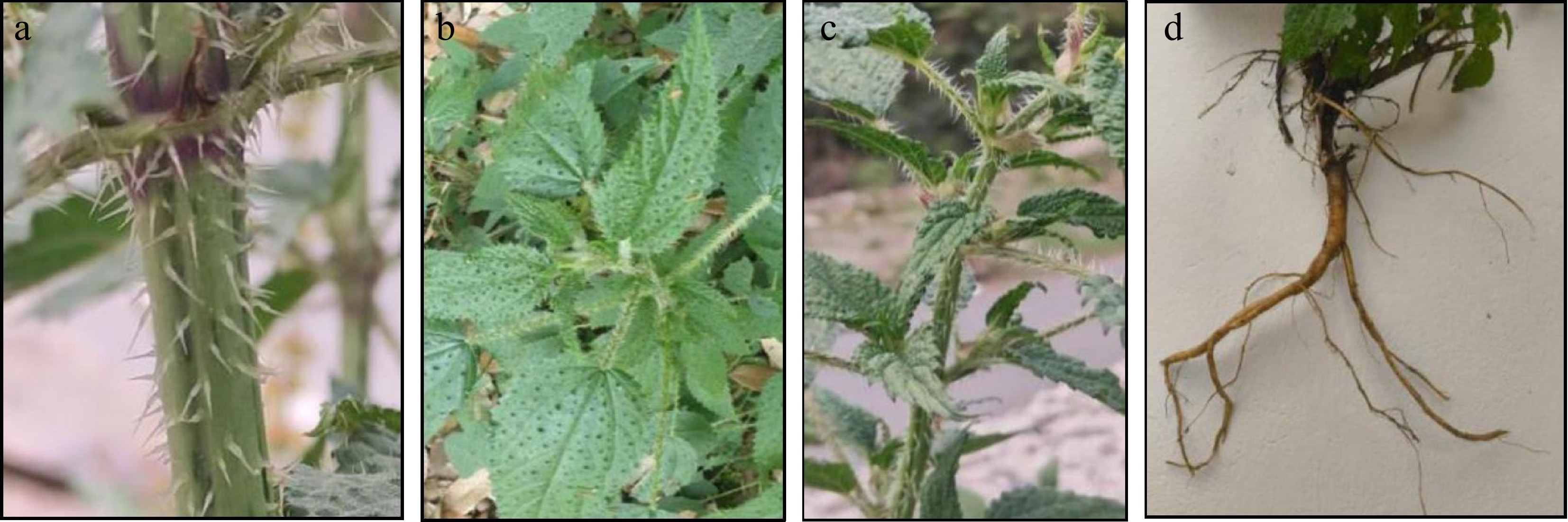
Figure 1.
Urtica dioica (a) trichomes, (b) leaves, (c) whole plant, and (d) roots collected from Hiranagar (Totu), Shimla (H.P.).
Microscopic evaluation
Leaf
-
When we see the transverse section of leaf, we can see the upper and lower layer of epidermis which contain stomata. Below the epidermis there are more stomata, and on the upper surface of the leaf, the stomata are large, and are enclosed with a cuticle. They are unicellular or multicellular. Below these are rows of collenchyma which vary from three to five rows. Mesophyll cells are also embedded in the parenchymatous vascular bundles[9].
Stem
-
The transverse section (TS) of the stem contains a number of vascular bundles (Figs 2, 3). Thick, pitted cells, with an irregular outline surround the vascular bundles outside the phloem. The parenchyma also contains 10–20 µm calcium oxalate cluster crystals[10].
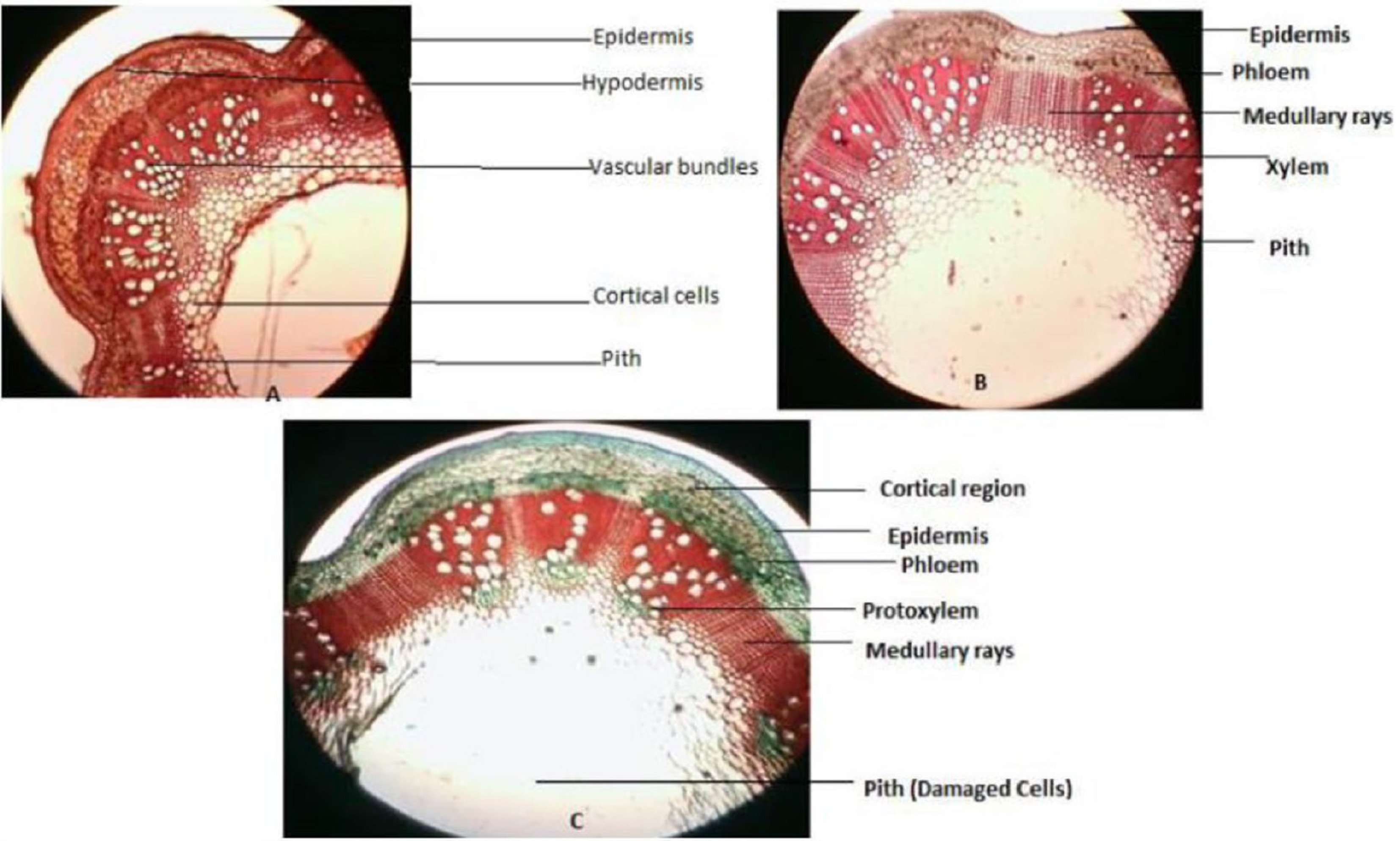
Figure 2.
(a)–(c) Transverse section of Urtica dioica stem showing vascular bundles[11].
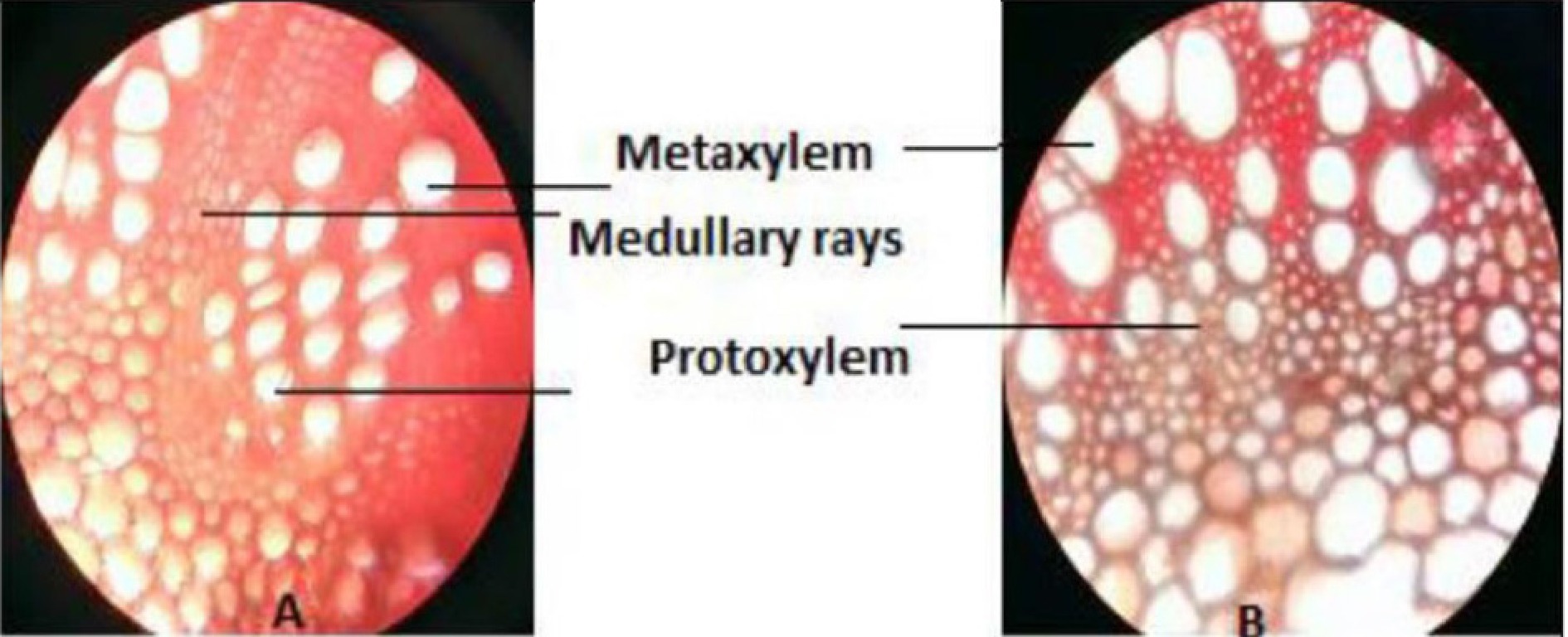
Figure 3.
(a), (b) Transverse section of Urtica dioica stem showing meta xylem, and proto xylem vascular bundles[11].
Root
-
A transverse section of root has cork, phelloderm, and vascular bundles. Primary xylem is present in the center. Vascular bundles have secondary phloem and xylem with lignified and non-lignified parenchymatous cells in the rhizome[12].
Rhizome
-
The transverse section of rhizome in stinging nettle has cork, pericycle, cortex, pith, and vascular bundles. The pericycle region has the presence of fibers, whether they are present singly, or in groups. In the pericycle region, pericycle fibers have a cluster of calcium oxalate. Secondary phloem consists of parenchymatous cells. Secondary xylem is lignified with medullary rays and has several simple pits in it. Pith is composed of non-lignified parenchyma[12].
Ancient history
-
This plant was used as an herbal treatment for wound healing and menstrual pain in women in Africa. Greek people have long been aware of the medicinal benefits of stinging nettle. The Greeks were well aware of the plant's medicinal properties. This herb has been utilized in lung ailments, asthma, colds, renal problems, digestion, and healing. Diabetes related problems and kidney problems are treated with stinging nettle tea in Germany. This herb was also used by the Germans to treat joint pain. Indians utilized this herb to treat uterine hemorrhage and poor infants. In the United States, this plant is used to cure allergies, and a leaf extract is administered to nursing mothers. It is a blood-clotting agent as well. This was used throughout pregnancy to ease the muscles involved in birthing[13]. In Brazil people uses stinging nettle for treatment of breathing related difficulties such as asthma, lung infection, cough and cold, diabetes. Mexican people use this plant for treating kidney related problem, sexually transmitted diseases, diarrhea, malaria etc. Aches, allergic rhinitis, asthma, bacterial infections, baldness, bleeding, bronchitis, bruising, burns, cancer, diarrhea, chest issues, childbirth, cholecystitis, and other conditions are among the conditions for which stinging nettle is used in other nations[6].
Vernacular name of Urtica dioica and taxonomy
-
Urtica dioica, usually known as stinging nettle (Table 2), belongs to the family Urticaceae (Table 3).
Table 2. Vernacular name of Urtica dioica.
Language Vernacular name of Urtica dioica Hindi Bichu Butti Kumaon Shisuun Sanskrit Vrishchhiyaa-shaaka, Dushsparsa Unani Anjuraa Common name Stinging nettle, Himalyan nettle, Nettle Table 3. Taxonomy.
Kingdom Plantae Sub kingdom Tracheobionta – vascular plant Division Magnoliophyta – flowering plant Class Magnoliopsida – dicotyledons Subclass Hamamelidae Order Urticales Family Urticaceae – nettle family Genus Urtica L. Species dioica L. The purpose of this review is to provide a comprehensive analysis of the biochemical composition and pharmacological potential of Urtica dioica (stinging nettle). Given its widespread distribution and historical medicinal applications, this plant has gained significant attention in both traditional and modern medicine. The review aims to examine the chemical composition of bioactive compounds such as flavonoids, antioxidants, vitamins, minerals, fatty acids, and polyphenols that contribute to the plant's therapeutic properties. We will then explore pharmacological benefits, medicinal applications of Urtica dioica, including its antioxidant, anti-inflammatory, antimicrobial, and immunomodulatory properties, along with its role in managing metabolic disorders, cardiovascular diseases, and inflammatory conditions. It will also provide insights into the traditional uses of stinging nettle across different cultures, and to encourage future research for detailed molecular studies to better understand its mechanisms of action. Various studies have documented the pharmacological effect of U. dioica but the molecular mechanism of action of its bioactive compounds remains poorly understood. Much of the evidence for U. dioica is based on in vitro studies or animal models. There is a lack of well-designed human clinical trials to confirm its efficacy and safety for various ailments, particularly for treating diseases like cancer, diabetes, and autoimmune conditions. By compiling and analyzing existing scientific literature, this review aims to serve as a valuable resource for researchers, health care professionals, and industries exploring the full potential of Urtica dioica in health and medicine.
-
An online literature search was developed using online databases such as Elsevier, ResearchGate, and PubMed. Keywords employed for search are stinging nettle, Urticaceae, Urtica dioica, chemical composition, and biological application, with the resulting literature published in English.
-
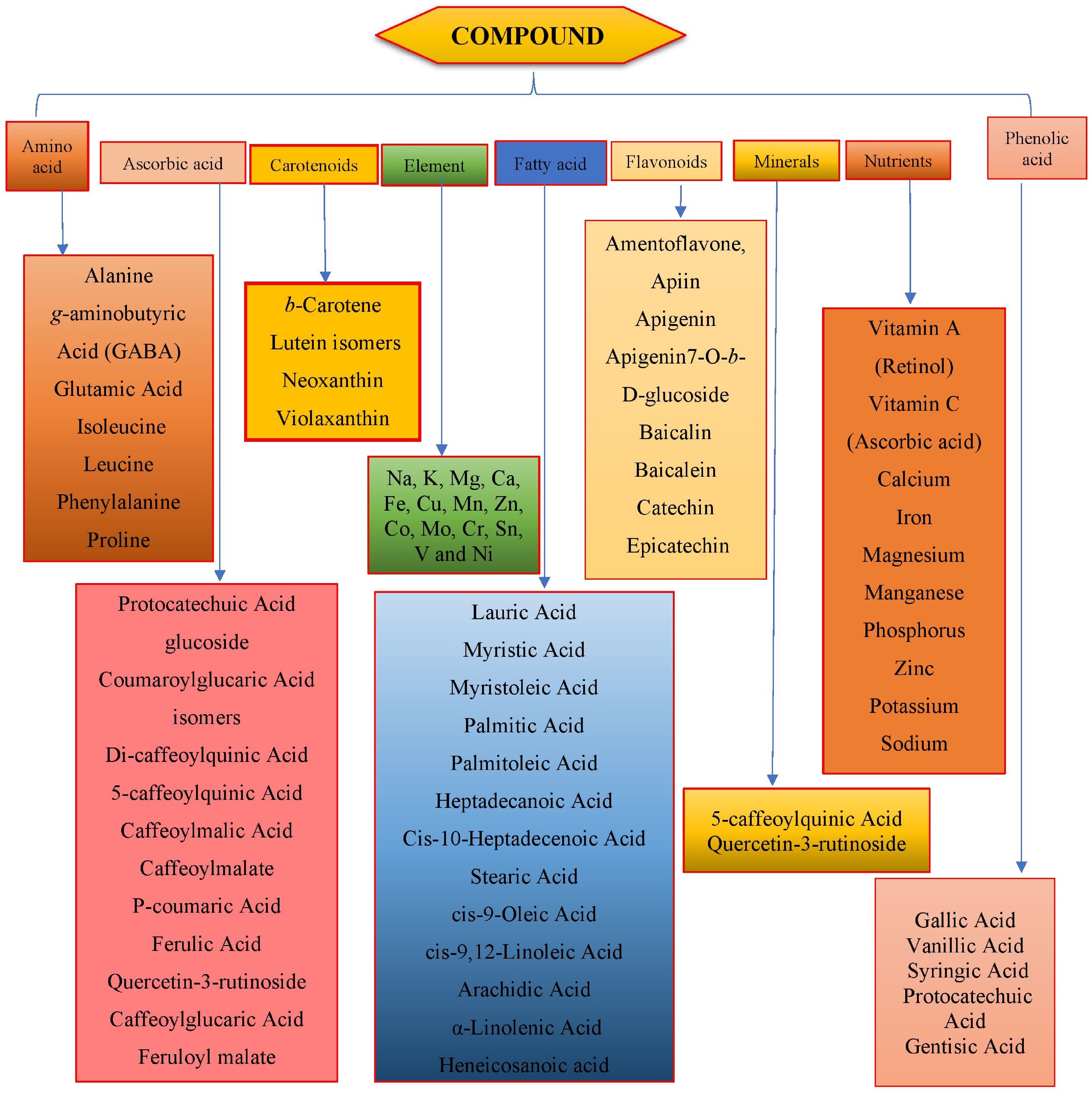
Urtica dioica is an abundant source of various vitamins such as vitamin A (retinol), which is essential for vision, immune function, and cell growth. It acts as an antioxidant, protecting the body from oxidative stress. Vitamin E (tocopherol), is a powerful antioxidant that helps protect cells from damage caused by free radicals, plays an important role in reducing inflammation, and improving heart health. Vitamin K (phylloquinone) is essential for regulating blood calcium levels, supporting energy production, maintaining healthy cellular function, and aiding in the metabolism of fats, proteins, and carbohydrates. Some of the essential elements present in this plant are Cu, Zn, Mn, and Co. These vitamins and essential elements contribute to the overall health and nutrition required by the human body[6]. Leaves are a rich source of essential polyunsaturated fatty acids, particularly linoleic acid and α-linolenic acid; supporting heart health and metabolic regulation, maintaining skin health, supporting immune function, and playing an important role in cell membrane integrity and hormone production. The chemical composition of stinging nettle leaf has a significant role (Table 4). The major fatty acids found in stinging nettle include C18:3 (α-linolenic acid), and C16:0 (palmitic acid). In stinging nettle seeds, myristic acid (C14:0), palmitic acid (C16:0), and stearic acid (C18:0) are present in significant amounts. Additionally, oleic acid (C18:1), a monounsaturated fatty acid, is the most abundant fatty acid found in seeds[14]. Stinging nettle leaves accumulate a significantly higher polyphenol content than the roots throughout the vegetative period, regardless of the extraction solvent used. The highest polyphenol levels and antioxidant activity are found in water extracts, with increased brewing temperature enhancing polyphenol extraction and antioxidant capacity. Biologically significant classes of compounds, such as carotenoids and minerals are present, and there is also the presence of insignificant amounts of toxic compounds, and heavy metals. Due to the combination of these different compounds, this plant has medicinal value. A number of drugs and supplements are produced due to their application in traditional medicine. The presence of fatty acids and polyphenols in stinging nettle leaf make it a popular choice for treating inflammation and allergies. Additionally, the high mineral content in this plant makes it a valuable natural source for supplementing essential nutrients in the body. Overall, the diverse chemical composition of stinging nettle leaf highlights its potential as a versatile and beneficial plant for both medicinal and therapeutic purposes (Fig. 4)[15].
Fatty acid Content (µg/g) Element Content (µg/g) Ascorbic acid Content Lauric acid 4.09 Na 296.20 Protocatechuic acid 4.27 µg/g Myristic acid 9.19 K 33,899.00 Coumaroylglucaric acid 0.50 mg/g Myristoleic acid 1.72 Ca 28,608.0 5-caffeoylquinic acid 3.58 mg/g Palmitic acid 60.97 Mg 8,699.76 Caffeoylmalate 0.13 mg/g Palmitoleic acid 3.19 Fe 150.97 Ferlic acid 0.11 mg/g Heptadecanoic acid 1.09 Mn 81.40 Cis-10-Heptadecenoic acid 1.46 Zn 18.03 Stearic acid 9.95 Cr 0.31 Cis-9-Oleic acid 9.80 Sn 0.49 Cis-9,12-Linoleic acid 55.9 Ni 0.03 Arachidic acid 1.76 α-Linolenic acid 67.9 Heneicosanoic acid 2.76 Mechanism of sting
-
When stinging nettle (Urtica dioica) trichomes come into contact with skin, it causes a burning sensation. This sensation is due to the effect of formic acid in the spicules of the nettle, the presence of histamine, acetylcholine, and a smooth muscle contacting compound serotonin in the nettle fluid is also believed to be the cause of this burning-like sensation (Fig. 5). Medicinal studies have shown that stinging nettle is used to treat various conditions such as thumb, joint, and knee pain[21].
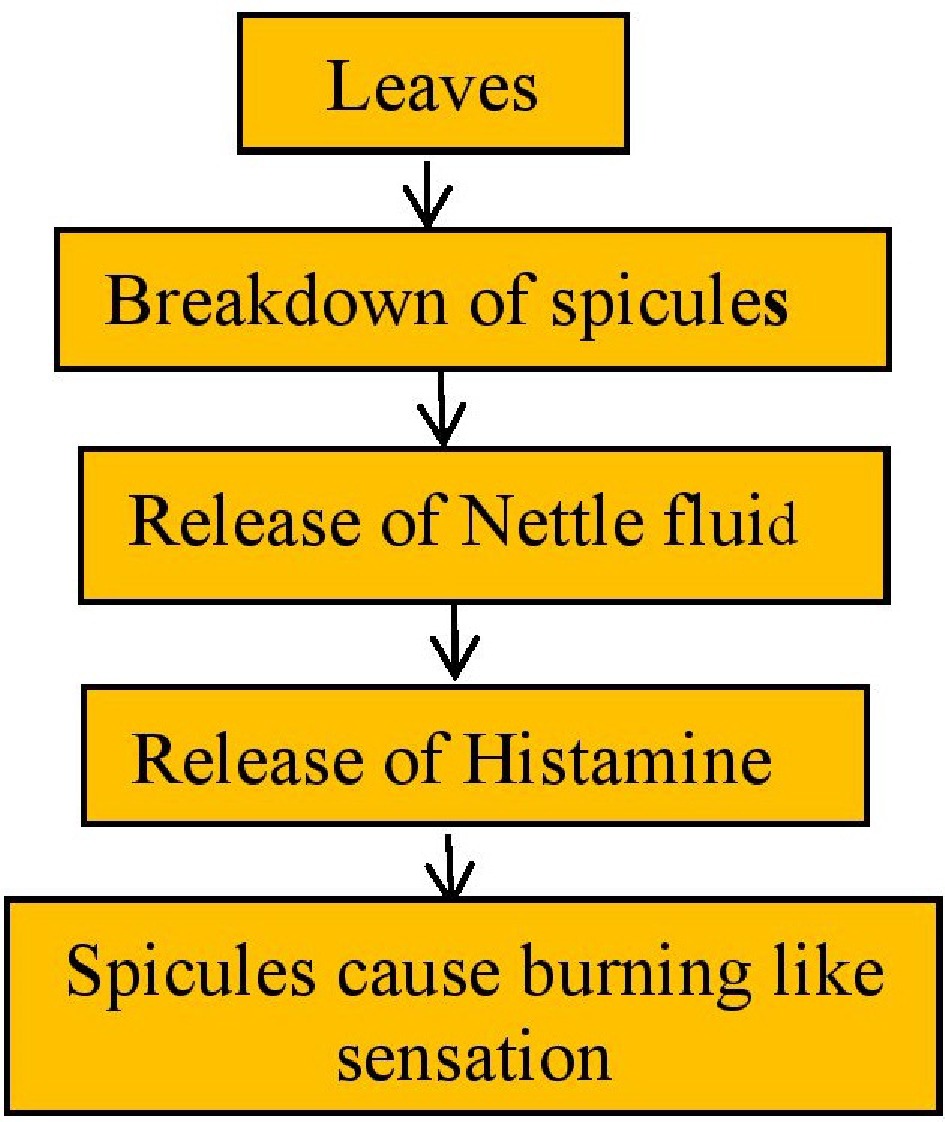
Figure 5.
Mechanism of the stinging sensation caused by Urtica dioica trichomes.
Treatment of nettle sting
-
Certain evidence has shown that the crushed leaves of sage (Salvia officinlis), dock plant (Rumex obtusifolius), peppermint (Menthe piperita), toothpaste, and mud can be rubbed at the site of the nettle sting to get relief from the pain. Removing the spicules at the site of injection can help in recovery. Washing can also help to provide relief from this sensation[21].
-
The various biological activities of Urtica dioica L. are illustrated in Fig. 6.
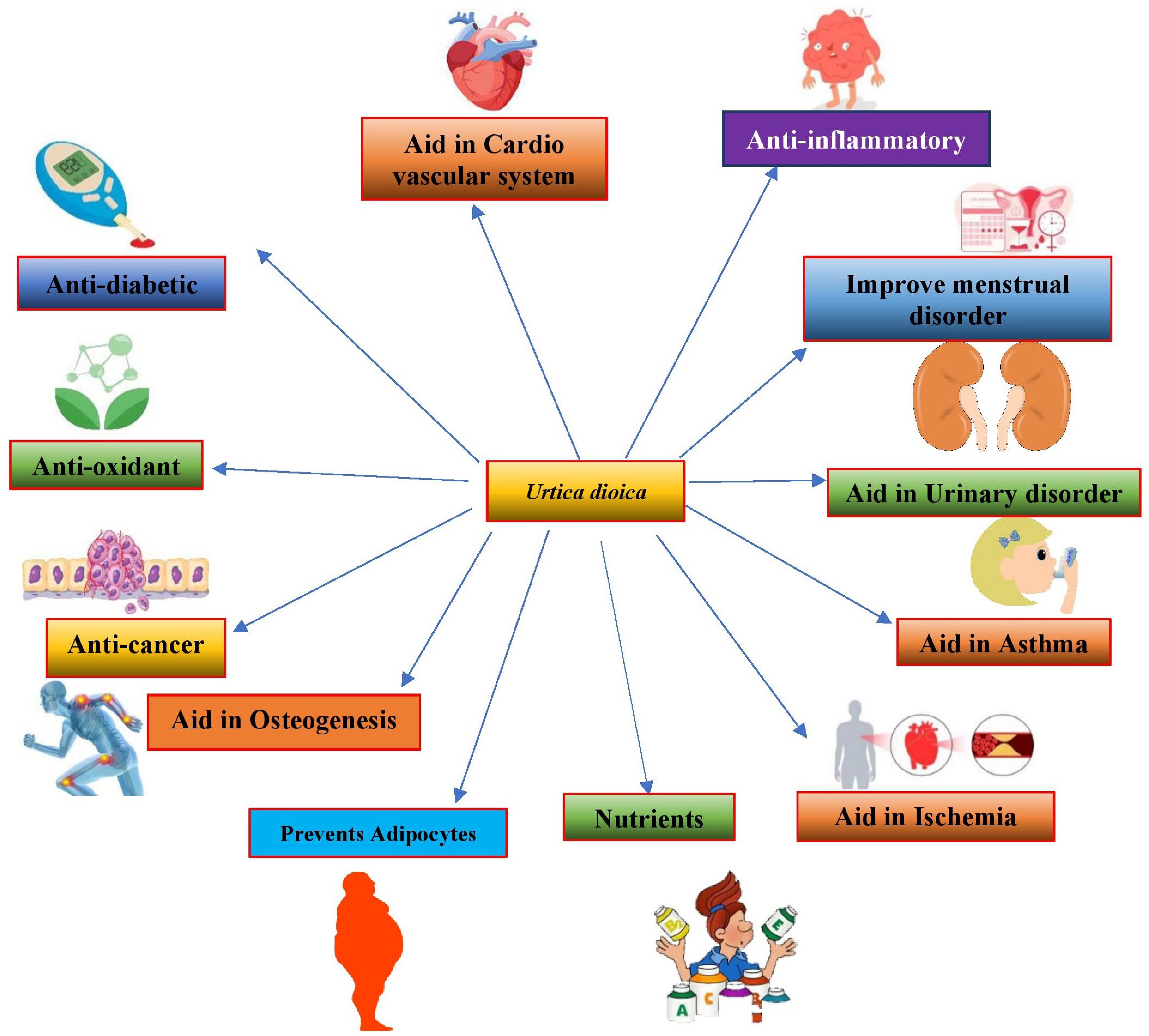
Figure 6.
Biological activity of Urtica dioica L.
Antidiabetic
-
The leaves in powdered form, used as a medication to treat diabetes, and zinc oxide nanoparticles produced using stinging nettle leaf extracts can help in diabetes management. This plant is used as a natural remedy due to its therapeutic qualities, and ZnO that is produced from the leaf extract exhibits actions against insulin and glucose, as well as against malignant cells[22]. Urtica dioica is used to lower elevated blood pressure and oxidative stress in people with type 2 diabetes. It also aids in blood glucose regulation. Stinging nettle raises blood glucose levels through fat tissue, which aids in lowering blood glucose concentration. An investigation using a rat model demonstrates that an Urtica dioica aqueous extract lowers the content of cholesterol and FBS[23].
Antioxidant
-
Different parts of the nettle plant have antioxidant properties at different levels. Cysteine and ascorbic acid are just two of the antioxidants in the nettle plant[24]. Otles & Yalcin reported the antioxidant capacity was highest in roots, followed by stalks, and leaves. The prominent compounds present in the root are secoisolariciresinol, p-coumaric acid, quinic acid, and scopoletin. P-coumaric acid enhances liver fatty acid oxidation and lipid excretion in feces, and it boosts inflammatory and insulin resistance-related adipokines[25]. Quinic acid elevates tryptophan and nicotinamide levels in the gastrointestinal tract which ultimately enhances lipoprotein concentrations[26]. Scopoletin enhances the mechanism of action of antioxidant enzymes superoxide dismutase, catalase, glutathione peroxidase, and glutathione S-transferase[27]. These compounds boost the antioxidant activities of the nettle plant[2]. Antioxidants help to detoxify the human system. Antioxidants also help to protect against damaging molecules. When the natural antioxidant mechanism is not working properly, the intake of additional materials will help in detoxification and the removal of toxins. Antioxidants such as vitamin E (tocopherol), vitamin C (ascorbic acid), green chlorophyll pigments, and several other antioxidants protect from the accumulation of reactive oxygen species. For protection against stress and photooxidative damage, stinging nettle plants have evolved some methods which help to protect leaves from drought, stress, and damage[28]. The presence of protocatechuic acid in stinging nettle shows antioxidant effects by enhancing the activity of glutathione peroxidase and superoxide dismutase (Fig. 7). This compound also acts as a radical scavenger[29].
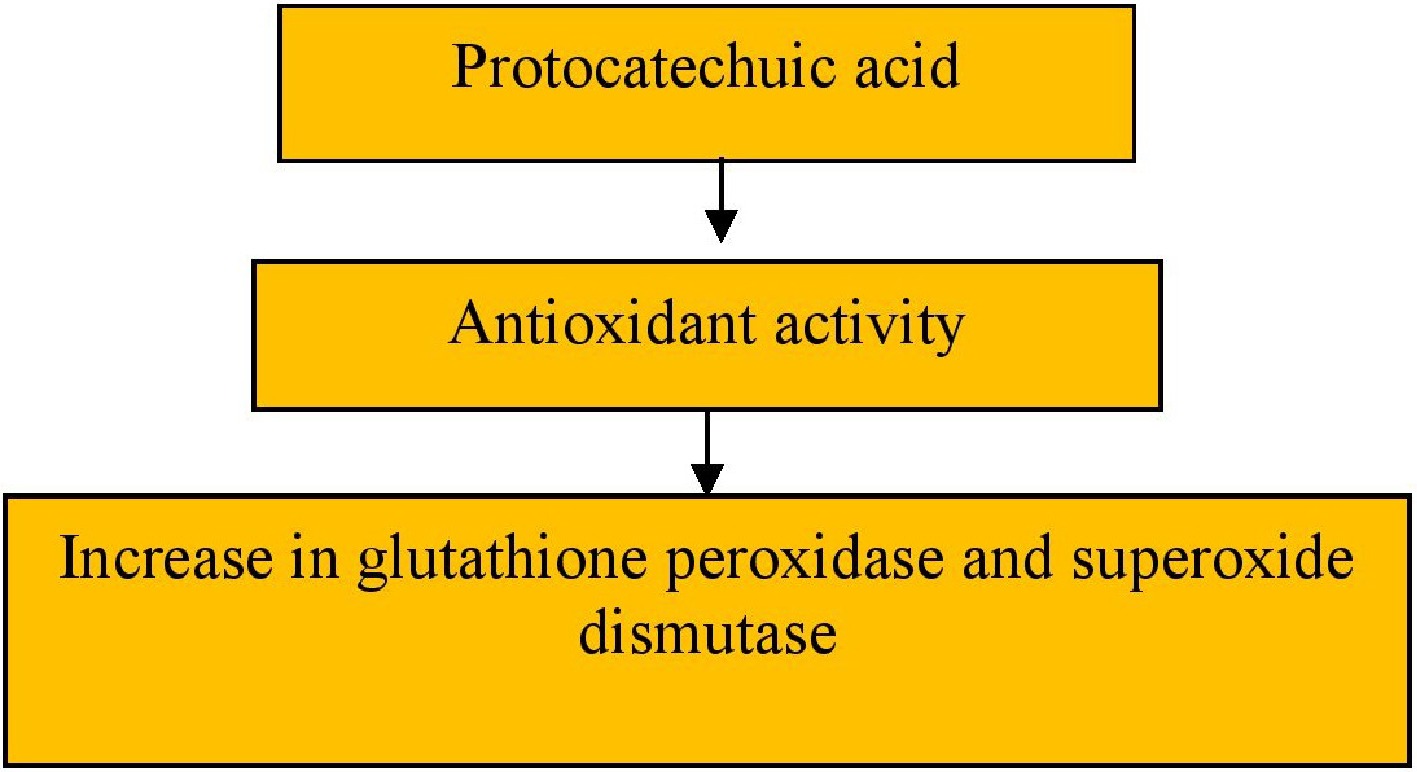
Figure 7.
This figure illustrates enhancement of antioxidant activity by protocatechuic acid.
Menstrual disorder
-
Menstrual disorders may arise due to a number of causes including hormonal imbalance, body weight, stress conditions, or nutritional deficiencies, such as proteins or certain vitamins. Stinging nettle shoots have ascorbic acid (vitamin C), riboflavin (vitamin B2), pantothenic acid (vitamin B5), folic acid (vitamin B9), vitamin K (phylloquinone), and vitamin A (retinol). In a study by Guzeldere et al., it was found that women with a menstrual disorder had a lower level of protein and vitamin B complexes[30]. In another study, it was found that folic acid reduced the risk of irregular menstruation via reduced levels of homocysteine during low vitamin B[31]. In another study where women with painful menstruation were treated with a vitamin K injection, this lowered the pain of menstrual cramps by relaxing the uterine muscle spasm caused by noradrenaline or prostaglandin (PG) F2alpha[32]. Overproduction of the androgen hormone in the body is a prevalent cause of female infertility disorders. An elevated dose of androgen sex hormone can cause irregular menstruation, skin acne, and patchy hair loss. Stinging nettle could help with PCOS issues, and the overabundance of androgen in the female body[33]. Because stinging nettle has astringent properties, it can assist women in relieving pain, cramps, and bloating associated with menstruation. Additionally, it lessens a woman's blood flow during her menstrual cycle. Women who are going through the menopause can also take stinging nettle to help with the transition, and regulate their body's hormonal fluctuations. The herb can help reduce hot flushes, mood swings, and other uncomfortable symptoms that come with the menopause. Stinging nettle has been used for centuries as a natural remedy for women's health issues, providing relief without the need for harsh medications. Whether dealing with menstrual discomfort or menopausal symptoms[34].
Urinary disorder
-
Stinging nettle may help in the treatment of urinary tract infections. High doses of stinging nettle help in the treatment of urinary disorders. Since the 15th century, stinging nettle extracts have been used to treat lower urinary tract problems, with no side effects seen in patients. In most of the studies, infusion of stinging nettle with other herbs, such as Pygeum africanum, is seen. Boiled nettle herb is sometimes used to give patients relief from urinary disorders. One study shows prazosin (which is used to treat hypertension) mixed with stinging nettle[35].
Osteogenesis
-
The extract of stinging nettle has shown a positive impact on bone mineralization, commonly known as osteogenesis, while also aiding in the reduction of bone swelling. It is believed to support bone density and strength, potentially benefiting individuals with osteoporosis or bone injuries. Additionally, its anti-inflammatory properties may contribute to improved bone healing and regeneration. However, there is limited knowledge regarding the structural quality and strength of the newly formed bone, necessitating further research to fully understand its potential benefits and long-term effects on skeletal health[36].
Ischemia
-
Reabsorption of blood flow just after ischemia, which is the inadequate blood supply to any body part, plays a crucial role in tissue recovery. At the site of muscle injury, stinging nettle helps enhance antioxidant levels while reducing oxygen-free radicals, thereby minimizing oxidative stress. This protective effect supports faster healing, reduces inflammation, and helps restore muscle function efficiently[37].
Effect on adipocyte
-
The extract of Urtica dioica shows an important effect on adipocyte cells (which are used for the storage of fats), and also shows a positive effect on metabolic activity. A study shows that stinging nettle affects adipocyte cells, showing free fatty acid reduction in hormones which are responsible for a higher risk of metabolic disorders, and an increase in the expression of ceramides, which induces cell cycle arrest, and also leads to cell death[38]. In this study, the Urtica dioica extract reduced the adiponectin expression by increasing the expression of ceramidase enzymes that stimulated the phosphorylation of AkT in adipocytes.
Asthma
-
Nettle plant extract is used to treat respiratory issues like asthma and respiratory tract edema. Stinging nettle exhibits excellent results in reducing respiratory tract edema and non-filtration. One chronic condition linked to lung conditions is asthma. It is reactive oxygen species (ROS) that cause lung damage. Nettle leaf infusion has reportedly been used historically to treat asthma and joint discomfort[39]. According to a study, treating rats with stinging nettle extract, which is used to treat inflammation and asthma, is a very effective way to cure lung illnesses[39].
Cardiovascular system
-
Nitric oxide, which is released from the endothelium, is widely known for its blood vessel relaxation mechanism. The involvement of nitric oxide with the root extract of stinging nettle shows its binding mechanism with the endothelium layer for blood vessel relaxation. The blood vessel relaxation decreases with an increase in potassium chloride levels concerning the rise in membrane depolarization. This suggests that higher potassium chloride concentrations may interfere with nitric oxide signaling, reducing its vasodilatory effect. Understanding this interaction could help in exploring the therapeutic potential of stinging nettle root extract for vascular health[40].
Nutrients
-
Stinging nettle plants are rich in nutrients, consisting of vitamin A (retinol), vitamin E (tocopherol), and vitamin C (ascorbic acid). In addition, it also consists of fats and carbohydrates. After boiling stinging nettle leaf, levels of vitamin E (tocopherol) rise. Elements, such as Ca, Cr, Cu, Fe, Mg, and Mn are found in leaves of nettle (Fig. 8). However, after cooking the nettle leaves, a lowering in the rate of elements is seen. A higher intake of cooked nettle leaves show higher rates of Fe and Mn in the body, although this might be beneficial to those having Fe and low levels of blood in the body. So, infused nettle leaves with beetroot and spinach are recommended to increase the level of blood in the body, and prevention against anemia[41].

Figure 8.
Nutrient composition of leaves.
Anti-inflammatory
-
Edema, allergies, and other ailments have long been treated with stinging nettle. Hay fever and other inflammatory pathways are treated with stinging nettle. A study found that the allergy pathway is inhibited by stinging nettle. It also shows problems with the way prostaglandins and mast cells function. Sneezing, watery eyes, itching, and nasal blockage are just a few of the inflammatory symptoms associated with allergies that are prevented by the bioactive chemicals in stinging nettle that inhibit COX-1 and COX-2. It also lessens the signs and symptoms of hay fever. Furthermore, stinging nettle functions as an organic antihistamine. Protocatechuic acid also shows anti-inflammatory effects by inhibiting interlukin-1β, interlukin-6, and cytokine tumor necrosis factor (Fig. 9)[29].
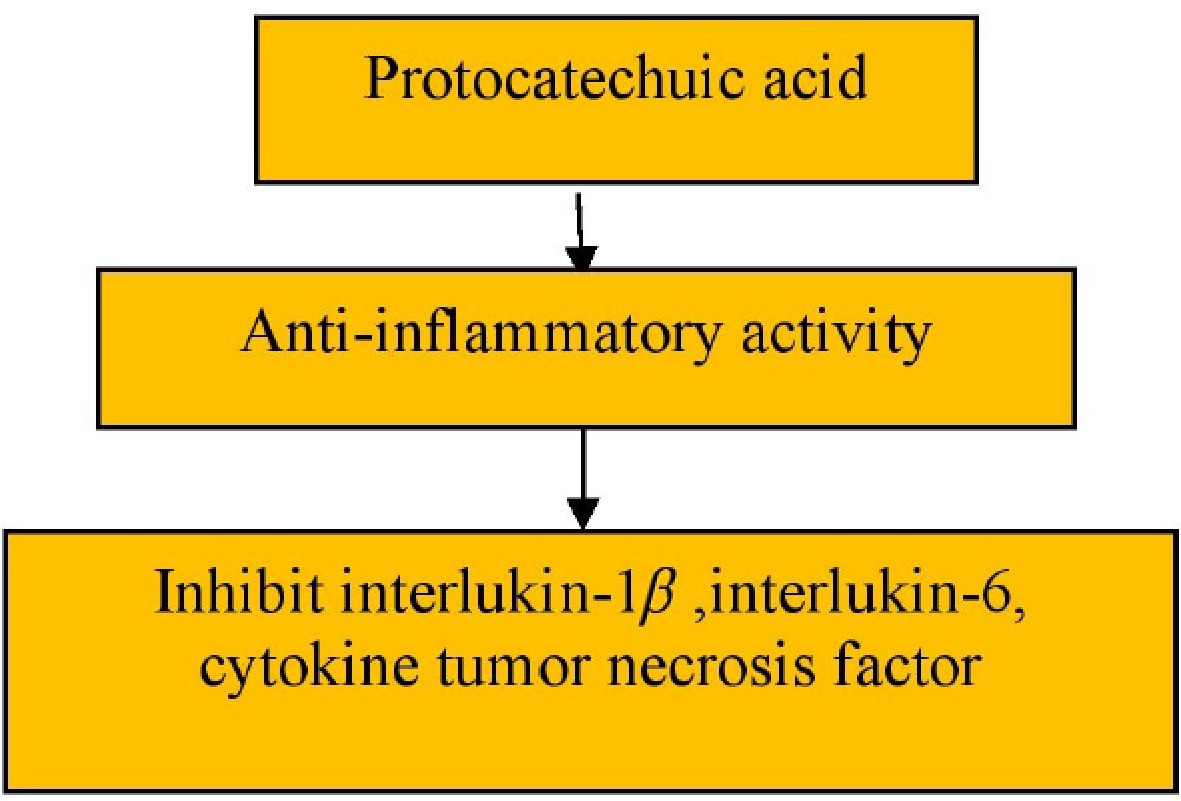
Figure 9.
Anti-inflammatory activity of protocatechuic acid.
Anti-cancer
-
Stinging nettle is gaining recognition as a powerful natural herb with potential benefits in fighting cancer. Root extracts from this plant suppress HeLa cells. Methanolic root extracts of stinging nettle are examined, and their effects on prostate gland enlargement, and the cancerous effect of the prostate gland is seen. The result shows a lowering in the proliferation of epithelial cells, and the antiproliferative effect of methanolic root extracts of stinging nettle, which shows better outcomes[42]. The effect of stinging nettle was evaluated on MDA-MB-468 human breast malignant cells, assessing cytotoxicity and programmed cell death using TUNEL assay, DNA fragmentation analysis, and RT-PCR, the indication of cell cycle arrest or programmed cell death by stinging nettle was investigated. The results indicate limitations in both cell development and size, without demonstrating any harm to normal cells. The findings of this study indicate that there are restrictions in cancerous cells, but no negative effects on non-cancerous cells are observed. It has been discovered that the mitochondrial route, which causes cell death when Caspase-9 activates it, is a crucial pathway for apoptosis[43]. Protocatechuic acid has antioxidant and ROS activity which prevent the mitochondrial membrane damage, which is an anticancerous property (Fig. 10).
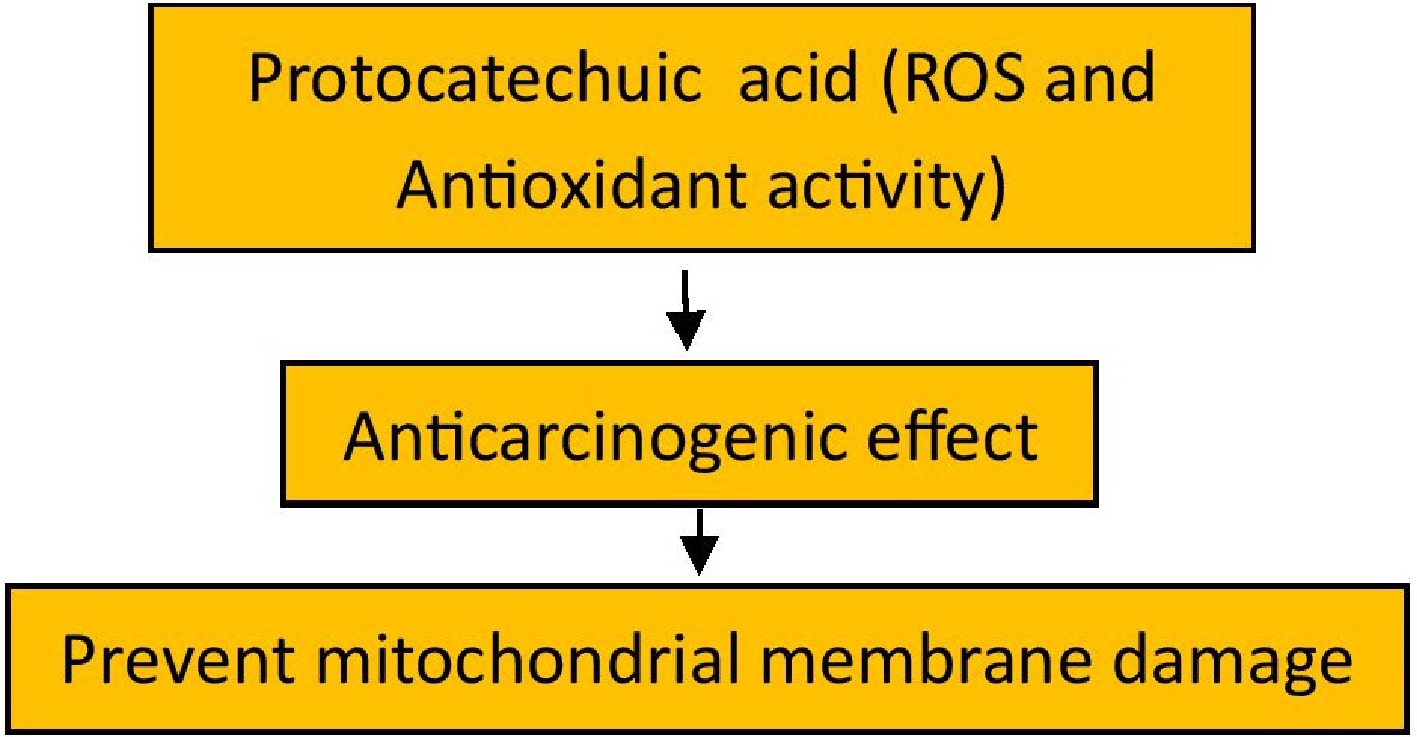
Figure 10.
Anticancerous activity of protocatechuic acid.
Major active ingredients of Urtica dioica
Phenolic acids
-
Phenolic compounds exhibit various bioactive properties that are beneficial to human health (Fig. 11). Among them, vanillic acid is a naturally occurring phenolic acid found in Urtica dioica. It possesses several pharmacological properties, including antioxidant, anticarcinogenic, and anti-inflammatory activities[44]. Notably, vanillic acid demonstrates significant antiproliferative and cytotoxic effects on various cancerous cells. Various studies show that vanillic acid induces apoptosis and DNA damage in lung cancer cells, thereby inhibiting their growth and progression. This mechanism of action highlights its potential as a therapeutic agent for lung cancer treatment. Additionally, vanillic acid enhance cellular defense mechanisms, contributing to its overall protective effects against carcinogens. Vanillic acid also exhibits neuroprotective effects by reducing inflammation and inhibiting the expression of cytokines, such as interleukin-1β (IL-1β), and interleukin-6 (IL-6)[45].
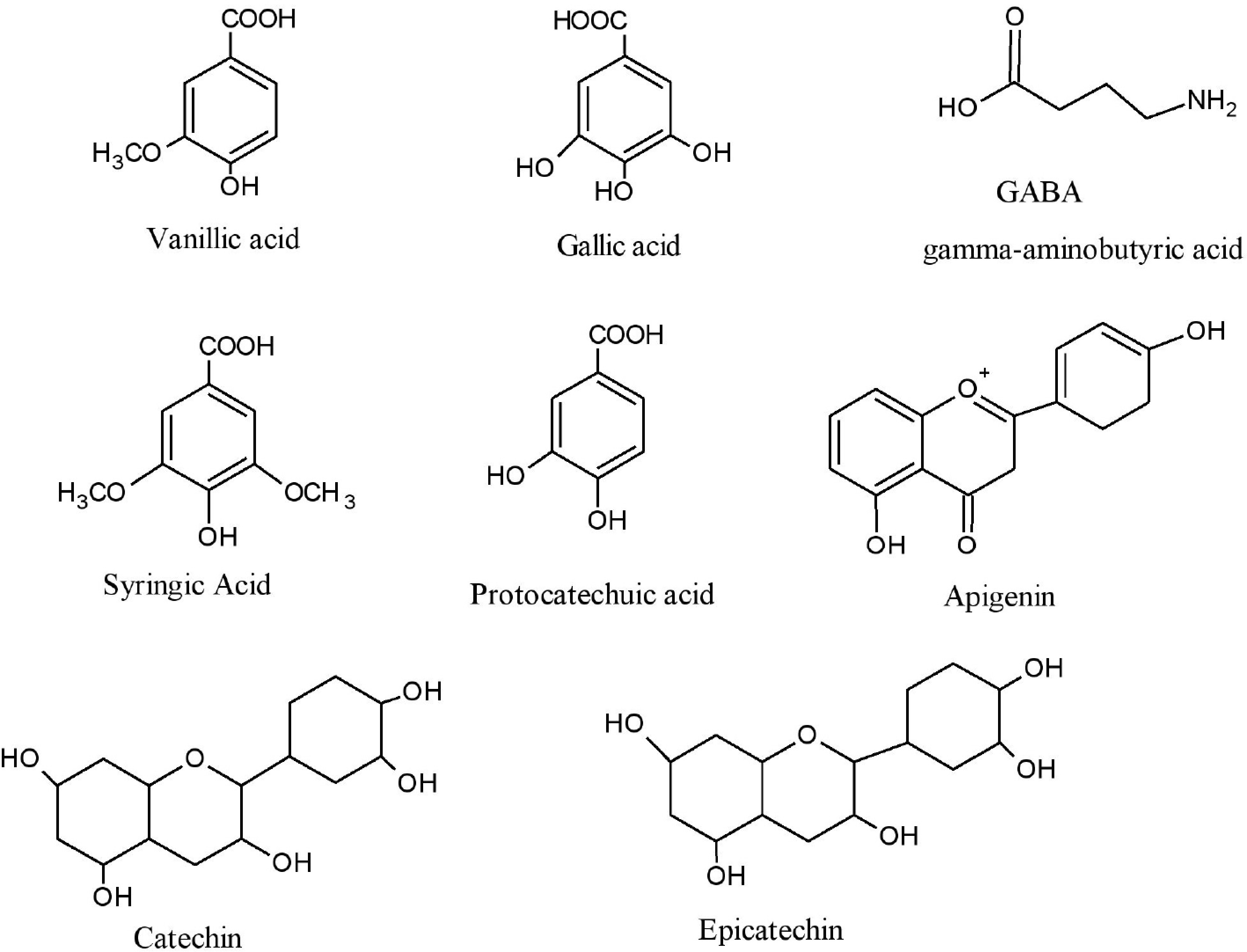
Figure 11.
Structures of the most abundant bioactive compounds in Urtica dioica.
Protocatechuic acid is one of the most commonly found phenolic acids, naturally present in various foods, and an integral part of the human diet. It exhibits antimicrobial properties against certain bacteria responsible for food spoilage. Studies suggest that this effect is primarily due to bacterial growth inhibition through membrane lysis, disrupting their structural integrity and viability[46]. Protocatechuic acid is a highly effective radical scavenger in aqueous environments, playing a crucial role in neutralizing harmful free radicals. Its strong antioxidant activity helps reduce oxidative stress, which is a major contributor to cellular damage, and various degenerative diseases[47]. One of its key protective mechanisms is its ability to prevent oxidative damage to the mitochondrial membrane. By preserving mitochondrial function and stability, protocatechuic acid reduces the risk of mitochondrial dysfunction, which is often associated with apoptosis (programmed cell death). By preventing apoptosis, protocatechuic acid contributes to overall cell survival and longevity, making it a potential therapeutic agent for conditions linked to oxidative stress[48].
Gallic acid (GA) is a phenolic compound found in various plants, including Urtica dioica. It plays a key role in enhancing lipid metabolism by inhibiting the inflammatory responses triggered by fatty acids. By reducing inflammation, gallic acid helps lower the risk of abnormal lipid metabolism, promoting overall metabolic health[49]. Gallic acid also facilitates tannin degradation through the shikimic acid pathway, expanding its potential for large-scale industrial production[50].
Syringic Acid (SA) is a phenolic compound with significant medicinal properties, primarily attributed to its potent antioxidant capacity. Natural derivatives of SA play a crucial role in facilitating communication between plants and soil microorganisms. Studies have demonstrated that oral administration of SA can effectively modulate biochemical parameters in buccal mucosal tissue, contributing to its therapeutic potential[51]. SA exhibits multiple chemotherapeutic effects by inducing apoptosis, causing cell cycle arrest, and reducing cell proliferation and migration. Additionally, it inhibits the DNA binding of Nuclear Factor Kappa B (NF-κB) and suppresses proteasome activity, further enhancing its anticancer potential[52].
Vanillic acid (VA), a phenolic compound, has shown potential in treating neurological disorders. A study conducted on mice demonstrated that VA significantly aided recovery from lung cancer induced by benzo pyrene. This suggests that VA also acts as a potent radical scavenger, contributing to its therapeutic benefits[53]. Vanillic acid also exhibits anti-arthritic activity by reducing the production of inflammatory cytokines and chemokines through the inhibition of MAPK/NF-κB signaling pathways. As a result, vanillic acid serves as a promising therapeutic agent for the treatment of rheumatoid arthritis[54].
Flavonoids
-
Apigenin, a natural flavonoid found in Urtica dioica, possesses a unique drug delivery system. Its component mixtures exhibit a synergistic effect, enhancing compound permeability across various biological pathways, making it a promising candidate for a wide range of therapeutic applications[55]. Apigenin enhances chemotherapy by slowing tumor growth, reducing side effects, and preventing resistance. Despite its antioxidant properties, it boosts anticancer effects by influencing cell signaling. As a radiosensitizer, it strengthens radiotherapy without weakening treatment, as its impact on cell signaling[56].
Catechins which are abundantly found in nettle, are widely used in cosmetics and the treatment of various diseases due to their antioxidant properties. They have a major role in UV protection capabilities[57]. Their activity is enhanced for applications in multiple fields, including skincare, where they help slow down the aging process. Catechins inhibit melanin production, promote cellular activity, and their strong antioxidant properties make them valuable in hair dyes, medicine, and cosmetics[58,59].
Gamma-aminobutyric acid (GABA) is a non-protein amino acid found in plants. It acts as a signaling molecule in plant development and functions as a growth regulator[60]. GABA plays a crucial role in enhancing plant tolerance to various stresses, including low-light conditions, salinity, temperature fluctuations, and drought. It promotes the activity of plant growth regulators, aiding in stress resistance through the regulation of antioxidant defense mechanisms. Additionally, GABA contributes to improved crop quality and extended shelf life[61]. The bioactive compounds extracted from the leaves of Urtica dioica has diverse applications in different industries; chlorophyll extracted from nettle leaves is used as a natural coloring agent (E140), and the leaves are also used in nettle beer preparation[62]. As a multipurpose crop, it is expanding into functional foods, pharmaceuticals, sustainable fibres, and in research, due to its rich nutrient and bioactive components.
-
The main objective of this review is to give an illustration of Urtica dioica chemical composition and biological activity. The information in this review will provide particular evidence of the plant's use in the treatment of various ailments. Asthma, menstrual issues, diabetes, cancer, and other health issues are all helped by the plant. It also possesses anti-cancer and antioxidant qualities. The medical field would greatly benefit from this plant. It would offer a safe and efficient substitute for conventional pharmaceutical therapies. For many patients, it would result in a significant improvement in quality of life. It has the potential to completely change how some diseases are managed. It might open the door to fresh medical discoveries. Future studies should focus on detailed molecular and cellular studies, which would be required to understand the specific mechanisms by which Urtica dioica exerts its anti-inflammatory, antioxidant, and anticancer effects, and investigating its interactions with signaling pathways involved in diseases like cancer, diabetes, and autoimmune disorders. Researchers should explore its role in drug formulations, dosage optimization, and potential interactions with conventional medications.
The authors would like to express their sincere gratitude to Career Point University, Hamirpur, Himachal Pradesh, India for providing the resources and support necessary to complete this review.
-
The authors confirm contributions to the paper as follows: study conception and design: Rathour M, Sharma P, Sharma N; data collection: Singh S, Chamoli N; analysis and interpretation of results: Rathour M, Sharma P, Sharma N; draft manuscript preparation: Rathour M, Sharma P, Sharma N, Singh S, Chamoli N. All authors reviewed the results and approved the final version of the manuscript.
-
The datasets generated during and/or analyzed during the current study are available from the corresponding author on reasonable request.
-
The authors declare that they have no conflict of interest.
- Copyright: © 2026 by the author(s). Published by Maximum Academic Press on behalf of Nanjing Agricultural University. This article is an open access article distributed under Creative Commons Attribution License (CC BY 4.0), visit https://creativecommons.org/licenses/by/4.0/.
-
About this article
Cite this article
Rathour M, Sharma P, Sharma N, Singh S, Chamoli N. 2026. A comprehensive review on biochemical composition of Urtica dioica L. and its applications to improve health benefits. Food Materials Research 6: e006 doi: 10.48130/fmr-0026-0006 

A comprehensive review on biochemical composition of Urtica dioica L. and its applications to improve health benefits
- Received: 07 November 2024
- Revised: 23 January 2026
- Accepted: 09 March 2026
- Published online: 14 May 2026
Abstract: Urtica dioica L. (stinging nettle) is a perennial flowering plant from the Urticaceae family, widely recognized for its medicinal properties. The phytochemical studies of Urtica have revealed the presence of phenols, flavonoids, alkaloids, terpenoids, and saponins, along with essential nutrients such as amino acids, ascorbic acid, carotenoids, fatty acids, and minerals. These bioactive compounds contribute to a wide range of biological functions, including adipocyte metabolism, cardiovascular support, menstrual regulation, bone formation (osteogenesis), and ischemia prevention. Additionally, Urtica dioica exhibits antioxidant, anti-inflammatory, antimicrobial, and immunomodulatory properties, further enhancing its therapeutic potential. Due to its diverse pharmacological activities, stinging nettle has been traditionally used as a natural remedy for various health conditions. The phytochemicals of Urtica have potential industrial applications as this plant is extensively used in the pharmaceutical and food industry for the preparation of various drugs, food colors, and food additives. This review provides a comprehensive overview of its chemical composition, biological activities, and major bioactive compounds.
-
Key words:
- Biological activity /
- Chemical composition /
- Urtica dioica L. /
- Urticaceae