












-
The United Nations' Sustainable Development Goal to end hunger, achieve food security, and improve nutrition while promoting sustainable agriculture has driven substantial global efforts since the 20th century, resulting in significant progress, though challenges and uneven advancements persist[1]. Among the approximately 390,000 known plant species, only 5,000–7,000 are cultivated for food, with just 250 fully domesticated. Notably, 30 crop species provide around 95% of human food and energy needs, leading to increasingly homogenized diets that are high in carbohydrates but low in proteins and micronutrients, undermining nutritional security[2−6]. Traditional agricultural practices including selective breeding, enhanced cultivation techniques, and fertilization are insufficient to meet the food demands of a growing global population[7]. To address these challenges, it is imperative to transform and diversify food systems. In this context, the development and utilization of orphan crops, species that have been historically neglected in research and development, have emerged as effective strategies to enhance global agricultural productivity and food security[8]. Orphan crops serve as a vital complement to conventional staple crops, exhibiting distinct nutritional profiles with unique advantages in proteins, micronutrients, and functional compounds, and possess unique values that supports the achievement of the United Nations Sustainable Development Goals.
-
Orphan crops, also known as neglected and underutilized species (NUS), are plant species that, despite their significant economic, nutritional, and cultural importance in specific regions, receive limited global cultivation and research attention[9−11]. These crops are mainly distributed in marginal agricultural zones, including sub-Saharan Africa, South Asia, Southeast Asia, and Latin America. They are valued for their resilience to environmental stresses and rich nutritional profiles, contributing to regional food security, and economic development[12] (Table 1).
Table 1. Overview of the production and food uses of orphan crops[1].
Common name Family Genus Main planting area Main uses Global production (thousand metric tons) Annual food consumption
(thousand metric tons)Groundnuts Fabaceae Arachis China, India, Nigeria, USA Boiled, peanut butter, cooking oil, cosmetics ingredients, animal feed 72,695 37,550 Beans (except soybeans) Fabaceae India, Brazil, Myanmar, Tanzania Protein source, canned, bean flour, improves soil fertility, animal feed 29,270 21,899 Peas Fabaceae Pisum Russian Federation, Canada, China, India Fresh consumption, dried, canned, silage 15,634 6,419 Sorghum Poaceae Sorghum Nigeria, Sudan, USA, Mexico Food, flour, brewing, animal feed, bioethanol production 60,653 38,636 Millet Poaceae India, Niger, China, Nigeria Food, porridge, fermented foods, animal feed 33,454 23,654 Oats Poaceae Avena Canada, Russian Federation, Australia, Poland Oatmeal, baking ingredients, silage 26,972 6,674 Rye Poaceae Secale Germany, Poland, Russian Federation, Belarus Make bread, alcoholic drinks, animal feed 13,583 4,378 Yams Dioscoreaceae Dioscorea Nigeria, Ghana, Ivory Coast, Benin Food, flour, traditional remedies 88,254 37,276 Sweetpotato Convolvulaceae Ipomoea China, Malawi, Tanzania, Nigeria Food, processed into chips or starch, bioethanol production, animal feed 132,100 75,923 Cassava Euphorbiaceae Manihot Nigeria, Democratic Republic of the Congo, Thailand, Ghana Food, tapioca, ethanol production, alcoholic beverages 331,381 182,954 Note: Data obtained from Food and Agriculture Organization of the United Nations (FAO) 2022. The first Global Plan of Action for the Conservation and Sustainable Utilization of Plant Genetic Resources for Food and Agriculture, adopted in Leipzig by 150 countries in 1996, laid the foundation for the development of 'underutilized plant species' [13]. The significance of this plan was further reaffirmed in the subsequent second Global Plan of Action[14]. The term 'orphan crops' first appeared in academic literature in 1998, with its definition gradually refined to denote 'crops of agricultural significance that suffer from insufficient research investment'[15]. Since 2009, the usage of this term surged markedly[16,17]. Recent years have witnessed a substantial expansion in orphan crop research, shifting focus from descriptive studies of traditional agricultural systems and basic trait characterization to genetic improvement and applications in sustainable agriculture.
-
Orphan crops primarily include cereals, pseudocereals, legumes, and root crops[18]. Domesticated approximately 11,000 years ago, foxtail millet (Setaria italica) is believed to have originated and undergone major improvement in China, playing a pivotal role in the emergence and prosperity of early Chinese civilizations[19,20]. Quinoa (Chenopodium quinoa), originating in the Andean region with a 7,000-year cultivation history in South America, is a nutrient-dense, drought-resistant pseudocereal[21]. Chickpea (Cicer arietinum), the third most cultivated legume in the world, has been farmed for approximately 10,000 years in South Asia and the eastern Mediterranean. Beyond its agronomic importance, chickpea offers high nutritional value and culinary versatility, and ecological benefits, such as soil fertility enhancement, and biodiversity promotion[22,23]. Yam (Dioscorea spp.), a globally distributed tuber crop cultivated across Africa, Asia, and Latin America, serves as a vital food source with diverse nutritional and medicinal value. Notably, it holds cultural significance in traditional medicine for treating various ailments[24,25]. Collectively, these orphan crops play indispensable roles in global agroecosystems. They not only provide diverse food resources but also contribute to biodiversity conservation and soil health enhancement. Nevertheless, their full potential remains underexploited due to limited research and institutional attention[18].
Genetic resources serve as strategic reserves for crop improvement, biodiversity conservation, and climate change adaptation. Their systematic collection and preservation provide diversified gene pools for agricultural breeding, enhancing crop stress tolerance and yield while safeguarding genetic information of wild and endangered species. The National Bureau of Plant Genetic Resources (NBPGR) in India has recorded 26,395 accessions of Sorghum, 25,785 accessions of Minor millets, and 14,904 accessions of Chickpea (
https://nbpgr.org.in/nbpgr2023 ). Additionally, the International Crops Research Institute for the Semi-Arid Tropics (ICRISAT) has collected 129,000 accessions from 144 countries, covering Sorghum, Minor millets, chickpea, pigeonpea, and peanut (www.icrisat.org ). The International Institute of Tropical Agriculture (IITA) holds the world's largest and most diversified collection of cowpea, with 15,000 accessions, as well as nearly 5,900 accessions of yam and approximately 2,000 accessions of Bambara groundnut (www.iita.org ). For Cassava, the International Center for Tropical Agriculture (CIAT) and IITA have preserved 5,965 and 3,700 accessions, respectively, covering major cultivated varieties worldwide (https://alliancebioversityciat.org ). The International Potato Center (CIP) maintains the world's largest sweetpotato genbank, with over 5,500 accessions preserved ex-situ, and has also collected 2,529 accessions of nine Andean roots and tubers (ARTCs) (https://cipotato.org/ ). Some regional institutions also play significant roles in the conservation of specific crops. For instance, the National Tropical Botanical Garden (NTBG) manages the world's largest Breadfruit germplasm collection (https://ntbg.org ). The Centre for Pacific Crops and Trees (CePaCT) has preserved approximately 70% of the world's Taro germplasm (around 1,300 accessions) (www.spc.int/resource-centre/centre-for-pacific-crops-and-trees-cepact ). Additionally, the Chinese Crop Germplasm Resources Information System (CGRIS) preserves over half of the world's Foxtail millet germplasm (www.cgris.net/home ). -
Traditional breeding, while not the most optimal strategy for efficient genetic improvement of orphan crops, still holds an irreplaceable position in enhancing their production potential due to its strong environmental adaptability, ecological compatibility, low technical barriers, and cost-effectiveness. The breeding experiences from major cereals can help address technical bottlenecks in the traditional breeding of orphan crops and accelerate their genetic improvement[12]. In some East African countries, finger millet varieties with 'special' traits are being actively promoted. For instance, iron-rich 'NAROMIL 3' helps alleviate iron-deficiency anemia, while the high-protein 'NAROMIL 5' and 'EUFM-401' improve nutritional intake. The easily breakable 'EUFM 05' reduces farmers' labor burden, and high-yielding 'ACC 14FMB/01WK', 'KNE 688', and 'P224' help ensure better harvests, thereby addressing food security challenges[26,27]. The Chinese alfalfa (Medicago sativa) variety 'Zhongmu-4' is the most commonly cultivated in northern China due to its well-developed root system, large leaf area, high nutritional value, rapid regrowth, high yield, and salt tolerance, enabling extensive adoption in the Yellow-Huaihe-Haihe River regions[28]. For chickpeas, mechanically harvestable varieties, such as 'NBeG 47' and 'GBM 2', reduce labor intensity and production costs through optimal podding height and seed yield advantages[29]. High-oleic peanut varieties, 'Girnar 4' and 'Girnar 5', have been commercially cultivated in Myanmar, Bangladesh, India, South Africa, Mali, and Malawi[30]. Across Ethiopia, Uganda, Kenya, Nigeria, and India, a high-yielding Orange-Fleshed Sweetpotato (OFSP) variety rich in vitamin A precursors and β-carotene is being promoted to enhance food security by increasing crop yields and consumption rates while reducing malnutrition and child mortality rates. Its roots and leaves are rich in β-carotene, which effectively alleviates vitamin A deficiency (VAD) in children and women of reproductive age[31,32]. These achievements not only demonstrate the potential of traditional breeding techniques but also lay a solid foundation for the modernization of orphan crops.
Traditional breeding emphasizes the prolonged observation and selection of crop traits over generations, while modern genomics reveals genetic-level variations, providing more precise guidance for breeding efforts. Consequently, the integration of traditional breeding and modern genomics not only compensates for their respective limitations but also offers a more comprehensive technological framework for the rapid improvement and promotion of orphan crops. For instance, in African agroecosystems, traditional local varieties that have been cultivated for generations often exhibit unique adaptability and nutritional value. By analyzing the genomes of these varieties, researchers can efficiently identify genes associated with desirable traits such as disease resistance, drought tolerance, or enhanced nutrition. These genes can then be incorporated into new cultivars, thereby accelerating the breeding process. This synergistic approach underscores the potential of combining conventional practices with cutting-edge technologies to advance the development of orphan crops. For example, based on the genome sequence and resequencing data of pearl millet, researchers have identified 11 parental combinations that have been utilized to produce hybrids exhibiting enhanced performance, as well as 159 parental combinations that have not yet been employed in hybrid breeding programs but are predicted to demonstrate high-yielding hybrid vigor[33].
-
The systematic characterization and functional exploitation of superior genetic determinants in orphan crops not only elevates their intrinsic agronomic potential but also fundamentally advances the global agricultural episteme through strategic expansion of phenotypically validated genetic repositories. Recent advances in the characterization of high-oleic acid phenotypes have elucidated key genetic mechanisms in peanut (Arachis hypogaea) and chia (Salvia hispanica). In peanut line 'F435', the high-oleic acid phenotype is co-regulated by two recessive genes, ol1 (AhFAD2A) and ol2 (AhFAD2B), which encode Δ12 fatty acid desaturases (FAD2) responsible for converting oleic acid to linoleic acid. A SNP (G/A) at position 448 bp in the coding region of AhFAD2A and a frameshift insertion mutation (an additional adenine base) at position 442 bp in AhFAD2B abolish enzymatic activity, thereby increasing the oleic acid-to-linoleic acid ratio[34−37]. In the natural high-oleic acid mutant lines 'PI342664' and 'PI342666', a novel C/G mutation 301 bp in AhFAD2B similarly reduces its enzymatic function[38]. Similarly, ShFAD2-1 and ShFAD2-2 from chia have been validated through heterologous expression in yeast to exhibit Δ12 desaturase activity[39].
Research on defense-related small molecule peptides has a significant role in enhancing disease resistance in various plant species. The alfalfa antifungal peptide (alfAFP) demonstrates substantial inhibitory activity against Verticillium dahliae, with transgenic potatoes (S. tuberosum) expressing alfAFP showing robust disease resistance in greenhouse trials[40]. Two antimicrobial peptides, Ac-AMP1 and Ac-AMP2, derived from Amaranthus caudatus, exhibit broad-spectrum inhibition of plant pathogenic fungi and Gram-positive bacteria at low concentrations[41]. Additionally, transgenic tobacco plants expressing the antimicrobial peptide gene Ah-AMP from Amaranthus hypochondriacus showed significantly reduced disease indices when infected by Pseudomonas solanacearum and Phytophthora parasitica, the causative agent of tobacco black shank[42].
Heterologous expression studies have demonstrated the functional roles of genes from various orphan crops in enhancing stress tolerance and other agronomic traits in model plants. Expression of the sweetpotato papain-like cysteine protease SPCP2 in Arabidopsis thaliana induced early flowering, abnormal pistil development, reduced seed viability, and enhanced salt and drought tolerance[43]. Similarly, overexpression of the mung bean (Vigna radiata) transcription factor gene VrDREB2A (Dehydration-responsive element-binding protein 2) in Arabidopsis improved drought and salt stress tolerance by activating DRE cis-element-dependent stress-responsive genes[44]. In parallel, overexpression of gene EcbHLH57 (Basic helix-loop-helix) cloned from finger millet in tobacco significantly enhanced salinity and drought tolerance, and root growth while upregulating the expression of stress-responsive genes (LEA14, rd29A, rd29B, SOD, APX, ADH1, HSP70, and PP2C), conferring comprehensive multi-stress resilience[45]. Furthermore, GsZFP1, encoding a Cys2/His2-type zinc finger protein from wild soybean (Glycine soja), significantly enhanced salt and drought tolerance when overexpressed in alfalfa[46].
Studies on salt and alkali tolerance mechanisms have identified key genes and pathways that confer resilience to these abiotic stresses in several orphan crops. In quinoa, genotype-dependent Na+ exclusion under salt stress was mediated by the synergistic action of CqHKT1 (High-affinity K+ transporter 1) and CqSOS1 (Salt overly sensitive 1)[47]. The sorghum alkali tolerance gene AT1 (Alkali tolerance 1), encoding a Gγ subunit, enhances saline-alkali tolerance by modulating H2O2 efflux[48]. Overexpression of the gene SiGRF1 (General regulatory factor) cloned from foxtail millet cultivar 'Yugu1' in Arabidopsis improved salt tolerance[49]; however, subsequent studies demonstrated its negative regulatory role in drought tolerance and root growth[50]. The wild soybean ion transporter gene GmCHX1 (Cation/H+ exchangers) improved Na+/K+ homeostasis and salt tolerance in the salt-sensitive line 'C08'[51]. In alfalfa, overexpression of endogenous MsRCI2D and MsRCI2E (Rare cold-inducible 2) enhanced salt tolerance by regulating the expression of key ion homeostasis genes (SOS1, NHX1, and HKT)[52]. Meanwhile, overexpression of MsNIP2 (Nodulin 26-like intrinsic proteins) exhibited reduced water loss and electrolyte leakage under salt stress despite higher Na+ accumulation, alongside increased plant height and branching[53]. The transcription factor MsSPL12 (Squamosa promoter-binding protein-like) was shown to enhance alfalfa salt tolerance through multi-pathway coordination, including reduced Na+ accumulation, elevated antioxidant enzyme activity, and regulation of downstream gene expression[54].
The mung bean ubiquitin-conjugating enzyme VrUBC1 (Ubiquitin conjugating) enhances osmotic stress tolerance by modulating the ABA pathway and interacting with RING E3 ligases[55]. The ascorbate peroxidase gene DaAPX from yam, when expressed in transgenic Arabidopsis, significantly improves cold tolerance, waterlogging resistance, and antioxidant capacity[56]. The PgDREB2A gene, cloned from Pearl millet, encodes a protein lacking a typical PEST degradation signal motif, conferring enhanced tolerance to high ionic and osmotic stress in transgenic tobacco plants[57].
-
Gene-editing technology, notably CRISPR/Cas9, has emerged as a powerful tool for improving crop traits such as stress resilience, higher yields, nutritional value, and accelerated domestication. Cassava, a starchy tuber crop characterized by large storage roots, serves as both a dietary staple and a multi-billion-dollar source of industrial starch. Nevertheless, conventional cassava breeding has been constrained by protracted phenotyping intervals and genotype-specific limitations in environmental plasticity. Recent advancements in CRISPR/Cas9 have provided innovative solutions to these limitations, enabling precise modifications to enhance cassava's agronomic and industrial potential.
In cassava, CRISPR/Cas9 has been applied to modify starch biosynthesis pathways, yielding significant improvements in root starch properties. Targeted mutations in protein targeting starch (PTST1) or granule-bound starch synthase (GBSS) genes have substantially reduced or eliminated amylose content in root starch[58]. Similarly, editing of starch branching enzyme 2 (SBE2) increased amylose and resistant starch levels in mutants, markedly improving the physicochemical properties of storage root starch[59]. In the widely grown cultivar 'South China No. 8' (SC8), CRISPR/Cas9-induced knockout of the MeMinD gene disrupted amyloplast division, resulting in greater starch granule quantity and a wider size distribution, offering a novel approach to tailoring cassava starch for specific applications[60].
Beyond starch quality, CRISPR/Cas9 has proven effective in strengthening cassava resistance to biotic stresses. In the cultivar '60444', editing of the ncbp-1, ncbp-2, and ncbp-1/ncbp-2 (novel cap-binding protein) genes produced mutants with reduced foliar symptoms of cassava brown streak disease (CBSD), alongside decreased severity and incidence of root necrosis[61]. To combat bacterial susceptibility in 'SC8', precise editing of the effector-binding element (EBE) within the MeSWEET10a promoter suppressed disease symptoms and bacterial proliferation, without compromising yield-related traits[62]. Additionally, knocking out the CYP79D genes across multiple varieties significantly lowered cyanogen content in leaves and roots, improving the crop's safety for human consumption[63]. These examples illustrate the transformative potential of CRISPR/Cas9 in enhancing both the resilience and safety of cassava.
The application of CRISPR/Cas9 extends well beyond cassava, offering substantial benefits for a range of orphan crops. In sweet potato, editing of the granule-bound starch synthase I (IbGBSSI) and starch branching enzyme II (IbSBEII) genes in the starch-rich 'Xushu22' and carotenoid-rich 'Taizhong6' varieties altered amylose-to-amylopectin ratios and chain lengths, without affecting total starch content[64]. In groundcherry (Physalis pruinosa), targeted modifications to the SELF-PRUNING (SP), SELF-PRUNING 5G (SP5G), and CLAVATA (CLV) genes increased fruit number by 50% and fruit weight by 24%, improving both yield and quality[65]. Additionally, CRISPR-Cas9 gene editing was used to validate the function of the Less Shattering1 (SvLes1) gene product in regulating seed shattering. This gene was found to be non-functional in green millet due to the insertion of a retrotransposon in its domesticated allele SiLes1-TE[66]. In soybean (W82), CRISPR/Cas9-generated E1La loss-of-function mutants (tof4CR) at the Time of flowering 4 (Tof4) locus exhibited earlier flowering, accelerated maturity, and altered yield-related traits, confirming E1La's role in suppressing flowering and enhancing high-latitude adaptation in wild soybean[67].
Further examples highlight the versatility of CRISPR/Cas9 across other orphan crops. The CRISPR/Cas12i.3 system was used to edit two BRACHYTIC2 (BR2) homologs (PmBR2a and PmBR2b) in broomcorn millet (Panicum miliaceum), producing dwarf, high-density-tolerant germplasm with shortened internodes and unaltered grain size or hundred-grain weight[68]. CRISPR/Cas9 knockout of SbBADH2 in sorghum created fragrant varieties with a distinct jasmine-like aroma in seeds and leaves[69], while knockout of AT1 significantly enhanced salt-alkali tolerance and improved yield and biomass[48]. Modification of SbSLT1 and SbSLT2 via CRISPR/Cas9 reduced strigolactone (SL) root exudation, suppressing Striga gemination and parasitism without compromising crop growth or yield[70]. CRISPR/Cas9 knockout of SaHSF1 in American black nightshade (Solanum americanum) impaired thermotolerance and downregulated heat shock protein (HSP) genes[71], while prickleless (PL) alleles engineered in Solanum species suppressed prickle development without pleiotropic effects[72]. These diverse applications underscore the capacity of CRISPR/Cas9 to enhance yield, stress tolerance, and quality traits across orphan crops. As the technology continues to advance, its role in improving orphan crops is poised to expand, contributing significantly to global food security and sustainable agriculture. By enabling precise, efficient modifications, this technology addresses longstanding challenges in crop improvement, offering a promising pathway to meet the demands of a growing population and a changing climate.
-
Orphan crops have historically suffered from insufficient genetic and molecular genetic resources due to the lack of complete genome sequences and high-throughput phenotyping platforms, which hindered appropriate germplasm selection over the past decades[73]. Recent advances in sequencing technologies have significantly increased sequencing throughput and reduced costs, providing profound opportunities for genomics breeding of orphan crops. Research initiatives led by international consortia, which have propelled orphan crop research into the whole-genome era, including the African Orphan Crops Consortium (AOCC;
http://africanorphancrops.org ), Crops of the Future Collaborative (https://foundationfar.org/consortia/crops-of-the-future-collaborative ), International Crops Research Institute for the Semi-Arid Tropics (ICRISAT;www.icrisat.org ), Centre of Excellence for Plant and Microbial Science (CEPAMS;www.cepams.org ), Consultative Group on International Agricultural Research (CGIAR;www.cgiar.org ), and International Weed Genomics Consortium (IWGC;https://foundationfar.org/what-we-do/consortia )[3,8,12,74,75] (Table 2). Utilizing whole-genome sequencing to explore germplasm resources is a key strategy for improving orphan crops, especially when investigating wild germplasm that may contain useful genetic resources lost during domestication. The limitations of conventional techniques in germplasm utilization have hindered the development of some orphan crops with scarce genetic diversity. Therefore, integrating whole-genome information with advanced breeding methods can effectively overcome these limitations, ultimately transforming orphan crops into sustainable crop resources with broad adaptability and high agricultural value.Table 2. Progress in orphan crop genome research.
Species Common name Cultivar Genome size Chromosome number Ploidy Genome data link Completion time Cajanus cajan Pigeonpea 606 Mb 11 Diploid https://data.legumeinfo.org/Cajanus/ 2011[91] Setaria italica Foxtail millet Yugu1 400 Mb 9 Diploid https://www.ncbi.nlm.nih.gov/datasets/genome/GCA_000263155.2/ 2012[92] Manihot esculenta Cassava AM560-2 533 Mb 18 Diploid 2012[93] Cicer arietinum Chickpea CDC Frontier 738 Mb 8 Diploid https://www.ncbi.nlm.nih.gov/datasets/genome/GCA_000331145.1/ 2013[94] Eragrostis tef Teff DZ-Cr-37 672 Mb 20 Allotetraploid http://www.tef-research.org/genome.html 2014[95] Manihot esculenta Cassava W14 742 Mb 18 Diploid https://www.ncbi.nlm.nih.gov/datasets/genome/GCA_000737105.1/ 2014[96] Manihot esculenta Cassava KU50 495 Mb 18 Diploid https://www.ncbi.nlm.nih.gov/datasets/genome/GCA_000737115.1/ 2014[96] Medicago truncatula 385 Mb 8 Diploid https://www.ncbi.nlm.nih.gov/datasets/genome/GCA_000219495.2/ 2014[97] Glycine soja Wild soybean ZYD04569 813 Mb 2014[98] Glycine soja Wild soybean PI507600 895 Mb 2014[98] Glycine soja Wild soybean PI407222 841 Mb 2014[98] Glycine soja Wild soybean ZYD03247 985 Mb 2014[98] Glycine soja Wild soybean ZYD02878 920 Mb 2014[98] Glycine soja Wild soybean ZYD00401 886 Mb 2014[98] Glycine soja Wild soybean PI578344B 878 Mb 2014[98] Phaseolus vulgaris Common bean G19833 473 Mb 11 Diploid https://phytozome-next.jgi.doe.gov/info/Pvulgaris_v2_1 2014[99] Cicer arietinum Chickpea ICC 4958 511 Mb 8 Diploid https://www.ncbi.nlm.nih.gov/datasets/genome/GCA_000347275.4/ 2015[100] Vigna angularis Adzuki bean Gyeongwon 443 Mb 11 Diploid https://www.legumeinfo.org/download/vigna/ 2015[101] Arachis duranensis V14167 1.21 Gb 10 Diploid https://www.peanutbase.org/download/ 2016[102] Arachis ipaensis K30076 1.51 Gb 10 Diploid https://www.peanutbase.org/download/ 2016[102] Phaseolus vulgaris Common bean BAT 93 550 Mb 11 Diploid https://denovo.cnag.cat/index.php/bean 2016[103] Chenopodium quinoa Quinoa 1.09 Gb 18 Allotetraploid https://quinoa.kazusa.or.jp/ 2016[104] Eleusine coracana Finger millet ML-365 11.96 Gb 18 Allotetraploid https://www.ncbi.nlm.nih.gov/datasets/genome/GCA_002180455.1/ 2017[105] Ipomoea batatas Sweetpotato Taizhong6 870 Mb 15 Hexaploid http://public-genomes-ngs.molgen.mpg.de/sweetpotato/ 2017[106] Fagopyrum tataricum Tartary buckwheat 489 Mb 8 Diploid https://www.mbkbase.org/Pinku1/ 2017[107] Dioscorea rotundata Guinea yam TDr96_F1 594 Mb 21 Diploid https://genome-e.ibrc.or.jp/resource/yam 2017[108] Chenopodium quinoa Quinoa PI 614886 1.33 Gb 18 Allotetraploid https://phytozome-next.jgi.doe.gov/info/Cquinoa_v1_0 2017[109] Eleusine coracana Finger millet PR202 11.89 Gb 18 Allotetraploid https://www.ncbi.nlm.nih.gov/datasets/genome/GCA_021604985.1/ 2018[110] Sorghum bicolor Sorghum Tx430 661 Mb 10 Diploid https://www.ncbi.nlm.nih.gov/datasets/genome/GCA_003482435.1/ 2018[111] Vigna subterranea Bambara groundnut 535 Mb 11 Diploid https://bioinformatics.psb.ugent.be/orcae/aocc/ 2019[3] Moringa oleifera Moringa 217 Mb Diploid https://bioinformatics.psb.ugent.be/orcae/aocc/ 2019[3] Lablab purpureus Dolichos bean 395 Mb Diploid https://bioinformatics.psb.ugent.be/orcae/aocc/ 2019[3] Faidherbia albida Apple-ring acacia 654 Mb Diploid https://bioinformatics.psb.ugent.be/orcae/aocc/ 2019[3] Sclerocarya birrea Marula 331 Mb Diploid https://bioinformatics.psb.ugent.be/orcae/aocc/ 2019[3] Panicum miliaceum Broomcorn millet 855 Mb 18 Allotetraploid https://genomevolution.org/coge/GenomeInfo.pl?gid=52484 2019[112] Artocarpus heterophyllus Jackfruit ICRAFF 11314 982 Mb 2019[86] Artocarpus altilis Breadfruit ICRAFF 11315 833 Mb 2019[86] Arachis hypogaea Peanut Tifrunner 2.54 Gb 20 Allotetraploid https://www.peanutbase.org/ 2019[113] Arachis hypogaea Peanut Shitouqi 2.54 Gb 20 Allotetraploid http://peanutgr.fafu.edu.cn/Download.php 2019[114] Glycine soja Wild soybean W05 1.01 Gb 20 Diploid https://www.ncbi.nlm.nih.gov/datasets/genome/GCA_004193775.2/ 2019[115] Pisum sativum Pea Caméor 3.92 Gb 7 Diploid https://urgi.versailles.inra.fr/Species/Pisum 2019[116] Vigna sesquipedialis Asparagus bean 633 Mb 11 Diploid https://doi.org/10.6084/m9.figshare.8131823 2019[117] Vigna unguiculata Cowpea IT97K-499-35 519 Mb 11 Diploid https://phytozome-next.jgi.doe.gov/info/Vunguiculata_v1_2 2019[118] Setaria viridis Green foxtail A10.1 395 Mb 9 Diploid https://www.ncbi.nlm.nih.gov/datasets/genome/GCA_005286985.2/ 2020[66] Eragrostis tef Teff Dabbi 578 Mb 20 Allotetraploid https://genomevolution.org/coge/GenomeInfo.pl?gid=50954 2020[119] Digitaria exilis White fonio CM05836 716 Mb 18 Allotetraploid https://doi.org/10.5061/dryad.2v6wwpzj0 2020[120] Colocasia esculenta Taro Longxiangyu 2.41 Gb 14 Diploid 2020[121] Coix aquatica Daheishan 1.62 Mb 10 Diploid https://www.ncbi.nlm.nih.gov/datasets/genome/GCA_009725075.1/ 2020[122] Coix lacryma-jobi Soft-shelled adlay ma-yuen 1.28 Gb 10 Diploid https://www.ncbi.nlm.nih.gov/datasets/genome/GCA_009758035.1/ 2020[123] Coix lacryma-jobi Job's tears/Adlay Beijing 1.73 Gb 10 Diploid https://genomevolution.org/coge/SearchResults.pl?s=54738&p=genome 2020[124] Medicago sativa Alfalfa XinJiangDaYe 2.74 Gb 16 Autotetraploid https://figshare.com/projects/whole_genome_sequencing_and_assembly_of_Medicago_sativa/66380 2020[125] Medicago sativa Alfalfa Zhongmu No.1 816 Mb 16 Autotetraploid https://figshare.com/articles/dataset/Medicago_sativa_genome_and_annotation_files/12623960 2020[76] Medicago caerulea Alfalfa PI464715 793 Mb 8 Diploid 2020[126] Dioscorea dumetorum Trifoliate yam 485 Mb Diploid 2020[127] Vigna mungo Black gram CN80 499 Mb 11 Diploid https://www.ncbi.nlm.nih.gov/datasets/genome/GCA_013427195.1/ 2021[128] Digitaria exilis White fonio 761 Mb 18 Allotetraploid https://bioinformatics.psb.ugent.be/orcae/aocc/ 2021[129] Manihot esculenta Cassava SC205 710 Mb 18 Diploid https://www.ncbi.nlm.nih.gov/datasets/genome/GCA_013618965.1/ 2021[130] Ipomoea aquatica Water spinach HNUWS001 550 Mb 15 Diploid 2021[131] Medicago truncatula R108 399 Mb 8 Diploid 2021[132] Secale cereale Rye Weining 7.74 Gb 7 Diploid https://www.ncbi.nlm.nih.gov/datasets/genome/GCA_016097815.1/ 2021[133] Secale cereale Rye Lo7 6.74 Gb 7 Diploid https://doi.org/10.5447/ipk/2020/29 2021[134] Avena strigosa Black oat S75 3.53 Gb 7 Diploid https://figshare.com/s/a2f71d7644c5aa5b09ff 2021[135] Lens culinaris Lentil CDC Redberry 3.69 Gb 7 Diploid https://knowpulse.usask.ca/genome-assembly/Lcu.2RBY/ 2021[136] Phaseolus lunatus Lima bean G27455 542 Mb 11 Diploid https://phytozome-next.jgi.doe.gov/info/Plunatus_V1 2021[137] Phaseolus acutifolius Tepary bean Frijol Bayo 513 Mb 11 Diploid https://phytozome-next.jgi.doe.gov/info/Pacutifolius_v1_0 2021[138] Phaseolus acutifolius Tepary bean W6 15578 662 Mb 11 Diploid https://phytozome-next.jgi.doe.gov/info/PacutifoliusWLD_v2_0 2021[138] Vigna mungo Black gram PC-31 475 Mb 11 Diploid https://www.ncbi.nlm.nih.gov/datasets/genome/GCA_019096145.1/ 2021[139] Sorghum propinquum S369-1 549 Mb 10 Diploid 2021[81] Sorghum verticilliflorum PI536008 672 Mb 10 Diploid 2021[81] Sorghum verticilliflorum 353 737 Mb 10 Diploid 2021[81] Sorghum verticilliflorum AusTRCF317961 643 Mb 10 Diploid 2021[81] Sorghum drummondii PI532566 643 Mb 10 Diploid 2021[81] Sorghum bicolor Sorghum IS929 579 Mb 10 Diploid 2021[81] Sorghum bicolor Sorghum IS3614-3 631 Mb 10 Diploid 2021[81] Sorghum bicolor Sorghum IS19953 600 Mb 10 Diploid 2021[81] Sorghum bicolor Sorghum IS8525 569 Mb 10 Diploid 2021[81] Sorghum bicolor Sorghum PI525695 468 Mb 10 Diploid 2021[81] Sorghum bicolor Sorghum IS12661 622 Mb 10 Diploid 2021[81] Sorghum bicolor Sorghum R931945-2-2 599 Mb 10 Diploid 2021[81] Sorghum bicolor Sorghum Ji2731 704 Mb 10 Diploid 2021[81] Arachis hypogaea Peanut Bailey II 2.56 Gb 20 Allotetraploid https://www.peanutbase.org/download/ 2022[140] Dioscorea alata Greater yam TDa95/00328 480 Mb 20 Diploid https://phytozome-next.jgi.doe.gov/info/Dalata_v2_1 2022[87] Trapa natans Water caltrop 1.06 Gb 48 Allotetraploid 2022[141] Vicia sativa Common vetch 1.65 Gb 6 Diploid https://www.ncbi.nlm.nih.gov/datasets/genome/GCA_021764765.1/ 2022[142] Artocarpus heterophyllus Jackfruit BARI Kanthal-3 818 Mb 28 Diploid https://www.ncbi.nlm.nih.gov/datasets/genome/GCA_020010975.1/ 2022[143] Artocarpus heterophyllus Jackfruit S10 986 Mb 28 Diploid https://www.ncbi.nlm.nih.gov/datasets/genome/GCA_025403435.1/ 2022[144] Fagopyrum esculentum Buckwheat 1.08 Gb 8 Diploid https://figshare.com/articles/dataset/The_chromosome-scale_genome_assembly_for_Golden_buckwheat_/19711891 2022[145] Trifolium pratense Red clover 423 Mb 7 Diploid 2022[146] Medicago sativa Alfalfa Zhongmu No.4 2.74 Gb 16 Autotetraploid https://figshare.com/s/fb4ba8e0b871007a9e6c 2022[28] Avena nuda Naked oat Sanfensan 10.76 Gb 21 Allohexaploid https://www.ncbi.nlm.nih.gov/datasets/genome/GCA_023646675.1/ 2022[147] Dioscorea zingiberensis Yams 629 Mb 10 Diploid https://www.ncbi.nlm.nih.gov/datasets/genome/GCA_026586065.1/ 2022[148] Pisum sativum Pea ZW6 3.72 Gb 7 Diploid https://zenodo.org/records/6622409 2022[82] Pisum sativum Pea 7 Diploid https://zenodo.org/records/6622578 2022[82] Vigna umbellata Rice bean 415 Mb 11 Diploid 2022[149] Vigna sesquipedialis Asparagus bean Ningjiang 3 550 Mb 11 Diploid https://www.ncbi.nlm.nih.gov/datasets/genome/GCA_026781165.1/ 2022[150] Vigna sesquipedialis Asparagus bean Dubai bean 564 Mb 11 Diploid 2022[150] Amaranthus tricolor 520 Mb 17 Diploid http://ftp.agis.org.cn:8888/~fanwei/Amaranthus_tricolor/ 2023[151] Gynandropsis gynandra GYN 740 Mb 17 Diploid https://doi.org/10.6084/m9.figshare.21383754 2023[152] Setaria italica Foxtail millet Me34V 399 Mb 9 Diploid https://zenodo.org/records/7367881 2023[20] Setaria italica Foxtail millet Ci846 412 Mb 9 Diploid https://zenodo.org/records/7367881 2023[20] Setaria italica Foxtail millet Yugu18 409 Mb 9 Diploid https://zenodo.org/records/7367881 2023[20] Panicum miliaceum Broomcorn millet 18 Allotetraploid https://zenodo.org/records/6627574 2023[153] Pennisetum glaucum Pearl millet PI537069 1.9 Gb 7 Diploid https://www.ncbi.nlm.nih.gov/datasets/genome/GCA_020739565.1/ 2023[80] Pennisetum glaucum Pearl millet Tifleaf 3 2.0 Gb 7 Diploid https://www.ncbi.nlm.nih.gov/datasets/genome/GCA_020739585.1/ 2023[80] Pennisetum glaucum Pearl millet PI526529 2.0 Gb 7 Diploid https://www.ncbi.nlm.nih.gov/datasets/genome/GCA_020739535.1/ 2023[80] Pennisetum glaucum Pearl millet PI583800 1.9 Gb 7 Diploid https://www.ncbi.nlm.nih.gov/datasets/genome/GCA_020739575.1/ 2023[80] Pennisetum glaucum Pearl millet PI521612 1.9 Gb 7 Diploid https://www.ncbi.nlm.nih.gov/datasets/genome/GCA_020739525.1/ 2023[80] Pennisetum glaucum Pearl millet PI587025 1.9 Gb 7 Diploid https://www.ncbi.nlm.nih.gov/datasets/genome/GCA_021560375.1/ 2023[80] Pennisetum glaucum Pearl millet 2.0 Gb 7 Diploid https://www.ncbi.nlm.nih.gov/datasets/genome/GCA_027789755.1/ 2023[80] Pennisetum glaucum Pearl millet PI343841 2.0 Gb 7 Diploid https://www.ncbi.nlm.nih.gov/datasets/genome/GCA_027745475.1/ 2023[80] Pennisetum glaucum Pearl millet 1.9 Gb 7 Diploid https://www.ncbi.nlm.nih.gov/datasets/genome/GCA_027745265.1/ 2023[80] Pennisetum glaucum Pearl millet 1.9 Gb 7 Diploid https://www.ncbi.nlm.nih.gov/datasets/genome/GCA_027789915.1/ 2023[80] Eleusine coracana Finger millet KNE 796 11.12 Gb 18 Allotetraploid https://phytozome-next.jgi.doe.gov/info/Ecoracana_v1_1 2023[154] Amaranthus hypochondriacus Amaranth 404 Mb 16 Diploid http://www.nbpgr.ernet.in:8080/AmaranthGRD/ 2023[155] Amaranthus cruentus Amaranth 365 Mb 17 Diploid http://www.nbpgr.ernet.in:8080/AmaranthGRD/ 2023[155] Amaranthus tuberculatus 689 Mb 16 Diploid http://www.nbpgr.ernet.in:8080/AmaranthGRD/ 2023[155] Amaranthus hybridus 412 Mb 16 Diploid http://www.nbpgr.ernet.in:8080/AmaranthGRD/ 2023[155] Amaranthus palmeri 412 Mb 16 Diploid http://www.nbpgr.ernet.in:8080/AmaranthGRD/ 2023[155] Vicia faba Faba bean Tiffany 11.4 Gb 6 Diploid http://www.fabagenome.dk/ 2023[156] Vicia faba Faba bean Hedin/2 11.9 Gb 6 Diploid http://www.fabagenome.dk/ 2023[156] Trifolium repens White clover 968 Mb 8 Diploid 2023[157] Lathyrus sativus Grasspea Pusa-24 3.80 Gb https://lathyrusgenome.nabi.res.in/index.html 2023[158] Lathyrus sativus Grasspea LS007 6.24 Gb https://zenodo.org/records/7390878 2023[159] Canna indica 821 Mb 9 Diploid 2023[160] Trapa natans Water caltrop Nahuling 477 Mb 24 Diploid https://www.ncbi.nlm.nih.gov/datasets/genome/GCA_035582545.1/ 2023[161] Trapa incisa Water caltrop Heilongjiang River 471 Mb 24 Diploid https://www.ncbi.nlm.nih.gov/datasets/genome/GCA_035582445.1/ 2023[161] Trapa bicornis Water caltrop Honghu 480 Mb 24 Diploid https://www.ncbi.nlm.nih.gov/datasets/genome/GCA_030064425.1/ 2023[162] Trapa incisa Water caltrop Honghu 464 Mb 24 Diploid https://www.ncbi.nlm.nih.gov/datasets/genome/GCA_030064435.1/ 2023[162] Salvia hispanica Chia 352 Mb 6 Diploid https://www.depts.ttu.edu/igcast/Staff/Data_availability.php 2023[163] Salvia miltiorrhiza Chinese sage 531 Mb 8 Diploid https://www.ncbi.nlm.nih.gov/datasets/genome/GCA_028751815.1/ 2023[164] Panicum sumatrense Little millet OLM 20 2024[165] Cyamopsis tetragonoloba Guar/Cluster bean 482 Mb 7 Diploid 2024[166] Medicago truncatula SA27063 481 Mb 8 Diploid https://data.legumeinfo.org/Medicago/ 2024[167] Avena sativa Common oat Marvellous 10.89 Gb 21 Hexaploid 2024[168] Solanum americanum American black nightshade WZ-2023 1.04 Gb 12 Diploid https://www.ncbi.nlm.nih.gov/datasets/genome/GCA_035772555.1/ 2024[71] Canavalia gladiata Sword bean 619 Mb 11 Diploid http://gigadb.org/dataset/102542 2024[169] Phaseolus coccineus Scarlet runner bean 593 Mb 11 Diploid http://gigadb.org/dataset/102545 2024[169] Psophocarpus tetragonolobus Winged bean 713 Mb 9 Diploid http://gigadb.org/dataset/102546 2024[169] Lathyrus sativus Grasspea LS007 5.96 Gb 7 Diploid https://www.ncbi.nlm.nih.gov/datasets/genome/GCA_963859935.3/ 2024[170] Phaseolus vulgaris Common bean JaloEPP558 576 Mb 11 Diploid https://www.ncbi.nlm.nih.gov/datasets/genome/GCA_040616365.1/ 2024[171] Phaseolus vulgaris Common bean Midas 509 Mb 11 Diploid https://www.ncbi.nlm.nih.gov/datasets/genome/GCA_040616355.1/ 2024[171] Vigna radiata Mung bean KUML4 468 Mb 11 Diploid https://doi.org/10.6084/m9.figshare.27094231.v1 2024[172] Vigna angularis Adzuki bean LongXiaoDou No.4 448 Mb 11 Diploid https://www.ncbi.nlm.nih.gov/datasets/genome/GCF_016808095.1/ 2024[173] Adansonia grandidieri Baobab trees 736 Mb 44 Diploid https://doi.org/10.6084/m9.figshare.25422502.v2 2024[174] Adansonia madagascariensis Baobab trees 651 Mb 44 Diploid https://doi.org/10.6084/m9.figshare.25422502.v2 2024[174] Adansonia rubrostipa Baobab trees 625 Mb 44 Diploid https://doi.org/10.6084/m9.figshare.25422502.v2 2024[174] Adansonia suarezensis Baobab trees 707 Mb 44 Diploid https://doi.org/10.6084/m9.figshare.25422502.v2 2024[174] Adansonia gregorii Baobab trees 669 Mb 44 Diploid https://doi.org/10.6084/m9.figshare.25422502.v2 2024[174] Adansonia za Baobab trees 616 Mb 44 Diploid https://doi.org/10.6084/m9.figshare.25422502.v2 2024[174] Adansonia perrieri Baobab trees 695 Mb 42 Diploid https://doi.org/10.6084/m9.figshare.25422502.v2 2024[174] Adansonia digitata Baobab trees 668 Mb 42 Autotetraploid https://doi.org/10.6084/m9.figshare.25422502.v2 2024[174] Sorghum bicolor Sorghum BTx623 720 Mb 10 Diploid https://figshare.com/articles/dataset/Sorghum_genome/25764612 2024[175] Sorghum bicolor Sorghum Ji2055 723 Mb 10 Diploid https://figshare.com/articles/dataset/Sorghum_genome/25764612 2024[175] Salvia divinorum Diviner's sage SAF-2024a 541 Mb 11 Diploid https://www.ncbi.nlm.nih.gov/datasets/genome/GCA_041381175.1/ 2024[176] Salvia officinalis Common sage 432 Mb 7 Diploid https://doi.org/https://doi.org/10.6084/m9.figshare.24100032 2024[177] Salvia rosmarinus Rosemary 1.20 Gb 12 Diploid https://www.ncbi.nlm.nih.gov/datasets/genome/GCA_036937905.1/ 2024[178] Avena sativa Common oat Marvellous 10.99 Gb 21 Hexaploid http://www.oatomics.com/home 2025[179] Solanum aethiopicum African eggplant PI 424860 1.10 Gb 12 Diploid https://www.solpangenomics.com/dist/index.php 2025[72] Solanum macrocarpon Gboma eggplant PI 441914 1.26 Gb 12 Diploid https://www.solpangenomics.com/dist/index.php 2025[72] Solanum americanum American black nightshade SP2273 1.16 Gb 12 Diploid https://www.solpangenomics.com/dist/index.php 2025[72] Solanum quitoense Naranjilla PI 489701 2.46 Gb 12 Diploid https://www.solpangenomics.com/dist/index.php 2025[72] Solanum muricatum Pepino Baker Creek 1.12 Gb 12 Diploid https://www.solpangenomics.com/dist/index.php 2025[72] Solanum muricatum Pepino Baker Creek 1.13 Gb 12 Diploid https://www.solpangenomics.com/dist/index.php 2025[72] Phaseolus vulgaris Red kidney bean PJY4 561 Mb 11 Diploid https://ngdc.cncb.ac.cn/gwh/Assembly/88072/show 2025[180] Vigna radiata Mung bean IPU-02-03 596 Mb 11 Diploid https://doi.org/10.6084/m9.figshare.25043495 2025[181] Salvia sclarea Clary sage 499 Mb 11 Diploid https://doi.org/10.6084/m9.figshare.27002593.v1 2025[182] Phaseolus coccineus Runner bean 643 Mb 11 Diploid https://phytozome-next.jgi.doe.gov/info/Pcoccineus_v1_1 Orphan crops often possess unique agronomic traits absent in conventional crops. Resequencing studies in several orphan crops have laid the foundation for understanding their population structure and domestication history, facilitating genome-wide association studies (GWAS) to identify candidate genes for key agronomic traits, clarify the sources of genetic variations, and enable the development of molecular markers for marker-assisted breeding[66,76−79]. Significant genetic variation exists among individuals within the same species due to geographic and environmental factors. However, a single reference genome cannot fully capture this diversity. Pangenome analyses, which integrate genomic data from multiple accessions, construct a comprehensive framework comprising core and variable genomes, thereby revealing genetic diversity and evolutionary patterns within orphan crop populations. Such advances not only deepen our understanding of the genetic architecture of orphan crops but also provide critical theoretical and technical support for breeding programs, substantially accelerating their genetic improvement[20,22,66,80−83].
-
International cassava improvement research was initiated by IITA and CIAT in the early 1970s, with the objective of developing high-yielding cassava varieties resistant to major pests and diseases, while also reducing pest-related losses through biological control and integrated pest management. In Sub-Saharan Africa, this research resulted in the development of several elite genotypes exhibiting resistance to cassava mosaic disease and cassava bacterial blight, alongside high yield, stability, and favorable consumer acceptability. From the late 1970s to the 1980s, these improved varieties were successfully disseminated following localized testing, significantly increasing yields (by 50%–100% without the use of fertilizer) and enhancing disease resistance and agroecological adaptability, thereby providing critical support for sustainable agricultural development in the region[84].
AOCC is an international initiative dedicated to enhancing the productivity, nutritional value, and sustainability of African orphan crops through genomic research, capacity building, and crop variety improvement. This endeavor aims to strengthen food security and advance sustainable agricultural development across the African continent. To achieve these objectives, the consortium collaborates with prominent global institutions, including the World Agroforestry Centre (ICRAF), the University of California, Davis (UC Davis, USA), and CGIAR. A cornerstone of AOCC's mission is the genomic sequencing of 101 traditional African food crops, which provides a scientific basis for their genetic enhancement. The ultimate vision of the AOCC is to ensure that improved varieties and cultivars, developed using genomic insights, are made available to farmers for cultivation. To date, reference genome sequences for at least ten orphan crops have been published in the academic literature, marking significant progress in this initiative. In addition to its research efforts, the AOCC facilitates capacity-building programs for African plant breeders, utilizing ICRAF as a training hub. These programs are designed to equip participants with advanced breeding techniques, thereby fostering agricultural innovation and supporting the sustainable development of the region[3,85−89].
The Roots, Tubers, and Bananas Research Program (RTB), initiated in 2012, is a collaborative initiative led by CIP in partnership with four CGIAR research centers—Bioversity International, CIAT, IITA, and CIP itself—alongside the French Agricultural Research Centre for International Development (CIRAD). This program aims to enhance the production efficiency, sustainability, and utilization of root and tuber orphan crops, including cassava, sweet potato, yam, and other related species. These orphan crops, typically underrepresented in global agricultural research, are rich in essential nutrients such as provitamin A carotenoids, thereby playing a pivotal role in improving nutrition and food security in developing countries. As primary dietary staples for hundreds of millions of individuals in these regions, they are highly valued for their exceptional adaptability to adverse growing conditions, significantly contributing to sustainable agricultural development[90]. Through these international cooperation initiatives, the research and application of orphan crops have been significantly advanced, thereby making substantial contributions to global food security, and the development of sustainable agriculture (Fig. 1).
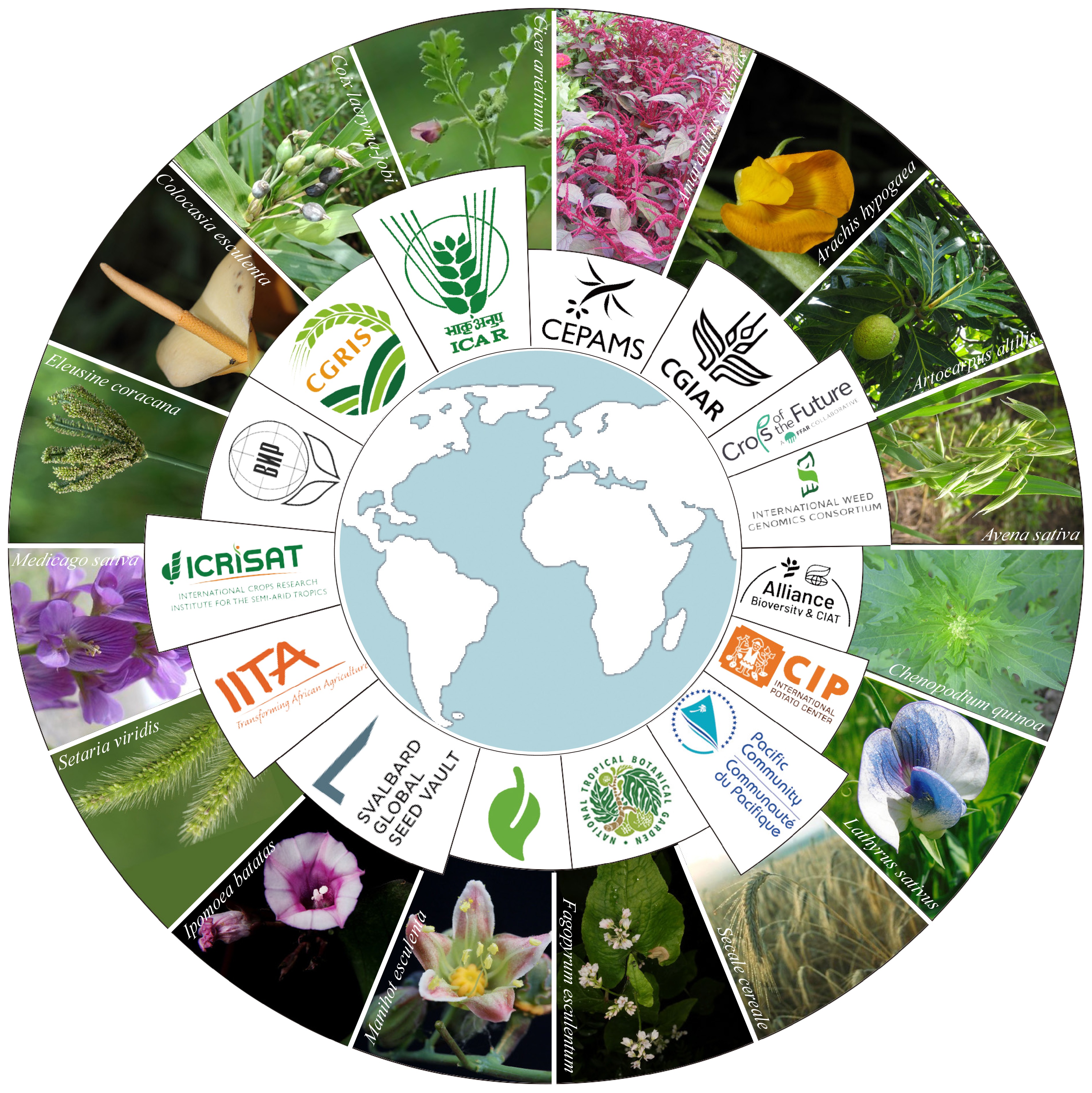
Figure 1.
Global distribution and international cooperation of orphan crops.
-
While conventional breeding has played a foundational role in improving orphan crops, its limited efficiency, precision, and adaptability increasingly fail to address urgent demands posed by climate change and food security. To overcome these challenges, integrated strategies are essential, including accelerating genome characterization and pangenome research through high-throughput sequencing, elucidating genetic diversity via multi-omics analyses (e.g., transcriptomics, metabolomics, proteomics, spatial omics), leveraging CRISPR/Cas9-mediated gene editing for precision enhancement of key trait genes, and establishing global germplasm repositories to preserve genetic diversity; strengthening international collaboration and knowledge exchange will provide material and technical support for developing and disseminating novel varieties. Concurrently, comprehensive measures, are critical to enhancing orphan crops' yield, stress resilience, and market value, such as promoting locally adapted cultivation practices, unlocking food and health application potentials, and implementing targeted policy frameworks.
-
The authors confirm contribution to the paper as follows: study conception and design: Wang Z; draft manuscript preparation: Wang Z, Xiang G. Both authors reviewed the results and approved the final version of the manuscript.
-
Data sharing not applicable to this article as no datasets were generated or analyzed during the current study.
-
The authors declare that they have no conflict of interest.
- Copyright: © 2025 by the author(s). Published by Maximum Academic Press on behalf of Yunnan Agricultural University. This article is an open access article distributed under Creative Commons Attribution License (CC BY 4.0), visit https://creativecommons.org/licenses/by/4.0/.
-
About this article
Cite this article
Wang Z, Xiang G. 2025. Genomic research and genetic improvement of orphan crops: novel strategies for addressing global food security challenges. Agrobiodiversity 2(2): 19−32 doi: 10.48130/abd-0025-0004 

Genomic research and genetic improvement of orphan crops: novel strategies for addressing global food security challenges
- Received: 28 February 2025
- Revised: 02 April 2025
- Accepted: 06 April 2025
- Published online: 25 April 2025
Abstract: Orphan crops hold significant potential for global food security, particularly in addressing climate change, population growth, and demands for nutritional diversity. This review comprehensively summarizes recent advances in genomic research and genetic improvement of orphan crops, exploring how enhanced yield, stress resilience, and nutritional value can address global food challenges. Studies reveal that orphan crops possess rich genetic diversity, enabling the identification and optimization of key genes through genome sequencing, gene editing (e.g., CRISPR/Cas9), and conventional breeding to improve critical agronomic traits. The paper synthesizes the characteristics of genetic resources, progress in traditional breeding, discovery of advantageous genes, and improvement strategies in the whole-genome era, while also analyzing their linkages to human health and current challenges. The research underscores that the development and utilization of orphan crops offer innovative strategies for achieving sustainable agriculture and 'Zero Hunger' posed by the United Nations, despite remaining hurdles such as insufficient research investment and limited market adoption.
-
Key words:
- Orphan crops /
- Germplasm resources /
- Food security /
- Gene editing